

Free Atlantique Travel Guide & Mobile App
Explore Atlantique with free travel guides. Discover regional history, expert tips, proposed trips, and audio guides on web or mobile app.


Explore Atlantique in Benin for Ouidah’s history, Vodun heritage, Lake Nokoué waterways, Ganvié and Atlantic coastal landscapes.
Read more about Atlantique
When is the best time to visit Atlantique?
Best: December–February · 31–32°C| Month | High (°C) | Rainfall (mm) |
|---|---|---|
| January (best) | 31 | 20 |
| February (best) | 32 | 30 |
| March | 33 | 40 |
| April | 34 | 50 |
| May | 34 | 60 |
| June | 33 | 70 |
| July | 32 | 80 |
| August | 32 | 90 |
| September | 33 | 80 |
| October | 34 | 70 |
| November | 33 | 60 |
| December (best) | 32 | 50 |
Getting to and around Atlantique
How to get there
Transportation
Top city travel guides in Atlantique
The cities of Atlantique, and the easiest places to base yourself.
-

-

-

-


Swipe for more cities
Destinations in Atlantique
Resorts, valleys and scenic spots worth a trip of their own.
-

-


Swipe for more destinations
Best attractions in Atlantique
Atlantique’s attractions range from Ouidah’s museums and memorial route to the waterways of Lake Nokoué and the historic traditions of Allada. In Ouidah, the Ouidah Museum of History provides context for the town’s links with African kingdoms, European commerce, Christianity and the transatlantic slave trade, while the Route des Esclaves leads towards the coast through a sequence of commemorative places. The Sacred Forest of Kpassè offers a shaded setting associated with local religious history, and the Python Temple introduces visitors to a living Vodun tradition that should be approached respectfully. Boat excursions on Lake Nokoué reveal fishing settlements, floating markets and lakeside communities, with Ganvié the best-known destination. Around Abomey-Calavi, the lake and its access points contrast with the dense urban landscape. Inland, Allada, Tori-Bossito, Toffo and Zè provide opportunities to see agricultural environments, local markets and smaller-town life. The Atlantic coast adds broad beaches and fishing activity, but swimming conditions and facilities vary, so the shoreline is better treated as a landscape and cultural experience than as a fully serviced resort strip.
-
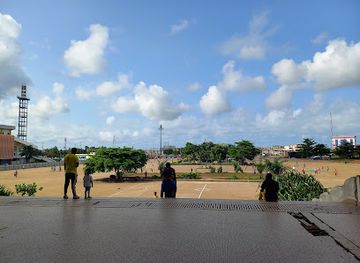
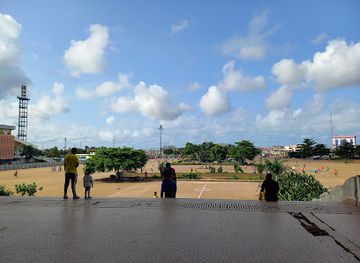
Stadium
General Mathieu Kerekou Friendship Stadium
Experience the heartbeat of Cotonou at General Mathieu Kerekou Friendship Stadium, where sports, culture, and community come alive.
-
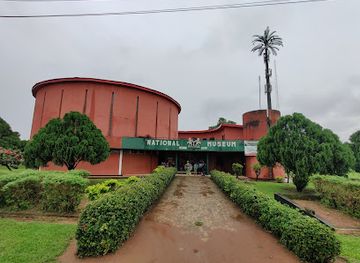
Museum
National Museum Benin City
Uncover the treasures of Benin's rich history and culture at the National Museum Benin City, a must-visit for any traveler in Nigeria.
-
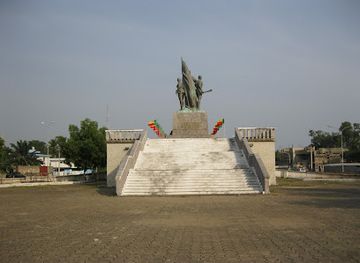
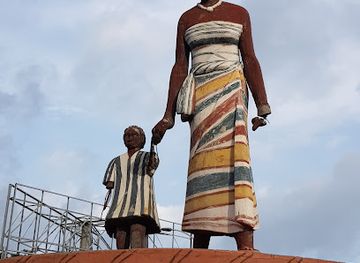
Historical landmark
Place du Souvenir, ex Place des Martyrs
Discover the rich heritage of Benin at Place du Souvenir, a historical landmark honoring the nation's heroes and a testament to its vibrant culture.
-
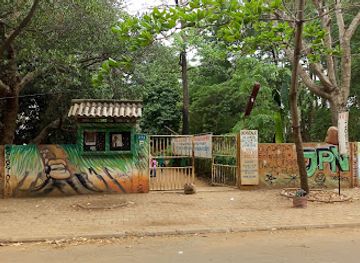
Botanical garden
Jardin des Plantes et de la Nature (JPN)
Discover the serene beauty of Jardin des Plantes et de la Nature, a lush botanical garden in Porto-Novo, showcasing diverse flora and tranquil landscapes.
Best landmarks in Atlantique
The Door of No Return at Ouidah is Atlantique’s most recognisable memorial landmark, standing on the coast at the end of the Route des Esclaves and representing the forced departure of enslaved Africans across the Atlantic. Within the town, the Ouidah Museum of History occupies a former Portuguese fort and helps explain the political and commercial forces that shaped the port. The Sacred Forest of Kpassè is both a natural enclosure and a religiously significant place connected with the history of Ouidah. In Allada, historic traditions associated with the former kingdom give the town importance within the political history of southern Benin. Lake Nokoué is the department’s defining natural landmark, its broad waters linking fishing communities and stilt settlements; Ganvié’s houses and waterways are its most familiar human landscape. The coast itself, with its long sandy shore and Atlantic surf, provides a powerful geographical counterpoint to the lake and inland towns. These landmarks are best understood as connected places of memory, belief, settlement and movement rather than as isolated monuments.
-
Stadium
General Mathieu Kerekou Friendship Stadium
Discover the vibrant culture and thrilling sports events at General Mathieu Kerekou Friendship Stadium in Cotonou, a must-visit for every tourist.
-
Market
Dantokpa Market
Explore the vibrant Dantokpa Market in Cotonou, a treasure trove of local crafts, fresh produce, and authentic Beninese culture.
-
 Hotel
HotelNovotel Cotonou Orisha
Discover luxury and local charm at Novotel Cotonou Orisha, a premier hotel on Boulevard de la Marina, perfect for your Cotonou adventure.
-
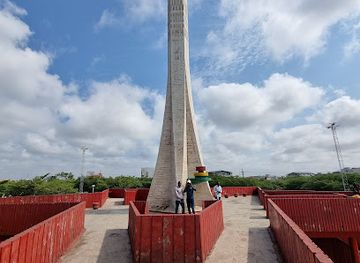
Historical place
Red Star Square
Explore the vibrant Red Star Square in Cotonou, where history and culture blend seamlessly to create an unforgettable experience for all travelers.
Explore Atlantique on the map
Plan your trip on one map. See where the top cities, national parks and sights are, and book hotels and experiences in a few clicks.
Best hotels in Atlantique
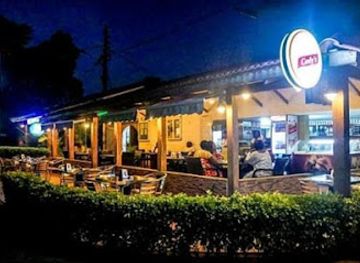
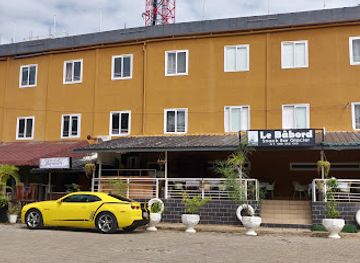
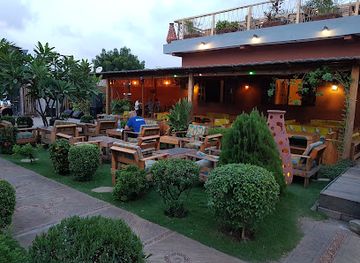
Best restaurants in Atlantique
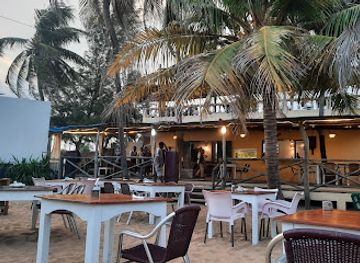
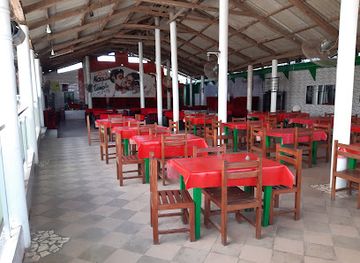
Dining in Atlantique reflects the ingredients and cooking habits of southern Benin, with maize, cassava, rice, beans, vegetables, chilli-based sauces, grilled fish and poultry appearing regularly. In Ouidah and Abomey-Calavi, restaurants and informal eateries serve regional staples alongside broader West African dishes, while roadside grills offer practical meals for travellers moving between towns. Fresh fish is especially associated with the coastal and lakeside economy, although provenance and availability vary by season. Look for pâte made from maize or other local starches, sauces enriched with tomato, pepper or leafy vegetables, and fried or grilled snacks sold in markets. Fruit such as pineapple, mango and papaya is widely available when in season. Cafés and hotel restaurants provide more predictable settings for visitors who prefer familiar service, while markets and small eateries offer a closer view of everyday food culture. Bottled water is the simplest choice for travellers, and cooked food with a high turnover is generally preferable to dishes that have been sitting in the heat.
-
Restaurant
La Cabane du Pêcheur
Savor the essence of Benin's coastal cuisine at La Cabane du Pêcheur in Cotonou – where every meal is a celebration of local flavors.
-
Restaurant
Restaurant Le Teranga
Experience the vibrant flavors of Benin at Restaurant Le Teranga - where local ingredients meet global cuisine in Cotonou.
-
Restaurant
Rïn Restaurant
Discover the vibrant flavors of Africa, France, and Japan at Rïn Restaurant in Cotonou – where culinary excellence meets cultural diversity.
-
Restaurant
Le Lieu Unique
Experience the vibrant flavors of Benin at Le Lieu Unique, where culinary excellence meets local culture in Cotonou.
Best bars in Atlantique
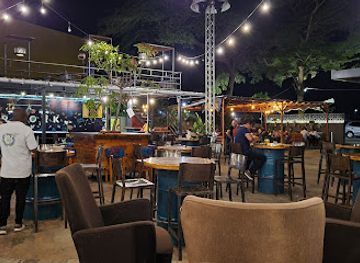
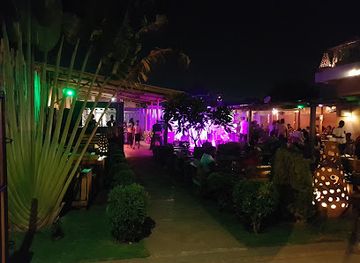
Evening life in Atlantique is generally centred on neighbourhood bars, small restaurants, music, conversation and football rather than a concentrated nightclub circuit. Ouidah has relaxed places to eat and drink after visiting its historical sites, while Abomey-Calavi offers a broader urban selection because of its large population, university presence and links with the Cotonou metropolitan area. Local beer, soft drinks and fruit-based refreshments are common, and some venues play popular Beninese and West African music. In Allada and smaller inland towns, nightlife is more informal and tends to wind down earlier. Beachside establishments may attract visitors at weekends, but conditions and operating arrangements change, so local advice is useful. Travellers should keep personal belongings close, arrange transport before drinking and avoid assuming that a busy bar represents an organised tourist venue.
-
Bar
Code Bar
Experience the vibrant nightlife of Cotonou at Code Bar, where great drinks and lively ambiance meet local culture.
-
Restaurant
Le Lieu Unique
Discover the vibrant culinary scene of Cotonou at Le Lieu Unique, where local flavors meet international cuisine in a charming atmosphere.
-
Lounge
La Villa Classic Lounge Bar
Discover the vibrant nightlife of Cotonou at La Villa Classic Lounge Bar, where relaxation meets entertainment in a stylish ambiance.
-
Bar
Bar Maquis TEMPLE DU SON
Discover the vibrant energy of Godomey's nightlife at Bar Maquis TEMPLE DU SON, where local flavors and lively ambiance come together.

Best nightclubs in Atlantique
Evening life in Atlantique is generally centred on neighbourhood bars, small restaurants, music, conversation and football rather than a concentrated nightclub circuit. Ouidah has relaxed places to eat and drink after visiting its historical sites, while Abomey-Calavi offers a broader urban selection because of its large population, university presence and links with the Cotonou metropolitan area. Local beer, soft drinks and fruit-based refreshments are common, and some venues play popular Beninese and West African music. In Allada and smaller inland towns, nightlife is more informal and tends to wind down earlier. Beachside establishments may attract visitors at weekends, but conditions and operating arrangements change, so local advice is useful. Travellers should keep personal belongings close, arrange transport before drinking and avoid assuming that a busy bar represents an organised tourist venue.
-
Night club
LE BLACK
Discover the electrifying nightlife of Cotonou at Le Black, where music, dance, and unforgettable memories await you.
-
Lounge
SMART NIGHT CLUB
Discover the vibrant nightlife at Smart Night Club in Cotonou, where music, dance, and fun create unforgettable moments.
-
Club
Calypso Night Club
Dive into Cotonou's nightlife at Calypso Night Club, where music, dance, and vibrant energy create unforgettable experiences.
-
Disco club
Amsterdam paradise club
Discover the heart of Cotonou's nightlife at Amsterdam Paradise Club, where music, dance, and vibrant energy come together for an unforgettable experience.


Best shops in Atlantique
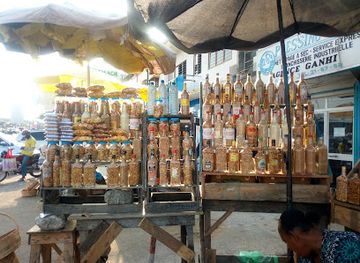
Shopping in Atlantique is most rewarding in markets and small independent businesses rather than large retail complexes. Ouidah is a useful place to look for locally made crafts, carved objects, textiles, religiously inspired art and small food products, although visitors should ask about cultural sensitivity and avoid purchasing items that may be restricted or ethically questionable. Abomey-Calavi has the widest range of everyday shops, supermarkets, clothing stalls, phone services and household goods, reflecting its metropolitan connections. Allada and other inland towns provide more local market experiences, where visitors may find fruit, maize, cassava products, vegetables, spices and prepared snacks. Lakeside communities around Nokoué sell practical fishing-related goods and produce rather than a standard souvenir range. When buying crafts, compare quality, ask permission before photographing makers and bargain without aggression. Cash remains the normal payment method in markets, and carrying small denominations makes ordinary purchases easier.
-
Market
Dantokpa Market
Discover the vibrant Dantokpa Market in Cotonou – a cultural hub filled with local crafts, delicious flavors, and an authentic Beninese experience.
-
Fresh food market
Marche Ganhi
Discover the vibrant flavors and local culture at Marche Ganhi, Cotonou's premier fresh food market, bursting with fresh produce and artisanal delights.
-
Market
Topnelly
Discover the lively atmosphere and local culture at Topnelly Market in Cotonou, where vibrant colors and rich aromas create a unique shopping experience.
-
Market
Cococodji Market
Discover the heart of Benin's culture at Cococodji Market, a vibrant marketplace of fresh produce, crafts, and local delicacies.



Get your free copy of our complete guide to Atlantique, delivered straight to you.
Everything on this page, from attractions and restaurants to essentials and local phrases, in one PDF you can read offline, print or share.
Already have an account? Sign in
Your Atlantique guide is ready.
We'll send it to · Not you? Sign out

Getting your guide ready…
We are putting together a fresh copy of the Atlantique guide. This can take up to a minute.
This can take a few moments. If your browser asks, choose Allow so the download can start. You'll find the guide in your Downloads folder.
Nothing happened? Download it again
Sorry, the guide is taking longer than usual. Please try again in a minute, or get it by email instead.
Atlantique essentials
Currency and Payment
Safety
Emergency Situations
Do's and Don'ts
Local Tips
From Eve
Local phrases worth knowing
You don't need to get them perfect. A few words go a long way, and locals appreciate the effort.
Basics
| English | Local | Say it |
|---|---|---|
| Hello | Howdy | [haʊdi] |
| Goodbye | See ya | [si jə] |
| Yes | Yep | [jɛp] |
| No | Nope | [noʊp] |
| Please/You're welcome | Sure thing | [ʃʊr θɪŋ] |
| Thank you | Thanks | [θæŋks] |
| Excuse me/Sorry | Pardon me | [ˈpɑrdən mi] |
| How are you? | How's it going? | [haʊz ɪt ˈgoʊɪŋ] |
| Fine. And you? | Good. You? | [ɡʊd. ju?] |
| Do you speak English? | You speak English? | [ju spiːk ˈɪŋɡlɪʃ?] |
| I don't understand | I don't get it | [aɪ doʊnt ɡɛt ɪt] |
Eating & Drinking
| English | Local | Say it |
|---|---|---|
| I'd like to see the menu, please | Can I see the menu? | [kæn aɪ si ðə ˈmɛnju] |
| I don't eat meat | I'm vegetarian | [aɪm ˌvɛdʒəˈtɛriən] |
| Cheers! | Cheers! | [ʧɪrz] |
| I would like to pay, please | Can I get the check? | [kæn aɪ ɡɛt ðə ʧɛk] |
Emergencies
| English | Local | Say it |
|---|---|---|
| Help! | Help! | [hɛlp] |
| Go away! | Leave me alone! | [liːv mi əˈloʊn] |
| Call the Police! | Call 911! | [kɔl naɪn wʌn wʌn] |
| Call a doctor! | Get a doctor! | [ɡɛt ə ˈdɑktər] |
| I'm lost | I'm lost | [aɪm lɔst] |
| I'm ill | I'm not feeling well | [aɪm nɑt ˈfiːlɪŋ wɛl] |
Shopping
| English | Local | Say it |
|---|---|---|
| I'd like to buy... | I want to buy... | [aɪ wɑnt tə baɪ...] |
| I'm just looking | Just browsing | [dʒʌst ˈbraʊzɪŋ] |
| How much is it? | What's the price? | [wʌts ðə praɪs] |
| That's too expensive | That's pricey | [ðæts ˈpraɪsi] |
| Can you lower the price? | Can you drop the price? | [kæn ju drɒp ðə praɪs] |
Time & Numbers
| English | Local | Say it |
|---|---|---|
| What time is it? | What time is it? | [wʌt taɪm ɪz ɪt] |
| It's one o'clock | It's one | [ɪts wʌn] |
| Half past (10) | Half past ten | [hæf pæst tɛn] |
| Morning | Morning | [ˈmɔrnɪŋ] |
| Afternoon | Afternoon | [ˌæftərˈnun] |
| Evening | Evening | [ˈivnɪŋ] |
| Yesterday | Yesterday | [ˈjɛstərdeɪ] |
| Today | Today | [təˈdeɪ] |
| Tomorrow | Tomorrow | [təˈmɑroʊ] |
| 1 | One | [wʌn] |
| 2 | Two | [tu] |
| 3 | Three | [θri] |
| 4 | Four | [fɔr] |
| 5 | Five | [faɪv] |
| 6 | Six | [sɪks] |
| 7 | Seven | [ˈsɛvən] |
| 8 | Eight | [eɪt] |
| 9 | Nine | [naɪn] |
| 10 | Ten | [tɛn] |
Transport & Directions
| English | Local | Say it |
|---|---|---|
| Where's a/the...? | Where's the...? | [wɛrz ðə...?] |
| What's the address? | What's the address? | [wʌts ði əˈdrɛs?] |
| Can you show me (on the map)? | Can you show me the map? | [kæn ju ʃoʊ mi ðə mæp?] |
| When's the next (bus)? | When's the next bus? | [wɛn ðə nɛkst bʌs?] |
| A ticket (to ....) | A ticket to.... | [ə ˈtɪkɪt tə....] |
History of Atlantique
Early kingdoms and the Allada tradition
The region around Allada was associated with the historic kingdom of Allada, one of the important states that developed in the southern Benin area before the expansion of Dahomey. Its political and religious traditions influenced neighbouring communities and helped shape later dynastic relationships in the region. Allada’s history is connected to wider movements of people, authority and trade across the coastal plain, rather than being confined to a single modern town. The legacy remains important to the historical identity of Atlantique and provides context for understanding the emergence of powerful states farther west and north.
Ouidah and Atlantic commercial networks
From the seventeenth century onwards, Ouidah became a major Atlantic trading port, known in European sources as Whydah or Ajudá. European merchants established trading relationships and posts along the coast, exchanging goods within commercial systems controlled and negotiated by African authorities. Ouidah’s importance grew because of its position between inland kingdoms and the sea. The town became a point of departure for enslaved Africans transported across the Atlantic, and its history must be understood through both African political agency and the coercive structure of the transatlantic slave trade.
The transatlantic slave trade and its legacy
The coastal corridor between Ouidah and the Atlantic was deeply affected by the transatlantic slave trade, which removed large numbers of people and caused lasting social and political disruption. The Route des Esclaves follows the remembered path from places associated with confinement and sale towards the shore, ending at the monument known as the Door of No Return. These sites are memorial landscapes rather than merely scenic stops. Museums, monuments and local interpretation in Ouidah have helped preserve public memory while encouraging visitors to confront the human consequences of the trade.
Dahomey, conquest and changing power
During the eighteenth and nineteenth centuries, the Kingdom of Dahomey expanded its influence across parts of southern Benin and became a major regional power. Ouidah was incorporated into Dahomey’s political and commercial sphere, while older centres such as Allada retained historical significance. The kingdom’s military organisation, court culture and control of trade shaped the wider region. The twentieth-century image of Dahomey often concentrates on royal Abomey outside Atlantique, but the department’s ports and roads were essential to the kingdom’s connections with the coast and international commerce.
Christian missions, Brazil and colonial rule
Ouidah became a meeting point for African, European and Afro-Brazilian communities. Returnees from Brazil, often called Aguda or Afro-Brazilian communities, contributed distinctive architectural forms, religious institutions and commercial connections to the town. Catholic missions also established an enduring presence. In the late nineteenth century, French military expansion brought the area under colonial rule, altering systems of administration, taxation, trade and education. Ouidah’s churches, older compounds and civic buildings reflect several overlapping histories rather than a single European colonial narrative.
Independence and the modern department
Benin became independent from France in 1960, and the southern coastal region subsequently experienced major demographic and economic change. Abomey-Calavi grew rapidly as a residential, educational and commercial centre linked to nearby Cotonou, while Ouidah developed a stronger heritage and cultural-tourism profile. Modern Atlantique also faces pressure from urban expansion, traffic, shoreline change and the needs of communities around Lake Nokoué. Its present character therefore combines older kingdoms, Atlantic memory and Vodun traditions with metropolitan growth and contemporary regional development.
Atlantique in Photos
Browse through our photo collection highlighting the charm and character of the destination.
Neighbouring regions of Atlantique
The closest regions to Atlantique, if you have time for more than one.
-

-

-

-

-


Swipe for more regions
Explore more
Explore more of Benin
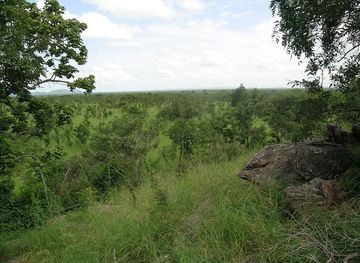
Discover Benin: A land of vibrant culture, historical treasures, and natural beauty, where every corner tells a story.
Explore Benin