

Free Zou Travel Guide & Mobile App
Explore Zou with free travel guides. Discover regional history, expert tips, proposed trips, and audio guides on web or mobile app.


Explore Zou in Benin for Abomey’s royal palaces, Fon heritage, market towns, crafts, cuisine and journeys through southern-central landscapes.
Read more about Zou
When is the best time to visit Zou?
Best: November–January · 32–33°C| Month | High (°C) | Rainfall (mm) |
|---|---|---|
| January (best) | 33 | 20 |
| February | 34 | 30 |
| March | 35 | 50 |
| April | 34 | 70 |
| May | 33 | 120 |
| June | 32 | 150 |
| July | 32 | 180 |
| August | 31 | 170 |
| September | 31 | 140 |
| October | 32 | 100 |
| November (best) | 32 | 50 |
| December (best) | 32 | 30 |
Getting to and around Zou
How to get there
Transportation
Best landmarks in Zou
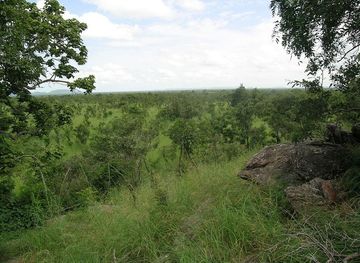
The defining landmark of Zou is the Royal Palaces of Abomey, an extended historic complex that represents the former capital of Dahomey and preserves the spatial language of its royal court. Its palace walls, courtyards, symbolic reliefs and associated museum displays give physical form to dynastic history, military power and religious life. The site’s World Heritage status reflects its importance as a cultural landscape rather than a single monumental building. Abomey’s historic urban fabric and royal associations provide the setting for understanding the complex, although much of the modern city has developed around the palace area. Bohicon is less monumental but significant as the department’s principal transport and commercial junction, linking the royal capital with the coast and northern Benin. Across the wider department, red-earth roads, cultivated plains, palms and waterways form a quieter geographical backdrop to the built heritage. The most meaningful landmarks in Zou are therefore read together: palace architecture, royal symbols, museum objects and the living communities that continue to interpret Abomey’s past.
-
Market
Dantokpa Market
Explore the vibrant Dantokpa Market in Cotonou, the largest market in West Africa, where local culture and commerce come alive through diverse offerings.
-
Conference center
Congress Palace
Explore the Congress Palace in Cotonou, a hub for international conferences and cultural events in the heart of Benin.
-
Tourist attraction
Pythons Temple
Explore Pythons Temple in Ouidah, a sacred site where spirituality meets vibrant culture, rich in history and local traditions.
-
Monument
Place GOHO
Explore the historic Place GOHO in Abomey, a captivating monument that unveils the rich heritage of the Kingdom of Dahomey.


Explore Zou on the map
Plan your trip on one map. See where the top cities, national parks and sights are, and book hotels and experiences in a few clicks.
Best hotels in Zou
Best restaurants in Zou
Dining in Zou is generally informal and rooted in the ingredients of southern Benin. Maize, cassava and yams appear in staple dishes, accompanied by sauces based on vegetables, tomato, chilli, groundnut or palm-derived ingredients. Beans, grilled chicken, goat, freshwater fish and fried plantain are common options, while akassa and other maize preparations reflect broader culinary traditions of southern Benin rather than an identity exclusive to Zou. Abomey and Bohicon have the widest choice of small restaurants, street-food stalls, cafés and hotel dining rooms; in smaller towns, meals are more likely to be simple, local and dependent on the day’s supply. Busy eateries can be useful for visitors who want regional food with a clear turnover of ingredients. Bottled or treated water is advisable, and menus may be verbal rather than written. The best culinary encounters often come from asking a local host about the day’s preparation instead of looking for a formal restaurant style.
-
Restaurant
La Cabane du Pêcheur
Experience the vibrant flavors of Benin at La Cabane du Pêcheur, a must-visit restaurant in Cotonou offering delicious local cuisine.
-
Restaurant
Le Lieu Unique
Experience exquisite dining at Le Lieu Unique in Cotonou - where local flavors meet global cuisine for an unforgettable culinary adventure.
-
Restaurant
Le Hublot
Discover culinary excellence at Le Hublot in Cotonou – where Belgian flavors meet coastal beauty for an unforgettable dining experience.
-
Restaurant
L'Imprévu
Discover the flavors of Benin at L'Imprévu - a top-rated restaurant in Cotonou offering a unique blend of local and international cuisine.



Best bars in Zou
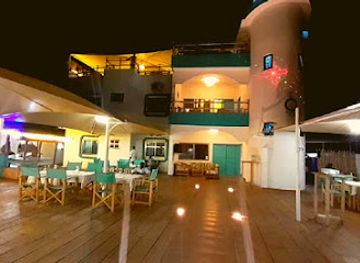
Evening life in Zou is concentrated in Abomey and Bohicon and is generally more social and informal than club-oriented. Small bars, maquis-style restaurants and roadside beer gardens provide places to eat, talk and listen to recorded music, while hotel bars offer a quieter option for visitors. Bohicon’s role as a commercial and transport centre gives it the broader choice of evening establishments; Abomey’s nightlife is more closely tied to local neighbourhoods, restaurants and cultural visits. In rural districts, evenings usually revolve around family, community and small local drinking places rather than a formal entertainment circuit. Live music and special events may appear seasonally or during celebrations, but schedules and venues can change. Visitors should return to accommodation by a planned route, use trusted transport after dark and avoid assuming that late-night services available in Cotonou will exist in Zou.
-
Bar
Code Bar
Discover the lively atmosphere and diverse drink offerings at Code Bar, a top nightlife destination in Cotonou, Benin.
-
Bar
Nègro Palace Bar Jardin--Restaurant
Experience the vibrant flavors of Cotonou at Nègro Palace Bar Jardin, a delightful blend of bar, grill, and pizza restaurant in Godomey.
-
Lounge
La Villa Classic Lounge Bar
Experience the perfect blend of elegance and local culture at La Villa Classic Lounge Bar in Cotonou.
-
Bar
Bar Maquis TEMPLE DU SON
Experience the vibrant nightlife of Godomey at Bar Maquis TEMPLE DU SON, a cultural hotspot with delicious drinks and live music.


Best nightclubs in Zou
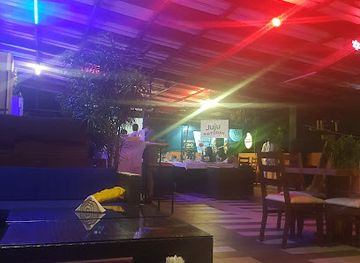
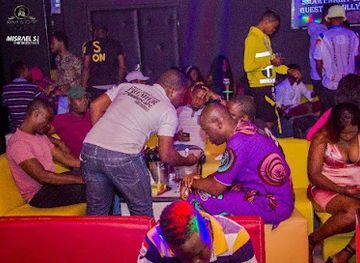
Evening life in Zou is concentrated in Abomey and Bohicon and is generally more social and informal than club-oriented. Small bars, maquis-style restaurants and roadside beer gardens provide places to eat, talk and listen to recorded music, while hotel bars offer a quieter option for visitors. Bohicon’s role as a commercial and transport centre gives it the broader choice of evening establishments; Abomey’s nightlife is more closely tied to local neighbourhoods, restaurants and cultural visits. In rural districts, evenings usually revolve around family, community and small local drinking places rather than a formal entertainment circuit. Live music and special events may appear seasonally or during celebrations, but schedules and venues can change. Visitors should return to accommodation by a planned route, use trusted transport after dark and avoid assuming that late-night services available in Cotonou will exist in Zou.
-
Night club
LE BLACK
Discover the pulse of Cotonou's nightlife at LE BLACK, a vibrant night club offering exhilarating music and exceptional cocktails.
-
Lounge
SMART NIGHT CLUB
Discover the vibrant nightlife at SMART NIGHT CLUB in Cotonou, where music and energy create unforgettable memories.
-
Club
Calypso Night Club
Join the nightlife experience at Calypso Night Club in Cotonou, where electrifying music and vibrant crowds come together for an unforgettable night.
-
Bar
Homeboy lounge bar
Discover Cotonou's nightlife at Homeboy Lounge Bar, where vibrant music, great drinks, and a lively crowd await you.

Best shops in Zou
Shopping in Zou is most interesting for visitors seeking everyday market culture, regional food products and locally made objects rather than large-scale retail. Abomey and Bohicon have the broadest selection of markets and independent traders, with stalls selling clothing, household goods, fruit, vegetables, spices and prepared foods. Around Abomey, visitors may find appliqué textiles, woven items, carved objects, metalwork, pottery and designs influenced by royal imagery, although quality and availability vary and not every item will be locally produced. Buying directly from a craftsperson or established workshop can provide better context than purchasing mass-produced souvenirs. Small denominations of CFA francs are useful, and bargaining should remain courteous. Regional produce such as dried ingredients, groundnuts, spices and other shelf-stable foods may be suitable purchases if they can legally be taken into the visitor’s next destination. For historic or ritual objects, check provenance and avoid buying anything that appears to be archaeological, sacred or removed from a protected site.
-
Market
Dantokpa Market
Discover the vibrant Dantokpa Market in Cotonou for an authentic taste of Benin's culture, crafts, and culinary delights.
-
Fresh food market
Marche Ganhi
Discover the vibrant flavors and rich culture of Cotonou at Marche Ganhi, Benin's bustling fresh food market.
-
Hotel
Paradisia Hôtel
Experience comfort and culture at Paradisia Hôtel in Cotonou, your ideal base for exploring the vibrant heart of Benin.
-
Park
Fidjrossè Beach
Experience the tranquility and beauty of Fidjrossè Beach, a hidden gem in Cotonou, Benin, perfect for relaxation and cultural exploration.


Get your free copy of our complete guide to Zou, delivered straight to you.
Everything on this page, from attractions and restaurants to essentials and local phrases, in one PDF you can read offline, print or share.
Already have an account? Sign in
Your Zou guide is ready.
We'll send it to · Not you? Sign out

Getting your guide ready…
We are putting together a fresh copy of the Zou guide. This can take up to a minute.
This can take a few moments. If your browser asks, choose Allow so the download can start. You'll find the guide in your Downloads folder.
Nothing happened? Download it again
Sorry, the guide is taking longer than usual. Please try again in a minute, or get it by email instead.
Zou essentials
Currency and Payment
Safety
Emergency Situations
Do's and Don'ts
Local Tips
From Eve
Local phrases worth knowing
You don't need to get them perfect. A few words go a long way, and locals appreciate the effort.
Basics
| English | Local | Say it |
|---|---|---|
| Hello | Salam | [sah-lahm] |
| Goodbye | Bikoo | [bee-koh] |
| Yes | Eey | [ay] |
| No | Ayi | [ah-yee] |
| Please/You're welcome | Féyé | [fay-yeh] |
| Thank you | Mèdɔ | [meh-doh] |
| Excuse me/Sorry | Barika | [bah-ree-kah] |
| How are you? | Nde wo nà? | [ndeh woh nah?] |
| Fine. And you? | Nà lɛ, nà wo? | [nah leh, nah woh?] |
| Do you speak English? | Nè wo kɔ́nglɪsh? | [neh woh kong-lish?] |
| I don't understand | Mè nà hia | [meh nah hee-ah] |
Eating & Drinking
| English | Local | Say it |
|---|---|---|
| I'd like to see the menu, please | Mè pɛ́ tɔ́ nyé bɔ́kɔ́, féyé | [meh peh toh nyeh boh-koh, fay-yeh] |
| I don't eat meat | Mè nà dɔ́ kɔ́ | [meh nah doh koh] |
| Cheers! | Tɔ́ nè! | [toh neh!] |
| I would like to pay, please | Mè pɛ́ bɔ́ nà, féyé | [meh peh boh nah, fay-yeh] |
Emergencies
| English | Local | Say it |
|---|---|---|
| Help! | Ayi! | [ah-yee!] |
| Go away! | Yè bɔ́! | [yeh boh!] |
| Call the Police! | Tɔ́ nè pɔ́lís! | [toh neh poh-lees!] |
| Call a doctor! | Tɔ́ nè dɔ́ktɔ́! | [toh neh doh-ktoh!] |
| I'm lost | Mè nà hia bɔ́ | [meh nah hee-ah boh] |
| I'm ill | Mè nà wà | [meh nah wah] |
Shopping
| English | Local | Say it |
|---|---|---|
| I'd like to buy... | Mè pɛ́ tɔ́ bɔ́... | [meh peh toh boh...] |
| I'm just looking | Mè nà tɔ́bɔ́ | [meh nah toh-boh] |
| How much is it? | Nde bé sɔ́? | [ndeh beh soh?] |
| That's too expensive | É sɔ́ mɔ́ nɛ́ | [eh soh moh neh] |
| Can you lower the price? | Nè wo tɛ́ bɔ́ mɔ́? | [neh woh teh boh moh?] |
Time & Numbers
| English | Local | Say it |
|---|---|---|
| What time is it? | Nde nà bɛ́? | [ndeh nah beh?] |
| It's one o'clock | Nà yì nɛ́ | [nah yee neh] |
| Half past (10) | Nà nɛ́ nɔ́ bɛ́ | [nah neh noh beh] |
| Morning | Aɔ́ | [ah-oh] |
| Afternoon | Fɔ́lɛ́ | [foh-leh] |
| Evening | Tɔ́tɔ́ | [toh-toh] |
| Yesterday | Kɔ́tɔ́ nɛ́ | [koh-toh neh] |
| Today | Nɛ́ nà | [neh nah] |
| Tomorrow | Nè nà | [neh nah] |
| 1 | Kɛ́ | [keh] |
| 2 | Fɛ́ | [feh] |
| 3 | Tɛ́ | [teh] |
| 4 | Nɛ́ | [neh] |
| 5 | Nɔ́ | [noh] |
| 6 | Sɛ́ | [seh] |
| 7 | Sɛ́tɛ́ | [seh-teh] |
| 8 | Yá | [yah] |
| 9 | Yá nɔ́ | [yah noh] |
| 10 | Yá nɛ́ | [yah neh] |
Transport & Directions
| English | Local | Say it |
|---|---|---|
| Where's a/the...? | Wɛ́ nà ...? | [weh nah ...?] |
| What's the address? | Nde nà dɔ́mɛ́? | [ndeh nah doh-meh?] |
| Can you show me (on the map)? | Nè wo hia nà (nɔ́ kɔ́)? | [neh woh hee-ah nah (noh koh)?] |
| When's the next (bus)? | Nde nà bɔ́ bɔ́ nɛ́? | [ndeh nah boh boh neh?] |
| A ticket (to ....) | Kɔ́tɛ́tɔ́ (kɔ́ ...) | [koh-teh-toh (koh ...)] |
History of Zou
Aja migrations and the foundations of Abomey
The political culture that later developed around Abomey is linked to Aja-speaking communities and movements between the coastal and inland areas of present-day southern Benin and neighbouring Togo. Local traditions describe the establishment of the Abomey dynasty in the seventeenth century, with Houegbadja commonly identified as an important early ruler. These traditions combine historical memory, royal ideology and oral transmission, and they remain central to understanding how the kingdom explained its origins. The settlement that became Abomey grew into a fortified political centre whose influence extended far beyond the present city.
The Kingdom of Dahomey, seventeenth to nineteenth centuries
Abomey became the capital of Dahomey, a centralised kingdom whose rulers controlled territory, tribute networks and trade routes across parts of southern Benin. Royal authority was expressed through palace compounds, court ceremonies, military organisation and religious institutions. Dahomey’s economy was connected to the Atlantic trade through coastal intermediaries and ports, while agriculture and craft production sustained the inland capital. The kingdom’s history included warfare with neighbouring states as well as diplomacy, succession struggles and changing relationships with European powers.
Royal palaces, Vodun and court culture
The royal palaces of Abomey were not simply residences; they were ceremonial and administrative complexes where dynastic memory, religious practice and political authority were made visible. Each ruler added structures and symbolic elements, creating an evolving royal landscape. Reliefs, emblems, sacred spaces and objects associated with the court recorded victories, beliefs and relations between the living, ancestors and spiritual forces. Many traditions connected with Vodun, kingship and skilled craftsmanship continued to shape cultural life in the Abomey area after the kingdom itself ceased to exist.
Atlantic commerce and the changing nineteenth century
The nineteenth century brought major change to Dahomey’s external relationships. Atlantic commerce, including the trade in enslaved people, linked the kingdom and other regional powers to European merchants and coastal ports; Benin’s principal historic port of Ouidah lies outside Zou, but inland political decisions and production networks affected the Abomey court. European pressure increased as the century progressed, while the abolition of the slave trade altered commercial priorities. Palm produce and other commodities became increasingly important in regional economic life.
French conquest and colonial rule, 1892–1894 onwards
Conflict between Dahomey and France culminated in French military campaigns in the early 1890s. Abomey was captured in 1892, and the kingdom was definitively incorporated into French colonial rule after further resistance, including the campaigns associated with King Behanzin. Colonial administration reshaped taxation, transport, agriculture and political authority, while royal institutions lost their sovereign power. The palaces and dynastic memory nevertheless remained important to local identity, even as the city became part of a new territorial and administrative system.
Independence, regional administration and cultural renewal
After Benin gained independence in 1960, Abomey and the surrounding communities remained important centres of regional administration, education, commerce and cultural memory. Modern departmental boundaries have changed over time; the present Zou Department was defined after later administrative reforms that separated neighbouring areas into new departments. In the late twentieth and early twenty-first centuries, renewed attention to royal heritage, museums, Vodun traditions and Beninese history strengthened Abomey’s role within national and international cultural tourism. The Royal Palaces were inscribed on the UNESCO World Heritage List in 1985.
Zou in Photos
Browse through our photo collection highlighting the charm and character of the destination.
Neighbouring regions of Zou
The closest regions to Zou, if you have time for more than one.
-

-

-

-

-


Swipe for more regions
Explore more
Explore more of Benin
Discover Benin: A land of vibrant culture, historical treasures, and natural beauty, where every corner tells a story.
Explore Benin