

Mono, Benin Travel Guide
Discover Mono in Benin: A blend of natural beauty, rich history, and vibrant culture. Explore UNESCO sites, serene river views, and welcoming local communities.
Nestled in the southwestern region of Benin, Mono is a treasure trove of natural beauty and cultural heritage. This serene destination offers a perfect blend of lush landscapes, captivating wildlife, and rich history. The Mono River, from which the region takes its name, meanders through the area, providing picturesque views and opportunities for river cruises and fishing. Adventurers and nature enthusiasts will find Mono a paradise. The region is home to the Mono River Biosphere Reserve, a UNESCO-recognized site teeming with diverse flora and fauna. Here, you can embark on guided tours to spot rare bird species, explore mangrove forests, and witness the harmonious coexistence of humans and nature. Cultural aficionados will be equally enchanted by Mono. The local communities are warm and welcoming, eager to share their traditions and crafts. Visit the vibrant markets to experience the region's unique blend of Voodoo culture and modern Beninese life. Don't miss the historical sites, including ancient temples and colonial-era architecture, which offer a glimpse into Mono's intriguing past.

Know before you go
Hi, I'm Eve. Here are a few practical things to know before exploring Mono.
- Best time to visit Mono is during the dry season, from November to February, for pleasant weather and easy navigation.
- Pack insect repellent and sunscreen to protect yourself during outdoor activities.
- Hire a local guide for an enriching experience, especially when exploring the Mono River Biosphere Reserve.
- Respect local customs and traditions, especially when visiting Voodoo sites and ceremonies.
- Bring cash as ATMs and card payment options might be limited in remote areas.
Top City Travel Guides in Mono
The cities of Mono, and the easiest places to base yourself.

Explore Mono: Things to Do, Places to Eat, Hotels & More
Handpicked recommendations for top attractions, local dining, accommodations, and more

Top Attractions & Sightseeing in Mono
Top-rated picks
Best Attractions

Pythons Temple
Explore the serene Pythons Temple in Ouidah, Benin, where spirituality meets culture in a unique homage to sacred serpents.

The Museum of the Zinsou Foundation
Discover contemporary African art at the Museum of the Zinsou Foundation in Ouidah, a vibrant cultural hub celebrating creativity and heritage.

Ouidah Museum of History (Portuguese Fort)
Explore the Ouidah Museum of History, a historic Portuguese fort that reveals Benin's rich cultural heritage and its vital role in the transatlantic slave trade.

Carrefour Papini
Discover the breathtaking views and thrilling experiences at Carrefour Papini, the iconic Ferris wheel in Parakou, Benin.

Best landmarks in Mono
Top-rated picks
Best Landmarks

Dantokpa Market
Experience the vibrant culture and bustling commerce at Dantokpa Market, the largest market in West Africa, a must-visit in Cotonou.
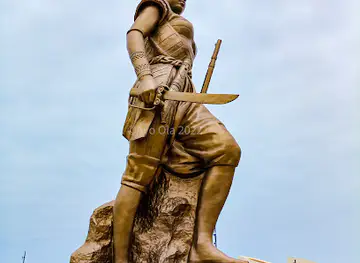
Amazon Statue
Discover the Amazon Statue in Cotonou, an awe-inspiring sculpture honoring the legendary Amazon warriors of Benin, rich in history and cultural significance.

Obama beach
Discover the flavors of Benin at Obama Beach, where delicious cuisine meets breathtaking coastal views in the heart of Cotonou.

Pythons Temple
Explore Pythons Temple in Ouidah, a sacred site rich in Vodun culture, where pythons are revered and spiritual traditions come alive.

Best restaurants in Mono
Top-rated picks
Best Restaurants

La Cabane du Pêcheur
Experience fresh seafood delights at La Cabane du Pêcheur in Cotonou - a must-visit restaurant for every food lover.

Restaurant Le Teranga
Experience the culinary delights of Cotonou at Restaurant Le Teranga - where local flavors meet international cuisine in a vibrant atmosphere.

Le Lieu Unique
Discover a vibrant dining experience at Le Lieu Unique in Cotonou, where local flavors meet international cuisine in a warm atmosphere.

Le Hublot
Experience exquisite Belgian cuisine and stunning beach views at Le Hublot in Cotonou.

Best bars in Mono
Top-rated picks
Best Bars

Code Bar
Discover the vibrant nightlife of Cotonou at Code Bar, where refreshing drinks and lively music create an unforgettable experience.

La Villa Classic Lounge Bar
Experience the vibrant nightlife of Cotonou at La Villa Classic Lounge Bar, where delicious drinks and a lively atmosphere await.
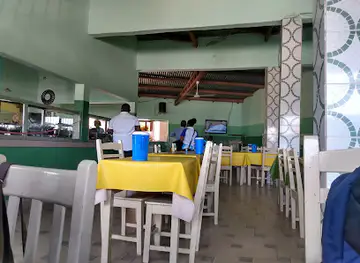
Le Mono
Experience the vibrant atmosphere of Le Mono, a must-visit bar in Parakou, offering a delightful mix of local flavors and refreshing drinks.

Jammin Bar
Experience the vibrant nightlife at Jammin Bar in Cotonou, where live music meets delicious cuisine in a lively atmosphere.

Best nightclubs in Mono
Top-rated picks
Best Nightclubs

Le Mono
Experience the vibrant nightlife at Le Mono, Parakou's premier bar offering a selection of local and international drinks in a lively atmosphere.

LE BLACK
Discover the electrifying nightlife of Cotonou at LE BLACK, where the beats never stop and the dance floor awaits.

SMART NIGHT CLUB
Immerse yourself in the vibrant nightlife of Cotonou at Smart Night Club, where music, dancing, and an electric atmosphere await.

Calypso Night Club
Dive into Cotonou's nightlife at Calypso Night Club, where music, dance, and vibrant energy create unforgettable memories.

Best shops in Mono
Top-rated picks
Best Shops

Librairie Notre Dame
Explore Librairie Notre Dame: Cotonou’s premier bookstore, where literature and culture converge in a serene atmosphere.

Topnelly
Experience the vibrant culture of Benin at Topnelly Market in Cotonou, where local produce, crafts, and culinary delights await.

Cococodji Market
Explore the vibrant Cococodji Market, a cultural hub brimming with local goods, fresh produce, and unique handmade crafts in Benin.

Voen Plaza
Experience the vibrant shopping culture at Voen Plaza in Benin City, your go-to destination for retail therapy and local cuisine.

Explore Mono on the Map
A handpicked selection of must-see spots in Mono, mapped for you.
Mono Essentials
-
Mono is located in the southwestern part of Benin. The nearest international airport is Cotonou Cadjehoun Airport (COO) in Cotonou, approximately 100 kilometers away. From Cotonou, you can take a taxi or a minibus to Mono. The journey typically takes around 1.5 to 2 hours by road. There are also bus services that connect Cotonou with Mono, providing a cost-effective option for travelers.
-
Within Mono, transportation options include taxis, motorbike taxis (zémidjans), and minibuses. Taxis are relatively inexpensive and can be hired for both short and long distances. Motorbike taxis are a popular and affordable way to get around, but ensure you negotiate the fare beforehand. Minibuses, known locally as 'bush taxis,' operate on fixed routes and are an economical choice for traveling between towns and villages in the region.
-
The official currency in Benin is the West African CFA franc (XOF). Credit cards are accepted in some hotels, restaurants, and shops, particularly in larger towns, but it is advisable to carry cash, especially in smaller establishments and rural areas. ATMs are available in Mono, but it is wise to withdraw sufficient cash in Cotonou before traveling to ensure you have enough funds.
-
Mono is generally a safe destination for tourists. However, like any travel destination, it is advisable to take standard precautions. Avoid walking alone at night in unfamiliar areas and keep an eye on your belongings in crowded places. Certain areas and neighborhoods may have higher crime rates, so it is best to stay vigilant and aware of your surroundings. Seek advice from local authorities or your accommodation for the most up-to-date safety information.
-
In case of emergency, dial 117 for police assistance or 118 for medical emergencies. The local police station and medical facilities are available in Mono. It is recommended to have travel insurance that covers medical emergencies. For minor health issues, there are pharmacies in the region where you can purchase over-the-counter medications.
-
Fashion: Do dress modestly, especially when visiting religious sites and rural areas. Avoid wearing revealing clothing. Religion: Do respect local customs and traditions. Always remove your shoes before entering a place of worship. Public Transport: Do be respectful and give up your seat to elderly passengers. Don’t eat or drink on public transport. Greetings: Do greet people with a handshake and a smile. A slight bow of the head is also a sign of respect. Eating & Drinking: Do try local delicacies and accept food offerings graciously. Don’t refuse hospitality, as it is considered impolite.
-
To experience Mono like a local, visit the local markets where you can buy fresh produce and traditional Beninese goods. Engage with locals, as they are often friendly and willing to share stories about the region's history and culture. Don't miss visiting the Mono River and exploring the surrounding natural landscapes. For a unique experience, attend local festivals and events, which offer a glimpse into the vibrant culture and traditions of the area.
When is the best time to visit Mono?
Useful Local Phrases for Mono
You don't need to speak the language perfectly. Even learning a few simple words can make conversations warmer—and locals usually appreciate the effort.
— Eve

Here are the phrases I use most often in Mono. Try a few—you'll be surprised how far they go! 😊
❤️
-
- HelloBokou
[boh-KOO] - GoodbyeIhwo
[ee-HWO] - YesEe
[EE] - NoAaa
[AH] - Please/You’re welcomeTogbessou
[tohg-BESS-oo] - Thank youAyeh
[AH-yeh] - Excuse me/SorryMekpè
[MEK-peh] - How are you?Nin houn?
[neen HOON?] - Fine. And you?Nin houn, na houn?
[neen HOON, nah HOON?] - Do you speak English?Nin yéyé English?
[neen YAY-yay EN-glish?] - I don't understandMè kè tɔ
[meh keh TAW]
- HelloBokou
-
- I’d like to see the menu, pleaseMè yé kè menu, togbessou
[meh yay keh MEN-oo, tohg-BESS-oo] - I don’t eat meatMè kè nyam
[meh keh NYAM] - Cheers!Gboh!
[GOH] - I would like to pay, pleaseMè yé kè peya, togbessou
[meh yay keh PAY-ah, tohg-BESS-oo]
- I’d like to see the menu, pleaseMè yé kè menu, togbessou
-
- Help!Bokou!
[BOH-koo] - Go away!Gbe houn!
[GBAY HOON!] - Call the Police!Kè Police!
[keh POH-lees!] - Call a doctor!Kè dɔkita!
[keh DOH-kee-tah!] - I’m lostMè houn nɔtɔ
[meh HOON NAW-taw] - I’m illMè houn dɔlɔ
[meh HOON DOH-loh]
- Help!Bokou!
-
- I’d like to buy...Mè yé kè dzo...
[meh yay keh ZOH...] - I’m just lookingMè houn kè vè
[meh HOON keh VEH] - How much is it?Nin houn kè bɔ?
[neen HOON keh BAW?] - That’s too expensiveA kè gbohɔn
[ah keh GBOH-hon] - Can you lower the price?Nin kè tɔgbè gbohɔn?
[neen keh TOH-gbeh GBOH-hon?]
- I’d like to buy...Mè yé kè dzo...
-
- What time is it?Nin houn kè wá?
[neen HOON keh WAH?] - It’s one o’clockKè wá nè
[keh WAH nay] - Half past (10)Mè wá kè zè
[meh WAH keh ZAY] - MorningMèngan
[MEN-gahn] - AfternoonYèngan
[YEN-gahn] - EveningGban
[GBAN] - YesterdayNin houn wére
[neen HOON WEH-reh] - TodayNin houn wá
[neen HOON WAH] - TomorrowNin houn tɔ
[neen HOON TAW] - 1Yé
[YAY] - 2Dɔ
[DOH] - 3Gbè
[GBAY] - 4Nè
[NEH] - 5Tɔ
[TAW] - 6Hè
[HEH] - 7Sè
[SEH] - 8Yè
[YAY] - 9Nè nɔtɔ
[NEH naw-TAW] - 10Nè zè
[NEH ZAY]
- What time is it?Nin houn kè wá?
-
- Where's a/the...?Wé kè ...?
[WEH keh ...?] - What’s the address?Nin houn kè dɔtɔ?
[neen HOON keh DAW-taw?] - Can you show me (on the map)?Nin kè gbohɔn mē (kè tɔ?)
[neen keh GBOH-hon MEH (keh TAW?)] - When’s the next (bus)?Nin houn kè gban?
[neen HOON keh GBAN?] - A ticket (to ....)Kè bɔkɔ (kè ...)
[keh BAW-kaw (keh ...)]
- Where's a/the...?Wé kè ...?
History of Mono
-
Mono in Benin is steeped in history, most notably as the heartland of the ancient Kingdom of Allada. Founded in the 16th century by the Aja people, the kingdom became a crucial center for culture and commerce in West Africa. Allada was known for its sophisticated political system, advanced craftsmanship, and vibrant trade networks, which connected it to other powerful kingdoms and European traders.
-
The arrival of the Portuguese in the 15th century marked a significant shift in the history of Mono. The Portuguese established trading posts along the coast, engaging in commerce that included spices, textiles, and unfortunately, slaves. The interaction with the Portuguese left an indelible mark on the region, influencing everything from architecture to local customs.
-
Mono is also renowned as a cradle of the Vodun (Voodoo) religion. This ancient spiritual practice, deeply rooted in the region's history, involves intricate rituals, ceremonies, and a pantheon of deities. Vodun played and continues to play a pivotal role in the cultural identity of the people in Mono, with many traditional festivals and practices still observed today.
-
In the late 19th century, the French colonized Benin, including Mono, as part of their West African territories. The colonial period brought significant changes, including the introduction of Western education, new infrastructures like railways and roads, and the imposition of French administrative systems. Despite these changes, the local culture and traditions remained resilient and continued to thrive.
-
Benin gained independence from France on August 1, 1960. Since then, Mono has seen various phases of development and modernization. Efforts have been made to preserve its rich cultural heritage while integrating into the global economy. Today, Mono is a vibrant region where the past and present coexist, offering visitors a unique glimpse into the history and culture of Benin.
-
The Mono River is a significant geographical feature that has shaped the history and livelihood of the communities in the region. Historically, it served as a natural boundary and a vital resource for agriculture, fishing, and transportation. The river also played a role in various historical events and continues to be an essential part of the local ecosystem and economy.
-
Mono hosts several traditional festivals that celebrate its rich cultural heritage. These festivals often include elaborate ceremonies, traditional music, dance, and rituals that have been passed down through generations. Events like the Vodun Festival draw participants and spectators from all over the world, showcasing the enduring cultural practices of the region.
Neighbouring Regions of Mono
The closest regions to Mono, if you have time for more than one.


Your all‑in‑one travel companion app
Explore expert travel guides, compare and book tours, experiences, hotels, and more—all from the palm of your hand. Download now for seamless trip planning wherever your wanderlust takes you.


Explore More of Benin
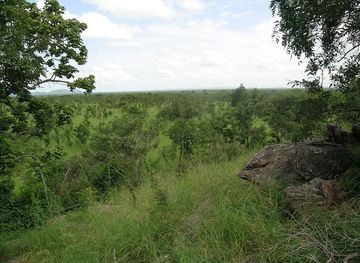
Looking beyond Mono? Discover Benin for broader travel guides, local hot-spots, and regional highlights.
Explore BeninMono in Photos
Browse through our photo collection highlighting the charm and character of the destination.


Mono: The Hidden Gem of Benin
Nestled in the southwestern region of Benin, Mono is a treasure trove of natural beauty and cultural heritage. This serene destination offers a perfect blend of lush landscapes, captivating wildlife, and rich history. The Mono River, from which the region takes its name, meanders through the area, providing picturesque views and opportunities for river cruises and fishing. Adventurers and nature enthusiasts will find Mono a paradise. The region is home to the Mono River Biosphere Reserve, a UNESCO-recognized site teeming with diverse flora and fauna. Here, you can embark on guided tours to spot rare bird species, explore mangrove forests, and witness the harmonious coexistence of humans and nature. Cultural aficionados will be equally enchanted by Mono. The local communities are warm and welcoming, eager to share their traditions and crafts. Visit the vibrant markets to experience the region's unique blend of Voodoo culture and modern Beninese life. Don't miss the historical sites, including ancient temples and colonial-era architecture, which offer a glimpse into Mono's intriguing past.