

Littoral, Benin Travel Guide
Explore Littoral, Benin: A vibrant region where history, culture, and coastal beauty converge to offer an unforgettable travel experience.
Littoral, located in the heart of Benin, is a vibrant region that offers a unique blend of historical significance, cultural richness, and natural beauty. As the smallest department in Benin, Littoral is home to the bustling economic capital, Cotonou, which serves as a gateway to the rest of the country. Visitors to Littoral can immerse themselves in the lively markets, where the local vendors sell everything from colorful textiles to fresh produce. The Dantokpa Market, one of the largest in West Africa, is a must-visit for those who wish to experience the local way of life. Littoral's coastal location means that there are plenty of beautiful beaches to explore. Fidjrosse Beach is a popular spot for both locals and tourists, offering a relaxing atmosphere and stunning views of the Atlantic Ocean. The nearby Ganvie, often referred to as the 'Venice of Africa', is a stilt village that provides a unique glimpse into the traditional lifestyle of the Tofinu people. For history enthusiasts, the region offers several historical sites, including the Ouidah Museum of History, which chronicles the poignant history of the transatlantic slave trade. The 'Route des Esclaves' (Slave Route) is another significant site, offering a somber reflection of the past. Littoral also boasts a lively nightlife with numerous bars, clubs, and restaurants where visitors can enjoy local cuisine and music. The blend of modern and traditional elements makes Littoral a fascinating destination for all types of travelers.

Know before you go
Hi, I'm Eve. Here are a few practical things to know before exploring Littoral.
- Visit Dantokpa Market early in the morning to avoid the crowds and get the best selection of goods.
- Carry cash, as many local vendors and smaller establishments do not accept credit cards.
- Learn a few basic phrases in French, as it is the official language and will help you navigate more easily.
- Dress modestly when visiting historical sites and religious places out of respect for local customs.
- Stay hydrated and use sunscreen, especially when exploring the beaches and outdoor markets.
Top City Travel Guides in Littoral
The cities of Littoral, and the easiest places to base yourself.

Explore Littoral: Things to Do, Places to Eat, Hotels & More
Handpicked recommendations for top attractions, local dining, accommodations, and more

Top Attractions & Sightseeing in Littoral
Top-rated picks
Best Attractions

Dantokpa Market
Explore the vibrant Dantokpa Market in Cotonou, where local culture, crafts, and culinary delights come together in a lively atmosphere.

Red Star Square
Explore the vibrant Red Star Square in Cotonou, where history meets contemporary culture in a lively and inviting atmosphere.

Amazon Statue
Explore the Amazon Statue in Cotonou, a breathtaking sculpture celebrating African heritage and culture amidst a vibrant local atmosphere.
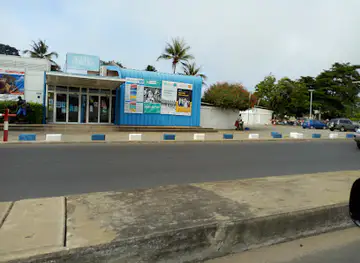
Institut Français du Bénin
Explore the Institut Français du Bénin in Cotonou, where French and Beninese cultures converge through art, music, and vibrant community events.

Best landmarks in Littoral
Top-rated picks
Best Landmarks

General Mathieu Kerekou Friendship Stadium
Explore the dynamic General Mathieu Kerekou Friendship Stadium in Cotonou for an unforgettable blend of sports and culture in the heart of Benin.

Dantokpa Market
Explore the vibrant Dantokpa Market in Cotonou, a cultural hotspot offering a captivating blend of local crafts, delicious street food, and authentic experiences.

Novotel Cotonou Orisha
Discover modern comfort and local charm at Novotel Cotonou Orisha, the perfect base for your Cotonou adventure.
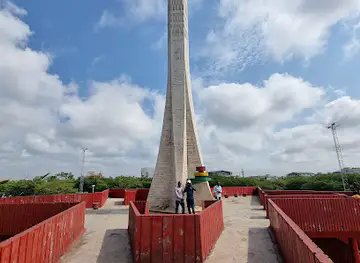
Red Star Square
Explore the vibrant history and culture of Benin at Red Star Square, a central hub in Cotonou that showcases local life and traditions.

Best restaurants in Littoral
Top-rated picks
Best Restaurants
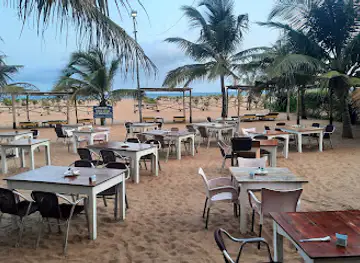
La Cabane du Pêcheur
Experience the best seafood in Cotonou at La Cabane du Pêcheur, where local flavors meet coastal charm.

Restaurant Le Teranga
Savor the rich flavors of Benin at Restaurant Le Teranga – where local cuisine meets vibrant cocktail culture in Cotonou.
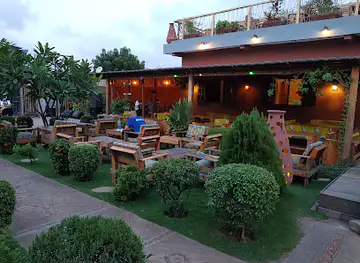
Le Lieu Unique
Discover culinary excellence at Le Lieu Unique in Cotonou – where local flavors meet international flair in an inviting setting.

Maquis du port
Experience authentic West African cuisine at Maquis du Port in Cotonou's vibrant marina area.

Best bars in Littoral
Top-rated picks
Best Bars

Code Bar
Discover nightlife in Cotonou at Code Bar, where the drinks flow and the music keeps you dancing all night.

Le Lieu Unique
Experience the rich culinary heritage of Cotonou at Le Lieu Unique, where local flavors meet modern dining.

L'Imprévu
Experience the finest of Beninese and international cuisine at L'Imprévu, a must-visit restaurant in Cotonou.

La Villa Classic Lounge Bar
Experience the vibrant nightlife of Cotonou at La Villa Classic Lounge Bar, where relaxation meets lively ambiance in a stylish setting.

Best nightclubs in Littoral
Top-rated picks
Best Nightclubs

LE BLACK
Discover the electrifying nightlife at LE BLACK, Cotonou's premier night club, where unforgettable moments unfold under pulsating beats.

SMART NIGHT CLUB
Discover Cotonou's vibrant nightlife at Smart Night Club, a premier lounge with electrifying music and a lively atmosphere.

King's Club
Discover the lively nightlife at King's Club in Cotonou, where great drinks, live music, and unforgettable experiences await you.

Calypso Night Club
Discover the heart of Cotonou's nightlife at Calypso Night Club, where vibrant music and an electrifying atmosphere await you.

Best shops in Littoral
Top-rated picks
Best Shops

Dantokpa Market
Explore the vibrant Dantokpa Market in Cotonou, where local crafts, delicious street food, and the essence of Beninese culture await you.

Topnelly
Immerse yourself in the vibrant local culture at Topnelly Market in Cotonou, a treasure trove of fresh produce, crafts, and culinary delights.

BOUTIQUE WOODIN BAR-TITO
Discover the vibrant world of African textiles at Boutique Woodin Bar-Tito in Cotonou, where culture meets contemporary fashion.

Boutique Woodin Ganhi
Explore Boutique Woodin Ganhi for a unique blend of traditional and modern fashion in Cotonou, showcasing the vibrant culture of Benin.

Explore Littoral on the Map
A handpicked selection of must-see spots in Littoral, mapped for you.
Littoral Essentials
-
Littoral is one of the 12 departments of Benin, and its capital is Cotonou, which serves as the country's economic hub. The most common way to get to Littoral is by flying into Cotonou Cadjehoun Airport (COO), which is well-connected with major cities in Europe and other parts of Africa. From the airport, you can take a taxi or arrange for a hotel pickup to reach your accommodation. There are also bus services from neighboring countries like Nigeria and Togo, but these can be less predictable in terms of schedule and comfort.
-
Within Littoral, the primary modes of transportation are taxis and motorbike taxis (known locally as 'zémidjans'). Taxis are relatively affordable and can be hired for short trips or for the entire day. 'Zémidjans' are a quicker but less safe option. Public minibuses (known as 'tokpa-tokpa') are available and very cheap, but they can be crowded and don't always follow a fixed schedule. Car rentals are available but driving can be challenging due to local traffic conditions and road quality.
-
The official currency of Benin is the West African CFA franc (XOF). Major hotels, restaurants, and shops in Cotonou accept credit cards, but smaller establishments and markets typically do not. ATMs are widely available in Cotonou, and it's advisable to withdraw cash as needed. Always carry small denominations as larger notes can be difficult to break in smaller shops and markets.
-
Littoral, particularly Cotonou, is generally safe for tourists, but it's essential to remain vigilant. Avoid walking alone at night, especially in less crowded areas. Petty crimes like pickpocketing and bag snatching can occur, particularly in busy markets and tourist spots. Neighborhoods like Akpakpa and Jonquet have higher crime rates, so exercise caution if you need to visit these areas.
-
In case of emergency, dial 117 for police assistance and 118 for fire services. For medical emergencies, call 112. Cotonou has several hospitals and clinics, but it's recommended to have travel insurance that covers medical evacuation. Pharmacies are common, and many medications are available over-the-counter. Familiarize yourself with the location of your country's embassy or consulate in Cotonou for additional support.
-
Fashion: Do dress modestly, especially when visiting religious sites. Avoid wearing revealing clothing. Religion: Do respect local customs and traditions. Always remove your shoes before entering a mosque or traditional home. Public Transport: Do be patient and courteous. Don't argue with drivers or fellow passengers. Greetings: Do greet people with a handshake and a smile. It's polite to ask about someone's family before jumping into business conversations. Eating & Drinking: Do try local dishes like 'pâte' and 'amiwo'. Don't refuse food or drink when offered, as it is considered impolite.
-
To experience Littoral like a local, visit the Dantokpa Market, one of the largest open-air markets in West Africa, where you can find everything from local crafts to fresh produce. Engage with locals; they are generally friendly and willing to share their culture and stories. Don't miss the opportunity to explore the Fidjrosse Beach and try local street food. For a unique experience, take a ride on a 'zémidjan' to navigate through the bustling streets of Cotonou.
When is the best time to visit Littoral?
Useful Local Phrases for Littoral
You don't need to speak the language perfectly. Even learning a few simple words can make conversations warmer—and locals usually appreciate the effort.
— Eve

Here are the phrases I use most often in Littoral. Try a few—you'll be surprised how far they go! 😊
❤️
-
- HelloHowdy
[haʊdi] - GoodbyeSee ya
[si jə] - YesYep
[jɛp] - NoNope
[noʊp] - Please/You're welcomeSure thing
[ʃʊr θɪŋ] - Thank youThanks
[θæŋks] - Excuse me/SorryPardon me
[ˈpɑrdən mi] - How are you?How's it going?
[haʊz ɪt ˈgoʊɪŋ] - Fine. And you?Good. You?
[ɡʊd. ju?] - Do you speak English?Can you speak English?
[kən ju spiːk ˈɪŋɡlɪʃ?] - I don't understandI don't get it
[aɪ doʊnt ɡɛt ɪt]
- HelloHowdy
-
- I'd like to see the menu, pleaseCan I see the menu?
[kæn aɪ si ðə ˈmɛnju] - I don't eat meatI’m a vegetarian
[aɪm ə ˌvɛdʒəˈtɛriən] - Cheers!Cheers!
[tʃɪrz] - I would like to pay, pleaseCan I get the check?
[kæn aɪ gɛt ðə ʧɛk?]
- I'd like to see the menu, pleaseCan I see the menu?
-
- Help!Help!
[hɛlp] - Go away!Leave me alone!
[liv mi əˈloʊn] - Call the Police!Call the cops!
[kɔl ðə kɑps] - Call a doctor!Get a doctor!
[ɡɛt ə ˈdɑktər] - I'm lostI can't find my way
[aɪ kænt faɪnd maɪ weɪ] - I'm illI'm not feeling well
[aɪm nɑt ˈfiːlɪŋ wɛl]
- Help!Help!
-
- I'd like to buy...I want to buy...
[aɪ wɑnt tə baɪ...] - I'm just lookingJust browsing
[dʒʌst ˈbraʊzɪŋ] - How much is it?What’s the price?
[wʌts ðə praɪs?] - That's too expensiveThat costs too much
[ðæt kɔsts tu mʌtʃ] - Can you lower the price?Can you give me a discount?
[kæn ju gɪv mi ə ˈdɪskaʊnt?]
- I'd like to buy...I want to buy...
-
- What time is it?What time is it?
[wʌt taɪm ɪz ɪt?] - It's one o'clockIt's one o'clock
[ɪts wʌn əˈklɑk] - Half past (10)Half past ten
[hæf pæst tɛn] - MorningMorning
[ˈmɔrnɪŋ] - AfternoonAfternoon
[ˌæftərˈnun] - EveningEvening
[ˈivnɪŋ] - YesterdayYesterday
[ˈjɛstərdeɪ] - TodayToday
[təˈdeɪ] - TomorrowTomorrow
[təˈmɔroʊ] - 1One
[wʌn] - 2Two
[tu] - 3Three
[θri] - 4Four
[fɔr] - 5Five
[faɪv] - 6Six
[sɪks] - 7Seven
[ˈsɛvən] - 8Eight
[eɪt] - 9Nine
[naɪn] - 10Ten
[tɛn]
- What time is it?What time is it?
-
- Where's a/the...?Where's the...?
[wɛrz ðə...?] - What's the address?What's the address?
[wʌts ði æˈdrɛs?] - Can you show me (on the map)?Can you point it out?
[kæn ju pɔɪnt ɪt aʊt?] - When's the next (bus)?When's the next bus?
[wɛnz ðə nɛkst bʌs?] - A ticket (to ....)One ticket to...
[wʌn ˈtɪkɪt tə...]
- Where's a/the...?Where's the...?
History of Littoral
-
The region now known as Littoral in Benin was once part of the powerful Kingdom of Dahomey, which rose to prominence in the 17th century. The kingdom was known for its sophisticated administrative structure, vibrant culture, and formidable military. The Dahomey Amazons, an all-female military regiment, were renowned for their bravery and skill in battle. The kingdom's capital, Abomey, became a center of art, culture, and commerce.
-
In the late 19th century, European colonial powers began to exert influence over the region. The French established control over the area and made Porto-Novo the capital of their colony in 1900. Porto-Novo, located in the Littoral region, became an important administrative and commercial hub. The city's architecture reflects a blend of indigenous, Portuguese, and French influences, creating a unique cultural landscape.
-
Littoral was a significant center for the transatlantic slave trade. The port cities of Ouidah and Porto-Novo were major points of departure for enslaved Africans bound for the Americas. This dark chapter in history left a lasting impact on the region, and today, sites like the Door of No Return in Ouidah serve as somber reminders of this tragic past.
-
Benin gained independence from France on August 1, 1960. The Littoral region played a crucial role in the country's post-colonial development. Cotonou, the largest city in Littoral, emerged as the economic and commercial capital of Benin. The city became a bustling metropolis, attracting people from all over the country and beyond, contributing to its diverse and dynamic culture.
-
Littoral is a vibrant cultural hub, deeply rooted in the traditions of the Fon people and other ethnic groups. The region is renowned for its rich Voodoo heritage, which is an integral part of the local culture. Celebrations like the annual Voodoo Festival in Ouidah draw visitors from around the world, offering a fascinating glimpse into the spiritual practices and cultural rituals that have been passed down through generations.
-
In recent decades, Littoral has experienced significant urbanization and development. Cotonou, in particular, has grown rapidly, becoming a vital economic center in West Africa. The city's bustling markets, modern infrastructure, and vibrant nightlife reflect the dynamic changes taking place. Despite these developments, efforts are being made to preserve the region's historical and cultural heritage, ensuring that the rich history of Littoral continues to be celebrated and remembered.
Neighbouring Regions of Littoral
The closest regions to Littoral, if you have time for more than one.


Your all‑in‑one travel companion app
Explore expert travel guides, compare and book tours, experiences, hotels, and more—all from the palm of your hand. Download now for seamless trip planning wherever your wanderlust takes you.


Explore More of Benin
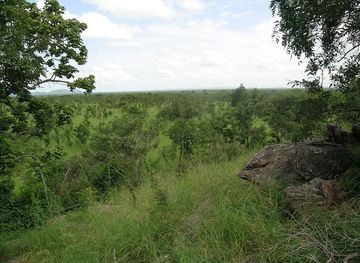
Looking beyond Littoral? Discover Benin for broader travel guides, local hot-spots, and regional highlights.
Explore BeninLittoral in Photos
Browse through our photo collection highlighting the charm and character of the destination.


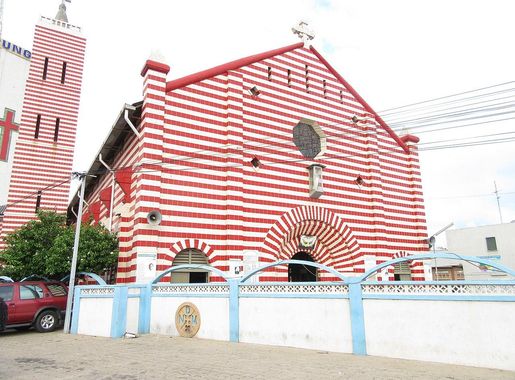

Discover the Wonders of Littoral, Benin
Littoral, located in the heart of Benin, is a vibrant region that offers a unique blend of historical significance, cultural richness, and natural beauty. As the smallest department in Benin, Littoral is home to the bustling economic capital, Cotonou, which serves as a gateway to the rest of the country. Visitors to Littoral can immerse themselves in the lively markets, where the local vendors sell everything from colorful textiles to fresh produce. The Dantokpa Market, one of the largest in West Africa, is a must-visit for those who wish to experience the local way of life. Littoral's coastal location means that there are plenty of beautiful beaches to explore. Fidjrosse Beach is a popular spot for both locals and tourists, offering a relaxing atmosphere and stunning views of the Atlantic Ocean. The nearby Ganvie, often referred to as the 'Venice of Africa', is a stilt village that provides a unique glimpse into the traditional lifestyle of the Tofinu people. For history enthusiasts, the region offers several historical sites, including the Ouidah Museum of History, which chronicles the poignant history of the transatlantic slave trade. The 'Route des Esclaves' (Slave Route) is another significant site, offering a somber reflection of the past. Littoral also boasts a lively nightlife with numerous bars, clubs, and restaurants where visitors can enjoy local cuisine and music. The blend of modern and traditional elements makes Littoral a fascinating destination for all types of travelers.