Free Ouémé Travel Guide & Mobile App
Explore Ouémé with free travel guides. Discover regional history, expert tips, proposed trips, and audio guides on web or mobile app.


Explore Ouémé in Benin for Porto-Novo’s Afro-Brazilian heritage, river wetlands, craft traditions, museums and southern cuisine.
Read more about Ouémé
When is the best time to visit Ouémé?
Best: August–September, December · 30°C| Month | High (°C) | Rainfall (mm) |
|---|---|---|
| January | 31 | 1 |
| February | 32 | 2 |
| March | 33 | 4 |
| April | 32 | 8 |
| May | 31 | 9 |
| June | 30 | 11 |
| July | 30 | 10 |
| August (best) | 30 | 9 |
| September (best) | 30 | 7 |
| October | 31 | 4 |
| November | 31 | 3 |
| December (best) | 30 | 1 |
Getting to and around Ouémé
How to get there
Transportation
Top city travel guides in Ouémé
The cities of Ouémé, and the easiest places to base yourself.
-

-


Swipe for more cities
Destinations in Ouémé
Resorts, valleys and scenic spots worth a trip of their own.

Swipe for more destinations
Best attractions in Ouémé
Ouémé’s attractions combine the cultural institutions of Porto-Novo with riverine landscapes and working communities beyond the capital. In Porto-Novo, museums devoted to ethnography, royal history and Afro-Brazilian heritage provide context for the city’s architecture and traditions, while the Jardin des Plantes et de la Nature offers shaded green space and an introduction to local plant life. The Songhai Centre presents agricultural training, food production and environmentally minded enterprise. Outside the capital, the Ouémé River basin brings opportunities for guided canoe trips, birdwatching and observation of wetland livelihoods around Aguégués and neighbouring communities. Adjarra is associated with drums and craft workshops, and markets throughout the department reveal the importance of farming, fishing and regional trade. Visits to villages and waterways are best organised with local guidance: access, water levels and community protocols vary. There are fewer formal visitor facilities in rural Ouémé than in Porto-Novo, but the contrast between the historic city and the department’s floodplains is central to its appeal.
-
Amusement park
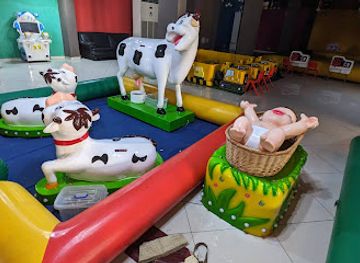
Delta Game Park
Delta Game Park in Cotonou is your ultimate destination for family fun and excitement, featuring thrilling rides and engaging attractions for all ages.
-
Place of worship
Toffa
Explore Toffa, a historic landmark in Porto-Novo blending spirituality and rich cultural heritage, perfect for tourists seeking history and beauty.
-
Historical landmark
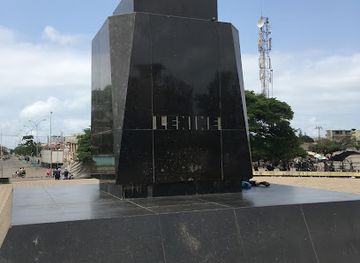
Place Lénine
Experience the historical essence of Place Lénine, a cultural landmark in Cotonou, where history, community, and vibrant life converge.
-
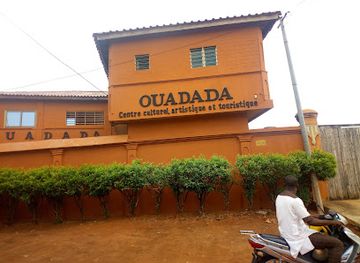
Cultural center
OUADADA Cultural Center
Explore the vibrant cultural scene of Porto-Novo at OUADADA Cultural Center, a hub for art, workshops, and local heritage.
Best landmarks in Ouémé
Porto-Novo’s Great Mosque is Ouémé’s most recognisable architectural landmark, its elaborate façade reflecting the Afro-Brazilian influence that developed through nineteenth-century Atlantic connections. The former royal palace and the Musée Honmé preserve the memory of the kingdom of Porto-Novo and its rulers, offering a political and architectural counterpoint to the city’s colonial buildings. The Musée ethnographique Alexandre Sènou Adandé is significant for its collections of masks, musical instruments and material culture, while the Musée da Silva documents aspects of Afro-Brazilian identity and returnee history. Beyond the capital, the Ouémé River and the watery settlements around Aguégués form a geographical landmark rather than a single monument: channels, floodplains, landing points and dispersed homes reveal how communities have adapted to a changing aquatic environment. In Adjarra, drum-making traditions provide a living cultural marker of the department’s craft heritage. These landmarks are best understood together, as evidence of royal authority, Atlantic exchange, artistic practice and river-based life.
-
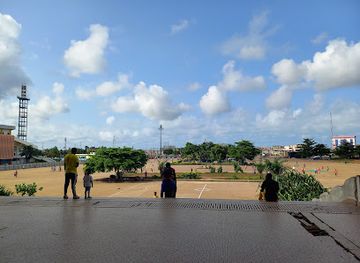
Stadium
General Mathieu Kerekou Friendship Stadium
Explore the energetic atmosphere and cultural significance of the General Mathieu Kerekou Friendship Stadium, a key venue in Cotonou's vibrant sporting life.
-
Market
Dantokpa Market
Explore Dantokpa Market in Cotonou, the largest market in West Africa, and immerse yourself in vibrant local culture and authentic flavors.
-
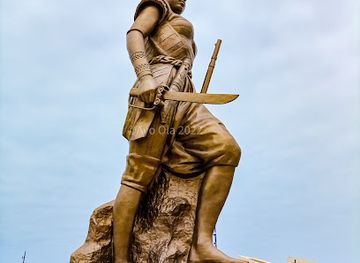
Sculpture
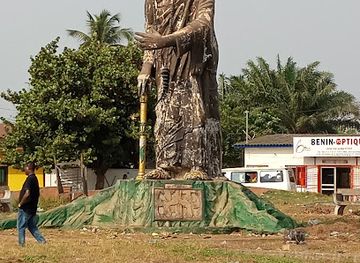
Amazon Statue
Explore the Amazon Statue in Cotonou, a stunning monument celebrating the courage and legacy of Benin's Amazonian warriors, rich in cultural significance.
-
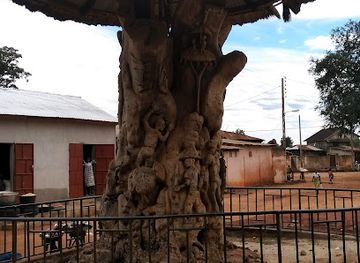
Tourist attraction
Pythons Temple
Explore the mystical Pythons Temple in Ouidah, Benin, a vibrant site of worship showcasing the rich Vodun traditions and local culture.

Explore Ouémé on the map
Plan your trip on one map. See where the top cities, national parks and sights are, and book hotels and experiences in a few clicks.
Best hotels in Ouémé
Best restaurants in Ouémé
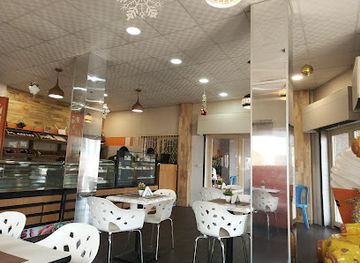
Ouémé’s food reflects the agricultural and aquatic character of southern Benin. In Porto-Novo, visitors can find informal eateries, cafés, hotel restaurants and market stalls serving dishes based on maize, rice, beans, cassava, vegetables, grilled fish and richly seasoned sauces. Fish from the lagoons and rivers is commonly prepared grilled or fried, while spicy condiments and tomato- or groundnut-based sauces add depth to everyday meals. Local staples may include pâte, a firm maize or cassava accompaniment, and akassa, a fermented maize preparation often served with sauce. Markets are useful for seeing the region’s produce, including fruit, peppers, leafy vegetables and smoked fish. Smaller towns tend to offer simpler daytime dining, and rural meals may need to be arranged in advance. Visitors should choose busy food stalls with good turnover, carry drinking water and ask about ingredients when unfamiliar with local preparations.
-
Restaurant
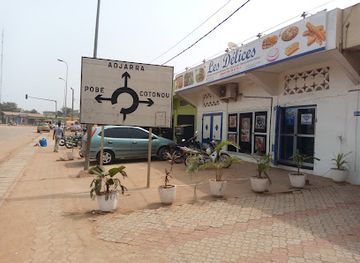
Restaurant Les Delices
Experience the rich flavors of Beninese cuisine at Restaurant Les Delices in Porto-Novo - where every meal tells a story.
-
Restaurant
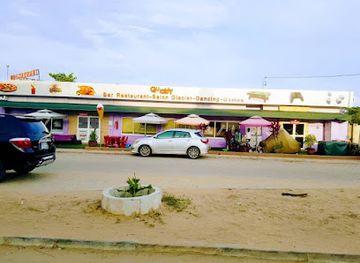
Quickly Fast Food
Savor local flavors at Quickly Fast Food in Agblangandan—where fast meets delicious in a vibrant setting.
-
Restaurant
PortoGrill
Discover authentic Beninese cuisine at PortoGrill in Porto-Novo – where vibrant flavors meet warm hospitality.
-
Restaurant
AfricanFoodseum
Explore authentic African cuisine at AfricanFoodseum in Porto-Novo - where every meal is a journey through tradition and flavor.

Best bars in Ouémé
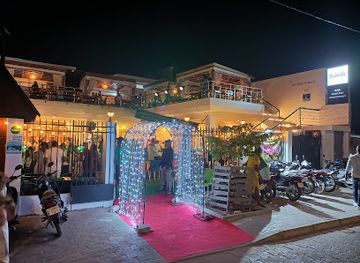
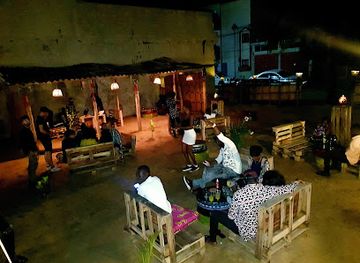
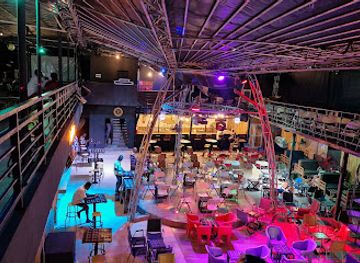
Evening life in Ouémé is concentrated in Porto-Novo and is generally more social and relaxed than club-led. Traditional bars and maquis serve Beninese food, beer, soft drinks and conversation, while some venues offer recorded music or occasional live performances. The capital’s historic and commercial districts have more choice than smaller towns, where evening activity often centres on neighbourhood bars, roadside food and community gatherings. Sèmè-Podji has a busier transport-corridor atmosphere, but it is not a substitute for the broader nightlife found in Cotonou outside the region. In rural Ouémé, nightlife is limited and visitors normally return to their accommodation after dinner. Alcohol is not necessary to participate in local evening life; music, food and informal conversation are equally characteristic. Check arrangements locally rather than relying on fixed opening times, particularly outside Porto-Novo.
-
Bar
The Garden Rooftop - Bar - Restaurant
Experience the vibrant nightlife of Cotonou at The Garden Rooftop, where exquisite dining meets breathtaking views in a lively atmosphere.
-
Bar
Zone 5 Bar
Experience the vibrant nightlife of Cotonou at Zone 5 Bar, where local culture meets a lively atmosphere and diverse drink selection.
-
 Restaurant
Obama bar
Savor the flavors of Porto-Novo at Obama Bar, where local cuisine meets international flair in a vibrant and welcoming setting.
-
Bar
PHÉNIX BAR
Discover the lively atmosphere of PHÉNIX BAR in Porto-Novo, where local flavors and vibrant nightlife come together for an unforgettable experience.
Best nightclubs in Ouémé
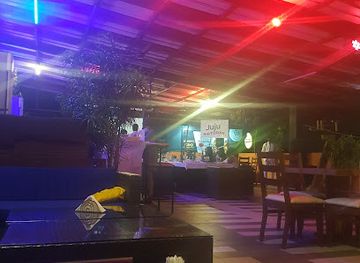
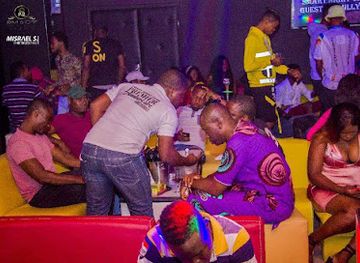
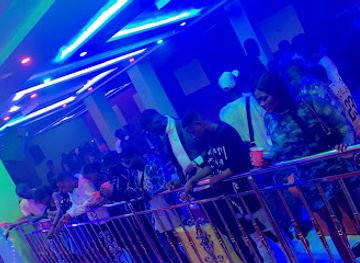
Evening life in Ouémé is concentrated in Porto-Novo and is generally more social and relaxed than club-led. Traditional bars and maquis serve Beninese food, beer, soft drinks and conversation, while some venues offer recorded music or occasional live performances. The capital’s historic and commercial districts have more choice than smaller towns, where evening activity often centres on neighbourhood bars, roadside food and community gatherings. Sèmè-Podji has a busier transport-corridor atmosphere, but it is not a substitute for the broader nightlife found in Cotonou outside the region. In rural Ouémé, nightlife is limited and visitors normally return to their accommodation after dinner. Alcohol is not necessary to participate in local evening life; music, food and informal conversation are equally characteristic. Check arrangements locally rather than relying on fixed opening times, particularly outside Porto-Novo.
-
Night club
LE BLACK
Dive into the electric nightlife of Cotonou at Le Black, the ultimate destination for unforgettable nights filled with music and dancing.
-
Lounge
SMART NIGHT CLUB
Discover the vibrant nightlife of Cotonou at Smart Night Club, where music, dance, and culture collide in a stylish lounge setting.
-
Disco club
Amsterdam paradise club
Immerse yourself in the vibrant nightlife of Cotonou at Amsterdam Paradise Club, the ultimate disco experience with electrifying music and dance.
-
Night club
Lemon Night Club
Discover the electrifying nightlife at Lemon Night Club in Cotonou, where music, dancing, and vibrant energy create unforgettable experiences.

Best shops in Ouémé
Porto-Novo offers Ouémé’s broadest shopping opportunities, from busy markets selling food, clothing and household goods to small independent shops and craft outlets. Visitors can look for brightly patterned textiles, carved objects, woven items, paintings, drums and other locally made pieces, while remembering that quality and provenance vary between sellers. Adjarra is particularly associated with drums and related craft production, making it a useful place to enquire about workshops and instruments rather than buying only from a city stall. Markets are also the best source of regional food products such as dried or smoked fish, spices, peppers, fruit and locally grown produce, provided customs and airline rules are considered. Porto-Novo’s bookshops, galleries and souvenir sellers are modest in scale compared with Cotonou’s commercial districts, but they offer a more direct connection with the capital’s history and creative life. Bargaining may be customary in markets, though it should remain courteous and proportionate.
-
Religious goods store
Carrefour Azohouè
Discover unique spiritual artifacts and local culture at Carrefour Azohouè, a treasure trove of religious goods in RNIE1.
-
Grocery store
Boutik Mum
Explore the diverse flavors of Porto-Novo at Boutik Mum, a local grocery store showcasing the best of Benin's culinary delights.
-
Grocery store
Mini Market
Discover the vibrant Mini Market in Benin, where local flavors and culture come together in a delightful shopping experience.
-
Clothing store
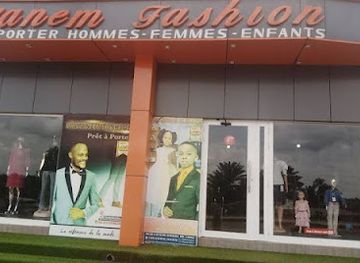
Prêt à porter Mayanem Fashion
Discover the vibrant styles of Benin at Prêt à porter Mayanem Fashion, a chic clothing store in Cotonou offering unique contemporary apparel.

Get your free copy of our complete guide to Ouémé, delivered straight to you.
Everything on this page, from attractions and restaurants to essentials and local phrases, in one PDF you can read offline, print or share.
Already have an account? Sign in
Your Ouémé guide is ready.
We'll send it to · Not you? Sign out

Getting your guide ready…
We are putting together a fresh copy of the Ouémé guide. This can take up to a minute.
This can take a few moments. If your browser asks, choose Allow so the download can start. You'll find the guide in your Downloads folder.
Nothing happened? Download it again
Sorry, the guide is taking longer than usual. Please try again in a minute, or get it by email instead.
Ouémé essentials
Currency and Payment
Safety
Emergency Situations
Do's and Don'ts
Local Tips
From Eve
Local phrases worth knowing
You don't need to get them perfect. A few words go a long way, and locals appreciate the effort.
Basics
| English | Local | Say it |
|---|---|---|
| Hello | Bonjour | [bɔ̃ʒuʁ] |
| Goodbye | Au revoir | [o ʁəvwaʁ] |
| Yes | Oui | [wi] |
| No | Non | [nɔ̃] |
| Please/You're welcome | S'il vous plaît | [sil vu ple] |
| Thank you | Merci | [mɛʁsi] |
| Excuse me/Sorry | Excusez-moi | [ɛkskyze mwa] |
| How are you? | Comment ça va? | [kɔmɑ̃ sa va] |
| Fine. And you? | Bien. Et vous? | [bjɛ̃ e vu] |
| Do you speak English? | Parlez-vous anglais? | [paʁle vu ɑ̃ɡlɛ] |
| I don't understand | Je ne comprends pas | [ʒə nə kɔ̃pʁɑ̃ pa] |
Eating & Drinking
| English | Local | Say it |
|---|---|---|
| I'd like to see the menu, please | Je voudrais voir le menu, s'il vous plaît | [ʒə vudʁɛ vwaʁ lə mənü sil vu ple] |
| I don't eat meat | Je ne mange pas de viande | [ʒə nə mɑ̃ʒ pa də vjɑ̃d] |
| Cheers! | Santé! | [sɑ̃te] |
| I would like to pay, please | Je voudrais payer, s'il vous plaît | [ʒə vudʁɛ peje sil vu ple] |
Emergencies
| English | Local | Say it |
|---|---|---|
| Help! | Au secours! | [o səkuʁ] |
| Go away! | Allez-vous-en! | [ale vu zɑ̃] |
| Call the Police! | Appelez la police! | [apəle la pɔlis] |
| Call a doctor! | Appelez un médecin! | [apəle ɛ̃ mɛdəsɛ̃] |
| I'm lost | Je suis perdu | [ʒə sɥi pɛʁdy] |
| I'm ill | Je suis malade | [ʒə sɥi malad] |
Shopping
| English | Local | Say it |
|---|---|---|
| I'd like to buy... | Je voudrais acheter... | [ʒə vudʁɛ aʃte] |
| I'm just looking | Je regarde juste | [ʒə ʁəɡaʁd ʒyst] |
| How much is it? | C'est combien? | [se kɔ̃bjɛ̃] |
| That's too expensive | C'est trop cher | [se tʁo ʃɛʁ] |
| Can you lower the price? | Pouvez-vous baisser le prix? | [puve vu bɛse lə pʁi] |
Time & Numbers
| English | Local | Say it |
|---|---|---|
| What time is it? | Quelle heure est-il? | [kɛl œʁ ɛ til] |
| It's one o'clock | Il est une heure | [il ɛ yn œʁ] |
| Half past (10) | Dix heures et demie | [dis œʁ e dəmi] |
| Morning | Matin | [matɛ̃] |
| Afternoon | Après-midi | [apʁɛ midi] |
| Evening | Soir | [swaʁ] |
| Yesterday | Hier | [jɛʁ] |
| Today | Aujourd'hui | [oʒuʁdʁɥi] |
| Tomorrow | Demain | [dəmɛ̃] |
| 1 | Un | [ɛ̃] |
| 2 | Deux | [dø] |
| 3 | Trois | [tʁwa] |
| 4 | Quatre | [katʁ] |
| 5 | Cinq | [sɛ̃k] |
| 6 | Six | [sis] |
| 7 | Sept | [sɛt] |
| 8 | Huit | [ɥit] |
| 9 | Neuf | [nœf] |
| 10 | Dix | [dis] |
Transport & Directions
| English | Local | Say it |
|---|---|---|
| Where's a/the...? | Où est un/une...? | [u ɛ ɛ̃ yn] |
| What's the address? | Quelle est l'adresse? | [kɛl ɛ ladrɛs] |
| Can you show me (on the map)? | Pouvez-vous me montrer (sur la carte)? | [puve vu mə mɔ̃tʁe syʁ la kaʁt] |
| When's the next (bus)? | Quand est le prochain (bus)? | [kɑ̃ ɛ lə pʁɔʃɛ̃] |
| A ticket (to ....) | Un billet (pour ...) | [ɛ̃ bijɛ puʁ] |
History of Ouémé
Early communities and the Ouémé waterways
The rivers, lagoons and floodplains of south-eastern Benin supported settled farming, fishing and trading communities long before the colonial period. Waterways connected inland settlements with the coast and helped circulate food, craft goods and political influence. The region’s environment encouraged distinctive forms of canoe transport and wetland adaptation, while its position between coastal ports and the interior made it a meeting ground for different language communities. Archaeological and oral traditions are important to understanding this past, although much of the historical record survives through local memory and continuing cultural practice rather than monumental remains.
The kingdom of Porto-Novo
Porto-Novo developed as a major political centre in the eighteenth and nineteenth centuries, associated with Goun-speaking rulers and a population shaped by interaction with Yoruba communities. The city’s royal institutions governed a territory linked to agricultural settlements, markets and waterways. Royal compounds, palace traditions and ceremonial practices remain important to the historical identity of the capital. The polity competed and negotiated with neighbouring powers, including Dahomey and communities connected to the Yoruba world, while also responding to the growing influence of European merchants on the Atlantic coast.
Atlantic commerce and Brazilian returnees
From the eighteenth century, the wider Bight of Benin became deeply involved in Atlantic commerce, including the forced export of enslaved Africans. Porto-Novo and nearby coastal routes were drawn into these networks, bringing wealth and political change alongside profound human suffering. In the nineteenth century, formerly enslaved people and their descendants returning from Brazil settled in several coastal West African cities, including Porto-Novo. Their architectural forms, Catholic connections, commercial practices and foodways contributed to the Afro-Brazilian character still visible in parts of the city.
French intervention and colonial Porto-Novo
French influence in Porto-Novo grew during the nineteenth century through treaties, commercial pressure and military expansion. After the establishment of a French protectorate in the 1880s, the city was incorporated into the colonial structure that became Dahomey, later French Dahomey. Colonial administration altered taxation, trade, education and urban space, but it operated alongside existing royal and religious institutions. Streets, public buildings and surviving commercial architecture in Porto-Novo reflect this period, although they should be read as part of a complex history rather than as isolated colonial curiosities.
Dahomey, independence and national politics
The territory that included present-day Ouémé formed part of French Dahomey until independence as the Republic of Dahomey in 1960, later renamed Benin. Porto-Novo retained particular constitutional and historical importance, even as Cotonou became the country’s principal economic and administrative centre. The region contributed to Benin’s political life through its educated urban communities, royal institutions, religious networks and links with southern trade. The coexistence of Porto-Novo’s historic role with Cotonou’s modern commercial dominance remains a defining feature of southern Benin.
Contemporary Ouémé: urban growth and riverine livelihoods
Since independence, Ouémé has experienced continuing urban expansion, especially around Porto-Novo and Sèmè-Podji, alongside enduring rural and wetland economies. Roads, markets, schools and informal commerce have reshaped connections between communities, while farming, fishing, craft production and canoe transport remain significant in less urbanised areas. Environmental pressures, including flooding, land conversion and changing conditions in waterways, affect livelihoods and travel. Contemporary Ouémé is therefore both a capital-region department and a landscape of villages, floodplains and river communities whose identities remain strongly rooted in place.
Ouémé in Photos
Browse through our photo collection highlighting the charm and character of the destination.
Neighbouring regions of Ouémé
The closest regions to Ouémé, if you have time for more than one.
-

-

-

-

-


Swipe for more regions