

Free Bumthang Valley Travel Guide & Mobile App
Explore Bumthang Valley with free travel guides. Discover regional history, expert tips, proposed trips, and audio guides on web or mobile app.


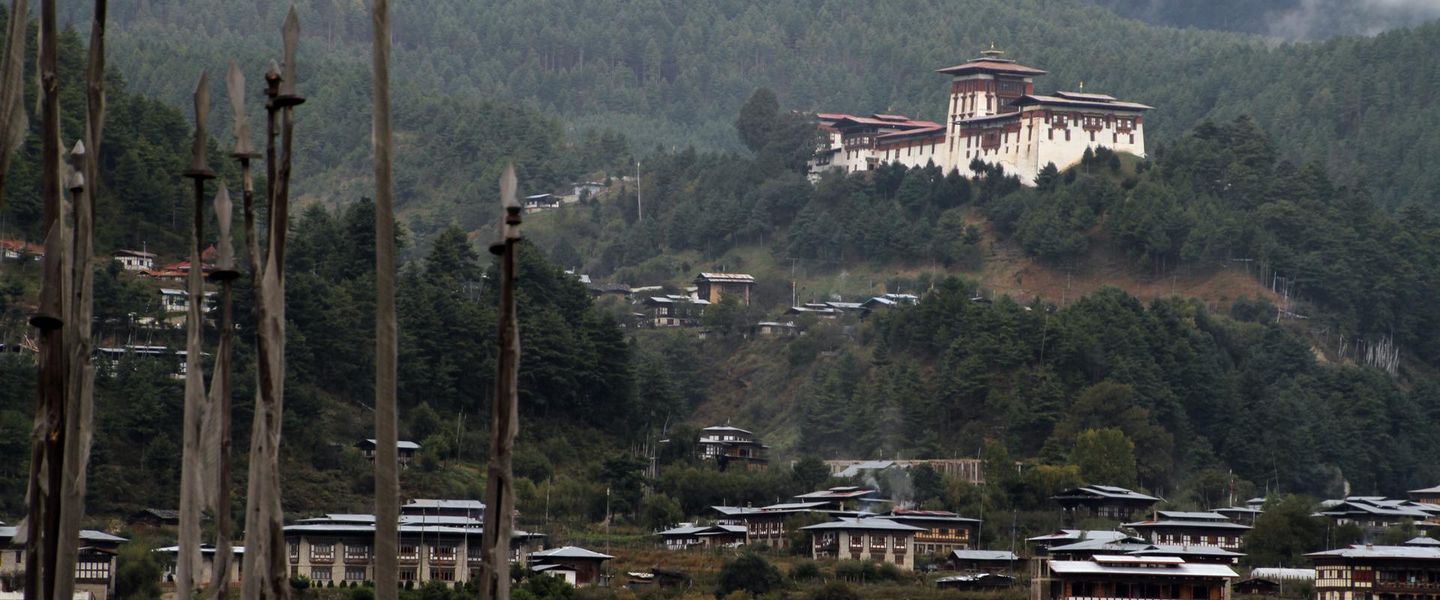


Explore Bumthang Valley’s ancient temples, mountain villages, sacred sites, weaving traditions and highland landscapes in central Bhutan.
Read more about Bumthang Valley
When is the best time to visit Bumthang Valley?
Best: April–May, September · 22–24°C| Month | High (°C) | Rainfall (mm) |
|---|---|---|
| January | 11 | 15 |
| February | 14 | 20 |
| March | 19 | 30 |
| April (best) | 22 | 40 |
| May (best) | 24 | 60 |
| June | 28 | 80 |
| July | 28 | 110 |
| August | 27 | 100 |
| September (best) | 24 | 80 |
| October | 20 | 60 |
| November | 14 | 40 |
| December | 12 | 30 |
Getting to and around Bumthang Valley
How to get there
Transportation
Top city travel guides in Bumthang Valley
The cities of Bumthang Valley, and the easiest places to base yourself.
-

-

-


Swipe for more cities
Destinations in Bumthang Valley
Resorts, valleys and scenic spots worth a trip of their own.
-

-

-


Swipe for more destinations
Best attractions in Bumthang Valley
Bumthang’s attractions are concentrated around living religious sites, historic villages and highland landscapes rather than large commercial visitor complexes. In Choekhor Valley, Jambay Lhakhang, Kurjey Lhakhang and Tamshing Lhakhang offer different perspectives on Bhutanese Buddhist history, while Jakar Dzong introduces the administrative architecture of the region. A short distance beyond the main settlement, Wangdichholing Palace adds royal history and a quieter setting. Tang Valley combines rural scenery with Mebar Tsho, a sacred gorge linked to Pema Lingpa, and the historic Ogyen Choling estate. Ura is valued for its compact traditional village and open pasture, while Chumey brings weaving, farms and views of the route towards Trongsa. Valley walks, birdwatching, cycling and visits to local producers complement the heritage sites, although altitude and road conditions mean that activities should be paced carefully. Bumthang is particularly rewarding for travellers interested in religious art, vernacular architecture, farming landscapes and the relationship between sacred places and everyday rural life.
-
Tourist attraction
Jamphel Lhakhang བྱམས་་པ་ལྷ་ཁང་།
Explore the tranquil beauty and spiritual significance of Jamphel Lhakhang, a stunning Buddhist temple in Jakar, Bhutan.
-
Museum
Ogyen Choling
Discover the rich cultural tapestry of Bhutan at Ogyen Choling, a museum showcasing the nation's heritage and traditions in the breathtaking Tang Valley.
-
Monastery
Tharpaling Monastery ཐར་པ་གླིང་ལྷ་ཁང་།
Discover the serene beauty and spiritual richness of Tharpaling Monastery, a must-visit cultural gem in Bhutan's Bumthang Valley.
-
 Resort hotel
Chumey Nature Resort
Discover tranquility and Bhutanese culture at Chumey Nature Resort, your ideal getaway in the heart of Gyesta Forest.


Best landmarks in Bumthang Valley
Jakar Dzong is Bumthang’s most prominent architectural landmark, occupying a strategic ridge above Choekhor Valley and expressing the administrative and defensive role of Bhutanese dzongs. Jambay Lhakhang is one of the region’s most revered temples, with a long religious tradition and an annual festival known for ritual dances. Kurjey Lhakhang is recognised for the sacred site associated with Guru Padmasambhava and for its setting beneath a wooded mountainside. Tamshing Lhakhang is particularly significant for its connection with Pema Lingpa and its historic religious art. In Tang Valley, Mebar Tsho is a dramatic gorge rather than a conventional lake; its name, commonly translated as Burning Lake, refers to the traditions surrounding Pema Lingpa’s revelation of sacred treasures. Wangdichholing Palace represents the early royal history of Bhutan, while Ura’s compact settlement and stone-built houses provide a strong example of the region’s traditional village architecture.
-
Buddhist temple
Punakha Dzong སྤུ་ན་ཁ་རྫོང་།
Explore the architectural wonder of Punakha Dzong, a historical monastery and fortress offering insight into Bhutan's rich culture and breathtaking landscapes.
-
Bridge
Punakha Suspension Bridge
Discover the breathtaking Punakha Suspension Bridge, Bhutan's longest suspension bridge, where adventure meets stunning natural beauty.
-
Heritage museum
Simply Bhutan
Discover the heart of Bhutanese culture at Simply Bhutan, a captivating heritage museum that brings traditions to life.
-
Nature preserve
Royal Takin Preserve
Experience the serene beauty of the Royal Takin Preserve, home to Bhutan's national animal and a biodiversity hotspot nestled in the Himalayas.


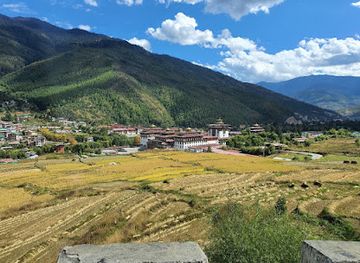
Explore Bumthang Valley on the map
Plan your trip on one map. See where the top cities, national parks and sights are, and book hotels and experiences in a few clicks.
Best hotels in Bumthang Valley
Best restaurants in Bumthang Valley
Dining in Bumthang reflects Bhutan’s cool central highlands and farming economy. Restaurants and hotel dining rooms in and around Jakar commonly serve Bhutanese staples such as red rice, ema datshi, vegetable preparations, buckwheat pancakes and hearty soups, alongside more familiar South Asian and international dishes. Buckwheat is particularly associated with central and eastern Bhutan, while potatoes, barley, dairy products and locally grown vegetables appear in seasonal cooking. Bumthang is also known for apple-growing and small-scale food production, and visitors may encounter local cider or other apple products, subject to availability. Farmhouses, cafés and simple eateries provide a closer connection with village life than formal dining rooms, but opening arrangements can be limited outside Jakar. Travellers with dietary restrictions should explain them clearly through their guide, since chilli and cheese are central to many traditional dishes. Food markets and direct purchases from reputable producers can reveal more about the region’s everyday diet than a fixed restaurant menu.
-
Restaurant
Willing Waterfall Cafe
Discover delightful local flavors at Willing Waterfall Cafe, nestled along Bhutan's scenic Wangdue Phodrang - Trongsa Highway amidst stunning natural beauty.
-
Resort hotel
Valley Resort ཝེ་ལི་སྐྱིད་གནས།
Experience tranquility and culture at Valley Resort in Jakar, Bhutan - your serene getaway amidst breathtaking landscapes.
-
Hotel
Norbu Yangphel Restaurant
Experience authentic Bhutanese cuisine at Norbu Yangphel Restaurant - where organic ingredients meet rich culinary traditions.
-
Hotel
Swiss Guest House Bumthang, Kharsumphe
Experience comfort and culture at Swiss Guest House Bumthang - your gateway to exploring Bhutan's breathtaking landscapes.


Best bars in Bumthang Valley
Bumthang does not have a major nightclub scene, and evening life is centred on hotel dining rooms, small bars, cafés and traditional gatherings rather than late-night entertainment. Jakar has the greatest concentration of places where visitors can enjoy a quiet drink, locally made apple products when available, or conversation after a day of temple visits and mountain travel. In rural parts of Tang, Ura and Chumey, evening options are much more limited and may depend on the facilities of the guesthouse or farmhouse. Cultural performances and temple festivals can bring music, dancing and social activity to particular communities, but these are religious or seasonal occasions rather than nightly shows. Respect local quiet hours, especially near monasteries and village homes, and do not assume that alcohol is available in every accommodation. The region’s evening appeal lies chiefly in its dark skies, mountain stillness and small-scale social atmosphere.
-
Resort hotel
Valley Resort ཝེ་ལི་སྐྱིད་གནས།
Experience tranquility and stunning natural beauty at Valley Resort in Jakar, Bhutan - your perfect escape into serenity.
-
Hotel
Mountain Resort
Experience the perfect blend of relaxation and adventure at the Mountain Resort in Jakar, Bhutan, surrounded by breathtaking mountain scenery.
-
Coffee shop
Dhaba &Cafe Bumthang
Experience the warmth of Bhutanese hospitality at Dhaba & Cafe Bumthang, the perfect coffee shop for travelers seeking local flavors.
-
Brewery
Bumthang Brewery Red Panda Beer
Explore the rich flavors of Bhutan at Bumthang Brewery Red Panda Beer, where tradition meets craft brewing in a stunning mountain setting.


Best nightclubs in Bumthang Valley
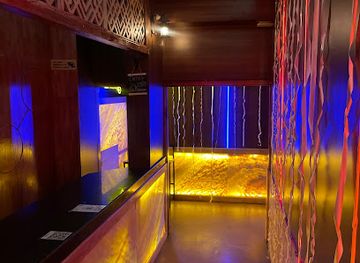
Bumthang does not have a major nightclub scene, and evening life is centred on hotel dining rooms, small bars, cafés and traditional gatherings rather than late-night entertainment. Jakar has the greatest concentration of places where visitors can enjoy a quiet drink, locally made apple products when available, or conversation after a day of temple visits and mountain travel. In rural parts of Tang, Ura and Chumey, evening options are much more limited and may depend on the facilities of the guesthouse or farmhouse. Cultural performances and temple festivals can bring music, dancing and social activity to particular communities, but these are religious or seasonal occasions rather than nightly shows. Respect local quiet hours, especially near monasteries and village homes, and do not assume that alcohol is available in every accommodation. The region’s evening appeal lies chiefly in its dark skies, mountain stillness and small-scale social atmosphere.
-
Resort hotel
Valley Resort ཝེ་ལི་སྐྱིད་གནས།
Discover the serene charm of Valley Resort in Jakar, Bhutan, where luxury meets nature amidst breathtaking Himalayan landscapes.
-
Night club
Viva City
Viva City: Experience the vibrant nightlife of Thimphu with great music, dancing, and an energetic atmosphere.
-
Night club
Space 34 DOS
Discover the electrifying nightlife at Space 34 DOS in Thimphu, where vibrant music and a lively atmosphere await every night.
-
Disco club
Avenue 28 Club
Discover the vibrant nightlife of Thimphu at Avenue 28 Club, featuring live music, delicious food, and an electrifying dance floor experience.
Best shops in Bumthang Valley
Shopping in Bumthang is modest in scale but closely connected with local production. Jakar has the broadest selection of small shops and craft outlets, while village visits and organised encounters with producers may offer a better understanding of how goods are made. Yathra, a thick woven textile traditionally produced from wool or yak hair, is among the region’s best-known crafts and is sold in patterns suited to blankets, clothing and household use. Prices and quality vary, so ask your guide or accommodation to help distinguish locally made work from imported goods. Other possible purchases include Bhutanese religious handicrafts, woven items, dried foods, honey, apple products and packaged regional produce, subject to availability and transport rules. Markets and shops are less extensive in Tang, Ura and Chumey than in Jakar, and rural opening arrangements can be limited. Buy respectfully, avoid handling sacred objects as souvenirs, and check customs requirements before exporting textiles, antiques or religious artefacts.
-
Market
Chamkhar Town
Explore the vibrant local market and stunning landscapes of Chamkhar Town, a charming destination in the heart of Bhutan.
-
Coffee shop
Dhaba &Cafe Bumthang
Experience the cozy ambiance and delightful offerings at Dhaba & Cafe Bumthang, a perfect stop for coffee lovers in beautiful Jachungthang.
-
Brewery
Bumthang Brewery Red Panda Beer
Experience the art of brewing at Bumthang Brewery Red Panda Beer, where tradition meets innovation in Jakar's scenic landscape.
-
Cheese shop
Bumthang Swiss Cheese
Explore the rich flavors of Bumthang Swiss Cheese, where authentic Bhutanese dairy delights await every visitor in a stunning setting.


Get your free copy of our complete guide to Bumthang Valley, delivered straight to you.
Everything on this page, from attractions and restaurants to essentials and local phrases, in one PDF you can read offline, print or share.
Already have an account? Sign in
Your Bumthang Valley guide is ready.
We'll send it to · Not you? Sign out

Getting your guide ready…
We are putting together a fresh copy of the Bumthang Valley guide. This can take up to a minute.
This can take a few moments. If your browser asks, choose Allow so the download can start. You'll find the guide in your Downloads folder.
Nothing happened? Download it again
Sorry, the guide is taking longer than usual. Please try again in a minute, or get it by email instead.
Bumthang Valley essentials
Currency and Payment
Safety
Emergency Situations
Do's and Don'ts
Local Tips
From Eve
Local phrases worth knowing
You don't need to get them perfect. A few words go a long way, and locals appreciate the effort.
Basics
| English | Local | Say it |
|---|---|---|
| Hello | བཀྲ་ཤིས་བདེ་ལེགས | [Kuzuzangpo] |
| Goodbye | བཞུགས་སྟེང | [Jhugey teng] |
| Yes | ཨ་ནི | [A ni] |
| No | མིན་པ | [Min pa] |
| Please/You're welcome | ཁྱོད་དང་བཀྲ་ཤིས་ | [Khyod dang Kuzuzangpo] |
| Thank you | ཐུགས་རྗེ་ཆེ | [Thukje che] |
| Excuse me/Sorry | ང་བགས་བསམ་ཡོད | [Nga bag sam yod] |
| How are you? | ཁྱོད་གང་བཞག | [Khyod gang zhag] |
| Fine. And you? | ང་བདེ་ལགས་ཁྱོད་? | [Nga delek la, Khyod?] |
| Do you speak English? | ཁྱོད་དགོན་གསལ་བའི་ཡིག་སྣོད་བཤད་རྒྱུ་ཡོད་? | [Khyod gon selwe jig snod shed gew yod?] |
| I don't understand | ང་བྱུང་བྱེད་མི་འདུག | [Nga jung je mi dug] |
Eating & Drinking
| English | Local | Say it |
|---|---|---|
| I'd like to see the menu, please | ང་བོད་རིགས་བཟོ་ཐོ་མི་འདོད | [Nga bodrig zo tho mi dod] |
| I don't eat meat | ང་མི་ལོང་བཟོ་མི་འདོག | [Nga mi long zo mi dog] |
| Cheers! | བསོད་ནམ་བཞུགས | [Sod nam zhug] |
| I would like to pay, please | ང་འབྲེལ་བཤད་དེའི་མི་འདོད | [Nga drelshed de mi dod] |
Emergencies
| English | Local | Say it |
|---|---|---|
| Help! | དགོངས་བར་བརྒྱབ་! | [Gongbar gyab!] |
| Go away! | འགྲོ་བརྒྱབ་! | [Dro gyab!] |
| Call the Police! | དང་བཙན་འདོད་! | [Dangtsen dod!] |
| Call a doctor! | དང་བཤད་པ་འདོད་! | [Dang shedpa dod!] |
| I'm lost | ང་བཏང་བའི་ཡོད | [Nga tangwei yod] |
| I'm ill | ང་མི་བར་འདོག | [Nga mi bar dog] |
Shopping
| English | Local | Say it |
|---|---|---|
| I'd like to buy... | ང་འདོད་བྱེད་... | [Nga dod je...] |
| I'm just looking | ང་མ་བལ་བསྡད་རྒྱུ་ཡོད | [Nga ma bal dad gew yod] |
| How much is it? | འདི་ག་རེ་ཡིན་? | [Di ga re yin?] |
| That's too expensive | འདི་བསོད་ཡིན་ | [Di sod yin] |
| Can you lower the price? | ཁྱོད་འདུག་འབད་དགོད་? | [Khyod dug bed dog?] |
Time & Numbers
| English | Local | Say it |
|---|---|---|
| What time is it? | འདི་གང་གིས་ཡོད་? | [Di gang gis yod?] |
| It's one o'clock | འདི་གཅིག་རེད | [Di chig red] |
| Half past (10) | དུ་ཙག་བཅོ་རྩེད | [Du tsak cho te] |
| Morning | དགོང་བཞིན | [Gongshing] |
| Afternoon | དེ་བཞིན | [De shing] |
| Evening | དང་བར་བཞིན | [Dangbar shing] |
| Yesterday | མེད་རུ་ཞོམས་ | [Medru zhom] |
| Today | ད་ལྟ་བཞིན | [Da ta shing] |
| Tomorrow | ད་དུག་བཞིན | [Da duk shing] |
| 1 | ཅག | [Chak] |
| 2 | གཉིས་ | [Gnyis] |
| 3 | གསུམ་ | [Sum] |
| 4 | བཞི་ | [Zhi] |
| 5 | ལྔ་ | [Nga] |
| 6 | དྲུག་ | [Drug] |
| 7 | བདུད་ | [Dug] |
| 8 | བརྒྱད་ | [Gyad] |
| 9 | དགུ་ | [Dug] |
| 10 | བཅོ་ | [Cho] |
Transport & Directions
| English | Local | Say it |
|---|---|---|
| Where's a/the...? | འདི་ག་པར་ཡོད་? | [Di ga par yod?] |
| What's the address? | འདི་གི་འདོད་? | [Di gi dod?] |
| Can you show me (on the map)? | ཁྱོད་བར་བཤད་མི་འདོད་? | [Khyod bar shed mi dod?] |
| When's the next (bus)? | ཆོད་འཇམ་ཡོད་? | [Chod jam yod?] |
| A ticket (to ....) | མདོག་ཚེལ་འདོད་... | [Mok tshel dod...] |
History of Bumthang Valley
Early sacred traditions and the arrival of Buddhism
Bumthang preserves traditions linking the spread of Buddhism in Bhutan with figures such as Guru Padmasambhava, who is said to have visited the region in the eighth century. Jambay Lhakhang is traditionally associated with the temple-building campaign of the Tibetan king Songtsen Gampo, although the surviving complex has developed over many centuries. These early traditions gave Bumthang a sacred status that continues to shape pilgrimage, local festivals and the identity of its valleys. The region’s religious history combines established institutions with stories of holy men, miracles and sacred landscapes.
Pema Lingpa and the fifteenth-century treasure tradition
The fifteenth-century religious master Pema Lingpa was born in the Tang area of Bumthang and became one of Bhutan’s most important tertöns, or treasure-revealers. According to tradition, he discovered Buddhist teachings and sacred objects hidden by Guru Padmasambhava for future generations. Sites in and around Bumthang, including Mebar Tsho and Tamshing, are closely associated with his life and lineage. His descendants later formed an influential religious and artistic tradition, and his dances, teachings and ritual legacy remain central to Bhutanese culture.
Temple networks and the growth of local religious centres
From the late medieval period onwards, temples and monasteries became the principal cultural institutions of Bumthang’s valleys. Tamshing Lhakhang, founded in the early sixteenth century by Pema Lingpa, is especially important for its religious lineage and historic wall paintings. Kurjey Lhakhang developed as a major pilgrimage site associated with Guru Padmasambhava, while Jambay Lhakhang became known for its annual festival. These establishments linked scattered farming communities through religious calendars, patronage, pilgrimage and the preservation of distinctive forms of Bhutanese art.
The formation of Bhutan and the Wangchuck era
The unification of Bhutan under Zhabdrung Ngawang Namgyal in the seventeenth century gradually brought the valleys of Bumthang into a more coherent political and religious system. Dzongs served as administrative and defensive centres, including the stronghold now known as Jakar Dzong. In the nineteenth century, regional power remained contested, but the Wangchuck family of Trongsa gained growing influence in central Bhutan. The establishment of the hereditary monarchy in 1907 strengthened Bumthang’s connection with the national political structure while leaving local religious and village institutions important.
Palaces, farming communities and the traditional economy
Bumthang’s historic economy was based on farming, livestock, trade across mountain routes and the work of religious estates and local households. Wangdichholing Palace in Choekhor was an important residence of the first two kings and reflects the region’s role in the early history of the monarchy. Villages produced barley, buckwheat, wheat, potatoes, dairy products and woven textiles suited to the cool climate. Although roads, schools and modern services have changed everyday life, the valley landscape still shows the relationship between historic estates, monasteries, fields, orchards and clustered settlements.
Modern roads, air links and changing rural life
Bumthang became more accessible to visitors as Bhutan developed its road network and domestic air services, reducing—but not removing—the isolation created by high mountain passes. Improved connections have supported tourism, education, health services and the sale of local produce, while also exposing villages to seasonal labour migration and changing consumer habits. Jakar now functions as a regional service centre, yet many communities retain agricultural routines and festival calendars that predate modern tourism. Contemporary Bumthang therefore combines a living rural economy with carefully managed cultural visitation.
Bumthang Valley in Photos
Browse through our photo collection highlighting the charm and character of the destination.
Neighbouring regions of Bumthang Valley
The closest regions to Bumthang Valley, if you have time for more than one.
-
-

-

-

-


Swipe for more regions
Explore more

Explore more of Bhutan
Experience the enchantment of Bhutan, a Himalayan paradise where tradition meets tranquility and Gross National Happiness reigns supreme.
Explore Bhutan