

Free Lhuentse Travel Guide & Mobile App
Explore Lhuentse with free travel guides. Discover regional history, expert tips, proposed trips, and audio guides on web or mobile app.


Explore Lhuentse in eastern Bhutan for Kurtoe’s royal history, mountain valleys, sacred sites, village weaving and traditional Himalayan culture.
Read more about Lhuentse
When is the best time to visit Lhuentse?
Best: April–May, September · 22–25°C| Month | High (°C) | Rainfall (mm) |
|---|---|---|
| January | 12 | 10 |
| February | 14 | 20 |
| March | 18 | 30 |
| April (best) | 22 | 40 |
| May (best) | 25 | 60 |
| June | 26 | 80 |
| July | 26 | 100 |
| August | 26 | 90 |
| September (best) | 25 | 70 |
| October | 21 | 50 |
| November | 17 | 30 |
| December | 13 | 20 |
Getting to and around Lhuentse
How to get there
Transportation
Top city travel guides in Lhuentse
The cities of Lhuentse, and the easiest places to base yourself.
-

-

-

-


Swipe for more cities
Destinations in Lhuentse
Resorts, valleys and scenic spots worth a trip of their own.
-

-


Swipe for more destinations
Best attractions in Lhuentse
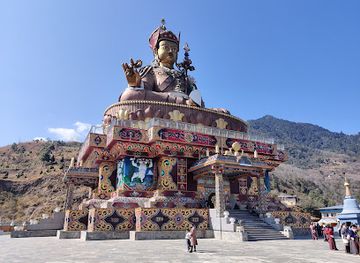
Lhuentse’s attractions are centred on culture, landscape and the experience of travelling through a relatively remote eastern Bhutanese district. Lhuentse Dzong is the essential starting point: its position above the Kuri Chhu and its combination of monastic and administrative functions reveal how Bhutanese valleys were historically governed. Khoma village offers an opportunity to learn about kishuthara, the intricate silk weaving for which the community is known, while Gangzur provides insight into pottery and other household crafts. Dungkar is important for visitors interested in the history of Bhutan’s Wangchuck dynasty, and Takila combines a major religious site with broad views over the surrounding hills. More ambitious journeys can explore the sacred mountain environment associated with Singye Dzong, subject to local guidance, road conditions and available time. The district also rewards slower observation: village walks, agricultural terraces, forested slopes and river viewpoints provide a useful counterpoint to formal monuments. Lhuentse is not a destination built around a long list of commercial attractions; its appeal lies in the connection between living craft traditions, pilgrimage, royal history and the eastern Himalayan landscape.
-
Tourist attraction
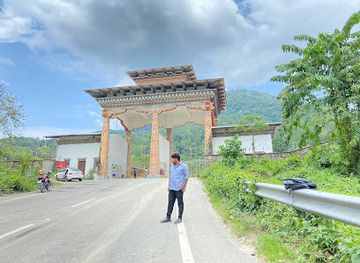
Indo-Bhutan Border Gateway
Experience the grandeur of the Indo-Bhutan Border Gateway, where Bhutanese artistry meets cultural heritage at this stunning tourist attraction.
-
Tourist attraction
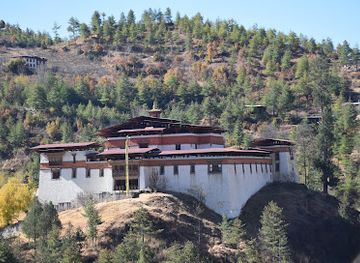
Simtokha Dzong སེམས་རྟོགས་ཁ་རྫོང་།
Explore the rich history and stunning architecture of Simtokha Dzong, the oldest fortress in Bhutan, nestled in the serene landscapes of Semtokha.
-
Monastery
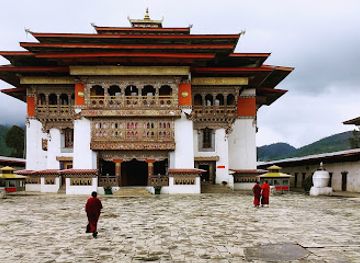
Gangtey Monastery
Discover the serenity and spiritual beauty of Gangtey Monastery in Phobjikha Valley, a captivating blend of architecture and nature reflecting Bhutan's rich heritage.
-
Tourist attraction
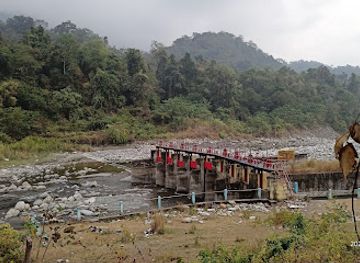
Bhutan chowki
Explore the breathtaking landscapes and rich cultural heritage at Bhutan Chowki, a hidden gem in Deothang, India, perfect for nature lovers and cultural enthusiasts.
Best landmarks in Lhuentse
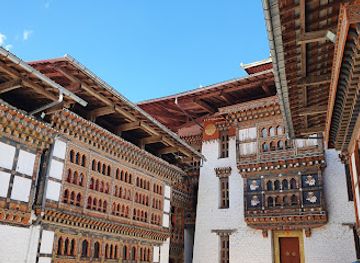
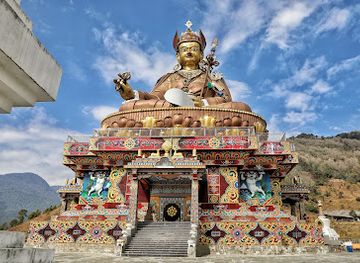
Lhuentse Dzong is the district’s defining landmark, rising above the Kuri Chhu with the white walls, timber elements and layered courtyards characteristic of Bhutanese fortress-monasteries. Its setting expresses the strategic and religious importance once attached to control of the Kurtoe valley. The Dungkar Naktshang, a traditional manor house associated with the Wangchuck family, is significant for its connection with the origins of Bhutan’s modern royal dynasty and for the way it preserves the character of an eastern Bhutanese aristocratic residence. Takila is marked by the large statue of Guru Rinpoche, a powerful visual presence on the mountainside and a focus of devotion for visitors and pilgrims. The Kuri Chhu itself is a natural landmark as well as a geographic organiser, threading through steep hills and linking settlements below forested slopes. In the more remote southern and eastern parts of the district, sacred valleys and mountain landscapes associated with Singye Dzong carry religious significance that is not captured by a single monument. Together, these places show Lhuentse as a landscape of fortification, lineage, pilgrimage and rivers rather than a concentrated urban centre.
-
Fortress
Lhuentse Dzong
Explore Lhuentse Dzong, an architectural gem in Bhutan, celebrated for its stunning vistas and rich cultural heritage.
-
Pilgrimage place
Lhuentse Takela
Discover Lhuentse Takela, a serene pilgrimage site in Bhutan, offering breathtaking views and rich cultural experiences in a peaceful atmosphere.
-
Tourist attraction
GANGZUR VILLAGE
Explore the serene beauty and rich traditions of Gangzur Village, a hidden gem in Bhutan offering authentic cultural experiences amidst stunning landscapes.


Explore Lhuentse on the map
Plan your trip on one map. See where the top cities, national parks and sights are, and book hotels and experiences in a few clicks.
Best hotels in Lhuentse
Best restaurants in Lhuentse
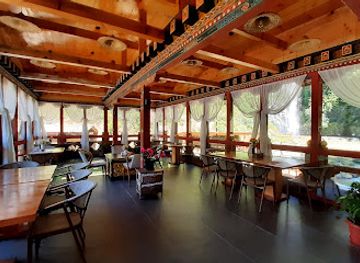
Dining in Lhuentse is modest, seasonal and closely connected to Bhutanese home cooking. Red rice, chillies, vegetables, lentils, buckwheat and cheese-based dishes form the everyday foundation, with ema datshi, a preparation of chillies and cheese, commonly encountered as part of Bhutanese meals rather than as a standalone tourist speciality. Hotels and guesthouses generally serve set meals suited to the day’s supplies, while small local eateries offer straightforward food with limited menus. In villages, arrangements made through a guide or accommodation provider may provide the most informative introduction to local flavours, including eastern Bhutanese preparations and homemade pickles. Tea, rice-based meals and simple snacks are more dependable than elaborate restaurant dining, particularly away from Lhuentse town. Visitors should carry suitable provisions for long road journeys and should not expect the international choice found in western Bhutan. Local produce, pottery-served meals and the social setting of a family-run guesthouse often matter more here than formal restaurant presentation.
-
Restaurant
Willing Waterfall Cafe
Discover culinary bliss at Willing Waterfall Cafe – where every meal offers breathtaking views and authentic Bhutanese flavors.
-
Restaurant
Norbu Yangphel Restaurant
Discover authentic Bhutanese flavors at Norbu Yangphel Restaurant - where tradition meets organic cuisine amidst stunning landscapes.
-
Restaurant
Gomthey Restaurant And Bar
Experience authentic Bhutanese cuisine at Gomthey Restaurant And Bar, where traditional flavors meet modern comfort in a welcoming atmosphere.
-
Restaurant
Yangchhag Hotel & Restaurant
Discover authentic Bhutanese flavors and warm hospitality at Yangchhag Hotel & Restaurant in Nganglam.
Best bars in Lhuentse
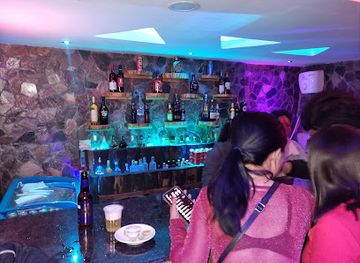
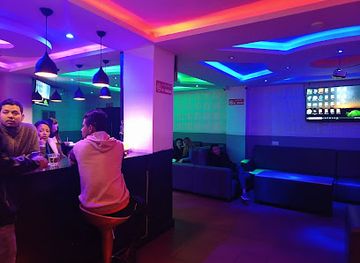
Lhuentse has little in the way of dedicated nightlife, and evenings are generally quiet once shops and administrative offices close. Social life is more likely to centre on family homes, guesthouses, modest local eateries or small bars in and around the district headquarters than on clubs or late-night entertainment. Visitors may find occasional opportunities to share tea, conversation or a meal with hosts, but these should be approached with sensitivity rather than expectation. Traditional music and religious festivals can bring more public activity at particular times, although dates and arrangements vary. Rural villages become especially still after dark, making them better suited to rest, stargazing and preparation for the following day’s road journey. Alcohol is available in Bhutan, but it is not necessary to experience Lhuentse’s culture, and responsible consumption is important where transport and medical support are limited.
-
Bar
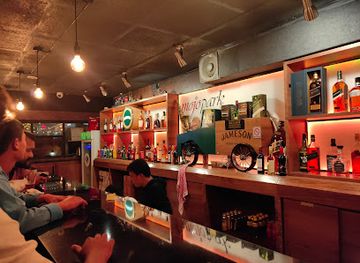
Mojo Park
Mojo Park: Thimphu's vibrant bar offering live music, delicious food, and a lively atmosphere for an unforgettable experience.
-
Restaurant
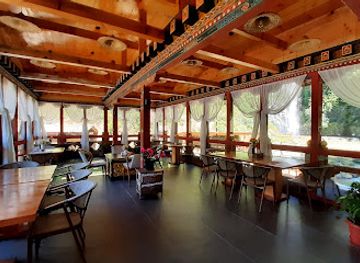
Willing Waterfall Cafe
Experience tranquility and delicious cuisine at Willing Waterfall Cafe, where nature and flavor meet in the heart of Bhutan.
-
Bar
Drunken Yeti
Experience the vibrant nightlife of Thimphu at Drunken Yeti, a charming bar offering local brews and a lively atmosphere.
-
Live music bar
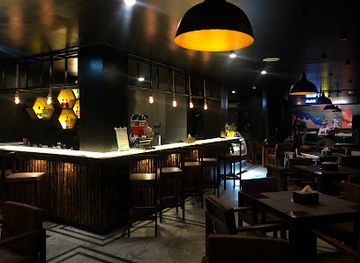
Real illusions Restro Bar
Discover the lively nightlife of Thimphu at Real Illusions Restro Bar, where live music, great food, and vibrant atmosphere await you!

Best nightclubs in Lhuentse
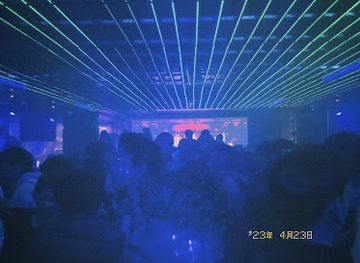
Lhuentse has little in the way of dedicated nightlife, and evenings are generally quiet once shops and administrative offices close. Social life is more likely to centre on family homes, guesthouses, modest local eateries or small bars in and around the district headquarters than on clubs or late-night entertainment. Visitors may find occasional opportunities to share tea, conversation or a meal with hosts, but these should be approached with sensitivity rather than expectation. Traditional music and religious festivals can bring more public activity at particular times, although dates and arrangements vary. Rural villages become especially still after dark, making them better suited to rest, stargazing and preparation for the following day’s road journey. Alcohol is available in Bhutan, but it is not necessary to experience Lhuentse’s culture, and responsible consumption is important where transport and medical support are limited.
-
Night club
Viva City
Discover the electrifying nightlife at Viva City, Thimphu's premier night club offering a blend of local culture, music, and vibrant atmosphere.
-
Night club
DG Wanderlust Club @Thimphu hongkong market/oppesite of Thimphu BOB main Branch office
Unleash your spirit in the heart of Thimphu at DG Wanderlust Club, where music and nightlife converge for an unforgettable experience.
-
Night club
Space 34 DOS
Discover the electrifying nightlife at Space 34 DOS, Thimphu's hottest night club featuring top DJs and an atmosphere that promises unforgettable nights.
-
Night club
ACE CLUB, Thimphu
Discover vibrant nightlife at ACE CLUB in Thimphu, where great music, exquisite drinks, and an inviting atmosphere come together for an unforgettable experience.

Best shops in Lhuentse
Shopping in Lhuentse is primarily about locally made textiles, pottery and practical regional products rather than large retail centres. Khoma is the best-known place to look for kishuthara, the elaborate silk textile traditionally woven by local women; patterns, quality and prices vary, so visitors should ask about materials, production time and care before buying. Gangzur is associated with pottery and provides opportunities to see or purchase simple handmade vessels and household objects when local makers are selling. Small shops in Lhuentse town stock everyday necessities, snacks and basic clothing, while larger selections of Bhutanese handicrafts are more likely in regional or national centres outside the district. Purchases made directly from artisans can support local craft economies, but bargaining should remain respectful and informed. Visitors should also check customs and airline rules before buying old-looking religious objects, antiques or wildlife-related products, and should seek proper documentation where an item’s age or status is uncertain.
-
Fortress
Lhuentse Dzong
Discover the historical Lhuentse Dzong, a breathtaking fortress in Bhutan that showcases stunning architecture and rich cultural heritage.
-
Pilgrimage place
Lhuentse Takela
Experience the tranquility and spiritual depth of Lhuentse Takela, a sacred pilgrimage site in Bhutan surrounded by stunning natural beauty.
-
Gift shop
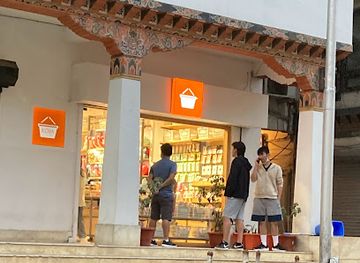
KOJA BHUTAN
Discover the essence of Bhutan at KOJA BHUTAN, a gift shop offering authentic handicrafts, textiles, and unique souvenirs that celebrate local culture.
-
Store
Phuentsho Jamtsho General Shop And Bar
Experience the heart of Khoma at Phuentsho Jamtsho General Shop And Bar, where local culture meets delightful shopping and refreshing drinks.

Get your free copy of our complete guide to Lhuentse, delivered straight to you.
Everything on this page, from attractions and restaurants to essentials and local phrases, in one PDF you can read offline, print or share.
Already have an account? Sign in
Your Lhuentse guide is ready.
We'll send it to · Not you? Sign out

Getting your guide ready…
We are putting together a fresh copy of the Lhuentse guide. This can take up to a minute.
This can take a few moments. If your browser asks, choose Allow so the download can start. You'll find the guide in your Downloads folder.
Nothing happened? Download it again
Sorry, the guide is taking longer than usual. Please try again in a minute, or get it by email instead.
Lhuentse essentials
Currency and Payment
Safety
Emergency Situations
Do's and Don'ts
Local Tips
From Eve
Local phrases worth knowing
You don't need to get them perfect. A few words go a long way, and locals appreciate the effort.
Basics
| English | Local | Say it |
|---|---|---|
| Hello | བཀྲ་ཤིས་བདེ་ལེགས | [Kuzu zangpo] |
| Goodbye | བཞུགས་གནང་ | [Zhuge nang] |
| Yes | ཨེ | [E] |
| No | མ་འདུག | [Ma 'dug] |
| Please/You're welcome | ཁྱེད་རང་བདེ་ལེགས | [Khyed rang delek] |
| Thank you | ཐུགས་རྗེ་ཆེ | [Thukje che] |
| Excuse me/Sorry | ང་བཟོ་བའི་ཁྱོ་བོ | [Nga zo bei khyobo] |
| How are you? | ཁྱེད་རང་ག་རེ་བཏང་ | [Khyed rang ga re btang] |
| Fine. And you? | ང་བདེ་ལེགས་འདུག་ | [Nga delek 'dug] |
| Do you speak English? | ཁྱེད་རང་དབྱར་ཡིག་སྐད་ལ་སྐད་ཆ་བལྟ་བ་ཨིན་? | [Khyed rang dzyar yig kè la kè cha baltang in?] |
| I don't understand | ང་ལ་བརྗེ་བ་རེད་མ་རེད་ | [Nga la brje ba red ma red] |
Eating & Drinking
| English | Local | Say it |
|---|---|---|
| I'd like to see the menu, please | ང་ལ་སྟེང་གཅིག་བྱེད་དགོས་ | [Nga la teng chig jye go] |
| I don't eat meat | ང་ལ་བོད་ལག་བཟློག་མ་རེད་ | [Nga la bod lag zlog ma red] |
| Cheers! | དཀར་བཞིང་! | [Khar shing!] |
| I would like to pay, please | ང་ལ་རྩོམ་དགོས་ | [Nga la tsom go] |
Emergencies
| English | Local | Say it |
|---|---|---|
| Help! | ཐོབ་ཐབ་! | [Thob thab!] |
| Go away! | འགྲོ་གི་འདུག་! | [Dro gi 'dug!] |
| Call the Police! | ཞབས་ཞུ་འདིའི་མི་རྒྱལ་རབས་བརྒྱུད་གི་འདུག་! | [Jabs zhu di'i mi gyal rab gyi 'dug!] |
| Call a doctor! | ཞབས་ཞུ་ཞབས་བརྒྱུད་གི་འདུག་! | [Jabs zhu zhab gyu 'dug!] |
| I'm lost | ང་ལ་བ་རྒྱུད་འདུག་ | [Nga la ba gyu 'dug] |
| I'm ill | ང་ལ་ཕྱིན་ལག་འདུག་ | [Nga la phyin lag 'dug] |
Shopping
| English | Local | Say it |
|---|---|---|
| I'd like to buy... | ང་ལ་བཀྲ་ཤུགས་བྱེད་དགོས་ | [Nga la khris shugs jye go] |
| I'm just looking | ང་ལ་བལྟ་བའི་འདུག་ | [Nga la baltai 'dug] |
| How much is it? | འདི་ག་རེ་འདུག་? | [Di ga re 'dug?] |
| That's too expensive | འདི་འདོད་པོ་འདུག་ | [Di dodpo 'dug] |
| Can you lower the price? | ཁྱེད་རང་ག་མཐོ་འདུག་གི་རེད་? | [Khyed rang ga tho 'dug gi red?] |
Time & Numbers
| English | Local | Say it |
|---|---|---|
| What time is it? | དུས་ཚོད་ག་རེ་འདུག་? | [Dus tsod ga re 'dug?] |
| It's one o'clock | དུས་ཚོད་གཅིག་འདུག་ | [Dus tsod chig 'dug] |
| Half past (10) | ཅ་བཞིན་འདུག་ | [Cha zhin 'dug] |
| Morning | དགོངས་བདུད་ | [Gong doud] |
| Afternoon | དབང་བདུད་ | [Wang doud] |
| Evening | དགོངས་བདུད་ | [Gong doud] |
| Yesterday | ཉིན་རེད་ | [Nin red] |
| Today | དེ་ཉིན་ | [De nin] |
| Tomorrow | ཉིན་སོག་འདུག་ | [Nin sog 'dug] |
| 1 | གཅིག | [Chig] |
| 2 | གཉིས་ | [Gnyis] |
| 3 | གསུམ་ | [Gsum] |
| 4 | བཞི་ | [Bzhi] |
| 5 | ལྔ་ | [Lnga] |
| 6 | དྲུག་ | [Drug] |
| 7 | བདུད་ | [Dud] |
| 8 | དགུ་ | [Dgu] |
| 9 | དགུང་ | [Dgun] |
| 10 | བཅོ་ | [Bcho] |
Transport & Directions
| English | Local | Say it |
|---|---|---|
| Where's a/the...? | ག་པར་འདུག་? | [Ga par 'dug?] |
| What's the address? | ག་རེ་ཏེ་འདུག་? | [Ga re te 'dug?] |
| Can you show me (on the map)? | ཁྱེད་རང་ང་ལ་གཏོང་གི་རེད་? | [Khyed rang nga la tong gi red?] |
| When's the next (bus)? | ད་ལྟ་ཁྱེད་རང་ག་རེ་རེད་? | [Da lta khyed rang ga re red?] |
| A ticket (to ....) | ཁྱེད་རང་ཡིག་འདུག་ | [Khyed rang yig 'dug] |
History of Lhuentse
Kurtoe and the Early Himalayan Settlement
Lhuentse is historically associated with Kurtoe, a valley and cultural region whose communities developed along the Kuri Chhu and its tributaries. Mountain agriculture, trans-Himalayan movement and Buddhist practice shaped settlement long before modern district boundaries existed. The area’s steep terrain encouraged dispersed villages and fortified religious centres, while oral traditions preserve links between local places, sacred landscapes and important religious teachers. Although the surviving record is uneven, Kurtoe’s historical importance is clear in its monasteries, village traditions and continuing reputation as one of eastern Bhutan’s culturally significant valleys.
The Formation of Lhuentse Dzong
Lhuentse Dzong, also known as Kurtoe Dzong, became the principal political and religious stronghold of the valley during the consolidation of Bhutan under the Drukpa Buddhist tradition. The fortress-monastery stands above the Kuri Chhu, using its elevated position for both defence and authority. Like other Bhutanese dzongs, it brought monastic and administrative functions together. Its courtyards, temples and timber detailing remain among the clearest physical expressions of the region’s historic governance and religious culture.
The Development of Eastern Bhutanese Trade and Craft
For centuries, eastern Bhutan’s valleys maintained local exchange networks connecting farming communities, religious institutions and mountain routes. In Lhuentse, weaving and pottery developed as practical household skills as well as forms of cultural expression. Khoma became especially associated with kishuthara, a complex silk textile requiring considerable time and technical ability, while villages such as Gangzur developed a reputation for pottery. These traditions survived the gradual arrival of roads and modern goods because they remain tied to identity, ceremony and household economies.
Dungkar and the Wangchuck Ancestral Connection
Dungkar, in Lhuentse’s Kurtoe area, is associated with the ancestral history of the Wangchuck family, which later established Bhutan’s hereditary monarchy. The Dungkar Naktshang, a traditional manor house linked with the family, helps visitors understand the regional setting from which the dynasty emerged. This connection gives Lhuentse an importance extending beyond local administration: the district forms part of the political and familial history of modern Bhutan, while retaining the rural landscape and village culture of eastern Bhutan.
Bhutan’s Monarchy and National Consolidation, 1907 Onwards
The establishment of the Wangchuck monarchy in 1907 transformed Bhutan’s political history, and Lhuentse’s association with the royal family gives the district a direct connection to that transition. During the twentieth century, stronger national administration, education, roads and communications gradually linked remote eastern valleys more closely with the rest of the country. The changes brought improved access and new economic opportunities, but also altered older patterns of travel, trade and self-sufficient production.
Road Access and Contemporary Lhuentse
Modern road building connected Lhuentse more reliably with Mongar and Bhutan’s east-west road system, replacing much of the earlier dependence on footpaths and pack routes. Road access has supported public services, tourism and the movement of agricultural and craft products, while the district remains geographically remote. Contemporary Lhuentse therefore combines traditional village industries and religious institutions with newer schools, administration and transport links. Its identity is shaped by maintaining local practices while participating in Bhutan’s wider national development.
Lhuentse in Photos
Browse through our photo collection highlighting the charm and character of the destination.
Neighbouring regions of Lhuentse
The closest regions to Lhuentse, if you have time for more than one.
-

-

-

-

-


Swipe for more regions
Explore more

Explore more of Bhutan
Experience the enchantment of Bhutan, a Himalayan paradise where tradition meets tranquility and Gross National Happiness reigns supreme.
Explore Bhutan