

Free Tashiyangtse Travel Guide & Mobile App
Explore Tashiyangtse with free travel guides. Discover regional history, expert tips, proposed trips, and audio guides on web or mobile app.


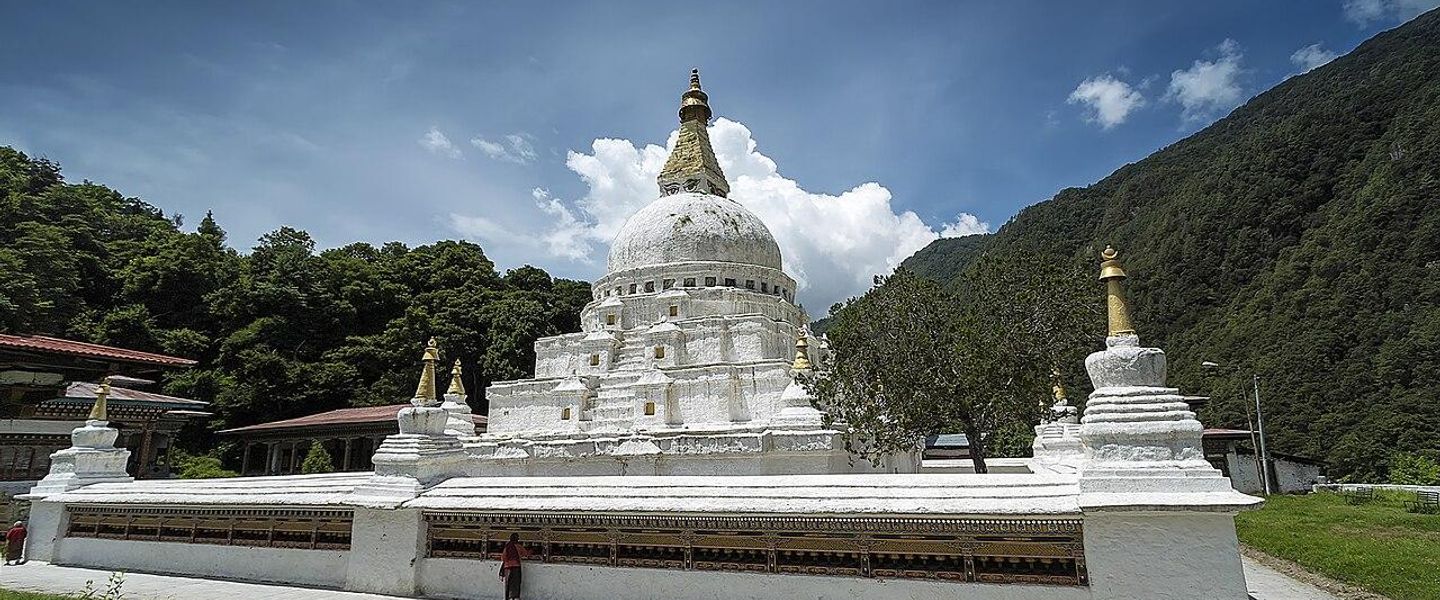


Explore Tashiyangtse in eastern Bhutan for sacred stupas, Himalayan wildlife, traditional crafts and quiet valleys shaped by Buddhist culture.
Read more about Tashiyangtse
When is the best time to visit Tashiyangtse?
Best: May–June, September · 25–27°C| Month | High (°C) | Rainfall (mm) |
|---|---|---|
| January | 10 | 15 |
| February | 12 | 20 |
| March | 17 | 25 |
| April | 21 | 35 |
| May (best) | 25 | 45 |
| June (best) | 27 | 55 |
| July | 28 | 60 |
| August | 28 | 60 |
| September (best) | 26 | 50 |
| October | 21 | 40 |
| November | 16 | 25 |
| December | 11 | 20 |
Getting to and around Tashiyangtse
How to get there
Transportation
Top city travel guides in Tashiyangtse
The cities of Tashiyangtse, and the easiest places to base yourself.
-

-


Swipe for more cities
Destinations in Tashiyangtse
Resorts, valleys and scenic spots worth a trip of their own.

Swipe for more destinations
Best attractions in Tashiyangtse
Tashiyangtse’s attractions combine Buddhist heritage, craft production and a large natural landscape. Chorten Kora is the central cultural sight, drawing pilgrims to its white stupa and riverside courtyard, while Tashiyangtse Dzong provides an important example of the region’s religious-administrative architecture. Around the town, workshops and training institutions offer insight into woodturning, traditional paper-making and other Bhutanese crafts, although access should be arranged respectfully rather than assumed. The district’s greatest natural attraction is Bumdeling Wildlife Sanctuary, whose forests, wetlands and mountain valleys support black-necked cranes in winter as well as other Himalayan birdlife and wildlife. Guided walks, birdwatching and scenic drives are more realistic here than a dense programme of developed visitor facilities. Rural villages, temples and cultivated slopes add cultural interest to journeys between the main sites, while the river valleys offer opportunities for quiet photography and observation. Conditions are seasonal, roads are slow and some areas require official permission or a local guide, so the strongest itineraries leave room for weather and changing access.
-
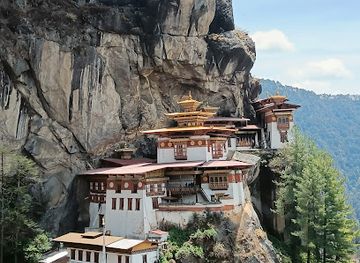
Tourist attraction
Paro Taktsang
Discover the breathtaking beauty and spiritual serenity of Paro Taktsang, Bhutan's iconic Tiger's Nest Monastery, perched high in the Himalayas.
-
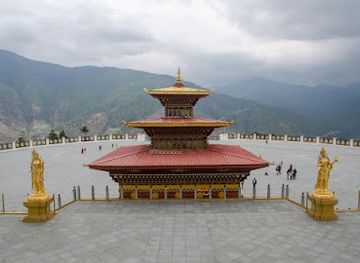
Tourist attraction
National Memorial Chhorten རྒྱལ་ཡོངས་རྗེས་དྲན་མཆོད་རྟེན།
Explore the National Memorial Chhorten, a serene Buddhist stupa in Thimphu that embodies peace, spirituality, and the rich culture of Bhutan.
-
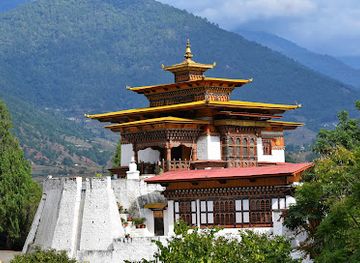
Tourist attraction
Punakha Dzong སྤུ་ན་ཁ་རྫོང་།
Explore the majestic Punakha Dzong, a historical fortress and monastery nestled at the confluence of two rivers in Bhutan's scenic landscape.
-
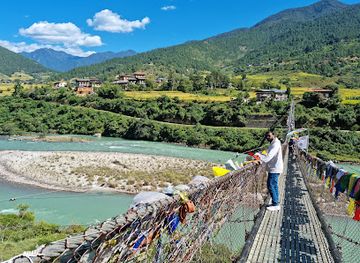
Bridge
Punakha Suspension Bridge
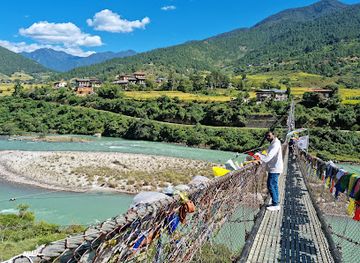
Explore the breathtaking Punakha Suspension Bridge, where adventure meets stunning natural beauty in Bhutan's picturesque landscape.
Best landmarks in Tashiyangtse
Chorten Kora is Tashiyangtse’s defining landmark: its large white form stands beside the Kulong Chhu and recalls the architectural and pilgrimage connections linking Bhutan with Nepal and the eastern Himalaya. Its circular design, prayer flags and surrounding religious activity make it a particularly recognisable sight, but it should be approached as a living sacred place rather than simply a monument. Above the district centre, Tashiyangtse Dzong marks the administrative and spiritual importance of the valley, with Bhutanese architectural forms adapted to a hillside setting. Bumdeling’s mountain forests and open valleys provide a different kind of landmark, shaped by geology, altitude and seasonal wildlife rather than masonry. The sanctuary is especially associated with black-necked cranes during their winter stay. Smaller chortens, temples and traditional houses along the roads add visual continuity to the landscape, while the meeting of river, cultivated valley and steep forested slopes explains why settlement and pilgrimage developed here.
-
Buddhist temple
Buddha Dordenma Statue སྟོན་པ་རྡོར་གདན་མ།
Discover the majestic Buddha Dordenma Statue in Thimphu, a symbol of peace, spirituality, and breathtaking views of Bhutan's capital.
-
Buddhist temple
Paro Taktsang
Experience the breathtaking beauty and spiritual serenity of Paro Taktsang, a cliffside Buddhist monastery in Bhutan offering stunning views and rich history.
-
Buddhist temple
Punakha Dzong སྤུ་ན་ཁ་རྫོང་།
Discover the beauty and serenity of Punakha Dzong, a stunning Buddhist fortress that embodies Bhutan's rich history and spiritual heritage.
-
Bridge
Punakha Suspension Bridge
Experience the breathtaking views and cultural significance of the Punakha Suspension Bridge, an iconic landmark in Bhutan's enchanting landscape.
Explore Tashiyangtse on the map
Plan your trip on one map. See where the top cities, national parks and sights are, and book hotels and experiences in a few clicks.
Best hotels in Tashiyangtse
Best restaurants in Tashiyangtse
Dining in Tashiyangtse is centred on small hotels, local eateries and home-style Bhutanese cooking rather than a large restaurant scene. Expect dishes built around red rice, chillies, vegetables, lentils and meat, with ema datshi, the national chilli-and-cheese dish, commonly available as part of a broader Bhutanese meal. Momos, noodle dishes and simple rice plates may appear alongside regional variations influenced by eastern Bhutan’s proximity to India and Tibet. Food is often relatively hearty and chilli-forward, so visitors who prefer milder flavours should ask in advance. Local produce may include seasonal greens, potatoes, mushrooms and dairy products, while tea and butter tea are familiar refreshments. Travellers staying outside the town should arrange meals with accommodation providers, as roadside choice is limited. Markets and small shops are useful for fruit, biscuits and drinks for long journeys, but Tashiyangtse is not primarily a destination for gourmet dining or an extensive café culture.
-
Restaurant
Lepcha Hotel
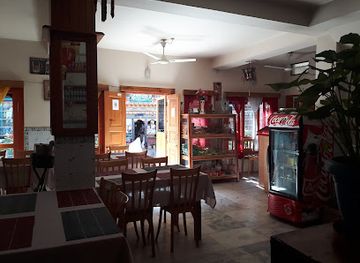
Discover authentic Bhutanese flavors at Lepcha Hotel in Trashigang – where tradition meets hospitality.
-
Pizza
Trashigang Pizza
Experience authentic Bhutanese flavors with every slice at Trashigang Pizza - where tradition meets taste in every bite.
-
Restaurant
Bumthap Hotel
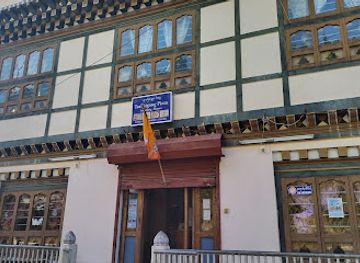
Experience authentic Bhutanese cuisine at Bumthap Hotel in Trashiyangtse, where tradition meets flavor in every dish.
-
Restaurant
Nyendra Restaurant
Discover the authentic taste of Bhutan at Nyendra Restaurant in Kanglung - where every dish tells a story.

Best bars in Tashiyangtse
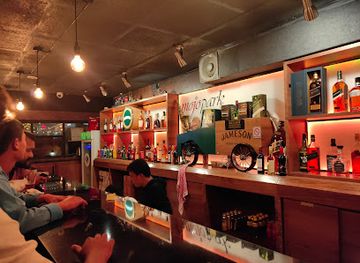
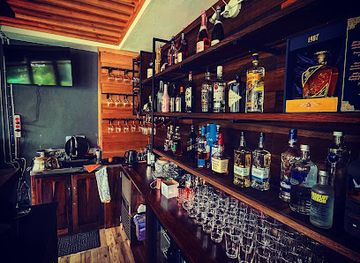
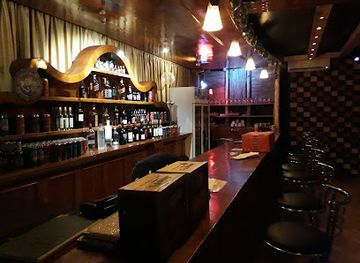
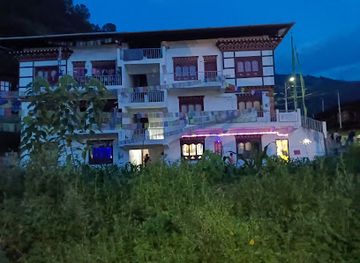
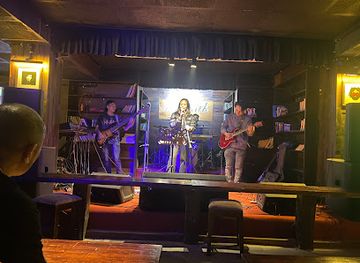
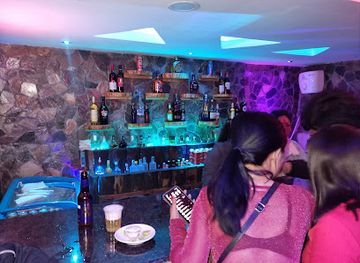
Tashiyangtse has little in the way of organised nightlife, and visitors should not expect a nightclub district or late-opening entertainment venues. Evenings usually centre on dinner at a hotel or modest local restaurant, conversation, television, or a quiet walk through the town when conditions allow. Bhutanese restaurants and guesthouses may serve beer or locally available spirits, but alcohol is not essential to experiencing the district and responsible consumption is particularly important in a remote mountain setting. The most rewarding evening atmosphere is often found in the stillness of the valley, especially when staying near a rural settlement, although visitors should respect household privacy and local religious surroundings. During major religious celebrations at Chorten Kora, the social atmosphere becomes more animated during the day, with pilgrims, ritual activity and community gatherings, but arrangements remain seasonal rather than a permanent nightlife offering.
-
Bar
Mojo Park
Discover the lively atmosphere of Mojo Park, Thimphu's premier bar and restaurant offering delicious food and vibrant live music.
-
Bar
Drunken Yeti
Experience the vibrant nightlife of Thimphu at Drunken Yeti, where local flavors and a lively atmosphere come together.
-
Pub
Jimmy's Pub-Thimphu
Discover the vibrant atmosphere of Jimmy's Pub in Thimphu, where local culture meets lively nightlife for an unforgettable experience.
-
Bar
Tun Tun Restaurant
Experience the vibrant flavors of Radi at Tun Tun Restaurant, a must-visit bar and restaurant serving local and international cuisine.
Best nightclubs in Tashiyangtse
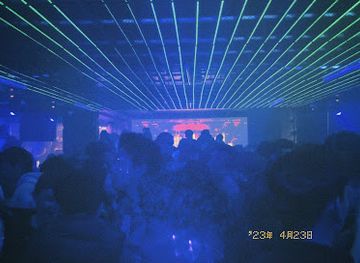
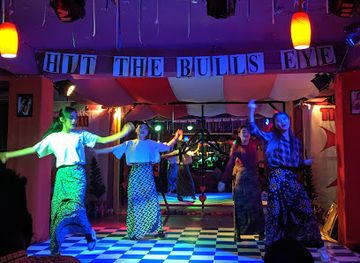
Tashiyangtse has little in the way of organised nightlife, and visitors should not expect a nightclub district or late-opening entertainment venues. Evenings usually centre on dinner at a hotel or modest local restaurant, conversation, television, or a quiet walk through the town when conditions allow. Bhutanese restaurants and guesthouses may serve beer or locally available spirits, but alcohol is not essential to experiencing the district and responsible consumption is particularly important in a remote mountain setting. The most rewarding evening atmosphere is often found in the stillness of the valley, especially when staying near a rural settlement, although visitors should respect household privacy and local religious surroundings. During major religious celebrations at Chorten Kora, the social atmosphere becomes more animated during the day, with pilgrims, ritual activity and community gatherings, but arrangements remain seasonal rather than a permanent nightlife offering.
-
Restaurant
Mojo Park
Experience the vibrant nightlife of Thimphu at Mojo Park, where delicious food, refreshing drinks, and live music create unforgettable memories.
-
Night club
Viva City
Experience the pulse of Thimphu at Viva City, a lively night club where local culture meets unforgettable nightlife.
-
Night club
Space 34 DOS
Discover the energetic nightlife at Space 34 DOS in Thimphu, where EDM and Bollywood beats create an unforgettable experience.
-
Night club
ACE CLUB, Thimphu
Dive into the vibrant nightlife of Thimphu at ACE CLUB, the ultimate destination for fun, music, and unforgettable experiences.
Best shops in Tashiyangtse
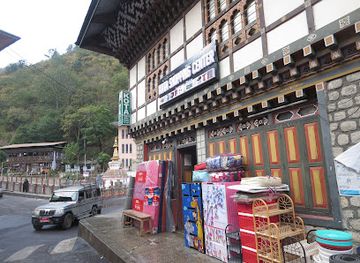
Shopping in Tashiyangtse is more closely connected with local making than with conventional retail. The district is known for woodturning, particularly dapa, the rounded wooden bowls traditionally used in Bhutanese households, and visitors may also find carved wooden objects, religious items and locally made paper. Craft purchases are most meaningful when bought through reputable workshops or directly from makers, with permission to observe the work and clear confirmation of prices and materials. Small town shops provide everyday provisions rather than a broad selection of fashion or luxury goods, while markets and roadside stalls may offer seasonal produce, snacks and household products. Bhutanese textiles, incense, prayer items and packaged foods can sometimes be found through local retailers, although selection varies. Bring sufficient cash for craft purchases and remember that carrying antiques, religious objects or wildlife products across borders may be restricted; obtain advice before buying anything that appears old or unusually valuable.
-
Hardware store
Kota Shopping Center
Discover local culture and practical shopping at Kota Shopping Center in Trashigang, Bhutan's vibrant hub for hardware and home improvement.
-
Grocery store
Pema general shop
Explore Pema General Shop in Trashigang for a unique grocery experience featuring local produce, Bhutanese snacks, and cultural souvenirs.
-
Store
Tshewang Lhamo general shop
Explore Tshewang Lhamo General Shop in Trashiyangtse for a unique blend of local culture, crafts, and warm hospitality.
-
Store
Phuentsho Jamtsho General Shop And Bar
Experience local culture and flavors at Phuentsho Jamtsho General Shop And Bar in Khoma, the perfect stop for travelers seeking authentic Bhutanese hospitality.


Get your free copy of our complete guide to Tashiyangtse, delivered straight to you.
Everything on this page, from attractions and restaurants to essentials and local phrases, in one PDF you can read offline, print or share.
Already have an account? Sign in
Your Tashiyangtse guide is ready.
We'll send it to · Not you? Sign out

Getting your guide ready…
We are putting together a fresh copy of the Tashiyangtse guide. This can take up to a minute.
This can take a few moments. If your browser asks, choose Allow so the download can start. You'll find the guide in your Downloads folder.
Nothing happened? Download it again
Sorry, the guide is taking longer than usual. Please try again in a minute, or get it by email instead.
Tashiyangtse essentials
Currency and Payment
Safety
Emergency Situations
Do's and Don'ts
Local Tips
From Eve
Local phrases worth knowing
You don't need to get them perfect. A few words go a long way, and locals appreciate the effort.
Basics
| English | Local | Say it |
|---|---|---|
| Hello | བཀྲ་ཤིས་ | [Kuzuzangpo] |
| Goodbye | བརྗེ་བཞག་ | [Larja zhak] |
| Yes | ཨ་ནི་ | [A ni] |
| No | མིན་ | [Min] |
| Please/You're welcome | ཐུགས་རྗེ་ཆེ་ | [Thukje che] |
| Thank you | ཐུགས་རྗེ་ | [Thukje] |
| Excuse me/Sorry | ཁྱེད་ལ་བརྗེ་བཞག་གི་ཡིན་ | [Khyed la larja zhak gi yin] |
| How are you? | ཁྱེད་ལ་ བོད་པ་ཡོད་པས་? | [Khyed la bopa yoe pas?] |
| Fine. And you? | ང་བོད་པ་ཡོད་མ་ཤིང་. ཁྱེད་ལ་ག་རེ་ཡོད་? | [Nga bopa yoe ma shing. Khyed la ga re yoe?] |
| Do you speak English? | ཁྱེད་ལ་དགོང་བའི་སྐད་ཡིག་བཤད་པ་ཡོད་མིང་? | [Khyed la gong way kyi shay pa yoe ming?] |
| I don't understand | ང་བྱུང་བོད་བཤད་པ་མི་འདུག་ | [Nga jung bopa shay pa mi dug] |
Eating & Drinking
| English | Local | Say it |
|---|---|---|
| I'd like to see the menu, please | ང་གསོལ་བ་ལས་སྡེ་ཚན་བཤད་རོགས་ | [Nga solwa le denchen shay rogs] |
| I don't eat meat | ང་བེ་མོ་བཤད་མིན་ | [Nga be mo shay min] |
| Cheers! | བདེ་ལེགས་བརྗེ་བཞག་ | [Bde legs larja zhak] |
| I would like to pay, please | ང་དང་འདུག་དགོན་དོན་བཤད་རོགས་ | [Nga dang dug don shay rogs] |
Emergencies
| English | Local | Say it |
|---|---|---|
| Help! | ཐུགས་རྗེ་ཆེ་! | [Thukje che!] |
| Go away! | བོད་ལ་མ་འདུག་! | [Bod la ma dug!] |
| Call the Police! | བརྗེ་བཞག་སྐུ་མི་བརྗེ་བཞག་! | [Larja zhak ku mi larja zhak!] |
| Call a doctor! | བརྗེ་བཞག་དོན་པོ་བརྗེ་བཞག་! | [Larja zhak donpo larja zhak!] |
| I'm lost | ང་བོད་ཡིད་མེད་ | [Nga bod yid med] |
| I'm ill | ང་བོད་ཡིད་མེད་ | [Nga bod yid med] |
Shopping
| English | Local | Say it |
|---|---|---|
| I'd like to buy... | ང་དང་བོས་རྒྱུ་བཤད་རོགས་ | [Nga dang bos gyu shay rogs] |
| I'm just looking | ང་ག་རེ་ལ་བརྗེ་བཞག་གི་ཡིན་ | [Nga ga re la larja zhak gi yin] |
| How much is it? | འདི་ག་རེ་ཡོད་? | [Di ga re yoe?] |
| That's too expensive | འདི་འདི་ལ་དགོང་བར་བའི་ཡོད་ | [Di di la gong bar yoe] |
| Can you lower the price? | ཁྱེད་ལ་ཐོག་མེད་བཤད་རོགས་? | [Khyed la thog me shay rogs?] |
Time & Numbers
| English | Local | Say it |
|---|---|---|
| What time is it? | འདི་ག་རེ་ཡོད་? | [Di ga re yoe?] |
| It's one o'clock | འདི་ག་ 1 དུས་རེད་ | [Di ga 1 dus red] |
| Half past (10) | འདི་དུས་བཅོ་ལ་མིན་ | [Di dus bcho la min] |
| Morning | དགོང་བོད་ | [Gong bopa] |
| Afternoon | ཕྱི་རེད་ | [Pchi red] |
| Evening | རང་བོད་ | [Rang bopa] |
| Yesterday | ཡུན་རོགས་ | [Yun rogs] |
| Today | དེ་རང་ | [De rang] |
| Tomorrow | དེ་ནམ་ལ་ | [De nam la] |
| 1 | 1 | [1] |
| 2 | 2 | [2] |
| 3 | 3 | [3] |
| 4 | 4 | [4] |
| 5 | 5 | [5] |
| 6 | 6 | [6] |
| 7 | 7 | [7] |
| 8 | 8 | [8] |
| 9 | 9 | [9] |
| 10 | 10 | [10] |
Transport & Directions
| English | Local | Say it |
|---|---|---|
| Where's a/the...? | ག་རེ་འདི་ཡོད་? | [Ga re di yoe?] |
| What's the address? | འདིའི་འཛི་གནས་? | [Di yi zi gnas?] |
| Can you show me (on the map)? | ཁྱེད་ལ་རེ་ལ་འདུག་བཤད་རོགས་? | [Khyed la re la dug shay rogs?] |
| When's the next (bus)? | ཁྱེད་ལ་རྗེ་བཞག་འདི་ཡོད་? | [Khyed la rje zhak di yoe?] |
| A ticket (to ....) | འདི་ལ་བརྗེ་བཞག་རྒྱུ་ | [Di la larja zhak gyu] |
History of Tashiyangtse
Early settlement and Himalayan trade routes
The valleys of present-day Tashiyangtse developed through farming, pastoralism and movement along eastern Himalayan routes linking Bhutan with Tibet and Assam. River corridors and mountain passes connected scattered communities, while Buddhist temples and local estates gave shape to settlement patterns. Much of the early history survives through religious traditions, oral accounts and the continuing locations of villages and sacred sites rather than through large surviving secular monuments. The region’s position on routes through eastern Bhutan helped it share cultural influences with neighbouring areas while retaining distinct local communities and languages.
The Buddhist consolidation of eastern Bhutan
From the seventeenth century, the religious and political consolidation of Bhutan under Zhabdrung Ngawang Namgyal and his successors transformed local power structures across the country, including the east. Monastic institutions, fortified administrative centres and networks of Buddhist patronage became central to governance. In Tashiyangtse, this legacy remains visible in temple communities, ritual practices and the importance attached to pilgrimage. The region’s religious landscape was not created at one moment, but developed through successive teachers, local patrons and the incorporation of older sacred places into Bhutan’s Drukpa Buddhist tradition.
Chorten Kora and the eighteenth-century pilgrimage tradition
Chorten Kora is the region’s most prominent historic monument. It was built beside the Kulong Chhu in the eighteenth century by Lama Ngawang Loday, a descendant of the Tibetan religious figure known as Terton Pema Lingpa. Its design was inspired by Boudhanath in Kathmandu, creating an unusual architectural link between eastern Bhutan, Nepal and Tibetan Buddhist practice. The annual celebrations held at the chorten preserve a pilgrimage tradition involving Bhutanese worshippers and the Dakpa people from Arunachal Pradesh in India. The monument remains both a religious centre and a visible record of cross-border Himalayan connections.
Dzong administration and the formation of Tashiyangtse
For centuries, administration in eastern Bhutan was organised through dzongs, monastic estates and local authorities. Tashiyangtse Dzong reflects that blend of religious and civic functions, although the district’s present administrative identity is comparatively recent. Tashiyangtse was separated from the larger administrative area of Trashigang and established as a dzongkhag in the early 1990s. This change recognised the valley’s distinct geography and the practical difficulty of governing remote communities across the eastern mountains. The dzong remains an important symbol of local administration and Bhutanese architectural continuity.
Craft production and the preservation of Zorig Chusum
Traditional craft has long been part of Bhutanese religious and domestic life, from carved wooden vessels to paper, painting and objects used in monasteries. In modern Bhutan, formal training and local workshops have helped maintain the country’s Zorig Chusum, or thirteen traditional arts and crafts. Tashiyangtse became especially associated with woodturning and the making of dapa, as well as traditional paper production. These skills are economically useful but also culturally significant: they preserve regional knowledge of materials, tools and forms at a time when imported goods and modern manufacturing have altered everyday life.
Bumdeling and modern conservation
Bumdeling Wildlife Sanctuary was created to protect a substantial area of eastern Bhutan’s forests, wetlands and highland habitats. Its international profile grew through the winter arrival of black-necked cranes, which migrate from the Tibetan Plateau to lower-altitude valleys. Conservation in the region reflects a broader Bhutanese approach that places environmental protection alongside rural livelihoods and Buddhist ideas of stewardship. The sanctuary’s history is therefore not only about wildlife management; it also concerns the gradual development of roads, regulated tourism and local participation in protecting landscapes used by both people and migratory birds.
Tashiyangtse in Photos
Browse through our photo collection highlighting the charm and character of the destination.
Neighbouring regions of Tashiyangtse
The closest regions to Tashiyangtse, if you have time for more than one.
-

-

-

-
-


Swipe for more regions
Explore more

Explore more of Bhutan
Experience the enchantment of Bhutan, a Himalayan paradise where tradition meets tranquility and Gross National Happiness reigns supreme.
Explore Bhutan