

Free Central Bhutan Travel Guide & Mobile App
Explore Central Bhutan with free travel guides. Discover regional history, expert tips, proposed trips, and audio guides on web or mobile app.


Explore Central Bhutan’s mountain roads, sacred valleys, ancient monasteries, textile villages and historic Trongsa and Bumthang landscapes.
Read more about Central Bhutan
When is the best time to visit Central Bhutan?
Best: April–May, October · 22–25°C| Month | High (°C) | Rainfall (mm) |
|---|---|---|
| January | 12 | 10 |
| February | 14 | 12 |
| March | 19 | 20 |
| April (best) | 22 | 25 |
| May (best) | 25 | 60 |
| June | 28 | 120 |
| July | 29 | 200 |
| August | 29 | 180 |
| September | 27 | 100 |
| October (best) | 23 | 40 |
| November | 16 | 15 |
| December | 13 | 10 |
Getting to and around Central Bhutan
How to get there
Transportation
Top city travel guides in Central Bhutan
The cities of Central Bhutan, and the easiest places to base yourself.
-

-

-
-

-

-


Swipe for more cities
Destinations in Central Bhutan
Resorts, valleys and scenic spots worth a trip of their own.
-

-

-

-

-

-


Swipe for more destinations
Best attractions in Central Bhutan
Central Bhutan’s attractions are concentrated in two contrasting settings: the dramatic mountain stronghold of Trongsa and the broader, more pastoral valleys of Bumthang. In Trongsa, visitors can explore the great Trongsa Dzong and the Ta Dzong museum, while the road towards the central valleys passes the Chendebji Chorten and high viewpoints near Yotongla. Bumthang offers an exceptional sequence of living Buddhist sites, including Kurjey Lhakhang, Jambay Lhakhang, Tamshing Lhakhang and Jakar Dzong. The four valleys also invite slower experiences: village walks in Ura, visits to textile workshops in Chhume, and excursions into Tang to see Mebar Tsho, the Burning Lake. Rural landscapes of barley fields, apple orchards, forested slopes and traditional farmhouses are attractions in their own right. Seasonal tsechus add ritual music, masked dances and communal gatherings, although dates follow the lunar calendar. Outdoor interests include gentle valley walks, longer mountain hikes and wildlife-oriented excursions in the wider central Bhutanese forests, but routes and access should be arranged locally rather than assumed from a map.
-
Buddhist temple
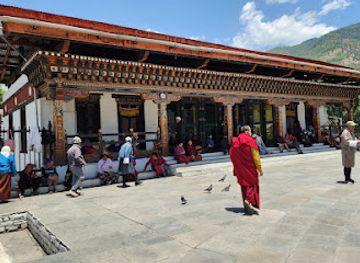
Chendebji Chorten སྤྱན་སྡེབ་སྦྱིས་མཆོད་རྟེན།
Experience tranquility and spirituality at Chendebji Chorten, a stunning Buddhist temple on the Trashigang-Semtokha Highway, rich in culture and heritage.
-
Monastery
Lungchutse Goemba
Explore Lungchutse Goemba, a serene monastery in Bhutan offering breathtaking views, spiritual peace, and a rich cultural experience for travelers.
-
Heritage museum
Taa-Dzong བལྟ་རྫོང་།
Explore the rich heritage of Bhutan at Taa-Dzong, a captivating museum showcasing cultural artifacts and history in the heart of Trongsa.
-
Tourist attraction
Trongsa Dzong View Point
Explore the stunning Trongsa Dzong View Point in Bhutan, offering breathtaking views of the majestic dzong and surrounding landscapes.

Best landmarks in Central Bhutan
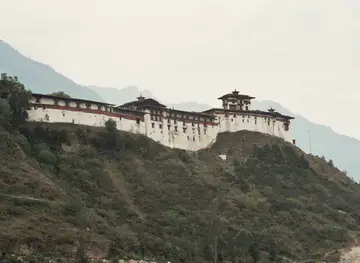
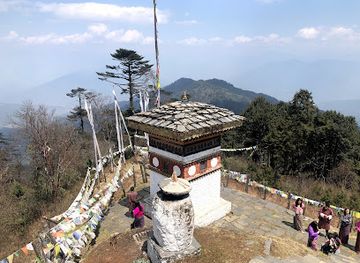
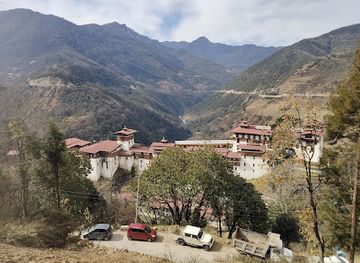
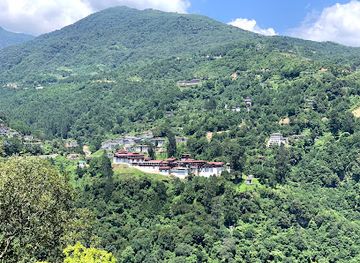
Trongsa Dzong is Central Bhutan’s defining architectural landmark, extending along a steep ridge above the Mangde Chhu gorge in a complex of courtyards, towers and defensive passages. Its commanding position reflects the town’s former role in controlling the route between western and eastern Bhutan. Nearby Ta Dzong, a former watchtower above the dzong, adds a separate military perspective and is now used to interpret Bhutanese history. In Bumthang, Jakar Dzong stands above the Choekhor valley as an important administrative and religious monument, while Kurjey Lhakhang is recognised for its association with Guru Rinpoche and its cluster of sacred buildings. Jambay Lhakhang is among Bhutan’s oldest temples by tradition and is closely linked with the annual Jambay celebrations; Tamshing Lhakhang is notable for its connection with Pema Lingpa and its historic religious art. Outside the main settlements, Chendebji Chorten provides a distinctive roadside landmark, and Mebar Tsho in Tang is a natural sacred site whose name refers to the Burning Lake. Together these places express the region’s combination of political power, Buddhist history and dramatic topography.
-
Buddhist temple
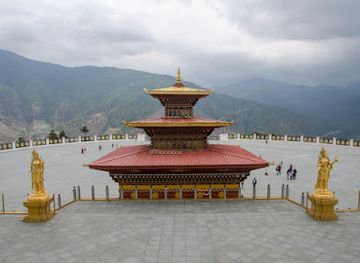
Buddha Dordenma Statue སྟོན་པ་རྡོར་གདན་མ།
Discover the serenity and majesty of the Buddha Dordenma Statue in Thimphu, Bhutan, a breathtaking symbol of peace and spirituality.
-
Buddhist temple
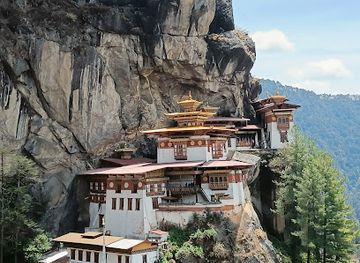
Paro Taktsang
Experience the breathtaking beauty and spiritual serenity of Paro Taktsang, Bhutan's iconic Tiger's Nest Monastery, perched high in the Himalayas.
-
National museum
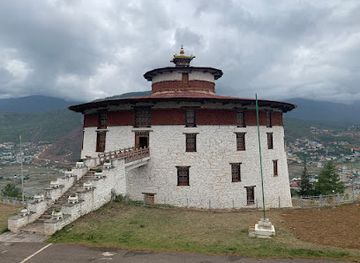
National Museum of Bhutan འབྲུག་གི་འགྲེམས་སྟོན་ཁང་།
Explore Bhutan's cultural legacy at the National Museum, featuring stunning artifacts and breathtaking views in the heart of Paro.
-
Buddhist temple
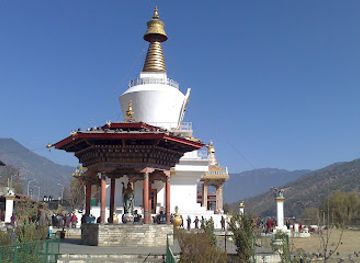
National Memorial Chhorten རྒྱལ་ཡོངས་རྗེས་དྲན་མཆོད་རྟེན།
Discover the spiritual heart of Bhutan at the National Memorial Chhorten, a stunning Buddhist temple in Thimphu with rich history and serene beauty.
Explore Central Bhutan on the map
Plan your trip on one map. See where the top cities, national parks and sights are, and book hotels and experiences in a few clicks.
Best hotels in Central Bhutan
Best restaurants in Central Bhutan
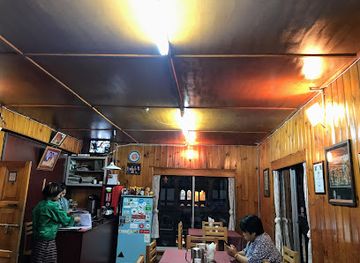
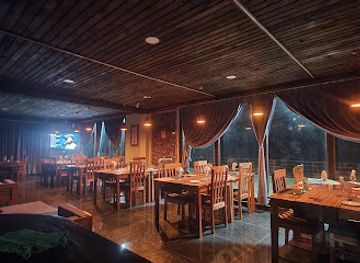
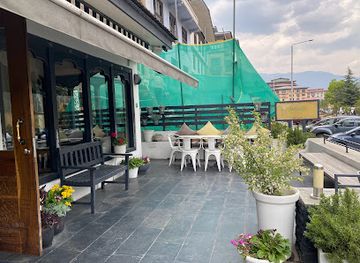
Dining in Central Bhutan is closely connected with farm production and cool mountain conditions. Bumthang tables commonly feature red rice, buckwheat-based foods, potatoes, seasonal vegetables, dairy products and ema datshi, the chilli-and-cheese preparation found throughout Bhutan. In rural homes and traditional eateries, visitors may encounter buckwheat pancakes, dried meat, local cheeses and ara, a spirit traditionally distilled from grain or fruit. Bumthang’s apples and other orchard produce contribute to juices, preserves and locally made drinks, while small breweries have broadened the area’s contemporary beverage scene. Restaurants in Jakar, Trongsa and larger hotels generally offer Bhutanese meals alongside simpler international dishes, but choice becomes more limited in remote valleys. Farmers’ markets and roadside stops provide a better sense of local ingredients than formal dining alone. Visitors should remember that chilli can be a central ingredient rather than a garnish and should explain dietary requirements clearly to guides and hosts.
-
Restaurant
Sonam trophel restaurant
Discover authentic Bhutanese flavors at Sonam Trophel Restaurant in Paro – a must-visit dining destination for every traveler.
-
Bistro
MERENGMA' Bistro
Experience authentic Bhutanese flavors fused with international cuisine at MERENGMA' Bistro in Khuruthang.
-
Restaurant
Zombala Restaurant
Experience the essence of Bhutan through authentic dishes at Zombala Restaurant in Thimphu.
-
Restaurant
Cloud9 Gourmet Burger and Milk Bar
Discover gourmet burgers and delightful milkshakes at Cloud9 in Thimphu – where every bite is a taste of happiness!

Best bars in Central Bhutan
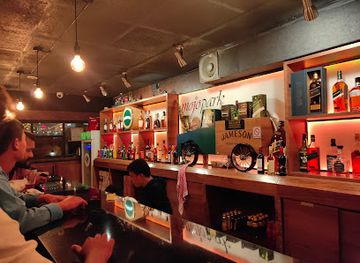
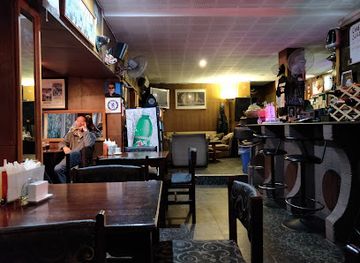
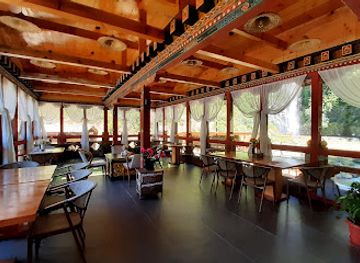
Central Bhutan does not have a major nightclub culture, and evenings are shaped more by the rhythm of mountain towns than by late-night entertainment. Jakar has the region’s broadest selection of hotel lounges, small bars, cafés and places serving locally produced beer, while Trongsa offers a quieter choice of hotel-based social spaces and traditional establishments. In villages and rural valleys, evenings usually centre on family homes, guesthouses or modest restaurants rather than dedicated nightlife venues. Live music and dancing may accompany festivals or local gatherings, but these are cultural occasions rather than scheduled club events. Visitors can sample ara or regional beer responsibly, with local advice about strength and customs, and should not expect reliable late opening hours or extensive transport after dark. The absence of nightlife is part of Central Bhutan’s appeal for travellers seeking mountain scenery, conversation and early starts rather than a busy entertainment district.
-
Bar
Mojo Park
Mojo Park in Thimphu offers a unique blend of live music, delicious food, and a vibrant atmosphere for an unforgettable night out.
-
Restaurant
The Zone
Discover the culinary delights of The Zone in Thimphu, where Bhutanese flavors meet international cuisine in a cozy atmosphere.
-
Live music bar
PARK 76 Cafe & Pub
Experience the vibrant nightlife at PARK 76 Cafe & Pub in Paro, where live music, delicious food, and a welcoming atmosphere await you.
-
Restaurant
Willing Waterfall Cafe
Experience exquisite dining with breathtaking views at Willing Waterfall Cafe, a serene oasis along Bhutan's scenic highway.

Best nightclubs in Central Bhutan
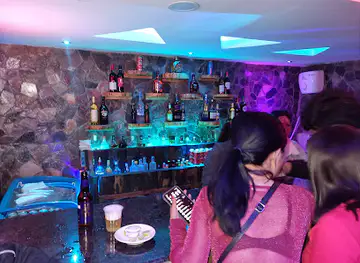
Central Bhutan does not have a major nightclub culture, and evenings are shaped more by the rhythm of mountain towns than by late-night entertainment. Jakar has the region’s broadest selection of hotel lounges, small bars, cafés and places serving locally produced beer, while Trongsa offers a quieter choice of hotel-based social spaces and traditional establishments. In villages and rural valleys, evenings usually centre on family homes, guesthouses or modest restaurants rather than dedicated nightlife venues. Live music and dancing may accompany festivals or local gatherings, but these are cultural occasions rather than scheduled club events. Visitors can sample ara or regional beer responsibly, with local advice about strength and customs, and should not expect reliable late opening hours or extensive transport after dark. The absence of nightlife is part of Central Bhutan’s appeal for travellers seeking mountain scenery, conversation and early starts rather than a busy entertainment district.
-
Night club
Viva City
Discover the vibrant nightlife of Thimphu at Viva City, a night club where music, culture, and fun come together for an unforgettable evening.
-
Night club
DG Wanderlust Club @Thimphu hongkong market/oppesite of Thimphu BOB main Branch office
Dive into the vibrant nightlife of Thimphu at DG Wanderlust Club, where music, dance, and culture collide in an unforgettable experience.
-
Night club
Space 34 DOS
Discover the vibrant nightlife of Thimphu at Space 34 DOS, where style meets unforgettable entertainment in Bhutan's capital city.
-
Night club
ACE CLUB, Thimphu
Experience the vibrant nightlife of Thimphu at ACE CLUB, where traditional and modern dance unite to create unforgettable evenings.


Best shops in Central Bhutan
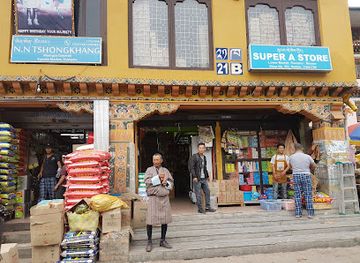
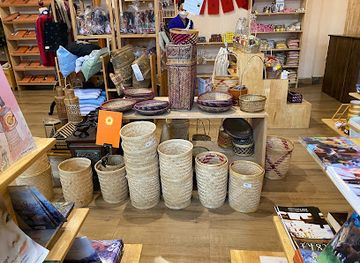
Shopping in Central Bhutan is oriented towards useful local products, religious crafts and regional food rather than large commercial centres. Jakar has the widest selection of small shops and craft outlets, while Trongsa’s shops serve residents and travellers passing along the main highway. Chhume is particularly associated with yathra, a finely woven woollen textile recognised for its bold geometric designs; visitors can look for blankets, bags and other pieces, asking about materials and production before buying. Bumthang is also a good place to seek locally made cheese, honey, apple products, cordyceps-related products where legally and responsibly sourced, and small-batch drinks, although availability varies by season. Traditional handicrafts, prayer items and woven goods may be sold around religious sites, but bargaining should be restrained and respectful. Check customs and airline rules before purchasing old-looking religious objects, antiques, wildlife products or materials whose provenance is unclear, and favour contemporary craft made by identifiable local producers.
-
Farmers' market
Centenary Farmers Market
Discover the rich flavors and vibrant culture at Centenary Farmers Market, a must-visit attraction in Thimphu, Bhutan.
-
Artistic handicrafts
Jungshi handmade paper factory
Explore the artistry of traditional Bhutanese handmade paper at Jungshi Factory, where culture and craftsmanship come together.
-
Jewelry store
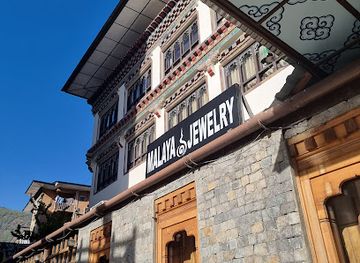
Malaya Jewelry
Explore exquisite handcrafted jewelry at Malaya Jewelry, a gem in the heart of Thimphu, showcasing Bhutan's rich artistic heritage.
-
Market
CSI Market
Discover the heart of Thimphu at CSI Market, where local flavors, culture, and vibrant shopping experiences await every traveler.
Get your free copy of our complete guide to Central Bhutan, delivered straight to you.
Everything on this page, from attractions and restaurants to essentials and local phrases, in one PDF you can read offline, print or share.
Already have an account? Sign in
Your Central Bhutan guide is ready.
We'll send it to · Not you? Sign out

Getting your guide ready…
We are putting together a fresh copy of the Central Bhutan guide. This can take up to a minute.
This can take a few moments. If your browser asks, choose Allow so the download can start. You'll find the guide in your Downloads folder.
Nothing happened? Download it again
Sorry, the guide is taking longer than usual. Please try again in a minute, or get it by email instead.
Central Bhutan essentials
Currency and Payment
Safety
Emergency Situations
Do's and Don'ts
Local Tips
From Eve
Local phrases worth knowing
You don't need to get them perfect. A few words go a long way, and locals appreciate the effort.
Basics
| English | Local | Say it |
|---|---|---|
| Hello | བཀྲ་ཤིས་ | [Kuzu zangpo] |
| Goodbye | བཞུགས་གནང་ | [Zhug nang] |
| Yes | ཨ་མང་ | [A mang] |
| No | མེད་ | [Med] |
| Please/You're welcome | སྐུ་འབྲེལ་ | [Ku drel] |
| Thank you | ཐུགས་རྗེ་ | [Thuk je] |
| Excuse me/Sorry | ཁྱོད་ལ་བརྗེ་ | [Khyod la brje] |
| How are you? | ཁྱེད་ལ་ག་རེ་བྱེད་རེད་? | [Khyed la ga re jey red?] |
| Fine. And you? | ང་བདེ་འདུག་, ཁྱེད་ལ་? | [Nga de duk, khyed la?] |
| Do you speak English? | ཁྱེད་ལ་དངགས་པོ་བཤད་རེད་? | [Khyed la dangpo shed red?] |
| I don't understand | ང་ཉིན་སུ་བཤད་ནས་མེད་ | [Nga nyin su shed nas med] |
Eating & Drinking
| English | Local | Say it |
|---|---|---|
| I'd like to see the menu, please | ང་ལག་ཁྱེད་སྤྱོད་ཀྱི་དོན་མཐུན་པ་བྱིན་ | [Nga lag khyed chö ky don thünpa jhin] |
| I don't eat meat | ང་ཚོས་ལེབ་མེད་ | [Nga tshos leb med] |
| Cheers! | བདེ་བའི་དུས་རུང་ | [De wa'i du rung] |
| I would like to pay, please | ང་དངོས་གནང་རེད་, འདི་དར་འབྲུག་ | [Nga ngö nang red, di dar druk] |
Emergencies
| English | Local | Say it |
|---|---|---|
| Help! | ཐུགས་རྗེ་ཡོད་ | [Thuk je yod] |
| Go away! | གཟིམ་བཏང་! | [Zim tang!] |
| Call the Police! | དབང་རྐྱབ་གཞི་བརྗེ་! | [Wang kyab zhi brje!] |
| Call a doctor! | དགོངས་པོ་བརྗེ་! | [Gongpo brje!] |
| I'm lost | ང་སེམས་ཀྱི་མེད་ | [Nga sems ki med] |
| I'm ill | ང་སློབ་མེད་ | [Nga lob med] |
Shopping
| English | Local | Say it |
|---|---|---|
| I'd like to buy... | ང་འདོད་ཀྱི་རེད་... | [Nga dö ki red...] |
| I'm just looking | ང་རེད་ཡོད་ | [Nga red yod] |
| How much is it? | དངོས་གཏང་ག་རེ་རེད་? | [Ngö tang ga re red?] |
| That's too expensive | འདི་བདག་གིས་མི་འདུག་ | [Di dak gis mi duk] |
| Can you lower the price? | ཁྱེད་ལ་གཏང་དབྱིང་མི་འདུག་? | [Khyed la tang dzying mi duk?] |
Time & Numbers
| English | Local | Say it |
|---|---|---|
| What time is it? | དུས་ཚོད་ག་རེ་བྱེད་རེད་? | [Du tsö ga re jey red?] |
| It's one o'clock | དང་བཅོས་གཅིག་ | [Dang chö chig] |
| Half past (10) | དང་བཅོས་སོགས་ | [Dang chö sogs] |
| Morning | དགོངས་ལོད་ | [Gong lod] |
| Afternoon | ཉིན་འོད་ | [Nin od] |
| Evening | དགོངས་སོད་ | [Gong sod] |
| Yesterday | གནམ་སང་ལས་ | [Nam sang le] |
| Today | དེ་རེས་ | [De res] |
| Tomorrow | ཉིན་ལས་ | [Nin le] |
| 1 | གཅིག་ | [Chig] |
| 2 | གཉིས་ | [Gnyis] |
| 3 | གསུམ་ | [Gsung] |
| 4 | བཞི་ | [Bzhi] |
| 5 | ལྔ་ | [Nga] |
| 6 | དྲུག་ | [Drug] |
| 7 | བདེ་ | [Bde] |
| 8 | བརྒྱ་ | [Brgya] |
| 9 | དགུ་ | [Dgu] |
| 10 | ཅཱང་ | [Chang] |
Transport & Directions
| English | Local | Say it |
|---|---|---|
| Where's a/the...? | གཡོན་འབྲལ་ཚང་? | [Gyon dral tsang?] |
| What's the address? | ལག་ཁྱེད་ག་རེ་བྱེད་རེད་? | [Lag khyed ga re jey red?] |
| Can you show me (on the map)? | ཁྱེད་ལ་དབྱིང་བཤད་? | [Khyed la dzying shed?] |
| When's the next (bus)? | ག་དུས་བཏང་དགོངས་རེད་? | [Ga dus tang gong red?] |
| A ticket (to ....) | འཁོར་ལོང་པ་བརྗེ་ | [Khor longpa brje] |
History of Central Bhutan
Early sacred landscapes and the arrival of Buddhism
Central Bhutan’s religious history reaches back to traditions associated with Padmasambhava, the eighth-century Buddhist master revered across the Himalaya as Guru Rinpoche. Bumthang’s temples preserve stories of his visits and miracles, while local sacred geography links springs, cliffs, lakes and caves with Buddhist transformation. The historical evidence combines written chronicles, monastery traditions and living ritual practice, so these places are important not only as archaeological remains but also as active centres of devotion. Kurjey, Jambay and other temples helped establish Bumthang as one of Bhutan’s principal spiritual regions.
Medieval temple networks in Bumthang
From the medieval period onwards, temples and monastic estates created a durable religious and economic network across Bumthang’s valleys. Jambay Lhakhang, Kurjey Lhakhang and Tamshing Lhakhang are associated with different stages of Bhutanese Buddhist development and with important lineages, including traditions connected with Pema Lingpa. Their architecture, murals, ritual objects and annual festivals reveal how faith, agriculture and local authority were closely linked. Rather than functioning as isolated monuments, these institutions shaped settlement patterns and remain part of community life.
Pema Lingpa and the Terton tradition
Pema Lingpa, a fifteenth-century religious master from Bumthang, is one of the region’s most influential historical figures. Revered as a terton, or discoverer of concealed Buddhist teachings, he found and revealed treasures associated with Padmasambhava and established a lineage that continues to influence Bhutanese religious culture. Tamshing Lhakhang is especially associated with his legacy. His story has left a strong mark on festivals, local pilgrimage and the artistic traditions of central Bhutan, where religious narratives are preserved through ritual, dance and painted imagery.
Trongsa and the consolidation of Bhutan
Trongsa’s position above the Mangde Chhu made it a crucial link between western and eastern Bhutan. Its dzong developed as an administrative and military stronghold, controlling movement through the central mountains and supporting the authority of the Trongsa Penlop, one of the country’s most powerful regional governors. The future first two kings of Bhutan held the Trongsa Penlopship before ascending the throne, giving the town particular importance in the formation of the modern monarchy. The dzong’s layered courtyards and defensive setting still express this political history.
Trade, agriculture and mountain passage
Before modern roads, Central Bhutan depended on foot routes crossing high passes and linking valleys with western and eastern markets. Salt, wool, grain, textiles and livestock moved along these routes, while Bumthang’s agriculture benefited from its comparatively open valley floors. Communities developed specialised practices suited to elevation: buckwheat and barley were important crops, yak and cattle supported upland livelihoods, and Chhume became known for woollen yathra weaving. The region’s historic economy was therefore shaped as much by seasonal movement and mountain ecology as by formal political boundaries.
Roads, monarchy and modern access
The construction of Bhutan’s national road network transformed Central Bhutan during the twentieth century, connecting Trongsa and Bumthang more reliably with the western valleys and the capital region. The roads strengthened administration, education, health services and commercial exchange, but they also made travel vulnerable to landslides, monsoon damage and winter conditions. Modern Bhutanese state-building, particularly under the Wangchuck monarchy, is visible in the continued importance of Trongsa and in the development of Bumthang as a cultural and carefully managed tourism destination.
Central Bhutan in Photos
Browse through our photo collection highlighting the charm and character of the destination.
Neighbouring regions of Central Bhutan
The closest regions to Central Bhutan, if you have time for more than one.
-

-

-

-

-


Swipe for more regions
Explore more

Explore more of Bhutan
Experience the enchantment of Bhutan, a Himalayan paradise where tradition meets tranquility and Gross National Happiness reigns supreme.
Explore Bhutan