

Free Zhemgang Travel Guide & Mobile App
Explore Zhemgang with free travel guides. Discover regional history, expert tips, proposed trips, and audio guides on web or mobile app.


Discover Zhemgang in Bhutan for forested valleys, Kheng culture, village life, Buddhist heritage and access to Royal Manas National Park.
Read more about Zhemgang
When is the best time to visit Zhemgang?
Best: March–April, October · 23–26°C| Month | High (°C) | Rainfall (mm) |
|---|---|---|
| January | 16 | 20 |
| February | 19 | 30 |
| March (best) | 23 | 40 |
| April (best) | 26 | 50 |
| May | 29 | 60 |
| June | 31 | 70 |
| July | 31 | 80 |
| August | 30 | 80 |
| September | 29 | 70 |
| October (best) | 25 | 60 |
| November | 21 | 40 |
| December | 17 | 30 |
Getting to and around Zhemgang
How to get there
Transportation
Best attractions in Zhemgang
Zhemgang’s attractions are shaped by forest, distance and living culture rather than by a large collection of formal visitor facilities. Royal Manas National Park is the district’s major natural draw, offering opportunities for wildlife observation, birdwatching, guided forest excursions and a closer understanding of Bhutan’s subtropical ecosystems. The Panbang area is the principal southern base for exploring this landscape, although access arrangements and routes should be organised in advance. Around Zhemgang town and the rural valleys, Buddhist temples, village communities and historic religious sites provide quieter cultural experiences. Buli is associated with a traditional temple and is among the settlements that help visitors understand the Kheng region’s distinctive identity. Scenic road journeys are an attraction in their own right, revealing changing vegetation, cultivated slopes, river valleys and forested ridges. Outdoor activities are generally modest in scale and locally guided: short walks, nature observation, village visits and longer journeys through protected landscapes are more realistic than a resort-style programme. Visitors should allow time for weather, road conditions and local introductions, since the district’s appeal lies in its relationships between landscape, conservation and everyday life.
-
Tourist attraction
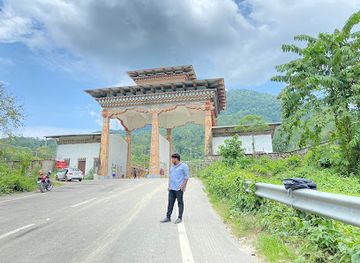
Indo-Bhutan Border Gateway
Experience the grandeur of the Indo-Bhutan Border Gateway, a cultural marvel that unites two nations through art, architecture, and breathtaking scenery.
-
Tourist attraction
Phobjikha Valley
Discover the serene beauty of Phobjikha Valley, where nature and culture harmoniously converge in the heart of Bhutan.
-
Tourist attraction
Bhutan chowki
Discover the breathtaking beauty and rich culture of Bhutan at Bhutan Chowki, a serene tourist attraction in Deothang, India.
-
Tourist attraction
Royal Botanical Garden Serbithang
Explore the Royal Botanical Garden Serbithang, a stunning natural retreat in Thimphu, Bhutan, showcasing diverse flora and serene landscapes.


Best landmarks in Zhemgang
Zhemgang Dzong is the district’s most important architectural landmark, representing the religious and administrative traditions through which Bhutan’s central authority was organised in the Kheng region. Its position above the surrounding landscape also reflects the defensive and symbolic logic of Bhutanese dzongs, although visitors should check access arrangements before planning an interior visit. Buli’s historic Buddhist temple is significant for its continuing place in local religious life and for the way village monasteries preserve regional memory beyond the major dzong centres. In the south, the forested valleys and river landscapes associated with Royal Manas National Park are natural landmarks rather than single monuments. They form part of a protected ecological system of national importance, with subtropical forests, wildlife habitat and rugged waterways defining the scenery around Panbang. Across the district, traditional lhakhangs, cultivated hillsides and road viewpoints are best understood as a connected cultural landscape: their significance lies in the relationship between Buddhist practice, Kheng settlements, agriculture and forest conservation.
-
Buddhist temple
Punakha Dzong སྤུ་ན་ཁ་རྫོང་།
Discover the architectural beauty and spiritual significance of Punakha Dzong, a historical fortress in Bhutan nestled between two rivers.
-
Bridge
Punakha Suspension Bridge
Discover the breathtaking Punakha Suspension Bridge, the longest in Bhutan, where stunning views and rich culture await every traveler.
-
Fortress
Simtokha Dzong སེམས་རྟོགས་ཁ་རྫོང་།
Explore the majestic Simtokha Dzong, Bhutan's first fortress, where history, spirituality, and stunning architecture await in serene Semtokha.
-
Monastery
Gangtey Monastery
Discover the spiritual heart of Bhutan at Gangtey Monastery, a breathtaking site nestled in the serene Phobjikha Valley, rich in culture and natural beauty.


Explore Zhemgang on the map
Plan your trip on one map. See where the top cities, national parks and sights are, and book hotels and experiences in a few clicks.
Best hotels in Zhemgang
Best restaurants in Zhemgang
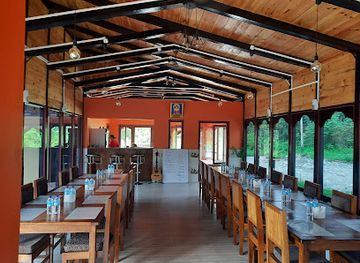
Dining in Zhemgang is predominantly local, informal and connected to the produce available in different altitudes. Bhutanese meals commonly centre on rice, vegetables, chillies, cheese, pulses and meat, with ema datshi, the familiar chilli-and-cheese preparation, appearing in many forms across the country. In the warmer Kheng valleys, visitors may encounter subtropical fruits, leafy vegetables and locally grown ingredients alongside more standard Bhutanese dishes. Small hotels, guesthouses and family-run establishments provide the main dining options, while roadside eateries are useful for simple meals during long journeys. Panbang and Zhemgang town offer more choice than remote villages, but menus may be limited and meals are often prepared to order. Tea, locally available soft drinks and Bhutanese-style accompaniments are more dependable than a broad international selection. Travellers with dietary restrictions should explain them clearly in advance, particularly when staying in rural accommodation, and should carry snacks for journeys between settlements.
-
Restaurant
Willing Waterfall Cafe
Discover tranquility at Willing Waterfall Cafe – where delicious food meets stunning natural beauty along Bhutan's scenic highway.
-
Restaurant
Norbu Yangphel Restaurant
Experience authentic Bhutanese cuisine at Norbu Yangphel Restaurant - a must-visit for food lovers exploring Eastern Bhutan.
-
Restaurant
Pool cafe
Discover the charm of Pool Cafe in Gelephu – where delightful cuisine meets refreshing relaxation by the pool.
-
Restaurant
Yangchhag Hotel & Restaurant
Experience authentic Bhutanese cuisine and warm hospitality at Yangchhag Hotel & Restaurant in Nganglam.


Best bars in Zhemgang
Zhemgang does not have a major nightclub scene. Evening life is centred on hotel dining rooms, small local bars, simple restaurants and community spaces in Zhemgang town and Panbang rather than dedicated entertainment districts. Bhutanese beer and spirits may be available, but drinking is not necessary to engage with the region’s culture, and rural evenings are often quiet after dark. Visitors may find that conversation, shared meals and early starts for road journeys shape the rhythm of a stay more than late-night entertainment. Occasional local gatherings, cultural programmes or music events can add interest, but these are not dependable nightly offerings. In forest and village areas, respect local quiet and avoid loud behaviour near homes, monasteries and guesthouses. Those seeking a wider choice of bars or live entertainment will generally find it in Bhutan’s larger urban centres outside Zhemgang, not within the district itself.
-
Bar
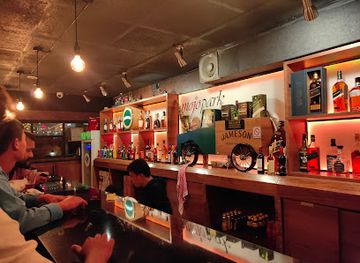
Mojo Park
Discover Mojo Park, Thimphu's vibrant bar and restaurant with live music, offering a unique blend of local culture and lively entertainment.
-
Restaurant
Willing Waterfall Cafe
Experience exquisite dining at Willing Waterfall Cafe, where breathtaking views and delicious local cuisine create unforgettable moments.
-
Bar
Drunken Yeti
Experience the vibrant nightlife of Thimphu at Drunken Yeti, where authentic local flavors meet a cozy atmosphere for unforgettable evenings.
-
Bar
Pool cafe
Discover the perfect blend of relaxation and culinary delight at Gelephu's Pool Cafe, where every visit is a refreshing escape.


Best nightclubs in Zhemgang
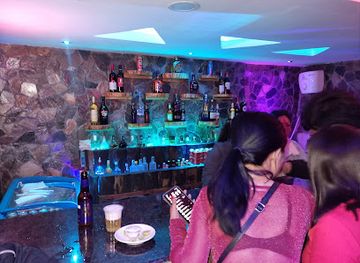
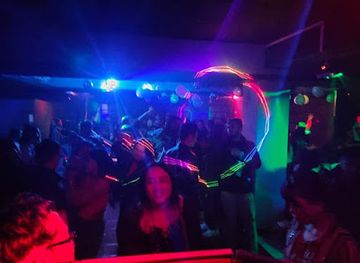
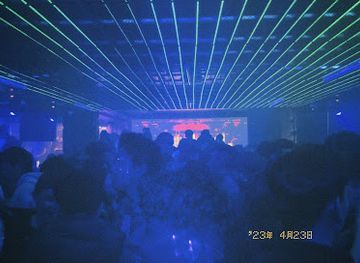
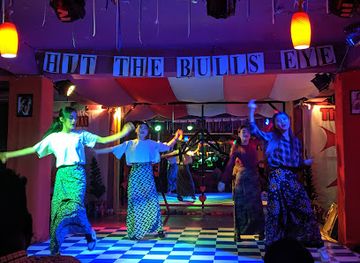
Zhemgang does not have a major nightclub scene. Evening life is centred on hotel dining rooms, small local bars, simple restaurants and community spaces in Zhemgang town and Panbang rather than dedicated entertainment districts. Bhutanese beer and spirits may be available, but drinking is not necessary to engage with the region’s culture, and rural evenings are often quiet after dark. Visitors may find that conversation, shared meals and early starts for road journeys shape the rhythm of a stay more than late-night entertainment. Occasional local gatherings, cultural programmes or music events can add interest, but these are not dependable nightly offerings. In forest and village areas, respect local quiet and avoid loud behaviour near homes, monasteries and guesthouses. Those seeking a wider choice of bars or live entertainment will generally find it in Bhutan’s larger urban centres outside Zhemgang, not within the district itself.
-
Night club
Viva City
Discover the pulse of Thimphu's nightlife at Viva City, a night club where music and culture collide for an unforgettable experience.
-
Night club
DG Wanderlust Club @Thimphu hongkong market/oppesite of Thimphu BOB main Branch office
Discover the heartbeat of Thimphu's nightlife at DG Wanderlust Club, where the dance floor beckons and the drinks flow freely.
-
Night club
Space 34 DOS
Experience the vibrant nightlife of Thimphu at Space 34 DOS, the ultimate destination for dancing and entertainment in Bhutan.
-
Night club
ACE CLUB, Thimphu
Discover the vibrant nightlife of Thimphu at ACE CLUB, where traditional and modern dance unite for an unforgettable experience.
Best shops in Zhemgang
Shopping in Zhemgang is small-scale and practical, with the greatest choice found in Zhemgang town and Panbang rather than in dedicated retail districts. Local shops stock everyday necessities, snacks, clothing and household goods, while guesthouses and community-based initiatives may offer small quantities of local produce or handicrafts. Visitors interested in regional products can look for Bhutanese textiles, woven goods, carved items, prayer objects and packaged foods, but availability varies and genuine craft purchases are best made through reputable local sellers or organised community visits. Farmers and village households may sell seasonal fruit, chillies or other produce when circumstances allow; these exchanges should be handled respectfully and not treated as guaranteed market events. Zhemgang is not a destination for luxury retail or large shopping centres. Its most meaningful purchases are generally modest, useful and connected to Bhutanese craft or food traditions, with larger selections available in the country’s principal towns outside the district.
-
General store
Google Collection Mongar Bhutan
Explore the heart of Mongar at Google Collection, where local crafts and culture come together in a charming general store.
-
Artistic handicrafts
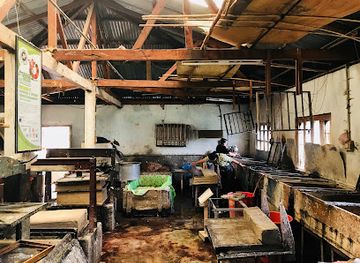
Jungshi handmade paper factory
Explore the rich tradition of Bhutanese craftsmanship at the Jungshi Handmade Paper Factory, where eco-friendly artistry meets cultural heritage.
-
Gift shop
KOJA BHUTAN
Explore KOJA Bhutan for authentic Bhutanese gifts and souvenirs, showcasing the rich culture and artistry of this enchanting country.
-
Book store
Junction Bookstore
Explore the unique collection of Junction Bookstore in Thimphu – a must-visit for book lovers and cultural enthusiasts alike.



Get your free copy of our complete guide to Zhemgang, delivered straight to you.
Everything on this page, from attractions and restaurants to essentials and local phrases, in one PDF you can read offline, print or share.
Already have an account? Sign in
Your Zhemgang guide is ready.
We'll send it to · Not you? Sign out

Getting your guide ready…
We are putting together a fresh copy of the Zhemgang guide. This can take up to a minute.
This can take a few moments. If your browser asks, choose Allow so the download can start. You'll find the guide in your Downloads folder.
Nothing happened? Download it again
Sorry, the guide is taking longer than usual. Please try again in a minute, or get it by email instead.
Zhemgang essentials
Currency and Payment
Safety
Emergency Situations
Do's and Don'ts
Local Tips
From Eve
Local phrases worth knowing
You don't need to get them perfect. A few words go a long way, and locals appreciate the effort.
Basics
| English | Local | Say it |
|---|---|---|
| Hello | བཀྲ་ཤིས་བདེ་ལེགས | [Kuzuzangpo] |
| Goodbye | བཞུགས་སོམ | [Jungso] |
| Yes | ཨེ | [A] |
| No | མ་ཨེ | [Ma] |
| Please/You’re welcome | ཁྱེད་ལ་བརྗེ་འདོན | [Khyed la barjey don] |
| Thank you | ཐུགས་རྗེ་ཆེ | [Thukje che] |
| Excuse me/Sorry | འདོད་གཏོང | [Doden] |
| How are you? | ཁྱེད་གིས་ག་འདྲ་བས? | [Khyed gis ga dra bas?] |
| Fine. And you? | ང་བདེ་བས་ཁྱེད་གིས་ག་འདྲ་བས? | [Nga de bas Khyed gis ga dra bas?] |
| Do you speak English? | ཁྱེད་གིས་དབྱངས་གསོལ་བའི་བརྗེ་འདོན? | [Khyed gis dzhangsolwe barjey don?] |
| I don’t understand | ང་མ་གཏོག་བས | [Nga ma gtog bas] |
Eating & Drinking
| English | Local | Say it |
|---|---|---|
| I’d like to see the menu, please | ང་དམིགས་བརྗེ་འདོན་དགོས | [Nga dimik barjey don go] |
| I don’t eat meat | ང་བསྡུད་མ་བཞག་པར་བས | [Nga bdu ma zhag par bas] |
| Cheers! | བདེ་ལེགས! | [Delek!] |
| I would like to pay, please | ང་དམིགས་བརྗེ་འདོན་དགོས་པར | [Nga dimik barjey don go par] |
Emergencies
| English | Local | Say it |
|---|---|---|
| Help! | སྨྲི་མི་འདོད | [Smarimi do] |
| Go away! | འདོད་གཏོང | [Doden] |
| Call the Police! | དེ་ལུང་གྱི་སྐད་ཡིན | [De lung gi kyi yin] |
| Call a doctor! | དེ་ལུང་གྱི་སྐད་ཡིན | [De lung gi kyi yin] |
| I’m lost | ང་འདོད་མེད | [Nga do med] |
| I’m ill | ང་མི་བསྡུད | [Nga mi bdu] |
Shopping
| English | Local | Say it |
|---|---|---|
| I’d like to buy... | ང་དམིགས་བསྟོད་དགོས | [Nga dimik bstod go] |
| I’m just looking | ང་ཡོད་པ་མ་བཞག་བས | [Nga yoe ma zhag bas] |
| How much is it? | དང་པོའི་སྟོན་ལས་ཡིན? | [Danga Po'i tonle yin?] |
| That’s too expensive | དེ་བྱུང་ཡིན | [De jung yin] |
| Can you lower the price? | ཁྱེད་གིས་སྟོན་ལས་འདོད་བས? | [Khyed gis tonle do bas?] |
Time & Numbers
| English | Local | Say it |
|---|---|---|
| What time is it? | དུག་སྐར་ག་འདྲ་བས? | [Dugkar ga dra bas?] |
| It’s one o'clock | དུག་སྐར་བཅོས | [Dugkar chog] |
| Half past (10) | གཉིས་སྐར་བཅོས | [Ngye kar chog] |
| Morning | དགོང་བས | [Dong] |
| Afternoon | དདང་བས | [Dang] |
| Evening | དུག་བས | [Dug] |
| Yesterday | ཉིན་འཚོལ | [Nin tshel] |
| Today | དེ་རིང | [De ring] |
| Tomorrow | དེ་ལོང | [De long] |
| 1 | དང་པོ | [Danga Po] |
| 2 | གཉིས | [Ngye] |
| 3 | གསུམ | [Sum] |
| 4 | བཞི | [Zhi] |
| 5 | ལྔ | [Nga] |
| 6 | དྕག | [Dzhag] |
| 7 | བདྕད | [Bdzhed] |
| 8 | བརྗེད | [Bhrjed] |
| 9 | དགུ | [Dgu] |
| 10 | བཅོས | [Chog] |
Transport & Directions
| English | Local | Say it |
|---|---|---|
| Where's a/the...? | ག་འདྲ་ལུང་ག་འདོད? | [Ga dra lung ga do?] |
| What’s the address? | ག་འདྲ་སྐད་ཡིན? | [Ga dra kyi yin?] |
| Can you show me (on the map)? | ཁྱེད་གིས་འདོད་བཏང་གོས? | [Khyed gis do tang go?] |
| When's the next (bus)? | ད་བར་ག་འདྲ་བས? | [Da bar ga dra bas?] |
| A ticket (to ....) | དེ་ལུང་རྩིས་དོད | [De lung tshe do] |
History of Zhemgang
Early Kheng settlements and cultural identity
The valleys and hills of present-day Zhemgang have long been inhabited by communities identified with Kheng, one of Bhutan’s important regional cultural groups. Kheng traditions developed in an environment of forested slopes, river corridors and dispersed agricultural settlements, producing a strong local identity that remains visible in language, foodways, folklore and village institutions. The region was never simply an empty frontier between better-known western and eastern centres. Its communities maintained links with neighbouring valleys while preserving distinctive social and cultural practices.
Buddhist foundations in the valley communities
Buddhism became embedded in Zhemgang through monasteries, temple foundations and the activities of religious teachers connected with Bhutan’s wider Drukpa Buddhist history. Village lhakhangs served not only as places of worship but also as repositories of local memory, artistic traditions and communal obligations. Buli, among the district’s recognised cultural settlements, is associated with an old Buddhist temple and continuing religious life. Across Zhemgang, sacred buildings and annual observances helped connect relatively remote communities to the political and spiritual institutions of Bhutan.
The consolidation of Bhutanese rule
During the seventeenth century, the unification of Bhutan under Zhabdrung Ngawang Namgyal and the establishment of a dual religious and administrative system brought the Kheng region more firmly into the Bhutanese polity. Fortified and administrative centres, including the historic establishment at Zhemgang, helped organise authority in a difficult landscape. Religious and secular administration developed together, with local leaders, monastic institutions and district officials mediating between central government and scattered settlements. The legacy is reflected in the region’s dzong architecture and institutional traditions.
Agriculture, forests and the southern trade routes
For centuries, Zhemgang’s economy depended on subsistence agriculture, livestock, forest resources and exchange with neighbouring valleys and the southern foothills. The district’s marked change in altitude allowed communities to cultivate both highland and subtropical crops, although difficult terrain limited large-scale production and transport. Footpaths and later roads connected settlements to markets beyond the district. This history explains why travel through Zhemgang remains closely tied to river valleys and passes, and why forest management has always been an important part of local life.
Modern roads and district development
Road construction and the expansion of public services transformed Zhemgang during the modern period, linking the district headquarters and southern communities more reliably with the rest of Bhutan. The change improved access to education, healthcare and markets, but it did not remove the logistical challenges created by steep terrain and seasonal weather. Zhemgang remains less urbanised than Bhutan’s western core, and many communities retain close relationships with farming and forest landscapes. Modern development therefore sits alongside older settlement patterns rather than replacing them entirely.
Conservation and the Royal Manas landscape
The creation and development of protected areas gave Zhemgang a major role in Bhutan’s national conservation story. Royal Manas National Park covers the southern part of the district and protects subtropical forests, river systems and important wildlife habitat. Conservation has also encouraged new forms of tourism, research and environmental education. The park’s presence highlights a continuing balance between biodiversity protection and the needs of nearby communities, making Zhemgang significant not only for its cultural history but also for Bhutan’s wider approach to maintaining connected forest ecosystems.
Zhemgang in Photos
Browse through our photo collection highlighting the charm and character of the destination.
Neighbouring regions of Zhemgang
The closest regions to Zhemgang, if you have time for more than one.
-
-
-

-

-


Swipe for more regions
Explore more

Explore more of Bhutan
Experience the enchantment of Bhutan, a Himalayan paradise where tradition meets tranquility and Gross National Happiness reigns supreme.
Explore Bhutan