

Free Lhuntse Travel Guide & Mobile App
Explore Lhuntse with free travel guides. Discover regional history, expert tips, proposed trips, and audio guides on web or mobile app.


Explore Lhuntse in eastern Bhutan for Kurtoe history, dramatic valleys, royal heritage, fine weaving, pottery and remote Himalayan landscapes.
Read more about Lhuntse
When is the best time to visit Lhuntse?
Best: June–August · 24–25°C| Month | High (°C) | Rainfall (mm) |
|---|---|---|
| January | 11 | 11 |
| February | 12 | 13 |
| March | 16 | 16 |
| April | 19 | 21 |
| May | 22 | 30 |
| June (best) | 24 | 41 |
| July (best) | 25 | 50 |
| August (best) | 24 | 49 |
| September | 23 | 38 |
| October | 18 | 25 |
| November | 12 | 19 |
| December | 10 | 12 |
Getting to and around Lhuntse
How to get there
Transportation
Top city travel guides in Lhuntse
The cities of Lhuntse, and the easiest places to base yourself.
-

-

-

-


Swipe for more cities
Destinations in Lhuntse
Resorts, valleys and scenic spots worth a trip of their own.

Swipe for more destinations
Best attractions in Lhuntse
Lhuntse’s attractions are concentrated in cultural landscapes rather than large commercial visitor complexes. Lhuntse Dzong, or Kurtoe Dzong, is the principal architectural sight, combining a functioning monastic centre with a historic administrative fortress above the Kurichu valley. Nearby Dungkar introduces the district’s royal associations through its traditional residence and ancestral connections. Khoma village is important for visitors interested in hand weaving, especially the intricate silk textiles associated with the area, while Gangzur is known for pottery made in traditional forms. These visits are most rewarding when organised respectfully through a local guide or community contact. Beyond the main settlements, forested valleys, river crossings and scattered temples provide opportunities for walking, photography and cultural observation, although facilities are limited. The pilgrimage landscape around Singye Dzong is far more remote and physically demanding than the district’s principal sightseeing sites, requiring preparation and local guidance. Lhuntse is therefore suited to travellers who appreciate living crafts, religious architecture and slow journeys through eastern Bhutan rather than a dense itinerary of formal attractions.
-
Fortress
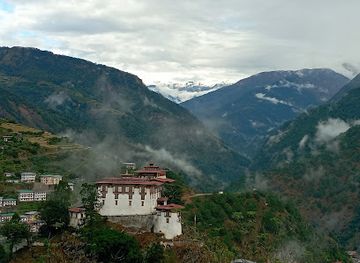
Lhuentse Dzong
Explore Lhuentse Dzong, an architectural gem in Bhutan that showcases rich history and breathtaking views, perfect for cultural enthusiasts and adventurers alike.
-
Pilgrimage place
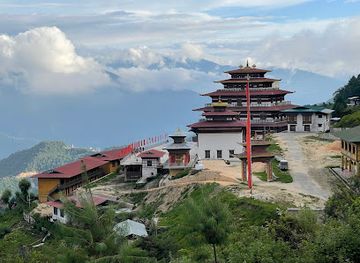
Lhuentse Takela
Explore the sacred beauty of Lhuentse Takela, a pilgrimage site in Bhutan, where tradition and nature intertwine in breathtaking harmony.
-
Buddhist temple
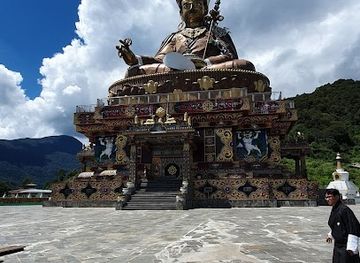
The World's Tallest Statue of Guru Rinpoche
Explore the breathtaking heights of the World's Tallest Statue of Guru Rinpoche, a spiritual journey amidst Bhutan's stunning landscapes.
-
Buddhist temple
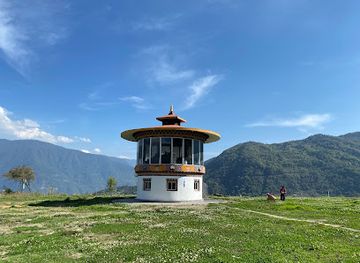
Chador Lhakhang
Discover the tranquil beauty and spiritual depth of Chador Lhakhang, a unique Buddhist temple in Radi, Bhutan, where culture and serenity meet.
Best landmarks in Lhuntse
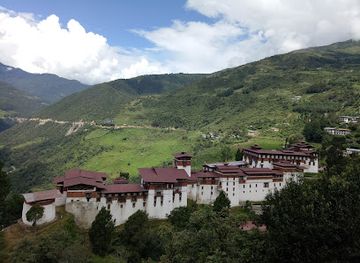
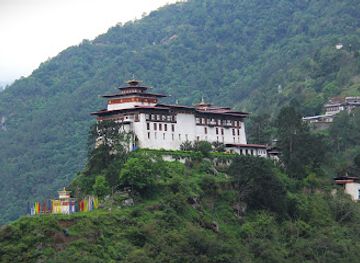
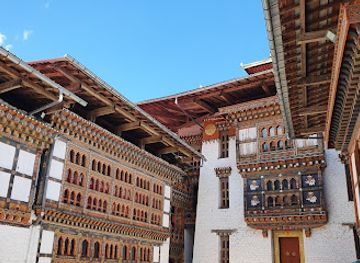
Lhuntse Dzong is the defining landmark of the district, standing on a ridge above the Kurichu and displaying the whitewashed walls, timber details and layered courtyards characteristic of Bhutanese dzong architecture. Its elevated position expresses both the historic need to supervise the valley and the continuing importance of the monastic institution. In Dungkar, the Dungkar Naktshang is significant as a traditional aristocratic residence linked to the ancestral history of the Wangchuck dynasty; its importance is historical as well as architectural. The Kurichu valley itself is a major geographical landmark, with the river threading between steep, heavily wooded slopes and settlements perched on terraces or ridges. Khoma’s traditional weaving culture provides a less monumental but equally distinctive landmark of local identity, embodied in homes and workshops rather than a single public building. In the north, the sacred landscapes associated with Singye Dzong form a remote religious landmark, but access is demanding and should be approached as a serious pilgrimage or trekking undertaking rather than an ordinary excursion.
-
Tourist attraction
Indo-Bhutan Border Gateway
Explore the Indo-Bhutan Border Gateway: A cultural marvel blending stunning architecture and rich heritage, set amidst the lush landscapes of Samdrup Jongkhar.
-
Heritage museum
Taa-Dzong བལྟ་རྫོང་།
Discover the rich tapestry of Bhutanese culture and history at Taa-Dzong, a heritage museum that immerses you in the heart of Bhutan.
-
Fortress
Lhuentse Dzong
Explore the breathtaking Lhuentse Dzong, a historical fortress in Bhutan offering stunning views and rich cultural experiences.
-
Pilgrimage place
Lhuentse Takela
Discover the spiritual essence of Bhutan at Lhuentse Takela, a picturesque pilgrimage site nestled in the majestic Himalayas, perfect for cultural exploration.
Explore Lhuntse on the map
Plan your trip on one map. See where the top cities, national parks and sights are, and book hotels and experiences in a few clicks.
Best hotels in Lhuntse
Best restaurants in Lhuntse
Dining in Lhuntse is generally modest and local, with meals found in hotels, guesthouses, small eateries and family homes rather than a large restaurant scene. Bhutanese staples such as red rice, ema datshi, vegetable preparations, noodles, dumplings and seasonal meat dishes are common, with chilli and cheese used prominently in many recipes. Rural households may serve produce from nearby farms, while eastern Bhutan’s cooler valleys support a range of vegetables and grains according to season. Visitors should expect simple menus and should notify hosts or guides about dietary requirements in advance. Tea, coffee and packaged drinks are widely available in the district centre, but choices become narrower in outlying villages. The most distinctive food experiences often come through a homestay or an arranged local meal, where cooking is connected to household routines rather than restaurant presentation. Carrying a few snacks is sensible during long road journeys.
-
Restaurant
Gurung Restaurant
Discover authentic Bhutanese flavors at Gurung Restaurant in Lhuntse, where every dish tells a story.

Best bars in Lhuntse
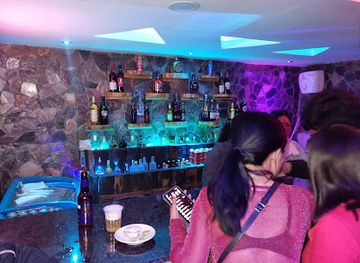
Lhuntse does not have a major nightclub district or a concentrated late-night entertainment scene. Evenings usually centre on hotel dining rooms, small local establishments and informal social spaces, with conversation and early meals more typical than clubbing. Bhutanese beer, spirits and ara, a locally produced grain-based alcoholic drink, may be encountered, although availability and serving arrangements vary. Visitors should drink responsibly and remember that remote roads, limited transport and early travel starts make late-night driving particularly unsafe. The district’s evening appeal lies instead in its quiet atmosphere, dark mountain surroundings and opportunities to attend a locally arranged cultural or religious event when one is taking place. Larger choices for bars and nightlife are found in Bhutan’s main towns rather than in rural Lhuntse.
-
Bar
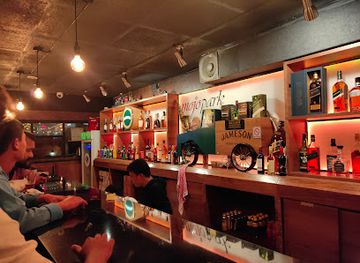
Mojo Park
Discover the lively Mojo Park in Thimphu, where vibrant live music meets a delectable menu in a cultural atmosphere.
-
Restaurant
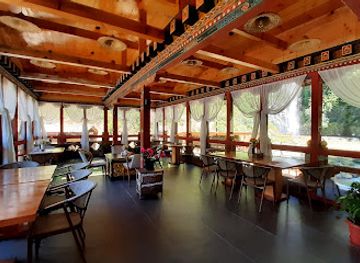
Willing Waterfall Cafe
Experience the tranquil beauty of Willing Waterfall Cafe, where delicious local cuisine meets stunning mountain views in Bhutan.
-
Bar
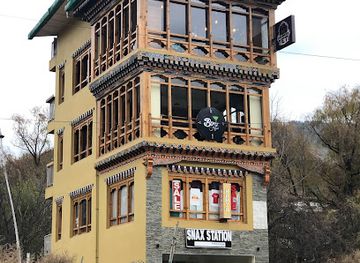
Drunken Yeti
Experience the vibrant nightlife of Thimphu at Drunken Yeti, where local culture meets exceptional drinks in a cozy atmosphere.
-
Live music bar
Real illusions Restro Bar
Discover the lively atmosphere and local music scene at Real Illusions Restro Bar in Thimphu, where every night is an unforgettable experience.
Best nightclubs in Lhuntse
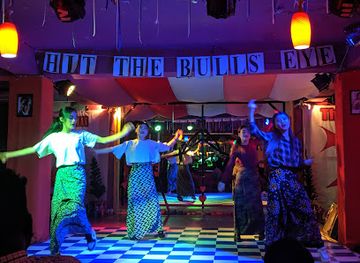
Lhuntse does not have a major nightclub district or a concentrated late-night entertainment scene. Evenings usually centre on hotel dining rooms, small local establishments and informal social spaces, with conversation and early meals more typical than clubbing. Bhutanese beer, spirits and ara, a locally produced grain-based alcoholic drink, may be encountered, although availability and serving arrangements vary. Visitors should drink responsibly and remember that remote roads, limited transport and early travel starts make late-night driving particularly unsafe. The district’s evening appeal lies instead in its quiet atmosphere, dark mountain surroundings and opportunities to attend a locally arranged cultural or religious event when one is taking place. Larger choices for bars and nightlife are found in Bhutan’s main towns rather than in rural Lhuntse.
-
Night club
Viva City
Viva City: Thimphu's premier night club, blending vibrant nightlife with local culture for an unforgettable experience.
-
Night club
DG Wanderlust Club @Thimphu hongkong market/oppesite of Thimphu BOB main Branch office
Discover the heartbeat of Thimphu's nightlife at DG Wanderlust Club, where music, dance, and cultural connections come to life.
-
Night club
Space 34 DOS
Discover the electrifying nightlife of Thimphu at Space 34 DOS, a premier night club offering an unforgettable experience with vibrant music and a lively atmosphere.
-
Night club
ACE CLUB, Thimphu
Experience the vibrant nightlife at ACE CLUB, Thimphu's premier destination for dancing and entertainment that captures the spirit of Bhutan.


Best shops in Lhuntse
Shopping in Lhuntse is focused on locally made textiles, pottery and practical Bhutanese goods rather than large retail centres. Khoma is the district’s best-known place for woven cloth, including richly patterned kira textiles, and visitors may find pieces ranging from everyday fabrics to highly labour-intensive silk work. Gangzur is associated with traditional pottery, whose forms can make useful and distinctive souvenirs when safely packed for transport. Purchases are best made directly from established artisans or through trusted local contacts, with respectful questions about materials, technique and production time. Small shops in Lhuntse town stock necessities, snacks and some national handicrafts, but choice is limited compared with Thimphu or larger eastern towns. Carry sufficient cash for village purchases, inspect fragile goods before buying and allow room in luggage for careful packing. Bargaining should be restrained, particularly where an item represents substantial handwork.
-
Fortress
Lhuentse Dzong
Lhuentse Dzong: Explore Bhutan's architectural marvel, steeped in history and surrounded by breathtaking landscapes.
-
Gift shop
KOJA BHUTAN
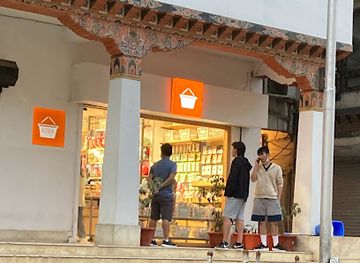
Explore the enchanting world of Bhutanese craftsmanship and find unique gifts at KOJA Bhutan, a must-visit shop in Thimphu.
-
Store
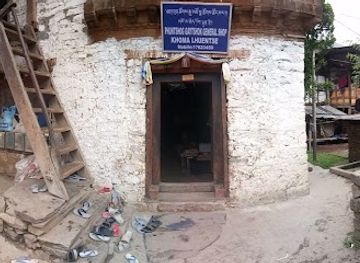
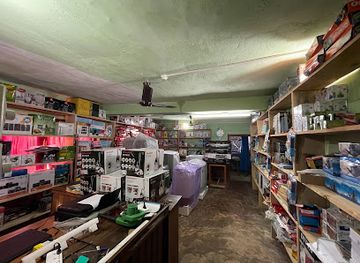
Phuentsho Jamtsho General Shop And Bar
Explore the charm of Khoma at Phuentsho Jamtsho General Shop And Bar, where local culture meets warm hospitality.
-
Electronics store
Dungsam shopping
Discover the latest electronics at Dungsam Shopping in Rongthang, Bhutan, where modern technology meets local culture in a unique shopping experience.
Get your free copy of our complete guide to Lhuntse, delivered straight to you.
Everything on this page, from attractions and restaurants to essentials and local phrases, in one PDF you can read offline, print or share.
Already have an account? Sign in
Your Lhuntse guide is ready.
We'll send it to · Not you? Sign out

Getting your guide ready…
We are putting together a fresh copy of the Lhuntse guide. This can take up to a minute.
This can take a few moments. If your browser asks, choose Allow so the download can start. You'll find the guide in your Downloads folder.
Nothing happened? Download it again
Sorry, the guide is taking longer than usual. Please try again in a minute, or get it by email instead.
Lhuntse essentials
Currency and Payment
Safety
Emergency Situations
Do's and Don'ts
Local Tips
From Eve
Local phrases worth knowing
You don't need to get them perfect. A few words go a long way, and locals appreciate the effort.
Basics
| English | Local | Say it |
|---|---|---|
| Hello | བཀྲ་ཤིས་ | [Kuzu zangpo] |
| Goodbye | བཞུགས་གནང་ | [Zhug nang] |
| Yes | འོད་ | [A] |
| No | མ་འདུག་ | [Ma 'dug] |
| Please/You're welcome | ཁྱེད་རང་དགོས་ | [Khyed rang go] |
| Thank you | ཐུགས་རྗེ་ཆེ་ | [Thugs je che] |
| Excuse me/Sorry | སོགས་པ་བདེ་བའི་ཡོད་མི་ | [Sog pa de wa'i yo mi] |
| How are you? | ཁྱེད་ལ་ག་འདོད་པས་ | [Khyed la ga 'dod pas] |
| Fine. And you? | ང་བདེ་བཞིན་པས་ | [Nga de zhin pa] |
| Do you speak English? | ཁྱེད་ལ་ཨང་གི་སྐད་པ་བཤད་ནི་ཡོད་པས་ | [Khyed la ang gi kè pa shed ni yod pas] |
| I don't understand | ང་ངོ་སྤྱོད་མ་རེད་ | [Nga ngo chö ma red] |
Eating & Drinking
| English | Local | Say it |
|---|---|---|
| I'd like to see the menu, please | ང་ལས་མཚན་ཉིད་བཞིན་ཅིང་སྐྱེལ་དགོས་ | [Nga le tsen nyi zhin ching kyel go] |
| I don't eat meat | ང་ལ་བྱིན་སྐྱོང་མ་འདུག་ | [Nga la jhin kyong ma 'dug] |
| Cheers! | བཏེབས་! | [Teps!] |
| I would like to pay, please | ང་ལས་སྤྱོད་དང་དགོས་ | [Nga le cho dang go] |
Emergencies
| English | Local | Say it |
|---|---|---|
| Help! | ཐོག་ན་འབུལ་! | [Thog na bul!] |
| Go away! | འགྲོ་དགོས་! | [Dro go!] |
| Call the Police! | དཀར་བཞིན་ལ་བརྒྱབ་དགོས་! | [Kar zhin la gyab go!] |
| Call a doctor! | ནད་དྲག་ལ་བརྒྱབ་དགོས་! | [Ned drag la gyab go!] |
| I'm lost | ང་ལ་འདོད་མ་འདུག་ | [Nga la 'dod ma 'dug] |
| I'm ill | ང་ལ་ནད་སློད་དགོས་ | [Nga la ned lod go] |
Shopping
| English | Local | Say it |
|---|---|---|
| I'd like to buy... | ང་ལས་འབྲི་དང་དགོས་ | [Nga le drim dang go] |
| I'm just looking | ང་རེད་བརྒྱབ་ | [Nga red gyab] |
| How much is it? | ད་ལས་ག་འདོད་པས་ | [Da le ga 'dod pas] |
| That's too expensive | ད་ལས་དམན་མ་རེད་ | [Da le men ma red] |
| Can you lower the price? | ཁྱེད་ལ་བཀོད་མེད་པས་ | [Khyed la kod me pas] |
Time & Numbers
| English | Local | Say it |
|---|---|---|
| What time is it? | ད་ལས་ག་འདོད་པས་ | [Da le ga 'dod pas] |
| It's one o'clock | ད་ལས་1་སྐད་རོགས་ | [Da le 1 kè rogs] |
| Half past (10) | ད་ལས་བཅོ་ལྔ་སྐད་རོགས་ | [Da le chö nga kè rogs] |
| Morning | དབྱངས་ | [Yang] |
| Afternoon | དབྱངས་དོན་ | [Yang don] |
| Evening | དབྱངས་དྲུག་ | [Yang drug] |
| Yesterday | གཟའ་ཉིན་ | [Za nyin] |
| Today | དེ་ཉིན་ | [De nyin] |
| Tomorrow | དེ་ཉིན་ལྟར་ | [De nyin tar] |
| 1 | 1 | [1] |
| 2 | 2 | [2] |
| 3 | 3 | [3] |
| 4 | 4 | [4] |
| 5 | 5 | [5] |
| 6 | 6 | [6] |
| 7 | 7 | [7] |
| 8 | 8 | [8] |
| 9 | 9 | [9] |
| 10 | 10 | [10] |
Transport & Directions
| English | Local | Say it |
|---|---|---|
| Where's a/the...? | འབུལ་ཐོབ་ཅིང་ཡོད་ | [Bul thob ching yod] |
| What's the address? | འབུལ་སྐད་ལོགས་ | [Bul kè log] |
| Can you show me (on the map)? | ཁྱེད་ལ་རེད་བྱང་སྐད་ལོགས་གཙང་སྐད་ཡོད་? | [Khyed la red jang kè logs tsang kè yod?] |
| When's the next (bus)? | གཟའ་ནས་བསྐུར་དོན་རོགས་གཙང་སྐད་ཡོད་? | [Za na skur don rogs tsang kè yod?] |
| A ticket (to ....) | ཐོབ་རོགས་ | [Thob rogs] |
History of Lhuntse
Kurtoe and Early Bhutanese Religious History
Lhuntse was historically known as Kurtoe, a name still used in cultural and historical contexts. The valleys formed part of the wider network of eastern Bhutanese communities shaped by Tibetan Buddhism, local sacred traditions and powerful regional families. Religious teachers and lineages travelled through these mountains, establishing temples and teaching centres whose influence extended beyond individual settlements. The district’s remote geography helped preserve distinctive local customs while also connecting it to central Bhutan through pilgrimage routes and dynastic relationships.
The Wangchuck Ancestral Lands
Dungkar in Lhuntse is closely associated with the ancestral history of the Wangchuck dynasty, which has ruled Bhutan since 1907. The Dungkar Naktshang, a traditional aristocratic residence, represents the social world of a prominent eastern Bhutanese family before the establishment of the modern monarchy. The site is significant not only for its royal associations but also for showing how political authority was rooted in regional estates, religious connections and family networks. Lhuntse therefore occupies an important place in the story of Bhutan’s transition from regional governance to a unified hereditary monarchy.
The Construction of Kurtoe Dzong
Lhuntse Dzong, commonly called Kurtoe Dzong, was established in the seventeenth century during the consolidation of Bhutan under Zhabdrung Ngawang Namgyel’s successors. Like other Bhutanese dzongs, it served both as a fortress and as a centre of administration and monastic life. Its elevated site above the Kurichu reflects the strategic importance of controlling movement through the valley. Rebuilt and maintained over time, the dzong remains the clearest architectural expression of Lhuntse’s historic role as a regional centre in eastern Bhutan.
Trade, Agriculture and Village Craft
For centuries, Lhuntse’s communities combined subsistence agriculture, animal husbandry, forest use and regional exchange. The district’s valleys supported settlements connected by arduous paths and later by roads, while household production supplied clothing, ritual objects and domestic vessels. Weaving in Khoma and pottery in Gangzur are especially prominent survivals of this material culture. Their importance lies in the knowledge behind the products: techniques, patterns and forms are linked to local identity and have been passed through generations rather than developed solely for modern tourism.
Modern Roads and Eastern Bhutanese Integration
The arrival of motor roads transformed access to Lhuntse but did not remove the district’s geographical isolation. Roads linked the Kurichu valley more firmly with Mongar, Trashigang and Bhutan’s central highway network, allowing public services, construction materials and commercial goods to move more easily. At the same time, new access changed patterns of trade and made education, healthcare and wage employment less dependent on long journeys on foot. Lhuntse today reflects this ongoing balance between modern infrastructure and strongly rooted village traditions.
Conservation and Contemporary Cultural Preservation
Bhutan’s modern development policies have placed continuing emphasis on cultural continuity and environmental stewardship, both of which are particularly relevant in a sparsely populated district such as Lhuntse. Forested slopes, river systems, religious sites and traditional settlements form a connected cultural landscape rather than separate attractions. Efforts to sustain weaving, pottery, monasteries and historic buildings take place alongside improvements in roads and public services. The result is a region where contemporary change is visible, but local craft and religious life remain central to its identity.
Lhuntse in Photos
Browse through our photo collection highlighting the charm and character of the destination.
Neighbouring regions of Lhuntse
The closest regions to Lhuntse, if you have time for more than one.
-

-

-

-

-


Swipe for more regions
Explore more

Explore more of Bhutan
Experience the enchantment of Bhutan, a Himalayan paradise where tradition meets tranquility and Gross National Happiness reigns supreme.
Explore Bhutan