

Free Haa Valley Travel Guide & Mobile App
Explore Haa Valley with free travel guides. Discover regional history, expert tips, proposed trips, and audio guides on web or mobile app.


Haa Valley in western Bhutan combines mountain scenery, ancient temples, rural villages and peaceful walking routes beyond the country’s busiest circuits.
Read more about Haa Valley
When is the best time to visit Haa Valley?
Best: May–July · 19–21°C| Month | High (°C) | Rainfall (mm) |
|---|---|---|
| January | 3 | 20 |
| February | 6 | 25 |
| March | 10 | 30 |
| April | 15 | 40 |
| May (best) | 19 | 50 |
| June (best) | 20 | 60 |
| July (best) | 21 | 80 |
| August | 19 | 80 |
| September | 17 | 70 |
| October | 13 | 50 |
| November | 7 | 30 |
| December | 3 | 20 |
Getting to and around Haa Valley
How to get there
Transportation
Top city travel guides in Haa Valley
The cities of Haa Valley, and the easiest places to base yourself.
-

-


Swipe for more cities
Best attractions in Haa Valley
Haa Valley’s attractions are concentrated in its cultural landscape rather than in large purpose-built visitor sites. Haa Dzong provides the principal historic focus above the town, while Lhakhang Karpo and Lhakhang Nagpo offer insight into the valley’s religious traditions and distinctive temple legends. Rural roads lead through cultivated fields, traditional farmhouses, small settlements and hillside shrines, creating opportunities for guided walks and respectful encounters with everyday Bhutanese life. The route towards Chele La is a major scenic experience, passing through changing belts of forest and high mountain terrain before reaching open views near the pass. Short walks around the valley can be combined with longer excursions arranged through local guides, but trails should not be assumed to be formally marked. Photography, birdwatching and landscape observation are rewarding in clear weather, while winter brings a quieter atmosphere and possible snow or icy roads. Haa is less suitable for visitors seeking a dense sequence of museums or commercial family attractions; its value lies in the relationship between temples, villages, farmland and mountain environment.
-
Fortress
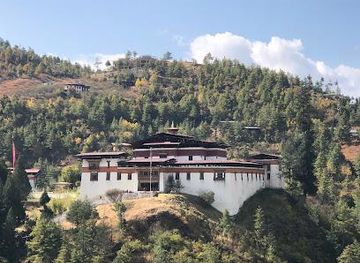
Simtokha Dzong སེམས་རྟོགས་ཁ་རྫོང་།
Discover the enchanting Simtokha Dzong, a 17th-century fortress in Bhutan, rich in history, culture, and stunning architecture.
-
Scenic spot
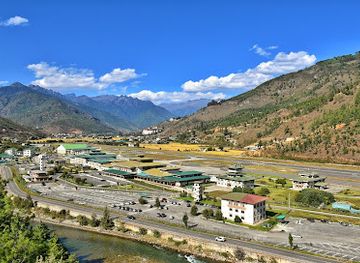
Paro Airport Bird's Eye View Point
Discover stunning vistas and serene beauty at Paro Airport Bird's Eye View Point, Bhutan's premier scenic spot offering breathtaking views.
-
Hiking area
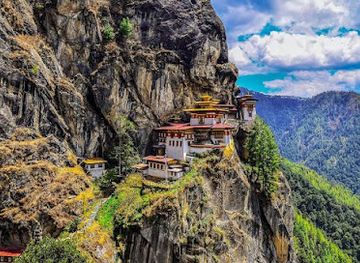
Tiger's Nest Hiking Trail
Explore the breathtaking Tiger's Nest Hiking Trail in Bhutan, a spiritual journey to an iconic cliffside monastery surrounded by stunning landscapes.
-
Cultural landmark
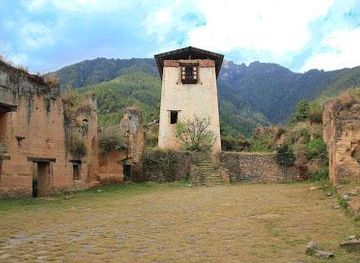
Drukgyel Dzong འབྲུག་རྒྱལ་རྫོང་།
Discover the historical significance and stunning views of Drukgyel Dzong, a cultural landmark that embodies Bhutan's rich heritage.
Best landmarks in Haa Valley
Haa Dzong is the valley’s most prominent architectural landmark, standing above Haa town as a compact expression of Bhutan’s dzong tradition, in which religious and administrative functions developed within a fortified monastic complex. The paired Lhakhang Karpo and Lhakhang Nagpo are the valley’s most recognisable sacred landmarks. Known as the White and Black Temples, they are associated with enduring local traditions about the early spread of Buddhism and remain active places of worship rather than museum pieces. Beyond built heritage, Chele La is Haa’s defining natural landmark: the high pass marks the dramatic transition between the Haa and Paro sides of the western mountains, with forests and open highland views shaped by altitude and weather. Traditional farmhouses, mani walls and prayer-flag points are also significant features of the valley’s visual identity, but they form part of living communities and should be viewed with discretion rather than treated as unrestricted monuments.
-
 Buddhist temple
Buddha Dordenma Statue སྟོན་པ་རྡོར་གདན་མ།
Discover the tranquility and grandeur of the Buddha Dordenma Statue in Thimphu, a majestic symbol of peace nestled in the heart of Bhutan.
-
Buddhist temple
Paro Taktsang
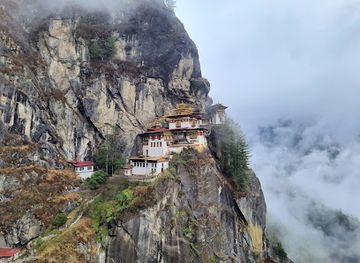
Experience the breathtaking beauty and spiritual serenity of Paro Taktsang, Bhutan's iconic Tiger's Nest Monastery perched high above the Paro Valley.
-
National museum
National Museum of Bhutan འབྲུག་གི་འགྲེམས་སྟོན་ཁང་།
Explore the National Museum of Bhutan, a cultural gem in Paro showcasing the rich heritage and history of this enchanting Himalayan kingdom.
-
Buddhist temple
National Memorial Chhorten རྒྱལ་ཡོངས་རྗེས་དྲན་མཆོད་རྟེན།
Discover the spiritual heart of Bhutan at the National Memorial Chhorten, a stunning Buddhist stupa in Thimphu, embodying peace and cultural heritage.
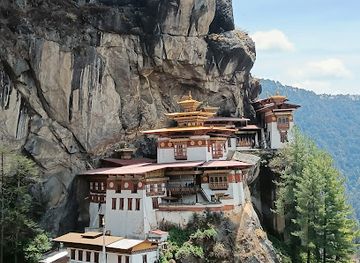
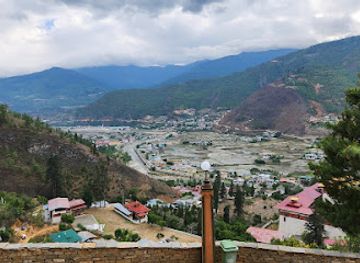
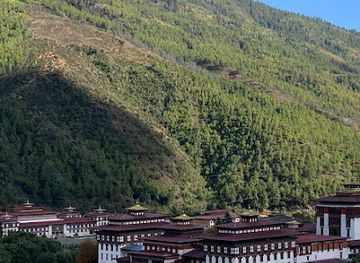
Explore Haa Valley on the map
Plan your trip on one map. See where the top cities, national parks and sights are, and book hotels and experiences in a few clicks.
Best hotels in Haa Valley
Best restaurants in Haa Valley
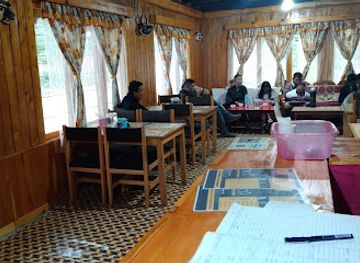
Dining in Haa is modest, local and closely connected with accommodation. Hotels, guesthouses and homestays commonly serve Bhutanese dishes such as red rice, ema datshi, phaksha paa and seasonal vegetable preparations, with buckwheat and other mountain crops appearing in western Bhutanese cooking. Meals may be accompanied by tea, simple soups and locally familiar snacks rather than an extensive restaurant menu. Visitors should expect a smaller selection of cafés and independent restaurants than in Paro or Thimphu, and advance notice is useful when travelling in a group or requesting a particular meal. Farm and homestay experiences can provide a more direct connection with local food production, although offerings vary by household and season. Bring realistic expectations about dining hours and choice, especially outside Haa town, and regard the valley’s food culture as part of its rural character rather than as a destination for elaborate restaurant-hopping.
-
Restaurant
Pelden Restaurant
Discover authentic Bhutanese flavors at Pelden Restaurant in Ha, where tradition meets taste in a warm and inviting atmosphere.
-
Family-friendly
Hoentay Restaurant
Discover the flavors of Bhutan at Hoentay Restaurant—your family-friendly destination for authentic local cuisine in Ha.
-
Restaurant
Blue pine restaurent
Experience authentic Bhutanese cuisine at Blue Pine Restaurant in Ha - a delightful blend of flavors and warm hospitality awaits you.
-
Restaurant
Ngaden Restaurant
Experience authentic Bhutanese cuisine at Ngaden Restaurant in Ha – where every dish tells a story!
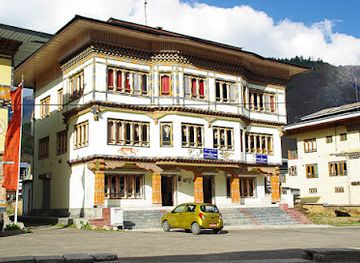

Best bars in Haa Valley
Haa Valley has little conventional nightlife, and evenings usually centre on hotel dining rooms, guesthouses, homestays or quiet conversations after a day on the road. A few local establishments may serve beer or spirits, but the valley is not a clubbing destination and visitors should not expect a dense bar district or late-night entertainment. Cultural programmes, community gatherings and seasonal religious events can provide more meaningful evening experiences when they are taking place, although schedules vary and should be confirmed locally. The clear mountain setting also makes an early start more rewarding than a late night: after dark, many visitors spend time observing the landscape, preparing for the following day or joining a guided cultural activity. Drink responsibly and respect the quiet of residential villages and religious sites.
-
Restaurant
Taktshang Cafeteria
Experience the rich flavors of Bhutanese cuisine at Taktshang Cafeteria, perfectly situated on the breathtaking Taktsang Trail.
-
Resort hotel
Tiger's Nest Resort - Best Resort in Paro, Bhutan
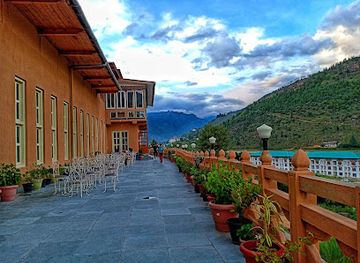
Discover the tranquility and beauty of Tiger's Nest Resort in Paro, Bhutan, where luxury meets nature and culture.
-
Restaurant
Mojo Park
Discover the vibrant Mojo Park, a lively restaurant and bar in Thimphu, offering local cuisine, international dishes, and live music for an unforgettable experience.
-
Brewpub
Namgay Artisanal Brewery
Experience the unique flavors of Bhutan at Namgay Artisanal Brewery, a hub of craft brewing nestled in the stunning Paro valley.

Best nightclubs in Haa Valley
Haa Valley has little conventional nightlife, and evenings usually centre on hotel dining rooms, guesthouses, homestays or quiet conversations after a day on the road. A few local establishments may serve beer or spirits, but the valley is not a clubbing destination and visitors should not expect a dense bar district or late-night entertainment. Cultural programmes, community gatherings and seasonal religious events can provide more meaningful evening experiences when they are taking place, although schedules vary and should be confirmed locally. The clear mountain setting also makes an early start more rewarding than a late night: after dark, many visitors spend time observing the landscape, preparing for the following day or joining a guided cultural activity. Drink responsibly and respect the quiet of residential villages and religious sites.
-
Restaurant
Mojo Park
Discover the lively atmosphere of Mojo Park in Thimphu, where delicious food meets vibrant live music for an unforgettable night out.
-
Night club
Viva City
Experience the vibrant nightlife of Thimphu at Viva City, the premier night club where music and culture come alive.
-
Night club
Space 34 DOS
Immerse yourself in Thimphu's nightlife at Space 34 DOS, where vibrant music and a lively crowd create unforgettable memories.
-
Night club
ACE CLUB, Thimphu
Dive into the lively nightlife of Thimphu at ACE CLUB, a night club that blends local culture with a vibrant party atmosphere!




Best shops in Haa Valley
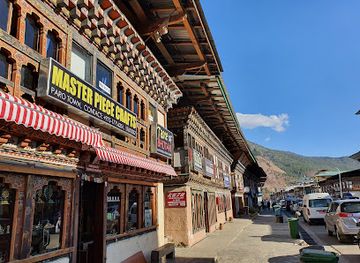
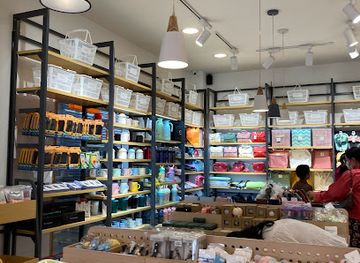
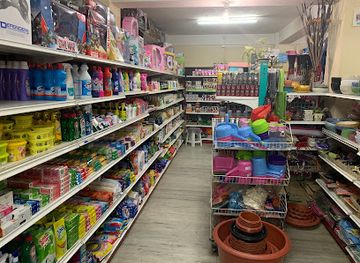
Shopping in Haa is limited and practical, with small local shops serving residents rather than a concentrated tourist retail scene. Visitors may find Bhutanese textiles, prayer items, simple handicrafts, packaged foods and locally produced goods through accommodation providers, community outlets or occasional local markets, but availability is seasonal and should not be assumed. The valley’s rural economy is reflected more in farm produce and household crafts than in branded shopping. If buying textiles, carved objects or religious items, ask about their origin and appropriate use, and avoid purchasing antiquities or objects that may be culturally or legally restricted. For a broader selection of Bhutanese handicrafts, books, woven goods and souvenirs, Paro or Thimphu, both outside Haa Valley, are generally better equipped. In Haa, the most appropriate purchases are usually modest locally made products that can be traced to contemporary community production.
-
Shopping mall
Paro Town Shop No.12.Empty space for rent
Discover authentic Bhutanese crafts and souvenirs at Paro Town Shop No.12, a charming shopping destination in the heart of Paro.
-
Hotel
Risum Resort
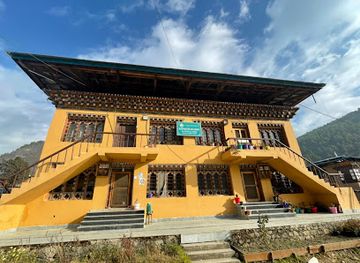
Experience the serene beauty of Haa Valley at Risum Resort, your perfect getaway to unwind in nature and explore Bhutan's rich culture.
-
Gift shop
KOJA BHUTAN
Explore the rich cultural heritage of Bhutan through unique gifts and handcrafted treasures at KOJA BHUTAN in Thimphu.
-
Supermarket
SHOP NO. 7, LHATSHOG TSHONGKHANG
Discover the heart of Thimphu at Shop No. 7, Lhatshog Tshongkhang, where local flavors and everyday essentials await.
Get your free copy of our complete guide to Haa Valley, delivered straight to you.
Everything on this page, from attractions and restaurants to essentials and local phrases, in one PDF you can read offline, print or share.
Already have an account? Sign in
Your Haa Valley guide is ready.
We'll send it to · Not you? Sign out

Getting your guide ready…
We are putting together a fresh copy of the Haa Valley guide. This can take up to a minute.
This can take a few moments. If your browser asks, choose Allow so the download can start. You'll find the guide in your Downloads folder.
Nothing happened? Download it again
Sorry, the guide is taking longer than usual. Please try again in a minute, or get it by email instead.
Haa Valley essentials
Currency and Payment
Safety
Emergency Situations
Do's and Don'ts
Local Tips
From Eve
Local phrases worth knowing
You don't need to get them perfect. A few words go a long way, and locals appreciate the effort.
Basics
| English | Local | Say it |
|---|---|---|
| Hello | བཀྲ་ཤིས་འདེབས་ | [Kuzu zangpo] |
| Goodbye | དགའ་བའི་སྐྱེས་ | [Tashi delek] |
| Yes | ཨེ | [A] |
| No | མེད་ | [Me] |
| Please/You're welcome | ཁྱེད་ལ་བཀྲ་ཤིས་འདེབས་ | [Kye la kuzu zangpo] |
| Thank you | ཐུགས་རྗེ་ཆེ་ | [Thukje che] |
| Excuse me/Sorry | ང་ལ་བརྗེ་བ་ | [Nga la berje na] |
| How are you? | ཁྱེད་རང་ག་རེ་བར་དེབས་གྱི་རེད་ | [Kye rang ga re bar de?] |
| Fine. And you? | ང་བདེ་ལམ་བདེ་ལ་བཤད་ | [Nga de le na?] |
| Do you speak English? | ཁྱེད་རང་དབྱེ་སྐད་བཤད་དེ་རེད་ | [Kye rang dzongkha zhey de?] |
| I don't understand | ང་བརྗེ་བ་མེད་ | [Nga berje me] |
Eating & Drinking
| English | Local | Say it |
|---|---|---|
| I'd like to see the menu, please | ང་ལེགས་བཟང་ཆོད་ལེབ་བཞིན་འདེབས་གི་རེད་ | [Nga legzang choed lep zhin de] |
| I don't eat meat | ང་བྱི་པ་མེད་ | [Nga jey ma] |
| Cheers! | བདེ་བརྗེ་བ་ | [Bde je] |
| I would like to pay, please | ང་འཚོལ་དེབས་གི་རེད་ | [Nga tshel de] |
Emergencies
| English | Local | Say it |
|---|---|---|
| Help! | ཐུགས་རྗེ་ཆེ་ | [Thukje che] |
| Go away! | ཁྱེད་རང་བཏོན་ཡོད་ | [Kye rang ton yoe] |
| Call the Police! | དགོང་རལ་བཤད་རེད་ | [Gongral zhey de] |
| Call a doctor! | གསོ་བ་བཤད་རེད་ | [Sowa zhey de] |
| I'm lost | ང་འབྱུང་བར་དེབས་གྱི་རེད་ | [Nga jung bar de] |
| I'm ill | ང་མི་སྐད་བར་དེབས་གྱི་རེད་ | [Nga mi zhey de] |
Shopping
| English | Local | Say it |
|---|---|---|
| I'd like to buy... | ང་འདོད་བསྟན་ | [Nga do ten] |
| I'm just looking | ང་ལེགས་བཟང་བཞིན་ | [Nga legzang zhin] |
| How much is it? | འདུག་ག་རེ་བར་དེབས་གྱི་རེད་ | [Du ga re bar de?] |
| That's too expensive | འདུག་རེ་བར་ས་མུད་ | [Du re bar sa mu] |
| Can you lower the price? | ཁྱེད་རང་བར་སོང་གི་རེད་ | [Kye rang bar song de?] |
Time & Numbers
| English | Local | Say it |
|---|---|---|
| What time is it? | དུས་འདུག་ག་རེ་བར་དེབས་གྱི་རེད་ | [Dus du ga re bar de?] |
| It's one o'clock | དུས་འདུག་ག་པོ་རེད་ | [Dus du po de] |
| Half past (10) | ཅོ་ལ་ཚད་གཉིས་ | [Cho la tshed gnyis] |
| Morning | དགོང་ཉིན་ | [Gong nyin] |
| Afternoon | དགོང་དགོང་ | [Gong gong] |
| Evening | དགོང་ཆུང་ | [Gong chung] |
| Yesterday | དུས་མཐར་ | [Dus thar] |
| Today | དུས་སང་ | [Dus sang] |
| Tomorrow | དུས་མཐར་དུས་ | [Dus thar dus] |
| 1 | ༡ | [1] |
| 2 | ༢ | [2] |
| 3 | ༣ | [3] |
| 4 | ༤ | [4] |
| 5 | ༥ | [5] |
| 6 | ༦ | [6] |
| 7 | ༧ | [7] |
| 8 | ༨ | [8] |
| 9 | ༩ | [9] |
| 10 | ༡༠ | [10] |
Transport & Directions
| English | Local | Say it |
|---|---|---|
| Where's a/the...? | ག་རེ་ནས་བཏང་རེད་ | [Ga re na tang de?] |
| What's the address? | དབྱེ་སྐད་ག་རེ་བར་དེབས་གྱི་རེད་ | [Dye zhey ga re bar de?] |
| Can you show me (on the map)? | ཁྱེད་རང་བྱེད་དེབས་གི་རེད་ | [Kye rang je de?] |
| When's the next (bus)? | དུས་འདུག་ག་རེ་བར་དེབས་གྱི་རེད་ | [Dus du ga re bar de?] |
| A ticket (to ....) | འདུག་ཐབས་གི་རེད་ | [Du tab de] |
History of Haa Valley
Early Buddhist traditions and sacred valley communities
Haa’s religious history is closely connected with Bhutanese traditions that attribute the arrival of Buddhism in the Himalayan region to the seventh century. Local accounts associate the White and Black Temples, Lhakhang Karpo and Lhakhang Nagpo, with this early sacred landscape, although their surviving buildings and later religious institutions reflect centuries of change. The temples helped establish Haa as a valley of pilgrimage and community worship, while smaller shrines, mani walls and prayer sites connected village life with the wider Buddhist culture of western Bhutan.
A western Himalayan frontier
Haa occupied a strategically sensitive position in western Bhutan, near routes linking the interior valleys with Tibet and the Himalayan lands to the south and west. Its settlements were shaped by mountain agriculture, pastoralism and the need to manage movement through difficult passes. Rather than developing as a large urban centre, the valley remained a dispersed rural society organised around villages, religious institutions and local authority. Its frontier character contributed to a distinctive sense of separation from the more heavily travelled valleys nearby.
Fortress administration and Haa Dzong
Like other important Bhutanese valleys, Haa developed a dzong-based system of religious and civil administration. Haa Dzong, also known as Wangchuk Lo Dzong in some contexts, stands above Haa town and represents this dual role: the dzong was both a seat of local authority and a religious complex. Its scale is more restrained than the great dzongs of Punakha or Trongsa, but its setting and continuing cultural importance illustrate how Bhutan’s valleys were governed through fortified monasteries.
The formation of modern Bhutan
The political consolidation of Bhutan under the Wangchuck dynasty in the early twentieth century also affected western valleys such as Haa. Royal administration gradually strengthened connections between local communities and the central state, while religious institutions continued to shape public life. The valley’s location near the western frontier gave it administrative and strategic significance even though it remained predominantly agricultural. Roads, schools and government services later began to alter patterns of movement that had previously depended largely on footpaths and pack routes.
The preservation of a rural cultural landscape
For much of the twentieth century Haa remained relatively isolated from international tourism and large-scale development. This helped preserve a landscape of traditional farmhouses, cultivated patches, grazing ground and village temples. The valley’s opening to tourism in the early twenty-first century introduced new economic opportunities while also making cultural and environmental stewardship important local concerns. Today, Haa’s appeal lies partly in seeing how contemporary Bhutanese life continues within a small valley whose settlement patterns remain strongly rooted in agriculture and religion.
Road access and the arrival of visitors
Modern road links transformed access to Haa, particularly the route connecting it with Paro over Chele La. The journey remains mountainous and weather-dependent, but it has made the valley practical to include in western Bhutan itineraries. Tourism has developed on a modest scale through hotels, guesthouses, guided walks and community-based experiences rather than through dense resort construction. This gradual pattern of change allows visitors to encounter Haa as a living administrative and agricultural valley rather than solely as a preserved historic site.
Haa Valley in Photos
Browse through our photo collection highlighting the charm and character of the destination.
Neighbouring regions of Haa Valley
The closest regions to Haa Valley, if you have time for more than one.
-

-

-

-

-


Swipe for more regions
Explore more

Explore more of Bhutan
Experience the enchantment of Bhutan, a Himalayan paradise where tradition meets tranquility and Gross National Happiness reigns supreme.
Explore Bhutan