

Free Western Bhutan Travel Guide & Mobile App
Explore Western Bhutan with free travel guides. Discover regional history, expert tips, proposed trips, and audio guides on web or mobile app.


Explore western Bhutan’s dzongs, mountain valleys, sacred trails and distinctive Bhutanese villages from Paro and Thimphu to Punakha and Haa.
Read more about Western Bhutan
When is the best time to visit Western Bhutan?
Best: May–June, September · 25–28°C| Month | High (°C) | Rainfall (mm) |
|---|---|---|
| January | 13 | 20 |
| February | 14 | 25 |
| March | 18 | 30 |
| April | 21 | 35 |
| May (best) | 25 | 40 |
| June (best) | 28 | 45 |
| July | 29 | 50 |
| August | 28 | 50 |
| September (best) | 26 | 45 |
| October | 21 | 40 |
| November | 16 | 35 |
| December | 12 | 30 |
Getting to and around Western Bhutan
How to get there
Transportation
Top city travel guides in Western Bhutan
The cities of Western Bhutan, and the easiest places to base yourself.
-

-

-

-

-
-


Swipe for more cities
Destinations in Western Bhutan
Resorts, valleys and scenic spots worth a trip of their own.
-

-

-

-

-

-


Swipe for more destinations
Best attractions in Western Bhutan
Western Bhutan’s attractions are concentrated along a journey of valleys rather than in a single resort centre. Paro offers the ascent to Taktsang, the National Museum in Ta Dzong and the riverside Rinpung Dzong, while nearby temples and farm tracks reveal the valley’s agricultural character. Thimphu combines museums, craft institutions, monasteries, markets and public landmarks with opportunities for short walks in the surrounding hills. South of the capital, Simtokha Dzong marks an important early chapter in Bhutan’s state formation. Punakha is known for its river confluence, fertile countryside, Punakha Dzong and the uphill walk to Khamsum Yulley Namgyal Chorten. Wangdue Phodrang provides access to rural settlements and rebuilding historic architecture, while Haa Valley offers quieter trails, pasture and traditional villages. The road over Chele La is a high-country excursion when conditions allow, and the warmer southern landscapes around Chukha contrast with the alpine character of the upper valleys. Across the region, monasteries, chortens, weaving centres, forest walks and scenic viewpoints are best approached as living cultural places rather than as isolated sightseeing stops.
-
National park
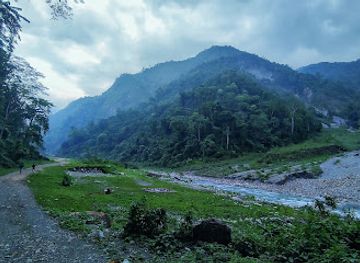
Buxa Tiger Reserve
Experience the breathtaking wilderness of Buxa Tiger Reserve – a haven for wildlife and adventure seekers in West Bengal.
-
Tourist attraction
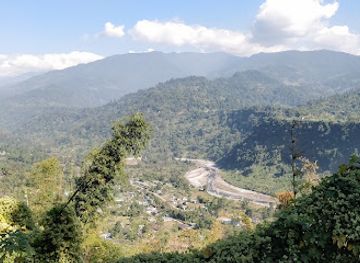
Gairibas View Point
Discover the breathtaking vistas and tranquil ambiance of Gairibas View Point in West Bengal, a must-visit destination for nature lovers and adventurers.
-
Hindu temple
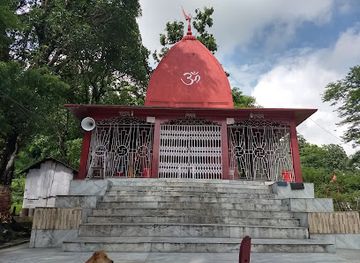
Makrapara Kali Temple
Explore the spiritual tranquility of Makrapara Kali Temple, a hidden gem nestled in the heart of West Bengal's tea gardens, rich in culture and devotion.
-
Tourist attraction
Jayanti Riverbed
Discover the enchanting beauty of Jayanti Riverbed in Buxa Forest, West Bengal - a perfect blend of adventure and tranquility for nature lovers.
Best landmarks in Western Bhutan
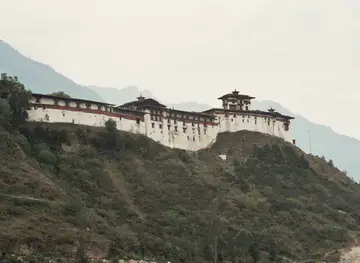
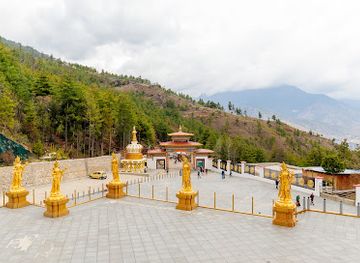
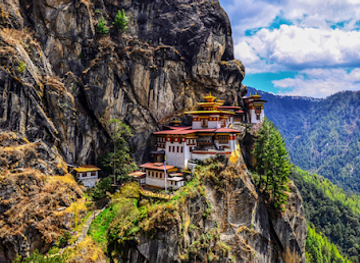
Taktsang Palphug Monastery, widely known as Tiger’s Nest, is western Bhutan’s most recognisable landmark, dramatically set on a cliff above Paro Valley and reached by a steep forest trail. Rinpung Dzong, whose name means Fortress of the Heap of Jewels, dominates the approach to Paro and is an important example of Bhutanese religious and administrative architecture. Above Thimphu, Buddha Dordenma overlooks the capital from Kuenselphodrang, while Simtokha Dzong south of the city is among the earliest surviving dzongs in Bhutan. Punakha Dzong occupies a striking island-like position at the meeting of the Mo Chhu and Pho Chhu and is closely associated with Bhutan’s political and religious history. The rebuilt Wangdue Phodrang Dzong crowns a ridge above its valley, and Khamsum Yulley Namgyal Chorten provides a prominent architectural viewpoint reached through cultivated countryside. In Haa, the mountain setting, traditional houses and high-pass landscapes are less monumental but significant as expressions of a quieter western Bhutanese valley.
-
Buddhist temple
Buddha Dordenma Statue སྟོན་པ་རྡོར་གདན་མ།
Discover the majestic Buddha Dordenma Statue in Thimphu, a colossal symbol of peace and spirituality surrounded by stunning Himalayan views.
-
Buddhist temple
Paro Taktsang
Experience the breathtaking beauty and spiritual serenity of Paro Taktsang, Bhutan's iconic Tiger's Nest Monastery, a true gem in the Himalayas.
-
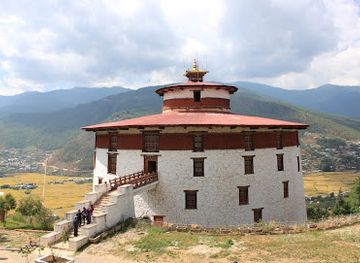
National museum
National Museum of Bhutan འབྲུག་གི་འགྲེམས་སྟོན་ཁང་།
Explore Bhutan's rich culture and history at the National Museum, offering breathtaking views and a diverse collection of artifacts.
-
Historical landmark
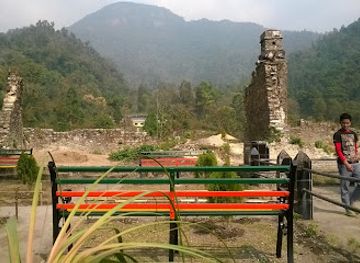
Buxa Fort
Discover the enchanting Buxa Fort, a historical landmark in West Bengal, surrounded by lush forests and rich wildlife near the Indo-Bhutan border.
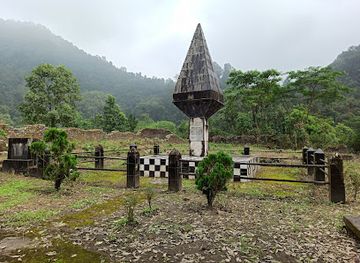
Explore Western Bhutan on the map
Plan your trip on one map. See where the top cities, national parks and sights are, and book hotels and experiences in a few clicks.
Best hotels in Western Bhutan
Best restaurants in Western Bhutan
Dining in western Bhutan is closely tied to household cooking, farm produce and the country’s distinctive use of chilli and cheese. Red rice is a staple, commonly served with ema datshi, a preparation of chillies and cheese, as well as vegetable dishes, lentils and meat stews. In the higher valleys, buckwheat-based foods are associated particularly with Bhutan’s mountain cuisine, while the warmer Punakha and Wangdue areas produce fruit and other crops. Paro and Thimphu have the broadest choice of Bhutanese restaurants, cafés, bakeries and international food, whereas smaller settlements rely more on local eateries, guesthouses and hotel dining rooms. Farm stays and village meals can provide a direct connection with seasonal ingredients, though arrangements should be made through a guide or host. Butter tea, suja, and ara, a locally produced spirit, are part of Bhutanese food culture, but visitors should accept them according to personal preference. Chillies may be treated as a vegetable rather than merely a seasoning, so requesting a milder dish is perfectly practical.
-
Restaurant
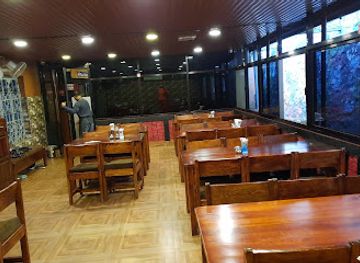
Zombala Restaurant
Discover authentic Bhutanese flavors at Zombala Restaurant in Thimphu – where every dish tells a story.
-
Restaurant
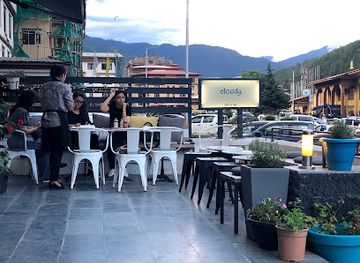
Cloud9 Gourmet Burger and Milk Bar
Experience gourmet burgers and delicious milkshakes at Cloud9 in Thimphu—where taste meets tradition in every bite.
-
Restaurant
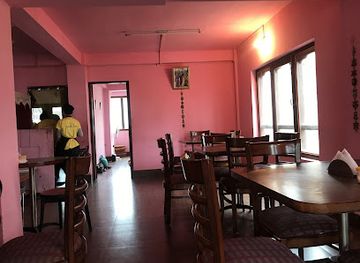
Karma's Dhaba
Experience authentic Bhutanese flavors at Karma's Dhaba in Thimphu – where culinary tradition meets warm hospitality.
-
Hotel
Hotel Chicken Dinner
Discover comfort and culinary delights at Hotel Chicken Dinner in Khuruthang – where every meal is a celebration.
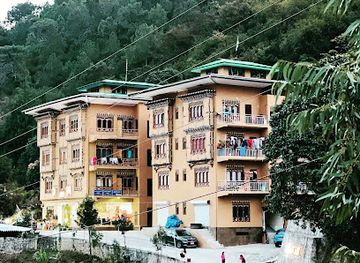
Best bars in Western Bhutan
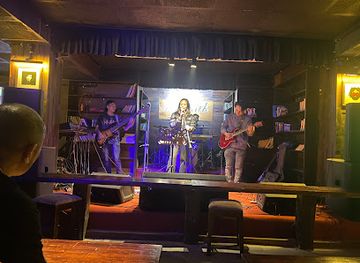
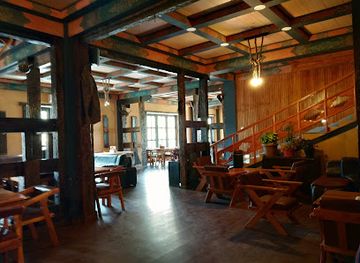
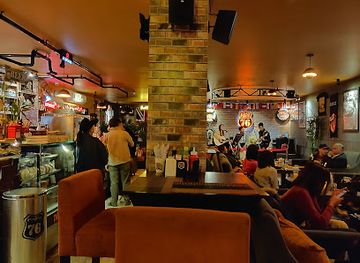
Evening life in western Bhutan is modest and concentrated mainly in Thimphu and, to a lesser extent, Paro. Thimphu has the country’s broadest selection of restaurants, cafés, small bars, live-music venues and late-opening social spaces, with activity shaped by the student, government and hospitality communities. Paro offers hotel lounges, restaurants and a smaller number of informal bars rather than a large club scene. In Punakha, Wangdue Phodrang and Haa, evenings generally centre on guesthouses, hotels, traditional inns and quiet meals, with occasional local music or cultural performances arranged for visitors. Bhutanese breweries and locally produced spirits may appear on menus, but drinking is not essential to experiencing the region. Opening arrangements and venue status can change, especially outside Thimphu, so guides and accommodation hosts are the most reliable source of current information.
-
Bar
Mojo Park
Discover the vibrant nightlife at Mojo Park in Thimphu, where local flavors meet live music for an unforgettable experience.
-
Brewpub
Namgay Artisanal Brewery
Experience the finest locally crafted beers at Namgay Artisanal Brewery, a true taste of Bhutan’s brewing heritage in the heart of Paro.
-
Live music bar
PARK 76 Cafe & Pub
Discover the lively PARK 76 Cafe & Pub in Paro - a vibrant live music bar offering delicious food, refreshing drinks, and unforgettable atmosphere.
-
Bar
Drunken Yeti
Experience the unique charm of Drunken Yeti in Thimphu, where local ambiance meets delightful beverages for a perfect night out.
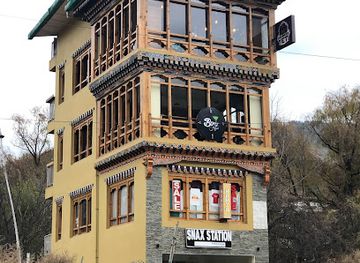
Best nightclubs in Western Bhutan
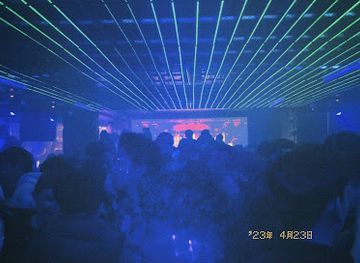
Evening life in western Bhutan is modest and concentrated mainly in Thimphu and, to a lesser extent, Paro. Thimphu has the country’s broadest selection of restaurants, cafés, small bars, live-music venues and late-opening social spaces, with activity shaped by the student, government and hospitality communities. Paro offers hotel lounges, restaurants and a smaller number of informal bars rather than a large club scene. In Punakha, Wangdue Phodrang and Haa, evenings generally centre on guesthouses, hotels, traditional inns and quiet meals, with occasional local music or cultural performances arranged for visitors. Bhutanese breweries and locally produced spirits may appear on menus, but drinking is not essential to experiencing the region. Opening arrangements and venue status can change, especially outside Thimphu, so guides and accommodation hosts are the most reliable source of current information.
-
Night club
Viva City
Discover the heart of Thimphu's nightlife at Viva City, where music, dance, and culture unite for an unforgettable experience.
-
Night club
DG Wanderlust Club @Thimphu hongkong market/oppesite of Thimphu BOB main Branch office
Discover the vibrant nightlife at DG Wanderlust Club in Thimphu, the ultimate destination for dance, drinks, and unforgettable memories.
-
Night club
Space 34 DOS
Experience the electrifying nightlife of Thimphu at Space 34 DOS, the city's premier night club for music, dancing, and unforgettable memories.
-
Night club
ACE CLUB, Thimphu
Discover the lively nightlife of Thimphu at ACE CLUB, where traditional Bhutanese dances meet modern rhythms in an unforgettable atmosphere.



Best shops in Western Bhutan
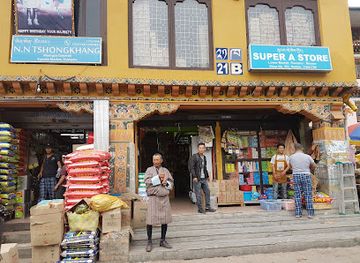
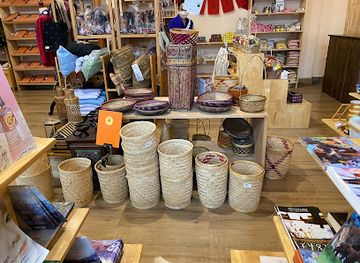
Shopping in western Bhutan is strongest in Thimphu and Paro, where visitors find craft shops, bookshops, textile outlets, galleries and stores selling religious art, household goods and locally made clothing. Bhutanese textiles are particularly important, with handwoven fabrics and garments displaying regional techniques and patterns; quality, provenance and price vary, so it is sensible to compare pieces and ask what is handmade. Thimphu’s markets and weekend stalls offer vegetables, fruit, spices, dried foods and everyday produce, while Paro’s central streets combine souvenirs with practical local commerce. Punakha and Wangdue Phodrang are useful places to look for farm products, woven goods and small craft purchases, though choice is more limited than in the capital. Appropriate souvenirs include textiles, carved wooden objects, incense, paper products and packaged foods, provided that export and customs rules are respected. When buying religious objects or antiques, ask about their origin and documentation, and avoid purchasing items that may have been taken from temples or archaeological sites.
-
Farmers' market
Centenary Farmers Market
Explore the Centenary Farmers Market in Thimphu, a vibrant hub for fresh produce, local crafts, and authentic Bhutanese experiences.
-
Artistic handicrafts
Jungshi handmade paper factory
Explore the artistry of traditional handmade paper at Jungshi Factory in Thimphu, Bhutan, where culture and craftsmanship come alive.
-
Goldsmith
Mani Lal Jewellery
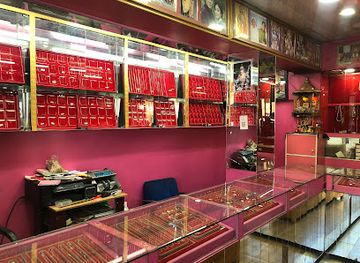
Explore the exquisite craftsmanship of Mani Lal Jewellery in Thimphu, where tradition meets elegance in every stunning piece.
-
Market
CSI Market
Experience the vibrant culture and culinary delights of Bhutan at CSI Market in Thimphu, a must-visit for every traveler.
Get your free copy of our complete guide to Western Bhutan, delivered straight to you.
Everything on this page, from attractions and restaurants to essentials and local phrases, in one PDF you can read offline, print or share.
Already have an account? Sign in
Your Western Bhutan guide is ready.
We'll send it to · Not you? Sign out

Getting your guide ready…
We are putting together a fresh copy of the Western Bhutan guide. This can take up to a minute.
This can take a few moments. If your browser asks, choose Allow so the download can start. You'll find the guide in your Downloads folder.
Nothing happened? Download it again
Sorry, the guide is taking longer than usual. Please try again in a minute, or get it by email instead.
Western Bhutan essentials
Currency and Payment
Safety
Emergency Situations
Do's and Don'ts
Local Tips
From Eve
Local phrases worth knowing
You don't need to get them perfect. A few words go a long way, and locals appreciate the effort.
Basics
| English | Local | Say it |
|---|---|---|
| Hello | བཀྲ་ཤིས་བདྲེལ་ | [Kuzu zangpo] |
| Goodbye | བཞུགས་གནང་ | [Jang chub] |
| Yes | ཨེ | [E] |
| No | མེད་ | [Med] |
| Please/You're welcome | བཀྲ་ཤིས་བདྲེལ་ | [Kuzu zangpo] |
| Thank you | ཐུགས་རྗེ་ཆེ་ | [Thuk-je che] |
| Excuse me/Sorry | ཕྱིར་བརྗེ་བ་ | [Pchir barje] |
| How are you? | ཁྱེད་ལ་ངོ་སྤྲོད་བྱས་ན་གསུང་བ་ཡོད་ | [Kye-la ngotro ge?] |
| Fine. And you? | ང་བདེ་བ་ཡོད་, ཁྱེད་ལ་ག་འདྲ་བཅོས་ཡོད་ | [Nga dewa yoe, kye-la ga-drang?] |
| Do you speak English? | ཁྱེད་ལ་ཨང་གྲངས་བཤད་ཡོད་ | [Kye-la ang-dzang she?] |
| I don't understand | ང་བརྗེ་བ་འདོད་ | [Nga barje do] |
Eating & Drinking
| English | Local | Say it |
|---|---|---|
| I'd like to see the menu, please | ང་དམིགས་བརྗེ་ནང་བྱོན་རྒྱུ་ཡོད་ | [Nga dungs meyu la] |
| I don't eat meat | ང་ལྟོག་མ་བཟས་ | [Nga tok ma zhe] |
| Cheers! | བདེ་སྤོད་ | [De-poh] |
| I would like to pay, please | ང་དམིགས་བརྗེ་བདེ་བདེ་ཡོད་ | [Nga dungs pay] |
Emergencies
| English | Local | Say it |
|---|---|---|
| Help! | སྐྱེ་བ་བྱས་ | [Kye-wa] |
| Go away! | ག་རེ་གནང་ | [Ga-re nang] |
| Call the Police! | དགེ་དངོས་བྱས་ | [Ge-ngoe] |
| Call a doctor! | གནང་བཀྲ་ཤིས་ | [Nang kuzu] |
| I'm lost | ང་ནང་བརྗེ་ཡོད་ | [Nga nang barje] |
| I'm ill | ང་མ་བརྗེ་ཡོད་ | [Nga ma barje] |
Shopping
| English | Local | Say it |
|---|---|---|
| I'd like to buy... | ང་དམིགས་བརྗེ་བསྟོད་ཡོད་ | [Nga dungs buy] |
| I'm just looking | ང་ངོ་སྤྲོད་ཡོད་ | [Nga ngotro] |
| How much is it? | འདི་ག་འདྲ་ཡོད་ | [Di ga-drang?] |
| That's too expensive | འདི་དངོས་འབད་ཡོད་ | [Di ngoe yoe] |
| Can you lower the price? | ཁྱེད་ལ་བཀོད་བཟོ་ཡོད་ | [Kye-la ko-bzo?] |
Time & Numbers
| English | Local | Say it |
|---|---|---|
| What time is it? | དུས་ཆེན་རེད་ | [Du-chen?] |
| It's one o'clock | དུས་རེད་བཅོས་ | [Du-chen bzo] |
| Half past (10) | དུས་ཆེན་ག་འདྲ་ཡོད་ | [Du-chen ga-drang] |
| Morning | དགོང་ | [Gong] |
| Afternoon | དགོང་སྤྱོད་ | [Gong-cho] |
| Evening | དགོང་ཤམ་ | [Gong-sha] |
| Yesterday | ཡུན་རིམ་ | [Yun-rim] |
| Today | དེ་རིང་ | [De-rin] |
| Tomorrow | འདི་རིང་ | [Di-rin] |
| 1 | དང་ | [Dang] |
| 2 | གཉིས་ | [Gnyis] |
| 3 | གསུམ་ | [Gsum] |
| 4 | བཞི་ | [Bzhi] |
| 5 | ལྔ་ | [Nga] |
| 6 | དྲུག་ | [Drug] |
| 7 | བདྲུད་ | [Dru] |
| 8 | དྲུག་ | [Druk] |
| 9 | དྲུབ་ | [Dru] |
| 10 | བཅོ་ | [Bzo] |
Transport & Directions
| English | Local | Say it |
|---|---|---|
| Where's a/the...? | ག་རེ་ཡོད་? | [Ga-re yoe?] |
| What's the address? | ག་རེ་བརྗེ་རིམ་ཡོད་? | [Ga-re barje rim?] |
| Can you show me (on the map)? | ཁྱེད་ལ་འབད་ཡོད་? | [Kye-la abda?] |
| When's the next (bus)? | རྗེས་བརྗེ་ཡོད་? | [Je-barje?] |
| A ticket (to ....) | སྟོན་རེད་ཡོད་ | [Ton-re] |
History of Western Bhutan
Early Himalayan Settlement and Sacred Landscapes
Western Bhutan’s valleys were settled and cultivated long before the formation of the modern kingdom. Archaeological evidence and longstanding religious traditions point to early communities using river terraces and mountain routes, while local sacred sites preserve legends associated with pre-Buddhist beliefs. Buddhism became increasingly influential from the seventh century onwards, and later teachers established monasteries and pilgrimage networks across Paro, Thimphu, Haa and Punakha. These early religious landscapes shaped the location of temples, villages and routes that visitors still encounter today.
Padmasambhava and the Spread of Buddhism
Bhutanese tradition attributes a foundational role to Padmasambhava, also known as Guru Rinpoche, whose journeys through the Himalayan region are associated with numerous sacred sites. Taktsang above Paro is traditionally linked to his meditation and remains one of Bhutan’s most important pilgrimage places. Later Buddhist masters strengthened religious institutions throughout western Bhutan, establishing monasteries and teaching lineages that continue to influence festivals, architecture and community life. The region’s religious history is therefore visible not only in monuments but also in everyday ritual practice.
Drukpa Kagyü Influence and the Zhabdrung Era
From the seventeenth century, Zhabdrung Ngawang Namgyal unified much of Bhutan politically and religiously, establishing the dual system in which religious and civil authority were organised together. His legacy is especially visible in the great dzongs of western Bhutan. Simtokha Dzong near Thimphu, founded in 1629, is among the earliest surviving examples, while Punakha Dzong became a major seat of government and religion. Dzongs served simultaneously as fortresses, monasteries, administrative centres and storehouses, giving western Bhutan its distinctive monumental architecture.
Punakha as Bhutan’s Political and Religious Centre
Punakha’s sheltered, fertile valley became central to Bhutanese state formation. Its dzong, situated between the Mo Chhu and Pho Chhu rivers, was expanded and maintained as an important seat of the government and the central monastic body. Punakha remained the winter residence of Bhutan’s religious establishment because of its milder climate, while Thimphu gradually assumed greater administrative importance. The valley also witnessed royal and religious ceremonies, including the wedding of King Jigme Khesar Namgyel Wangchuck and Queen Jetsun Pema at Punakha Dzong in 2011.
The Wangchuck Monarchy and National Consolidation
The hereditary Wangchuck monarchy was established in 1907, bringing greater political continuity after a period of rival authority and regional contest. Ugyen Wangchuck, the first Druk Gyalpo, had strong connections with central and western Bhutan, and the monarchy gradually strengthened administration while preserving the country’s distinctive religious and cultural institutions. Thimphu developed from a relatively small valley settlement into the national capital during the twentieth century. Roads, schools, public services and communications later connected western valleys more closely with one another and with India.
Modernisation and the Rise of Thimphu
Bhutan’s modern development accelerated during the second half of the twentieth century, but it followed a deliberately gradual path. Thimphu expanded as government departments, education, commerce and diplomatic activity became concentrated there. Traditional building forms remained prominent through national architectural guidelines, even as the city acquired modern shops, hotels and public institutions. Western Bhutan consequently displays a striking mixture of ancient dzongs, working farms, monastic communities and contemporary urban growth, reflecting the country’s effort to balance economic change with cultural continuity.
Hydropower, Roads and Contemporary Change
Hydropower and improved road connections have transformed western Bhutan’s economy and mobility. River valleys such as those around Chukha and Punakha became linked to major infrastructure projects, while roads made it easier to reach markets, schools and administrative centres. Tourism also developed under Bhutan’s regulated, high-value approach, bringing international visitors principally through Paro and along the western circuit. These changes have created new employment and services, but they have also increased pressure on landscapes, traditional settlements and roads vulnerable to landslides and monsoon damage.
Western Bhutan in Photos
Browse through our photo collection highlighting the charm and character of the destination.
Neighbouring regions of Western Bhutan
The closest regions to Western Bhutan, if you have time for more than one.
-

-

-

-

-


Swipe for more regions
Explore more

Explore more of Bhutan
Experience the enchantment of Bhutan, a Himalayan paradise where tradition meets tranquility and Gross National Happiness reigns supreme.
Explore Bhutan