

Free Thimphu Valley Travel Guide & Mobile App
Explore Thimphu Valley with free travel guides. Discover regional history, expert tips, proposed trips, and audio guides on web or mobile app.


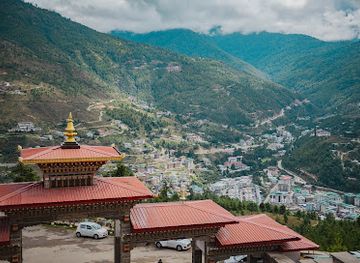
Explore Thimphu Valley: A harmonious blend of Bhutanese culture, spirituality, and natural beauty, offering a unique experience in the heart of the Himalayas.
Read more about Thimphu Valley
When is the best time to visit Thimphu Valley?
Best: March–May · 18–25°C| Month | High (°C) | Rainfall (mm) |
|---|---|---|
| January | 13 | 15 |
| February | 15 | 20 |
| March (best) | 18 | 30 |
| April (best) | 22 | 45 |
| May (best) | 25 | 75 |
| June | 27 | 160 |
| July | 25 | 210 |
| August | 25 | 190 |
| September | 24 | 110 |
| October | 20 | 60 |
| November | 15 | 25 |
| December | 12 | 15 |
Getting to and around Thimphu Valley
How to get there
Transportation
Top city travel guides in Thimphu Valley
The cities of Thimphu Valley, and the easiest places to base yourself.

Swipe for more cities
Best attractions in Thimphu Valley
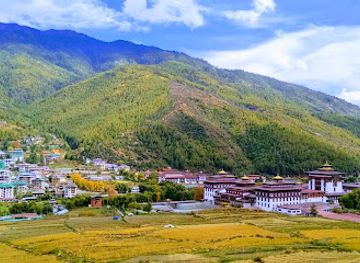
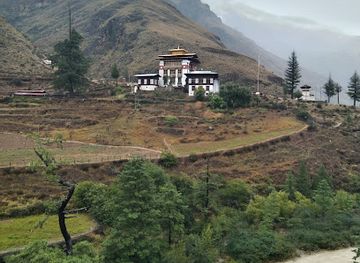
Thimphu Valley, nestled in the heart of the Himalayas, offers a harmonious blend of ancient traditions and modernity, captivating visitors with its myriad attractions. Wander through the iconic Tashichho Dzong, a majestic fortress-monastery that serves as the seat of the Bhutanese government, and marvel at its intricate Bhutanese architecture. Experience the serene beauty of the Buddha Dordenma, a colossal statue that exudes peace and overlooks the valley with panoramic views. Immerse yourself in local culture at the bustling weekend market, where you can shop for traditional handicrafts, textiles, and local produce. Discover the artistic heritage at the National Institute for Zorig Chusum, where you can witness students mastering Bhutan’s 13 traditional arts and crafts. Don't miss the Folk Heritage Museum, which offers a glimpse into rural Bhutanese life, and the National Memorial Chorten, a stupa built in honor of the third King of Bhutan, where locals gather for daily prayers. For nature enthusiasts, the Motithang Takin Preserve provides a chance to see the unique national animal, the Takin, in its natural habitat. As you explore Thimphu Valley, you'll be enchanted by its serene landscapes, vibrant culture, and warm hospitality.
-
Tourist attraction
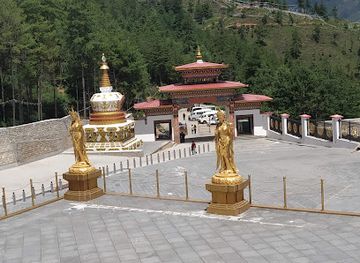
Buddha Dordenma Statue སྟོན་པ་རྡོར་གདན་མ།
Explore the serene beauty and spiritual significance of the Buddha Dordenma Statue, a monumental symbol of peace in the heart of Thimphu.
-
Tourist attraction
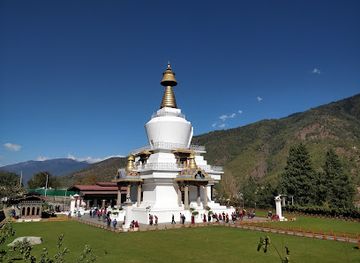
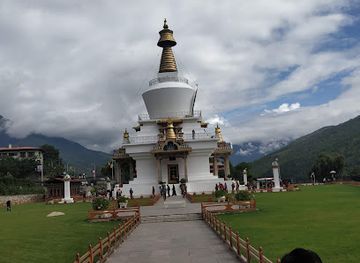
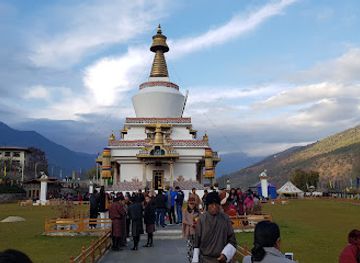
National Memorial Chhorten རྒྱལ་ཡོངས་རྗེས་དྲན་མཆོད་རྟེན།
Experience the serene beauty and spiritual significance of the National Memorial Chhorten, a must-visit Buddhist monument in Thimphu, Bhutan.
-
City park
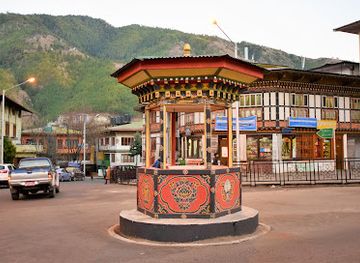
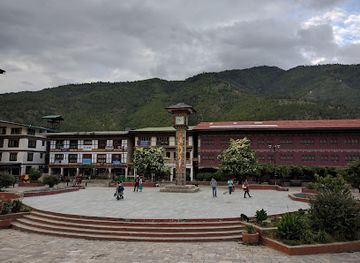
Clock Tower, Thimphu
Discover the enchanting Clock Tower in Thimphu, a cultural gem surrounded by vibrant shops and cafes, representing the heart of Bhutanese life.
-
Tourist attraction
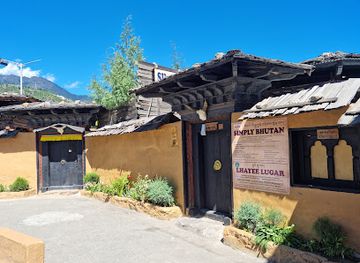
Simply Bhutan
Explore the vibrant culture and traditions of Bhutan at Simply Bhutan, a unique heritage museum in the heart of Thimphu offering immersive experiences and rich history.
Best landmarks in Thimphu Valley
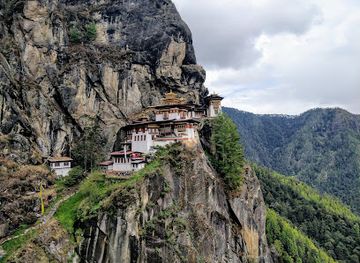
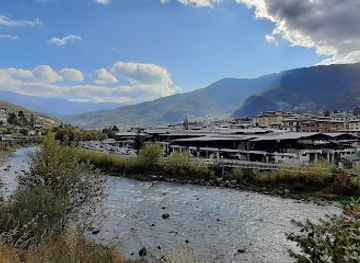
Thimphu Valley, nestled in the heart of Bhutan, is a treasure trove of cultural, historical, and natural landmarks that promise to enchant every traveler. Visitors can marvel at the grandeur of Tashichho Dzong, a fortress-monastery that serves as the seat of the Bhutanese government and hosts vibrant annual festivals. The National Memorial Chorten, a prominent stupa, offers a serene space for reflection and insight into Bhutanese spirituality. The Buddha Dordenma, an immense golden statue of Shakyamuni Buddha, majestically overlooks the valley, offering panoramic views that are nothing short of breathtaking. The Folk Heritage Museum and the National Institute for Zorig Chusum provide immersive experiences into traditional Bhutanese life and the exquisite craftsmanship of the country's 13 traditional arts. For nature enthusiasts, the lush, green expanses of the Royal Botanical Park and the tranquil walking trails along the Wang Chhu River present the perfect escape into Bhutan's pristine landscapes. Each corner of Thimphu Valley holds a unique story, inviting visitors on a journey through Bhutan's rich heritage and natural beauty.
-
Buddhist temple
Buddha Dordenma Statue སྟོན་པ་རྡོར་གདན་མ།
Experience tranquility and spirituality at the Buddha Dordenma Statue, a majestic monument offering stunning views and deep cultural insights in Thimphu, Bhutan.
-
Buddhist temple
National Memorial Chhorten རྒྱལ་ཡོངས་རྗེས་དྲན་མཆོད་རྟེན།
Explore the National Memorial Chhorten, a revered Buddhist temple in Thimphu, symbolizing peace and spirituality in Bhutan.
-
City park
Clock Tower, Thimphu
Discover the Clock Tower in Thimphu, a cultural hub where tradition and community come alive amidst stunning Himalayan scenery.
-
Heritage museum
Simply Bhutan
Explore Bhutan's rich cultural heritage at Simply Bhutan, a captivating museum showcasing traditional arts, crafts, and daily life.
Explore Thimphu Valley on the map
Plan your trip on one map. See where the top cities, national parks and sights are, and book hotels and experiences in a few clicks.
Best hotels in Thimphu Valley
Best restaurants in Thimphu Valley
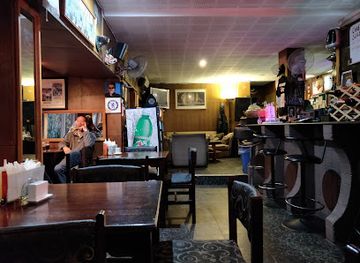
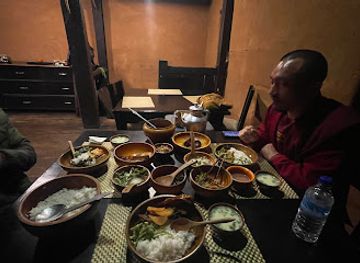
In the enchanting Thimphu Valley, visitors can embark on a culinary journey that blends tradition and innovation, tantalizing their taste buds with an array of flavors. From bustling local eateries serving up spicy ema datshi (chili cheese stew) and hearty momos (dumplings), to sophisticated restaurants where chefs fuse Bhutanese cuisine with international flair, the dining scene is as diverse as it is delightful. Savor the freshness of locally sourced ingredients, including red rice, succulent meats, and organic vegetables, all prepared with a touch of Himalayan magic. The vibrant food markets offer an authentic experience, where you can sample homemade cheese, butter tea, and an assortment of exotic fruits. Whether you're feasting in a cozy, wood-paneled café overlooking the valley or enjoying a gourmet meal in an upscale establishment, Thimphu's eateries promise a memorable gastronomic adventure against the backdrop of Bhutan's breathtaking landscapes.
-
Restaurant
Zombala 2 Restaurant
Experience authentic Bhutanese cuisine at Zombala 2 Restaurant in Thimphu—where every dish tells a story.
-
Restaurant
Zombala Restaurant
Experience authentic Bhutanese flavors at Zombala Restaurant in Thimphu – where tradition meets taste.
-
Restaurant
The Zone
Discover a unique fusion of Bhutanese and American flavors at The Zone in Thimphu - where culinary traditions meet modern tastes.
-
Restaurant
Babesa Village Restaurant
Experience authentic Bhutanese cuisine at Babesa Village Restaurant in Thimphu - where tradition meets taste.

Best bars in Thimphu Valley
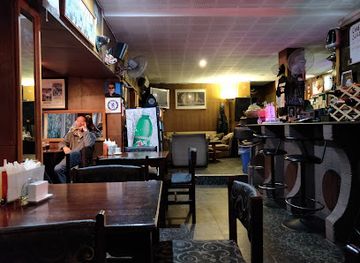
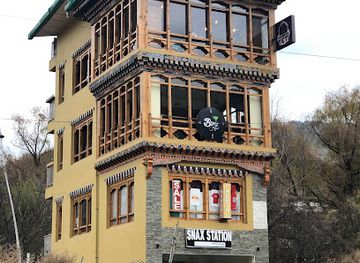
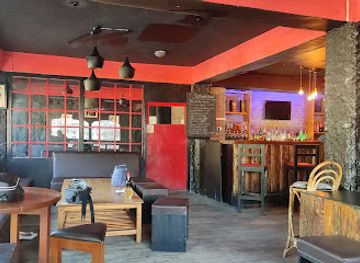
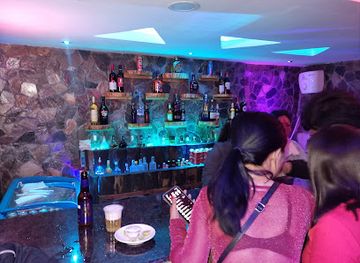
As the sun sets over the majestic mountains of Thimphu Valley, the city transforms into a lively hub of culture and entertainment, offering a unique blend of traditional and modern experiences. Visitors can start their evening by exploring the local bars, where they can sample Bhutanese brews and cocktails infused with local herbs and spices. Live music venues and karaoke bars provide a platform for both local and international artists, ensuring a vibrant atmosphere. For those seeking a more immersive experience, traditional dance performances and cultural shows at venues like Mojo Park and Space 34 offer a glimpse into Bhutanese heritage. Nightclubs in Thimphu, such as Viva City and Om Bar, keep the energy high with eclectic music styles ranging from EDM to classic rock, ensuring that night owls have plenty of options to dance the night away. Overall, Thimphu Valley's nightlife is a harmonious blend of the old and the new, promising an unforgettable experience for every traveler.
-
Restaurant
Mojo Park
Experience the vibrant atmosphere of Mojo Park in Thimphu, where delicious Bhutanese cuisine meets lively entertainment and local culture.
-
Restaurant
The Zone
Experience the delightful fusion of Bhutanese and American cuisine at The Zone in Thimphu, a must-visit culinary destination.
-
Bar
Drunken Yeti
Discover the lively atmosphere and unique flavors at Drunken Yeti, a premier bar in Thimphu offering a taste of Bhutanese nightlife.
-
Bar
Om Pub
Discover the vibrant nightlife of Thimphu at Om Pub, where local culture and modern drinks blend seamlessly for an unforgettable experience.
Best nightclubs in Thimphu Valley
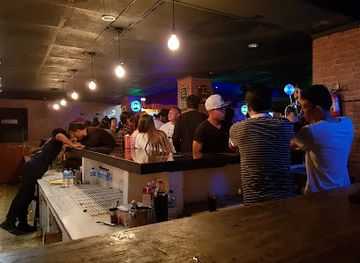
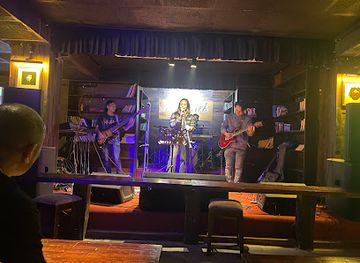
As the sun sets over the majestic mountains of Thimphu Valley, the city transforms into a lively hub of culture and entertainment, offering a unique blend of traditional and modern experiences. Visitors can start their evening by exploring the local bars, where they can sample Bhutanese brews and cocktails infused with local herbs and spices. Live music venues and karaoke bars provide a platform for both local and international artists, ensuring a vibrant atmosphere. For those seeking a more immersive experience, traditional dance performances and cultural shows at venues like Mojo Park and Space 34 offer a glimpse into Bhutanese heritage. Nightclubs in Thimphu, such as Viva City and Om Bar, keep the energy high with eclectic music styles ranging from EDM to classic rock, ensuring that night owls have plenty of options to dance the night away. Overall, Thimphu Valley's nightlife is a harmonious blend of the old and the new, promising an unforgettable experience for every traveler.
-
Restaurant
Mojo Park
Experience the vibrant nightlife of Thimphu at Mojo Park, the ultimate restaurant and live music venue for unforgettable moments.
-
Night club
Viva City
Experience the vibrant nightlife at Viva City in Thimphu, where local culture meets modern entertainment in an unforgettable atmosphere.
-
Night club
DG Wanderlust Club @Thimphu hongkong market/oppesite of Thimphu BOB main Branch office
Immerse yourself in the vibrant nightlife of Thimphu at DG Wanderlust Club, where great music and an electrifying atmosphere await.
-
Night club
Space 34 DOS
Discover the vibrant nightlife of Thimphu at Space 34 DOS, a premier night club offering unforgettable experiences and exquisite drinks.
Best shops in Thimphu Valley
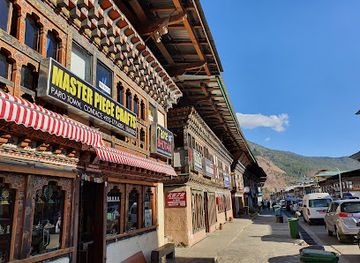
Thimphu Valley offers a unique and vibrant shopping experience that seamlessly blends traditional Bhutanese culture with modern flair. Visitors can explore the bustling Centenary Farmers Market, where local vendors sell fresh produce, organic honey, and handwoven textiles, or wander through Norzin Lam Street, lined with shops offering exquisite handicrafts, intricate Thangka paintings, and the iconic Bhutanese Gho and Kira garments. For those interested in contemporary art and design, the Craft Bazaar showcases the talent of Bhutan's emerging artists and artisans. As you meander through the valley's markets and boutiques, you'll discover an array of treasures, from finely crafted jewelry to delicate paper products, all while soaking in the rich cultural heritage and warm hospitality that Thimphu is renowned for.
-
City park
Clock Tower, Thimphu
Discover the vibrant culture and stunning architecture of Thimphu's Clock Tower, a must-see landmark in Bhutan's capital.
-
Heritage museum
Simply Bhutan
Explore Bhutan's rich heritage at Simply Bhutan, where culture comes alive through immersive experiences and unique interactions.
-
Farmers' market
Centenary Farmers Market
Immerse yourself in Bhutanese culture at the Centenary Farmers Market, where local flavors and vibrant community life flourish.
-
Shopping mall
Paro Town Shop No.12.Empty space for rent
Explore the vibrant shopping scene in Paro Town Shop No.12, a reflection of Bhutan's rich culture and craftsmanship.
Get your free copy of our complete guide to Thimphu Valley, delivered straight to you.
Everything on this page, from attractions and restaurants to essentials and local phrases, in one PDF you can read offline, print or share.
Already have an account? Sign in
Your Thimphu Valley guide is ready.
We'll send it to · Not you? Sign out

Getting your guide ready…
We are putting together a fresh copy of the Thimphu Valley guide. This can take up to a minute.
This can take a few moments. If your browser asks, choose Allow so the download can start. You'll find the guide in your Downloads folder.
Nothing happened? Download it again
Sorry, the guide is taking longer than usual. Please try again in a minute, or get it by email instead.
Thimphu Valley essentials
Currency and Payment
Safety
Emergency Situations
Do's and Don'ts
Local Tips
From Eve
Local phrases worth knowing
You don't need to get them perfect. A few words go a long way, and locals appreciate the effort.
Basics
| English | Local | Say it |
|---|---|---|
| Hello | གཟིམ་གནང་ | [Zim nang] |
| Goodbye | ཞེད་པར་བཞུགས་ | [Zhed par zhug] |
| Yes | ཨེ | [E] |
| No | མེད་ | [Med] |
| Please/You're welcome | ཁྱེད་རང་བདེ་ལེགས་ | [Khyed rang de legs] |
| Thank you | ཐུགས་རྗེ་ཆེ་ | [Thug je che] |
| Excuse me/Sorry | ང་གི་ལག་ལེན་ | [Nga gi lag len] |
| How are you? | ཁྱེད་རང་ག་འགྱོ་གི་ཡིན་ | [Khyed rang ga gyo gi yin] |
| Fine. And you? | ང་བདེ་སྟེ ཁྱེད་རང་ག་འགྱོ་གི་ཡིན་ | [Nga de ste Khyed rang ga gyo gi yin] |
| Do you speak English? | ཁྱེད་རང་དབྱངས་གསུམ་རེད་? | [Khyed rang dbyangs gsum red?] |
| I don't understand | ང་ཡིན་མ་གཏོང་ | [Nga yin ma gtong] |
Eating & Drinking
| English | Local | Say it |
|---|---|---|
| I'd like to see the menu, please | ང་ཁྱེད་རང་ལག་འཁྲིད་མཚོན་ལྷག་ | [Nga khyed rang lag khri mtshon lhak] |
| I don't eat meat | ང་མཚོན་མ་བཟས་ | [Nga mtshon ma bzas] |
| Cheers! | ཞེད་བཏང་! | [Zhed btang!] |
| I would like to pay, please | ང་ཁྱེད་རང་སྤྱོད་མཚོན་ལྷག་ | [Nga khyed rang spyod mtshon lhak] |
Emergencies
| English | Local | Say it |
|---|---|---|
| Help! | ཡིན་རྡོག་! | [Yin rdok!] |
| Go away! | ཡོད་དེ་ལག་བཞུགས་! | [Yod de lag zhug!] |
| Call the Police! | དེ་ལག་མཉམ་འབད་! | [De lag mnyam 'bad!] |
| Call a doctor! | དེ་ལག་རྒྱལ་བོ་གནང་! | [De lag rgyal bo gnam!] |
| I'm lost | ང་འཁྱོལ་བར་མེད་ | [Nga 'khyol bar med] |
| I'm ill | ང་བདེ་བ་མེད་ | [Nga de ba med] |
Shopping
| English | Local | Say it |
|---|---|---|
| I'd like to buy... | ང་ཁྱེད་རང་བཀྲ་ཤིས་བོད་ | [Nga khyed rang bkra shis bod] |
| I'm just looking | ང་ནང་བྱུང་བ་ཡིན་ | [Nga nang byung ba yin] |
| How much is it? | འདི་ག་འགྱོ་གི་ཡིན་? | [Di ga gyo gi yin?] |
| That's too expensive | འདི་ལྷག་སྤྱོད་ཡིན་ | [Di lhak spyod yin] |
| Can you lower the price? | ཁྱེད་རང་འབད་འདོད་ཡིན་? | [Khyed rang 'bad 'dod yin?] |
Time & Numbers
| English | Local | Say it |
|---|---|---|
| What time is it? | འདི་ན་ག་འགྱོ་གི་ཡིན་? | [Di na ga gyo gi yin?] |
| It's one o'clock | འདི་ན་བཅོ་རྩེ་དགོང་ | [Di na bco rtse dgong] |
| Half past (10) | གཅིག་རྩེ་བར་འདོད་ | [Gcig rtse bar 'dod] |
| Morning | དགོང་ཨང་ | [Dgong ang] |
| Afternoon | མངའ་ཁུལ་ | [Mang khul] |
| Evening | དབང་ཁུལ་ | [Dbang khul] |
| Yesterday | ད་ལྷག་ | [Da lhak] |
| Today | ད་འོད་ | [Da 'od] |
| Tomorrow | ད་གོང་ | [Da gong] |
| 1 | གཅིག་ | [Gcig] |
| 2 | གཉིས་ | [Gnyis] |
| 3 | གསུམ་ | [Gsums] |
| 4 | སྔ་ | [Snga] |
| 5 | དྲུག་ | [Drug] |
| 6 | དྲེད་ | [Dred] |
| 7 | དེར་ | [Der] |
| 8 | བརྩག་ | [Brtsag] |
| 9 | དགེ་ | [Dge] |
| 10 | བཅོ་ | [Bco] |
Transport & Directions
| English | Local | Say it |
|---|---|---|
| Where's a/the...? | འདི་ན་ག་འགྱོ་གི་ཡིན་? | [Di na ga gyo gi yin?] |
| What's the address? | འདི་ན་དྲག་ཆུང་རྩེ་? | [Di na drag chung rtse?] |
| Can you show me (on the map)? | ཁྱེད་རང་ང་ལྷང་ངོས་བཞུགས་? | [Khyed rang nga lhang ngos zhug?] |
| When's the next (bus)? | འདི་ན་འབད་འདོད་མིན་? | [Di na 'bad 'dod min?] |
| A ticket (to ....) | འདི་ན་བརྗེད་སྤྱོད་ | [Di na brjed spyod] |
History of Thimphu Valley
Ancient Beginnings
Thimphu Valley, nestled in the heart of Bhutan, has been an essential part of the region's history for centuries. The valley was originally inhabited by indigenous tribes, whose presence dates back to the pre-Buddhist era. Archaeological findings suggest that these early settlers practiced animism and shamanistic rituals, which laid the cultural foundation for the valley.
Rise of Buddhism
In the 8th century, Guru Rinpoche (Padmasambhava) visited Bhutan and introduced Buddhism to the region, significantly impacting Thimphu Valley. The establishment of numerous monasteries and dzongs (fortress-monasteries) in the valley, such as the Changangkha Lhakhang, built in the 12th century, marked the beginning of Thimphu's spiritual and cultural transformation.
Construction of Tashichho Dzong
Originally built in 1216 by Lama Gyalwa Lhanangpa, Tashichho Dzong has played a crucial role in Thimphu Valley's history. The fortress was later expanded and reconstructed by the Zhabdrung Ngawang Namgyal in 1641, serving as the seat of Bhutan's government and the summer residence of the monastic body. Today, it stands as a symbol of Bhutanese architecture and governance.
Unification of Bhutan
In the 17th century, Zhabdrung Ngawang Namgyal unified the various warring factions in Bhutan, establishing a centralized government with Thimphu Valley as a significant administrative center. The unification brought stability and laid the groundwork for modern Bhutan, with Thimphu playing a pivotal role in the nation's political landscape.
Modernization and Thimphu as the Capital
In 1961, Bhutan embarked on its first Five-Year Plan, initiating a period of modernization and development. Thimphu was declared the capital of Bhutan, replacing Punakha. The valley saw rapid growth, with infrastructure development, educational institutions, and administrative buildings transforming Thimphu into the vibrant capital city it is today.
Cultural Festivals
Thimphu Valley is renowned for its vibrant cultural festivals, particularly the Thimphu Tshechu, which takes place annually at the Tashichho Dzong. This religious festival, introduced by the 4th Desi, Gyalse Tenzin Rabgye, in 1670, features masked dances, traditional music, and rituals that attract thousands of locals and tourists, preserving Bhutan's rich cultural heritage.
Royal Heritage
The Wangchuck dynasty, established in 1907, has its roots in Thimphu Valley. The Royal Palace, Dechencholing Palace, serves as the residence of the Royal Family. The monarchy has played a crucial role in Bhutan's development, with Thimphu being the epicenter of royal activities and national celebrations.
Gross National Happiness
Thimphu Valley is also the birthplace of Bhutan's unique development philosophy, Gross National Happiness (GNH), introduced by the 4th King, Jigme Singye Wangchuck, in the 1970s. GNH emphasizes sustainable development, cultural preservation, environmental conservation, and good governance, shaping the valley's and the nation's policies and way of life.
Thimphu Valley in Photos
Browse through our photo collection highlighting the charm and character of the destination.
Neighbouring regions of Thimphu Valley
The closest regions to Thimphu Valley, if you have time for more than one.
-

-

-

-

-


Swipe for more regions
Explore more

Explore more of Bhutan
Experience the enchantment of Bhutan, a Himalayan paradise where tradition meets tranquility and Gross National Happiness reigns supreme.
Explore Bhutan