

Free Chhukha Travel Guide & Mobile App
Explore Chhukha with free travel guides. Discover regional history, expert tips, proposed trips, and audio guides on web or mobile app.


Explore Chhukha in Bhutan for border-town culture, forested valleys, hydropower heritage and the dramatic road north from Phuentsholing.
Read more about Chhukha
When is the best time to visit Chhukha?
Best: April–May, October · 21–24°C| Month | High (°C) | Rainfall (mm) |
|---|---|---|
| January | 13 | 15 |
| February | 15 | 20 |
| March | 18 | 25 |
| April (best) | 21 | 35 |
| May (best) | 24 | 60 |
| June | 28 | 120 |
| July | 29 | 250 |
| August | 29 | 200 |
| September | 26 | 120 |
| October (best) | 22 | 60 |
| November | 17 | 25 |
| December | 14 | 15 |
Getting to and around Chhukha
How to get there
Transportation
Top city travel guides in Chhukha
The cities of Chhukha, and the easiest places to base yourself.
-

-


Swipe for more cities
Destinations in Chhukha
Resorts, valleys and scenic spots worth a trip of their own.
-

-


Swipe for more destinations
Best attractions in Chhukha
Chhukha’s attractions are shaped less by a concentrated circuit of monuments than by the movement from the subtropical border plain into Bhutan’s forested western valleys. Phuentsholing provides the district’s most accessible introduction, with the Bhutan Gate area, commercial streets and Karbandi Monastery offering contrasting views of border-town life and Buddhist religious culture. North of the town, the road itself becomes a major part of the experience as vegetation, temperature and settlement patterns change on the ascent. Chhukha Dzong is important for understanding the district’s historic administration and religious heritage, while the surrounding valleys reveal the scale of Bhutan’s hydropower landscape. Gedu and nearby forested areas are suited to slower exploration, short walks and observation of the transition between lowland and mountain ecosystems. Visitors should treat hydropower facilities as working infrastructure rather than conventional sightseeing attractions and respect access restrictions. The district also offers opportunities to experience local markets, roadside food, rural communities and views along the Wang Chhu corridor, although many smaller sites require private transport and local guidance.
-
Tourist attraction
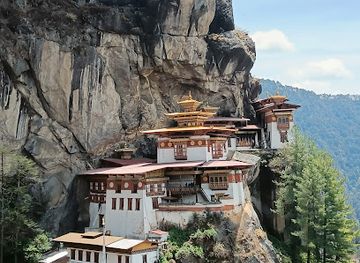
Paro Taktsang
Discover the majestic Paro Taktsang, a breathtaking Buddhist monastery perched high on a cliff in Bhutan, offering stunning views and cultural richness.
-
Tourist attraction
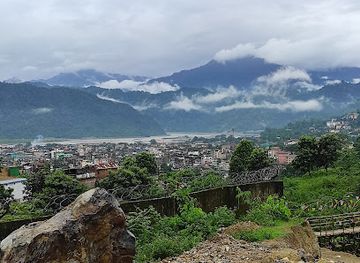
Karbandi Monastery
Experience tranquility and breathtaking views at Karbandi Monastery, a serene Buddhist temple in Phuentsholing, Bhutan.
-
Tourist attraction
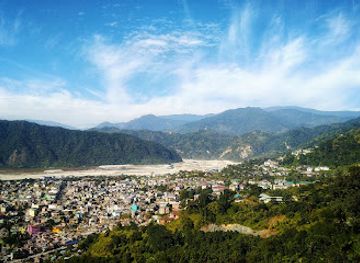
Jaigaon View Point
Explore the stunning landscapes and breathtaking views at Jaigaon View Point, a picturesque tourist attraction in West Bengal, India.
-
Fortress
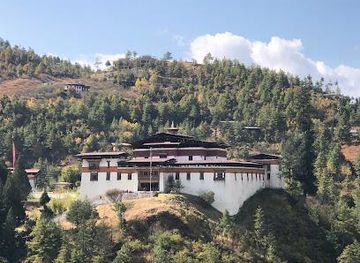
Simtokha Dzong སེམས་རྟོགས་ཁ་རྫོང་།
Explore the historic Simtokha Dzong, an architectural marvel in Bhutan offering stunning views and a deep dive into rich cultural heritage.
Best landmarks in Chhukha
The Bhutan Gate at Phuentsholing is Chhukha’s most recognisable gateway landmark, marking the formal transition between Bhutan and the Indian border town of Jaigaon outside the country. Its ornate Bhutanese design introduces motifs that recur in the region’s religious and civic architecture, although access and photography around border-control areas must follow official instructions. Karbandi Monastery, set above Phuentsholing, is an important religious landmark with views across the town and the plains beyond. Chhukha Dzong is the district’s principal historic landmark, combining the defensive and administrative traditions of Bhutanese dzongs with continuing religious significance. Further north, the Wang Chhu valley, steep wooded slopes and hydropower infrastructure form a modern cultural landscape rather than a single monument: together they express how Bhutan’s rivers have shaped settlement, transport and national development. The contrast between Phuentsholing’s border architecture, Chhukha’s historic dzong and the engineered river valley gives the district a distinctive visual identity.
-
Buddhist temple
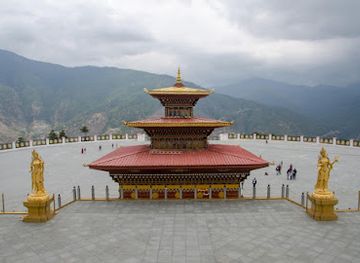
Buddha Dordenma Statue སྟོན་པ་རྡོར་གདན་མ།
Discover peace and breathtaking views at the iconic Buddha Dordenma Statue in Thimphu, a must-visit spiritual landmark in Bhutan.
-
National museum
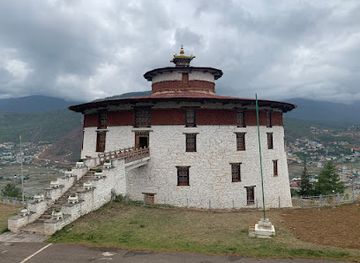
National Museum of Bhutan འབྲུག་གི་འགྲེམས་སྟོན་ཁང་།
Explore Bhutan's rich culture and history at the National Museum of Bhutan, a treasure trove of artifacts and art that showcases the essence of this Himalayan kingdom.
-
Buddhist temple
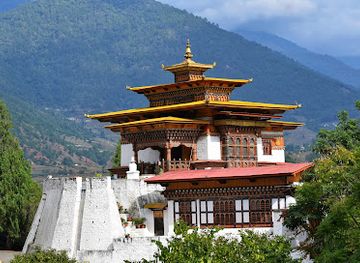
Punakha Dzong སྤུ་ན་ཁ་རྫོང་།
Explore the breathtaking architecture and serene beauty of Punakha Dzong, a historical fortress that reflects the rich culture of Bhutan.
-
Bridge
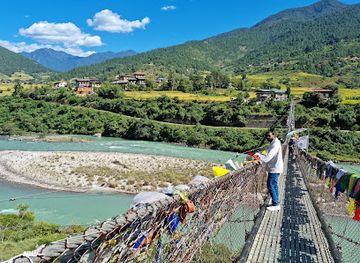
Punakha Suspension Bridge
Experience breathtaking views and cultural heritage at Bhutan's longest suspension bridge, a must-see attraction for every traveler.
Explore Chhukha on the map
Plan your trip on one map. See where the top cities, national parks and sights are, and book hotels and experiences in a few clicks.
Best hotels in Chhukha
Best restaurants in Chhukha
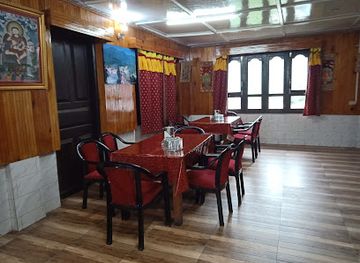
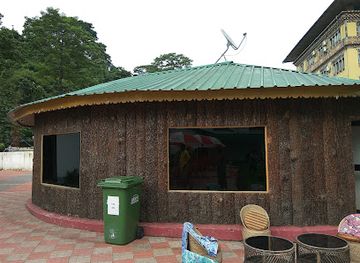
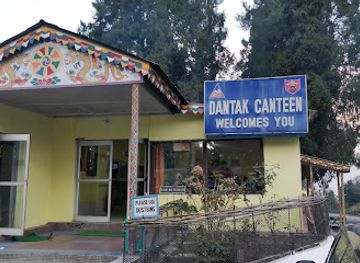
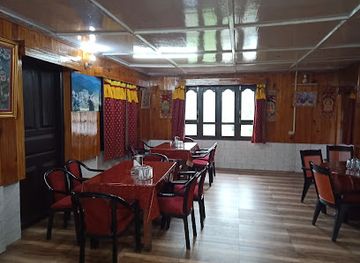
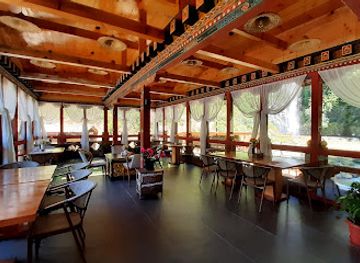
Dining in Chhukha reflects the district’s position between Bhutan’s Himalayan interior and the plains of India. Phuentsholing has the broadest choice, with Bhutanese restaurants, South Asian eateries, cafés and simple establishments serving travellers, traders and local residents. Bhutanese staples such as red rice, ema datshi, vegetable preparations, dumplings and soups are widely encountered, while Indian influences are particularly visible in the town’s snacks, breads, curries and tea culture. In higher settlements and along the road towards Chhukha and Gedu, choices are more limited and often centre on small local restaurants, hotel dining rooms and roadside cafés. Chilli levels can be substantial, so visitors should ask for a milder preparation if needed. Regional eating is generally informal, and local produce, rice, vegetables and dairy products are more useful guides to the district’s food character than a single dish claimed as uniquely Chhukha. Carrying water and occasional snacks is sensible on longer mountain journeys.
-
Restaurant
Wangkha Dam View Hotel
Discover exquisite Bhutanese cuisine at Wangkha Dam View Hotel, where stunning views meet delightful flavors in a tranquil setting.
-
Restaurant
NEC Restaurant
Experience the best of Bhutanese cuisine at NEC Restaurant in Phuentsholing, where tradition meets flavor.
-
Restaurant
Takticoti Dantak Resturant
Experience authentic Indian cuisine at Takticoti Dantak Restaurant in Phuentsholing, where flavors meet tradition.
-
Fast Food
Shelgoen Restaurant
Experience the best of Bhutanese fast food at Shelgoen Restaurant in Chhukha – where tradition meets taste!

Best bars in Chhukha
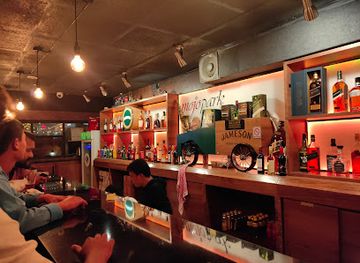
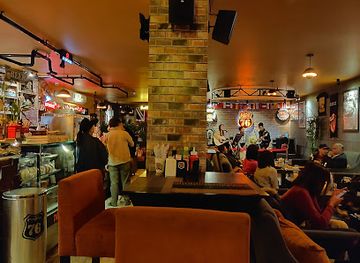
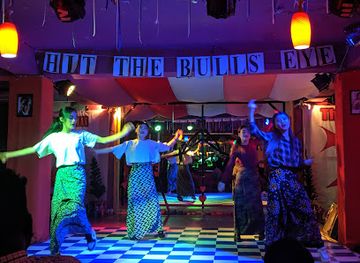
Nightlife in Chhukha is modest and concentrated mainly in Phuentsholing. The border town has casual bars, hotel lounges, restaurants and places where residents and visitors meet in the evening, with a more commercial and South Asian-influenced atmosphere than Bhutan’s higher rural settlements. Craft beer and other drinks may be available, but alcohol is not necessary to experience local evening life, which also includes eating out, shopping and social visits. Chhukha, Gedu and smaller settlements are quieter, with evenings usually centred on family homes, local restaurants, hotels or occasional community gatherings rather than nightclubs. Visitors should expect businesses to have changing schedules and should avoid assuming that a lively border-town evening continues once the road climbs into the district’s forested valleys.
-
Bar
Mojo Park
Discover the vibrant nightlife of Thimphu at Mojo Park, a lively bar and restaurant with delicious food and fantastic live music.
-
Restaurant
Wangkha Dam View Hotel
Experience the perfect blend of local and international flavors at Wangkha Dam View Hotel, with stunning views and a cozy atmosphere.
-
Live music bar
PARK 76 Cafe & Pub
Discover the lively vibe of PARK 76 Cafe & Pub in Paro, where live music meets delicious cuisine for an unforgettable night out.
-
Restaurant
Willing Waterfall Cafe
Experience authentic Bhutanese flavors in a serene setting at Willing Waterfall Cafe, the perfect stop along your travel journey.
Best nightclubs in Chhukha
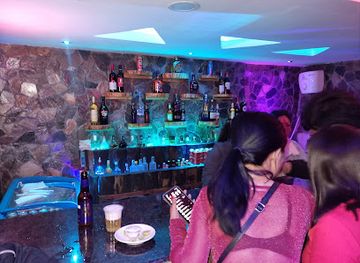
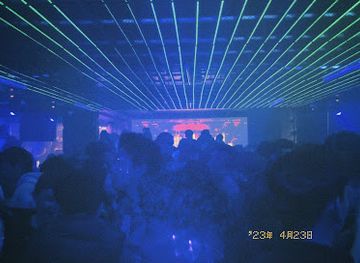
Nightlife in Chhukha is modest and concentrated mainly in Phuentsholing. The border town has casual bars, hotel lounges, restaurants and places where residents and visitors meet in the evening, with a more commercial and South Asian-influenced atmosphere than Bhutan’s higher rural settlements. Craft beer and other drinks may be available, but alcohol is not necessary to experience local evening life, which also includes eating out, shopping and social visits. Chhukha, Gedu and smaller settlements are quieter, with evenings usually centred on family homes, local restaurants, hotels or occasional community gatherings rather than nightclubs. Visitors should expect businesses to have changing schedules and should avoid assuming that a lively border-town evening continues once the road climbs into the district’s forested valleys.
-
Night club
Viva City
Discover the vibrant nightlife of Thimphu at Viva City, where music, dance, and culture blend seamlessly for an unforgettable experience.
-
Night club
DG Wanderlust Club @Thimphu hongkong market/oppesite of Thimphu BOB main Branch office
Discover the pulse of Thimphu's nightlife at DG Wanderlust Club, where music, dance, and local culture come together for an unforgettable experience.
-
Night club
Space 34 DOS
Discover the electrifying nightlife of Thimphu at Space 34 DOS, a premier night club offering a vibrant atmosphere and exceptional service.
-
Night club
ACE CLUB, Thimphu
Discover the heart of Thimphu's nightlife at ACE CLUB, where traditional meets modern in a vibrant dance atmosphere.

Best shops in Chhukha
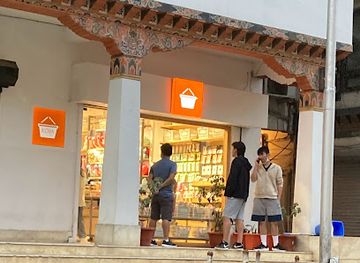
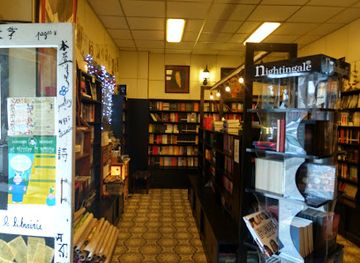
Phuentsholing is Chhukha’s main shopping centre and the best place in the district for practical supplies, everyday goods, textiles, handicrafts and Bhutanese food products. Its markets and commercial streets reflect the movement of goods across the Bhutan–India border, so the retail atmosphere is more bustling and mixed than in many inland Bhutanese towns. Visitors can look for woven fabrics, prayer items, handmade souvenirs, packaged local foods and small craft products, while checking that religious objects are bought respectfully and can be taken through subsequent borders. Shops and small markets in Chhukha and Gedu are more focused on household needs and local trade than on dedicated tourist retail. Prices, stock and payment options vary, particularly outside Phuentsholing, and bargaining should remain polite rather than assumed. For distinctive Bhutanese textiles or carefully made handicrafts, established shops and recognised craft outlets are preferable to unlabelled products whose origin or materials are unclear.
-
Gift shop
KOJA BHUTAN
Explore KOJA Bhutan in Thimphu for unique gifts and handicrafts that embody the spirit of Bhutanese culture.
-
Book store
Junction Bookstore
Explore Junction Bookstore in Thimphu, where literature meets culture in a serene and charming atmosphere.
-
Gift shop
Drukpro Bhutan
Explore Drukpro Bhutan, a treasure trove of handcrafted gifts and souvenirs that embody the rich cultural heritage of Bhutan.
-
Clothing store
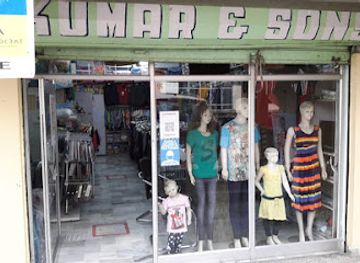
Kumar And Sons
Explore the vibrant fashion scene at Kumar And Sons in Phuentsholing, where local culture meets contemporary style.
Get your free copy of our complete guide to Chhukha, delivered straight to you.
Everything on this page, from attractions and restaurants to essentials and local phrases, in one PDF you can read offline, print or share.
Already have an account? Sign in
Your Chhukha guide is ready.
We'll send it to · Not you? Sign out

Getting your guide ready…
We are putting together a fresh copy of the Chhukha guide. This can take up to a minute.
This can take a few moments. If your browser asks, choose Allow so the download can start. You'll find the guide in your Downloads folder.
Nothing happened? Download it again
Sorry, the guide is taking longer than usual. Please try again in a minute, or get it by email instead.
Chhukha essentials
Currency and Payment
Safety
Emergency Situations
Do's and Don'ts
Local Tips
From Eve
Local phrases worth knowing
You don't need to get them perfect. A few words go a long way, and locals appreciate the effort.
Basics
| English | Local | Say it |
|---|---|---|
| Hello | བཀྲ་ཤིས་བདེ་ལེགས | [Kuzu zangpo] |
| Goodbye | བཞུགས་གནང་ | [Zhug nang] |
| Yes | ཨེ | [E] |
| No | མེད | [Med] |
| Please/You’re welcome | ཁྱེད་ལག་བསྐྱོན་ནོང་ | [Khyed lag skiön nang] |
| Thank you | ཐུགས་རྗེ་ཆེ | [Thukje che] |
| Excuse me/Sorry | ང་རྟགས་པར་བརྗེ་བ | [Nga takpar bje] |
| How are you? | ཁྱེད་གང་བསྐྱོན་ནོང་ | [Khyed gang skiön nang] |
| Fine. And you? | ང་བསྐྱོན་ནོང་ | [Nga skiön nang] |
| Do you speak English? | ཁྱེད་གཉེན་རྟགས་པ་གཏོང་ནོང་? | [Khyed nyen takpa tong nang?] |
| I don't understand | ང་གང་བརྗེ་བམ་ཡག་འདུག | [Nga gang bje ma yang] |
Eating & Drinking
| English | Local | Say it |
|---|---|---|
| I’d like to see the menu, please | ང་ཁྱེད་ལག་དང་རོགས་གནང་ | [Nga khyed lag dang rog nang] |
| I don’t eat meat | ང་བསྒྲིལ་བདེ་བའི་བཀྲ་ཤིས་མེད | [Nga dril de wa'i kuzu med] |
| Cheers! | བཀྲ་ཤིས་བདེ་ལེགས! | [Kuzu zangpo!] |
| I would like to pay, please | ང་ཁྱེད་ལག་བདེན་འདོད་ཡག་འདུག | [Nga khyed lag den do yang] |
Emergencies
| English | Local | Say it |
|---|---|---|
| Help! | གནང་བཅིང་! | [Nang ching!] |
| Go away! | འགྲོ་བཅིང་! | [Dro ching!] |
| Call the Police! | དབང་འཛིན་བཀྲ་ཤིས་བདེ་ལེགས! | [Wangdzin kuzu zangpo!] |
| Call a doctor! | དཔལ་བཀྲ་ཤིས་བདེ་ལེགས! | [Pel kuzu zangpo!] |
| I’m lost | ང་རྟགས་བརྗེ་གི་འགྲོག | [Nga tak bje gi drok] |
| I’m ill | ང་བརྗེ་གོ་མེད | [Nga bje go med] |
Shopping
| English | Local | Say it |
|---|---|---|
| I’d like to buy... | ང་ཁྱེད་ལག་བཟོ་བའི་གུ་བརྒྱབ | [Nga khyed lag zo wa'i gu gyab] |
| I’m just looking | ང་འོ་གསོལ་བྱེད | [Nga o sol jey] |
| How much is it? | འདི་ག་རེ་འདོན་བོད་རེད? | [Di ga re don bo?] |
| That’s too expensive | དང་རིགས་མེད | [Dang rig med] |
| Can you lower the price? | ཁྱེད་དང་གི་བོད་རེད? | [Khyed dang gi bo?] |
Time & Numbers
| English | Local | Say it |
|---|---|---|
| What time is it? | དུས་ཚོད་ག་རེ་འདོན་བོད? | [Dus tshe ga re don?] |
| It’s one o’clock | དུས་ཚོད་གཅིག་འདོན་བོད | [Dus tshe chig don] |
| Half past (10) | དྲུག་བཞིང་འདོན | [Druk shing don] |
| Morning | དགོངས་འཁོར | [Gongkor] |
| Afternoon | བར་དུག | [Bar dug] |
| Evening | དགོངས་འཁོར | [Gongkor] |
| Yesterday | ཉིན་མོད | [Nyi mod] |
| Today | དེ་རིང | [De ring] |
| Tomorrow | ཉིན་འདིར | [Nyi dir] |
| 1 | གཅིག | [Chig] |
| 2 | གཉིས | [Nyi] |
| 3 | གསུམ | [Sum] |
| 4 | བཞི | [Shyi] |
| 5 | ལྷང | [Lhang] |
| 6 | དྲུག | [Druk] |
| 7 | བདྲུག | [Dru] |
| 8 | བརྒྱད | [Gye] |
| 9 | དགུ | [Gu] |
| 10 | བཅར | [Char] |
Transport & Directions
| English | Local | Say it |
|---|---|---|
| Where's a/the...? | འདི་ལུས་བརྗེ་རེད? | [Di lu bje red?] |
| What’s the address? | དཀའ་བདེན་འདོད? | [Ka den do?] |
| Can you show me (on the map)? | ཁྱེད་ང་བཟུང་འདོད? | [Khyed nga zung do?] |
| When’s the next (bus)? | དང་རིགས་འདོད? | [Dang rig do?] |
| A ticket (to ....) | བརྡེད་རེད? | [Bde red?] |
History of Chhukha
Early Himalayan and Southern Trade Routes
Long before modern roads, the valleys and passes of present-day Chhukha connected the Bhutanese interior with the Duars and the plains to the south. Movement followed river corridors, forest tracks and mountain routes, linking communities engaged in agriculture, pastoralism and regional exchange. Buddhist institutions and local strongholds helped organise settlement in the hills, while the southern foothills remained an important zone of contact between Bhutan and the cultures of adjoining India. The district’s geography explains its enduring importance: routes from the plains can reach western Bhutan through Chhukha more readily than through many higher Himalayan approaches.
Drukpa Consolidation and the Chhukha Valley
During the consolidation of Bhutan under the Drukpa state in the seventeenth century, valleys in western Bhutan were drawn more firmly into a central religious and political system. Chhukha’s historic dzong, like other fortified monastic centres, served religious, administrative and defensive purposes. Its position above the Wang Chhu corridor reflected the need to oversee movement between the southern approaches and the interior. The surviving religious architecture and continuing importance of local monasteries preserve part of this period, although Chhukha’s modern settlements have grown far beyond the scale of the historic administrative centre.
The Duars and Nineteenth-Century Border Politics
The southern foothills became increasingly significant during nineteenth-century disputes involving Bhutan and British India. Competition over the Duars, a belt of fertile and strategically valuable land at the Himalayan foothills, contributed to the Duar War of 1864–65 and the Treaty of Sinchula. Although the political boundaries and administrative arrangements of the period differed from those of modern Bhutan, the events shaped the relationship between the Bhutanese hills and the plains. Chhukha’s later role as a principal crossing and commercial gateway is rooted in this wider history of frontier exchange and negotiation.
Phuentsholing and the Opening of Modern Road Connections
Phuentsholing expanded significantly in the twentieth century as Bhutan established more regular administrative and commercial links with India. The construction of roads from the border towards western Bhutan transformed travel, allowing people and goods to move more reliably through terrain previously crossed mainly by footpaths and mule routes. The town became the country’s most important southern gateway and a centre for customs, trade, transport and services. Its present built environment reflects this relatively recent development, contrasting with the older religious and administrative landscapes found in the district’s valleys.
Hydropower and Economic Transformation
Chhukha became central to Bhutan’s modern economic development through hydropower. The Chhukha Hydropower Project, developed with Indian cooperation and commissioned in the 1980s, harnessed the steep gradient and substantial water flow of the Wang Chhu system. Its electricity exports and domestic supply contributed to public revenue and helped finance Bhutan’s expanding infrastructure. Later hydropower development in and around the district reinforced the importance of engineering, roads and transmission networks. These projects also altered local employment patterns and settlement, making Chhukha one of the clearest places to understand the relationship between Bhutan’s mountain geography and its contemporary economy.
Contemporary Chhukha
Since the late twentieth century, Chhukha has developed as a connected but geographically varied district: Phuentsholing functions as an international border and commercial town, while Gedu and the higher settlements support education, forestry, administration and local trade. Improved roads have brought greater access to markets and services, but their maintenance remains affected by monsoon rain, landslides and difficult terrain. Modern Chhukha therefore combines Bhutanese religious and cultural continuity with the practical infrastructure of a border economy, hydropower production and expanding regional mobility.
Chhukha in Photos
Browse through our photo collection highlighting the charm and character of the destination.
Neighbouring regions of Chhukha
The closest regions to Chhukha, if you have time for more than one.
-

-

-

-

-


Swipe for more regions
Explore more

Explore more of Bhutan
Experience the enchantment of Bhutan, a Himalayan paradise where tradition meets tranquility and Gross National Happiness reigns supreme.
Explore Bhutan