

Free Paro Valley Travel Guide & Mobile App
Explore Paro Valley with free travel guides. Discover regional history, expert tips, proposed trips, and audio guides on web or mobile app.


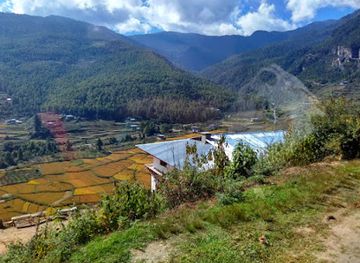
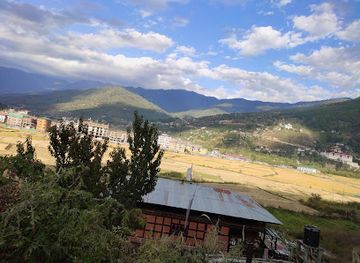
Explore Paro Valley’s Bhutanese dzongs, ancient temples, mountain trails and Tiger’s Nest amid Himalayan villages and cultivated fields.
Read more about Paro Valley
When is the best time to visit Paro Valley?
Best: March–May · 18–26°C| Month | High (°C) | Rainfall (mm) |
|---|---|---|
| January | 11 | 10 |
| February | 13 | 8 |
| March (best) | 18 | 8 |
| April (best) | 23 | 25 |
| May (best) | 26 | 80 |
| June | 26 | 140 |
| July | 23 | 180 |
| August | 23 | 160 |
| September | 23 | 100 |
| October | 21 | 50 |
| November | 16 | 20 |
| December | 11 | 8 |
Getting to and around Paro Valley
How to get there
Transportation
Top city travel guides in Paro Valley
The cities of Paro Valley, and the easiest places to base yourself.
-

-


Swipe for more cities
Best attractions in Paro Valley
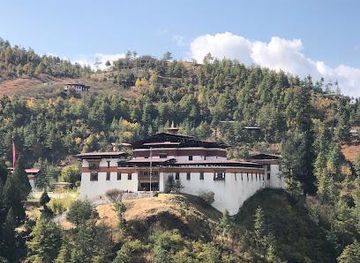
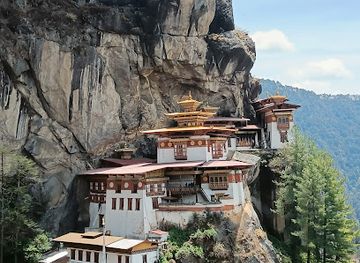
Paro Valley’s attractions combine major Buddhist monuments with working countryside and mountain scenery. Rinpung Dzong is the principal architectural visit, offering richly decorated temples, timber galleries and views across the Paro Chhu. The National Museum in Ta Dzong provides useful context through religious art, historic objects and displays on Bhutanese culture. Kyichu Lhakhang remains an important pilgrimage temple, while the ruined Drukgyel Dzong gives the upper valley a powerful historical focus. The defining excursion is the hike to Taktsang Palphug Monastery, or Tiger’s Nest, whose forest trail leads to a cliffside religious complex associated with Guru Rinpoche. Beyond the headline sites, visitors can explore village temples, farm roads, orchards and traditional houses, often with a guide. The valley also supports birdwatching, gentle rural walks, photography and longer mountain journeys, although the landscape is better suited to thoughtful exploration than to a packed schedule. Seasonal festivals add masked dances, music and religious ritual when their dates coincide with a visit.
-
Tourist attraction
Paro Taktsang
Discover the spiritual heart of Bhutan at Paro Taktsang, a breathtaking monastery perched on a cliff with stunning Himalayan views.
-
National museum
National Museum of Bhutan འབྲུག་གི་འགྲེམས་སྟོན་ཁང་།
Explore the National Museum of Bhutan in Paro, showcasing the country's rich cultural heritage through stunning exhibits and breathtaking views.
-
Fortress
Simtokha Dzong སེམས་རྟོགས་ཁ་རྫོང་།
Discover the historical and architectural marvel of Simtokha Dzong, one of Bhutan's oldest fortresses, surrounded by breathtaking landscapes.
-
Mountain pass
Chele La
Experience breathtaking views and serene nature at Chele La Pass, Bhutan's highest motorable pass, a true gem for nature lovers and adventurers alike.


Best landmarks in Paro Valley
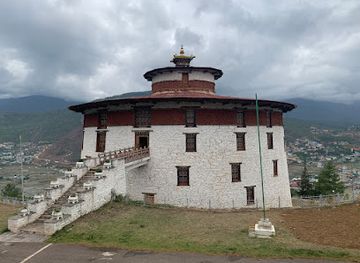
Rinpung Dzong is Paro’s most recognisable architectural landmark, a large seventeenth-century fortress-monastery standing above the river and representing the historic union of religious and administrative authority. The covered Nyamai Zampa bridge below it forms a memorable approach and frames views towards the dzong’s whitewashed walls and timber details. Above the valley, Taktsang Palphug Monastery is Bhutan’s defining cliffside landmark; its buildings appear to grow from the rock face and are linked to the country’s founding Buddhist traditions. The circular Ta Dzong, formerly a watchtower and now the National Museum, has a distinctive silhouette on the hillside. At the upper end of the valley, Drukgyel Dzong’s roofless walls mark a strategically important fortress associated with Bhutan’s conflicts with Tibet. Kyichu Lhakhang provides a contrasting landmark of intimate scale, with an ancient religious foundation and a long history of devotion. Together these places give Paro a visual identity shaped by mountain terrain, sacred architecture and defensive design.
-
Buddhist temple
Paro Taktsang
Discover the spiritual heart of Bhutan at Paro Taktsang, a stunning cliffside monastery offering breathtaking views and rich cultural experiences.
-
National museum
National Museum of Bhutan འབྲུག་གི་འགྲེམས་སྟོན་ཁང་།
Discover the captivating heritage of Bhutan at the National Museum, where art, history, and culture intertwine amidst breathtaking mountain views.
-
Buddhist temple
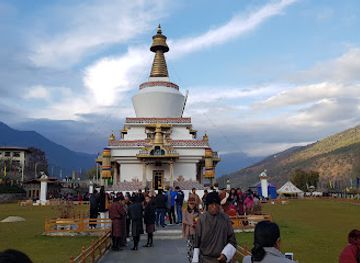
National Memorial Chhorten རྒྱལ་ཡོངས་རྗེས་དྲན་མཆོད་རྟེན།
Discover the National Memorial Chhorten, a tranquil symbol of Bhutanese spirituality nestled in the heart of Thimphu, offering a serene escape and cultural insights.
-
International airport
Paro International Airport
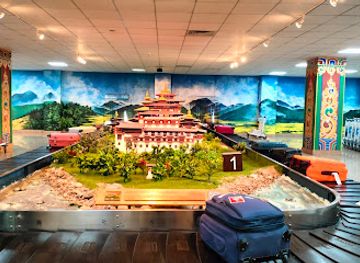
Experience the unique charm of Paro International Airport, your first step into the enchanting landscapes and rich culture of Bhutan.
Explore Paro Valley on the map
Plan your trip on one map. See where the top cities, national parks and sights are, and book hotels and experiences in a few clicks.
Best hotels in Paro Valley
Best restaurants in Paro Valley
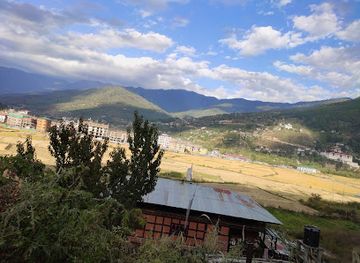
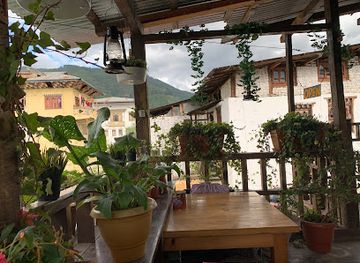
Dining in Paro reflects Bhutan’s agricultural landscape and national culinary traditions, with rice, vegetables, buckwheat, meat and especially chillies appearing frequently in local meals. Ema datshi, a preparation of chillies and cheese, is widely associated with Bhutanese cooking, while variations using potatoes, mushrooms or other produce are common. Restaurants and hotel dining rooms in Paro town typically offer Bhutanese dishes alongside Indian, Tibetan and international food, making the town the easiest place to explore different levels of spice. Rural hotels and farmhouse visits may provide meals based on seasonal ingredients and local preparation, sometimes including red rice, dumplings and simple vegetable dishes. Tea, coffee and locally produced foods are readily encountered, while dining at markets or small cafés tends to be informal. Visitors with dietary restrictions should explain them clearly, particularly where chillies, dairy or meat are central to a recipe.
-
Restaurant
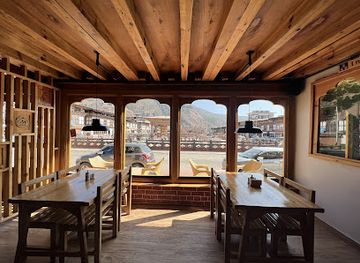
Mountain Cafe - Paro
Discover Mountain Cafe in Paro: A delightful blend of local flavors and international cuisine amidst stunning Himalayan views.
-
Brewpub
Namgay Artisanal Brewery
Discover handcrafted beers and authentic Bhutanese cuisine at Namgay Artisanal Brewery in Paro – a unique brewpub experience awaits.
-
Restaurant
Sonam trophel restaurant
Experience authentic Bhutanese cuisine at Sonam Trophel Restaurant in Paro - where every dish tells a story.
-
Restaurant
My Kind Of Place
Experience authentic Bhutanese cuisine at My Kind Of Place in Paro - where local flavors meet warm hospitality.
Best bars in Paro Valley
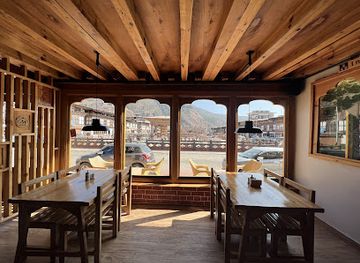
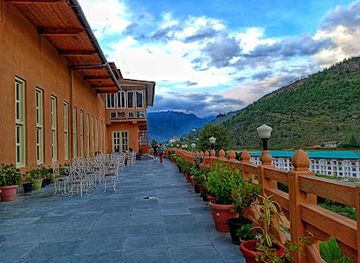
Paro’s evening scene is modest and centres on hotel lounges, small restaurants, cafés and local bars rather than a large nightclub district. After dark, the valley is generally quiet, with many visitors choosing a Bhutanese meal, conversation or an early rest before a temple visit or the Tiger’s Nest hike. Some hotels offer drinks and relaxed indoor spaces, while Paro town has a limited selection of informal venues where residents and visitors may meet. Traditional Bhutanese songs, live performances and festival activity can provide a more culturally grounded evening when available, but schedules vary. Alcohol is present in Bhutanese social life, yet it is not necessary for experiencing Paro’s character. Outside the town, evening options are sparse, and rural accommodation is better suited to stargazing, reading and enjoying the stillness of the valley.
-
Restaurant
Mountain Cafe - Paro
Discover the rich flavors of Bhutan at Mountain Cafe in Paro, where every meal is a delightful fusion of taste and culture.
-
Brewpub
Namgay Artisanal Brewery
Experience the essence of Bhutanese brewing at Namgay Artisanal Brewery, where local flavors come alive in every sip.
-
Restaurant
Sonam trophel restaurant
Experience the rich culinary heritage of Bhutan with authentic Nepalese, Indian, and Bhutanese dishes at Sonam Trophel Restaurant in Paro.
-
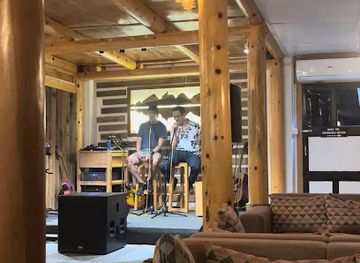
Live music bar
PARK 76 Cafe & Pub
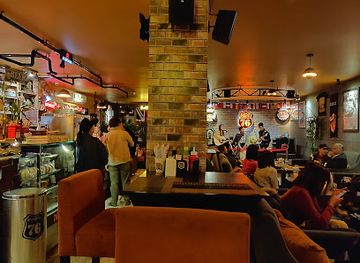
Experience the vibrant atmosphere at PARK 76 Cafe & Pub in Paro, where live music meets delicious cuisine and refreshing drinks.
Best nightclubs in Paro Valley
Paro’s evening scene is modest and centres on hotel lounges, small restaurants, cafés and local bars rather than a large nightclub district. After dark, the valley is generally quiet, with many visitors choosing a Bhutanese meal, conversation or an early rest before a temple visit or the Tiger’s Nest hike. Some hotels offer drinks and relaxed indoor spaces, while Paro town has a limited selection of informal venues where residents and visitors may meet. Traditional Bhutanese songs, live performances and festival activity can provide a more culturally grounded evening when available, but schedules vary. Alcohol is present in Bhutanese social life, yet it is not necessary for experiencing Paro’s character. Outside the town, evening options are sparse, and rural accommodation is better suited to stargazing, reading and enjoying the stillness of the valley.
-
Live music bar
PARK 76 Cafe & Pub
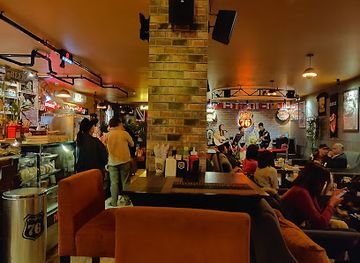
Immerse yourself in Paro's nightlife at PARK 76 Cafe & Pub, where live music, delicious food, and a vibrant atmosphere await.
-
Lounge
International Arrival Lounge
Experience Bhutan's warmth and beauty at the International Arrival Lounge in Paro, your serene gateway to an unforgettable journey.
-
Night club
Club Ecstacy
Discover the heartbeat of Paro's nightlife at Club Ecstacy, where music, dance, and good vibes collide in a vibrant atmosphere.
-
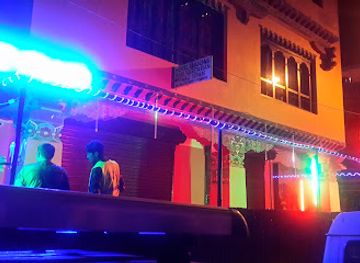
Bar
The Outcast Pub
Discover the vibrant atmosphere of The Outcast Pub in Paro, where local flavors and friendly faces create an unforgettable experience.
Best shops in Paro Valley
Shopping in Paro is concentrated in the town’s small shops, craft outlets and market areas rather than in large commercial centres. Visitors can look for Bhutanese textiles, woven fabrics, prayer flags, carved wooden objects, handmade paper, traditional musical items, jewellery and religiously inspired craftwork, while quality and provenance vary between sellers. Local food products, tea, spices and packaged chillies can make practical souvenirs, provided they comply with import rules at the destination country. Shops associated with hotels and established craft businesses may provide more information about materials and production than informal stalls. Paro is also a useful place to buy books on Bhutanese history, Buddhism and architecture. Bargaining should be restrained and courteous, especially where an item is presented as handmade. Buying religious objects requires particular sensitivity: do not handle statues, ritual implements or texts casually, and ask whether an item is intended for devotional use.
-
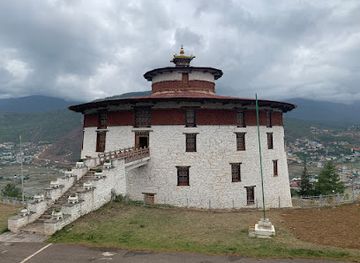
National museum
National Museum of Bhutan འབྲུག་གི་འགྲེམས་སྟོན་ཁང་།
Explore the rich cultural heritage of Bhutan at the National Museum, a former watchtower showcasing stunning artifacts and breathtaking views.
-
Brewpub
Namgay Artisanal Brewery
Experience the rich flavors of Bhutan at Namgay Artisanal Brewery, where traditional brewing meets innovative craft in a cozy atmosphere.
-
Shopping mall
Paro Town Shop No.12.Empty space for rent
Discover the vibrant charm of Paro Town, where shopping meets Bhutanese culture amidst breathtaking mountain scenery.
-
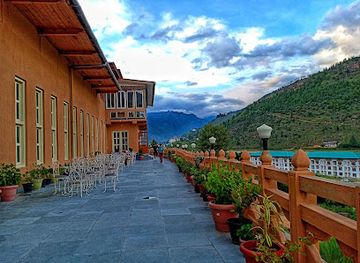
Cafe
Neyphug Heritage
Explore Neyphug Heritage in Paro, Bhutan, where traditional flavors meet modern comforts in a serene cafe setting.
Get your free copy of our complete guide to Paro Valley, delivered straight to you.
Everything on this page, from attractions and restaurants to essentials and local phrases, in one PDF you can read offline, print or share.
Already have an account? Sign in
Your Paro Valley guide is ready.
We'll send it to · Not you? Sign out

Getting your guide ready…
We are putting together a fresh copy of the Paro Valley guide. This can take up to a minute.
This can take a few moments. If your browser asks, choose Allow so the download can start. You'll find the guide in your Downloads folder.
Nothing happened? Download it again
Sorry, the guide is taking longer than usual. Please try again in a minute, or get it by email instead.
Paro Valley essentials
Currency and Payment
Safety
Emergency Situations
Do's and Don'ts
Local Tips
From Eve
Local phrases worth knowing
You don't need to get them perfect. A few words go a long way, and locals appreciate the effort.
Basics
| English | Local | Say it |
|---|---|---|
| Hello | དགའ་བོད་ | [Ga-bö] |
| Goodbye | བཞུགས་གནང་ | [Zhuk-nang] |
| Yes | འདོད་ | [Dö] |
| No | མ་འདོད་ | [Ma-dö] |
| Please/You’re welcome | བཀྲ་ཤིས་ | [Kha-shi] |
| Thank you | ཐུགས་རྗེ་ | [Thug-je] |
| Excuse me/Sorry | བཟོད་ | [Zö] |
| How are you? | ཁྱེད་ལ་ག་རེ་བཤད་? | [Kye-la ga-re-shé?] |
| Fine. And you? | ང་བཟོས་ཡོད་ཅིག་, ཁྱེད་ལ་ག་རེ་བཤད་? | [Nga-zö-yö, kye-la ga-re-shé?] |
| Do you speak English? | ཁྱེད་ལ་ཨིན་གཏོགས་འདོད་? | [Kye-la in-tog-dö?] |
| I don't understand | ང་འདོད་མ་བསམ་ | [Nga-dö-ma-sam] |
Eating & Drinking
| English | Local | Say it |
|---|---|---|
| I’d like to see the menu, please | ང་དངོས་གསོས་དགོངས་ཡོད། | [Nga-dang-so-gö-yö] |
| I don't eat meat | ང་བོད་རྟ་མ་བཟོས་མ་རེད་ | [Nga-bö-ta-ma-zö-ma-ré] |
| Cheers! | དབང་ཤེས་ | [Wang-she] |
| I would like to pay, please | ང་བདེ་སྤྲོད་དགོངས་ཡོད། | [Nga-dey-tro-yö] |
Emergencies
| English | Local | Say it |
|---|---|---|
| Help! | རྩི་བའག་ | [Tsi-wag] |
| Go away! | འདོད་བཟོས་! | [Dö-zö!] |
| Call the Police! | བརྗེ་འདོད་རབ་བརྩམས་! | [Bji-dö-rab-tam!] |
| Call a doctor! | བརྗེ་འདོད་པ་རབ་བརྩམས་! | [Bji-dö-pa-rab-tam!] |
| I’m lost | ང་འདོད་སོག་བཅོས་མེད་ | [Nga-dö-sog-bcho-ma] |
| I’m ill | ང་འདོད་འདོད་ | [Nga-dö-dö] |
Shopping
| English | Local | Say it |
|---|---|---|
| I’d like to buy... | ང་འདོད་རྩ་འབྲེལ་ཡོད། | [Nga-dö-ra-jel-yö] |
| I’m just looking | ང་བཞུགས་ཡོད། | [Nga-zhuk-yö] |
| How much is it? | དུག་ག་གོང་ཡོད་མི་འདོད་? | [Dug-ga-gong-yö-mi-dö?] |
| That’s too expensive | འདི་རྩི་རེད་ | [Di-tzi-ré] |
| Can you lower the price? | ཁྱེད་ལ་དངོས་དེ་མོང་འདོད་? | [Kye-la-dang-dé-mong-dö?] |
Time & Numbers
| English | Local | Say it |
|---|---|---|
| What time is it? | དུད་ག་དུད་? | [Dug-ga-dud?] |
| It’s one o'clock | དེ་རིང་གསུམ་བཟོས་ཡོད་ | [De-rin-sum-zö-yö] |
| Half past (10) | དུད་ཐོག་གཉེས་(10) | [Dug-thog-gnyes (10)] |
| Morning | དབང་སྐར་ | [Wang-kar] |
| Afternoon | དབང་མཚན་ | [Wang-tsen] |
| Evening | དབང་ཞེའུ་ | [Wang-zhey] |
| Yesterday | དུས་འཁྲིད་ | [Dü-khri] |
| Today | དུས་ཚོད་ | [Dü-tso] |
| Tomorrow | དུས་སྟོད་ | [Dü-to] |
| 1 | དང་ | [Dang] |
| 2 | གཉིས་ | [Gnyis] |
| 3 | གསུམ་ | [Sum] |
| 4 | བཞི་ | [Zhi] |
| 5 | ལྔ་ | [Nga] |
| 6 | དྲུག་ | [Druk] |
| 7 | བདུན་ | [Dün] |
| 8 | དགུ་ | [Dgu] |
| 9 | དགེ་ | [Dge] |
| 10 | བཅོ་ | [Chö] |
Transport & Directions
| English | Local | Say it |
|---|---|---|
| Where's a/the...? | འདི་སོང་ཅ་རོགས་? | [Di-song-tza-rok?] |
| What's the address? | དངོས་སོང་? | [Dang-song?] |
| Can you show me (on the map)? | ཁྱེད་ལ་བཟོད་རེད་? | [Kye-la-zö-re?] |
| When's the next (bus)? | དུས་འདོད་རྩི་བའག་? | [Dü-dö-tzi-wag?] |
| A ticket (to ....) | དོག་དངོས་(....) | [Döng-dang(...)] |
History of Paro Valley
Early Himalayan Settlement and Kyichu Lhakhang
Paro Valley has long been valued as a fertile settlement basin and as a natural corridor through Bhutan’s western mountains. Its most important early monument is Kyichu Lhakhang, traditionally dated to the seventh century and associated with the Tibetan king Songtsen Gampo. Bhutanese religious tradition holds that the temple formed part of a wider network built to subdue forces obstructing the spread of Buddhism. Although the surviving complex has been altered and expanded over time, Kyichu remains a major centre of devotion and a visible link between the valley and the early Buddhist history of the Himalayan region.
Guru Rinpoche and the Sacred Landscape
The religious identity of Paro is closely connected with Padmasambhava, known in Bhutan as Guru Rinpoche, who is believed to have brought tantric Buddhism to the Himalayan world in the eighth century. Local tradition associates him with meditation sites throughout Bhutan, most famously Taktsang Palphug Monastery above Paro Valley. The monastery’s dramatic location is therefore more than a scenic setting: it represents the sacred geography through which Bhutanese Buddhism understands the arrival and development of its religious traditions.
The Formation of Bhutanese Political Authority
During the seventeenth century, Zhabdrung Ngawang Namgyal unified much of Bhutan and established a system of religious and secular administration centred on dzongs. Rinpung Dzong became a major seat of authority in western Bhutan, combining monastic, judicial and administrative functions within a fortified architectural complex. Its position above the Paro Chhu reflected both the valley’s agricultural importance and its strategic role on routes connecting Bhutan with Tibet and the Himalayan borderlands.
Rinpung Dzong and the Western Valleys
The development of Rinpung Dzong helped make Paro one of western Bhutan’s principal political and religious centres. The dzong’s courtyards, temples and defensive walls illustrate the close relationship between governance and Buddhism in Bhutanese history. Other fortifications, including Drukgyel Dzong at the head of the valley, protected routes towards the north and west. These structures were not isolated castles but working institutions that regulated land, justice, religious life and regional movement.
Drukgyel Dzong and Bhutan’s Conflicts with Tibet
Drukgyel Dzong was built in the seventeenth century under the authority of Zhabdrung Ngawang Namgyal’s government, traditionally to commemorate Bhutanese success against Tibetan forces. Its position near the upper Paro Valley gave it strategic value on the route towards the Tibetan frontier. The fortress was later damaged by fire and now survives largely as a ruin, but its walls and mountain setting preserve the memory of Bhutan’s efforts to defend an emerging state during a period of political and military consolidation.
Fire, Conservation and the Modern Valley
Paro’s historic buildings have repeatedly faced natural hazards, particularly fire, which could spread rapidly through timber-framed structures. Drukgyel Dzong was severely damaged by fire in the twentieth century, while Bhutan’s wider architectural tradition has continued to evolve through restoration and careful rebuilding. In the modern era, roads, electricity, tourism and the airport have connected Paro more closely with the outside world. Even so, the valley retains its agricultural base and remains one of Bhutan’s principal centres for the preservation and presentation of national religious and architectural traditions.
Paro International Airport and Contemporary Bhutan
Paro International Airport brought a new dimension to the valley’s history by making it Bhutan’s principal international gateway. Its location in a narrow mountain valley requires highly specialised aviation and has helped shape the rhythm of travel to the country. The airport has supported tourism and international contact while Paro has retained its role as a farming valley, district centre and religious landscape. Contemporary Paro therefore combines modern access infrastructure with temples, dzongs, orchards and village communities whose origins reach back many centuries.
Paro Valley in Photos
Browse through our photo collection highlighting the charm and character of the destination.
Neighbouring regions of Paro Valley
The closest regions to Paro Valley, if you have time for more than one.
-

-

-

-

-


Swipe for more regions
Explore more

Explore more of Bhutan
Experience the enchantment of Bhutan, a Himalayan paradise where tradition meets tranquility and Gross National Happiness reigns supreme.
Explore Bhutan