
Pemagatshel, Bhutan Travel Guide
Explore Pemagatshel, a serene district in eastern Bhutan known for its lush landscapes, ancient monasteries, and rich cultural heritage.
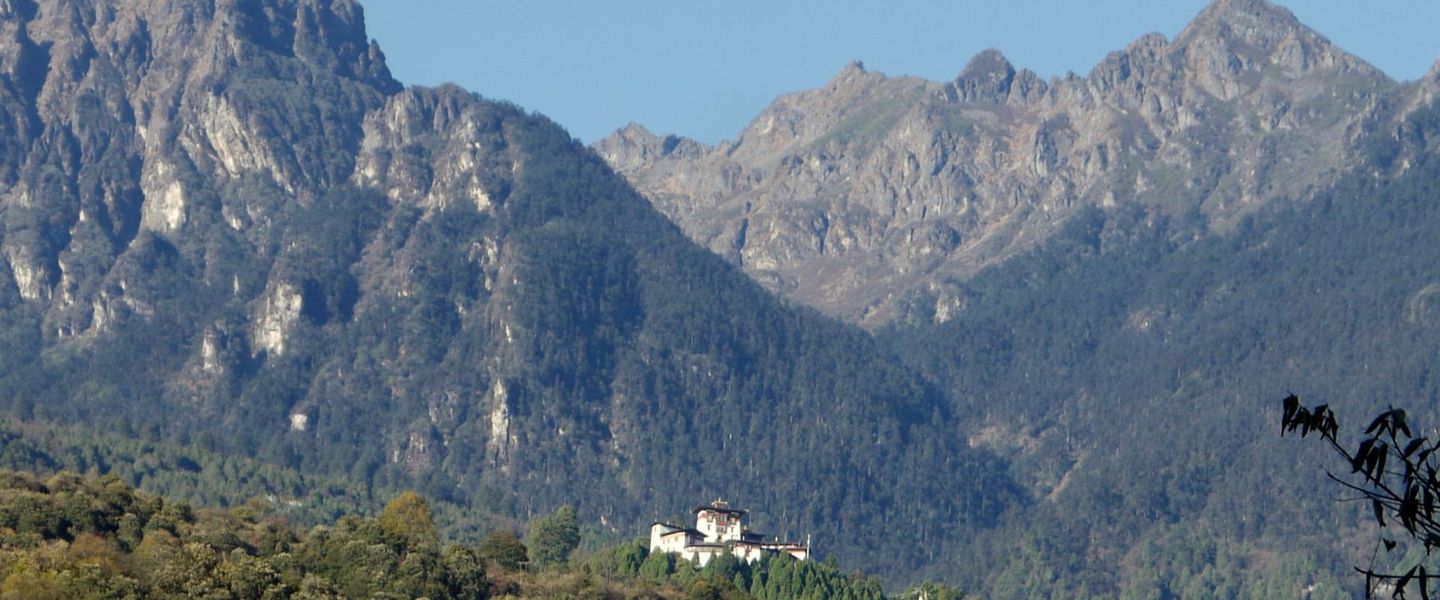
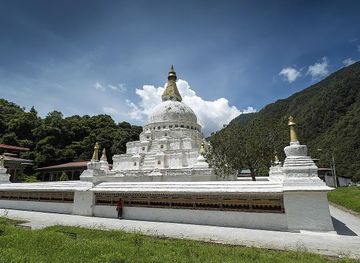
Nestled in the eastern part of Bhutan, Pemagatshel is a hidden gem that offers a unique and tranquil experience for visitors. The name Pemagatshel means 'Blissful Land of the Lotus', and this district lives up to its name with its serene landscapes, rich cultural heritage, and friendly locals. Pemagatshel is known for its lush green hills and valleys, dotted with traditional Bhutanese villages. The area is perfect for those who love nature and want to experience the rural lifestyle of Bhutan. Visitors can enjoy scenic hikes, explore ancient monasteries, and witness the traditional arts and crafts that the region is famous for. One of the main attractions in Pemagatshel is the Chorten Nyingpo Monastery, a historic site that dates back to the 9th century. This monastery is not only a spiritual center but also offers breathtaking views of the surrounding landscapes. Another must-visit is the Yongla Goenpa, an ancient monastery perched on a hilltop, offering panoramic views and a glimpse into the spiritual life of the Bhutanese people. Pemagatshel also hosts various local festivals throughout the year, where visitors can immerse themselves in the vibrant culture and traditions of Bhutan. These festivals are a great opportunity to see traditional dances, music, and rituals that have been passed down through generations.

Know before you go
Hi, I'm Eve. Here are a few practical things to know before exploring Pemagatshel.
- Best time to visit is from October to May when the weather is pleasant and festivals are in full swing.
- Wear comfortable hiking shoes as the terrain can be uneven and some attractions require a bit of walking.
- Respect local customs and traditions, especially when visiting monasteries and during festivals.
- Try the local cuisine, especially the famous Bhutanese dish, Ema Datshi, a spicy chili and cheese stew.
- Carry some local currency as credit card facilities may not be available in remote areas.
Top City Travel Guides in Pemagatshel
The cities of Pemagatshel, and the easiest places to base yourself.

Destinations in Pemagatshel
Resorts, valleys and scenic spots worth a trip of their own.

Explore Pemagatshel: Things to Do, Places to Eat, Hotels & More
Handpicked recommendations for top attractions, local dining, accommodations, and more

Top Attractions & Sightseeing in Pemagatshel
Top-rated picks
Best Attractions

Buddha Dordenma Statue སྟོན་པ་རྡོར་གདན་མ།
Explore the majestic Buddha Dordenma Statue in Thimphu, a symbol of peace and spirituality, offering breathtaking views and cultural insights in Bhutan.
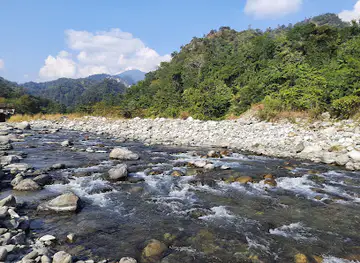
Chowki Picnic Spot
Discover the serene beauty of Chowki Picnic Spot in Manas National Park, Assam, a perfect getaway for nature lovers and adventure seekers alike.

Daragaon Picnic Spot
Discover the serene beauty of Daragaon Picnic Spot in Assam, an ideal escape for nature lovers and families seeking tranquility and outdoor adventures.

Kyichu Lhakhang སྐྱིད་ཆུ་ལྷ་ཁང་།
Discover the serene beauty and rich cultural heritage of Kyichu Lhakhang, one of Bhutan's oldest and most sacred temples in Paro.

Best landmarks in Pemagatshel
Top-rated picks
Best Landmarks

Buddha Dordenma Statue སྟོན་པ་རྡོར་གདན་མ།
Explore the awe-inspiring Buddha Dordenma Statue in Thimphu, a symbol of peace and tranquility amidst stunning Himalayan landscapes.

Paro Taktsang
Discover Paro Taktsang, the breathtaking Tiger's Nest Monastery, a must-visit destination that offers spiritual serenity and stunning Himalayan views in Bhutan.
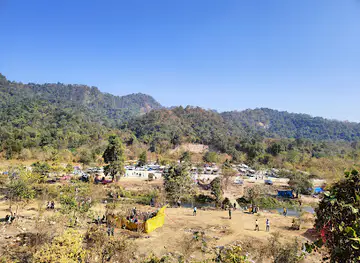
Chowki Picnic Spot
Discover the tranquility of Chowki Picnic Spot, a hidden gem in Manas National Park, Assam, perfect for nature lovers and outdoor enthusiasts.

Punakha Dzong སྤུ་ན་ཁ་རྫོང་།
Explore the breathtaking Punakha Dzong, a historical fortress monastery that embodies the rich heritage and serene beauty of Bhutan.

Best restaurants in Pemagatshel
Top-rated picks
Best Restaurants

Gomthey Restaurant And Bar
Discover authentic Bhutanese flavors at Gomthey Restaurant And Bar, where tradition meets modern dining in a warm atmosphere.

Yangchhag Hotel & Restaurant
Discover the essence of Bhutanese hospitality at Yangchhag Hotel & Restaurant in Nganglam, offering exquisite local cuisine and comfortable accommodations.

Kuenjung Pizza
Experience delicious pizza with local flavors at Kuenjung Pizza in Samdrup Jongkhar - your perfect dining destination.

Tshenum Vegetarian Hotel
Experience the vibrant flavors of Bhutan at Tshenum Vegetarian Hotel in Samdrup Jongkhar—where health meets taste.

Best bars in Pemagatshel
Top-rated picks
Best Bars

Mojo Park
Discover Mojo Park in Thimphu - a vibrant bar and live music venue offering a unique blend of local culture, delicious food, and unforgettable experiences.
Drunken Yeti
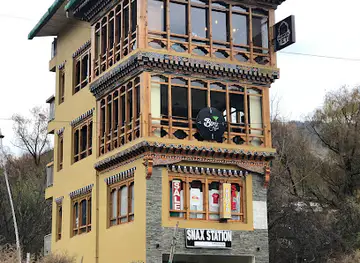
Experience the vibrant nightlife at Drunken Yeti, Thimphu's favorite bar for cocktails, local brews, and a cozy atmosphere.

Om Pub
Discover the vibrant nightlife of Thimphu at Om Pub, where local culture and a lively atmosphere come together for an unforgettable experience.

The Basement
Experience the vibrant nightlife at The Basement, a must-visit bar in Thimphu offering a unique blend of local culture and refreshing beverages.

Best nightclubs in Pemagatshel
Top-rated picks
Best Nightclubs

Viva City
Viva City: Thimphu's Premier Night Club for an Unforgettable Nightlife Experience

DG Wanderlust Club @Thimphu hongkong market/oppesite of Thimphu BOB main Branch office
Discover the vibrant nightlife of Thimphu at DG Wanderlust Club, where unforgettable memories and lively dance floors await.

Space 34 DOS
Discover the vibrant nightlife of Thimphu at Space 34 DOS, a stylish night club that blends local culture with modern entertainment.

ACE CLUB, Thimphu
Unleash your spirit at ACE CLUB, Thimphu's premier nightclub where traditional and modern dance meet in an unforgettable nightlife experience.

Best shops in Pemagatshel
Top-rated picks
Best Shops

Google Collection Mongar Bhutan
Explore Mongar's local crafts and culture at Google Collection, a charming general store offering authentic Bhutanese products.

Krishna Store
Explore authentic Bhutanese fashion at Krishna Store, a treasure trove of traditional and contemporary clothing in Samdrup Jongkhar.

Dungsam shopping
Explore the vibrant Dungsam Shopping in Rongthang for all your electronic needs, blending modern technology with local culture.

Kezang General Store
Discover the heart of Deothang at Kezang General Store, where local culture meets a variety of unique products.

Explore Pemagatshel on the Map
A handpicked selection of must-see spots in Pemagatshel, mapped for you.
Pemagatshel Essentials
-
Pemagatshel, a district in southeastern Bhutan, is accessible primarily by road. The nearest international airport is Paro International Airport, located about 400 kilometers away. From Paro or the capital city, Thimphu, you can hire a taxi or take a bus to Pemagatshel. The journey typically takes around 12 to 15 hours by road due to the mountainous terrain. Domestic flights are not available to Pemagatshel, so road travel is the only option.
-
Within Pemagatshel, transportation options are limited. Most locals travel by foot or use local taxis. Public buses connect the main towns within the district, but schedules can be irregular. For a more flexible and convenient mode of transportation, consider renting a car with a driver. The roads can be challenging to navigate for those unfamiliar with the region.
-
The official currency in Bhutan is the Bhutanese Ngultrum (BTN), which is pegged to the Indian Rupee (INR). Credit cards are not widely accepted in Pemagatshel, so it is advisable to carry sufficient cash. ATMs are scarce in the district, and it is recommended to withdraw cash in larger cities like Thimphu or Paro before traveling to Pemagatshel.
-
Pemagatshel is generally a safe destination for tourists, with low crime rates. However, it is always wise to take standard precautions. Avoid walking alone at night in unfamiliar areas and keep an eye on your belongings in crowded places. There are no specific high-crime areas targeting tourists, but staying vigilant is advised.
-
In case of emergency, dial 113 for police assistance and 112 for medical emergencies. The local police station and a small medical facility are available in Pemagatshel town. It is highly recommended to have travel insurance that covers medical emergencies. Pharmacies are available for minor health issues, but it is advisable to bring any specific medications you may need.
-
Fashion: Do dress modestly, particularly when visiting religious sites. Avoid wearing revealing clothing. Religion: Do respect local customs and traditions. Always remove your shoes and cover your head when entering temples and monasteries. Public Transport: Do be respectful and give up your seat to elderly passengers. Do not eat or drink on public transport. Greetings: Do greet people with a slight bow or a handshake. Use the traditional Bhutanese greeting 'Kuzuzangpo la'. Eating & Drinking: Do try local delicacies and accept food offerings graciously. Do not refuse hospitality, as it is considered impolite.
-
To experience Pemagatshel like a local, visit the local markets where you can buy fresh produce and traditional Bhutanese goods. Engage with locals; they are often friendly and willing to share stories about their culture and history. Don't miss visiting the local temples and experiencing traditional Bhutanese festivals if your visit coincides with them. For a unique experience, trek through the scenic trails and enjoy the natural beauty of the region.
When is the best time to visit Pemagatshel?
Useful Local Phrases for Pemagatshel
You don't need to speak the language perfectly. Even learning a few simple words can make conversations warmer—and locals usually appreciate the effort.
— Eve

Here are the phrases I use most often in Pemagatshel. Try a few—you'll be surprised how far they go! 😊
❤️
-
- Helloབཀོད་མི་བདུད་
[Koe mi dud] - Goodbyeབཞེ་བཞེ་བོ་སམ་
[Zhe zhe bo sam] - Yesའདུག་
[Dug] - Noམིན་
[Min] - Please/You're welcomeངག་དབང་
[Ngak wang] - Thank youཐུགས་རྗེ་ཆེ་
[Thug je che] - Excuse me/Sorryབཏང་བསུ་
[Tang su] - How are you?ཁྱེད་ལ་ག་ངེས་འདུག་
[Khed la ga nge dug] - Fine. And you?ང་བདེ་བ་འདུག་, ཁྱེད་ལ་ག་ངེས་འདུག་
[Nga be ba dug, khed la ga nge dug] - Do you speak English?ཁྱེད་ལ་ཨང་གི་སྐད་པ་བཤད་འདུག་
[Khed la ang gi ke pa shed dug] - I don't understandང་མེད་འདུག་
[Nga me dug]
- Helloབཀོད་མི་བདུད་
-
- I'd like to see the menu, pleaseང་ལག་ལེབ་བཤད་འདུག་
[Nga lag leb shed dug] - I don't eat meatང་བྱིལ་མ་བཟོ་
[Nga chhil ma zo] - Cheers!བཀྲ་ཤིས་
[Kha shii] - I would like to pay, pleaseང་རྩིག་འདུག་, གཟིམ་བཀོད་འདུག་
[Nga tsik dug, zhim koe dug]
- I'd like to see the menu, pleaseང་ལག་ལེབ་བཤད་འདུག་
-
- Help!སྲིད་བརྒྱབ་
[Srid gyab] - Go away!འདུག་
[Dug] - Call the Police!དངོས་པོ་བརྒྱབ་འདུག་
[Ngö po gyab dug] - Call a doctor!དཔལ་བཤད་སྤུས་པ་བརྒྱབ་འདུག་
[Pal shed pu pa gyab dug] - I'm lostང་འགྱོ་མ་བྱུང་
[Nga gyo ma jung] - I'm illང་མ་བཟོད་
[Nga ma zod]
- Help!སྲིད་བརྒྱབ་
-
- I'd like to buy...ང་དོག་བཟོ་འདུག་
[Nga dog zo dug] - I'm just lookingང་བཞུགས་མ་བྱུང་འདུག་
[Nga zhug ma jung dug] - How much is it?དངོས་པོ་ག་ཚོད་འདུག་
[Ngö po ga tsö dug] - That's too expensiveདངོས་ཆེ་འདུག་
[Ngö che dug] - Can you lower the price?ཁྱེད་ལ་གཅིག་འདུག་
[Khed la chig dug]
- I'd like to buy...ང་དོག་བཟོ་འདུག་
-
- What time is it?དུས་ཚོད་ག་རེ་འདུག་
[Dus tsö ga re dug] - It's one o'clockདུས་ཚོད་དང་བོད་འདུག་
[Dus tsö dang bod dug] - Half past (10)དུས་ཚོད་གཅིག་
[Dus tsö chig] - Morningདགོངས་མོངས་
[Gong mong] - Afternoonདགོངས་བརྒྱབ་
[Gong gyab] - Eveningདགོངས་མོལ་
[Gong mol] - Yesterdayགཞིས་དུས་
[Gzhi dus] - Todayདུས་ཚོད་དེ་རེས་
[Dus tsö de res] - Tomorrowདུས་ཚོད་འདི་རེས་
[Dus tsö di res] - 1དང་
[Dang] - 2གཅིག་
[Chig] - 3སོ་ལ་
[So la] - 4བཞི་
[Zhi] - 5དྲུག་
[Drug] - 6དྲུག་
[Drug] - 7བདེ་
[De] - 8དགུ་
[Gu] - 9ཉེའི་ནོར་
[Nye nor] - 10བཅོ་
[Chö]
- What time is it?དུས་ཚོད་ག་རེ་འདུག་
-
- Where's a/the...?ག་རེ་བཏང་བརྒྱབ་
[Ga re tang gyab] - What's the address?ནང་བསྐུར་ག་རེ་འདུག་
[Nang sku ga re dug] - Can you show me (on the map)?ཁྱེད་ལ་སྒྲིག་བརྒྱབ་འདུག་
[Khed la drig gyab dug] - When's the next (bus)?ཕ་ཐ་བརྒྱབ་འདུག་
[Pa tha gyab dug] - A ticket (to ....)རྩིག་བརྒྱབ་འདུག་
[Tsik gyab dug]
- Where's a/the...?ག་རེ་བཏང་བརྒྱབ་
History of Pemagatshel
-
Pemagatshel, which translates to 'Blissful Land of the Lotus', has a rich history dating back to ancient times. Early settlements in this region were influenced by the spread of Buddhism from Tibet. The area is dotted with ancient monasteries and chortens, built by the early inhabitants who were deeply spiritual and sought to harmonize their lives with the teachings of Buddhism.
-
The rise of Buddhism in Pemagatshel is a significant chapter in its history. The teachings of Guru Rinpoche, also known as Padmasambhava, who is credited with bringing Buddhism to Bhutan in the 8th century, have left an indelible mark on the region. Monasteries such as Yongla Gonpa were established to serve as centers of learning and spiritual practice, attracting monks and pilgrims from across Bhutan and beyond.
-
Pemagatshel is home to numerous architectural marvels that reflect the region's historical and cultural heritage. The Zangdopelri Lhakhang, a temple dedicated to Guru Rinpoche, is a prime example of traditional Bhutanese architecture with its intricate woodwork, murals, and statues. These structures not only serve as places of worship but also as repositories of ancient art and culture.
-
Although Bhutan was never colonized, Pemagatshel experienced its share of encounters with foreign powers. The region played a crucial role in resisting external influences and maintaining Bhutan's sovereignty. Local leaders and monks were instrumental in rallying the community to preserve their independence and cultural identity during times of external pressure.
-
In recent years, Pemagatshel has seen significant developments while striving to maintain its cultural heritage. The establishment of educational institutions and healthcare facilities has improved the quality of life for residents. However, the community continues to place a strong emphasis on preserving traditional practices, festivals, and crafts such as weaving and wood carving, ensuring that the unique cultural fabric of Pemagatshel remains intact.
-
Pemagatshel is known for its vibrant festivals which are a testament to its rich cultural heritage. The Tshechu festival, dedicated to Guru Rinpoche, is celebrated with much fervor and includes masked dances, traditional music, and rituals that have been passed down through generations. These festivals not only provide spiritual enrichment but also strengthen community bonds and preserve age-old traditions.
Neighbouring Regions of Pemagatshel
The closest regions to Pemagatshel, if you have time for more than one.




Your all‑in‑one travel companion app
Explore expert travel guides, compare and book tours, experiences, hotels, and more—all from the palm of your hand. Download now for seamless trip planning wherever your wanderlust takes you.


Explore More of Bhutan

Looking beyond Pemagatshel? Discover Bhutan for broader travel guides, local hot-spots, and regional highlights.
Explore BhutanPemagatshel in Photos
Browse through our photo collection highlighting the charm and character of the destination.
Pemagatshel: The Serene Beauty of Eastern Bhutan
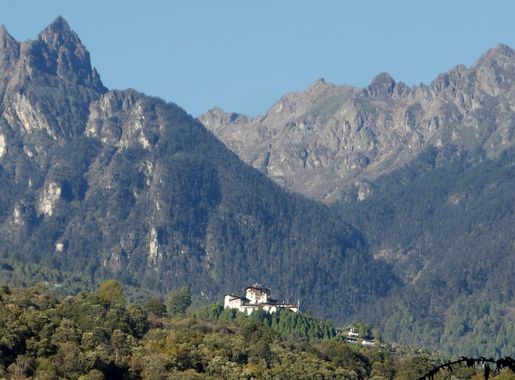
Nestled in the eastern part of Bhutan, Pemagatshel is a hidden gem that offers a unique and tranquil experience for visitors. The name Pemagatshel means 'Blissful Land of the Lotus', and this district lives up to its name with its serene landscapes, rich cultural heritage, and friendly locals. Pemagatshel is known for its lush green hills and valleys, dotted with traditional Bhutanese villages. The area is perfect for those who love nature and want to experience the rural lifestyle of Bhutan. Visitors can enjoy scenic hikes, explore ancient monasteries, and witness the traditional arts and crafts that the region is famous for. One of the main attractions in Pemagatshel is the Chorten Nyingpo Monastery, a historic site that dates back to the 9th century. This monastery is not only a spiritual center but also offers breathtaking views of the surrounding landscapes. Another must-visit is the Yongla Goenpa, an ancient monastery perched on a hilltop, offering panoramic views and a glimpse into the spiritual life of the Bhutanese people. Pemagatshel also hosts various local festivals throughout the year, where visitors can immerse themselves in the vibrant culture and traditions of Bhutan. These festivals are a great opportunity to see traditional dances, music, and rituals that have been passed down through generations.