

Eastern Bhutan, Bhutan Travel Guide
Discover the untouched beauty and rich cultural heritage of Eastern Bhutan, an enchanting region in the heart of the Himalayas.
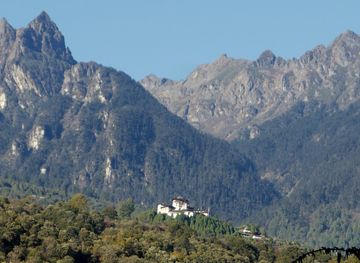
Eastern Bhutan is a region of unparalleled beauty and rich cultural heritage. Nestled in the heart of the Himalayas, it offers a unique glimpse into Bhutanese life that is less touched by modernization compared to its western counterparts. The landscape here is a picturesque blend of rolling hills, dense forests, and serene valleys, making it a paradise for nature lovers. Exploring Eastern Bhutan, you'll come across charming villages where time seems to stand still. The people here are warm and welcoming, often inviting travelers into their homes to share a meal or a cup of traditional butter tea. The region is also home to some of Bhutan's most sacred monasteries and ancient temples, each with its own fascinating history and legends. For the adventurous, Eastern Bhutan offers numerous trekking routes that lead to breathtaking viewpoints. The flora and fauna here are diverse and abundant, with rare species of plants and animals that can be spotted along the way. Whether you're seeking spiritual enlightenment, cultural immersion, or natural beauty, Eastern Bhutan has something to offer every traveler.

Know before you go
Hi, I'm Eve. Here are a few practical things to know before exploring Eastern Bhutan.
- Visit during spring (March to May) or autumn (September to November) for the best weather and vibrant festivals.
- Carry cash, as ATMs are scarce in remote areas.
- Respect local customs, such as removing shoes before entering religious sites.
- Hire a local guide to enrich your experience with insider knowledge and stories.
- Try the local cuisine, especially dishes made with buckwheat and millet.
- Pack warm clothing, as temperatures can drop significantly in the evenings.
- Ensure you have the necessary permits and visa to travel within Bhutan.
Top City Travel Guides in Eastern Bhutan
The cities of Eastern Bhutan, and the easiest places to base yourself.


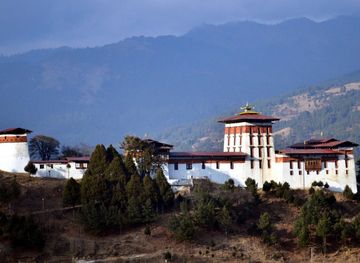

Destinations in Eastern Bhutan
Resorts, valleys and scenic spots worth a trip of their own.


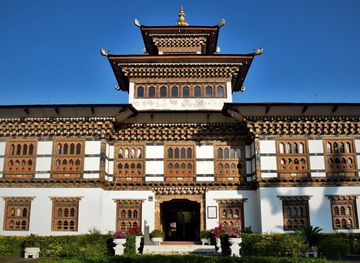

Explore Eastern Bhutan: Things to Do, Places to Eat, Hotels & More
Handpicked recommendations for top attractions, local dining, accommodations, and more

Top Attractions & Sightseeing in Eastern Bhutan
Top-rated picks
Best Attractions

Manas National Park
Discover the breathtaking landscapes and rich biodiversity at Manas National Park, a UNESCO World Heritage site in Assam, India.

Dochula Chorten
Discover the serene beauty and spiritual significance of Dochula Chorten, a stunning Buddhist temple offering breathtaking Himalayan views in Bhutan.

Bumthang Valley
Experience the serene beauty and rich cultural heritage of Bumthang Valley, Bhutan's spiritual heart surrounded by breathtaking landscapes and ancient monasteries.

Meditation Caves Park
Experience tranquility and spiritual awakening at Meditation Caves Park in Dochula, Bhutan, surrounded by breathtaking Himalayan views.

Best landmarks in Eastern Bhutan
Top-rated picks
Best Landmarks

Buddha Dordenma Statue སྟོན་པ་རྡོར་གདན་མ།
Discover the serenity of the Buddha Dordenma Statue in Thimphu, Bhutan, a magnificent symbol of peace and spirituality amidst stunning landscapes.

Paro Taktsang
Discover the enchanting Paro Taktsang, a sacred cliffside monastery in Bhutan that offers breathtaking views, rich history, and spiritual tranquility.

National Museum of Bhutan འབྲུག་གི་འགྲེམས་སྟོན་ཁང་།
Uncover the rich culture and history of Bhutan at the National Museum, a stunning showcase of artifacts that illuminate the nation's heritage.

Buxa Fort
Explore Buxa Fort: A Majestic Historical Landmark in West Bengal Offering Scenic Views and Rich Heritage.

Best restaurants in Eastern Bhutan
Top-rated picks
Best Restaurants

Ambient Cafe
Experience the vibrant flavors of Bhutan at Ambient Cafe, Thimphu's beloved breakfast spot offering delightful cuisine in a cozy setting.

Zombala 2 Restaurant
Experience authentic Bhutanese cuisine at Zombala 2 Restaurant in Thimphu – where every meal tells a story.

Sonam trophel restaurant
Experience authentic Bhutanese cuisine at Sonam Trophel Restaurant in Paro - a must-visit culinary destination for travelers.

Zombala Restaurant
Experience authentic Bhutanese cuisine at Zombala Restaurant in Thimphu – a must-visit culinary destination for every traveler.

Best bars in Eastern Bhutan
Top-rated picks
Best Bars
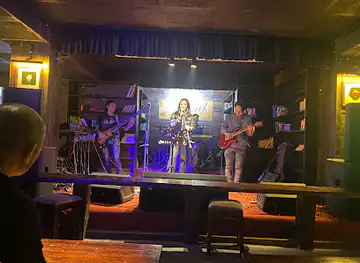
Mojo Park
Experience the vibrant nightlife of Thimphu at Mojo Park, where delicious food meets live music in a lively atmosphere.

Namgay Artisanal Brewery
Experience the essence of Bhutan through unique craft beers at Namgay Artisanal Brewery in Paro, a haven for beer lovers.

PARK 76 Cafe & Pub
Experience the vibrant nightlife of Paro at PARK 76 Cafe & Pub, where live music and a welcoming atmosphere await every visitor.

Willing Waterfall Cafe
Experience the beauty of nature and authentic Bhutanese cuisine at Willing Waterfall Cafe, a serene retreat along the Wangdue Phodrang - Trongsa Highway.

Best nightclubs in Eastern Bhutan
Top-rated picks
Best Nightclubs

Viva City
Experience the vibrant nightlife of Thimphu at Viva City, where music, dance, and unforgettable moments come alive in a modern setting.

DG Wanderlust Club @Thimphu hongkong market/oppesite of Thimphu BOB main Branch office
Discover the vibrant nightlife at DG Wanderlust Club in Thimphu, where music, dance, and energy unite for an unforgettable experience.

Space 34 DOS
Discover the vibrant nightlife of Thimphu at Space 34 DOS, a premier night club offering an unforgettable experience with stylish ambiance and lively entertainment.

ACE CLUB, Thimphu
Experience the vibrant nightlife of Thimphu at ACE CLUB, where traditional and modern dance intertwine for an unforgettable evening.

Best shops in Eastern Bhutan
Top-rated picks
Best Shops

Centenary Farmers Market
Explore the Centenary Farmers Market in Thimphu for fresh produce, authentic Bhutanese cuisine, and vibrant local culture.

Google Collection Mongar Bhutan
Experience the vibrant culture of Bhutan at Google Collection in Mongar, where local crafts and essentials meet Himalayan charm.

Jungshi handmade paper factory
Discover the art of traditional Bhutanese paper-making at Jungshi Handmade Paper Factory, a unique cultural experience in Thimphu.

CSI Market
Explore the vibrant CSI Market in Thimphu, where local culture, delicious cuisine, and unique artisan crafts come together for an unforgettable experience.

Explore Eastern Bhutan on the Map
A handpicked selection of must-see spots in Eastern Bhutan, mapped for you.
Eastern Bhutan Essentials
-
Eastern Bhutan can be accessed primarily through Paro International Airport (PBH), the only international airport in Bhutan, located in Paro. From Paro, you can take a domestic flight to Yongphulla Airport, which serves the eastern regions. Alternatively, you can travel by road from Thimphu or Paro to Trashigang, the main town in Eastern Bhutan, which takes approximately two days by car. There are also regular bus services from Thimphu to various towns in Eastern Bhutan.
-
Within Eastern Bhutan, transportation options include buses, taxis, and private cars. Local taxis are available in most towns and are an affordable and convenient way to get around. For more remote areas, hiring a car with a driver is recommended. Public buses connect major towns, but schedules can be irregular. For a more immersive experience, you can also explore the region on foot or by bicycle, especially in rural areas.
-
The official currency of Bhutan is the Bhutanese Ngultrum (BTN). Indian Rupees (INR) are also widely accepted. Credit cards are accepted in some hotels and larger establishments, but it is advisable to carry cash, especially in smaller towns and rural areas. ATMs are available in larger towns such as Trashigang and Mongar, but they may not always be reliable, so ensure you have sufficient cash for your needs.
-
Eastern Bhutan is generally a safe destination for tourists with low crime rates. However, it is always wise to take standard precautions. Avoid walking alone at night in unfamiliar areas and keep your belongings secure. There are no specific high-crime areas targeting tourists, but staying vigilant is recommended.
-
In case of emergency, dial 113 for police assistance and 112 for medical emergencies. Hospitals and medical facilities are available in major towns such as Trashigang and Mongar. It is recommended to have comprehensive travel insurance that covers medical emergencies. Pharmacies are available in towns for over-the-counter medications. Always carry a basic first aid kit, especially when traveling to remote areas.
-
Fashion: Do dress modestly, especially when visiting religious sites. Avoid wearing revealing clothing. Religion: Do respect local customs and traditions. Always remove your shoes and cover your head when entering temples and monasteries. Public Transport: Do be respectful and give up your seat to elderly passengers. Don't eat or drink on public transport. Greetings: Do greet people with a slight bow and 'Kuzuzangpo' (hello). Avoid touching the head of anyone, including children. Eating & Drinking: Do try local delicacies such as Ema Datshi. Don't refuse food or drink offered by locals, as it is considered impolite.
-
To experience Eastern Bhutan like a local, visit the local markets where you can buy fresh produce and traditional Bhutanese goods. Engage with locals, who are often friendly and willing to share stories about their culture and traditions. Don't miss visiting the Trashigang Dzong and the sacred sites of Gom Kora and Khaling. For a unique experience, participate in local festivals such as the Trashigang Tsechu, which offers vibrant cultural performances and a glimpse into Bhutanese traditions.
When is the best time to visit Eastern Bhutan?
Useful Local Phrases for Eastern Bhutan
You don't need to speak the language perfectly. Even learning a few simple words can make conversations warmer—and locals usually appreciate the effort.
— Eve

Here are the phrases I use most often in Eastern Bhutan. Try a few—you'll be surprised how far they go! 😊
❤️
-
- Helloབཀྲ་ཤིས་
[Kuzu zangpo] - Goodbyeབཞུགས་གནང་
[Zhug nang] - Yesའོད་
[A] - Noམེད་
[Me] - Please/You're welcomeཐུགས་རྗེ་
[Thukje] - Thank youཐུགས་རྗེ་ཆེ་
[Thukje che] - Excuse me/Sorryསྐྱེས་སྦྱང་
[Kye zhang] - How are you?ཁྱེད་ལ་ངོས་འདྲ་བསྟན་པས་
[Khey la ngö drang ten pa?] - Fine. And you?ང་བདེ་བ་ཡིན་ན་ཁྱེད་ལ་གང་ཡིན་?
[Nga dewa yin na khey la gang yin?] - Do you speak English?ཁྱེད་ལ་ཨང་གི་སྐད་པ་གཟུགས་ཡོད་པས་?
[Khey la ang gi kèpa zugs yoe pa?] - I don't understandང་ངོས་འདྲ་བའི་མེད་
[Nga ngö drang ba med]
- Helloབཀྲ་ཤིས་
-
- I'd like to see the menu, pleaseང་གསོལ་བཏང་ཞེས་པའི་བྱས་དགོངས་པར་བཟོ་རོགས་
[Nga sol tang zhes pa yéy gong par zo rogs] - I don't eat meatང་ཉལ་བོད་ལ་མི་བཟོ་བའི་མེད་
[Nga nyal bod la mi zo ba med] - Cheers!བསོད་ནམས་བདེ་བའི་འགན་འཁྲུལ་
[Soe nam dewa'i gen khru] - I would like to pay, pleaseང་དང་པོའི་བརྗོད་སྒོར་དགོངས་པས་
[Nga dangpo'i jor gor gong pa?]
- I'd like to see the menu, pleaseང་གསོལ་བཏང་ཞེས་པའི་བྱས་དགོངས་པར་བཟོ་རོགས་
-
- Help!ཐོབ་གནང་
[Thob nang] - Go away!དགོངས་པ་བཞུགས་
[Gong pa zhug] - Call the Police!དབང་བཞིན་གཏང་བཞུགས་
[Wang zhin tang zhug] - Call a doctor!གསོ་བའི་རྒྱལ་སྤྱོད་བཞུགས་
[Soe wa'i gyal pyo zhug] - I'm lostང་འདོད་བརྗོད་མེད་
[Nga dod jor med] - I'm illང་འཕོ་མེད་
[Nga pho med]
- Help!ཐོབ་གནང་
-
- I'd like to buy...ང་ཕོ་བོད་མཐུན་འབད་སྦྱང་བཞུགས་
[Nga phobod thun yéy zhu] - I'm just lookingང་བཤད་རྒྱུ་ལ་བཤད་ཡོད་
[Nga shed gyu la she yoe] - How much is it?འདི་པར་ག་རེ་ཡིན་?
[Di par ga re yin?] - That's too expensiveའདི་གིས་རྫོག་བཞི་བཏང་ཡོད་
[Di gi rdzog zhi tang yoe] - Can you lower the price?ཁྱེད་ལ་བཀྲ་ཤིས་བཟོ་བ་རེད་?
[Khey la kyu shé zo ba red?]
- I'd like to buy...ང་ཕོ་བོད་མཐུན་འབད་སྦྱང་བཞུགས་
-
- What time is it?ད་ལྟ་ག་རེ་ཡིན་?
[Da ta ga re yin?] - It's one o'clockདུས་ཐོག་བཅས་གནང་
[Dus thog che nang] - Half past (10)ཅོ་ལྷག་བཅས་(10)
[Cho lhak che (10)] - Morningདགོངས་བརྗོད་
[Gong jor] - Afternoonདབང་བཏང་
[Wang tang] - Eveningདགོངས་སྨོན་
[Gong men] - Yesterdayདུས་སུ་བཀྲ་ཤིས་
[Dus su ku zang] - Todayདེ་རིང་
[De ring] - Tomorrowདེ་རིང་དུ་
[De ring du] - 1དང་པོ་
[Dangpo] - 2གཉིས་
[Gnyis] - 3གསུམ་
[Gsum] - 4བཞི་
[Zhi] - 5ལྔ་
[Nga] - 6དྲུག་
[Drug] - 7བདུན་
[Dün] - 8བརྩེད་
[Dré] - 9དགུ་
[Dgu] - 10བཅོ་
[Chö]
- What time is it?ད་ལྟ་ག་རེ་ཡིན་?
-
- Where's a/the...?ག་རེ་ལ་མི་གནང་?
[Ga re la mi nang?] - What's the address?ག་རེ་འདི་པས་?
[Ga re di pa?] - Can you show me (on the map)?ཁྱེད་ལ་ང་འགོ་བསྟན་གཟུགས་ཡོད་?
[Khey la nga go ten zhu?] - When's the next (bus)?དེ་འདྲི་གཉིས་བྱས་ཡོད་?
[De dré gnyis yéy?] - A ticket (to ....)རྒྱལ་སྤྱོད་བྱས་ན་ཡོད་?
[Gyal pyo yéy?]
- Where's a/the...?ག་རེ་ལ་མི་གནང་?
History of Eastern Bhutan
-
Eastern Bhutan, known for its rugged terrain and pristine landscapes, has been a significant region in the spread of Buddhism. The arrival of Guru Rinpoche, also known as Padmasambhava, in the 8th century played a pivotal role. He is believed to have meditated in several caves in the region, blessing the land and its people. These sites, such as the revered Kurje Lhakhang in Bumthang, are now important pilgrimage destinations.
-
Eastern Bhutan is predominantly inhabited by the Sharchops, considered the original inhabitants of Bhutan. Their history is deeply intertwined with the region's cultural and spiritual fabric. The Sharchops have maintained a unique identity, preserving ancient customs, dialects, and traditions that continue to thrive in modern times.
-
Dzongs, or fortress-monasteries, are central to Bhutanese culture and governance. In Eastern Bhutan, several significant dzongs were established, such as Trashigang Dzong in the 17th century by Chögyal Minjur Tenpa. These dzongs served as administrative and religious centers, playing crucial roles in the region's defense and spiritual life.
-
In the 19th century, Eastern Bhutan was affected by the British expedition led by Ashley Eden in 1864. This incursion resulted in the Treaty of Sinchula in 1865, which ceded parts of Bhutanese territory to British India. The treaty marked a significant moment in Bhutan's history, impacting its territorial integrity and political landscape.
-
Eastern Bhutan played a vital role in the unification of the country under the Wangchuck dynasty in the early 20th century. The support from influential leaders and the cooperation of the local populace were instrumental in consolidating power and establishing a unified Bhutanese state.
-
Eastern Bhutan is renowned for its vibrant festivals, such as the Trashigang Tshechu, which showcases the region's rich cultural heritage. These festivals, marked by colorful dances, rituals, and community gatherings, are a testament to the enduring traditions and spiritual devotion of the people.
-
In recent decades, Eastern Bhutan has seen significant developments in infrastructure, education, and healthcare, improving the quality of life for its residents. Concurrently, there has been a strong emphasis on preserving the region's cultural and natural heritage, ensuring that its historical and cultural significance remains intact for future generations.
Neighbouring Regions of Eastern Bhutan
The closest regions to Eastern Bhutan, if you have time for more than one.
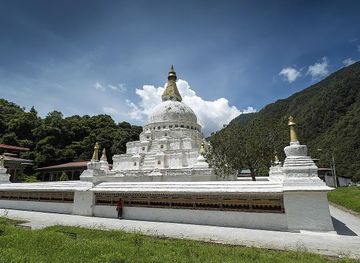


Your all‑in‑one travel companion app
Explore expert travel guides, compare and book tours, experiences, hotels, and more—all from the palm of your hand. Download now for seamless trip planning wherever your wanderlust takes you.


Explore More of Bhutan

Looking beyond Eastern Bhutan? Discover Bhutan for broader travel guides, local hot-spots, and regional highlights.
Explore BhutanEastern Bhutan in Photos
Browse through our photo collection highlighting the charm and character of the destination.


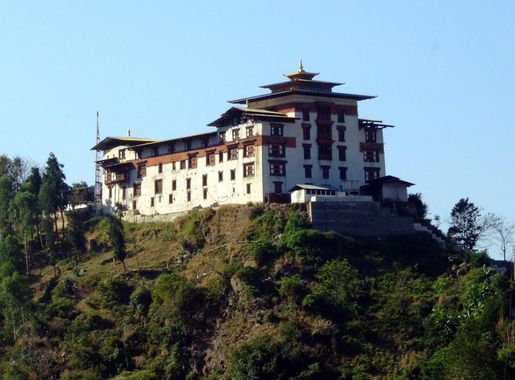


Eastern Bhutan: The Hidden Gem of the Himalayas
Eastern Bhutan is a region of unparalleled beauty and rich cultural heritage. Nestled in the heart of the Himalayas, it offers a unique glimpse into Bhutanese life that is less touched by modernization compared to its western counterparts. The landscape here is a picturesque blend of rolling hills, dense forests, and serene valleys, making it a paradise for nature lovers. Exploring Eastern Bhutan, you'll come across charming villages where time seems to stand still. The people here are warm and welcoming, often inviting travelers into their homes to share a meal or a cup of traditional butter tea. The region is also home to some of Bhutan's most sacred monasteries and ancient temples, each with its own fascinating history and legends. For the adventurous, Eastern Bhutan offers numerous trekking routes that lead to breathtaking viewpoints. The flora and fauna here are diverse and abundant, with rare species of plants and animals that can be spotted along the way. Whether you're seeking spiritual enlightenment, cultural immersion, or natural beauty, Eastern Bhutan has something to offer every traveler.