

Free Sarpang Travel Guide & Mobile App
Explore Sarpang with free travel guides. Discover regional history, expert tips, proposed trips, and audio guides on web or mobile app.


Explore Sarpang in southern Bhutan for subtropical forests, wildlife landscapes, borderland culture, Gelephu markets and a warmer lowland journey.
Read more about Sarpang
When is the best time to visit Sarpang?
Best: January–February, November · 22–25°C| Month | High (°C) | Rainfall (mm) |
|---|---|---|
| January (best) | 22 | 10 |
| February (best) | 24 | 15 |
| March | 28 | 20 |
| April | 31 | 25 |
| May | 33 | 30 |
| June | 33 | 35 |
| July | 32 | 40 |
| August | 31 | 35 |
| September | 30 | 30 |
| October | 29 | 25 |
| November (best) | 25 | 20 |
| December | 22 | 15 |
Getting to and around Sarpang
How to get there
Transportation
Destinations in Sarpang
Resorts, valleys and scenic spots worth a trip of their own.
-

-


Swipe for more destinations
Best attractions in Sarpang
Sarpang’s attractions are primarily ecological, cultural and experiential rather than a long sequence of monumental sights. Gelephu provides the district’s most convenient base, with markets, everyday Bhutanese urban life and access to the southern plains. Around the district, agricultural landscapes, subtropical forest and river corridors offer opportunities for birdwatching, nature walks and guided wildlife excursions. The Sarpang side of the wider Royal Manas National Park landscape is especially important for visitors interested in elephants, gaur, deer, primates and forest birds, although access and accommodation arrangements should be confirmed locally. Rural communities and smaller settlements provide a view of southern Bhutan’s farming traditions and linguistic diversity. Historic and religious sites, including Sarpang Dzong, add a civic and cultural dimension, while the nearby border environment reveals the commercial connections between Bhutan and Assam. The experience is quieter and less purpose-built for tourism than the western valleys, making responsible local guidance particularly valuable. Travellers should allow for heat, humidity, changing road conditions and limited facilities outside Gelephu when planning excursions.
-
Buddhist temple
Buddha Dordenma Statue སྟོན་པ་རྡོར་གདན་མ།
Experience the serenity and grandeur of the Buddha Dordenma Statue, a spiritual landmark and stunning architectural marvel in Thimphu, Bhutan.
-
National museum
National Museum of Bhutan འབྲུག་གི་འགྲེམས་སྟོན་ཁང་།
Explore Bhutan's rich cultural heritage at the National Museum, featuring stunning artifacts and breathtaking views in the heart of Paro.
-
Buddhist temple
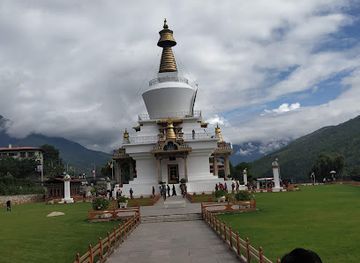
National Memorial Chhorten རྒྱལ་ཡོངས་རྗེས་དྲན་མཆོད་རྟེན།
Experience the tranquil beauty and profound spirituality of the National Memorial Chhorten, a must-see Buddhist stupa in Thimphu, Bhutan.
-
Buddhist temple
Punakha Dzong སྤུ་ན་ཁ་རྫོང་།
Experience the architectural splendor and spiritual serenity of Punakha Dzong, Bhutan's historical fortress-monastery nestled in breathtaking landscapes.
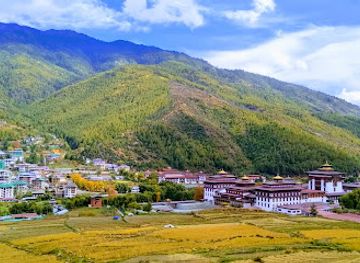
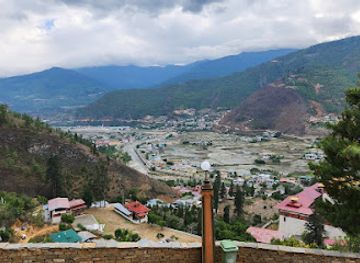
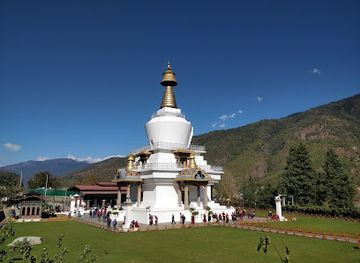

Best landmarks in Sarpang
Sarpang Dzong is among the district’s most recognisable built landmarks, representing the administrative and religious architecture associated with Bhutanese dzong culture. Its setting in the southern district gives the familiar Bhutanese form a distinctly lowland context, far removed from the high valleys more commonly pictured in travel literature. In Gelephu, the border gate and surrounding commercial zone are important contemporary landmarks: together they express the town’s role as a point of contact between Bhutan and Assam, where trade, transport and everyday cross-border connections meet. The forested landscapes linked to Royal Manas National Park form Sarpang’s most significant natural landmark system. Rivers, sal forest and open lowland habitats create a visual and ecological contrast with Bhutan’s mountain scenery, while the wider Manas landscape is recognised for its exceptional wildlife importance. These places are best understood as living cultural and environmental features rather than as isolated monuments, and access to protected areas should follow local regulations and guidance.
-
Buddhist temple
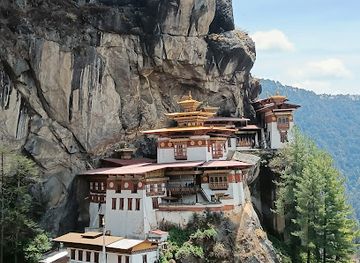
Paro Taktsang
Experience the breathtaking beauty and spiritual serenity of Paro Taktsang, Bhutan's iconic Tiger's Nest Monastery, perched high in the Himalayas.
-
Buddhist temple
Punakha Dzong སྤུ་ན་ཁ་རྫོང་།
Explore the breathtaking Punakha Dzong, a stunning fortress-monastery that embodies Bhutan's rich history and architectural beauty amidst serene landscapes.
-
Bridge
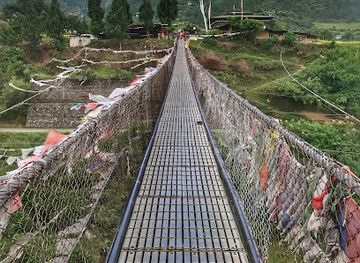
Punakha Suspension Bridge
Discover the breathtaking views and adventure on the longest suspension bridge in Bhutan, a must-visit attraction in Punakha.
-
Heritage museum
Simply Bhutan
Discover the heart of Bhutanese culture at Simply Bhutan, a heritage museum that offers an immersive experience into the country's rich traditions and history.

Explore Sarpang on the map
Plan your trip on one map. See where the top cities, national parks and sights are, and book hotels and experiences in a few clicks.
Best hotels in Sarpang
Best restaurants in Sarpang
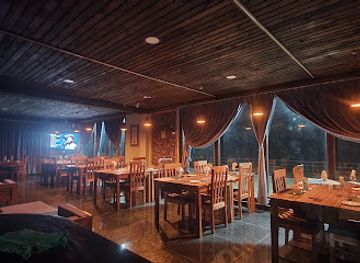
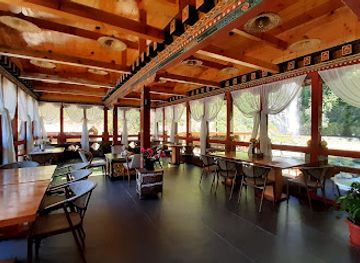
Dining in Sarpang reflects the district’s subtropical setting and its close relationship with Assam and other parts of South Asia. Gelephu has the broadest choice, ranging from Bhutanese eateries and casual cafés to Indian and Nepali-style food suited to the local borderland population. Ema datshi and other chilli-and-cheese dishes remain part of the wider Bhutanese culinary tradition, while rice, vegetables, lentils, noodles, dumplings and meat preparations are common across everyday menus. Southern farms supply rice, vegetables, fruit and other produce, although availability changes with the season. Small restaurants and hotel dining rooms are generally more useful than expecting a formal fine-dining scene, and rural options can be limited outside the main town. Visitors should ask about spice levels, as local cooking can be considerably hotter than international versions of familiar dishes. Markets and informal food stalls offer a practical way to encounter the district’s Bhutanese, Nepali and Indian culinary influences.
-
Bistro
MERENGMA' Bistro
Savor exquisite dishes at MERENGMA' Bistro in Khuruthang - where local flavors meet modern culinary artistry.
-
Restaurant
Willing Waterfall Cafe
Discover tranquility at Willing Waterfall Cafe – where culinary delights meet breathtaking natural beauty along Bhutan's scenic highway.
-
Restaurant
Hotel Chicken Dinner
Discover unique flavors at Hotel Chicken Dinner in Khuruthang - where exceptional cuisine meets stunning views.
-
Restaurant
Chh'a Bistro and Bar
Experience the fusion of traditional Bhutanese flavors and modern cuisine at Chh'a Bistro and Bar in Thimphu.
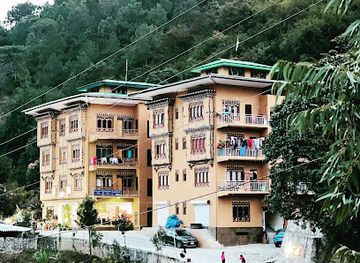

Best bars in Sarpang
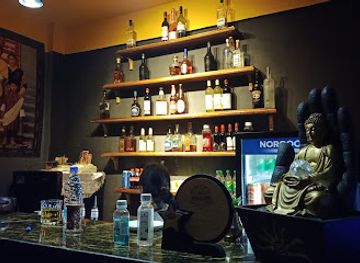
Sarpang does not have a large, concentrated nightclub scene. Evening life centres mainly on restaurants, hotel lounges, modest local bars and Bhutanese gathering places in Gelephu, with occasional music and social activity rather than a fixed entertainment district. The town’s borderland connections give its night-time atmosphere a more commercial and mixed character than that of a remote mountain settlement, but venues and opening arrangements can change. In smaller communities, evenings are generally quiet and shaped by family life, local eateries and informal conversation. Visitors should drink responsibly, respect local customs and avoid assuming that alcohol is central to experiencing the district. Those seeking late-night entertainment will find fewer choices than in Thimphu or larger Indian cities, while travellers interested in local evening culture will gain more from a relaxed meal and a walk through Gelephu’s active commercial areas.
-
Bar
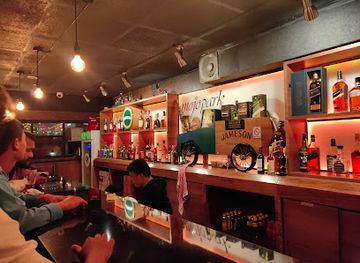
Mojo Park
Discover the lively nightlife of Thimphu at Mojo Park, a vibrant bar and restaurant offering live music and a diverse menu.
-
Live music bar
Real illusions Restro Bar
Dive into the heart of Thimphu's nightlife at Real Illusions Restro Bar, where live music and delicious cuisine come together for an unforgettable experience.
-
Bar
Pool cafe
Discover the vibrant Pool Cafe in Gelephu, Bhutan, where relaxation meets culinary delight amidst a serene poolside setting.
-
Restaurant
Someplace Else
Experience authentic Bhutanese cuisine at Someplace Else, a top-rated restaurant in Gelephu known for its warm hospitality and flavorful dishes.
Best nightclubs in Sarpang
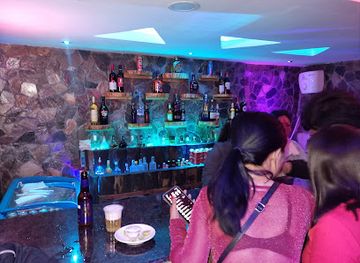
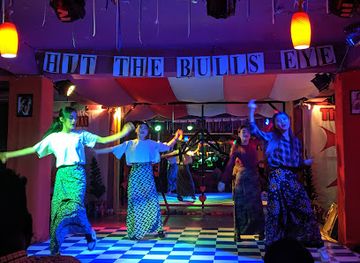
Sarpang does not have a large, concentrated nightclub scene. Evening life centres mainly on restaurants, hotel lounges, modest local bars and Bhutanese gathering places in Gelephu, with occasional music and social activity rather than a fixed entertainment district. The town’s borderland connections give its night-time atmosphere a more commercial and mixed character than that of a remote mountain settlement, but venues and opening arrangements can change. In smaller communities, evenings are generally quiet and shaped by family life, local eateries and informal conversation. Visitors should drink responsibly, respect local customs and avoid assuming that alcohol is central to experiencing the district. Those seeking late-night entertainment will find fewer choices than in Thimphu or larger Indian cities, while travellers interested in local evening culture will gain more from a relaxed meal and a walk through Gelephu’s active commercial areas.
-
Night club
Viva City
Discover the heart of Thimphu's nightlife at Viva City, a vibrant night club offering an unforgettable cultural experience.
-
Night club
DG Wanderlust Club @Thimphu hongkong market/oppesite of Thimphu BOB main Branch office
Discover the vibrant nightlife of Thimphu at DG Wanderlust Club, where music, culture, and fun collide in a unique night out.
-
Night club
Space 34 DOS
Discover the heart of Thimphu's nightlife at Space 34 DOS, where vibrant music and an inviting atmosphere await every visitor.
-
Night club
ACE CLUB, Thimphu
Discover the electric nightlife at ACE CLUB in Thimphu, where local culture meets modern entertainment in a vibrant setting.


Best shops in Sarpang
Shopping in Sarpang is concentrated in Gelephu, where practical local commerce and borderland trade are more prominent than specialist luxury retail. Small shops and market areas sell clothing, household goods, snacks, fresh produce and everyday supplies, while food stalls and vendors reflect connections with Assam and the wider southern plains. Travellers can look for Bhutanese packaged foods, chilli products, incense, woven items and locally produced agricultural goods, although the selection varies by season and shop. Sarpang is not primarily a craft-shopping destination, so visitors should avoid expecting the range of textiles and handicrafts found in larger tourist centres. The most meaningful purchases are often modest: regional food products, handmade items bought directly from local sellers, or goods associated with Bhutanese daily life. When shopping near the border, check prices and currency carefully, carry smaller notes where possible and remember that export restrictions may apply to antiques, wildlife products and culturally important objects.
-
Shopping mall
Yangki Shopping Complex
Explore Yangki Shopping Complex in Paro for a unique blend of modern retail and traditional Bhutanese craftsmanship.
-
Furniture store
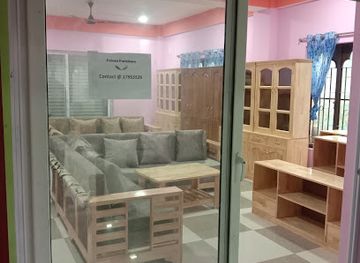
Falcon furniture house
Discover exquisite craftsmanship and unique designs at Falcon Furniture House in Gelephu, Bhutan - a treasure trove for furniture lovers.
-
Women's clothing store
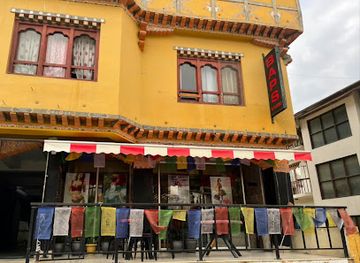
Bap’s Store
Explore the unique blend of traditional and contemporary women's fashion at Bap’s Store in Thimphu, a must-visit for every fashion-loving traveler.
-
Supermarket
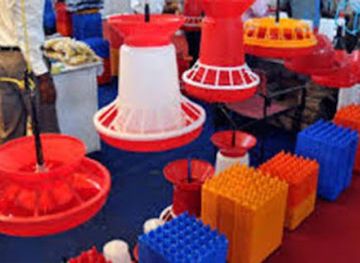
Gautam Poultry Equipment and General Supplies
Explore Gautam Poultry Equipment and General Supplies in Bhutan for unique poultry supplies and general merchandise, a true local shopping experience.

Get your free copy of our complete guide to Sarpang, delivered straight to you.
Everything on this page, from attractions and restaurants to essentials and local phrases, in one PDF you can read offline, print or share.
Already have an account? Sign in
Your Sarpang guide is ready.
We'll send it to · Not you? Sign out

Getting your guide ready…
We are putting together a fresh copy of the Sarpang guide. This can take up to a minute.
This can take a few moments. If your browser asks, choose Allow so the download can start. You'll find the guide in your Downloads folder.
Nothing happened? Download it again
Sorry, the guide is taking longer than usual. Please try again in a minute, or get it by email instead.
Sarpang essentials
Currency and Payment
Safety
Emergency Situations
Do's and Don'ts
Local Tips
From Eve
Local phrases worth knowing
You don't need to get them perfect. A few words go a long way, and locals appreciate the effort.
Basics
| English | Local | Say it |
|---|---|---|
| Hello | བཀྲ་ཤིས་འདེབས་ | [Kuzuzangpo] |
| Goodbye | བཞུགས་གནང་ | [Lhagzang] |
| Yes | འདོད་ | [Ado] |
| No | མ་འདོད་ | [Ma ado] |
| Please/You're welcome | ཁྱེད་ཀྱི་འདོད་ | [Khyekyi ado] |
| Thank you | ཐུགས་རྗེ་ཆེན་ | [Thukjechen] |
| Excuse me/Sorry | ཁྱེད་ཀྱི་བཞེས་ | [Khyekyi zhes] |
| How are you? | ཁྱེད་ལ་ངེས་བཞུགས་? | [Khyekla ngeshug?] |
| Fine. And you? | ང་བདེ་བ་ཡིན་, ཁྱེད་ལ་ག་རེ་ཡིན་? | [Nga dewa yin, kheyel ga re yin?] |
| Do you speak English? | ཁྱེད་ལ་དབྱངས་ཡིན་? | [Khyekla yangyin?] |
| I don't understand | ང་གཉེས་མ་བྱེད་ | [Nga gnyes ma jey] |
Eating & Drinking
| English | Local | Say it |
|---|---|---|
| I'd like to see the menu, please | ང་ཁྱེད་ལ་བསྡུར་བ་མཐའ་འབྲེལ་བཞིན་གནང་ | [Nga khyedla durba methar drelshin nang] |
| I don't eat meat | ང་མོར་བཟས་མ་བྱེད་ | [Nga mor zey ma jey] |
| Cheers! | བཟོད་དང་བཟོད་ཕ་རིང་ | [Zod dang zod pharing] |
| I would like to pay, please | ང་ཁྱེད་ལ་དངོས་བསྡུར་བ་བཞིན་གནང་ | [Nga khyedla ngor durba zheshin nang] |
Emergencies
| English | Local | Say it |
|---|---|---|
| Help! | རོགས་གནང་! | [Rog nang!] |
| Go away! | འགྲོ་གནང་! | [Dro nang!] |
| Call the Police! | དང་བཞིན་བརྒྱུད་གནང་! | [Dang shen gyud nang!] |
| Call a doctor! | གསོ་སྤྱོད་གནང་! | [Sopcho nang!] |
| I'm lost | ང་འབྲེལ་མ་བྱེད་ | [Nga dral ma jey] |
| I'm ill | ང་མི་བདེ་བ་མ་བྱེད་ | [Nga mi dewa ma jey] |
Shopping
| English | Local | Say it |
|---|---|---|
| I'd like to buy... | ང་ཁྱེད་ལ་བཀྲ་ཤིས་བཏང་བཞིན་གནང་ | [Nga khyedla khrishi tang zheshin nang] |
| I'm just looking | ང་གསོལ་བ་སོགས་ལྟ་བཞིན་ | [Nga solwa sogs ta zheshin] |
| How much is it? | ཁྱེད་ལ་ག་རེ་བཏང་འདུག་? | [Khyekla ga re tang duk?] |
| That's too expensive | དེ་འདི་མི་སྤུར་བཏང་འདུག་ | [De di mi pur tang duk] |
| Can you lower the price? | ཁྱེད་ལ་དབྱིབས་བཏང་འདུག་? | [Khyekla dyips tang duk?] |
Time & Numbers
| English | Local | Say it |
|---|---|---|
| What time is it? | དུས་ཚོད་ག་རེ་ཡིན་? | [Dus tshe ga re yin?] |
| It's one o'clock | དུས་ཚོད་ 1 ཡིན་ | [Dus tshe 1 yin] |
| Half past (10) | དུས་ཚོད་ 10 ལྷག་ཆེད་ | [Dus tshe 10 lhakche] |
| Morning | དགོང་ཁུངས་ | [Gongkhung] |
| Afternoon | དངོས་ཁུངས་ | [Nongkhung] |
| Evening | དབང་ཁུངས་ | [Wangkhung] |
| Yesterday | ཁ་སྐམ་ | [Kha kam] |
| Today | དེ་རིང་ | [De ring] |
| Tomorrow | གཉེས་སྐམ་ | [Gnyes kam] |
| 1 | 1 | [1] |
| 2 | 2 | [2] |
| 3 | 3 | [3] |
| 4 | 4 | [4] |
| 5 | 5 | [5] |
| 6 | 6 | [6] |
| 7 | 7 | [7] |
| 8 | 8 | [8] |
| 9 | 9 | [9] |
| 10 | 10 | [10] |
Transport & Directions
| English | Local | Say it |
|---|---|---|
| Where's a/the...? | ག་པར་བཟོད་འདུག་? | [Gapar zod duk?] |
| What's the address? | ཁྱེད་ལ་ག་རེ་འདི་ཡིན་? | [Khyekla ga re di yin?] |
| Can you show me (on the map)? | ཁྱེད་ལ་དེ་འབྲེལ་བཞིན་གནང་? | [Khyekla de dral zheshin nang?] |
| When's the next (bus)? | ག་རེ་འདི་སྤོད་འདུག་? | [Ga re di pod duk?] |
| A ticket (to ....) | ཀྱི་རྐྱེན་ | [Kyi kyen] |
History of Sarpang
Early settlement and the southern foothills
Sarpang’s lowlands have long formed part of the cultural and ecological zone between the Bhutanese foothills and the plains of Assam. River corridors, forests and seasonal routes encouraged movement and exchange well before modern roads reached the district. The southern foothills were not an isolated frontier: communities with different languages and religious traditions lived in contact with neighbouring areas, while the forests provided timber, grazing and wildlife habitat. This long borderland history remains visible in Sarpang’s mixed settlement patterns and food culture.
The spread of southern settlements
During the nineteenth and twentieth centuries, settlement expanded across Bhutan’s southern foothills and plains. Nepali-speaking communities, commonly known in Bhutan as Lhotshampa, became particularly numerous in the south, alongside other Bhutanese communities and families with connections across the Indian border. Agriculture developed around rice, maize, vegetables and livestock, while forest clearance and shifting patterns of land use altered parts of the lowland environment. Sarpang’s present-day social and cultural character is closely connected to these movements of people and the growth of settled farming.
Malaria eradication and state development
For much of the twentieth century, malaria and other tropical diseases made Bhutan’s southern belt difficult to access and settle. Public-health campaigns, especially from the mid-twentieth century onwards, transformed conditions in the plains and enabled more reliable administration, schooling, farming and road construction. The eradication of malaria was part of a wider process of modern state development in Bhutan. In Sarpang, it helped connect lowland communities more closely with the national government and with emerging commercial centres such as Gelephu.
The creation of protected forests
Bhutan’s southern forests gained increasing formal protection as the country developed its modern conservation system. Royal Manas National Park, established in the 1960s and later expanded and renamed, protects an important section of the Manas river landscape across southern and central Bhutan. The protected area is significant for elephants, gaur, tigers, rhinoceros, hornbills and other species, and forms part of a wider ecological region extending towards India. Conservation in and around Sarpang reflects Bhutan’s continuing effort to balance rural livelihoods, infrastructure and biodiversity.
Roads, trade and Gelephu’s growth
The construction and improvement of roads linking the southern plains with Bhutan’s interior changed Sarpang’s economic role. Gelephu developed as a principal commercial and administrative centre, with trade and daily connections focused on the nearby Indian border. Roads brought stronger links to markets, government services and other districts, although journeys north still involve steep terrain and substantial travel times. The district’s present identity as a gateway is therefore relatively modern, shaped by transport infrastructure as much as by its older agricultural and forest landscapes.
Contemporary Sarpang and southern Bhutan
Today, Sarpang combines a growing town-based economy with farming villages, protected forests and borderland commerce. Gelephu’s position gives it national importance as a southern access point, while the district remains closely tied to debates about conservation, land use and regional development. The population reflects Bhutan’s complex southern history, with Nepali-speaking Lhotshampa communities forming an important part of local society alongside other groups. Visiting Sarpang offers insight into a Bhutan that is more subtropical, commercially connected and culturally diverse than the country’s better-known highland image.
Sarpang in Photos
Browse through our photo collection highlighting the charm and character of the destination.
Neighbouring regions of Sarpang
The closest regions to Sarpang, if you have time for more than one.
-

-

-

-

-


Swipe for more regions
Explore more

Explore more of Bhutan
Experience the enchantment of Bhutan, a Himalayan paradise where tradition meets tranquility and Gross National Happiness reigns supreme.
Explore Bhutan