

Free Amazon Basin Travel Guide & Mobile App
Explore Amazon Basin with free travel guides. Discover regional history, expert tips, proposed trips, and audio guides on web or mobile app.


Explore Bolivia’s Amazon Basin through rainforest rivers, wildlife-rich wetlands, Indigenous cultures and gateway towns such as Rurrenabaque and Riberalta.
Read more about Amazon Basin
When is the best time to visit Amazon Basin?
Best: June–August · 29°C| Month | High (°C) | Rainfall (mm) |
|---|---|---|
| January | 30 | 300 |
| February | 30 | 280 |
| March | 30 | 250 |
| April | 30 | 200 |
| May | 29 | 180 |
| June (best) | 29 | 160 |
| July (best) | 29 | 150 |
| August (best) | 29 | 160 |
| September | 29 | 180 |
| October | 30 | 200 |
| November | 30 | 250 |
| December | 29 | 280 |
Getting to and around Amazon Basin
How to get there
Transportation
Top city travel guides in Amazon Basin
The cities of Amazon Basin, and the easiest places to base yourself.
-
-

-

-

-

-


Swipe for more cities
Destinations in Amazon Basin
Resorts, valleys and scenic spots worth a trip of their own.
-

-
-

-

-

-


Swipe for more destinations
Best attractions in Amazon Basin
The Amazon Basin’s attractions are principally ecological and cultural rather than concentrated in large built complexes. Around Rurrenabaque, Madidi National Park offers guided forest walks, canoe journeys and opportunities to learn about one of Bolivia’s most important protected landscapes, while Pilón Lajas combines rainforest, rivers and Indigenous territorial traditions. The Yacuma area near Santa Rosa de Yacuma is characterised by open, seasonally flooded grasslands where boat excursions may reveal capybaras, caimans, river dolphins and abundant birdlife. Trinidad provides access to the broad Beni floodplain and a useful introduction to regional history, cattle culture and river transport. In the north, Riberalta and Guayaramerín reveal the commercial life of the major rivers and the continuing importance of Brazil-nut processing. Cobija and surrounding Pando offer forest roads, streams and community-based excursions, though infrastructure is more limited. Birdwatching, fishing, wildlife observation, canoeing and forest interpretation are the principal activities; conditions depend heavily on rainfall, water levels and the quality of local guiding.
-
Tourist attraction
Gruta de San Pedro
Discover the enchanting Gruta de San Pedro, a breathtaking cave with a serene lake nestled in the heart of Challapampa, Bolivia.
-
Sport tour agency
Gravity Bolivia
Discover the exhilarating world of mountain biking with Gravity Bolivia, where adventure meets breathtaking landscapes in La Paz.
-
Tourist attraction
Cañón del Inca
Explore Cañón del Inca: Bolivia's breathtaking canyon offering stunning views, rich culture, and unforgettable hiking adventures in the heart of nature.
-
Nature preserve
Area Protegida Municipal "Aquicuana"
Explore the breathtaking beauty of Area Protegida Municipal Aquicuana, Bolivia's hidden gem of biodiversity and natural wonders.
Best landmarks in Amazon Basin
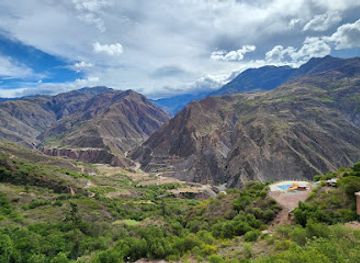
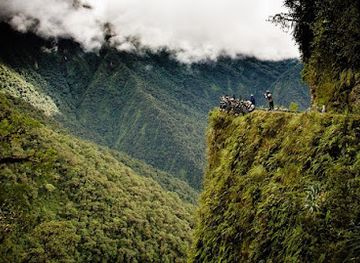
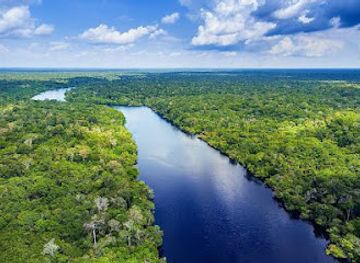
The Amazon Basin’s most significant landmarks are often rivers, protected landscapes and settlements rather than monumental architecture. The confluence of the Beni and Madre de Dios rivers near Riberalta expresses the region’s geography and its historic dependence on river commerce. Rurrenabaque’s position on the Beni River, beneath the eastern Andean foothills, marks the transition from upland routes to the lowland forest and serves as the visual gateway to Madidi. Trinidad’s historic centre and religious architecture reflect the town’s connection with the Jesuit mission period and its later role as a Beni administrative capital. In the wider Llanos de Moxos, raised fields, mounds and causeways are archaeological evidence of earlier societies that engineered the flooded landscape. Madidi’s forested river corridors and the open waterways of the Yacuma wetlands are natural landmarks of different character: one defined by dense rainforest and habitat diversity, the other by broad seasonal floodplains and expansive skies. Northern towns such as Cobija and Guayaramerín add a distinct borderland character shaped by rivers, Brazil-nut trade and connections with neighbouring Brazil.
-
Woods
Amazon Rainforest
Discover the rich biodiversity and cultural heritage of the Amazon Rainforest, a must-visit destination for adventurous travelers and nature enthusiasts.
-
Tourist attraction
The Witches Market
Explore La Paz's Witches Market - a vibrant hub of traditional crafts, unique souvenirs, and mystical experiences in the heart of Bolivia.
-
Sculpture
Cristo de la Concordia
Discover the breathtaking Cristo de la Concordia, a towering symbol of faith in Cochabamba, Bolivia, offering stunning views and a rich cultural experience.
-
River
Amazon River
Explore the Amazon River, a breathtaking natural wonder, teeming with wildlife and rich in cultural heritage, perfect for adventure seekers and nature lovers.


Explore Amazon Basin on the map
Plan your trip on one map. See where the top cities, national parks and sights are, and book hotels and experiences in a few clicks.
Best hotels in Amazon Basin
Best restaurants in Amazon Basin
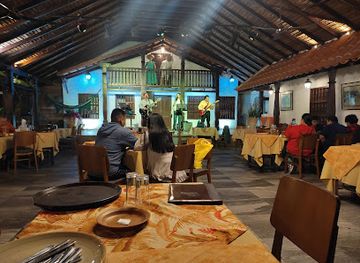
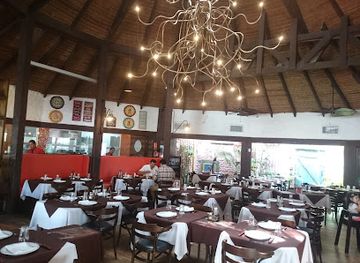
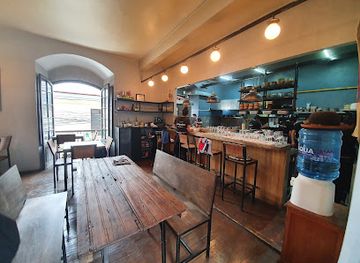
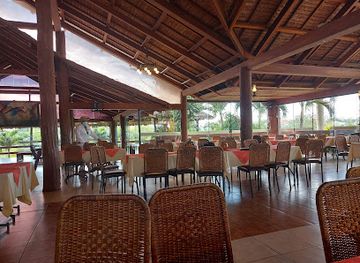
Dining in Bolivia’s Amazon Basin is shaped by river fish, tropical produce, rice, plantain, cassava and locally available game or farmed meats, with recipes varying between towns and communities. In Rurrenabaque, Trinidad, Riberalta and Cobija, casual restaurants and market stalls provide practical meals, while riverside establishments often focus on fresh fish when supplies permit. Tropical fruits and juices are prominent, and Brazil nuts are an important regional ingredient and product. Beni’s cattle-ranching tradition also influences menus, particularly in Trinidad and other larger settlements. Food choices become simpler in remote lodges and river communities, where provisions must be transported over long distances. Visitors should clarify ingredients and drinking-water arrangements, especially when eating away from established restaurants, and should approach Indigenous or community meals with respect rather than treating them as staged performances.
-
Restaurant
La Casa del Camba
Discover the authentic taste of Bolivia at La Casa del Camba in Santa Cruz de la Sierra - where tradition meets modern dining.
-
Steak
Restaurante El Arriero
Discover exquisite steaks and authentic Bolivian flavors at Restaurante El Arriero in Santa Cruz de la Sierra.
-
Restaurant
Bolivian Popular Food
Discover authentic Bolivian cuisine at Bolivian Popular Food in La Paz—where every dish tells a story of tradition and flavor.
-
Restaurant
Casa del Camba Urubó
Discover authentic Bolivian flavors at Casa del Camba Urubó, where tradition meets taste in an inviting setting.
Best bars in Amazon Basin
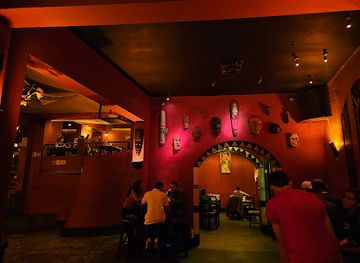
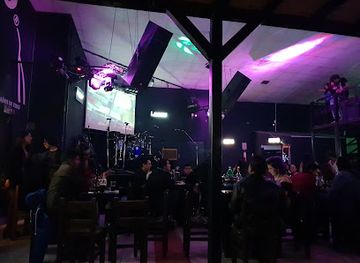
Evening life in the Amazon Basin is generally relaxed and social rather than centred on a large club scene. Rurrenabaque has the broadest visitor-oriented choice of small bars, casual restaurants and places offering music, while Trinidad, Riberalta and Cobija have local bars, cafés and restaurants where residents meet after the heat of the day. In smaller settlements, evenings may revolve around family gatherings, town squares or modest local venues rather than dedicated nightlife districts. Beer, soft drinks, fruit-based refreshments and regional spirits are commonly available, but drinking is not necessary to engage with Amazonian culture. Remote lodges usually keep evenings quiet, with meals, conversation, wildlife listening and early starts taking precedence. Seasonal celebrations may bring dancing and live music, although dates and programmes vary and should be checked locally.
-
Ecological park
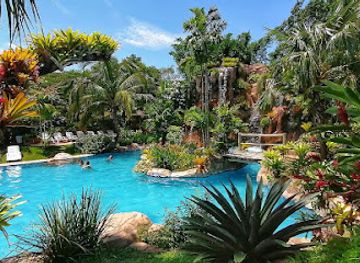
La Rinconada Ecoparque y Restaurante
Explore the lush landscapes, diverse wildlife, and delightful dining at La Rinconada Ecoparque y Restaurante near Santa Cruz de la Sierra.
-
Hotel
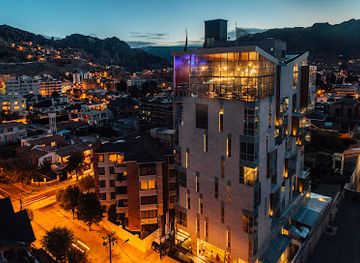
Atix Hotel
Experience unparalleled luxury and breathtaking views at Atix Hotel, the premier destination for travelers in La Paz, Bolivia.
-
Restaurant
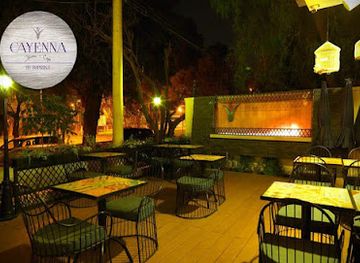
Cayenna Restaurant
Discover the culinary treasures of Cochabamba at Cayenna Restaurant, where local flavors meet international delight in a vibrant atmosphere.
-
South American
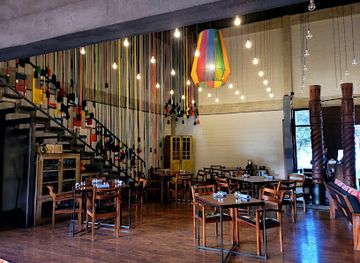
Gustu
Discover the heart of Bolivian culinary artistry at Gustu, where local flavors meet innovative dining in an unforgettable atmosphere.
Best nightclubs in Amazon Basin
Evening life in the Amazon Basin is generally relaxed and social rather than centred on a large club scene. Rurrenabaque has the broadest visitor-oriented choice of small bars, casual restaurants and places offering music, while Trinidad, Riberalta and Cobija have local bars, cafés and restaurants where residents meet after the heat of the day. In smaller settlements, evenings may revolve around family gatherings, town squares or modest local venues rather than dedicated nightlife districts. Beer, soft drinks, fruit-based refreshments and regional spirits are commonly available, but drinking is not necessary to engage with Amazonian culture. Remote lodges usually keep evenings quiet, with meals, conversation, wildlife listening and early starts taking precedence. Seasonal celebrations may bring dancing and live music, although dates and programmes vary and should be checked locally.
-
Dinner theater
Chaplin Show
Discover the joy of Bolivian culture through laughter at Chaplin Show, a premier dinner theater in Santa Cruz de la Sierra.
-
Bar
Pub & Disco Malegria
Discover the vibrant nightlife at Pub & Disco Malegria in La Paz, where energetic music and delicious drinks create unforgettable memories.
-
Live music bar
ROCKERS ALIVE MUSIC BAR
Experience the vibrant energy of La Paz at Rockers Alive Music Bar, where live music and a lively atmosphere come together to create unforgettable nights.
-
Disco club
New Pa'Goza
Dance the night away at New Pa'Goza, La Paz's vibrant disco club offering an electrifying atmosphere and a taste of Bolivian nightlife.


Best shops in Amazon Basin
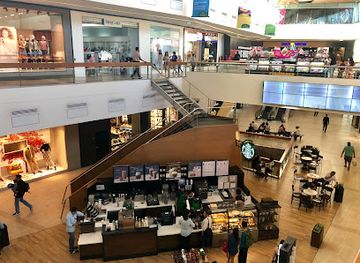
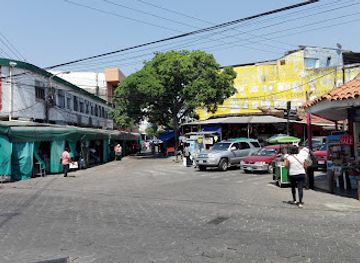
Shopping in the Amazon Basin is practical and locally focused, with the greatest choice in Rurrenabaque, Trinidad, Riberalta and Cobija. Markets sell tropical fruit, plantain, cassava, fish, household goods and seasonal produce, while small shops stock travel essentials and lightweight clothing. Brazil nuts are among the most characteristic regional purchases, especially in northern Bolivia, although visitors should choose properly packaged products and check customs rules before crossing borders. Artisans and community organisations may offer woven items, carved objects or other crafts linked to local Indigenous traditions; buy directly and ask about materials, cultural meaning and whether sales support the makers. Cobija and Guayaramerín have a noticeable border-trade atmosphere, while Riberalta reflects the processing and commercial importance of forest products. Do not purchase wildlife parts, archaeological objects, unverified medicinal products or plants collected from protected areas.
-
Shopping mall
Las Brisas Mall
Experience the lively blend of shopping, dining, and entertainment at Las Brisas Mall, the heart of Santa Cruz de la Sierra.
-
Gift shop
The Witches Market
Explore The Witches Market in La Paz, a vibrant hub of Bolivian culture offering unique handicrafts, traditional remedies, and mystical experiences.
-
Shopping mall
7 Calles Shopping Mall
Explore the lively 7 Calles Shopping Mall, a shopping haven in Santa Cruz de la Sierra, featuring diverse shops, dining, and entertainment options.
-
Ecological park
La Rinconada Ecoparque y Restaurante
Experience the harmony of nature and cuisine at La Rinconada Ecoparque y Restaurante, a must-visit eco-friendly attraction in Santa Cruz.

Get your free copy of our complete guide to Amazon Basin, delivered straight to you.
Everything on this page, from attractions and restaurants to essentials and local phrases, in one PDF you can read offline, print or share.
Already have an account? Sign in
Your Amazon Basin guide is ready.
We'll send it to · Not you? Sign out

Getting your guide ready…
We are putting together a fresh copy of the Amazon Basin guide. This can take up to a minute.
This can take a few moments. If your browser asks, choose Allow so the download can start. You'll find the guide in your Downloads folder.
Nothing happened? Download it again
Sorry, the guide is taking longer than usual. Please try again in a minute, or get it by email instead.
Amazon Basin essentials
Currency and Payment
Safety
Emergency Situations
Do's and Don'ts
Local Tips
From Eve
Local phrases worth knowing
You don't need to get them perfect. A few words go a long way, and locals appreciate the effort.
Basics
| English | Local | Say it |
|---|---|---|
| Hello | Hola | [O-la] |
| Goodbye | Adiós | [A-dios] |
| Yes | Sí | [See] |
| No | No | [No] |
| Please/You're welcome | Por favor | [Por fa-vor] |
| Thank you | Gracias | [Gra-sias] |
| Excuse me/Sorry | Perdón | [Per-don] |
| How are you? | ¿Cómo estás? | [Co-mo es-tas] |
| Fine. And you? | Bien. ¿Y tú? | [Bien. E tu?] |
| Do you speak English? | ¿Hablas inglés? | [A-blas in-gles] |
| I don't understand | No entiendo | [No en-tien-do] |
Eating & Drinking
| English | Local | Say it |
|---|---|---|
| I'd like to see the menu, please | Me gustaría ver el menú, por favor | [Me gus-ta-ria ver el me-nu, por fa-vor] |
| I don't eat meat | No como carne | [No co-mo car-ne] |
| Cheers! | ¡Salud! | [Sa-lud] |
| I would like to pay, please | Me gustaría pagar, por favor | [Me gus-ta-ria pa-gar, por fa-vor] |
Emergencies
| English | Local | Say it |
|---|---|---|
| Help! | ¡Ayuda! | [A-yu-da] |
| Go away! | ¡Vete! | [Ve-te] |
| Call the Police! | ¡Llama a la policía! | [Ya-ma a la po-li-cia] |
| Call a doctor! | ¡Llama a un médico! | [Ya-ma a un me-di-co] |
| I'm lost | Estoy perdido | [Es-toy per-di-do] |
| I'm ill | Estoy enfermo | [Es-toy en-fer-mo] |
Shopping
| English | Local | Say it |
|---|---|---|
| I'd like to buy... | Me gustaría comprar... | [Me gus-ta-ria com-prar] |
| I'm just looking | Solo estoy mirando | [So-lo es-toy mi-ran-do] |
| How much is it? | ¿Cuánto cuesta? | [Cuan-to cues-ta] |
| That's too expensive | Eso es muy caro | [E-so es muy ca-ro] |
| Can you lower the price? | ¿Puedes bajar el precio? | [Pue-des ba-har el pre-cio] |
Time & Numbers
| English | Local | Say it |
|---|---|---|
| What time is it? | ¿Qué hora es? | [Que o-ra es] |
| It's one o'clock | Es la una | [Es la u-na] |
| Half past (10) | Y media (10) | [Y me-dia] |
| Morning | Mañana | [Ma-nya-na] |
| Afternoon | Tarde | [Tar-de] |
| Evening | Noche | [No-che] |
| Yesterday | Ayer | [A-yer] |
| Today | Hoy | [Hoy] |
| Tomorrow | Mañana | [Ma-nya-na] |
| 1 | Uno | [U-no] |
| 2 | Dos | [Dos] |
| 3 | Tres | [Tres] |
| 4 | Cuatro | [Cua-tro] |
| 5 | Cinco | [Cin-co] |
| 6 | Seis | [Seis] |
| 7 | Siete | [Sie-te] |
| 8 | Ocho | [O-cho] |
| 9 | Nueve | [Nue-ve] |
| 10 | Diez | [Diez] |
Transport & Directions
| English | Local | Say it |
|---|---|---|
| Where's a/the...? | ¿Dónde está...? | [Don-de es-ta] |
| What's the address? | ¿Cuál es la dirección? | [Cual es la di-rec-cion] |
| Can you show me (on the map)? | ¿Puedes mostrarme (en el mapa)? | [Pue-des mos-trar-me en el ma-pa] |
| When's the next (bus)? | ¿Cuándo es el próximo (bus)? | [Cuan-do es el pro-xi-mo] |
| A ticket (to ....) | Un boleto (a ...) | [Un bo-le-to a] |
History of Amazon Basin
Ancient Riverine and Forest Cultures
The Amazonian lowlands of Bolivia have been occupied for thousands of years by societies adapted to rivers, forests and seasonally flooded landscapes. Archaeological research in the wider Llanos de Moxos, especially around Beni, has identified raised fields, causeways, canals and mounded settlements built to manage water and support agriculture. These earthworks demonstrate deliberate landscape engineering rather than an untouched wilderness. Many later Indigenous communities developed different languages, economies and territorial traditions, but their histories share a deep reliance on fishing, hunting, cultivation and river travel.
Spanish Exploration and Mission Settlements
Spanish expeditions entered the eastern lowlands from the sixteenth century, seeking wealth and routes through the interior. Permanent colonial control remained limited, but Jesuit missionaries established a network of settlements in the Moxos region during the seventeenth and eighteenth centuries. Trinidad and other towns retain connections to this period, particularly through church traditions, music and forms of communal organisation. Missionisation brought Christianity, new political structures and devastating disease, while Indigenous peoples continued to shape the language, labour and culture of the settlements.
Indigenous Resistance and Republican Change
After Bolivia became independent in 1825, lowland territories remained difficult for the central government to administer. Indigenous communities, local leaders and frontier settlements negotiated, resisted or adapted to changing claims over land and labour. The region’s rivers served as routes for commerce and state expansion, while towns such as Trinidad became administrative centres. In the nineteenth century, cattle ranching expanded across the Beni floodplains, adding a powerful economic tradition to the older mix of Indigenous agriculture, fishing and forest use.
The Rubber Boom
From the late nineteenth century into the early twentieth century, global demand for rubber transformed northern Bolivia and the wider Amazon. Riberalta and Cachuela Esperanza became important centres in a commercial network linking forest extraction with river transport and international markets. The boom created fortunes for regional entrepreneurs but depended on brutal systems of debt, coercion and exploitation imposed on Indigenous workers. When Asian plantation production weakened Amazonian rubber markets, many settlements faced economic decline, although the period left a lasting imprint on northern Bolivia’s urban history and riverine trade.
Brazil-Nut Economy and Regional Trade
Brazil nuts, known locally as castaña, became a major forest product after the collapse of rubber and remain central to the economy of Pando and parts of northern Beni. Collection takes place seasonally in natural forests, with processing concentrated in towns including Riberalta and Cobija. The industry links rural communities, transport workers and urban processing facilities, while also demonstrating the value of standing forest. Cross-border trade with Brazil has influenced the culture and economy of towns near Guayaramerín and Cobija, where national boundaries do not erase long-established river connections.
Conservation and Indigenous Territorial Rights
From the late twentieth century, scientific attention and international conservation efforts helped establish protected areas in the Bolivian Amazon, including Madidi National Park, Pilón Lajas and other reserves. At the same time, Indigenous movements secured greater recognition of ancestral territories and participation in territorial management. These developments reshaped tourism, forestry and infrastructure debates. The modern Amazonian landscape is therefore defined not only by biodiversity but also by continuing negotiations over roads, extraction, land rights, community livelihoods and the responsibilities of visitors.
Amazon Basin in Photos
Browse through our photo collection highlighting the charm and character of the destination.
Neighbouring regions of Amazon Basin
The closest regions to Amazon Basin, if you have time for more than one.
-

-

-

-

-


Swipe for more regions

