

Llanos de Moxos, Bolivia Travel Guide
Discover the Llanos de Moxos in Bolivia, a vast wetland rich in wildlife and indigenous culture, offering unique experiences for nature lovers and adventurers.
Llanos de Moxos, located in the heart of Bolivia, is a vast wetland region that promises a unique travel experience. This hidden gem is one of the largest wetlands in the world, teeming with diverse wildlife and rich cultural history. The region is a paradise for nature lovers and adventurers alike, with its sprawling savannas, lush forests, and countless rivers and lakes. Visiting Llanos de Moxos is like stepping back in time. The area is home to indigenous communities who have lived in harmony with nature for centuries. Their traditions and way of life offer a fascinating glimpse into the past. The landscape itself is dotted with ancient earthworks such as raised fields, canals, and mounds, which tell the story of early civilizations that once thrived here. For wildlife enthusiasts, Llanos de Moxos is a dream come true. The wetlands are a sanctuary for a myriad of species including jaguars, pink river dolphins, capybaras, and a dazzling array of birds. Guided tours and boat trips provide excellent opportunities to observe these animals in their natural habitat. Whether you are trekking through the jungle, bird-watching, or simply soaking in the serene beauty of the wetlands, Llanos de Moxos offers an unforgettable adventure.

Know before you go
Hi, I'm Eve. Here are a few practical things to know before exploring Llanos de Moxos.
- Visit during the dry season (May to October) for easier access and better wildlife viewing.
- Bring insect repellent and protective clothing as mosquitoes can be abundant.
- Hire a local guide to enhance your experience and learn about the indigenous culture and history.
- Stay in eco-lodges to support sustainable tourism and local communities.
- Carry cash, as ATMs and card facilities are scarce in remote areas.
Top City Travel Guides in Llanos de Moxos
The cities of Llanos de Moxos, and the easiest places to base yourself.


Destinations in Llanos de Moxos
Resorts, valleys and scenic spots worth a trip of their own.


Explore Llanos de Moxos: Things to Do, Places to Eat, Hotels & More
Handpicked recommendations for top attractions, local dining, accommodations, and more

Top Attractions & Sightseeing in Llanos de Moxos
Top-rated picks
Best Attractions

'MOXOS' Letrero
Explore the cultural richness and natural beauty of 'MOXOS' Letrero, a unique tourist attraction in San Ignacio de Moxos, Bolivia.

JOCHEO DE TOROS - "LORENZA CONGO"
Discover the breathtaking beauty and rich culture of Jocheo de Toros - Lorenza Congo, a must-visit tourist attraction in San Ignacio de Moxos, Bolivia.

Best landmarks in Llanos de Moxos
Top-rated picks
Best Landmarks

The Witches Market
Explore the enchanting Witches Market in La Paz, a cultural gem filled with mystical artifacts, handcrafted goods, and vibrant local traditions.

Mirador Killi Killi
Experience the breathtaking beauty of La Paz from Mirador Killi Killi, the ultimate scenic viewpoint showcasing Bolivia's vibrant capital.

Museo Convento Santa Teresa
Explore the spiritual and artistic heritage of Bolivia at Museo Convento Santa Teresa, a historic gem in Cochabamba that enchants with its rich history.

Mirador Laikakota
Discover stunning vistas and the vibrant culture of La Paz from the breathtaking heights of Mirador Laikakota, a must-visit observation deck in Bolivia.

Best restaurants in Llanos de Moxos
Top-rated picks
Best Restaurants

La Casa del Camba
Discover authentic Bolivian flavors at La Casa del Camba - where tradition meets taste in the heart of Santa Cruz.

Restaurante El Arriero
Discover the culinary delight of Restaurante El Arriero – where exquisite steaks meet Bolivian hospitality in Santa Cruz de la Sierra.

Casa del Camba Urubó
Experience authentic Bolivian flavors at Casa del Camba Urubó, where tradition meets culinary excellence in Santa Cruz.

Bolivian Popular Food
Experience authentic Bolivian cuisine at Bolivian Popular Food in La Paz – a culinary gem showcasing local flavors.

Best bars in Llanos de Moxos
Top-rated picks
Best Bars

La Rinconada Ecoparque y Restaurante
Experience the beauty of nature and local cuisine at La Rinconada Ecoparque y Restaurante, a tranquil retreat near Santa Cruz de la Sierra.

Sir Pieper Resto - Bar
Discover the vibrant flavors of Santa Cruz de la Sierra at Sir Pieper Resto - Bar, a premier destination for grilled delights and lively atmosphere.

DUDA POP PUB
Discover the lively Duda Pop Pub in Santa Cruz de la Sierra, where cocktails and camaraderie come together for an unforgettable nightlife experience.

La Rota Carlota
Discover La Rota Carlota, a lively gastropub in Santa Cruz de la Sierra offering a fusion of Bolivian flavors and nightlife experiences.

Best nightclubs in Llanos de Moxos
Top-rated picks
Best Nightclubs

Chaplin Show
Enjoy a night of laughter and exquisite dining at Chaplin Show, a premier dinner theater in Santa Cruz de la Sierra, Bolivia.

Pub & Disco Malegria
Discover the lively atmosphere of Pub & Disco Malegria in La Paz, where vibrant nightlife meets local culture in a unique bar and disco experience.

Centric Club
Discover La Paz's Centric Club, a vibrant gay bar where inclusivity meets nightlife, offering an unforgettable experience in Bolivia's capital city.

New Pa'Goza
Discover the vibrant nightlife of La Paz at New Pa'Goza, a lively disco club that promises unforgettable nights filled with music and dance.

Best shops in Llanos de Moxos
Top-rated picks
Best Shops

Las Brisas Mall
Explore the best of shopping, dining, and entertainment at Las Brisas Mall in Santa Cruz de la Sierra, Bolivia's vibrant retail destination.
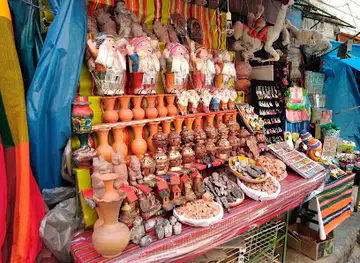
The Witches Market
Explore the vibrant Witches Market in La Paz, where traditional crafts, mystical herbs, and unique souvenirs come together in a colorful cultural experience.

7 Calles Shopping Mall
Experience the vibrant shopping and dining scene at 7 Calles Shopping Mall in Santa Cruz, a hub for culture and commerce.

La Rinconada Ecoparque y Restaurante
Discover tranquility and nature's beauty at La Rinconada Ecoparque y Restaurante, a serene ecological park and dining destination in Santa Cruz de la Sierra.

Explore Llanos de Moxos on the Map
A handpicked selection of must-see spots in Llanos de Moxos, mapped for you.
Llanos de Moxos Essentials
-
Llanos de Moxos is located in the Beni Department of Bolivia. The nearest major city is Trinidad, which can be accessed via domestic flights from La Paz, Santa Cruz, and Cochabamba. Once in Trinidad, you can take a bus or hire a private taxi to reach the different areas within Llanos de Moxos. The road conditions can be challenging, especially during the rainy season, so plan accordingly.
-
Within Llanos de Moxos, transportation options include buses, shared taxis, and private hires. Buses are the most economical but can be infrequent and crowded. Shared taxis offer a balance between cost and comfort, while private hires provide the most convenience for exploring remote areas. For those interested in a more immersive experience, renting a bicycle can be rewarding, though it requires good physical fitness and preparation.
-
The official currency in Bolivia is the Boliviano (BOB). Credit cards are accepted in some hotels and restaurants in Trinidad, but cash is essential for transactions in smaller towns and rural areas. ATMs are available in Trinidad, but it is advisable to withdraw sufficient cash before heading into more remote regions. U.S. dollars are also widely accepted and can be exchanged at local banks and exchange offices.
-
Llanos de Moxos is generally safe for tourists, but standard travel precautions should be taken. Avoid walking alone at night, especially in unfamiliar areas. Petty theft can occur, so keep your belongings secure and be vigilant in crowded places. Certain areas in Trinidad have higher crime rates, particularly at night, so it is best to stay in well-lit and populated areas.
-
In case of emergency, dial 110 for police assistance and 118 for medical emergencies. Trinidad has a hospital and several clinics that can handle most medical issues. It is highly recommended to have travel insurance that covers medical emergencies, including evacuation if necessary. Pharmacies are available in Trinidad for over-the-counter medications.
-
Fashion: Do dress modestly, especially in rural areas and when visiting indigenous communities. Avoid wearing flashy jewelry or expensive items. Religion: Do respect local customs and traditions. Always ask for permission before taking photos of religious sites or ceremonies. Public Transport: Do be respectful and give up your seat to elderly passengers. Don’t eat or drink on public transport. Greetings: Do greet people with a handshake and a smile. A simple 'Hola' is appreciated. Eating & Drinking: Do try local dishes and accept food offerings graciously. Don’t refuse hospitality, as it is considered impolite.
-
To experience Llanos de Moxos like a local, visit the local markets where you can buy fresh produce and traditional goods. Engage with the indigenous communities to learn about their way of life and traditions. Don't miss the opportunity to explore the numerous archaeological sites and pre-Columbian structures scattered throughout the region. For a unique experience, consider taking a boat tour through the wetlands to observe the rich biodiversity of the area.
When is the best time to visit Llanos de Moxos?
Useful Local Phrases for Llanos de Moxos
You don't need to speak the language perfectly. Even learning a few simple words can make conversations warmer—and locals usually appreciate the effort.
— Eve

Here are the phrases I use most often in Llanos de Moxos. Try a few—you'll be surprised how far they go! 😊
❤️
-
- HelloHola
[Ola] - GoodbyeAdiós
[Adeeos] - YesSí
[See] - NoNo
[No] - Please/You're welcomePor favor
[Por fahvor] - Thank youGracias
[Grahtseeas] - Excuse me/SorryDisculpe
[Deesoolpe] - How are you?¿Cómo estás?
[Komoh ehs-tas] - Fine. And you?Bien. ¿Y tú?
[Bee-en. Ee too] - Do you speak English?¿Hablas inglés?
[Ablas een-gless] - I don't understandNo entiendo
[No ehn-tyen-do]
- HelloHola
-
- I'd like to see the menu, pleaseMe gustaría ver el menú, por favor
[Meh goos-tah-ree-ah ver el meh-noo, por fahvor] - I don't eat meatNo como carne
[No koh-mo kar-neh] - Cheers!¡Salud!
[Sah-lood] - I would like to pay, pleaseMe gustaría pagar, por favor
[Meh goos-tah-ree-ah pah-gar, por fahvor]
- I'd like to see the menu, pleaseMe gustaría ver el menú, por favor
-
- Help!¡Ayuda!
[Ah-yoo-dah] - Go away!¡Vete!
[Veh-teh] - Call the Police!¡Llama a la Policía!
[Yah-mah ah lah Poh-lee-see-ah] - Call a doctor!¡Llama a un doctor!
[Yah-mah ah oon dok-tor] - I'm lostEstoy perdido
[Es-toy per-dee-do] - I'm illEstoy enfermo
[Es-toy en-fer-mo]
- Help!¡Ayuda!
-
- I'd like to buy...Me gustaría comprar...
[Meh goos-tah-ree-ah kom-prar] - I'm just lookingSolo estoy mirando
[So-lo es-toy mee-ran-do] - How much is it?¿Cuánto cuesta?
[Kwan-toh kwes-tah] - That's too expensiveEso es muy caro
[Eh-so es mooy kah-roh] - Can you lower the price?¿Puedes bajar el precio?
[Pweh-des bah-har el preh-see-oh]
- I'd like to buy...Me gustaría comprar...
-
- What time is it?¿Qué hora es?
[Ke ora es] - It's one o'clockEs la una
[Es lah oo-nah] - Half past (10)Y media (10)
[Ee meh-dee-ah (diez)] - MorningMañana
[Mah-nyah-nah] - AfternoonTarde
[Tar-deh] - EveningNoche
[No-cheh] - YesterdayAyer
[Ah-yer] - TodayHoy
[Oy] - TomorrowMañana
[Mah-nyah-nah] - 1Uno
[Oo-no] - 2Dos
[Dos] - 3Tres
[Tres] - 4Cuatro
[Kwah-tro] - 5Cinco
[Seen-ko] - 6Seis
[Says] - 7Siete
[See-eh-teh] - 8Ocho
[Oh-cho] - 9Nueve
[Nweh-veh] - 10Diez
[Deez]
- What time is it?¿Qué hora es?
-
- Where's a/the...?¿Dónde está un/una...?
[Don-deh es-tah oon/oon-ah] - What's the address?¿Cuál es la dirección?
[Kwal es lah dee-rek-see-on] - Can you show me (on the map)?¿Puedes mostrarme (en el mapa)?
[Pweh-des mos-trar-meh (en el mah-pah)] - When's the next (bus)?¿Cuándo es el próximo (bus)?
[Kwan-do es el prohk-see-mo (boos)] - A ticket (to ....)Un boleto (a ....)
[Oon bo-leh-toh (ah ....)]
- Where's a/the...?¿Dónde está un/una...?
History of Llanos de Moxos
-
Long before the arrival of Europeans, the Llanos de Moxos was home to a highly sophisticated pre-Columbian civilization. The indigenous peoples, often referred to as the Moxos, created an intricate network of raised fields, causeways, and canals to adapt to the floodplain's seasonal inundations. These agricultural innovations allowed them to thrive in an environment that would otherwise be challenging for sustained human habitation.
-
In the late 17th and early 18th centuries, Jesuit missionaries arrived in the Llanos de Moxos. They established a series of 'reductions', settlements designed to convert and 'civilize' the indigenous populations. These missions were notable for their unique blend of European and indigenous architectural styles and for promoting a high level of self-sufficiency among the communities. The Jesuits introduced new agricultural techniques and crops, which further transformed the landscape.
-
The early 19th century was a period of upheaval in Latin America, and the Llanos de Moxos was no exception. The region played a role in the broader struggle for independence from Spanish colonial rule. After Bolivia achieved independence in 1825, the Llanos de Moxos became part of the new republic. The region's remote location meant that it remained somewhat isolated, preserving many of its unique cultural and historical features.
-
Recent archaeological research has shed new light on the sophisticated pre-Columbian societies of the Llanos de Moxos. Discoveries of large earthworks, ceremonial mounds, and intricate water management systems have challenged previous assumptions about the capabilities of indigenous cultures in the Amazon Basin. These findings have highlighted the region's historical importance and have drawn increased attention from scholars and tourists alike.
-
Today, the Llanos de Moxos is a vibrant region where traditional practices coexist with modern influences. Indigenous communities continue to maintain their cultural heritage, including artisanal crafts, music, and dance. The annual 'Fiesta de San Ignacio de Moxos,' celebrated on July 31st, is a testament to the enduring cultural vitality of the region. This festival blends indigenous and Catholic traditions, featuring colorful parades, traditional music, and elaborate costumes.
Neighbouring Regions of Llanos de Moxos
The closest regions to Llanos de Moxos, if you have time for more than one.


Your all‑in‑one travel companion app
Explore expert travel guides, compare and book tours, experiences, hotels, and more—all from the palm of your hand. Download now for seamless trip planning wherever your wanderlust takes you.


Explore More of Bolivia

Looking beyond Llanos de Moxos? Discover Bolivia for broader travel guides, local hot-spots, and regional highlights.
Explore BoliviaLlanos de Moxos in Photos
Browse through our photo collection highlighting the charm and character of the destination.


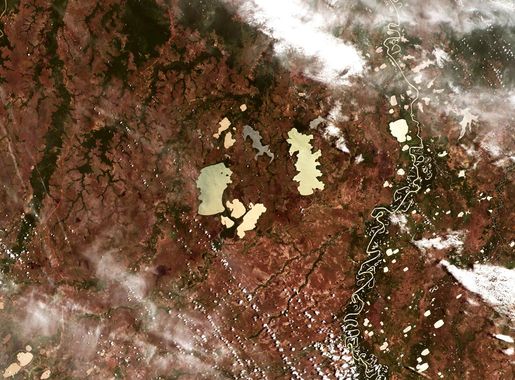


The Enchanting Llanos de Moxos: Bolivia's Hidden Wetland Gem
Llanos de Moxos, located in the heart of Bolivia, is a vast wetland region that promises a unique travel experience. This hidden gem is one of the largest wetlands in the world, teeming with diverse wildlife and rich cultural history. The region is a paradise for nature lovers and adventurers alike, with its sprawling savannas, lush forests, and countless rivers and lakes. Visiting Llanos de Moxos is like stepping back in time. The area is home to indigenous communities who have lived in harmony with nature for centuries. Their traditions and way of life offer a fascinating glimpse into the past. The landscape itself is dotted with ancient earthworks such as raised fields, canals, and mounds, which tell the story of early civilizations that once thrived here. For wildlife enthusiasts, Llanos de Moxos is a dream come true. The wetlands are a sanctuary for a myriad of species including jaguars, pink river dolphins, capybaras, and a dazzling array of birds. Guided tours and boat trips provide excellent opportunities to observe these animals in their natural habitat. Whether you are trekking through the jungle, bird-watching, or simply soaking in the serene beauty of the wetlands, Llanos de Moxos offers an unforgettable adventure.