

Beni Savannas, Bolivia Travel Guide
Discover the untouched beauty of Bolivia's Beni Savannas, a vast landscape of rivers, wetlands, and rich biodiversity, perfect for nature and wildlife enthusiasts.
Nestled in the heart of Bolivia, the Beni Savannas offer a unique and enchanting landscape. Spread over vast plains, this region is a haven for wildlife enthusiasts and nature lovers. The savannas are interspersed with rivers, wetlands, and forest patches, making it a biodiversity hotspot. The region is home to a plethora of bird species, capybaras, and the elusive jaguar. Exploring the Beni Savannas is like stepping back in time. The area is relatively untouched by modern development, allowing visitors to experience the raw beauty of Bolivia's natural environment. Whether you're kayaking along the winding rivers or hiking through the lush grasslands, each moment in the Beni Savannas is filled with discovery. The local culture in Beni also adds to the charm of this destination. Indigenous communities live in harmony with nature, preserving their traditions and way of life. Visitors can learn about their culture, partake in traditional activities, and even enjoy locally prepared meals. The Beni Savannas are not just a destination, but a journey into the heart of Bolivia's natural and cultural heritage.

Know before you go
Hi, I'm Eve. Here are a few practical things to know before exploring Beni Savannas.
- Visit during the dry season (May to October) for easier access and better wildlife viewing.
- Hire a local guide to enhance your experience and gain insights into the flora, fauna, and indigenous culture.
- Bring insect repellent and wear long sleeves to protect against mosquitoes and other insects.
- Pack light, breathable clothing and sturdy footwear for hiking and outdoor activities.
- Carry enough cash, as ATMs and card facilities are scarce in the region.
Top City Travel Guides in Beni Savannas
The cities of Beni Savannas, and the easiest places to base yourself.

Destinations in Beni Savannas
Resorts, valleys and scenic spots worth a trip of their own.


Explore Beni Savannas: Things to Do, Places to Eat, Hotels & More
Handpicked recommendations for top attractions, local dining, accommodations, and more

Top Attractions & Sightseeing in Beni Savannas


Best restaurants in Beni Savannas
Top-rated picks
Best Restaurants

El Tabano Pub
Experience authentic Bolivian flavors at El Tabano Pub in Trinidad - where culinary tradition meets vibrant nightlife.

SIETE TOROS
Discover Siete Toros: A lively restaurant in Trinidad known for delicious pizzas and vibrant nightlife experiences.

Churrasquería La Estancia
Experience the authentic flavors of Bolivia at Churrasquería La Estancia in Trinidad – where every meal is a celebration.

La Petite Maison
Experience exquisite Bolivian cuisine at La Petite Maison in Riberalta, where every meal tells a story of tradition and flavor.

Best bars in Beni Savannas
Top-rated picks
Best Bars

La Rota Carlota
Discover local flavors and vibrant nightlife at La Rota Carlota, the ultimate gastropub in Santa Cruz de la Sierra.

ALMA DAY CLUB
Unleash the night at Alma Day Club, Rurrenabaque's vibrant adult entertainment destination, where unforgettable experiences await.


Best shops in Beni Savannas
Top-rated picks
Best Shops

Las Brisas Mall
Experience the vibrant shopping, dining, and entertainment at Las Brisas Mall, the premier retail destination in Santa Cruz de la Sierra, Bolivia.

The Witches Market
Explore the Witches Market in La Paz, Bolivia, a vibrant hub of unique handicrafts, mystical traditions, and cultural experiences.

Mercado Rodríguez
Discover the heart of La Paz at Mercado Rodríguez, a vibrant market filled with local delicacies, crafts, and the essence of Bolivian culture.

7 Calles Shopping Mall
Explore the 7 Calles Shopping Mall in Santa Cruz for a blend of shopping, dining, and entertainment, perfect for experiencing local culture.

Explore Beni Savannas on the Map
A handpicked selection of must-see spots in Beni Savannas, mapped for you.
Beni Savannas Essentials
-
Beni Savannas are located in the Beni Department of Bolivia. The nearest major airport is Jorge Wilstermann International Airport in Cochabamba or Viru Viru International Airport in Santa Cruz. From these airports, you can take a domestic flight to Trinidad, the capital of Beni Department. Alternatively, you can travel by bus or hire a private vehicle from La Paz, Cochabamba, or Santa Cruz. The road journey can be long and challenging due to the rugged terrain but offers a chance to see the scenic beauty of Bolivia.
-
Within the Beni Savannas, transportation options include local buses, taxis, and moto-taxis. Renting a car can provide the flexibility to explore more remote areas at your own pace. Note that roads can be rough, especially during the rainy season, so a 4x4 vehicle is recommended. For shorter distances, bicycles can also be a fun and environmentally friendly option.
-
The official currency in Bolivia is the Boliviano (BOB). Credit cards are accepted in some hotels, restaurants, and shops in larger towns, but it is advisable to carry cash, especially when traveling to rural areas. ATMs are available in Trinidad and other major towns, but it is wise to withdraw sufficient cash before heading into the savannas.
-
Beni Savannas are generally safe for tourists, but it is important to take standard precautions. Avoid walking alone at night in unfamiliar areas and keep an eye on your belongings in crowded places. Some neighborhoods in larger towns like Trinidad may have higher crime rates targeting tourists, so it is advisable to consult with locals or your accommodation about safe areas to visit.
-
In case of emergency, dial 110 for police assistance or 118 for medical emergencies. Trinidad has hospitals and medical facilities that can handle most health issues. It is recommended to have travel insurance that covers medical emergencies. Pharmacies are available in town where you can purchase over-the-counter medications.
-
Fashion: Do dress comfortably and in light clothing due to the hot climate. Avoid wearing overly revealing clothing, especially in rural and religious areas. Religion: Do respect local customs and traditions. Always ask for permission before photographing religious sites or ceremonies. Public Transport: Do be respectful and patient when using public transport. Don't expect Western standards of punctuality and comfort. Greetings: Do greet people with a friendly 'Hola' and a handshake. A nod or a smile can also be a sign of respect. Eating & Drinking: Do try local dishes and accept food and drink offerings graciously. Don’t refuse hospitality as it is considered impolite.
-
To experience Beni Savannas like a local, visit the local markets where you can buy fresh produce and traditional Bolivian goods. Engage with locals, as they are often friendly and willing to share stories about the area's history and culture. Don't miss visiting the nature reserves and taking part in guided tours to learn about the unique flora and fauna. For a unique experience, consider participating in traditional festivals and community events.
When is the best time to visit Beni Savannas?
Useful Local Phrases for Beni Savannas
You don't need to speak the language perfectly. Even learning a few simple words can make conversations warmer—and locals usually appreciate the effort.
— Eve

Here are the phrases I use most often in Beni Savannas. Try a few—you'll be surprised how far they go! 😊
❤️
-
- HelloHola
[Ola] - GoodbyeAdiós
[Adios] - YesSí
[Si] - NoNo
[No] - Please/You're welcomePor favor
[Por favor] - Thank youGracias
[Grasias] - Excuse me/SorryDisculpe
[Disculpe] - How are you?¿Cómo estás?
[Como estas] - Fine. And you?Bien. ¿Y tú?
[Bien. I tu?] - Do you speak English?¿Hablas inglés?
[Hablas ingles] - I don't understandNo entiendo
[No entiendo]
- HelloHola
-
- I'd like to see the menu, pleaseMe gustaría ver el menú, por favor
[Me gustaria ver el menu, por favor] - I don't eat meatNo como carne
[No como carne] - Cheers!¡Salud!
[Salud] - I would like to pay, pleaseMe gustaría pagar, por favor
[Me gustaria pagar, por favor]
- I'd like to see the menu, pleaseMe gustaría ver el menú, por favor
-
- Help!¡Ayuda!
[Ayuda] - Go away!¡Vete!
[Vete] - Call the Police!¡Llama a la policía!
[Llama a la policia] - Call a doctor!¡Llama a un doctor!
[Llama a un doctor] - I'm lostEstoy perdido
[Estoy perdido] - I'm illEstoy enfermo
[Estoy enfermo]
- Help!¡Ayuda!
-
- I'd like to buy...Me gustaría comprar...
[Me gustaria comprar] - I'm just lookingSolo estoy mirando
[Solo estoy mirando] - How much is it?¿Cuánto cuesta?
[Cuanto cuesta] - That's too expensiveEso es muy caro
[Eso es muy caro] - Can you lower the price?¿Puedes bajar el precio?
[Puedes bajar el precio]
- I'd like to buy...Me gustaría comprar...
-
- What time is it?¿Qué hora es?
[Que hora es] - It's one o'clockEs la una
[Es la una] - Half past (10)Y media (10)
[Y media] - MorningMañana
[Mañana] - AfternoonTarde
[Tarde] - EveningNoche
[Noche] - YesterdayAyer
[Ayer] - TodayHoy
[Hoy] - TomorrowMañana
[Mañana] - 1Uno
[Uno] - 2Dos
[Dos] - 3Tres
[Tres] - 4Cuatro
[Cuatro] - 5Cinco
[Cinco] - 6Seis
[Seis] - 7Siete
[Siete] - 8Ocho
[Ocho] - 9Nueve
[Nueve] - 10Diez
[Diez]
- What time is it?¿Qué hora es?
-
- Where's a/the...?¿Dónde está un/una...?
[Donde esta un/una] - What's the address?¿Cuál es la dirección?
[Cual es la direccion] - Can you show me (on the map)?¿Puedes mostrarme (en el mapa)?
[Puedes mostrarme en el mapa] - When's the next (bus)?¿Cuándo es el próximo (autobús)?
[Cuando es el proximo autobus] - A ticket (to ....)Un boleto (a ....)
[Un boleto a]
- Where's a/the...?¿Dónde está un/una...?
History of Beni Savannas
-
Long before modern settlers arrived, the Beni Savannas were home to the sophisticated Llanos de Moxos civilization. This pre-Columbian culture flourished between 800 and 1300 AD. Ingenious in their engineering, they constructed extensive networks of raised fields, causeways, and canals to manage the seasonal flooding. Their agricultural techniques allowed them to thrive in an environment that was otherwise challenging for large-scale farming.
-
In the late 1600s, Jesuit missionaries arrived in the Beni region, aiming to evangelize the indigenous populations. They established a series of missions, such as San Ignacio de Moxos and Trinidad. These missions became centers of cultural exchange, where European and native traditions melded. The Jesuits introduced new agricultural techniques, crafts, and musical traditions that are still evident in the region today.
-
During the colonial period, the Beni Savannas were somewhat isolated from the rest of Bolivia. However, the late 19th century saw a transformation driven by the rubber boom. The extraction of rubber brought a temporary economic surge and led to significant migration into the area. This period also saw the exploitation and suffering of the indigenous populations, who were often forced into labor under harsh conditions.
-
The Beni Department was officially established on November 18, 1842, named after the Beni River which flows through the region. This marked the beginning of a more structured governance and integration into the Bolivian state. The department's capital, Trinidad, became an administrative and cultural hub, attracting settlers and fostering the development of infrastructure.
-
In recent decades, there has been a resurgence of interest in the indigenous cultures and traditions of the Beni Savannas. Indigenous movements have fought for land rights and the preservation of their cultural heritage. This has led to a greater recognition of their contributions to the region's history and a push towards sustainable tourism that respects and highlights their rich cultural legacy.
Neighbouring Regions of Beni Savannas
The closest regions to Beni Savannas, if you have time for more than one.


Your all‑in‑one travel companion app
Explore expert travel guides, compare and book tours, experiences, hotels, and more—all from the palm of your hand. Download now for seamless trip planning wherever your wanderlust takes you.


Explore More of Bolivia

Looking beyond Beni Savannas? Discover Bolivia for broader travel guides, local hot-spots, and regional highlights.
Explore BoliviaBeni Savannas in Photos
Browse through our photo collection highlighting the charm and character of the destination.





Beni Savannas: Bolivia's Hidden Natural Gem
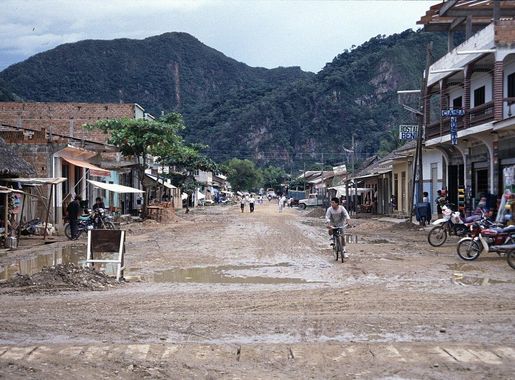
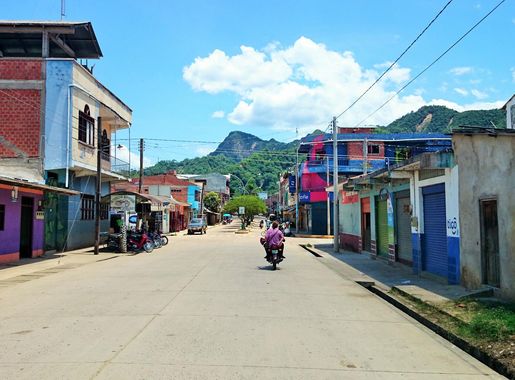
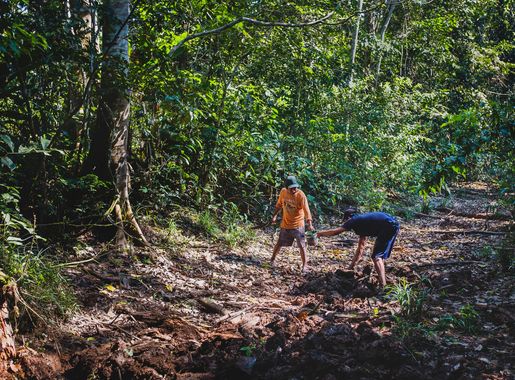
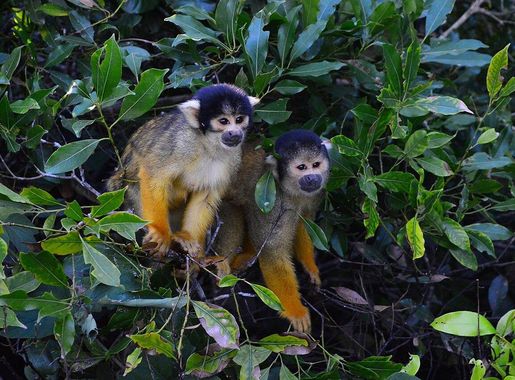
Nestled in the heart of Bolivia, the Beni Savannas offer a unique and enchanting landscape. Spread over vast plains, this region is a haven for wildlife enthusiasts and nature lovers. The savannas are interspersed with rivers, wetlands, and forest patches, making it a biodiversity hotspot. The region is home to a plethora of bird species, capybaras, and the elusive jaguar. Exploring the Beni Savannas is like stepping back in time. The area is relatively untouched by modern development, allowing visitors to experience the raw beauty of Bolivia's natural environment. Whether you're kayaking along the winding rivers or hiking through the lush grasslands, each moment in the Beni Savannas is filled with discovery. The local culture in Beni also adds to the charm of this destination. Indigenous communities live in harmony with nature, preserving their traditions and way of life. Visitors can learn about their culture, partake in traditional activities, and even enjoy locally prepared meals. The Beni Savannas are not just a destination, but a journey into the heart of Bolivia's natural and cultural heritage.