

Free Yungas Travel Guide & Mobile App
Explore Yungas with free travel guides. Discover regional history, expert tips, proposed trips, and audio guides on web or mobile app.


Explore Bolivia’s Yungas for cloud forests, coca-growing valleys, Afro-Bolivian culture, mountain roads and subtropical escapes from La Paz.
Read more about Yungas
When is the best time to visit Yungas?
Best: May–July · 24–25°C| Month | High (°C) | Rainfall (mm) |
|---|---|---|
| January | 27 | 350 |
| February | 27 | 300 |
| March | 27 | 250 |
| April | 26 | 200 |
| May (best) | 25 | 150 |
| June (best) | 24 | 100 |
| July (best) | 24 | 100 |
| August | 25 | 150 |
| September | 26 | 200 |
| October | 27 | 250 |
| November | 27 | 300 |
| December | 27 | 350 |
Getting to and around Yungas
How to get there
Transportation
Best attractions in Yungas
The Yungas offers a varied mixture of cloud-forest scenery, agricultural landscapes and demanding mountain routes. Coroico is the main visitor centre, with hillside walks, viewpoints, nearby waterfalls and access to farms growing coffee, coca, citrus and tropical fruit. Around the town, trails pass through humid valleys and forest edges where birdwatching is rewarding, especially in the early morning. South Yungas, centred on Chulumani and smaller communities, is less concentrated as a tourist destination but provides an insight into rural production, traditional routes and Afro-Bolivian cultural life. The North Yungas Road is the region’s best-known adventure attraction, particularly for guided mountain-bike descents, although its terrain requires careful risk management. Parts of Cotapata National Park and Protected Natural Area lie on the transition between the high Andes and Yungas, offering striking changes in vegetation and habitat; access and trail conditions vary. Visitors can also arrange walks, farm visits and local cultural experiences through established accommodation providers or community guides. The appeal is less about a large collection of formal attractions than about moving through an exceptionally abrupt landscape, from cold mountain passes to warm, densely vegetated valleys.
-
Tourist attraction
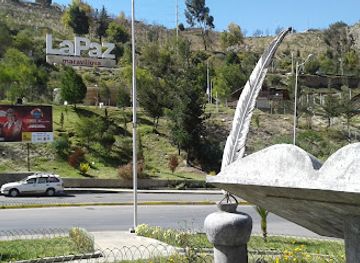
Parque Urbano Central
Explore Parque Urbano Central, La Paz's tranquil urban park filled with lush landscapes, recreational spaces, and stunning mountain views.
-
City park
Student Plaza
Explore Student Plaza in La Paz - a vibrant city park that offers relaxation, culture, and local cuisine in the heart of Bolivia's capital.
-
Tourist attraction
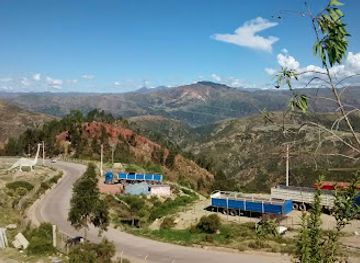
Parque Cretácico
Discover the incredible dinosaur footprints and exhibits at Parque Cretácico, a must-visit heritage site in Sucre, Bolivia, perfect for all ages.
-
Tourist attraction
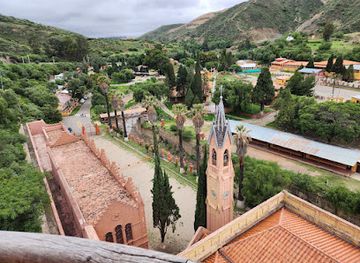
Glorieta Castle
Explore the historical and architectural beauty of Glorieta Castle in Sucre, Bolivia, a captivating tourist attraction and museum with stunning gardens.
Best landmarks in Yungas
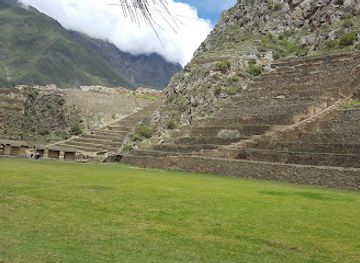
The North Yungas Road is the region’s most recognisable man-made landmark, a narrow historic mountain route cut into steep slopes between the highlands and subtropical valleys. Its exposed bends, waterfalls and retaining walls illustrate the engineering and logistical difficulties of connecting La Paz with the Yungas, although visitors should view it from safe places and use specialist operators for cycling. Coroico’s hillside position is itself a defining landmark, with its streets and viewpoints looking across folded green valleys towards the Andes. In South Yungas, the historic agricultural settlements around Chulumani are important less for monumental architecture than for the visible relationship between homes, coca plantations, coffee plots and mountain paths. Afro-Bolivian communities and their cultural spaces provide landmarks of living heritage, particularly where saya performances and local historical interpretation are presented by community members. The steep valley walls, cloud forest and cascading streams form the region’s principal natural landmarks, marking the sharp ecological transition from Bolivia’s high plateau to its eastern lowlands.
-
Tourist attraction
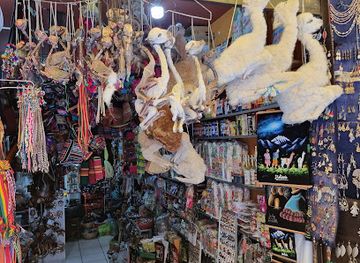
The Witches Market
Explore the mystical Witches Market in La Paz, where colorful handicrafts and ancient traditions come together for an unforgettable cultural experience.
-
Sculpture
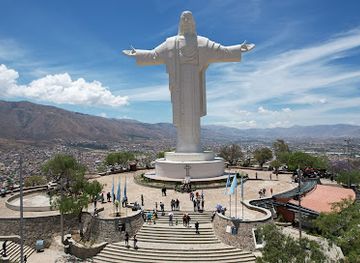
Cristo de la Concordia
Discover the breathtaking views and spiritual significance of Cristo de la Concordia, the largest Christ statue in Bolivia, overlooking Cochabamba.
-
Tourist attraction
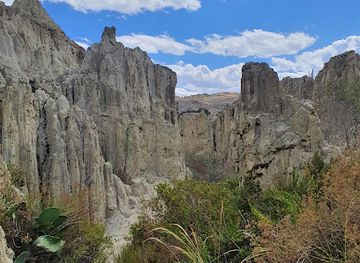
Valle de la Luna
Experience the breathtaking beauty of Valle de la Luna, a surreal landscape of unique rock formations and stunning vistas near La Paz, Bolivia.
-
Vista point
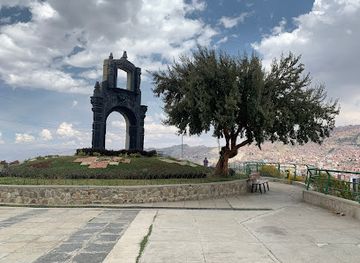
Mirador Killi Killi
Discover the stunning views of La Paz from Mirador Killi Killi, a breathtaking viewpoint that captures the essence of Bolivia's vibrant capital.
Explore Yungas on the map
Plan your trip on one map. See where the top cities, national parks and sights are, and book hotels and experiences in a few clicks.
Best hotels in Yungas
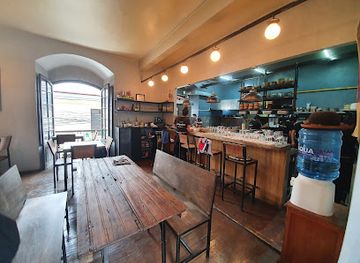
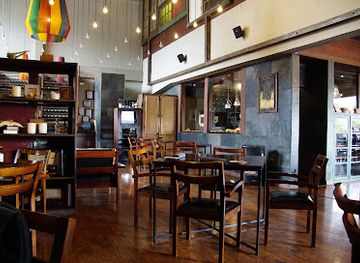
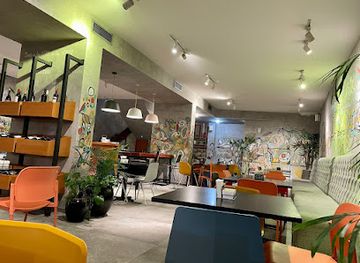
Best restaurants in Yungas
Yungas dining is shaped by altitude, tropical agriculture and Bolivian everyday cooking. In Coroico, cafés and small restaurants commonly serve fresh juices, fruit, rice, potatoes, soups and dishes based on chicken or locally available produce, while accommodation kitchens may offer coffee grown in the surrounding valleys. Citrus, bananas, plantains and other warm-climate crops appear in markets and simple meals, although menus vary with supply. Chulumani and smaller South Yungas settlements generally have a more local, straightforward food scene, with markets and family-run eateries rather than a concentrated restaurant district. A good way to understand the region’s food economy is to visit a farm or market with local guidance and ask about seasonal produce. Coca leaves are culturally important and are encountered as a crop and traditional infusion, but visitors should follow local advice about their use. Carry snacks for road journeys, since services between settlements can be widely spaced.
-
Restaurant
Bolivian Popular Food
Discover authentic Bolivian cuisine at Bolivian Popular Food, where traditional flavors come alive in every delicious dish.
-
South American
Gustu
Discover Gustu in La Paz: A premier destination for authentic South American cuisine celebrating local ingredients.
-
Restaurant
Inés España Bistro & Bakery
Experience the rich flavors of Spain at Inés España Bistro & Bakery in Santa Cruz de la Sierra—where every bite tells a story.
-
European
Restaurant Vienna
Experience the finest European cuisine in La Paz at Restaurant Vienna - where culinary excellence meets elegant dining.

Best bars in Yungas
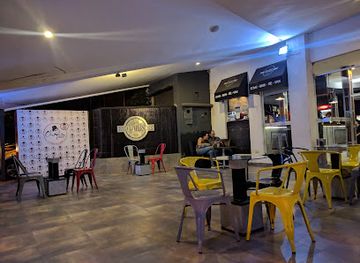
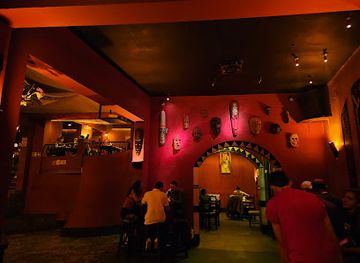
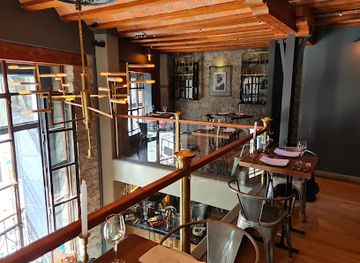
Nightlife in the Yungas is modest and concentrated in the larger towns, particularly Coroico. Evenings generally revolve around small bars, cafés, hotel terraces and restaurants, with music and conversation rather than a large club scene. At weekends or during local celebrations, public spaces may become livelier, but events and opening arrangements are changeable. Chulumani has local establishments serving residents and visitors, while smaller communities usually offer little formal nightlife beyond family-run restaurants or community occasions. Some accommodation providers serve drinks and can advise on appropriate places to go, but rural roads are poorly suited to late-night walking. Beer, soft drinks, fruit juices and locally available spirits may be found, though alcohol is not necessary to experience the region’s evening culture. Respect local noise levels and community customs, especially near residential areas and during cultural events.
-
Dinner theater
Chaplin Show
Join the captivating Chaplin Show in Santa Cruz, where exquisite dining meets mesmerizing performances for an unforgettable evening.
-
Bar
Pub & Disco Malegria
Discover the electrifying nightlife of La Paz at Pub & Disco Malegria, where local flavors and lively beats create unforgettable memories.
-
Bar
Hb Bronze Coffeebar
Discover the vibrant coffee culture of La Paz at Hb Bronze Coffeebar, where exceptional brews and fine wines await in a cozy setting.
-
Hotel
The Rooftop Hostel
Discover La Paz's charm at The Rooftop Hostel, where stunning views, vibrant atmosphere, and local culture await every traveler.

Best nightclubs in Yungas
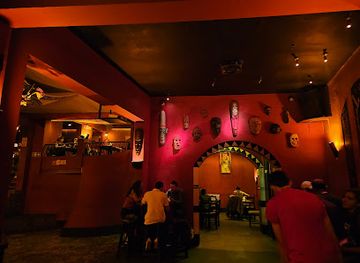
Nightlife in the Yungas is modest and concentrated in the larger towns, particularly Coroico. Evenings generally revolve around small bars, cafés, hotel terraces and restaurants, with music and conversation rather than a large club scene. At weekends or during local celebrations, public spaces may become livelier, but events and opening arrangements are changeable. Chulumani has local establishments serving residents and visitors, while smaller communities usually offer little formal nightlife beyond family-run restaurants or community occasions. Some accommodation providers serve drinks and can advise on appropriate places to go, but rural roads are poorly suited to late-night walking. Beer, soft drinks, fruit juices and locally available spirits may be found, though alcohol is not necessary to experience the region’s evening culture. Respect local noise levels and community customs, especially near residential areas and during cultural events.
-
Bar
Pub & Disco Malegria
Discover La Paz's nightlife at Pub & Disco Malegria, where dance and drinks blend for an unforgettable experience.
-
Disco club
Gold Classics
Dance the night away at Gold Classics, the top disco club in La Paz for classic music lovers and vibrant nightlife seekers.
-
Dance club
OPEN MIND CLUB
Dance the night away at Open Mind Club, a vibrant La Paz dance club filled with energy, music, and unforgettable moments.
-
Disco club
El Gurú
Experience La Paz's nightlife at El Gurú, a bustling disco club where music, dance, and culture collide in an electrifying atmosphere.



Best shops in Yungas
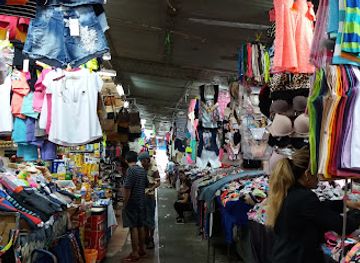
Shopping in the Yungas is primarily local and agricultural rather than centred on large retail districts. Coroico has small shops, market stalls and visitor-oriented businesses selling coffee, fruit products, snacks, woven goods and practical supplies. Chulumani and other South Yungas centres are more closely tied to everyday trade, with produce markets and small stores serving farming communities. Locally grown coffee is one of the most useful regional purchases when bought from a reputable producer, while citrus preserves, dried fruit and other farm products may appear seasonally. Visitors can also find Bolivian handicrafts, but not every item described as regional is made in the Yungas, so asking about provenance is worthwhile. The widest choice of textiles, crafts and packaged Bolivian foods is generally available in La Paz, outside the region, before or after a Yungas trip. Carry purchases securely on crowded vehicles and avoid buying products made from protected plants, wildlife or culturally sensitive materials.
-
Tourist attraction
The Witches Market
Discover the vibrant Witches Market in La Paz, where tradition and magic intertwine to offer unique souvenirs and cultural experiences.
-
Shopping mall
7 Calles Shopping Mall
Experience the lively atmosphere of 7 Calles Shopping Mall, a shopping and dining paradise in Santa Cruz de la Sierra, Bolivia.
-
Market
Mercado Modelo Yungas
Discover the cultural heart of La Paz at Mercado Modelo Yungas, where local flavors and vibrant crafts await every visitor.
-
Shopping mall
Las Torres Mall
Discover a shopping paradise at Las Torres Mall in La Paz, where local culture and modern retail blend seamlessly for an unforgettable experience.


Get your free copy of our complete guide to Yungas, delivered straight to you.
Everything on this page, from attractions and restaurants to essentials and local phrases, in one PDF you can read offline, print or share.
Already have an account? Sign in
Your Yungas guide is ready.
We'll send it to · Not you? Sign out

Getting your guide ready…
We are putting together a fresh copy of the Yungas guide. This can take up to a minute.
This can take a few moments. If your browser asks, choose Allow so the download can start. You'll find the guide in your Downloads folder.
Nothing happened? Download it again
Sorry, the guide is taking longer than usual. Please try again in a minute, or get it by email instead.
Yungas essentials
Currency and Payment
Safety
Emergency Situations
Do's and Don'ts
Local Tips
From Eve
Local phrases worth knowing
You don't need to get them perfect. A few words go a long way, and locals appreciate the effort.
Basics
| English | Local | Say it |
|---|---|---|
| Hello | Hola | [OH-lah] |
| Goodbye | Adiós | [ah-DYOS] |
| Yes | Sí | [SEE] |
| No | No | [NO] |
| Please/You're welcome | Por favor | [POR fah-VOR] |
| Thank you | Gracias | [GRAH-syahs] |
| Excuse me/Sorry | Perdón | [pehr-DON] |
| How are you? | ¿Cómo estás? | [KOH-moh eh-STAHS] |
| Fine. And you? | Bien. ¿Y tú? | [BYEN. EE TOO] |
| Do you speak English? | ¿Hablas inglés? | [AH-blahs een-GLES] |
| I don't understand | No entiendo | [NO en-TYEN-doh] |
Eating & Drinking
| English | Local | Say it |
|---|---|---|
| I'd like to see the menu, please | Me gustaría ver el menú, por favor | [meh goo-stah-REE-ah vehr el meh-NOO, por fah-VOR] |
| I don't eat meat | No como carne | [NO KOH-moh KAR-neh] |
| Cheers! | ¡Salud! | [sah-LOOD] |
| I would like to pay, please | Me gustaría pagar, por favor | [meh goo-stah-REE-ah pah-GAR, por fah-VOR] |
Emergencies
| English | Local | Say it |
|---|---|---|
| Help! | ¡Ayuda! | [ah-YOO-dah] |
| Go away! | ¡Vete! | [BEH-teh] |
| Call the Police! | ¡Llama a la policía! | [YAH-mah ah lah poh-lee-SEE-ah] |
| Call a doctor! | ¡Llama a un doctor! | [YAH-mah ah oon dok-TOR] |
| I'm lost | Estoy perdido | [es-TOY pehr-DEE-doh] |
| I'm ill | Estoy enfermo/enferma | [es-TOY en-FER-mo/en-FER-ma] |
Shopping
| English | Local | Say it |
|---|---|---|
| I'd like to buy... | Me gustaría comprar... | [meh goo-stah-REE-ah kom-PRAHR] |
| I'm just looking | Solo estoy mirando | [SOH-lo es-TOY mee-RAHN-doh] |
| How much is it? | ¿Cuánto cuesta? | [KWAHN-toh KWEH-stah] |
| That's too expensive | Es muy caro | [es MOO-ee KAH-roh] |
| Can you lower the price? | ¿Puedes bajar el precio? | [PWEH-des bah-HAR el PREH-syo] |
Time & Numbers
| English | Local | Say it |
|---|---|---|
| What time is it? | ¿Qué hora es? | [KEH OH-rah es] |
| It's one o'clock | Es la una | [es lah OO-nah] |
| Half past (10) | Y media (10) | [ee MEH-dyah (10)] |
| Morning | Mañana | [mah-NYAH-nah] |
| Afternoon | Tarde | [TAR-deh] |
| Evening | Noche | [NOH-cheh] |
| Yesterday | Ayer | [ah-YER] |
| Today | Hoy | [OY] |
| Tomorrow | Mañana | [mah-NYAH-nah] |
| 1 | Uno | [OO-no] |
| 2 | Dos | [DOS] |
| 3 | Tres | [TRES] |
| 4 | Cuatro | [KWAH-tro] |
| 5 | Cinco | [SEEN-koh] |
| 6 | Seis | [SAYS] |
| 7 | Siete | [SYEH-teh] |
| 8 | Ocho | [OH-cho] |
| 9 | Nueve | [NWEH-veh] |
| 10 | Diez | [DYEZ] |
Transport & Directions
| English | Local | Say it |
|---|---|---|
| Where's a/the...? | ¿Dónde hay un/una...? | [DON-deh ai oon/OO-nah] |
| What's the address? | ¿Cuál es la dirección? | [KWAHL es lah dee-rek-SYON] |
| Can you show me (on the map)? | ¿Puedes mostrarme (en el mapa)? | [PWEH-des mos-TRAR-meh (en el MAH-pah)] |
| When's the next (bus)? | ¿Cuándo sale el próximo (bus)? | [KWAHN-doh SAH-leh el PROK-see-mo] |
| A ticket (to ....) | Un boleto (a ....) | [OON boh-LEH-toh (ah ....)] |
History of Yungas
Pre-Colonial Valley Networks
Long before the arrival of the Spanish, the eastern Andean valleys were connected to the highlands through footpaths, trade and seasonal movement. The Yungas supplied warm-climate products, especially coca and fruit, to communities living at higher elevations. Rather than forming one unified kingdom, the valleys contained different local communities linked by exchange and by their relationship with the Andean highlands. The difficult terrain encouraged settlement along narrow terraces, ridges and river valleys, patterns that remain visible in the region’s dispersed villages and agricultural landscapes.
Inca Influence and the Coca Economy
Inca power extended into parts of the eastern Andean region, incorporating existing routes and communities into a wider system centred on the highlands. Coca was particularly important because its leaves were used in social, ritual and labour contexts across the Andes. Cultivation in the warmer valleys supported highland populations and helped connect the Yungas to wider political and commercial networks. The region’s later association with coca should therefore be understood as the continuation of a longstanding agricultural and cultural relationship, not simply a colonial development.
Spanish Colonial Routes and Estates
Following the Spanish conquest in the sixteenth century, the Yungas became connected to colonial markets and institutions centred on La Paz. Roads and trails carried coca and other valley products towards the highlands, while colonial landholding patterns reshaped agriculture and labour. Estates, religious influence and forced or unequal labour systems affected local communities. The region’s steep tracks and cultivated slopes preserve the practical geography of this period: crops were grown in warm valleys and moved over arduous routes to markets at much higher elevations.
African Diaspora in the Yungas
African people were brought to colonial Bolivia through systems of enslavement and labour exploitation, and some of their descendants became established in the Yungas, particularly in communities associated with North and South Yungas. Over generations, Afro-Bolivian communities developed a distinctive cultural identity rooted in family, agriculture, music and dance. Saya is among the best-known expressions of this heritage. The history is also one of coercion, resistance and adaptation, and should not be reduced to folklore detached from the communities that sustain it.
Independence and Republican Agriculture
Bolivia’s independence in the early nineteenth century did not immediately remove the unequal land and labour structures inherited from the colonial period. In the Yungas, coca remained a major commercial crop, while coffee, citrus, bananas and other products supported local economies. Roads and trading links continued to orient the valleys towards La Paz. Communities gradually negotiated changing forms of land tenure and political authority, creating the mixed pattern of small farms, settlements and larger agricultural properties found across the region today.
Roads, Migration and Modern Connectivity
For much of modern history, the Yungas was reached through narrow mountain routes, mule tracks and roads vulnerable to landslides. The North Yungas Road became notorious for its exposure and steep drops, while newer routes have altered the movement of people and goods without making the terrain easy. Improved access encouraged tourism, migration and wider trade, but also brought pressure on forests and slopes. The old road now has a dual identity as a transport relic and a celebrated, carefully managed adventure-cycling route.
Contemporary Cultural and Environmental Change
Today the Yungas combines established agricultural practices with tourism, coffee production and growing interest in biodiversity. Coca remains central in many communities, while Afro-Bolivian cultural organisations continue to protect music, dance and historical memory. Forest loss, landslides, changing rainfall and road construction create continuing environmental challenges. Tourism can support local livelihoods when it uses local guides, respects community protocols and avoids treating cultural traditions or hazardous landscapes as simple spectacles.
Yungas in Photos
Browse through our photo collection highlighting the charm and character of the destination.
Neighbouring regions of Yungas
The closest regions to Yungas, if you have time for more than one.
-

-

-

-

-


Swipe for more regions
Explore more

Explore more of Bolivia
Discover Bolivia: From the peaks of the Andes to the depths of the Amazon, a land of stunning landscapes and rich cultural heritage awaits.
Explore Bolivia