

Cordillera Real, Bolivia Travel Guide
Discover the Cordillera Real in Bolivia: A breathtaking mountain range offering spectacular trekking, climbing, and rich cultural experiences in the heart of South America.
Nestled in the heart of Bolivia, the Cordillera Real is an awe-inspiring mountain range that spans approximately 125 kilometers. This majestic range is part of the Andes and boasts some of the highest peaks in South America. Trekkers and climbers from around the globe flock to this natural wonder to experience its breathtaking beauty and challenging trails. The Cordillera Real is home to numerous glacial lakes, pristine valleys, and snow-capped peaks, making it a paradise for nature enthusiasts and adventure seekers alike. The region is renowned for its biodiversity, with unique flora and fauna that can be found nowhere else on earth. The iconic Mount Illimani and Mount Huayna Potosí are two of the most famous peaks in the range, offering spectacular views and unforgettable climbing experiences. Beyond its natural allure, the Cordillera Real is steeped in cultural significance. The indigenous communities that inhabit the region have a deep connection to the land, and visitors have the opportunity to learn about their traditions and way of life. From guided treks to cultural tours, there is no shortage of ways to immerse oneself in the rich heritage of this extraordinary destination.

Know before you go
Hi, I'm Eve. Here are a few practical things to know before exploring Cordillera Real.
- Acclimatize: Spend a few days in La Paz to get used to the high altitude before heading to the mountains.
- Hire a Guide: Local guides can enhance your experience with their knowledge of the terrain and culture.
- Best Season: Visit between May and September for the best weather conditions and clearer skies.
- Gear Up: Ensure you have proper trekking or climbing gear, including warm clothing and sturdy boots.
- Local Cuisine: Try local dishes like 'Salteñas' and 'Chairo' soup to fuel your adventure.
Top City Travel Guides in Cordillera Real
The cities of Cordillera Real, and the easiest places to base yourself.


Destinations in Cordillera Real
Resorts, valleys and scenic spots worth a trip of their own.


Explore Cordillera Real: Things to Do, Places to Eat, Hotels & More
Handpicked recommendations for top attractions, local dining, accommodations, and more

Top Attractions & Sightseeing in Cordillera Real
Top-rated picks
Best Attractions

Parque Urbano Central
Experience the beauty of Parque Urbano Central, La Paz's vibrant urban park, where nature meets culture in a peaceful oasis.

Valle de la Luna
Experience the surreal beauty of Valle de la Luna, a geological wonder and city park near La Paz, Bolivia, perfect for outdoor adventures.

Cota Cota Lagoon
Explore the enchanting Cota Cota Lagoon, an ecological park in La Paz, where nature meets tranquility and adventure awaits.

Iglesia San Miguel Arcángel
Explore the serene beauty and rich history of Iglesia San Miguel Arcángel, a captivating Catholic church in La Paz, Bolivia.

Best landmarks in Cordillera Real
Top-rated picks
Best Landmarks

Plaza Mayor de San Francisco
Discover the cultural richness and architectural beauty of Plaza Mayor de San Francisco, the historical heart of La Paz, Bolivia.
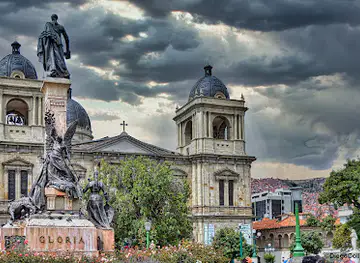
Plaza Murillo
Discover the historical heart of La Paz at Plaza Murillo, an iconic park surrounded by significant landmarks and vibrant local life.

The Witches Market
Dive into the mystical world of the Witches Market in La Paz, where vibrant crafts and ancient traditions come alive in a unique cultural experience.

Valle de la Luna
Explore Valle de la Luna, an enchanting geological wonder near La Paz, Bolivia, where nature's artistry creates breathtaking landscapes and unique rock formations.

Best restaurants in Cordillera Real
Top-rated picks
Best Restaurants

Bolivian Popular Food
Experience authentic Bolivian cuisine in La Paz at Bolivian Popular Food - where every dish tells a story.

Café del Mundo
Experience the best of Bolivian coffee culture at Café del Mundo in La Paz - where local flavors meet cozy charm.

Gustu
Discover the vibrant flavors of Bolivia at Gustu, where innovative cuisine meets local tradition in La Paz's finest dining experience.

Joy Ride Cafe
Discover the flavors of Bolivia at Joy Ride Cafe - a perfect blend of local dishes and international cuisine in Sucre.

Best bars in Cordillera Real
Top-rated picks
Best Bars

Pub & Disco Malegria
Discover the heart of La Paz's nightlife at Pub & Disco Malegria, where vibrant music, local culture, and unforgettable fun await.

La Rota Carlota
Discover La Rota Carlota, a lively gastropub in Santa Cruz de la Sierra, where local flavors meet a vibrant atmosphere for an unforgettable dining experience.

Diesel Nacional
Experience the vibrant nightlife of La Paz at Diesel Nacional, a pub serving expertly crafted cocktails and a wide selection of drinks.

Muela Del Diablo
Experience the vibrant flavors of La Paz at Muela Del Diablo, a grill and pizza restaurant offering a cozy atmosphere and delectable dishes.

Best nightclubs in Cordillera Real
Top-rated picks
Best Nightclubs

Pub & Disco Malegria
Experience the vibrant nightlife of La Paz at Pub & Disco Malegria, where music, dance, and a lively atmosphere come together for an unforgettable night out.

ROCKERS ALIVE MUSIC BAR
Discover the vibrant nightlife of La Paz at Rockers Alive Music Bar, where live music and a lively atmosphere create unforgettable experiences.

Gold Classics
Experience the vibrant nightlife of La Paz at Gold Classics, a premier disco club blending local and international beats in a lively atmosphere.

Centric Club
Experience the vibrant nightlife at Centric Club, a premier gay bar in La Paz that promises fun, friendship, and unforgettable memories.

Best shops in Cordillera Real
Top-rated picks
Best Shops

Las Brisas Mall
Experience shopping, dining, and entertainment at Las Brisas Mall, the ultimate destination in Santa Cruz de la Sierra.

The Witches Market
Explore The Witches Market in La Paz, where mysticism meets tradition in a vibrant display of Bolivian culture and handicrafts.

7 Calles Shopping Mall
Experience the best of shopping and dining at 7 Calles Shopping Mall, a vibrant hub in Santa Cruz de la Sierra.

Las Torres Mall
Experience the vibrant shopping and dining at Las Torres Mall, La Paz's premier destination for tourists and locals alike.

Explore Cordillera Real on the Map
A handpicked selection of must-see spots in Cordillera Real, mapped for you.
Cordillera Real Essentials
-
Cordillera Real is located in the Andes mountains of Bolivia. The nearest major city is La Paz, which is serviced by El Alto International Airport (IATA: LPB). From La Paz, you can arrange for private transportation or take a bus to towns like Sorata or Tuni, which serve as gateways to the Cordillera Real. The journey by road from La Paz typically takes around 2 to 3 hours, depending on your final destination.
-
Within the Cordillera Real, transportation options are limited. Most visitors rely on organized tours, private vehicles, or trekking on foot. In La Paz, you can find various tour operators offering guided treks and climbs in the Cordillera Real. Public buses and minibuses (locally known as ‘trufis’) can take you to nearby towns, but for exploring the remote areas, private transportation or guided tours are recommended.
-
The official currency in Bolivia is the Bolivian Boliviano (BOB). While credit cards are accepted in La Paz and other major cities, cash is essential when traveling to more remote areas like the Cordillera Real. ATMs are available in La Paz, but it is advisable to withdraw sufficient cash before heading into the mountains. Small villages and rural areas may not have ATMs or facilities to accept card payments.
-
The Cordillera Real is generally safe for tourists, but standard precautions should be observed. Avoid walking alone at night in unfamiliar areas and be cautious of your belongings in crowded places. La Paz has some areas with higher crime rates, such as El Alto and certain neighborhoods in the city center, so it's best to stay vigilant. When trekking, always inform someone of your plans and stick to marked paths to avoid getting lost.
-
In case of an emergency, dial 110 for police assistance and 118 for medical emergencies. La Paz has several hospitals and clinics, but medical facilities are sparse in the Cordillera Real. It is highly recommended to have travel insurance that covers medical emergencies and evacuation. For minor health issues, carry a basic first aid kit and necessary medications, as pharmacies may be few and far between in remote areas.
-
Fashion: Do dress in layers and bring warm clothing, as temperatures can drop significantly in the mountains. Avoid wearing flashy or expensive jewelry. Religion: Do respect local customs and traditions. When visiting indigenous communities, ask for permission before taking photos. Public Transport: Do be respectful and patient, as public transport schedules can be irregular. Don't expect luxury – public transport is often basic. Greetings: Do greet people with a handshake or a friendly 'Buenos días' (Good morning). Eating & Drinking: Do try local dishes and accept food offerings graciously. Don't drink tap water; always opt for bottled or purified water.
-
To experience Cordillera Real like a local, visit during local festivals such as the Alasitas Fair in La Paz, where you can see traditional Aymara rituals. Engage with local guides who can provide deep insights into the region's history and culture. Don't miss trying coca tea, which helps with altitude sickness. For a unique experience, consider a homestay in an Andean village, where you can learn about traditional lifestyles and practices firsthand.
When is the best time to visit Cordillera Real?
Useful Local Phrases for Cordillera Real
You don't need to speak the language perfectly. Even learning a few simple words can make conversations warmer—and locals usually appreciate the effort.
— Eve

Here are the phrases I use most often in Cordillera Real. Try a few—you'll be surprised how far they go! 😊
❤️
-
- HelloKawsay
[Kow-sigh] - GoodbyeSumaq
[Soo-mahk] - YesAri
[Ah-ree] - NoManqha
[Mahng-kah] - Please/You're welcomeAllichu
[Ah-lee-choo] - Thank youYuspagara
[Yoo-spah-gah-rah] - Excuse me/SorrySulpayki
[Sool-pie-kee] - How are you?¿Kamisaraki?
[Kah-mee-sah-rah-kee] - Fine. And you?Allin. ¿Kamisaraki?
[Ah-lee-n. Kah-mee-sah-rah-kee] - Do you speak English?¿Sutiyki inglés?
[Soo-tee-ye-kee een-glays] - I don't understandMana yachkani
[Mah-nah yahch-kah-nee]
- HelloKawsay
-
- I'd like to see the menu, pleaseManqha willka menu, allichu
[Mahng-kah weel-kah meh-noo, ah-lee-choo] - I don't eat meatMana khawtin ch'aki
[Mah-nah khaw-teen chah-kee] - Cheers!¡Sumaq!
[Soo-mahk] - I would like to pay, pleaseManqha willka ch'iqt'ay, allichu
[Mahng-kah weel-kah chee-k'tah-ee, ah-lee-choo]
- I'd like to see the menu, pleaseManqha willka menu, allichu
-
- Help!¡T'ikichiy!
[Tee-kee-chee] - Go away!¡Waña!
[Wah-nyah] - Call the Police!¡Ñank'a Policía!
[Nyan-kah Poh-lee-see-ah] - Call a doctor!¡Ñank'a yachaq!
[Nyan-kah yah-chahk] - I'm lostNukaka yachkani
[Noo-kah-kah yahch-kah-nee] - I'm illNukaka ch'iqt'a
[Noo-kah-kah chee-k'tah]
- Help!¡T'ikichiy!
-
- I'd like to buy...Manqha willka aliq'iy...
[Mahng-kah weel-kah ah-lee-kee...] - I'm just lookingNukaka qhichwa
[Noo-kah-kah kee-chwah] - How much is it?¿Kawsaq k'uchu?
[Kow-sahk koo-choo] - That's too expensiveChay mana ch'iqt'a
[Chah-ee mah-nah chee-k'tah] - Can you lower the price?¿Niyki ch'iqt'ayki?
[Nee-kee chee-k'tah-ee-kee]
- I'd like to buy...Manqha willka aliq'iy...
-
- What time is it?¿Kawsaq p'unchay?
[Kow-sahk poon-chai] - It's one o'clockSumaq p'unchay
[Soo-mahk poon-chai] - Half past (10)P'unchay ch'iqt'a (10)
[Poont-chai chee-k'tah (10)] - MorningÑawpa p'unchay
[Nya-wah pahn-chai] - AfternoonWarmik p'unchay
[War-meek pahn-chai] - EveningK'uchu p'unchay
[Koo-choo pahn-chai] - YesterdayÑahui
[Nya-wee] - TodayKay p'unchay
[Kah-ee pahn-chai] - TomorrowÑawpa p'unchay
[Nya-wah pahn-chai] - 1Wan
[Wahn] - 2Iñi
[Ee-nyee] - 3Kimsa
[Keem-sah] - 4Tawa
[Tah-wah] - 5Pichqa
[Peach-kah] - 6Sukta
[Sook-tah] - 7Pusi
[Pooh-see] - 8Pusaq
[Poo-sahk] - 9Isqun
[Ees-koon] - 10Gurur
[Goo-roor]
- What time is it?¿Kawsaq p'unchay?
-
- Where's a/the...?¿Haykuy...?
[High-koo-ee] - What's the address?¿Kawsaq huk'iy?
[Kow-sahk hoo-kee] - Can you show me (on the map)?¿Niyki ch'ik'iyki (mapa)?
[Nee-kee chee-k'ee-kee (mah-pah)] - When's the next (bus)?¿Kawsaq p'unchay (bus)?
[Kow-sahk poon-chai (boos)] - A ticket (to ....)Yatichiy (....)
[Yah-tee-chee (....)]
- Where's a/the...?¿Haykuy...?
History of Cordillera Real
-
The Cordillera Real region was once part of the expansive Incan Empire, which stretched across much of western South America. The Incas, known for their advanced engineering and agricultural techniques, left an indelible mark on the region. Terraces and ancient trails, such as parts of the Qhapaq Ñan (the Incan road system), can still be seen today, illustrating the ingenuity and resilience of this ancient civilization.
-
During the Spanish colonial period, the Cordillera Real area became significant due to its mineral wealth. Silver mining in nearby Potosí boomed, and the region’s resources were heavily exploited to fuel the Spanish Empire's economy. This era also saw the forced labor of indigenous peoples in the mines, which had a profound impact on the local demographics and culture.
-
The indigenous Aymara and Quechua peoples have lived in the Cordillera Real region for centuries, cultivating a rich cultural heritage that persists to this day. Their traditional practices, ceremonies, and languages are interwoven with the landscape. Festivals such as Alasitas and Inti Raymi reflect a deep connection to both the natural world and their ancestral beliefs.
-
The early 19th century was a period of significant upheaval as South America fought for independence from Spanish colonial rule. Figures like Simón Bolívar and Antonio José de Sucre led revolutionary movements that eventually resulted in Bolivia's independence in 1825. The harsh terrain of the Cordillera Real provided both refuge and strategic advantage during these conflicts.
-
In the 20th and 21st centuries, the Cordillera Real has become a renowned destination for mountaineers and adventurers from around the world. Peaks such as Huayna Potosí and Illimani challenge climbers with their high altitudes and rugged conditions. This modern interest in the region has also brought attention to the environmental and cultural preservation of the area.
-
The Kallawaya people, traditional healers from the region, have been practicing their unique form of herbal medicine for centuries. Their knowledge of medicinal plants and natural remedies, passed down through generations, is recognized by UNESCO as an Intangible Cultural Heritage of Humanity. The Kallawaya continue to be an integral part of the cultural tapestry of the Cordillera Real.
Neighbouring Regions of Cordillera Real
The closest regions to Cordillera Real, if you have time for more than one.


Your all‑in‑one travel companion app
Explore expert travel guides, compare and book tours, experiences, hotels, and more—all from the palm of your hand. Download now for seamless trip planning wherever your wanderlust takes you.


Explore More of Bolivia

Looking beyond Cordillera Real? Discover Bolivia for broader travel guides, local hot-spots, and regional highlights.
Explore BoliviaCordillera Real in Photos
Browse through our photo collection highlighting the charm and character of the destination.


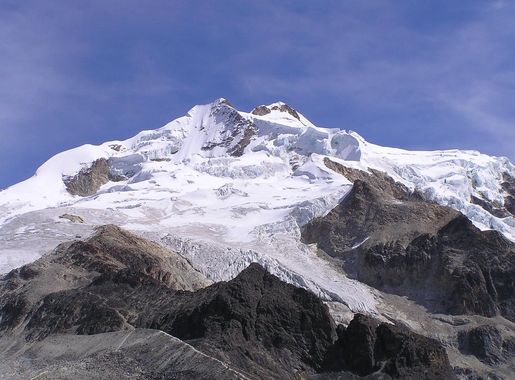


The Majestic Cordillera Real: Bolivia's Crown Jewel
Nestled in the heart of Bolivia, the Cordillera Real is an awe-inspiring mountain range that spans approximately 125 kilometers. This majestic range is part of the Andes and boasts some of the highest peaks in South America. Trekkers and climbers from around the globe flock to this natural wonder to experience its breathtaking beauty and challenging trails. The Cordillera Real is home to numerous glacial lakes, pristine valleys, and snow-capped peaks, making it a paradise for nature enthusiasts and adventure seekers alike. The region is renowned for its biodiversity, with unique flora and fauna that can be found nowhere else on earth. The iconic Mount Illimani and Mount Huayna Potosí are two of the most famous peaks in the range, offering spectacular views and unforgettable climbing experiences. Beyond its natural allure, the Cordillera Real is steeped in cultural significance. The indigenous communities that inhabit the region have a deep connection to the land, and visitors have the opportunity to learn about their traditions and way of life. From guided treks to cultural tours, there is no shortage of ways to immerse oneself in the rich heritage of this extraordinary destination.