

Lake Titicaca Basin, Bolivia Travel Guide
Discover the magic of Lake Titicaca Basin in Bolivia, where ancient history, unique cultures, and stunning natural beauty converge at the world's highest navigable lake.
Lake Titicaca Basin, located in Bolivia, is one of the most enchanting and culturally rich destinations in South America. As the highest navigable lake in the world, Lake Titicaca sits at an elevation of over 3,800 meters, providing visitors with breathtaking views and a serene atmosphere. The deep blue waters are surrounded by rolling hills and traditional villages, making it a perfect spot for those seeking both adventure and relaxation. The lake is steeped in history and legend, being considered the birthplace of the Inca civilization. Visitors can explore the ancient ruins of Tiwanaku near the southern shore, which offer a glimpse into the pre-Columbian cultures that once thrived in this region. Additionally, the floating Uros Islands, made entirely of totora reeds, provide a unique cultural experience as you interact with the indigenous Uros people, who have lived on these islands for centuries. For nature enthusiasts, the Lake Titicaca Basin offers numerous hiking trails, bird-watching opportunities, and boat tours that allow you to immerse yourself in the stunning natural beauty of the area. The diverse flora and fauna, coupled with the tranquil setting, make it a haven for those looking to escape the hustle and bustle of city life.

Know before you go
Hi, I'm Eve. Here are a few practical things to know before exploring Lake Titicaca Basin.
- Acclimate: Spend a day or two in La Paz to adjust to the high altitude before visiting Lake Titicaca.
- Best Time: Visit during the dry season from May to October for the best weather conditions.
- Local Guides: Hire a local guide to enhance your understanding of the area's rich history and culture.
- Sun Protection: Wear sunscreen and a hat as the high altitude means stronger UV rays.
- Cash: Bring cash as ATMs are scarce in the remote areas around the lake.
Top City Travel Guides in Lake Titicaca Basin
The cities of Lake Titicaca Basin, and the easiest places to base yourself.


Destinations in Lake Titicaca Basin
Resorts, valleys and scenic spots worth a trip of their own.


Explore Lake Titicaca Basin: Things to Do, Places to Eat, Hotels & More
Handpicked recommendations for top attractions, local dining, accommodations, and more

Top Attractions & Sightseeing in Lake Titicaca Basin
Top-rated picks
Best Attractions

Lake Titicaca
Experience the enchanting beauty of Lake Titicaca, the world's highest navigable lake, rich in culture and breathtaking landscapes.

Titicaca National Reserve
Explore the breathtaking landscapes and rich biodiversity of Titicaca National Reserve, a natural gem in Peru's Andes.

Typical Arc of Taquile
Explore the Typical Arc of Taquile for breathtaking views and an authentic cultural experience in the heart of Lake Titicaca, Peru.

Isla del Sol
Experience the breathtaking beauty and ancient history of Isla del Sol, the heart of Inca culture on Lake Titicaca, Bolivia.

Best landmarks in Lake Titicaca Basin
Top-rated picks
Best Landmarks
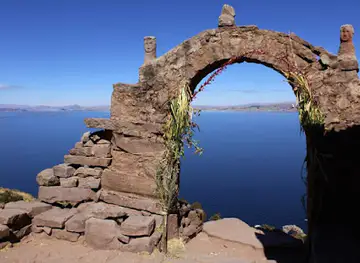
Lake Titicaca
Discover the breathtaking beauty and rich cultural heritage of Lake Titicaca, the largest and highest navigable lake in the world.

Copacabana La Paz
Explore the enchanting town of Copacabana on Lake Titicaca, rich in culture, history, and breathtaking landscapes.

Titicaca National Reserve
Discover the stunning biodiversity and rich cultural heritage of Titicaca National Reserve, a UNESCO Biosphere Reserve surrounding the majestic Lake Titicaca.

Sun Gate
Explore the Sun Gate, a stunning archaeological site revealing the ancient Tiwanaku civilization's rich history amidst the breathtaking Andes.

Best restaurants in Lake Titicaca Basin
Top-rated picks
Best Restaurants

Restaurante El Arriero
Experience exquisite steaks and authentic Bolivian barbecue at Restaurante El Arriero in Santa Cruz de la Sierra.

La Rinconada Ecoparque y Restaurante
Discover La Rinconada Ecoparque y Restaurante: A breathtaking ecological park offering delicious cuisine amidst stunning natural beauty.

Lake Titicaca
Discover the breathtaking beauty and rich culture of Lake Titicaca – a natural wonder nestled high in the Andes mountains.

Titicaca National Reserve
Discover Titicaca National Reserve: A blend of breathtaking landscapes, rich biodiversity, and vibrant indigenous culture awaits you.

Best bars in Lake Titicaca Basin
Top-rated picks
Best Bars

Pub & Disco Malegria
Discover the vibrant nightlife at Pub & Disco Malegria, La Paz's premier destination for unforgettable nights filled with music and dance.

Sir Pieper Resto - Bar
Discover the flavors of Bolivia at Sir Pieper Resto - Bar, a vibrant grill and bar in Santa Cruz de la Sierra offering an unforgettable dining experience.

DUDA POP PUB
Discover the vibrant nightlife of Santa Cruz at DUDA POP PUB, where cocktails meet Bolivian culture in a lively setting.

La Rota Carlota
Discover La Rota Carlota in Santa Cruz de la Sierra, a lively gastropub serving innovative dishes and a wide range of local drinks.

Best nightclubs in Lake Titicaca Basin
Top-rated picks
Best Nightclubs

Chaplin Show
Discover the enchanting Chaplin Show in Santa Cruz de la Sierra, where exquisite dining meets captivating performances inspired by Charlie Chaplin.

Pub & Disco Malegria
Immerse yourself in the energetic nightlife of La Paz at Pub & Disco Malegria, where music, drinks, and fun collide for an unforgettable experience.

DUDA POP PUB
Discover the best of Santa Cruz nightlife at DUDA POP PUB, where cocktails and camaraderie meet in a vibrant atmosphere.

ROCKERS ALIVE MUSIC BAR
Experience the vibrant music scene at Rockers Alive Music Bar in La Paz, where live performances and a lively atmosphere create unforgettable nights.

Best shops in Lake Titicaca Basin
Top-rated picks
Best Shops

Las Brisas Mall
Explore the vibrant shopping, dining, and entertainment experience at Las Brisas Mall in Santa Cruz de la Sierra, Bolivia.

7 Calles Shopping Mall
Experience the vibrant culture and shopping delights at 7 Calles Shopping Mall in Santa Cruz, a perfect blend of local charm and modern retail.

Lake Titicaca
Explore the stunning Lake Titicaca, a cultural haven and natural wonder nestled in the Andes, perfect for unforgettable adventures in Peru.

Titicaca National Reserve
Discover the enchanting landscapes and rich biodiversity of Titicaca National Reserve, a natural haven in Peru's breathtaking Lake Titicaca region.

Explore Lake Titicaca Basin on the Map
A handpicked selection of must-see spots in Lake Titicaca Basin, mapped for you.
Lake Titicaca Basin Essentials
-
Lake Titicaca Basin is accessible from two major cities in Bolivia: La Paz and Cochabamba. The nearest airport is El Alto International Airport in La Paz, which is approximately 70 kilometers away. From La Paz, you can take a bus or taxi to the town of Copacabana, a popular entry point to the basin. The bus journey typically takes around 3.5 hours. Alternatively, you can travel by train from Oruro to Uyuni and then take a bus to Copacabana, although this route is less direct.
-
Once in the Lake Titicaca Basin, transportation options include local buses, taxis, and boats. Local buses, known as 'micros' or 'minibuses,' are the most economical way to travel between towns. Taxis are also available and can be a convenient option for short trips. For exploring the lake, boats and ferries operate between key locations such as Copacabana, Isla del Sol, and Isla de la Luna. Renting a bicycle or a car can also be a viable option for those looking to explore at their own pace.
-
The official currency in Bolivia is the Boliviano (BOB). Credit cards are accepted in some hotels, restaurants, and shops, particularly in more touristy areas like Copacabana. However, it is advisable to carry cash, especially when traveling to smaller villages or islands. ATMs are available in Copacabana, but it's wise to withdraw sufficient cash before heading to more remote areas. Note that small denominations are often preferred by local vendors.
-
The Lake Titicaca Basin is generally a safe destination for tourists, but standard precautions should be taken. Avoid walking alone at night in unfamiliar areas and be cautious of your belongings in crowded places. Copacabana is relatively safe, but tourists should be aware of petty theft, particularly in busy markets and bus terminals. Always use reputable transportation services and avoid poorly lit or isolated areas after dark.
-
In case of emergency, dial 110 for police assistance and 118 for medical emergencies. Copacabana has a small hospital and several pharmacies for minor health issues. For serious medical emergencies, it may be necessary to travel to La Paz. Ensure you have travel insurance that covers medical emergencies. It is also advisable to carry a basic first aid kit, especially if you plan on trekking or exploring remote areas.
-
Fashion: Do dress in layers, as the weather can change quickly. Avoid wearing revealing clothing, especially in rural or religious areas. Religion: Do respect local customs and traditions. Always ask for permission before taking photos of religious ceremonies or locals in traditional attire. Public Transport: Do be respectful and give up your seat to elderly passengers. Don’t eat or drink on public transport. Greetings: Do greet people with a handshake or a polite 'Buenos días' (Good morning). A smile goes a long way in establishing rapport. Eating & Drinking: Do try local delicacies, such as 'trucha' (trout) from the lake. Don’t refuse food or drink offerings, as it is considered impolite.
-
To experience the Lake Titicaca Basin like a local, visit the weekly markets in Copacabana where you can buy fresh produce and traditional Bolivian goods. Engage with locals, who are often friendly and willing to share stories about their culture and history. Don’t miss a visit to Isla del Sol, the birthplace of the Incan sun god, which offers stunning views and ancient ruins. For a unique experience, try a homestay with a local family on one of the islands.
When is the best time to visit Lake Titicaca Basin?
Useful Local Phrases for Lake Titicaca Basin
You don't need to speak the language perfectly. Even learning a few simple words can make conversations warmer—and locals usually appreciate the effort.
— Eve

Here are the phrases I use most often in Lake Titicaca Basin. Try a few—you'll be surprised how far they go! 😊
❤️
-
- HelloKausachun
[Kow-sah-choon] - GoodbyeT'ikay
[Tee-kai] - YesAri
[Ah-ree] - NoMana
[Mah-nah] - Please/You're welcomeAriqay
[Ah-ree-kai] - Thank youYuspagara
[Yoo-spah-gah-rah] - Excuse me/SorryDisculpa
[Dees-kool-pah] - How are you?Kamisaraki?
[Kah-mee-sah-rah-kee] - Fine. And you?Allin. ¿Kamisaraki?
[Ah-yeen. Kah-mee-sah-rah-kee?] - Do you speak English?Inglés hablani?
[Eeng-les hah-blah-nee?] - I don't understandNiya no yachay
[Nee-yah no yah-chai]
- HelloKausachun
-
- I'd like to see the menu, pleaseMenúta yachayni, ariqay
[Meh-noo-tah yah-chai-nee, ah-ree-kai] - I don't eat meatNiya no makan carne
[Nee-yah no mah-kahn kar-neh] - Cheers!¡Sumaq!
[Soo-mahk!] - I would like to pay, pleaseQ'ipiyta rikhuy, ariqay
[Kee-pee-ee-tah ree-khoo-ee, ah-ree-kai]
- I'd like to see the menu, pleaseMenúta yachayni, ariqay
-
- Help!¡Ayu!
[Ah-yoo!] - Go away!¡Jut'iy!
[Hoo-tee-ee!] - Call the Police!Policía ruwan!
[Poh-lee-see-ah roo-wahn!] - Call a doctor!Yatiri ruwan!
[Yah-tee-ree roo-wahn!] - I'm lostNiya q'ipiyta ch'ankha
[Nee-yah kee-pee-ee-tah chahn-kah] - I'm illNiya ch'iqhi
[Nee-yah chee-khee]
- Help!¡Ayu!
-
- I'd like to buy...Niya ...wasiqani
[Nee-yah ...wah-see-kah-nee] - I'm just lookingNiya q'ipiyta rikhuy
[Nee-yah kee-pee-ee-tah ree-khoo-ee] - How much is it?¿Qan q'ipichka?
[Kahn kee-pee-chee-kah?] - That's too expensiveKuna q'ipichka
[Koo-nah kee-pee-chee-kah] - Can you lower the price?Qan q'ipichka ch'uyay?
[Kahn kee-pee-chee-kah choo-yai?]
- I'd like to buy...Niya ...wasiqani
-
- What time is it?¿Kasa q'ipichka?
[Kah-sah kee-pee-chee-kah?] - It's one o'clockP'isi q'ipichka
[Pee-see kee-pee-chee-kah] - Half past (10)Ch'iqchi (10)
[Cheek-chee (10)] - MorningSumaq
[Soo-mahk] - AfternoonK'uchu
[Koo-choo] - EveningP'unchay
[Poon-chai] - YesterdayJuk'uchu
[Hoo-koo-choo] - TodayKawsay
[Kow-sai] - TomorrowSumaqkama
[Soo-mahk-kah-mah] - 1Juan
[Hoo-ahn] - 2Iskay
[Ees-kai] - 3Kimsa
[Keem-sah] - 4Tawa
[Tah-wah] - 5P'isi
[Pee-see] - 6Sukha
[Soo-kah] - 7Q'anchis
[Kahn-chees] - 8P'usa
[Poo-sah] - 9Isqun
[Ees-kewn] - 10P'isi
[Pee-see]
- What time is it?¿Kasa q'ipichka?
-
- Where's a/the...?¿Maypi ...?
[My-pee ...?] - What's the address?¿Iñt'ikiq?
[Eeng-tee-kee?] - Can you show me (on the map)?Qan mapata rikhuy?
[Kahn mah-pah-tah ree-khoo-ee?] - When's the next (bus)?¿Kachkan (bus)?
[Kahch-kahn (bus)?] - A ticket (to ....)Pasajera (....)
[Pah-sah-heh-rah (....)]
- Where's a/the...?¿Maypi ...?
History of Lake Titicaca Basin
-
Long before the Inca empire, the Tiwanaku civilization flourished around Lake Titicaca from approximately 300 to 1000 AD. Known for their advanced agricultural techniques and impressive stone constructions, the Tiwanaku people built one of the most significant pre-Columbian civilizations in South America. The archaeological site of Tiwanaku, located near the southeastern shore of the lake, includes remarkable structures like the Akapana Pyramid and the Gate of the Sun, showcasing their sophisticated engineering and astronomical knowledge.
-
The Inca, who rose to power in the 15th century, considered Lake Titicaca to be a sacred place. According to Incan mythology, the lake was the birthplace of the sun god Inti and the cradle of civilization. The legendary founders of the Inca Empire, Manco Cápac and his sister Mama Ocllo, are believed to have emerged from the waters of Lake Titicaca. The lake's sacred islands, Isla del Sol and Isla de la Luna, feature numerous Inca ruins, including the Pilko Kaina Palace and the Chinkana labyrinth.
-
The arrival of the Spanish in the 16th century marked a significant turning point for the Lake Titicaca region. The Spanish conquest led to the collapse of the Inca Empire and the imposition of colonial rule. The Jesuit missionaries established settlements around the lake and introduced Christianity, which led to the construction of churches and the blending of indigenous and European cultures. The town of Copacabana, located on the Bolivian side of the lake, became a major religious center, with its famous Basilica of Our Lady of Copacabana built during this period.
-
The indigenous Aymara and Quechua communities have inhabited the Lake Titicaca Basin for centuries, maintaining their traditional ways of life despite external influences. These communities continue to practice ancient agricultural techniques, such as the construction of raised fields known as 'suka kollus' and 'waru waru,' which are adapted to the high-altitude environment. Cultural practices, including weaving, pottery, and festivals like the Fiesta de la Virgen de la Candelaria, remain vibrant and integral to the region's identity.
-
In recent decades, the Lake Titicaca Basin has seen a mix of development and conservation efforts. Tourism has grown, drawing visitors to its stunning landscapes and rich cultural heritage. However, challenges such as pollution and environmental degradation have prompted initiatives to protect the lake and its surroundings. Organizations and local communities are working together to promote sustainable tourism and preserve the ecological and cultural integrity of this unique region.
Neighbouring Regions of Lake Titicaca Basin
The closest regions to Lake Titicaca Basin, if you have time for more than one.



Your all‑in‑one travel companion app
Explore expert travel guides, compare and book tours, experiences, hotels, and more—all from the palm of your hand. Download now for seamless trip planning wherever your wanderlust takes you.


Explore More of Bolivia

Looking beyond Lake Titicaca Basin? Discover Bolivia for broader travel guides, local hot-spots, and regional highlights.
Explore BoliviaLake Titicaca Basin in Photos
Browse through our photo collection highlighting the charm and character of the destination.

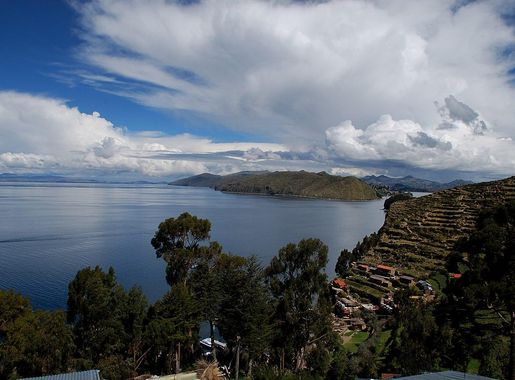


The Mystical Allure of Lake Titicaca Basin
Lake Titicaca Basin, located in Bolivia, is one of the most enchanting and culturally rich destinations in South America. As the highest navigable lake in the world, Lake Titicaca sits at an elevation of over 3,800 meters, providing visitors with breathtaking views and a serene atmosphere. The deep blue waters are surrounded by rolling hills and traditional villages, making it a perfect spot for those seeking both adventure and relaxation. The lake is steeped in history and legend, being considered the birthplace of the Inca civilization. Visitors can explore the ancient ruins of Tiwanaku near the southern shore, which offer a glimpse into the pre-Columbian cultures that once thrived in this region. Additionally, the floating Uros Islands, made entirely of totora reeds, provide a unique cultural experience as you interact with the indigenous Uros people, who have lived on these islands for centuries. For nature enthusiasts, the Lake Titicaca Basin offers numerous hiking trails, bird-watching opportunities, and boat tours that allow you to immerse yourself in the stunning natural beauty of the area. The diverse flora and fauna, coupled with the tranquil setting, make it a haven for those looking to escape the hustle and bustle of city life.