

Chaco Plain, Bolivia Travel Guide
Discover the Chaco Plain in Bolivia: A hidden natural and cultural treasure offering unique wildlife, indigenous traditions, and historical wonders.
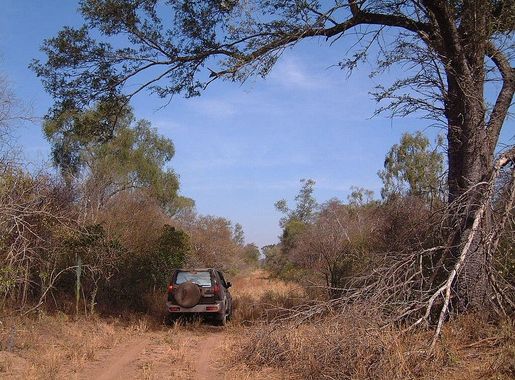
The Chaco Plain, located in the southeastern region of Bolivia, is a sprawling expanse of dry forests, savannas, and wetlands. This region is a haven for nature enthusiasts and wildlife photographers alike. The Chaco Plain is less frequented by tourists, offering a serene escape from more crowded destinations. Here, you can immerse yourself in the rich biodiversity, which includes jaguars, giant armadillos, and a plethora of bird species. The cultural tapestry of the Chaco Plain is equally captivating. The indigenous communities residing here have preserved their traditions and way of life, offering a unique glimpse into Bolivia's cultural heritage. Visitors can engage with local crafts, traditional music, and dance, making for a truly immersive experience. For the adventurous, the Chaco Plain offers numerous outdoor activities. From guided tours through its diverse ecosystems to bird watching and photography safaris, there's no shortage of ways to explore this fascinating region. The area also holds historical significance, with remnants of early human settlements and ancient rock art sites waiting to be discovered.

Know before you go
Hi, I'm Eve. Here are a few practical things to know before exploring Chaco Plain.
- Visit during the dry season (May to October) for the best wildlife viewing opportunities.
- Hire a local guide to enhance your experience and ensure you don't miss any hidden gems.
- Bring insect repellent and sun protection, as the climate can be harsh.
- Respect the local communities and their traditions; always ask for permission before taking photos.
- Stay hydrated and carry enough water, especially if you plan to undertake long hikes.
Explore Chaco Plain: Things to Do, Places to Eat, Hotels & More
Handpicked recommendations for top attractions, local dining, accommodations, and more

Top Attractions & Sightseeing in Chaco Plain
Top-rated picks
Best Attractions

Plaza Murillo
Experience the vibrant culture and history of La Paz at Plaza Murillo, a must-visit park surrounded by stunning architecture and local charm.

Valle de la Luna
Discover the surreal beauty of Valle de la Luna, a must-see natural park near La Paz, showcasing unique geological formations and breathtaking landscapes.

Train Cemetery
Explore Uyuni's Train Cemetery, a mesmerizing open-air museum showcasing rusted locomotives and rich railway history amidst the stunning Bolivian desert.

Pirate Airplane
Explore Pirate Airplane Park in Santa Cruz de la Sierra, a whimsical playground set amid lush greenery, perfect for families and adventure seekers.

Best restaurants in Chaco Plain
Top-rated picks
Best Restaurants

Bolivian Popular Food
Experience authentic Bolivian cuisine at Popular Food in La Paz - a culinary journey through traditional flavors.

Gustu
Discover Gustu: A premier South American dining destination in La Paz offering innovative cuisine with locally sourced ingredients.

Joy Ride Cafe
Experience the vibrant flavors and welcoming atmosphere at Joy Ride Cafe in Sucre—where culinary delights meet Bolivian charm.

Inés España Bistro & Bakery
Discover the authentic taste of Bolivia at Inés España Bistro & Bakery in Santa Cruz de la Sierra - where culinary traditions meet modern flair.

Best bars in Chaco Plain
Top-rated picks
Best Bars

Muela del Diablo
Experience the vibrant flavors and lively atmosphere at Muela del Diablo, a top grill and bar in Cochabamba, perfect for food lovers and social gatherings.
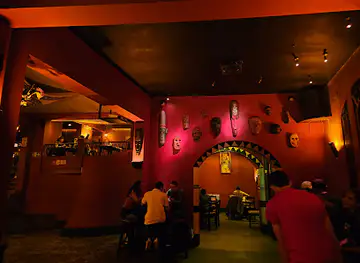
Pub & Disco Malegria
Discover the dynamic nightlife of La Paz at Pub & Disco Malegria, where drinks flow, music plays, and the fun never stops.

La Rota Carlota
Experience the vibrant flavors of Bolivia at La Rota Carlota, a gastropub offering a unique blend of local and international cuisine in Santa Cruz.

Diesel Nacional
Discover the essence of La Paz nightlife at Diesel Nacional, where expertly crafted cocktails and local brews await in a vibrant atmosphere.

Best nightclubs in Chaco Plain
Top-rated picks
Best Nightclubs

Chaplin Show
Discover the Chaplin Show: A delightful dinner theater in Santa Cruz offering unforgettable performances and a taste of local cuisine.

Pub & Disco Malegria
Discover the electrifying nightlife at Pub & Disco Malegria in La Paz, where vibrant music and a lively atmosphere await every night.

Centric Club
Experience the vibrant nightlife at Centric Club, a lively gay bar in La Paz, perfect for socializing and entertainment.

New Pa'Goza
New Pa'Goza in La Paz: A vibrant disco club where music and dance come alive, offering a memorable nightlife experience for all.

Best shops in Chaco Plain
Top-rated picks
Best Shops

Las Brisas Mall
Discover the vibrant shopping experience at Las Brisas Mall in Santa Cruz, Bolivia, where fashion, food, and fun come together in one place.

La Ramada
Explore La Ramada Market in Santa Cruz de la Sierra - A vibrant hub of local produce, crafts, and authentic Bolivian culture.

The Witches Market
Explore the vibrant Witches Market in La Paz, a captivating blend of mysticism, local culture, and unique handicrafts.

Mercado Rodríguez
Discover the heart of La Paz at Mercado Rodríguez, where local flavors and vibrant culture come together in a bustling market experience.

Explore Chaco Plain on the Map
A handpicked selection of must-see spots in Chaco Plain, mapped for you.
Chaco Plain Essentials
-
Chaco Plain is located in the southeastern part of Bolivia. The nearest major city with an international airport is Santa Cruz de la Sierra, specifically Viru Viru International Airport (VVI). From Santa Cruz, you can take a domestic flight to Yacuiba Airport (BYC), which is closer to the Chaco Plain. Alternatively, you can travel by bus or hire a car to drive from Santa Cruz to Yacuiba, which takes approximately 10-12 hours by road. Bus services are available, but it's recommended to book tickets in advance.
-
Within Chaco Plain, the primary mode of transportation is by car. Renting a car provides the most flexibility for exploring the region. Local buses and shared taxis (trufis) are also available for intercity travel. For shorter distances within towns, walking is feasible. Be mindful that road conditions can vary, and some areas may require a 4x4 vehicle.
-
The official currency in Bolivia is the Bolivian Boliviano (BOB). Credit cards are accepted in larger hotels and some restaurants, but it is advisable to carry cash, especially when visiting smaller towns and rural areas. ATMs are available in major towns like Yacuiba, but it is wise to withdraw sufficient cash before traveling to remote areas.
-
Chaco Plain is generally a safe destination for tourists, but standard precautions should always be taken. Avoid walking alone at night and keep an eye on your belongings in crowded areas. Some areas in larger towns like Yacuiba have higher crime rates, particularly targeting tourists, so it's best to stay in well-populated and well-lit areas. Consult local advice for the latest safety information.
-
In case of emergency, dial 110 for police assistance and 118 for medical emergencies. Major towns like Yacuiba have police stations and medical facilities. It is recommended to have travel insurance that covers medical emergencies. Pharmacies are available in towns where you can purchase over-the-counter medications. For serious health issues, the nearest major hospital is in Santa Cruz.
-
Fashion: Do dress modestly, especially in rural and indigenous areas. Avoid wearing flashy jewelry. Religion: Do respect local customs and traditions. When visiting religious sites, dress conservatively and avoid disruptive behavior. Public Transport: Do be respectful and considerate of other passengers. Don't eat or drink on public transport. Greetings: Do greet locals with a handshake or a slight nod. A friendly 'Buenos días' (Good morning) is always appreciated. Eating & Drinking: Do try local dishes and beverages, and be polite when offered food. Don't refuse hospitality, as it may be considered impolite.
-
To experience Chaco Plain like a local, visit local markets where you can buy fresh produce and traditional Bolivian goods. Engage with locals, as they are often friendly and eager to share stories about their culture and history. Don't miss exploring the natural reserves and protected areas, which offer unique wildlife and scenic landscapes. Take part in local festivals and events to immerse yourself in the local culture.
When is the best time to visit Chaco Plain?
Useful Local Phrases for Chaco Plain
You don't need to speak the language perfectly. Even learning a few simple words can make conversations warmer—and locals usually appreciate the effort.
— Eve

Here are the phrases I use most often in Chaco Plain. Try a few—you'll be surprised how far they go! 😊
❤️
-
- HelloHola
[OH-lah] - GoodbyeAdiós
[ah-DYOS] - YesSí
[SEE] - NoNo
[NO] - Please/You’re welcomePor favor
[por fah-VOR] - Thank youGracias
[GRAH-syahs] - Excuse me/SorryPerdón
[pair-DON] - How are you?¿Cómo estás?
[KOH-mo es-TAS] - Fine. And you?Bien. ¿Y tú?
[BYEN. EE TOO] - Do you speak English?¿Hablas inglés?
[AH-blas een-GLES] - I don’t understandNo entiendo
[NO en-TYEN-do]
- HelloHola
-
- I’d like to see the menu, pleaseMe gustaría ver el menú, por favor
[may goos-tah-REE-ah BEHR el meh-NEW, por fah-VOR] - I don’t eat meatNo como carne
[NO KOH-mo KAR-neh] - Cheers!¡Salud!
[sah-LOOD] - I would like to pay, pleaseMe gustaría pagar, por favor
[may goos-tah-REE-ah pah-GAR, por fah-VOR]
- I’d like to see the menu, pleaseMe gustaría ver el menú, por favor
-
- Help!¡Ayuda!
[ah-YOO-dah] - Go away!¡Vete!
[VEH-teh] - Call the Police!¡Llama a la policía!
[YAH-ma ah lah poh-lee-SEE-ah] - Call a doctor!¡Llama a un doctor!
[YAH-ma ah oon doc-TOR] - I’m lostEstoy perdido
[es-TOY pair-DEE-do] - I’m illEstoy enfermo
[es-TOY en-FER-mo]
- Help!¡Ayuda!
-
- I’d like to buy...Me gustaría comprar...
[may goos-tah-REE-ah kom-PRAR] - I’m just lookingSolo estoy mirando
[SO-lo es-TOY mee-RAN-do] - How much is it?¿Cuánto cuesta?
[KWAN-to KWES-ta] - That’s too expensiveEs demasiado caro
[es de-ma-SYA-do KA-ro] - Can you lower the price?¿Puedes bajar el precio?
[PWE-des bah-HAR el PREH-syo]
- I’d like to buy...Me gustaría comprar...
-
- What time is it?¿Qué hora es?
[KEH OR-ah es] - It’s one o’clockEs la una
[es lah OO-nah] - Half past (10)Y diez y media
[ee DYAS ee MEH-dee-ah] - MorningMañana
[ma-NYAH-nah] - AfternoonTarde
[TAR-deh] - EveningNoche
[NO-cheh] - YesterdayAyer
[ah-YER] - TodayHoy
[OY] - TomorrowMañana
[ma-NYAH-nah] - 1Uno
[OO-no] - 2Dos
[DOS] - 3Tres
[TRES] - 4Cuatro
[KWAT-ro] - 5Cinco
[SEEN-ko] - 6Seis
[SAYS] - 7Siete
[SYET-eh] - 8Ocho
[OH-cho] - 9Nueve
[NWEH-veh] - 10Diez
[DYAS]
- What time is it?¿Qué hora es?
-
- Where's a/the...?¿Dónde está...?
[DON-deh es-TAH] - What's the address?¿Cuál es la dirección?
[KWAL es lah dee-rek-SYON] - Can you show me (on the map)?¿Puedes mostrarme (en el mapa)?
[PWE-des mos-TRAR-me (en el MAH-pah)] - When's the next (bus)?¿Cuándo es el próximo (autobús)?
[KWAN-do es el PROK-si-mo (ow-to-BOOS)] - A ticket (to ....)Un boleto (a ....)
[oon bo-LEH-to (ah ....)]
- Where's a/the...?¿Dónde está...?
History of Chaco Plain
-
Long before the arrival of the Spanish, the Chaco Plain was home to various indigenous groups, including the Guarani people. These groups developed intricate societies with advanced agricultural techniques, utilizing the fertile lands of the Chaco Plain for farming and hunting. Their cultural heritage and traditions continue to influence the region to this day.
-
The arrival of the Spanish in the 16th century marked a significant turning point for the Chaco Plain. The area was explored by Spanish conquistadors in their quest for riches, leading to conflicts with the indigenous populations. The Spanish established missions and settlements, introducing Christianity and European agricultural practices, which had a lasting impact on the local culture and economy.
-
One of the most significant historical events in the region was the Chaco War between Bolivia and Paraguay. Fought over control of the Chaco Plain, the war was driven by the desire to access potential oil reserves. The conflict resulted in heavy casualties and significant changes in territorial boundaries. The war's legacy is still evident in the region's monuments, memorials, and the resilience of its people.
-
In recent decades, the Chaco Plain has seen various development projects aimed at improving infrastructure and living conditions. However, these projects have also brought challenges, including environmental concerns and the need to balance development with the conservation of the region's unique ecosystems. Efforts are ongoing to protect the Chaco Plain's biodiversity and cultural heritage while promoting sustainable development.
-
The Chaco Plain is rich in cultural traditions, with vibrant festivals and rituals celebrated throughout the year. These events often blend indigenous customs with influences from Spanish colonial history, creating a unique cultural tapestry. Festivals such as the Guarani New Year and local religious ceremonies offer travelers a deep insight into the cultural diversity and history of the region.
Neighbouring Regions of Chaco Plain
The closest regions to Chaco Plain, if you have time for more than one.


Your all‑in‑one travel companion app
Explore expert travel guides, compare and book tours, experiences, hotels, and more—all from the palm of your hand. Download now for seamless trip planning wherever your wanderlust takes you.


Explore More of Bolivia

Looking beyond Chaco Plain? Discover Bolivia for broader travel guides, local hot-spots, and regional highlights.
Explore BoliviaChaco Plain in Photos
Browse through our photo collection highlighting the charm and character of the destination.



The Enigmatic Chaco Plain: Bolivia's Hidden Gem
The Chaco Plain, located in the southeastern region of Bolivia, is a sprawling expanse of dry forests, savannas, and wetlands. This region is a haven for nature enthusiasts and wildlife photographers alike. The Chaco Plain is less frequented by tourists, offering a serene escape from more crowded destinations. Here, you can immerse yourself in the rich biodiversity, which includes jaguars, giant armadillos, and a plethora of bird species. The cultural tapestry of the Chaco Plain is equally captivating. The indigenous communities residing here have preserved their traditions and way of life, offering a unique glimpse into Bolivia's cultural heritage. Visitors can engage with local crafts, traditional music, and dance, making for a truly immersive experience. For the adventurous, the Chaco Plain offers numerous outdoor activities. From guided tours through its diverse ecosystems to bird watching and photography safaris, there's no shortage of ways to explore this fascinating region. The area also holds historical significance, with remnants of early human settlements and ancient rock art sites waiting to be discovered.