

Chiquitania, Bolivia Travel Guide
Discover Chiquitania, Bolivia's hidden gem, where history, culture, and nature converge. Explore Jesuit missions, lush landscapes, and vibrant local traditions.
Chiquitania, located in the eastern part of Bolivia, is a region rich in culture, stunning landscapes, and vibrant history. This beautiful area is home to the Jesuit Missions of Chiquitos, a UNESCO World Heritage site. These missions, dating back to the 17th and 18th centuries, are a testament to the unique blend of European and indigenous cultures. Visitors can explore the well-preserved churches, each with its own charm and architectural style, surrounded by the lush greenery of the Bolivian lowlands. Beyond the historic missions, Chiquitania offers a natural paradise for nature lovers and adventure seekers. The region is dotted with pristine rivers, rolling hills, and extensive forests teeming with wildlife. Birdwatchers will be delighted by the diverse species found here, while hikers and outdoor enthusiasts can enjoy the numerous trails and natural reserves. Chiquitania is also known for its warm and welcoming local communities. Tourists can immerse themselves in the local way of life, experiencing traditional music, art, and cuisine. The region hosts numerous festivals and events throughout the year, providing a perfect opportunity to witness the vibrant culture and traditions of the Chiquitanos.

Know before you go
Hi, I'm Eve. Here are a few practical things to know before exploring Chiquitania.
- Visit during the dry season (May to October) for the best weather and easier access to attractions.
- Hire a local guide to get in-depth insights into the history and culture of the Jesuit Missions.
- Bring insect repellent and sun protection, especially if you plan on spending time outdoors.
- Try local dishes such as 'majadito' and 'somó', which are unique to the region.
- Attend one of the many local festivals to experience traditional music and dance.
Top City Travel Guides in Chiquitania
The cities of Chiquitania, and the easiest places to base yourself.

Destinations in Chiquitania
Resorts, valleys and scenic spots worth a trip of their own.

Explore Chiquitania: Things to Do, Places to Eat, Hotels & More
Handpicked recommendations for top attractions, local dining, accommodations, and more

Top Attractions & Sightseeing in Chiquitania
Top-rated picks
Best Attractions
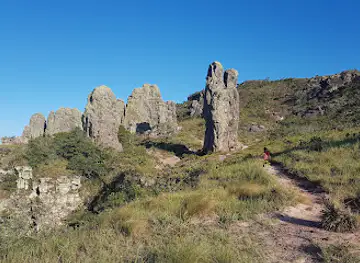
Mirador The antechamber of heaven
Experience breathtaking views and serene landscapes at the Mirador, the Antechamber of Heaven in Santiago de Chiquitos, Bolivia.
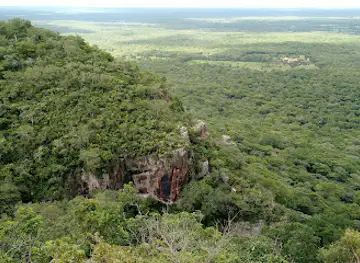
Mirador de Ñuflo de Chaves
Discover stunning views and rich history at Mirador de Ñuflo de Chaves, a breathtaking observation deck in the heart of San José de Chiquitos.

Miradores del Valle de Tucabaca
Explore the breathtaking views and rich cultural heritage at the Miradores del Valle de Tucabaca in Santiago de Chiquitos, Bolivia.

Santuario de Chochis
Discover the Santuario de Chochis, a serene shrine in Bolivia offering stunning views, tranquil ambiance, and rich cultural heritage.

Best landmarks in Chiquitania
Top-rated picks
Best Landmarks

The Witches Market
Discover the mystical allure of La Paz's Witches Market, a vibrant hub for unique handicrafts, traditional potions, and unforgettable souvenirs.

Parque El Arenal
Explore the natural beauty and vibrant atmosphere of Parque El Arenal in Santa Cruz de la Sierra, a perfect retreat for nature lovers and families.

Valle de la Luna
Explore the breathtaking Valle de la Luna in La Paz, Bolivia, a surreal landscape of unique rock formations and stunning vistas, perfect for adventure seekers.

Mirador Killi Killi
Experience the stunning views of La Paz from Mirador Killi Killi, a must-visit viewpoint showcasing the beauty of Bolivia's capital.

Best restaurants in Chiquitania
Top-rated picks
Best Restaurants

La Casa del Camba
Discover the authentic taste of Bolivia at La Casa del Camba - a culinary jewel in Santa Cruz de la Sierra.

Restaurante El Arriero
Indulge in mouthwatering steaks and authentic barbecue at Restaurante El Arriero in Santa Cruz de la Sierra.

Jardín de Asia
Discover the enchanting flavors of Asian cuisine at Jardín de Asia in Santa Cruz de la Sierra - where culinary art meets serene ambiance.

Grill Restaurant La Cabrera
Experience authentic Bolivian flavors at Grill Restaurant La Cabrera – where every bite tells a story.

Best bars in Chiquitania
Top-rated picks
Best Bars

Buteco
Discover Buteco, where vibrant nightlife meets delicious cuisine in the heart of Santa Cruz, offering an unforgettable local experience for every traveler.

CHIQUITANIA BAR-RESTAURANT
Experience the best of Bolivian cuisine in a welcoming family-friendly atmosphere at Chiquitania Bar-Restaurant in Santa Cruz de la Sierra.

Local Las TINAJAS
Discover Local Las TINAJAS in San Miguel de Velasco, where local flavors and vibrant culture meet in a cozy bar atmosphere.

Best nightclubs in Chiquitania
Top-rated picks
Best Nightclubs

Chaplin Show
Discover the enchanting dinner theater experience at Chaplin Show in Santa Cruz, where delightful performances meet exquisite dining for an unforgettable evening.

Club Paradise
Discover the lively atmosphere of Club Paradise, the ultimate night club in Santa Cruz de la Sierra for unforgettable nightlife experiences.

BAHIA NEGRA
Explore the vibrant nightlife at Bahia Negra, a top-rated night club in Santa Cruz de la Sierra, known for its lively atmosphere and great music.

Casa Blanca Internacional Club
Discover the vibrant nightlife of Santa Cruz at Casa Blanca Internacional Club, where music, dancing, and unforgettable experiences await.

Best shops in Chiquitania
Top-rated picks
Best Shops

Ventura Mall
Discover Ventura Mall, a vibrant shopping oasis in Santa Cruz with international brands, local delights, and endless entertainment options.

Las Brisas Mall
Discover Las Brisas Mall: Santa Cruz's ultimate shopping experience with diverse shops, delicious dining, and vibrant entertainment options.

The Witches Market
Explore the vibrant Witches Market in La Paz, a captivating blend of tradition, spirituality, and local crafts that reflects Bolivia's rich heritage.

Chiriguano Shopping Center
Experience the vibrant shopping scene at Chiriguano Shopping Center, where local culture meets international flair in Santa Cruz de la Sierra.

Explore Chiquitania on the Map
A handpicked selection of must-see spots in Chiquitania, mapped for you.
Chiquitania Essentials
-
Chiquitania is located in the Santa Cruz Department of Bolivia. The nearest major city with an international airport is Santa Cruz de la Sierra, specifically Viru Viru International Airport (VVI). From Santa Cruz de la Sierra, you can take a bus or rent a car to reach towns in Chiquitania such as San José de Chiquitos, Concepción, and San Ignacio de Velasco. Buses are available from the main terminal in Santa Cruz and the journey can take between 5 to 10 hours depending on your destination.
-
Within Chiquitania, transportation options include buses, taxis, and motorcycles. Buses are the most economical option for traveling between towns, but they can be slow and less frequent. Taxis are available and can be hired for the day for more flexibility. Motorcycle taxis are common for shorter distances and within towns. Renting a car provides the most convenience, especially for visiting remote areas and Jesuit missions.
-
The official currency in Bolivia is the Boliviano (BOB). While credit cards are accepted in some hotels, restaurants, and larger shops, it is advisable to carry cash, especially in smaller towns and rural areas. ATMs are available in larger towns such as San Ignacio de Velasco and Concepción, but it is wise to withdraw sufficient cash in Santa Cruz de la Sierra before traveling to more remote areas.
-
Chiquitania is generally a safe region for tourists, but standard precautions should be taken. Avoid walking alone at night in unfamiliar areas and be cautious with your belongings in crowded places. While there are no specific high-crime areas targeting tourists, it is always best to stay vigilant and aware of your surroundings. Be cautious in Santa Cruz de la Sierra, particularly in busy markets and transport hubs where pickpocketing can occur.
-
In case of an emergency, dial 110 for police assistance and 118 for medical emergencies. Local hospitals and clinics are available in larger towns such as San Ignacio de Velasco and Concepción. It is recommended to have travel insurance that covers medical emergencies. For minor health issues, there are pharmacies in most towns where you can purchase over-the-counter medications.
-
Fashion: Do dress modestly, especially when visiting religious sites. Avoid wearing revealing clothing. Religion: Do respect local customs and traditions. Always remove your hat and speak softly when entering churches. Public Transport: Do be respectful and give up your seat to elderly passengers. Don’t eat or drink on public transport. Greetings: Do greet people with a handshake. A warm greeting in Spanish, such as 'Buenos días' or 'Buenas tardes,' is appreciated. Eating & Drinking: Do try local delicacies like empanadas and majadito. Don’t refuse food offerings, as it is considered impolite.
-
To experience Chiquitania like a local, visit the local markets where you can buy fresh produce and traditional Bolivian goods. Engage with locals, as they are often friendly and willing to share stories about the region's history and culture. Don't miss visiting the Jesuit Missions, which are UNESCO World Heritage Sites. For a unique experience, attend one of the local festivals, such as the San Ignacio de Velasco festival, which features traditional music, dance, and food.
When is the best time to visit Chiquitania?
Useful Local Phrases for Chiquitania
You don't need to speak the language perfectly. Even learning a few simple words can make conversations warmer—and locals usually appreciate the effort.
— Eve

Here are the phrases I use most often in Chiquitania. Try a few—you'll be surprised how far they go! 😊
❤️
-
- HelloHola
[Ola] - GoodbyeAdiós
[Adios] - YesSí
[Si] - NoNo
[No] - Please/You're welcomePor favor
[Por favor] - Thank youGracias
[Grasias] - Excuse me/SorryDisculpe
[Disculpe] - How are you?¿Cómo estás?
[Como estas] - Fine. And you?Bien. ¿Y tú?
[Bien. I tu] - Do you speak English?¿Hablas inglés?
[Ablas ingles] - I don't understandNo entiendo
[No entiendo]
- HelloHola
-
- I'd like to see the menu, pleaseMe gustaría ver el menú, por favor
[Me gustaria ver el menu, por favor] - I don't eat meatNo como carne
[No como carne] - Cheers!¡Salud!
[Salud] - I would like to pay, pleaseMe gustaría pagar, por favor
[Me gustaria pagar, por favor]
- I'd like to see the menu, pleaseMe gustaría ver el menú, por favor
-
- Help!¡Ayuda!
[Ayuda] - Go away!¡Vete!
[Vete] - Call the Police!¡Llama a la policía!
[Llama a la policia] - Call a doctor!¡Llama a un doctor!
[Llama a un doctor] - I'm lostEstoy perdido
[Estoy perdido] - I'm illEstoy enfermo
[Estoy enfermo]
- Help!¡Ayuda!
-
- I'd like to buy...Me gustaría comprar...
[Me gustaria comprar] - I'm just lookingSolo estoy mirando
[Solo estoy mirando] - How much is it?¿Cuánto cuesta?
[Cuanto cuesta] - That's too expensiveEso es muy caro
[Eso es mui caro] - Can you lower the price?¿Puedes bajar el precio?
[Puedes bajar el precio]
- I'd like to buy...Me gustaría comprar...
-
- What time is it?¿Qué hora es?
[Que ora es] - It's one o'clockEs la una
[Es la una] - Half past (10)Y media (10)
[Y media 10] - MorningMañana
[Mañana] - AfternoonTarde
[Tarde] - EveningNoche
[Noche] - YesterdayAyer
[Ayer] - TodayHoy
[Hoy] - TomorrowMañana
[Mañana] - 1Uno
[Uno] - 2Dos
[Dos] - 3Tres
[Tres] - 4Cuatro
[Cuatro] - 5Cinco
[Cinco] - 6Seis
[Seis] - 7Siete
[Siete] - 8Ocho
[Ocho] - 9Nueve
[Nueve] - 10Diez
[Diez]
- What time is it?¿Qué hora es?
-
- Where's a/the...?¿Dónde está un/la...?
[Donde esta un/la] - What's the address?¿Cuál es la dirección?
[Cual es la direccion] - Can you show me (on the map)?¿Puedes mostrarme (en el mapa)?
[Puedes mostrarme en el mapa] - When's the next (bus)?¿Cuándo es el próximo (bus)?
[Cuando es el proximo bus] - A ticket (to ....)Un boleto (a ....)
[Un boleto a]
- Where's a/the...?¿Dónde está un/la...?
History of Chiquitania
-
In the late 17th and early 18th centuries, Jesuit missionaries arrived in the region now known as Chiquitania. They established a series of missions aimed at converting the indigenous Chiquitano people to Christianity. These missions were not just religious centers but also hubs of cultural exchange, introducing European art, music, and architecture to the region.
-
In 1767, the Spanish Crown expelled the Jesuits from all its territories, including Chiquitania. This marked a significant turning point for the region, as the missions were left without their founders and leaders. Despite this, many of the indigenous people continued to maintain the traditions and structures established by the Jesuits.
-
Chiquitania played a role in Bolivia's struggle for independence from Spanish colonial rule in the early 19th century. The region saw various battles and skirmishes as local leaders and communities joined the larger fight for freedom, contributing to the eventual establishment of Bolivia as an independent nation in 1825.
-
In the late 20th century, efforts were made to preserve the unique Jesuit heritage of Chiquitania. The missions, which had deteriorated over time, underwent extensive restoration. In 1990, six Jesuit missions in Chiquitania were declared UNESCO World Heritage Sites, recognizing their cultural and historical significance.
-
Today, Chiquitania is a vibrant region that blends its rich history with contemporary culture. The restored Jesuit missions are major tourist attractions, drawing visitors from around the world. Local festivals, traditional music, and crafts continue to reflect the unique heritage of the Chiquitano people, making Chiquitania a living testament to its storied past.
Neighbouring Regions of Chiquitania
The closest regions to Chiquitania, if you have time for more than one.


Your all‑in‑one travel companion app
Explore expert travel guides, compare and book tours, experiences, hotels, and more—all from the palm of your hand. Download now for seamless trip planning wherever your wanderlust takes you.


Explore More of Bolivia

Looking beyond Chiquitania? Discover Bolivia for broader travel guides, local hot-spots, and regional highlights.
Explore BoliviaChiquitania in Photos
Browse through our photo collection highlighting the charm and character of the destination.


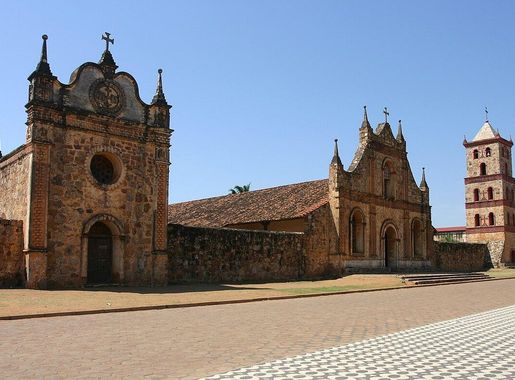


Chiquitania: Bolivia's Hidden Gem
Chiquitania, located in the eastern part of Bolivia, is a region rich in culture, stunning landscapes, and vibrant history. This beautiful area is home to the Jesuit Missions of Chiquitos, a UNESCO World Heritage site. These missions, dating back to the 17th and 18th centuries, are a testament to the unique blend of European and indigenous cultures. Visitors can explore the well-preserved churches, each with its own charm and architectural style, surrounded by the lush greenery of the Bolivian lowlands. Beyond the historic missions, Chiquitania offers a natural paradise for nature lovers and adventure seekers. The region is dotted with pristine rivers, rolling hills, and extensive forests teeming with wildlife. Birdwatchers will be delighted by the diverse species found here, while hikers and outdoor enthusiasts can enjoy the numerous trails and natural reserves. Chiquitania is also known for its warm and welcoming local communities. Tourists can immerse themselves in the local way of life, experiencing traditional music, art, and cuisine. The region hosts numerous festivals and events throughout the year, providing a perfect opportunity to witness the vibrant culture and traditions of the Chiquitanos.