

Free Pantanal Travel Guide & Mobile App
Explore Pantanal with free travel guides. Discover regional history, expert tips, proposed trips, and audio guides on web or mobile app.


Explore Bolivia’s Pantanal around Puerto Suárez, Otuquis and San Matías for wildlife, flooded savannahs and remote frontier landscapes.
Read more about Pantanal
When is the best time to visit Pantanal?
Best: May, July–August · 23–24°C| Month | High (°C) | Rainfall (mm) |
|---|---|---|
| January | 30 | 100 |
| February | 30 | 90 |
| March | 29 | 80 |
| April | 27 | 70 |
| May (best) | 24 | 60 |
| June | 23 | 50 |
| July (best) | 23 | 40 |
| August (best) | 24 | 50 |
| September | 26 | 60 |
| October | 29 | 70 |
| November | 30 | 80 |
| December | 30 | 90 |
Getting to and around Pantanal
How to get there
Transportation
Best attractions in Pantanal
The Bolivian Pantanal’s attractions are centred on wetlands, wildlife and broad seasonal landscapes rather than dense clusters of monuments. Around Puerto Suárez, Laguna Cáceres offers an accessible introduction to the region’s water environment, with birdlife and changing views shaped by rainfall and water levels. Otuquis National Park protects extensive marshes, flooded grasslands and lowland habitats in the south, while the San Matías Integrated Management Natural Area covers a far larger and more varied landscape in the north, including wetlands, forest and transitional dry-country vegetation. These protected areas are best experienced through guided excursions arranged locally, since roads, trails and water access are seasonal and facilities are limited. Birdwatching is a principal draw, with opportunities to look for storks, herons, ibises and other wetland species, while larger animals may include capybaras, caimans and marsh deer. The region also offers interest for visitors drawn to frontier geography, cattle-ranching landscapes and the contrast between remote conservation areas and the transport towns of Puerto Suárez and Puerto Quijarro. Excursions should be planned with realistic expectations: wildlife is not guaranteed, and weather can change access quickly.
-
Tourist attraction
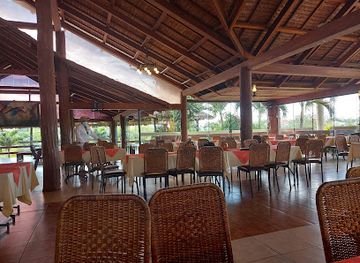
La Rinconada Ecoparque y Restaurante
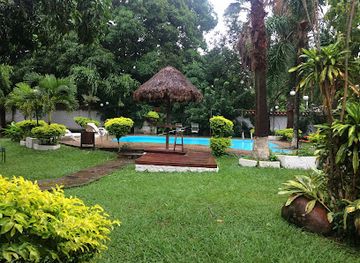
Experience the harmony of nature and cuisine at La Rinconada Ecoparque y Restaurante in Santa Cruz, Bolivia, perfect for families and nature enthusiasts.
-
Tourist attraction
Parque Nacional Carrasco
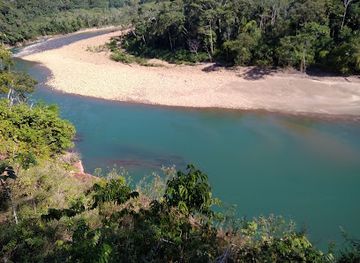
Discover the stunning biodiversity and breathtaking landscapes of Parque Nacional Carrasco, a must-visit national park in Bolivia for nature lovers and adventure seekers.
-
Botanical garden
Yvaga Guazú Ecological Park
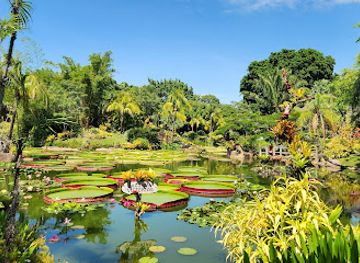
Explore the lush landscapes of Yvaga Guazú Ecological Park, a botanical garden and animal shelter in Santa Cruz de la Sierra, rich in biodiversity.
-
Tourist attraction
Noel Kempff Mercado Natural History Museum
Uncover Bolivia's natural treasures at the Noel Kempff Mercado Natural History Museum in Santa Cruz, where biodiversity and culture come to life.
Best landmarks in Pantanal
The most recognisable landmarks of the Bolivian Pantanal are ecological and geographical rather than monumental. Laguna Cáceres, beside Puerto Suárez, is a defining local feature and an important visual expression of the region’s relationship with seasonal water. The broad wetlands of Otuquis National Park form another major landmark, representing one of Bolivia’s most important protected lowland environments and extending towards the Paraguay basin. In the north, the immense San Matías Integrated Management Natural Area is significant for its scale and for the meeting of wetland, forest and dryland habitats. Puerto Quijarro’s railway and frontier infrastructure point to the transport history that connects the interior of Bolivia with Brazil, while Puerto Suárez reflects the country’s nineteenth-century eastern frontier. Rather than a single monumental site, the region’s identity is expressed through expansive horizons, flooded plains, lagoons, river-basin landscapes and the visible transition between developed settlements and protected countryside.
-
Woods
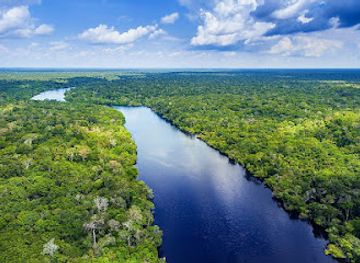
Amazon Rainforest
Explore the Amazon Rainforest, a UNESCO World Heritage site, home to unparalleled biodiversity and rich cultural heritage in the heart of Brazil.
-
Tourist attraction
The Witches Market
Explore The Witches Market in La Paz for a cultural experience filled with unique handicrafts, mystical traditions, and local Bolivian treasures.
-
Hotel
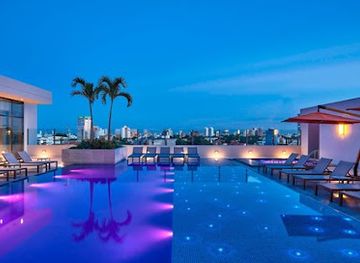
Marriott Santa Cruz de la Sierra Hotel
Discover unparalleled comfort and luxury at the Marriott Santa Cruz de la Sierra, your gateway to Bolivia's vibrant capital.
-
Vista point
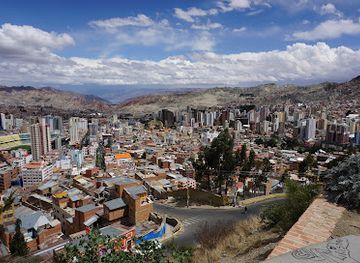
Mirador Killi Killi
Discover the stunning vistas of La Paz at Mirador Killi Killi, an unforgettable viewpoint that captures the beauty of Bolivia's capital.
Explore Pantanal on the map
Plan your trip on one map. See where the top cities, national parks and sights are, and book hotels and experiences in a few clicks.
Best hotels in Pantanal
Best restaurants in Pantanal
Dining in the Bolivian Pantanal is practical and locally influenced, with the greatest choice found in Puerto Suárez and Puerto Quijarro rather than in remote protected areas. Meals commonly reflect eastern Bolivian cooking, including rice, manioc, plantain, grilled meats, soups and freshwater fish where locally available. Because the towns lie close to Brazil, some restaurants and food stalls also show Brazilian influence, particularly in ingredients and informal border-region dishes. Simple eateries, market food and family-run establishments are more common than destination restaurants, while lodges and organised excursions may provide set meals for guests. Travellers heading into Otuquis or San Matías should carry suitable snacks and drinking water rather than expecting shops or cafés in the field. Regional produce and cooking vary with season and supply, so menus may be limited. Food markets in the larger gateway towns are useful for observing everyday commerce and buying provisions, but visitors should choose cooked food carefully, use treated or bottled water where necessary and avoid assuming that remote facilities can accommodate every dietary requirement.
-
Restaurant
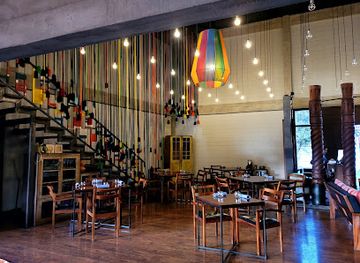
La Casa del Camba
Discover authentic Bolivian cuisine at La Casa del Camba – where every meal tells a story through its rich flavors.
-
Steak
Restaurante El Arriero
Experience authentic Bolivian barbecue at Restaurante El Arriero – where steak lovers delight in mouthwatering flavors and exceptional service.
-
Restaurant
Casa del Camba Urubó
Experience the authentic taste of Bolivia at Casa del Camba Urubó, where local flavors meet warm hospitality in Santa Cruz's beautiful Colinas del Urubó.
-
South American
Gustu
Discover the essence of South American cuisine at Gustu in La Paz, where local flavors meet innovative culinary artistry.

Best bars in Pantanal
Evening life in the Bolivian Pantanal is modest and concentrated in Puerto Suárez and Puerto Quijarro. Local restaurants, simple bars and informal social venues provide the main nightlife, with a stronger emphasis on conversation, music and frontier-town sociability than on a large club scene. Near the Brazilian border, cultural and commercial exchange gives the towns a somewhat different atmosphere from inland Bolivia, although nightlife remains seasonal and variable. Accommodation terraces and lodge dining areas may offer a quiet way to end a day of wildlife excursions, particularly outside the towns. Visitors should not expect extensive late-night transport or a continuous entertainment district, and rural areas become quiet after dark. Keeping evenings low-key is also sensible in a region where early starts, heat and long journeys are part of the travel experience.
-
Hotel
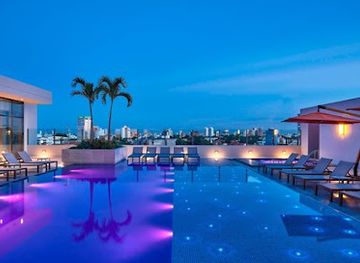
Marriott Santa Cruz de la Sierra Hotel
Discover luxury and elegance at the Marriott Santa Cruz de la Sierra Hotel, a top destination for business and leisure travelers in Bolivia.
-
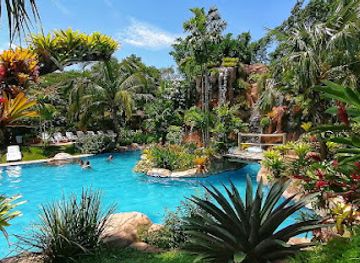
Ecological park
La Rinconada Ecoparque y Restaurante
Explore lush landscapes and savor authentic Bolivian cuisine at La Rinconada Ecoparque y Restaurante, the ultimate destination for nature lovers.
-
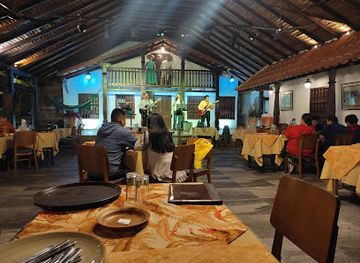
Dinner theater
Chaplin Show
Enjoy a delightful blend of gourmet dining and captivating performances at Chaplin Show, the premier dinner theater in Santa Cruz de la Sierra.
-
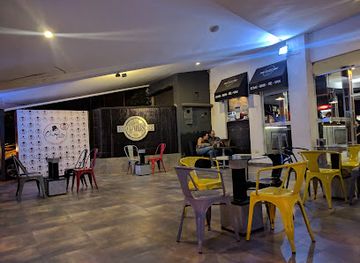
Bar
Kultur Berlin Hostel Restaurant Bar Nightclub
Discover the vibrant Kultur Berlin Hostel Restaurant Bar Nightclub for a unique blend of nightlife and cultural experiences in Sucre, Bolivia.
Best nightclubs in Pantanal
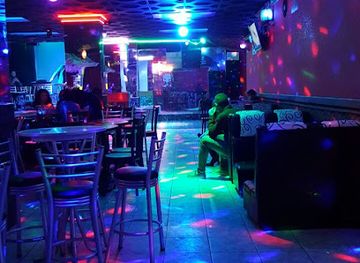
Evening life in the Bolivian Pantanal is modest and concentrated in Puerto Suárez and Puerto Quijarro. Local restaurants, simple bars and informal social venues provide the main nightlife, with a stronger emphasis on conversation, music and frontier-town sociability than on a large club scene. Near the Brazilian border, cultural and commercial exchange gives the towns a somewhat different atmosphere from inland Bolivia, although nightlife remains seasonal and variable. Accommodation terraces and lodge dining areas may offer a quiet way to end a day of wildlife excursions, particularly outside the towns. Visitors should not expect extensive late-night transport or a continuous entertainment district, and rural areas become quiet after dark. Keeping evenings low-key is also sensible in a region where early starts, heat and long journeys are part of the travel experience.
-
Dinner theater
Chaplin Show
Discover the enchanting Chaplin Show in Santa Cruz de la Sierra, where delicious dining meets captivating performances for an unforgettable night.
-
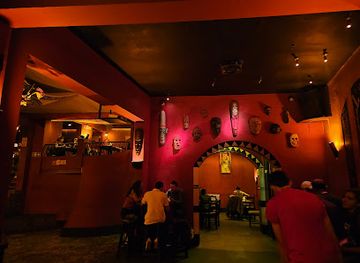
Bar
Pub & Disco Malegria
Unleash the spirit of La Paz at Pub & Disco Malegria – a vibrant bar and dance venue that guarantees a night full of fun and excitement.
-
Disco club
New Pa'Goza
Experience the vibrant nightlife of La Paz at New Pa'Goza, where music, dancing, and fun come together for an unforgettable evening.
-
Dance club
OPEN MIND CLUB
Discover the vibrant nightlife of La Paz at Open Mind Club, where electrifying music and energetic dance floors create unforgettable memories.


Best shops in Pantanal
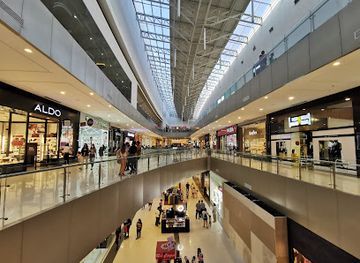
Shopping in the Bolivian Pantanal is focused on everyday provisions, practical travel supplies and informal frontier commerce rather than specialist retail. Puerto Suárez and Puerto Quijarro have the broadest selection of small shops, markets and food stalls, where visitors can buy water, snacks, sun protection and basic field equipment before travelling into remote areas. Proximity to Brazil brings cross-border influence, and some products may circulate through both Bolivian and Brazilian commercial channels, although availability and payment expectations vary. Locally made crafts and regional food products may be encountered through community initiatives or small markets, but visitors should buy directly and respectfully rather than assuming that wildlife materials or natural objects are legitimate souvenirs. The most appropriate purchases are durable, locally produced goods and packaged regional foods, while specialist outdoor equipment is easier to obtain in Santa Cruz before entering the Pantanal.
-
Shopping mall
Ventura Mall
Explore Ventura Mall in Santa Cruz: A premier shopping destination with diverse shops, delectable dining, and vibrant entertainment options.
-
Shopping mall
Las Brisas Mall
Discover shopping, dining, and entertainment at Las Brisas Mall in Santa Cruz, a vibrant hub for tourists and locals alike.
-
Gift shop
The Witches Market
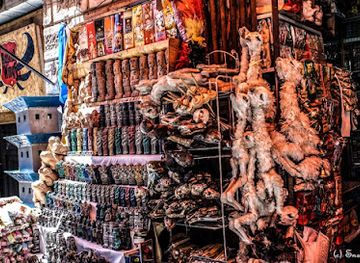
Discover the magical essence of Bolivia at La Paz's Witches Market, a unique blend of culture, tradition, and extraordinary handicrafts.
-
Hotel
Marriott Santa Cruz de la Sierra Hotel
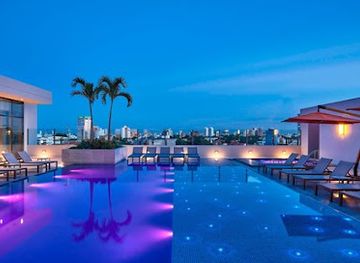
Discover unparalleled luxury and convenience at Marriott Santa Cruz de la Sierra, your gateway to exploring vibrant Bolivian culture and attractions.

Get your free copy of our complete guide to Pantanal, delivered straight to you.
Everything on this page, from attractions and restaurants to essentials and local phrases, in one PDF you can read offline, print or share.
Already have an account? Sign in
Your Pantanal guide is ready.
We'll send it to · Not you? Sign out

Getting your guide ready…
We are putting together a fresh copy of the Pantanal guide. This can take up to a minute.
This can take a few moments. If your browser asks, choose Allow so the download can start. You'll find the guide in your Downloads folder.
Nothing happened? Download it again
Sorry, the guide is taking longer than usual. Please try again in a minute, or get it by email instead.
Pantanal essentials
Currency and Payment
Safety
Emergency Situations
Do's and Don'ts
Local Tips
From Eve
Local phrases worth knowing
You don't need to get them perfect. A few words go a long way, and locals appreciate the effort.
Basics
| English | Local | Say it |
|---|---|---|
| Hello | Hola | [OH-lah] |
| Goodbye | Adiós | [ah-DYOS] |
| Yes | Sí | [SEE] |
| No | No | [NO] |
| Please/You're welcome | Por favor | [por fah-VOR] |
| Thank you | Gracias | [GRAH-syahs] |
| Excuse me/Sorry | Perdón | [pehr-DON] |
| How are you? | ¿Cómo estás? | [KOH-moh es-TAS] |
| Fine. And you? | Bien. ¿Y tú? | [BYEN. ee TOO] |
| Do you speak English? | ¿Hablas inglés? | [AH-blas een-GLES] |
| I don't understand | No entiendo | [NO en-TYEN-doh] |
Eating & Drinking
| English | Local | Say it |
|---|---|---|
| I'd like to see the menu, please | Me gustaría ver el menú, por favor | [meh goos-tah-REE-ah BEHR el meh-NOO, por fah-VOR] |
| I don't eat meat | No como carne | [NO KOH-mo KAR-neh] |
| Cheers! | ¡Salud! | [sah-LOOD] |
| I would like to pay, please | Me gustaría pagar, por favor | [meh goos-tah-REE-ah pah-GAR, por fah-VOR] |
Emergencies
| English | Local | Say it |
|---|---|---|
| Help! | ¡Ayuda! | [ah-YOO-dah] |
| Go away! | ¡Vete! | [VEH-teh] |
| Call the Police! | ¡Llama a la policía! | [YAH-mah ah lah poh-lee-SEE-ah] |
| Call a doctor! | ¡Llama a un doctor! | [YAH-mah ah oon dok-TOR] |
| I'm lost | Estoy perdido | [es-TOY pehr-DEE-doh] |
| I'm ill | Estoy enfermo | [es-TOY en-FER-mo] |
Shopping
| English | Local | Say it |
|---|---|---|
| I'd like to buy... | Me gustaría comprar... | [meh goos-tah-REE-ah kom-PRAR] |
| I'm just looking | Solo estoy mirando | [SO-lo es-TOY mee-RAN-doh] |
| How much is it? | ¿Cuánto cuesta? | [KWAN-to KWES-tah] |
| That's too expensive | Eso es muy caro | [E-so es MOY KAH-ro] |
| Can you lower the price? | ¿Puedes bajar el precio? | [PWEH-des bah-HAR el PREH-syo] |
Time & Numbers
| English | Local | Say it |
|---|---|---|
| What time is it? | ¿Qué hora es? | [KEH OH-rah es] |
| It's one o'clock | Es la una | [es lah OO-nah] |
| Half past (10) | Y media (10) | [ee MEH-dyah (10)] |
| Morning | Mañana | [mah-NYAH-nah] |
| Afternoon | Tarde | [TAR-deh] |
| Evening | Noche | [NOH-cheh] |
| Yesterday | Ayer | [ah-YER] |
| Today | Hoy | [OY] |
| Tomorrow | Mañana | [mah-NYAH-nah] |
| 1 | Uno | [OO-no] |
| 2 | Dos | [DOS] |
| 3 | Tres | [TRES] |
| 4 | Cuatro | [KWAH-tro] |
| 5 | Cinco | [SEEN-koh] |
| 6 | Seis | [SAYS] |
| 7 | Siete | [SYE-teh] |
| 8 | Ocho | [OH-cho] |
| 9 | Nueve | [NWEH-beh] |
| 10 | Diez | [DYEZ] |
Transport & Directions
| English | Local | Say it |
|---|---|---|
| Where's a/the...? | ¿Dónde está un/una ...? | [DON-deh es-TAH oon/OO-nah ...] |
| What's the address? | ¿Cuál es la dirección? | [KWAL es lah dee-rek-SYON] |
| Can you show me (on the map)? | ¿Puedes mostrarme (en el mapa)? | [PWEH-des mos-TRAR-me (en el MAH-pah)] |
| When's the next (bus)? | ¿Cuándo es el próximo (autobús)? | [KWAN-do es el PROK-see-mo (au-toh-BOOS)] |
| A ticket (to ....) | Un boleto (a....) | [oon boh-LEH-to (ah....)] |
History of Pantanal
Indigenous Chiquitano and Wetland Cultures
Long before modern national borders, the eastern lowlands were occupied and used by Indigenous peoples whose lives were adapted to seasonally changing forests, savannahs and waterways. The Chiquitano cultural sphere is particularly important in eastern Santa Cruz, although the wider Pantanal also includes communities with different histories and identities. Fishing, hunting, gathering, small-scale cultivation and movement across a highly seasonal landscape shaped local knowledge of water, animals and vegetation. Contemporary protected-area management and tourism take place within this deeper human geography rather than in an empty wilderness.
Jesuit Missions and Colonial Frontier Networks
From the late seventeenth century, Jesuit missions were established across Chiquitania, north and west of the Pantanal zone. Their churches and settlements created enduring religious, architectural and cultural legacies, while colonial authorities also sought to consolidate control over a sparsely populated frontier. The Bolivian Pantanal itself remained distant from the principal colonial centres, but its surrounding trade routes and settlements were gradually drawn into wider networks linking the interior of Santa Cruz with the Paraguay basin and Portuguese-controlled Brazil.
Frontier Trade and Puerto Suárez
The settlements around the southeastern Bolivian frontier developed through river, overland and commercial connections with Brazil. Puerto Suárez, founded in the nineteenth century, became an important Bolivian outpost beside Laguna Cáceres and the approach to the Paraguay River system. Its position reflected Bolivia’s long-standing interest in maintaining access to eastern trade routes and strengthening a remote national frontier. The town’s location still gives visitors one of the clearest points of contact with the Bolivian side of the Pantanal.
The Railway to the Brazilian Frontier
The railway linking Santa Cruz with Puerto Quijarro transformed movement across eastern Bolivia during the twentieth century. It connected the interior with the Brazilian border and helped develop Puerto Quijarro as a transport and commercial centre. The line also encouraged the circulation of people, goods and ideas through a region previously dependent on slower river and overland routes. Although rail travel is not a substitute for specialist wetland access, the corridor remains an important part of the Pantanal’s modern geography.
The Chaco War and Strategic Eastern Bolivia
The Chaco War between Bolivia and Paraguay from 1932 to 1935 affected the wider eastern lowlands and intensified Bolivia’s strategic concern with transport, settlement and territorial control in the country’s lowland frontier. The conflict was fought mainly farther south in the Chaco, rather than across the central wetlands, but its political and geographical consequences influenced infrastructure and national attention throughout eastern Bolivia. The Paraguay basin’s transport potential became more significant in subsequent development planning.
Protected Areas and Wetland Conservation
Growing recognition of the ecological importance of eastern Bolivia led to the creation of major protected areas in 1997, including Otuquis National Park and the San Matías Integrated Management Natural Area. Together they conserve extensive wetlands, forests and transitional habitats in the Bolivian Pantanal and adjacent ecological zones. Their designation also acknowledged the need to balance biodiversity protection with community livelihoods, cattle ranching and frontier development. Conservation remains challenging because of immense distances, seasonal access, fires and limited field infrastructure.
Pantanal in Photos
Browse through our photo collection highlighting the charm and character of the destination.
Neighbouring regions of Pantanal
The closest regions to Pantanal, if you have time for more than one.
-

-

-

-

-


Swipe for more regions
Explore more

Explore more of Bolivia
Discover Bolivia: From the peaks of the Andes to the depths of the Amazon, a land of stunning landscapes and rich cultural heritage awaits.
Explore Bolivia