

Free Gran Chaco Travel Guide & Mobile App
Explore Gran Chaco with free travel guides. Discover regional history, expert tips, proposed trips, and audio guides on web or mobile app.


Explore Bolivia’s Gran Chaco for dry forests, Pilcomayo landscapes, Guaraní heritage, wildlife and frontier towns between the Andes and Paraguay.
Read more about Gran Chaco
When is the best time to visit Gran Chaco?
Best: May, August–September · 23–27°C| Month | High (°C) | Rainfall (mm) |
|---|---|---|
| January | 32 | 150 |
| February | 31 | 140 |
| March | 30 | 130 |
| April | 28 | 120 |
| May (best) | 25 | 110 |
| June | 22 | 100 |
| July | 21 | 90 |
| August (best) | 23 | 100 |
| September (best) | 27 | 110 |
| October | 29 | 120 |
| November | 31 | 130 |
| December | 31 | 140 |
Getting to and around Gran Chaco
How to get there
Transportation
Best attractions in Gran Chaco
The Bolivian Chaco’s attractions are shaped by distance, ecology and living culture rather than by a dense chain of conventional monuments. Kaa-Iya del Gran Chaco National Park and Integrated Management Natural Area is the major draw for experienced nature travellers, protecting immense dry forest where jaguars, peccaries, tapirs, pumas and abundant birdlife may be encountered only with patience and specialist local arrangements. The Aguaragüe protected area offers a different setting, with forested ridges, viewpoints, springs and trails along the transition between foothills and plains. Around Villamontes, the Pilcomayo River provides a focus for river landscapes, fishing traditions and birdwatching, while Camiri introduces the region’s twentieth-century petroleum history. Charagua, Monteagudo, Macharetí and smaller settlements provide access to rural landscapes and Guaraní cultural contexts, although visits should be arranged respectfully rather than improvised. Roadside scenery is itself part of the experience: quebracho woodland, thorn scrub, seasonal watercourses, ranches and broad skies reveal how strongly climate governs travel. The region suits visitors interested in wildlife, conservation, photography, birding, geology, regional history and community-led experiences, but facilities are more limited than in Bolivia’s principal tourist circuits.
-
Museum
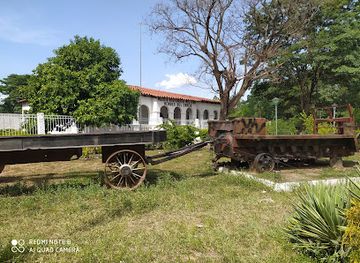
Museum of the Chaco War
Discover the pivotal moments of Bolivian history at the Museum of the Chaco War, showcasing artifacts and stories from this significant conflict.
-
Tourist attraction
Devil's Door
Experience the captivating allure of Devil's Door in Tupiza, a stunning natural attraction steeped in folklore and breathtaking scenery.
-
Museum
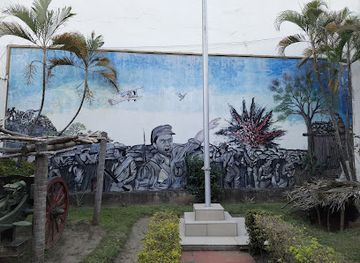
Museo Historico Militar Heroes Del Chaco
Discover Bolivia's military legacy at Museo Historico Militar Heroes Del Chaco, a must-visit museum in Santa Cruz with engaging exhibits and guided tours.
-
Park
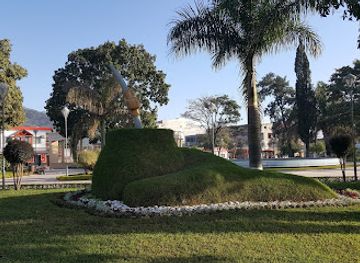
Park Provincia Gran Chaco
Explore the serene beauty of Park Provincia Gran Chaco in Yacuíba, a perfect destination for relaxation and nature lovers.
Best landmarks in Gran Chaco
The Pilcomayo River is one of the Bolivian Chaco’s most recognisable natural landmarks, cutting through the dry lowlands and supporting a contrasting corridor of water, vegetation, fishing activity and birdlife around Villamontes. The forested Serranía del Aguaragüe forms another defining feature, rising above the plains and marking the ecological transition between Chaco woodland and the Andean foothills. Its protected slopes are important for water, wildlife and regional identity. In Camiri, the town’s oil-related history remains a significant part of its civic character and provides a reminder of how petroleum transformed the southern lowlands during the twentieth century. Villamontes carries strong associations with the Chaco War, whose military history is commemorated in local memory and public spaces, although many principal battlefields are outside present-day Bolivia. The extensive Kaa-Iya protected landscape is less a single visual monument than a landmark of conservation: its scale represents one of the country’s most important surviving areas of dry Chaco forest. Yacuiba’s border setting, commercial streets and surrounding foothills express a different landmark character, shaped by movement, trade and the meeting of Bolivian and Argentine worlds.
-
 Scenic spot
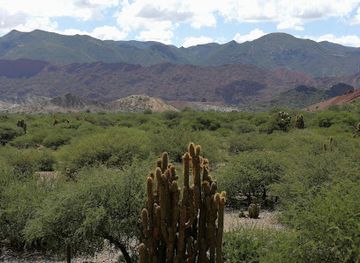
Gran chaco
Experience the breathtaking landscapes and rich biodiversity of Gran Chaco, a scenic escape in Media Luna, Bolivia.
Explore Gran Chaco on the map
Plan your trip on one map. See where the top cities, national parks and sights are, and book hotels and experiences in a few clicks.
Best hotels in Gran Chaco
Best restaurants in Gran Chaco
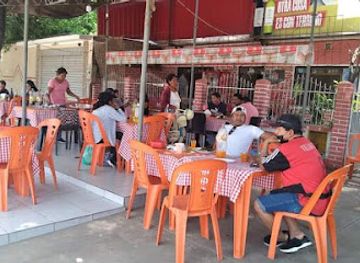
Food in the Bolivian Chaco reflects lowland ingredients, rural cooking and the commercial links between Bolivia, Argentina and Paraguay. In towns such as Villamontes, Yacuiba, Camiri and Monteagudo, look for grilled beef, chicken and sausages, often accompanied by mandioca, rice, salads or maize-based sides. Empanadas, humintas and other corn preparations appear in everyday food culture, while local eateries may serve soups and hearty dishes suited to long journeys and hot working conditions. Guaraní culinary traditions and ingredients are important, although what is available varies between communities and urban restaurants; visitors should ask about preparation rather than assuming a dish is offered everywhere. Markets are useful for fruit, drinks, baked goods and regional produce, particularly early in the day. Yacuiba’s border position brings a broader mixture of Bolivian and Argentine influences, while smaller Chaco towns tend towards straightforward grills, cafés and family-run dining rooms. Carry water on excursions and do not expect remote protected areas to have reliable food services, as meals often need to be arranged in advance.
-
South American
Gustu
Discover Gustu in La Paz: where Bolivian culture meets innovative South American cuisine in an unforgettable dining experience.
-
European
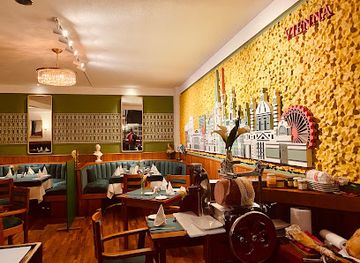
Restaurant Vienna
Experience exquisite European cuisine at Restaurant Vienna in La Paz - where every meal is a celebration of flavor.
-
Restaurant
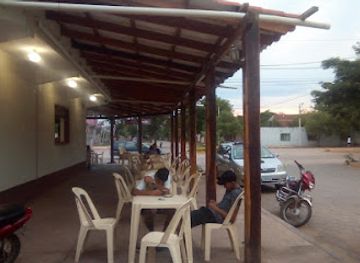
Pollos Nandito
Experience authentic Bolivian cuisine at Pollos Nandito, renowned for its delicious grilled chicken and vibrant atmosphere in Villamontes.
-
Restaurant
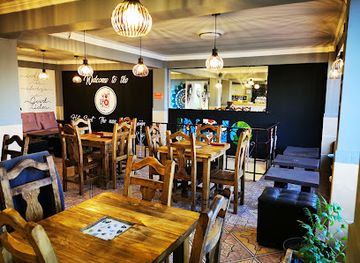
The Hot Spot Uyuni
Experience the best of Bolivian cuisine at The Hot Spot in Uyuni – where local flavors meet international flair in a cozy setting.

Best bars in Gran Chaco
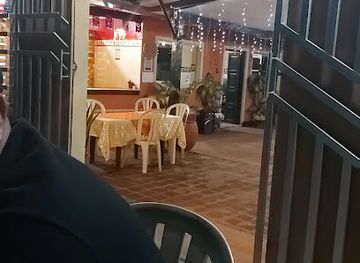
Evening life in the Bolivian Chaco is concentrated in the larger towns and generally revolves around family restaurants, cafés, beer halls, traditional bars and social gatherings rather than a large international club scene. Villamontes and Yacuiba offer the widest choice of late dining and music, with Yacuiba’s commercial and border connections contributing to a busier urban rhythm. Camiri has a strong local-town atmosphere, including bars and venues where football, conversation and regional music are more prominent than formal nightlife districts. Smaller settlements usually become quiet earlier, although community celebrations and live music can create lively occasions at particular times of year. Temperatures can remain high after dark, so open-air seating is common in suitable settings. Drink responsibly, use trusted transport after dark and follow local advice in unfamiliar areas; experiencing the Chaco does not depend on nightlife, and early mornings are often the most rewarding time for wildlife, markets and road journeys.
-
Gastropub
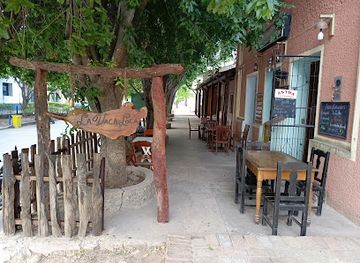
La Vaca Loca
Experience the best of Bolivian gastronomy at La Vaca Loca, a unique gastropub in Villamontes that offers a culinary journey like no other.
-
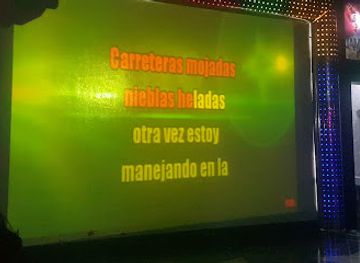
Karaoke bar
Karaoke Discoteca Eufforia
Experience the vibrant nightlife at Eufforia Karaoke Discoteca in Villamontes, where music and fun unite for an unforgettable evening.
-
Bar
Gente
Experience the vibrant nightlife of Villa Montes at Gente, where good drinks and great company come together in a lively atmosphere.
-
Gastropub
Choriceria El Chaqueño
Experience the flavors of Villa Montes at Choriceria El Chaqueño, a lively gastropub serving delicious local cuisine and refreshing drinks.

Best nightclubs in Gran Chaco
Evening life in the Bolivian Chaco is concentrated in the larger towns and generally revolves around family restaurants, cafés, beer halls, traditional bars and social gatherings rather than a large international club scene. Villamontes and Yacuiba offer the widest choice of late dining and music, with Yacuiba’s commercial and border connections contributing to a busier urban rhythm. Camiri has a strong local-town atmosphere, including bars and venues where football, conversation and regional music are more prominent than formal nightlife districts. Smaller settlements usually become quiet earlier, although community celebrations and live music can create lively occasions at particular times of year. Temperatures can remain high after dark, so open-air seating is common in suitable settings. Drink responsibly, use trusted transport after dark and follow local advice in unfamiliar areas; experiencing the Chaco does not depend on nightlife, and early mornings are often the most rewarding time for wildlife, markets and road journeys.
-
Dinner theater
Chaplin Show
Discover the enchanting Chaplin Show in Santa Cruz, where exquisite dining meets captivating performances in a vibrant atmosphere.
-
Bar
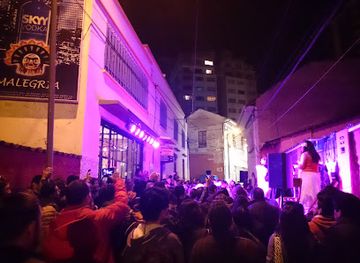
Pub & Disco Malegria
Discover the vibrant nightlife of La Paz at Pub & Disco Malegria, where music, dancing, and great drinks create unforgettable memories.
-
Disco club
FEEL
Discover the pulsating nightlife of Tarija at FEEL Disco Club, where vibrant music and energetic dancing create unforgettable moments.
-
Bar
Licoreria Saray
Discover the vibrant nightlife of Bolivia at Licoreria Saray, where local drinks and a lively atmosphere await you.


Best shops in Gran Chaco
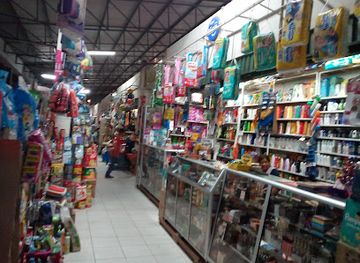
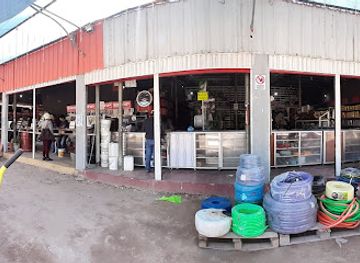
Shopping in the Bolivian Chaco is practical and local rather than centred on large retail complexes. Yacuiba has the broadest commercial selection, with busy market areas, clothing, household goods, food and cross-border trade, while Villamontes and Camiri provide smaller town centres with everyday shops, bakeries, cafés and regional produce. Markets are useful places to buy fruit, mandioca, maize products, snacks and drinks for road journeys, though quality and availability vary by season. Visitors may also encounter Guaraní crafts, woven items, carved objects and other community-made products, but these should be purchased directly through recognised sellers where possible and treated as cultural work rather than generic souvenirs. Local food products make sensible gifts when transport and customs rules permit, including packaged sweets, baked goods and regional preserves. Ask about the origin and appropriate use of Indigenous designs, and avoid buying archaeological objects, wildlife products or species made from protected plants and animals. In remote areas, shopping opportunities are limited, so stock up on necessities before leaving the principal towns.
-
Shopping mall
Sarmiento Shopping
Explore Sarmiento Shopping in Resistencia, Argentina – your ultimate destination for shopping, dining, and entertainment.
-
Supermarket
Mercado Campesino
Discover the heart of Villamontes at Mercado Campesino, a vibrant supermarket offering fresh produce, local delicacies, and a taste of Bolivian culture.
-
Shopping mall
Comercial Boqueron
Explore the diverse offerings of Comercial Boqueron, the premier shopping mall in Villamontes, showcasing local crafts and essential goods.
-
Fish store
Pescaderia Chaco Lindo
Explore the freshest seafood at Pescaderia Chaco Lindo in Villamontes, where quality meets local culinary tradition.

Get your free copy of our complete guide to Gran Chaco, delivered straight to you.
Everything on this page, from attractions and restaurants to essentials and local phrases, in one PDF you can read offline, print or share.
Already have an account? Sign in
Your Gran Chaco guide is ready.
We'll send it to · Not you? Sign out

Getting your guide ready…
We are putting together a fresh copy of the Gran Chaco guide. This can take up to a minute.
This can take a few moments. If your browser asks, choose Allow so the download can start. You'll find the guide in your Downloads folder.
Nothing happened? Download it again
Sorry, the guide is taking longer than usual. Please try again in a minute, or get it by email instead.
Gran Chaco essentials
Currency and Payment
Safety
Emergency Situations
Do's and Don'ts
Local Tips
From Eve
Local phrases worth knowing
You don't need to get them perfect. A few words go a long way, and locals appreciate the effort.
Basics
| English | Local | Say it |
|---|---|---|
| Hello | Hola | [Ola] |
| Goodbye | Adiós | [Adios] |
| Yes | Sí | [Si] |
| No | No | [No] |
| Please/You're welcome | Por favor | [Por favor] |
| Thank you | Gracias | [Grasias] |
| Excuse me/Sorry | Disculpe | [Disculpe] |
| How are you? | ¿Cómo estás? | [Como estas] |
| Fine. And you? | Bien. ¿Y tú? | [Bien. Y tu] |
| Do you speak English? | ¿Hablas inglés? | [Hablas ingles] |
| I don't understand | No entiendo | [No entiendo] |
Eating & Drinking
| English | Local | Say it |
|---|---|---|
| I'd like to see the menu, please | Me gustaría ver el menú, por favor | [Me gustaria ver el menu, por favor] |
| I don't eat meat | No como carne | [No como carne] |
| Cheers! | ¡Salud! | [Salud] |
| I would like to pay, please | Me gustaría pagar, por favor | [Me gustaria pagar, por favor] |
Emergencies
| English | Local | Say it |
|---|---|---|
| Help! | ¡Ayuda! | [Ayuda] |
| Go away! | ¡Vete! | [Vete] |
| Call the Police! | ¡Llama a la policía! | [Llama a la policia] |
| Call a doctor! | ¡Llama a un doctor! | [Llama a un doctor] |
| I'm lost | Estoy perdido | [Estoy perdido] |
| I'm ill | Estoy enfermo | [Estoy enfermo] |
Shopping
| English | Local | Say it |
|---|---|---|
| I'd like to buy... | Me gustaría comprar... | [Me gustaria comprar] |
| I'm just looking | Solo estoy mirando | [Solo estoy mirando] |
| How much is it? | ¿Cuánto cuesta? | [Cuanto cuesta] |
| That's too expensive | Eso es muy caro | [Eso es muy caro] |
| Can you lower the price? | ¿Puedes bajar el precio? | [Puedes bajar el precio] |
Time & Numbers
| English | Local | Say it |
|---|---|---|
| What time is it? | ¿Qué hora es? | [Que hora es] |
| It's one o'clock | Es la una | [Es la una] |
| Half past (10) | Las diez y media | [Las diez y media] |
| Morning | Mañana | [Mañana] |
| Afternoon | Tarde | [Tarde] |
| Evening | Noche | [Noche] |
| Yesterday | Ayer | [Ayer] |
| Today | Hoy | [Hoy] |
| Tomorrow | Mañana | [Mañana] |
| 1 | Uno | [Uno] |
| 2 | Dos | [Dos] |
| 3 | Tres | [Tres] |
| 4 | Cuatro | [Cuatro] |
| 5 | Cinco | [Cinco] |
| 6 | Seis | [Seis] |
| 7 | Siete | [Siete] |
| 8 | Ocho | [Ocho] |
| 9 | Nueve | [Nueve] |
| 10 | Diez | [Diez] |
Transport & Directions
| English | Local | Say it |
|---|---|---|
| Where's a/the...? | ¿Dónde está un/una...? | [Donde esta un/una] |
| What's the address? | ¿Cuál es la dirección? | [Cual es la direccion] |
| Can you show me (on the map)? | ¿Puedes mostrarme (en el mapa)? | [Puedes mostrarme en el mapa] |
| When's the next (bus)? | ¿Cuándo es el próximo (autobús)? | [Cuando es el proximo autobus] |
| A ticket (to ....) | Un billete (a ....) | [Un billete a] |
History of Gran Chaco
Ancient Chaco Settlement and Guaraní Expansion
The Gran Chaco has long been inhabited by Indigenous peoples whose societies adapted to seasonal water, mobile livelihoods, hunting, gathering, cultivation and trade across a difficult dry forest environment. Guaraní-speaking communities became especially influential in parts of the Bolivian Chaco, where their settlements and cultural networks encountered neighbouring peoples and later colonial expansion. The region’s history cannot be reduced to a succession of outside frontiers: knowledge of plants, water sources, routes and seasonal conditions enabled communities to live in an environment that appeared hostile to newcomers. Contemporary Guaraní communities remain central to the region’s cultural identity and political life.
Colonial Frontier and Missionary Influence
Spanish colonial control in the Chaco was uneven. The eastern lowlands lay beyond the secure reach of many colonial institutions, and attempts by missionaries, settlers and authorities to establish lasting control met resistance, distance and environmental difficulties. Missions and frontier settlements nevertheless influenced language, religion, agricultural patterns and relations between Indigenous communities and colonial society. In the southern Bolivian Chaco, routes linking the Andean valleys with the lowlands gradually became more significant, although the forest remained less densely settled than the highlands. This uneven colonial legacy helps explain the region’s distinct cultural and demographic character.
The Chaco War, 1932–1935
The Chaco War between Bolivia and Paraguay was fought largely over control of the wider Gran Chaco, with disputed territory, oil speculation and national strategic ambitions contributing to the conflict. Bolivia’s military operations were often conducted under severe conditions of heat, thirst, disease and difficult logistics. The war transformed national politics and left a powerful memorial legacy in Bolivian Chaco towns, particularly around Villamontes and the approaches to the former battle zone. Although many major battlefields lie outside present-day Bolivia, the conflict remains essential to understanding the region’s roads, military installations, monuments and national memory.
Oil Development and the Growth of Chaco Towns
Petroleum exploration and production reshaped parts of the Bolivian Chaco during the twentieth century. Camiri became closely associated with the country’s oil industry, while roads, workers, commercial services and state institutions expanded around the hydrocarbon economy. Later development also affected areas around Villamontes and Yacuiba. Oil brought employment and infrastructure but also intensified debates about land, environmental protection and the distribution of revenue. The industrial history remains visible in the identity of Camiri and in the wider contrast between resource-producing towns, rural communities and protected forest landscapes.
Indigenous Rights and Guaraní Political Organisation
During the late twentieth century, Guaraní organisations increasingly challenged exploitative labour systems, land insecurity and the political marginalisation of Indigenous communities. The Assembly of the Guaraní People, known as the APG, became an important voice in demands for territorial recognition, participation and social justice. Bolivia’s constitutional and legal reforms in the twenty-first century strengthened the formal recognition of Indigenous peoples, though implementation and land pressures remain complex. In the Chaco, this history is visible in community governance, cultural initiatives and continuing discussions about hydrocarbons, conservation, agriculture and access to essential services.
Protected Areas and Contemporary Conservation
Growing recognition of the Chaco’s ecological importance led to the creation of large protected areas, including Kaa-Iya del Gran Chaco National Park and Integrated Management Natural Area in 1995. The reserve protects extensive dry forest and is associated with conservation partnerships involving Indigenous organisations and public authorities. The Aguaragüe protected area safeguards a mountain corridor and important headwaters along the Chaco’s western edge. Conservation is not separate from local history: Indigenous territories, ranching, agriculture, hydrocarbon infrastructure, roads and wildlife protection overlap, making the region a significant setting for debates about sustainable development.
Gran Chaco in Photos
Browse through our photo collection highlighting the charm and character of the destination.
Neighbouring regions of Gran Chaco
The closest regions to Gran Chaco, if you have time for more than one.
-

-

-

-

-


Swipe for more regions
Explore more

Explore more of Bolivia
Discover Bolivia: From the peaks of the Andes to the depths of the Amazon, a land of stunning landscapes and rich cultural heritage awaits.
Explore Bolivia