

Free Andean Valleys Travel Guide & Mobile App
Explore Andean Valleys with free travel guides. Discover regional history, expert tips, proposed trips, and audio guides on web or mobile app.


Explore Bolivia’s Andean Valleys through Cochabamba, Sucre and Tarija, with colonial cities, mountain scenery, Indigenous culture and vineyards.
Read more about Andean Valleys
When is the best time to visit Andean Valleys?
Best: June–August · 20°C| Month | High (°C) | Rainfall (mm) |
|---|---|---|
| January | 18 | 70 |
| February | 18 | 65 |
| March | 19 | 60 |
| April | 19 | 55 |
| May | 20 | 50 |
| June (best) | 20 | 45 |
| July (best) | 20 | 40 |
| August (best) | 20 | 45 |
| September | 20 | 50 |
| October | 19 | 55 |
| November | 19 | 60 |
| December | 18 | 65 |
Getting to and around Andean Valleys
How to get there
Transportation
Top city travel guides in Andean Valleys
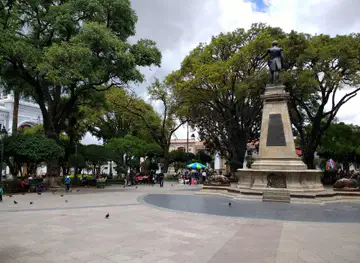
The cities of Andean Valleys, and the easiest places to base yourself.
-

-

-

-

-
-


Swipe for more cities
Destinations in Andean Valleys
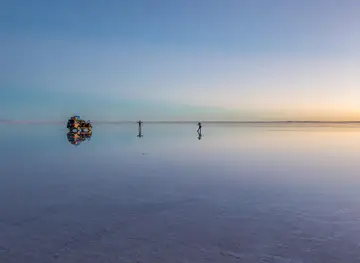
Resorts, valleys and scenic spots worth a trip of their own.
-

-
-

-

-

-


Swipe for more destinations
Best attractions in Andean Valleys
The Andean Valleys offer a varied combination of historic cities, archaeological landscapes, cultivated countryside and mountain excursions. Cochabamba combines urban markets and museums with access to the Tunari foothills, rural communities and the religious centre at Quillacollo. The city’s surrounding valley is also notable for horticulture and traditional food culture. Sucre provides the region’s strongest concentration of colonial architecture, museums, churches and cultural institutions, while nearby Cal Orck'o preserves one of the world's important dinosaur trackway sites in a limestone quarry. Rural excursions reveal Jalq'a textile traditions and highland-valley farming landscapes. Around Tarija, vineyard visits, rural chapels, orchards and food-producing estates give the southern valleys a distinct focus, while the surrounding hills offer walking and scenic drives. The wider region also contains pre-Hispanic remains, local festivals and viewpoints rather than a single network of large national parks. Distances, altitude changes and variable road conditions mean that attractions are best approached as separate clusters around Cochabamba, Sucre and Tarija.
-
Tourist attraction
Museum of Musical Instruments
Explore the rich heritage of music at La Paz's Museum of Musical Instruments, a captivating journey through Bolivia's musical history.
-
Tourist attraction
Museo del Charango - Aiquile
Explore the unique heritage of the charango at Aiquile's Museo del Charango, a cultural hub celebrating Bolivia's musical traditions.
-
Rock
Árbol de Piedra
Discover the stunning Árbol de Piedra, a unique natural rock formation in Bolivia surrounded by breathtaking landscapes and rich wildlife.
-
Tourist attraction
Salvador Dalí Desert
Discover the surreal landscapes of the Salvador Dalí Desert in Puripica, Bolivia, where nature meets art in a breathtaking tableau.


Best landmarks in Andean Valleys
Sucre’s historic centre is the region’s most cohesive architectural landmark, with whitewashed façades, tiled roofs, carved portals, churches and courtyards reflecting its colonial role as the centre of the Audiencia of Charcas. The Casa de la Libertad is closely associated with Bolivia’s independence and political formation, while the Metropolitan Cathedral and churches around the central streets reinforce the city’s religious and civic importance. In Cochabamba, Cristo de la Concordia is a prominent modern religious monument on San Pedro Hill, with extensive views across the valley and towards the mountains. Quillacollo’s Sanctuary of Our Lady of Urkupiña is an important pilgrimage landmark in the wider Cochabamba valley. Around Tarija, the central plaza and colonial buildings express the city’s southern valley identity, while the vineyards and dry hills of the Valle de la Concepción form a recognisable cultural landscape. Cal Orck'o near Sucre is both a natural and scientific landmark, distinguished by its extensive dinosaur footprints preserved in exposed limestone.
-
Tourist attraction
Historic Sanctuary of Machu Picchu
Experience the wonder of Machu Picchu, the ancient Incan citadel nestled in the Andean mountains, where history, culture, and breathtaking scenery converge.
-
Tourist attraction
The Witches Market
Discover the vibrant culture and mystical traditions at The Witches Market in La Paz, a unique shopping experience filled with crafts and curiosities.
-
Tourist attraction
Valle de la Luna
Experience the surreal beauty of Valle de la Luna, a natural park near La Paz, Bolivia, known for its stunning rock formations and lunar-like landscapes.
-
Tourist attraction
Mirador Killi Killi
Experience stunning panoramic views of La Paz and its surrounding mountains at Mirador Killi Killi, a must-visit attraction for every traveler in Bolivia.


Explore Andean Valleys on the map
Plan your trip on one map. See where the top cities, national parks and sights are, and book hotels and experiences in a few clicks.
Best hotels in Andean Valleys
Best restaurants in Andean Valleys
Dining in the Andean Valleys reflects the meeting of highland ingredients, temperate-climate farming and distinct city traditions. Cochabamba is particularly associated with generous regional meals such as silpancho, pique macho and chicharrón, alongside soups, maize, potatoes and fresh produce from the surrounding valley. Sucre is known for dishes including mondongo chuquisaqueño and chorizos chuquisaqueños, as well as sweets and baked goods sold through markets and established eateries. Tarija’s cuisine has a southern, wine-growing character, with grilled meats, empanadas, tamales and regional dishes served alongside local wines and singani, Bolivia’s grape spirit. Across the region, look for family-run restaurants, market stalls, cafés, bakeries and traditional chicherías, where chicha may be offered as a locally rooted fermented drink. Menus vary considerably by town, and rural dining is often simple, seasonal and dependent on local produce rather than formal restaurant service.
-
Restaurant
Restaurante Y Agachadito 4 Estrellas
Experience authentic Bolivian cuisine at Restaurante Y Agachadito 4 Estrellas – where tradition meets taste in every dish.

Best bars in Andean Valleys
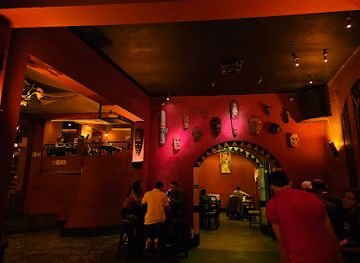
Evening life differs between the three principal valley centres. Cochabamba has the broadest urban choice, including contemporary bars, restaurants, live-music venues and late-night establishments concentrated in modern commercial districts, while traditional chicherías and neighbourhood venues offer a more local setting. Sucre’s nightlife is shaped by its student population, colonial streets and compact centre, with cafés, bars, cultural venues and music-oriented spaces rather than a large-scale club scene. Tarija favours relaxed evenings in wine bars, restaurants, plazas and establishments serving local wines or singani, with activity often extending later at weekends. Outside the cities, nightlife generally centres on family gatherings, village celebrations, rural inns and occasional live music. Opening arrangements and venue status can change, so local advice is valuable, and visitors should use licensed transport when returning from evening venues.
-
Bar
Pub & Disco Malegria
Discover the vibrant nightlife of La Paz at Pub & Disco Malegria, a lively bar and disco offering unforgettable drinks, music, and dancing.
-
Gastropub
La Rota Carlota
Discover the dynamic gastropub La Rota Carlota in Santa Cruz de la Sierra, where delightful flavors meet a lively nightlife scene.
-
Pub
Diesel Nacional
Experience the vibrant nightlife of La Paz at Diesel Nacional, where creative cocktails and a lively atmosphere await every visitor.
-
Grill
Muela Del Diablo
Experience the flavors of Bolivia at Muela Del Diablo, a top grill and pizza destination in La Paz, offering a cozy atmosphere and delicious cuisine.


Best nightclubs in Andean Valleys
Evening life differs between the three principal valley centres. Cochabamba has the broadest urban choice, including contemporary bars, restaurants, live-music venues and late-night establishments concentrated in modern commercial districts, while traditional chicherías and neighbourhood venues offer a more local setting. Sucre’s nightlife is shaped by its student population, colonial streets and compact centre, with cafés, bars, cultural venues and music-oriented spaces rather than a large-scale club scene. Tarija favours relaxed evenings in wine bars, restaurants, plazas and establishments serving local wines or singani, with activity often extending later at weekends. Outside the cities, nightlife generally centres on family gatherings, village celebrations, rural inns and occasional live music. Opening arrangements and venue status can change, so local advice is valuable, and visitors should use licensed transport when returning from evening venues.
-
 Night club
Kultur Berlin Hostel Restaurant Bar Nightclub
Discover Sucre's lively atmosphere at Kultur Berlin Hostel Restaurant Bar Nightclub, your gateway to unforgettable experiences and vibrant nightlife.
-
Bar
Pub & Disco Malegria
Dive into the vibrant nightlife of La Paz at Pub & Disco Malegria, a lively bar and disco perfect for dancing and socializing.
-
Disco club
Gold Classics
Dance the night away at Gold Classics, La Paz's vibrant disco club featuring the best classic hits from the 60s to the 80s.
-
Dance club
OPEN MIND CLUB
Discover the heart of La Paz's nightlife at Open Mind Club, where vibrant music and dance create unforgettable experiences.


Best shops in Andean Valleys
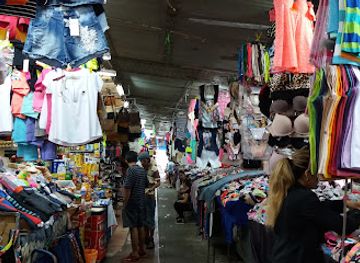
Shopping in the Andean Valleys is strongest in traditional markets, independent streets and specialist food shops rather than large luxury retail districts. Cochabamba’s markets are useful for fruit, vegetables, spices, maize products, kitchen goods and regional snacks, while Sucre offers textiles, handicrafts, confectionery, leather goods and small galleries around and beyond its historic centre. Jalq'a and neighbouring textile traditions are especially significant in the Sucre area, although visitors should ask about provenance and buy directly or through reputable craft organisations where possible. Tarija is a good place to look for bottled regional wine, singani, preserves, honey and other products from the surrounding agricultural valleys. Market conditions vary by day and season, and bargaining is customary for some craft and market goods but not for every shop. Pack fragile bottles and ceramics carefully, and remember that archaeological objects and protected cultural materials should never be purchased.
-
Shopping mall
Las Brisas Mall
Discover the vibrant shopping, dining, and entertainment experience at Las Brisas Mall in Santa Cruz de la Sierra, Bolivia.
-
Gift shop
The Witches Market
Explore the enchanting Witches Market in La Paz, a treasure trove of unique handicrafts, mystical offerings, and vibrant Bolivian culture.
-
Shopping mall
7 Calles Shopping Mall
Discover shopping, dining, and entertainment at the lively 7 Calles Shopping Mall in Santa Cruz de la Sierra, Bolivia.
-
Shopping mall
Las Torres Mall
Experience the best of shopping, dining, and entertainment at Las Torres Mall in La Paz, Bolivia - a must-visit destination for every traveler.


Get your free copy of our complete guide to Andean Valleys, delivered straight to you.
Everything on this page, from attractions and restaurants to essentials and local phrases, in one PDF you can read offline, print or share.
Already have an account? Sign in
Your Andean Valleys guide is ready.
We'll send it to · Not you? Sign out

Getting your guide ready…
We are putting together a fresh copy of the Andean Valleys guide. This can take up to a minute.
This can take a few moments. If your browser asks, choose Allow so the download can start. You'll find the guide in your Downloads folder.
Nothing happened? Download it again
Sorry, the guide is taking longer than usual. Please try again in a minute, or get it by email instead.
Andean Valleys essentials
Currency and Payment
Safety
Emergency Situations
Do's and Don'ts
Local Tips
From Eve
Local phrases worth knowing
You don't need to get them perfect. A few words go a long way, and locals appreciate the effort.
Basics
| English | Local | Say it |
|---|---|---|
| Hello | Hola | [Ola] |
| Goodbye | Adiós | [Adios] |
| Yes | Sí | [See] |
| No | No | [No] |
| Please/You're welcome | Por favor/De nada | [Por favor/De nada] |
| Thank you | Gracias | [Grasias] |
| Excuse me/Sorry | Disculpe/Lo siento | [Disculpe/Lo siento] |
| How are you? | ¿Cómo estás? | [Como estas] |
| Fine. And you? | Bien. ¿Y tú? | [Bien. Y tu] |
| Do you speak English? | ¿Hablas inglés? | [Hablas ingles] |
| I don't understand | No entiendo | [No entiendo] |
Eating & Drinking
| English | Local | Say it |
|---|---|---|
| I'd like to see the menu, please | Me gustaría ver el menú, por favor | [Me gustaria ver el menu, por favor] |
| I don't eat meat | No como carne | [No como carne] |
| Cheers! | ¡Salud! | [Salud] |
| I would like to pay, please | Me gustaría pagar, por favor | [Me gustaria pagar, por favor] |
Emergencies
| English | Local | Say it |
|---|---|---|
| Help! | ¡Ayuda! | [Ayuda] |
| Go away! | ¡Vete! | [Vete] |
| Call the Police! | ¡Llama a la policía! | [Llama a la policia] |
| Call a doctor! | ¡Llama a un doctor! | [Llama a un doctor] |
| I'm lost | Estoy perdido | [Estoy perdido] |
| I'm ill | Estoy enfermo | [Estoy enfermo] |
Shopping
| English | Local | Say it |
|---|---|---|
| I'd like to buy... | Me gustaría comprar... | [Me gustaria comprar] |
| I'm just looking | Solo estoy mirando | [Solo estoy mirando] |
| How much is it? | ¿Cuánto cuesta? | [Cuanto cuesta] |
| That's too expensive | Eso es muy caro | [Eso es muy caro] |
| Can you lower the price? | ¿Puedes bajar el precio? | [Puedes bajar el precio] |
Time & Numbers
| English | Local | Say it |
|---|---|---|
| What time is it? | ¿Qué hora es? | [Que hora es] |
| It's one o'clock | Es la una | [Es la una] |
| Half past (10) | Y media (10) | [Y media 10] |
| Morning | Mañana | [Mañana] |
| Afternoon | Tarde | [Tarde] |
| Evening | Noche | [Noche] |
| Yesterday | Ayer | [Ayer] |
| Today | Hoy | [Hoy] |
| Tomorrow | Mañana | [Mañana] |
| 1 | Uno | [Uno] |
| 2 | Dos | [Dos] |
| 3 | Tres | [Tres] |
| 4 | Cuatro | [Cuatro] |
| 5 | Cinco | [Cinco] |
| 6 | Seis | [Seis] |
| 7 | Siete | [Siete] |
| 8 | Ocho | [Ocho] |
| 9 | Nueve | [Nueve] |
| 10 | Diez | [Diez] |
Transport & Directions
| English | Local | Say it |
|---|---|---|
| Where's a/the...? | ¿Dónde hay un/una...? | [Donde hay un/una] |
| What's the address? | ¿Cuál es la dirección? | [Cual es la direccion] |
| Can you show me (on the map)? | ¿Puedes mostrarme (en el mapa)? | [Puedes mostrarme en el mapa] |
| When's the next (bus)? | ¿Cuándo es el próximo (bus)? | [Cuando es el proximo bus] |
| A ticket (to ....) | Un boleto (a ....) | [Un boleto a] |
History of Andean Valleys
Early Farming and Indigenous Valley Societies
The valleys supported settled farming long before Spanish arrival because their moderate climates, seasonal rivers and irrigated soils allowed maize, potatoes and other crops to be cultivated at different elevations. Communities linked to wider Andean cultural networks traded between the highlands and lower valleys, exchanging food, textiles and other goods. In the Cochabamba basin, agricultural organisation became especially important because the valley could supply food to populations in surrounding highland centres. Archaeological remains and living Indigenous traditions reveal that these landscapes were not empty spaces between mountains, but long-inhabited environments shaped by farming, exchange and community institutions.
Inca Expansion and Imperial Agriculture
During the later pre-Hispanic period, Inca power extended into parts of the central and southern Bolivian valleys. The empire incorporated local communities through political alliances, military pressure, population movements and expanded agricultural administration. Cochabamba became particularly significant as an agricultural supply area, with state-directed settlement and production intended to support the wider imperial system. In the southern valleys, Inca influence overlapped with established local societies and routes linking the highlands to the eastern foothills. Later colonial accounts often obscured these earlier arrangements, but valley settlement patterns and archaeological evidence retain traces of the period.
Spanish Conquest and Colonial Towns
Spanish rule transformed the valleys through new institutions, landholding patterns, religious foundations and labour systems. Cochabamba developed as an agricultural centre, while La Plata, now Sucre, became one of the most important colonial cities in the region as the seat of the Audiencia of Charcas. Churches, convents, courtyards and public buildings were constructed in Spanish colonial styles, often through the labour and expertise of Indigenous communities. Tarija, founded in the sixteenth century, served as a southern frontier settlement and agricultural centre. The colonial legacy remains visible in urban plans, religious architecture and unequal land and social structures.
Potosí, Trade and the Valley Supply Economy
The silver economy centred on Potosí created powerful economic links across the valleys. Food, wine, livestock, textiles and transport services moved along routes connecting productive low and middle elevations with the mining city and the administrative centres of Charcas. Cochabamba became an important supplier of grain and other provisions, while southern valleys participated in networks extending towards present-day Argentina. This commercial role brought wealth to some landowners and merchants but depended on coercive colonial labour systems and Indigenous taxation. Roads, estates and market traditions in the valleys were shaped by these long-distance connections.
Independence and the Formation of Bolivia
The valleys were deeply involved in the wars of independence from Spanish rule. Sucre, then known as Chuquisaca or La Plata, was the setting of the 1809 uprising that helped initiate the wider independence movement in Upper Peru, although independence was achieved only after years of conflict. The Battle of La Tablada near Tarija in 1817 became an important episode in the southern struggle. Bolivia was established as an independent republic in 1825, and Sucre became its constitutional capital. The new state inherited colonial administrative boundaries, social inequalities and economic systems that continued to shape valley life.
Land Reform, Migration and Urban Growth
Twentieth-century reforms altered landholding and rural society across the Bolivian valleys. The 1952 National Revolution introduced far-reaching changes, including agrarian reform, expanded political participation and a reorganisation of relations between large estates and peasant communities. Rural-to-urban migration subsequently accelerated, particularly towards Cochabamba, whose valley became one of Bolivia’s fastest-growing urban areas. Sucre and Tarija also expanded beyond their historic cores. These changes produced more diverse urban societies while leaving continuing debates about land, water, Indigenous rights and the pressure of development on agricultural valleys.
Contemporary Cultural and Agricultural Valleys
Today the Andean Valleys combine agriculture, public administration, commerce, tourism and rapidly growing cities. Cochabamba remains associated with horticulture, food markets and regional trade; Sucre has built a strong identity around historic architecture, education, textiles and cultural heritage; and Tarija has developed a prominent wine and singani sector alongside farming and cross-border commerce. Indigenous languages, weaving traditions, religious celebrations and community land systems remain important, although they coexist with modern migration and urban expansion. The region’s contemporary identity is therefore shaped by both enduring valley cultures and changing connections with the rest of Bolivia.
Andean Valleys in Photos
Browse through our photo collection highlighting the charm and character of the destination.
Neighbouring regions of Andean Valleys
The closest regions to Andean Valleys, if you have time for more than one.
-

-

-

-

-


Swipe for more regions
Explore more

Explore more of Bolivia
Discover Bolivia: From the peaks of the Andes to the depths of the Amazon, a land of stunning landscapes and rich cultural heritage awaits.
Explore Bolivia