

Santa Cruz Lowlands, Bolivia Travel Guide
Discover the Santa Cruz Lowlands in Bolivia, where tropical beauty meets cultural heritage. Explore rainforests, vibrant wildlife, colonial cities, and historical sites all in one trip.
The Santa Cruz Lowlands in Bolivia are a vast and diverse region, offering an enchanting mix of natural beauty, cultural richness, and modern amenities. Nestled between the Andes mountains and the Brazilian border, this area is known for its tropical climate, lush rainforests, and vibrant wildlife. The lowlands are home to several national parks, including the famous Amboró and Noel Kempff Mercado, where visitors can experience breathtaking waterfalls, unique flora, and fauna, and a variety of outdoor activities such as hiking, bird-watching, and eco-tours. Santa Cruz de la Sierra, the region's capital, is a bustling metropolis that combines modernity with tradition. Its lively markets, colonial architecture, and friendly locals make it a must-visit destination. The city’s central square, Plaza 24 de Septiembre, is a perfect spot to relax, enjoy local cuisine, and immerse yourself in the local culture. Santa Cruz also offers a vibrant nightlife, with numerous bars, clubs, and restaurants to explore. The region is also steeped in history and culture. The Jesuit Missions of Chiquitos, a UNESCO World Heritage site, are a testament to the area's rich past and offer a glimpse into the 17th and 18th centuries. These well-preserved missions are a unique blend of indigenous and European architecture and are a must-see for history enthusiasts. Additionally, the region hosts several festivals throughout the year, celebrating everything from local traditions to international music and arts.

Know before you go
Hi, I'm Eve. Here are a few practical things to know before exploring Santa Cruz Lowlands.
- Visit during the dry season (May to October) for the best weather and easier access to outdoor activities.
- Carry insect repellent and light clothing to stay comfortable in the tropical climate.
- Hire a local guide for an enriching experience when visiting national parks and historical sites.
- Exchange currency in the city to get better rates compared to airport exchanges.
- Try local dishes such as 'majao' and 'locro' for an authentic culinary experience.
Top City Travel Guides in Santa Cruz Lowlands
The cities of Santa Cruz Lowlands, and the easiest places to base yourself.


Destinations in Santa Cruz Lowlands
Resorts, valleys and scenic spots worth a trip of their own.


Explore Santa Cruz Lowlands: Things to Do, Places to Eat, Hotels & More
Handpicked recommendations for top attractions, local dining, accommodations, and more

Top Attractions & Sightseeing in Santa Cruz Lowlands
Top-rated picks
Best Attractions

Parque Urbano
Discover the beauty of nature and recreation at Parque Urbano, a premier park in Santa Cruz de la Sierra, perfect for relaxation and family fun.

The Witches Market
Explore La Paz's Witches Market: a vibrant cultural hub filled with unique handicrafts, traditional remedies, and enchanting souvenirs from Bolivia.

Zoológico Municipal Noel Kempff Mercado
Explore the diverse wildlife and lush landscapes of Zoológico Municipal Noel Kempff Mercado, a premier zoo in Santa Cruz de la Sierra, Bolivia.

Christ the Redeemer Monument
Explore the breathtaking Christ the Redeemer Monument in Santa Cruz de la Sierra, a symbol of faith surrounded by stunning panoramic views of the city.

Best landmarks in Santa Cruz Lowlands
Top-rated picks
Best Landmarks

The Witches Market
Discover the vibrant and mystical Witches Market in La Paz, a treasure trove of Bolivian culture filled with unique handicrafts and spiritual offerings.

Christ the Redeemer Monument
Explore the iconic Christ the Redeemer Monument in Santa Cruz, a symbol of peace offering stunning views and cultural significance.

Cristo de la Concordia
Discover the breathtaking Cristo de la Concordia, Bolivia's iconic statue offering stunning views and cultural significance in Cochabamba.

Plazuela Blacutt
Discover the serene beauty of Plazuela Blacutt, a vibrant park in Santa Cruz de la Sierra, perfect for relaxation and family fun amidst lush greenery.

Best restaurants in Santa Cruz Lowlands
Top-rated picks
Best Restaurants

La Casa del Camba
Experience authentic Bolivian cuisine at La Casa del Camba in Santa Cruz de la Sierra—where tradition meets flavor in every dish.

Restaurante El Arriero
Experience unparalleled steak perfection at Restaurante El Arriero in Santa Cruz de la Sierra - where every bite tells a story.

Chalet la Suisse
Experience authentic Swiss cuisine at Chalet la Suisse in Santa Cruz de la Sierra – where every dish tells a story.
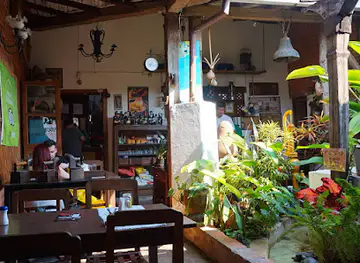
El Aljibe Comida Típica
Experience authentic Bolivian cuisine at El Aljibe Comida Típica in Santa Cruz de la Sierra - a must-visit for food enthusiasts.

Best bars in Santa Cruz Lowlands
Top-rated picks
Best Bars

La Rinconada Ecoparque y Restaurante
Experience the beauty of nature at La Rinconada Ecoparque y Restaurante, where ecological wonders and Bolivian flavors come together.

SBC - Los Cusis
Experience the best of Bolivian craft beer and culinary delights at SBC - Los Cusis, a lively brewpub in Santa Cruz de la Sierra.
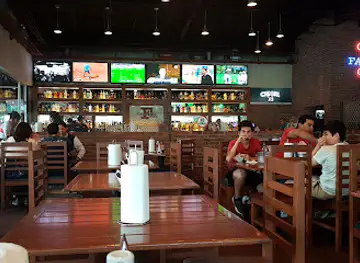
Factory Grill & Bar
Experience the thrill of live sports and delicious bites at Factory Grill & Bar, the ultimate sports bar in Santa Cruz de la Sierra.

Chaplin Show
Experience the joy of classic comedy and fine dining at Chaplin Show in Santa Cruz de la Sierra, an unforgettable dinner theater adventure.

Best nightclubs in Santa Cruz Lowlands
Top-rated picks
Best Nightclubs

Chaplin Show
Discover the enchanting Chaplin Show, a unique dinner theater experience in Santa Cruz, where culinary delights meet captivating performances.

DUDA POP PUB
Discover DUDA POP PUB, a lively cocktail bar and pub in Santa Cruz de la Sierra offering vibrant nightlife, delicious drinks, and an unforgettable atmosphere.

La Rota Carlota
Discover La Rota Carlota in Santa Cruz, a lively gastropub offering delicious fusion cuisine and an unforgettable nightlife experience.

Cómic pub
Dive into the vibrant atmosphere of Cómic Pub, a unique bar in Santa Cruz de la Sierra blending comic book charm with local nightlife.

Best shops in Santa Cruz Lowlands
Top-rated picks
Best Shops

Ventura Mall
Discover Ventura Mall, Santa Cruz's ultimate shopping destination with diverse retail, dining, and entertainment options all in one place.

Las Brisas Mall
Explore Las Brisas Mall in Santa Cruz de la Sierra: Your ultimate shopping and dining destination in Bolivia.

Feria Barrio Lindo
Explore Feria Barrio Lindo, a vibrant shopping hub in Santa Cruz de la Sierra, offering unique clothing and a taste of local Bolivian culture.

The Witches Market
Explore the mystical Witches Market in La Paz - a vibrant hub of Bolivian culture, handicrafts, and enchanting traditions.

Explore Santa Cruz Lowlands on the Map
A handpicked selection of must-see spots in Santa Cruz Lowlands, mapped for you.
Santa Cruz Lowlands Essentials
-
Santa Cruz de la Sierra, the main city in the Santa Cruz Lowlands, is accessible via Viru Viru International Airport (VVI), which has direct flights from many major cities in South America and some international destinations. From the airport, you can take a taxi or a shuttle service to the city center. Buses and private vehicles are also options for those traveling domestically from other parts of Bolivia.
-
Santa Cruz offers a variety of transportation options including taxis, buses, and minibuses (trufis). Taxis are relatively inexpensive and can be hailed on the street or booked via apps. Public buses cover most areas of the city and are the most economical way to travel, though they can be crowded. Renting a car is an option for those looking to explore the wider region, though driving can be challenging due to traffic and road conditions.
-
The official currency of Bolivia is the Bolivian Boliviano (BOB). Credit cards are widely accepted in hotels, restaurants, and larger shops in Santa Cruz, but it is advisable to carry cash for smaller establishments and markets. ATMs are readily available throughout the city, and it’s wise to withdraw sufficient cash before traveling to more remote areas.
-
Santa Cruz is generally safe for tourists, but like any city, it has areas with higher crime rates. Avoid neighborhoods such as Plan 3000 and Villa 1ro de Mayo at night, as they are known for higher crime rates targeting tourists. Always be cautious with your belongings in crowded places and avoid walking alone at night in unfamiliar areas.
-
In case of an emergency, dial 110 for police assistance, 118 for medical emergencies, and 119 for the fire department. Major hospitals in Santa Cruz include Hospital San Juan de Dios and Clinica Foianini. It's advisable to have travel insurance that covers medical emergencies. Pharmacies are widely available for minor health issues.
-
Fashion: Do dress conservatively, especially when visiting religious sites. Avoid wearing overly revealing clothing. Religion: Do respect local customs and traditions. Always remove your hat when entering a church. Public Transport: Do be polite and give up your seat to elderly passengers. Don’t eat or drink while on public transport. Greetings: Do greet people with a handshake. A friendly smile and a 'Buenos días' (Good morning) go a long way. Eating & Drinking: Do try local dishes and accept food offerings graciously. Don’t refuse hospitality, as it may be considered impolite.
-
To experience Santa Cruz like a local, visit the local markets such as Mercado Los Pozos and Mercado Abasto for fresh produce and unique local goods. Engage with locals, as they are often friendly and willing to share insights about the region’s culture and history. Don't miss visiting the Lomas de Arena for unique sand dunes and the Biocentro Güembé for a natural retreat. For a local culinary experience, try the traditional dish 'majao' and enjoy a 'somó', a traditional corn-based drink.
When is the best time to visit Santa Cruz Lowlands?
Useful Local Phrases for Santa Cruz Lowlands
You don't need to speak the language perfectly. Even learning a few simple words can make conversations warmer—and locals usually appreciate the effort.
— Eve

Here are the phrases I use most often in Santa Cruz Lowlands. Try a few—you'll be surprised how far they go! 😊
❤️
-
- HelloHola
[Ola] - GoodbyeAdiós
[A-dios] - YesSí
[Si] - NoNo
[No] - Please/You're welcomePor favor/De nada
[Por fa-vor/De na-da] - Thank youGracias
[Gra-thias] - Excuse me/SorryDisculpe/Lo siento
[Dis-cul-pe/Lo sien-to] - How are you?¿Cómo estás?
[Ko-mo es-tas] - Fine. And you?Bien. ¿Y tú?
[Byen. I tu] - Do you speak English?¿Hablas inglés?
[A-blas in-gles] - I don't understandNo entiendo
[No en-ti-en-do]
- HelloHola
-
- I'd like to see the menu, pleaseMe gustaría ver el menú, por favor
[Me gus-ta-ria ver el me-nu, por fa-vor] - I don't eat meatNo como carne
[No ko-mo car-ne] - Cheers!¡Salud!
[Sa-lud] - I would like to pay, pleaseQuisiera pagar, por favor
[Ki-siera pa-gar, por fa-vor]
- I'd like to see the menu, pleaseMe gustaría ver el menú, por favor
-
- Help!¡Ayuda!
[A-yu-da] - Go away!¡Vete!
[Ve-te] - Call the Police!¡Llama a la policía!
[Ya-ma a la po-li-cia] - Call a doctor!¡Llama a un doctor!
[Ya-ma a un doc-tor] - I'm lostEstoy perdido
[Es-toy per-di-do] - I'm illEstoy enfermo
[Es-toy en-fer-mo]
- Help!¡Ayuda!
-
- I'd like to buy...Me gustaría comprar...
[Me gus-ta-ria kom-prar...] - I'm just lookingSolo estoy mirando
[So-lo es-toy mi-ran-do] - How much is it?¿Cuánto cuesta?
[Kwan-to kues-ta] - That's too expensiveEso es demasiado caro
[E-so es de-ma-si-a-do ca-ro] - Can you lower the price?¿Puedes bajar el precio?
[Pwe-des ba-har el pre-cio]
- I'd like to buy...Me gustaría comprar...
-
- What time is it?¿Qué hora es?
[Ke o-ra es] - It's one o'clockEs la una
[Es la u-na] - Half past (10)Y media (10)
[I me-dia (10)] - MorningMañana
[Ma-ña-na] - AfternoonTarde
[Tar-de] - EveningNoche
[No-che] - YesterdayAyer
[A-yer] - TodayHoy
[Oy] - TomorrowMañana
[Ma-ña-na] - 1Uno
[U-no] - 2Dos
[Dos] - 3Tres
[Tres] - 4Cuatro
[Kua-tro] - 5Cinco
[Sin-co] - 6Seis
[Seis] - 7Siete
[Sye-te] - 8Ocho
[O-cho] - 9Nueve
[Nwe-ve] - 10Diez
[Diez]
- What time is it?¿Qué hora es?
-
- Where's a/the...?¿Dónde está un/ el...?
[Don-de es-ta un/ el...] - What's the address?¿Cuál es la dirección?
[Kwal es la di-rec-ción] - Can you show me (on the map)?¿Puedes mostrarme (en el mapa)?
[Pwe-des mos-trar-me (en el ma-pa)] - When's the next (bus)?¿Cuándo es el próximo (bus)?
[Kwan-do es el pro-xi-mo (bus)] - A ticket (to ....)Un boleto (a ....)
[Un bo-le-to (a ....)]
- Where's a/the...?¿Dónde está un/ el...?
History of Santa Cruz Lowlands
-
The Santa Cruz Lowlands were originally inhabited by various indigenous groups, including the Guaraní, Chiquitano, and Arawak peoples. These groups lived in small, organized communities and practiced agriculture, hunting, and fishing. They developed intricate social structures, artistic traditions, and maintained extensive trade networks that connected them with other indigenous groups across the region.
-
The Spanish arrival in the 16th century brought significant changes to the Santa Cruz Lowlands. In 1561, Ñuflo de Chaves founded the city of Santa Cruz de la Sierra, which became a strategic point for the Spanish Crown. The area experienced a mix of conflict and cooperation between the Spanish colonizers and indigenous peoples, leading to cultural exchanges and the establishment of missions and settlements throughout the region.
-
During the late 17th and early 18th centuries, Jesuit missionaries established several missions in the Santa Cruz Lowlands, aiming to convert the indigenous population to Christianity. These missions, known as 'reducciones', became centers of education, agriculture, and crafts. The Jesuits introduced European agricultural techniques and crops, which significantly impacted the local economy and landscape. The Jesuit Missions of Chiquitos, a UNESCO World Heritage site, are a testament to this period.
-
Bolivia declared its independence from Spanish rule in 1825. The Santa Cruz Lowlands played a crucial role in the struggle for independence, with local leaders and communities contributing to the revolutionary efforts. Post-independence, the region faced challenges related to economic development and integration into the national framework. Santa Cruz's strategic location and natural resources eventually positioned it as a key player in Bolivia's economic growth.
-
The discovery of oil and natural gas in the mid-20th century marked a turning point for the Santa Cruz Lowlands. The region experienced rapid industrialization and urbanization, attracting significant domestic and international investment. Agriculture, particularly the production of soybeans, contributed to the economic boom. Santa Cruz de la Sierra transformed into Bolivia's economic powerhouse, fostering a diverse and dynamic population.
-
Today, the Santa Cruz Lowlands are a vibrant mosaic of cultures, reflecting the region's indigenous heritage, colonial history, and modern influences. Festivals, such as the annual Carnaval de Santa Cruz, showcase the area's rich traditions and lively spirit. The region is also known for its unique cuisine, blending indigenous ingredients with Spanish and other international flavors. The cultural landscape is continually evolving, making the Santa Cruz Lowlands a fascinating destination for travelers.
Neighbouring Regions of Santa Cruz Lowlands
The closest regions to Santa Cruz Lowlands, if you have time for more than one.


Your all‑in‑one travel companion app
Explore expert travel guides, compare and book tours, experiences, hotels, and more—all from the palm of your hand. Download now for seamless trip planning wherever your wanderlust takes you.


Explore More of Bolivia

Looking beyond Santa Cruz Lowlands? Discover Bolivia for broader travel guides, local hot-spots, and regional highlights.
Explore BoliviaSanta Cruz Lowlands in Photos
Browse through our photo collection highlighting the charm and character of the destination.


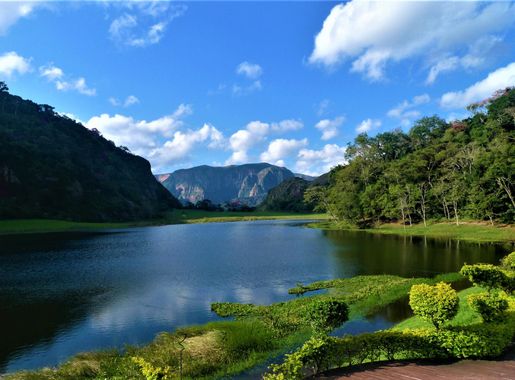
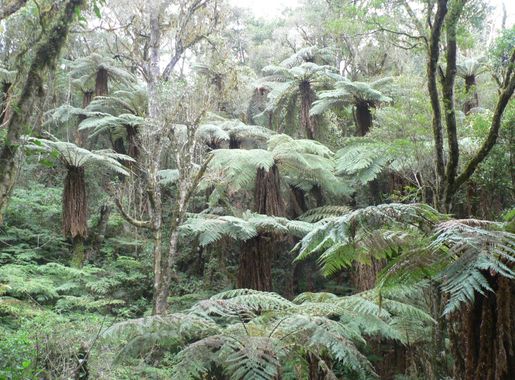
Santa Cruz Lowlands: Bolivia's Tropical Treasure
The Santa Cruz Lowlands in Bolivia are a vast and diverse region, offering an enchanting mix of natural beauty, cultural richness, and modern amenities. Nestled between the Andes mountains and the Brazilian border, this area is known for its tropical climate, lush rainforests, and vibrant wildlife. The lowlands are home to several national parks, including the famous Amboró and Noel Kempff Mercado, where visitors can experience breathtaking waterfalls, unique flora, and fauna, and a variety of outdoor activities such as hiking, bird-watching, and eco-tours. Santa Cruz de la Sierra, the region's capital, is a bustling metropolis that combines modernity with tradition. Its lively markets, colonial architecture, and friendly locals make it a must-visit destination. The city’s central square, Plaza 24 de Septiembre, is a perfect spot to relax, enjoy local cuisine, and immerse yourself in the local culture. Santa Cruz also offers a vibrant nightlife, with numerous bars, clubs, and restaurants to explore. The region is also steeped in history and culture. The Jesuit Missions of Chiquitos, a UNESCO World Heritage site, are a testament to the area's rich past and offer a glimpse into the 17th and 18th centuries. These well-preserved missions are a unique blend of indigenous and European architecture and are a must-see for history enthusiasts. Additionally, the region hosts several festivals throughout the year, celebrating everything from local traditions to international music and arts.