

Free Tarija Valley Travel Guide & Mobile App
Explore Tarija Valley with free travel guides. Discover regional history, expert tips, proposed trips, and audio guides on web or mobile app.


Explore Tarija Valley’s colonial streets, high-altitude vineyards, singani producers, chapaco cuisine and gentle southern Bolivian countryside.
Read more about Tarija Valley
When is the best time to visit Tarija Valley?
Best: August–October · 16–20°C| Month | High (°C) | Rainfall (mm) |
|---|---|---|
| January | 22 | 100 |
| February | 22 | 90 |
| March | 22 | 80 |
| April | 20 | 60 |
| May | 17 | 40 |
| June | 15 | 20 |
| July | 14 | 20 |
| August (best) | 16 | 20 |
| September (best) | 18 | 40 |
| October (best) | 20 | 50 |
| November | 21 | 70 |
| December | 22 | 90 |
Getting to and around Tarija Valley
How to get there
Transportation
Top city travel guides in Tarija Valley
The cities of Tarija Valley, and the easiest places to base yourself.

Swipe for more cities
Best attractions in Tarija Valley
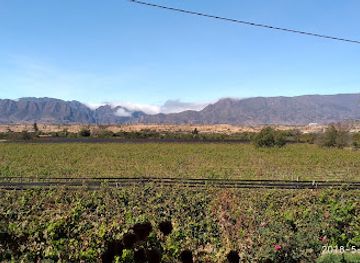
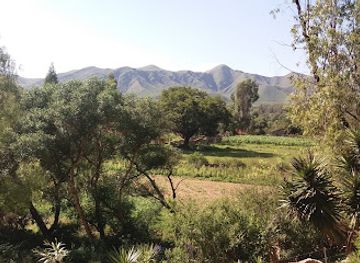
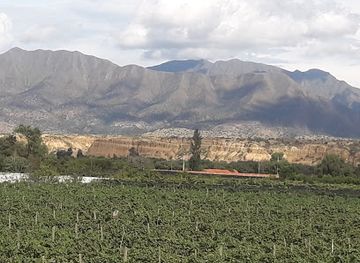
Tarija Valley’s attractions combine a compact historic city with agricultural landscapes and a growing wine-tourism circuit. In Tarija, visitors can explore the central squares, churches, Casa Dorada and museums devoted to regional history and paleontology, including collections illustrating the remarkable fossil record of the valley. South of the city, the vineyard districts around Uriondo and Concepción offer tastings, cellar visits and views across cultivated hills, although arrangements differ among producers. San Lorenzo provides a smaller historic setting associated with Eustaquio Méndez, while rural roads lead to chapels, farms, riverside recreation areas and viewpoints. The valley is well suited to gentle cycling, walking and food-focused excursions, with birdlife and open countryside adding interest between settlements. Seasonal cultural events, especially those connected with the grape harvest, reveal the social importance of chapaco music, dance and agricultural traditions. The attraction landscape is less about a single monumental sight than about the relationship between Tarija’s urban heritage, its vineyards and the surrounding southern Bolivian countryside.
-
Park
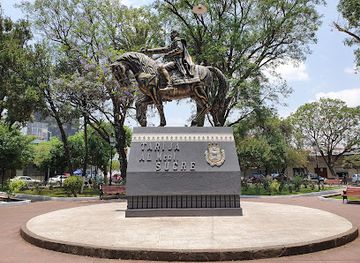
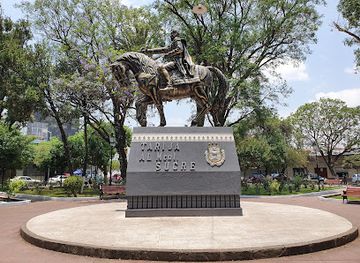
Sucre Plaza
Experience the vibrant atmosphere of Sucre Plaza, a picturesque park in Tarija, Bolivia, perfect for relaxation and cultural exploration.
-
National museum
Casa Dorada
Discover the rich cultural heritage of Bolivia at Casa Dorada, Tarija's premier national museum showcasing history, art, and local traditions.
-
Park
Flores Park
Explore the beauty of Flores Park in Tarija, Bolivia, a tranquil haven filled with lush greenery and rich local culture, perfect for relaxation and exploration.
-
Tourist attraction
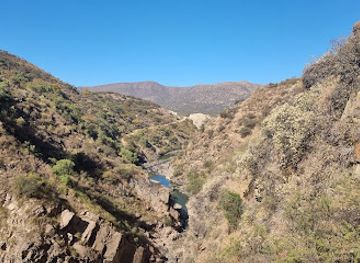
Represa San Jacinto
Experience the serene beauty and recreational charm of Represa San Jacinto, a stunning reservoir in Tarija surrounded by breathtaking landscapes.
Best landmarks in Tarija Valley
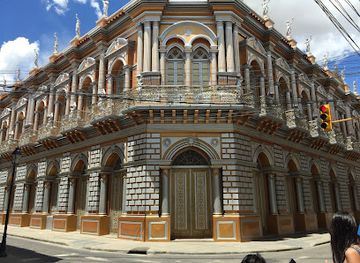
Tarija’s most recognisable landmarks are concentrated in and around the historic city centre. Plaza Luis de Fuentes forms the civic heart of the city and commemorates its Spanish founder, while the cathedral and nearby colonial-era religious buildings reflect Tarija’s development as a southern frontier settlement. Casa Dorada is particularly notable for its ornate early republican architecture and remains one of the city’s defining façades. The paleontological collections and associated museum buildings give Tarija another kind of landmark status, linking the modern city with the fossil-rich sediments of the surrounding valley. In San Lorenzo, the historic church and the town’s association with Eustaquio Méndez provide a strong connection with the independence period. Beyond the urban area, the vineyard slopes and cultivated valley around Uriondo and Concepción form a cultural landscape rather than a single monument: rows of vines, rural estates and winery buildings express the agricultural history that has become central to Tarija’s identity. Together, these places show the region’s layers of colonial settlement, republican civic life, scientific heritage and modern viticulture.
-
Park
Main Plaza Tarija
Explore the heart of Tarija at Main Plaza, a vibrant park filled with history, culture, and local gatherings, perfect for tourists seeking authentic experiences.
-
Historical place
Casa Vieja
Discover the perfect blend of history and culinary delights at Casa Vieja, a unique landmark restaurant in Uriondo, Bolivia.
-
Park
Sucre Plaza
Experience the serene beauty and cultural richness of Sucre Plaza, a vibrant park in Tarija, Bolivia, perfect for relaxation and exploration.
-
National museum
Casa Dorada
Explore Tarija’s rich culture and history at Casa Dorada, the national museum that captivates with fascinating exhibits and engaging community events.

Explore Tarija Valley on the map
Plan your trip on one map. See where the top cities, national parks and sights are, and book hotels and experiences in a few clicks.
Best hotels in Tarija Valley
Best restaurants in Tarija Valley
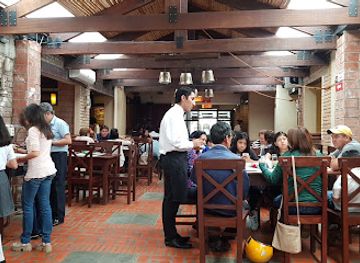
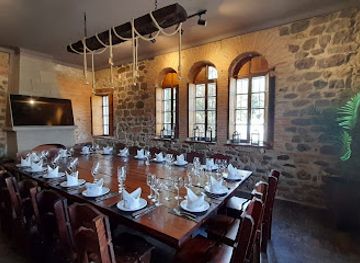
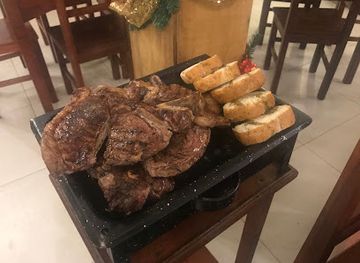
Dining in Tarija reflects the valley’s agricultural production and its cultural position between the Andes, the southern frontier and neighbouring Argentina. Local menus commonly feature grilled meats, maize, potatoes, squash, empanadas, soups, fresh fruit and regional cheeses, while street stalls and market counters provide a more informal introduction to everyday cooking. The city has restaurants ranging from traditional eateries and cafés to contemporary kitchens that pair local ingredients with Tarija wines. In the vineyard districts, rural restaurants and winery kitchens may serve substantial meals designed around seasonal produce, grilled dishes and house wine, though advance arrangements are often wise. Singani appears in cocktails and after-dinner drinks, while local vineyards produce both approachable young wines and more structured bottles from high-altitude grapes. Visitors should look for regional fruit preserves, baked goods and cheeses in markets and specialist food shops, and should not expect every rural establishment to accept cards or offer menus in English.
-
Restaurant
Gattopardo
Discover authentic Bolivian cuisine at Gattopardo in Tarija - where tradition meets contemporary flavors in a vibrant atmosphere.
-
Restaurant
Churrasqueria El Fogón del Gringo
Experience authentic Argentinian cuisine at Churrasqueria El Fogón del Gringo in Tarija - where every bite tells a story.
-
Restaurant
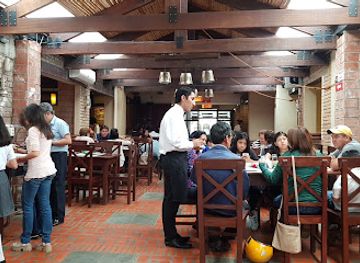
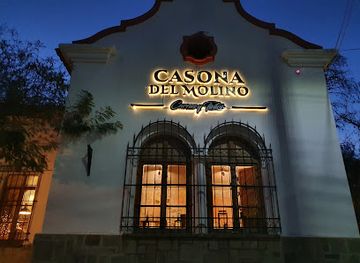
Casona del Molino
Discover the exquisite flavors of Bolivia at Casona del Molino – where culinary tradition meets modern elegance.
-
Restaurant
Churrasqueria "El Asador Chaqueño"
Discover authentic Bolivian barbecue at Churrasqueria 'El Asador Chaqueño', where tradition meets flavor in every bite.
Best bars in Tarija Valley
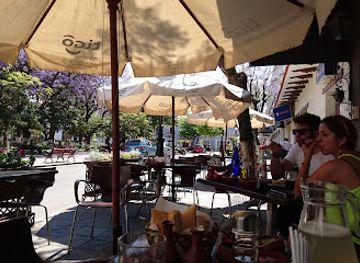
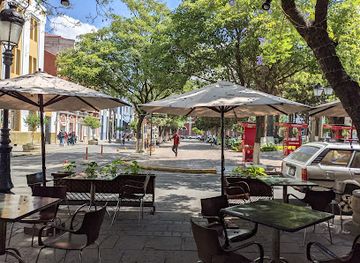
Evening life in Tarija centres on cafés, wine bars, traditional pubs, restaurants and small venues rather than a large nightclub economy. The city centre is the principal place for socialising, with outdoor seating and establishments serving local wine, beer and singani-based drinks. Some venues incorporate live music or regional styles, particularly during festive periods, while larger celebrations connected with the grape harvest can bring temporary performances and late-night activity. In the rural wine districts, evenings are generally quieter and depend on winery events, private tastings or restaurants that have arranged service. Visitors should check current opening arrangements locally, as nightlife can be seasonal and less predictable outside the city. A relaxed dinner followed by a drink in the central area is more representative of Tarija’s evening culture than expecting a dense club scene.
-
Restaurant
Gattopardo
Experience the best of Tarija's culinary scene at Gattopardo, where local flavors meet international cuisine in a charming setting.
-
Restaurant
Churrasqueria El Fogón del Gringo
Experience the rich flavors of Bolivian cuisine at Churrasqueria El Fogón del Gringo, Tarija's premier destination for grilled meats and local wines.
-
Restaurant
Casona del Molino
Discover the exquisite flavors of Bolivian cuisine at Casona del Molino, a culinary gem in Tarija's picturesque landscape.
-
Disco club
FEEL
Experience the vibrant nightlife of Tarija at FEEL, where music, dance, and culture come together in a lively disco atmosphere.

Best nightclubs in Tarija Valley
Evening life in Tarija centres on cafés, wine bars, traditional pubs, restaurants and small venues rather than a large nightclub economy. The city centre is the principal place for socialising, with outdoor seating and establishments serving local wine, beer and singani-based drinks. Some venues incorporate live music or regional styles, particularly during festive periods, while larger celebrations connected with the grape harvest can bring temporary performances and late-night activity. In the rural wine districts, evenings are generally quieter and depend on winery events, private tastings or restaurants that have arranged service. Visitors should check current opening arrangements locally, as nightlife can be seasonal and less predictable outside the city. A relaxed dinner followed by a drink in the central area is more representative of Tarija’s evening culture than expecting a dense club scene.
-
Disco club
FEEL
Discover the vibrant nightlife at FEEL, Tarija's top disco club, where music and dance create an unforgettable experience.
-
Disco club
Disco Dogs & Cats
Discover the electrifying nightlife of Tarija at Disco Dogs & Cats, where vibrant music and dance come alive in a stunning setting.
-
Disco club
La Isla
La Isla in Tarija is the ultimate disco destination, where vibrant music, dancing, and unforgettable nightlife experiences come together in the heart of Bolivia.
-
Disco club
Discoteca La Pachanga
Discover the heart of Tarija's nightlife at Discoteca La Pachanga, where vibrant music and dancing await every visitor.



Best shops in Tarija Valley
Shopping in Tarija is strongest in the central streets and markets, where visitors can find fresh produce, regional sweets, cheeses, baked goods and bottles from local wineries. Wine and singani are the most distinctive take-home purchases, but travellers should check airline and border rules for liquids and choose packaging suitable for transport. Market stalls and small food shops offer a more direct link to valley agriculture than the city’s general retail streets. Visitors may also encounter woven goods, leather items, ceramics and other crafts associated with southern Bolivian production, although quality and provenance vary, so asking vendors about materials and origin is worthwhile. Independent shops, bookshops and cafés give the centre a local character, while larger everyday retail businesses are geared more towards residents than tourists. In the vineyard communities, winery shops are the natural place to buy bottles and grape products, but opening arrangements can be limited outside scheduled tours or harvest periods.
-
Park
Sucre Plaza
Discover the lush beauty and cultural vibrancy of Sucre Plaza, the heart of Tarija, Bolivia, where history, nature, and community come together.
-
National museum
Casa Dorada
Discover Bolivia's cultural heritage at Casa Dorada, a national museum showcasing the history, art, and traditions of Tarija.
-
Nature preserve
Coimata
Discover Coimata, a serene nature preserve in Tarija, Bolivia, where breathtaking landscapes and rich biodiversity await every visitor.
-
Observation deck
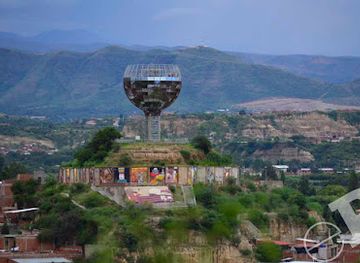
Mirador de los Suenos
Experience stunning views and serene moments at Mirador de los Suenos, the ultimate observation deck in Tarija, Bolivia.
Get your free copy of our complete guide to Tarija Valley, delivered straight to you.
Everything on this page, from attractions and restaurants to essentials and local phrases, in one PDF you can read offline, print or share.
Already have an account? Sign in
Your Tarija Valley guide is ready.
We'll send it to · Not you? Sign out

Getting your guide ready…
We are putting together a fresh copy of the Tarija Valley guide. This can take up to a minute.
This can take a few moments. If your browser asks, choose Allow so the download can start. You'll find the guide in your Downloads folder.
Nothing happened? Download it again
Sorry, the guide is taking longer than usual. Please try again in a minute, or get it by email instead.
Tarija Valley essentials
Currency and Payment
Safety
Emergency Situations
Do's and Don'ts
Local Tips
From Eve
Local phrases worth knowing
You don't need to get them perfect. A few words go a long way, and locals appreciate the effort.
Basics
| English | Local | Say it |
|---|---|---|
| Hello | Hola | [O-la] |
| Goodbye | Adiós | [A-dios] |
| Yes | Sí | [See] |
| No | No | [No] |
| Please/You're welcome | Por favor | [Por fa-vor] |
| Thank you | Gracias | [Gra-sias] |
| Excuse me/Sorry | Disculpe | [Dis-cul-pe] |
| How are you? | ¿Cómo está? | [Co-mo es-ta] |
| Fine. And you? | Bien. ¿Y usted? | [Bien. Ees-ted] |
| Do you speak English? | ¿Habla inglés? | [A-bla in-gles] |
| I don't understand | No entiendo | [No en-tien-do] |
Eating & Drinking
| English | Local | Say it |
|---|---|---|
| I'd like to see the menu, please | Quisiera ver el menú, por favor | [Ki-sie-ra ver el me-nu, por fa-vor] |
| I don't eat meat | No como carne | [No co-mo car-ne] |
| Cheers! | ¡Salud! | [Sa-lud] |
| I would like to pay, please | Me gustaría pagar, por favor | [Me gus-ta-ria pa-gar, por fa-vor] |
Emergencies
| English | Local | Say it |
|---|---|---|
| Help! | ¡Ayuda! | [A-yu-da] |
| Go away! | ¡Vete! | [Ve-te] |
| Call the Police! | ¡Llame a la policía! | [Lla-me a la po-li-cia] |
| Call a doctor! | ¡Llame a un doctor! | [Lla-me a un doc-tor] |
| I'm lost | Estoy perdido | [Es-toy per-di-do] |
| I'm ill | Estoy enfermo | [Es-toy en-fer-mo] |
Shopping
| English | Local | Say it |
|---|---|---|
| I'd like to buy... | Quisiera comprar... | [Ki-sie-ra com-prar] |
| I'm just looking | Solo estoy mirando | [So-lo es-toy mi-ran-do] |
| How much is it? | ¿Cuánto cuesta? | [Cuan-to cues-ta] |
| That's too expensive | Es demasiado caro | [Es de-ma-si-a-do ca-ro] |
| Can you lower the price? | ¿Puede bajar el precio? | [Pue-de ba-har el pre-cio] |
Time & Numbers
| English | Local | Say it |
|---|---|---|
| What time is it? | ¿Qué hora es? | [Ke o-ra es] |
| It's one o'clock | Es la una | [Es la u-na] |
| Half past (10) | Y diez y media | [Y diez y me-dia] |
| Morning | Mañana | [Ma-ña-na] |
| Afternoon | Tarde | [Tar-de] |
| Evening | Noche | [No-che] |
| Yesterday | Ayer | [A-yer] |
| Today | Hoy | [Hoy] |
| Tomorrow | Mañana | [Ma-ña-na] |
| 1 | Uno | [U-no] |
| 2 | Dos | [Dos] |
| 3 | Tres | [Tres] |
| 4 | Cuatro | [Cua-tro] |
| 5 | Cinco | [Cin-co] |
| 6 | Seis | [Seis] |
| 7 | Siete | [Sie-te] |
| 8 | Ocho | [O-cho] |
| 9 | Nueve | [Nue-ve] |
| 10 | Diez | [Diez] |
Transport & Directions
| English | Local | Say it |
|---|---|---|
| Where's a/the...? | ¿Dónde hay un/una...? | [Don-de hay un/u-na] |
| What's the address? | ¿Cuál es la dirección? | [Cual es la di-rec-ción] |
| Can you show me (on the map)? | ¿Puede mostrarme (en el mapa)? | [Pue-de mos-trar-me en el ma-pa] |
| When's the next (bus)? | ¿Cuándo es el próximo (bus)? | [Cuan-do es el proc-si-mo bus] |
| A ticket (to ....) | Un boleto (a....) | [Un bo-le-to a] |
History of Tarija Valley
Pre-Hispanic Peoples and the Tarija Fossil Record
Long before the colonial foundation of Tarija, the valley and surrounding southern lands were occupied and travelled by Indigenous communities, including groups associated with the wider Chaco and Andean cultural worlds. The region is also important for paleontology: sediments around Tarija preserve abundant fossil remains of Pleistocene mammals, including giant ground sloths and other animals that lived in South America before the end of the last ice age. These collections, displayed and studied in Tarija, provide a scientific dimension to the valley’s history that predates agriculture, empire and colonial settlement by hundreds of thousands of years.
Inca and Frontier Influences
The southern valleys occupied a frontier position between the Andean highlands and the eastern lowlands. Inca influence reached parts of the wider region, although control was shaped by distance and resistance from peoples living beyond the settled highland core. The area’s later history also reflects interaction among Indigenous communities, highland authorities and groups connected with the Chaco. This frontier setting helped give southern Tarija a cultural character different from the more densely integrated centres of the central Andes.
Spanish Foundation of Tarija, 1574
The Spanish founded the settlement of San Bernardo de la Frontera de Tarija in 1574 under Luis de Fuentes y Vargas. Its position served colonial efforts to occupy and administer the southern valleys, connect settlements with the Río de la Plata world and create a buffer against resistance from eastern lowland peoples. The town developed around a central plaza and religious institutions, while surrounding land was used for farming and livestock. Tarija’s street plan, churches and colonial foundations remain visible reminders of this period, although the colonial order depended on Indigenous labour and unequal power.
Missionary and Estate Landscapes
During the colonial period, religious orders and landholding families helped shape the valley’s settlements, agricultural economy and built environment. Churches, chapels, haciendas and cultivated plots linked Tarija with wider circuits of trade extending towards Potosí, Chuquisaca and the southern frontier. Grapevines were introduced during the colonial era and gradually became suited to the valley’s climate and elevation. The wine economy changed substantially over time, but the survival of vineyards and rural estates connects contemporary Tarija with this early agricultural transformation.
Independence and the Southern Frontier
The Tarija area became involved in the struggles that ended Spanish rule in South America. Local figures such as Eustaquio Méndez, known as the Moto Méndez, are associated with militia resistance and the campaigns for independence in the southern valleys. After independence, Tarija’s political status was contested in the unstable relationship between the emerging republics of Bolivia and Argentina. Its eventual incorporation into Bolivia reinforced the region’s role as a southern borderland while preserving commercial and cultural links with northern Argentina.
Republican Growth and Chapaco Identity
During the nineteenth and twentieth centuries, Tarija developed as an administrative and commercial centre for a predominantly agricultural valley. Cattle, grains, fruit and vineyards supported local markets, while roads gradually connected the city more closely with other Bolivian departments and neighbouring Argentina. The term chapaco came to be associated with the valley’s rural culture and is reflected in local music, speech, celebrations and foodways. This identity is not a single unchanging tradition, but a regional culture shaped by Indigenous, colonial, republican and cross-border influences.
Modern Viticulture and Singani Production
In the twentieth and twenty-first centuries, improved viticulture, commercial investment and tourism helped establish Tarija as Bolivia’s leading wine region. Vineyards around the central valley expanded beyond small household production, while wineries developed tastings and visitor programmes around both table wine and singani, the grape spirit traditionally distilled from white-muscot grapes. The modern wine route has diversified Tarija’s economy and made agricultural landscapes part of its public identity, although farming, livestock and regional commerce remain important alongside tourism.
Tarija Valley in Photos
Browse through our photo collection highlighting the charm and character of the destination.
Neighbouring regions of Tarija Valley
The closest regions to Tarija Valley, if you have time for more than one.
-

-

-

-

-


Swipe for more regions
Explore more

Explore more of Bolivia
Discover Bolivia: From the peaks of the Andes to the depths of the Amazon, a land of stunning landscapes and rich cultural heritage awaits.
Explore Bolivia