

Potosí Highlands, Bolivia Travel Guide
Discover the rich history, stunning landscapes, and unique ecosystems of the Potosí Highlands in Bolivia – a perfect blend of adventure and heritage.
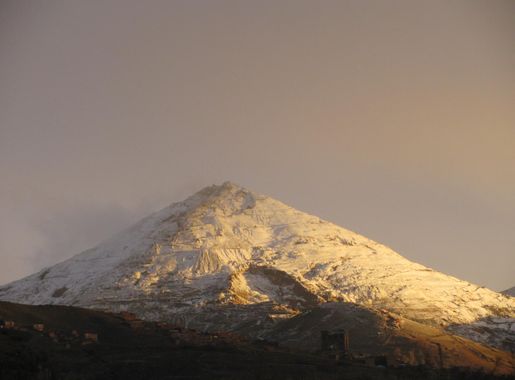
Nestled in the heart of Bolivia, the Potosí Highlands offer a mesmerizing blend of natural beauty and rich history. Known for its breathtaking landscapes, this region is home to some of the most stunning mountainous terrains in South America. The high altitude and cool climate provide a perfect backdrop for adventurous activities and picturesque views. The Potosí Highlands are steeped in history, with the city of Potosí itself being a UNESCO World Heritage site. Once one of the richest cities in the world due to its silver mines, Potosí offers a glimpse into the past with its colonial architecture, historic churches, and museums. The infamous Cerro Rico, or Rich Mountain, stands as a testament to the region's mining history, offering guided tours that delve into the lives of miners both past and present. Beyond its historical significance, the Potosí Highlands are a paradise for nature lovers. The region boasts a diverse ecosystem with unique flora and fauna. Visitors can explore the stunning Uyuni Salt Flats nearby, witness flamingos in their natural habitat, or hike through scenic trails that offer panoramic views of the Andes. Whether you're an avid historian, an adventurous trekker, or simply someone looking to soak in the beauty of the Bolivian highlands, Potosí promises an unforgettable experience.

Know before you go
Hi, I'm Eve. Here are a few practical things to know before exploring Potosí Highlands.
- Acclimatize to the high altitude before engaging in strenuous activities.
- Visit the silver mines with a guided tour for a safe and informative experience.
- Pack warm clothing as temperatures can drop significantly, especially at night.
- Bring sun protection; the high altitude means stronger UV rays.
- Try local cuisine in Potosí city to experience authentic Bolivian flavors.
Top City Travel Guides in Potosí Highlands
The cities of Potosí Highlands, and the easiest places to base yourself.


Destinations in Potosí Highlands
Resorts, valleys and scenic spots worth a trip of their own.


Explore Potosí Highlands: Things to Do, Places to Eat, Hotels & More
Handpicked recommendations for top attractions, local dining, accommodations, and more

Top Attractions & Sightseeing in Potosí Highlands
Top-rated picks
Best Attractions

Train Cemetery
Discover the haunting beauty of the Train Cemetery in Uyuni, Bolivia, an open-air museum filled with rusted relics of a forgotten railway era.

National Mint of Bolivia
Explore the National Mint of Bolivia in Potosí - a historical journey through currency, culture, and craftsmanship.

Plaza de las Banderas Uyuni
Experience the vibrant cultural tapestry of the Plaza de las Banderas in Uyuni, where art, tradition, and breathtaking salt monuments come together.

Plaza 10 de Noviembre
Explore the vibrant heart of Potosí at Plaza 10 de Noviembre, where history, culture, and community come together in a picturesque park setting.

Best landmarks in Potosí Highlands
Top-rated picks
Best Landmarks

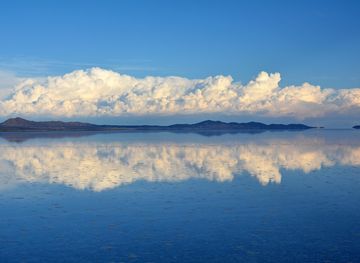
Uyuni Salt Flat
Discover the surreal beauty of Uyuni Salt Flat, the largest salt flat in the world, where nature creates stunning mirrored landscapes and unique wildlife experiences.

National Mint of Bolivia
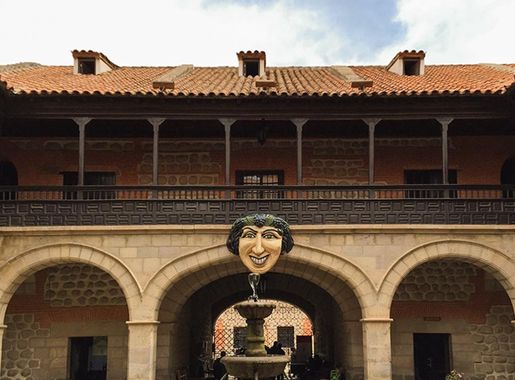
Explore the National Mint of Bolivia in Potosí, where history and culture converge in a captivating journey through the nation's coinage.

Train Cemetery
Discover the haunting beauty of the Train Cemetery in Uyuni, a unique open-air museum showcasing Bolivia's rich railway history amidst stunning landscapes.

Plaza de las Banderas Uyuni
Discover the colorful Plaza de las Banderas in Uyuni, a cultural gem showcasing Bolivia's vibrant heritage against the backdrop of stunning landscapes.

Best restaurants in Potosí Highlands
Top-rated picks
Best Restaurants

Hotel Luna Salada
Discover luxury and adventure at Hotel Luna Salada near Uyuni Salt Flats – where comfort meets breathtaking natural beauty.
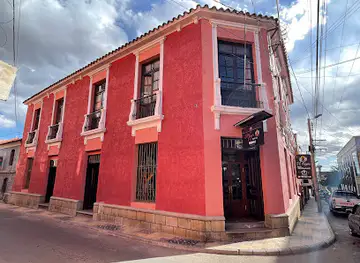
El Fogon
Discover authentic Bolivian flavors at El Fogon in Potosí - where tradition meets taste in every bite.

Cafe Pub 4060
Experience the best of Potosi at Cafe Pub 4060 – where delicious food meets vibrant culture in a cozy setting.

LLAMA CAFE
Discover Llama Cafe in Uyuni: A charming vegetarian restaurant offering delicious plant-based meals and exceptional coffee in a cozy atmosphere.

Best bars in Potosí Highlands
Top-rated picks
Best Bars

Pub & Disco Malegria
Discover the electrifying nightlife of La Paz at Pub & Disco Malegria, where vibrant music and unforgettable moments await.

La Rota Carlota
Discover La Rota Carlota, a vibrant gastropub in Santa Cruz de la Sierra, where local flavors and a lively atmosphere create unforgettable experiences.

Diesel Nacional
Discover the lively pub scene at Diesel Nacional, La Paz, where unique decor meets delicious food and vibrant nightlife.

The English Pub
Experience the best of British cuisine with a Bolivian twist at The English Pub in La Paz, offering a cozy atmosphere and delicious grill dishes.

Best nightclubs in Potosí Highlands
Top-rated picks
Best Nightclubs

Lithium Club
Discover the vibrant flavors of Bolivia at Lithium Club, a lively restaurant in Uyuni offering authentic local cuisine and a welcoming atmosphere.

Babilon Disco Lounge
Discover the vibrant nightlife of Potosí at Babilon Disco Lounge, where music, dancing, and fun come together for an unforgettable experience.

Discoteca Sky
Immerse yourself in the vibrant nightlife of Potosí at Discoteca Sky, where dance, music, and fun blend seamlessly for an unforgettable experience.

Level Club Uyuni
Discover the vibrant nightlife at Level Club Uyuni, where delicious food, refreshing drinks, and an energetic atmosphere await you.

Best shops in Potosí Highlands
Top-rated picks
Best Shops

Shopping Central Av.potosi Edificio Barrios Flores
Explore Shopping Central Av. Potosí in Uyuni for a unique blend of local craftsmanship and modern retail experiences.

Centro Comercial y Turistico SAN FRANCISCO
Discover the heart of Villa Imperial de Potosí at Centro Comercial y Turistico SAN FRANCISCO, where shopping, dining, and culture converge.

Calzart Bolivia Potosí
Discover stylish footwear for every occasion at Calzart Bolivia Potosí, where quality meets fashion in the heart of the historic city.

Agencia Delizia
Discover unique Bolivian crafts and souvenirs at Agencia Delizia, a vibrant store showcasing local artistry in the heart of Uyuni.

Explore Potosí Highlands on the Map
A handpicked selection of must-see spots in Potosí Highlands, mapped for you.
Potosí Highlands Essentials
-
The Potosí Highlands are located in southwestern Bolivia. The nearest major airport is El Alto International Airport (LPB) in La Paz, approximately 550 kilometers north of Potosí. From La Paz, you can catch a domestic flight to Potosí Airport (POI) or take a long-distance bus, which typically takes around 8 to 10 hours. Alternatively, you can fly into Jorge Wilstermann International Airport (CBB) in Cochabamba and take a bus or rent a car for a scenic drive to Potosí.
-
Within Potosí, you have several transportation options. Taxis are widely available and relatively inexpensive, but make sure to agree on a fare before starting your journey. Local buses and minibuses (micros) operate within the city and connect to nearby towns. For more flexibility, consider renting a car, though driving in the highlands can be challenging due to altitude and road conditions. Walking is also a viable option for exploring the historic center of Potosí.
-
The official currency in Bolivia is the Boliviano (BOB). Credit cards are accepted in most hotels, restaurants, and larger shops, but it's advisable to carry cash, especially for smaller businesses and markets. ATMs are available in Potosí, but it's a good idea to withdraw sufficient cash in larger cities like La Paz or Cochabamba before traveling to the highlands to ensure you have enough funds.
-
Potosí is generally safe for tourists, but it's important to take standard precautions. Avoid walking alone at night, especially in poorly lit areas. Be cautious in crowded places, as pickpocketing can occur. Areas with higher crime rates include the bus terminal and some of the outskirts of the city. Always use registered taxis and avoid displaying valuables openly.
-
In case of an emergency, dial 110 for police assistance and 118 for medical emergencies. Potosí has a few hospitals and clinics where you can seek medical attention. It's essential to have travel insurance that covers medical emergencies and evacuation due to the high altitude and potential health risks. For minor health issues, pharmacies are available where you can purchase over-the-counter medications.
-
Fashion: Do dress in layers, as the high altitude can make the weather unpredictable. Avoid wearing flashy or revealing clothing. Religion: Do respect local customs and traditions, especially when visiting churches and religious sites. Public Transport: Do be mindful of your belongings and avoid eating or drinking on public transport. Greetings: Do greet people with a handshake and a smile. A simple 'Buenos días' (Good morning) or 'Buenas tardes' (Good afternoon) is appreciated. Eating & Drinking: Do try local dishes like salteñas and Potosí's famous chicha. Don't refuse food or drink offerings, as it can be considered impolite.
-
To experience Potosí like a local, visit the Mercado Central to buy fresh produce and traditional Bolivian goods. Take a guided tour of the Cerro Rico mines to understand the region's mining history. Engage with locals, who are often friendly and willing to share stories about their culture and history. Don't miss the opportunity to attend a local festival or fiesta, where you can enjoy traditional music, dance, and food.
When is the best time to visit Potosí Highlands?
Useful Local Phrases for Potosí Highlands
You don't need to speak the language perfectly. Even learning a few simple words can make conversations warmer—and locals usually appreciate the effort.
— Eve

Here are the phrases I use most often in Potosí Highlands. Try a few—you'll be surprised how far they go! 😊
❤️
-
- HelloJach'aqawa
[ha-ch'a-kawa] - GoodbyeSuma qamaña
[soo-ma ka-ma-nya] - YesAwa
[ah-wah] - NoAykhama
[ai-kha-ma] - Please/You're welcomeAkaniri
[ah-ka-ni-ri] - Thank youYuspagara
[yoos-pa-ga-ra] - Excuse me/SorryAkañani
[ah-ka-nyani] - How are you?Kusisqa kanki?
[koo-sees-kah kan-kee] - Fine. And you?Suma. Kanki?
[soo-ma kan-kee] - Do you speak English?Inglés hablaski?
[in-gles ha-blas-kee] - I don't understandNiyu janiwa qhawqha
[nee-yu ha-nee-wa khaw-kha]
- HelloJach'aqawa
-
- I'd like to see the menu, pleaseMenú qhichwa, akani
[me-noo kee-chwa ah-ka-nee] - I don't eat meatWak'icha janiwa ch'uñu
[wa-kee-cha ha-nee-wa choo-nyu] - Cheers!Suma qamaña!
[soo-ma ka-ma-nya] - I would like to pay, pleaseAkaniri, pagani munani
[ah-ka-ni-ri pa-ga-ni moo-na-nee]
- I'd like to see the menu, pleaseMenú qhichwa, akani
-
- Help!¡Akaniri!
[ah-ka-ni-ri] - Go away!¡Jichha janiwa!
[hee-chha ha-nee-wa] - Call the Police!¡Llajta jach'a!
[lya-ta ha-ch'a] - Call a doctor!¡Yatichiri jach'a!
[ya-ti-chee-ri ha-ch'a] - I'm lostNiyu janiwa qhawqha
[nee-yu ha-nee-wa khaw-kha] - I'm illNiyu janiwa ch'iqchi
[nee-yu ha-nee-wa chee-kchee]
- Help!¡Akaniri!
-
- I'd like to buy...Niyu ... achikani
[nee-yu ... ah-chi-ka-nee] - I'm just lookingNiyu jichha qhawqha
[nee-yu jee-cha khaw-kha] - How much is it?¿Qamiri chay?
[ka-mi-ree chay] - That's too expensiveChay janiwa q'uchu
[chay ha-nee-wa koo-choo] - Can you lower the price?¿T'ikani k'ama qhichwa?
[t'ee-ka-nee ka-ma kee-chwa]
- I'd like to buy...Niyu ... achikani
-
- What time is it?¿Kawsaq saqra?
[kaw-sak sah-kra] - It's one o'clockSuma q'asa
[soo-ma ka-sa] - Half past (10)Pachakuna (10)
[pa-cha-koo-na] - MorningSuma urqu
[soo-ma ur-koo] - AfternoonSuma q'ara
[soo-ma ka-ra] - EveningSuma ch'isi
[soo-ma chee-see] - YesterdayPachakuna
[pa-cha-koo-na] - TodayJichha
[hee-chha] - TomorrowKhawsa
[kaw-sa] - 1Waraqi
[wa-ra-kee] - 2Ima
[ee-ma] - 3Pichqa
[pee-chka] - 4Tawa
[ta-wa] - 5Paqa
[pa-ka] - 6Sukta
[sook-ta] - 7Qanchis
[kan-chees] - 8Senkata
[sen-ka-ta] - 9Pusi
[poo-see] - 10Pachaq
[pa-chaq]
- What time is it?¿Kawsaq saqra?
-
- Where's a/the...?¿Maypi ...?
[my-pee] - What's the address?¿Kawsaq direksiyoni?
[kaw-sak dee-rek-see-yo-nee] - Can you show me (on the map)?¿Niyu jichha qhawqha (mapan)?
[nee-yu hee-chha khaw-kha ma-pan] - When's the next (bus)?¿Kawsaq busu?
[kaw-sak boo-soo] - A ticket (to ....)Pasaji (....)
[pa-sa-hee]
- Where's a/the...?¿Maypi ...?
History of Potosí Highlands
-
In 1545, the Spaniard Diego Gualpa discovered silver ore in Cerro Rico, a mountain that would become a pivotal source of wealth for the Spanish Empire. The discovery marked the beginning of extensive mining operations that transformed Potosí into one of the richest cities in the world during the colonial era.
-
In the wake of silver discovery, Potosí was officially founded in 1546. The city quickly grew as miners, merchants, and adventurers flocked to the area. By the early 17th century, Potosí was a bustling metropolis with a population exceeding 150,000, rivaling the major cities of Europe in size and wealth.
-
The Spanish Crown implemented the mita system, a form of coerced labor in which indigenous people were forced to work in the silver mines. This system led to harsh working conditions and significant loss of life among the indigenous population, fundamentally altering the social fabric of the region.
-
The Real Casa de Moneda, or Royal Mint, was established in 1572 to mint silver coins from the ore extracted from Cerro Rico. The mint produced vast quantities of silver coins that circulated globally, establishing Potosí as a critical node in the Spanish colonial economy. The building itself is a prominent example of colonial architecture and now serves as a museum.
-
By the late 17th century, the easily accessible silver veins in Cerro Rico were largely exhausted. As silver production declined, so did the city's prosperity. Potosí's population dwindled and the city gradually fell into economic stagnation.
-
During the early 19th century, Potosí played a role in the struggles for independence from Spanish rule. The city changed hands multiple times between royalist and patriot forces, reflecting the broader turbulence of the South American wars of independence.
-
In recent decades, Potosí has seen efforts aimed at revitalizing its cultural and historical heritage. The city's colonial architecture, mining history, and unique highland culture attract tourists from around the world, contributing to a renewed sense of local pride and economic opportunity.
Neighbouring Regions of Potosí Highlands
The closest regions to Potosí Highlands, if you have time for more than one.




Your all‑in‑one travel companion app
Explore expert travel guides, compare and book tours, experiences, hotels, and more—all from the palm of your hand. Download now for seamless trip planning wherever your wanderlust takes you.


Explore More of Bolivia

Looking beyond Potosí Highlands? Discover Bolivia for broader travel guides, local hot-spots, and regional highlights.
Explore BoliviaPotosí Highlands in Photos
Browse through our photo collection highlighting the charm and character of the destination.





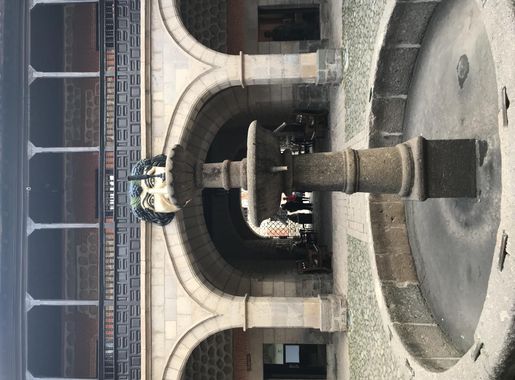
The Enchanting Heights of Potosí Highlands
Nestled in the heart of Bolivia, the Potosí Highlands offer a mesmerizing blend of natural beauty and rich history. Known for its breathtaking landscapes, this region is home to some of the most stunning mountainous terrains in South America. The high altitude and cool climate provide a perfect backdrop for adventurous activities and picturesque views. The Potosí Highlands are steeped in history, with the city of Potosí itself being a UNESCO World Heritage site. Once one of the richest cities in the world due to its silver mines, Potosí offers a glimpse into the past with its colonial architecture, historic churches, and museums. The infamous Cerro Rico, or Rich Mountain, stands as a testament to the region's mining history, offering guided tours that delve into the lives of miners both past and present. Beyond its historical significance, the Potosí Highlands are a paradise for nature lovers. The region boasts a diverse ecosystem with unique flora and fauna. Visitors can explore the stunning Uyuni Salt Flats nearby, witness flamingos in their natural habitat, or hike through scenic trails that offer panoramic views of the Andes. Whether you're an avid historian, an adventurous trekker, or simply someone looking to soak in the beauty of the Bolivian highlands, Potosí promises an unforgettable experience.