

Free Altiplano Travel Guide & Mobile App
Explore Altiplano with free travel guides. Discover regional history, expert tips, proposed trips, and audio guides on web or mobile app.


Explore Bolivia’s Altiplano for Lake Titicaca, Tiwanaku, colonial Potosí, volcanic landscapes, salt flats and enduring Andean cultures.
Read more about Altiplano
When is the best time to visit Altiplano?
Best: February–April · 17–19°C| Month | High (°C) | Rainfall (mm) |
|---|---|---|
| January | 18 | 70 |
| February (best) | 18 | 60 |
| March (best) | 19 | 50 |
| April (best) | 17 | 40 |
| May | 14 | 30 |
| June | 11 | 20 |
| July | 11 | 20 |
| August | 12 | 20 |
| September | 14 | 30 |
| October | 16 | 40 |
| November | 17 | 50 |
| December | 18 | 60 |
Getting to and around Altiplano
How to get there
Transportation
Top city travel guides in Altiplano
The cities of Altiplano, and the easiest places to base yourself.
-
-

-

-

-

-


Swipe for more cities
Destinations in Altiplano
Resorts, valleys and scenic spots worth a trip of their own.
-

-
-

-

-

-


Swipe for more destinations
Best attractions in Altiplano
The Altiplano’s attractions range from major archaeological sites to immense natural landscapes. Near Lake Titicaca, boat trips, lakeside communities and views towards the Cordillera Real provide an introduction to the region’s ecology and Aymara culture, while Tiwanaku offers monumental architecture and archaeological museums on the open plateau. La Paz and El Alto add urban museums, markets, cable-car panoramas and contemporary cultural life, although the city’s steep canyon lies at the Altiplano’s eastern edge. Oruro is associated with Andean religious and folkloric traditions, while Potosí combines colonial streets, churches, museums and the continuing presence of Cerro Rico’s mining economy. South-western circuits from Uyuni lead across the Salar de Uyuni, volcanic deserts, coloured lagoons and high-altitude wetlands, usually by four-wheel-drive vehicle. Sajama National Park brings volcanoes, hot springs, geysers and vicuña habitat into the itinerary. These are not quick roadside attractions: altitude, weather and vast distances shape every visit, and guided travel is often the practical choice in the most remote areas.
-
Park
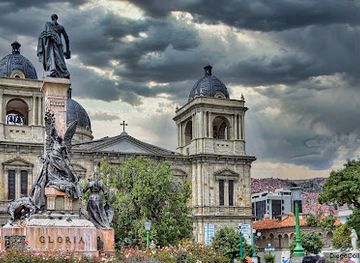
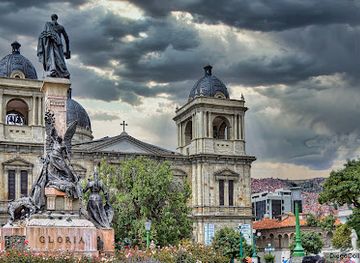
Plaza Murillo
Explore the vibrant Plaza Murillo in La Paz, Bolivia – a historical park surrounded by iconic architecture and rich cultural experiences.
-
Tourist attraction
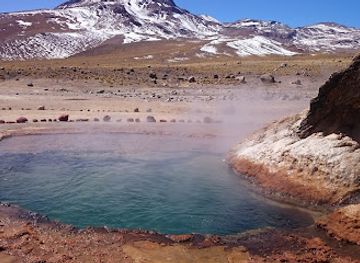
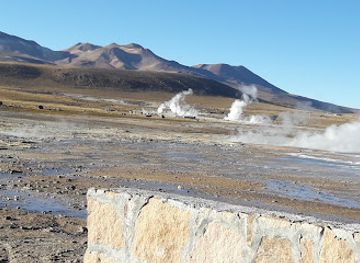
El Tatio
Explore El Tatio, the breathtaking geothermal wonder in Chile's Andes, where nature's power meets stunning landscapes and unforgettable experiences.
-
Tourist attraction
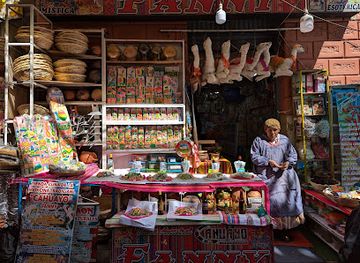
The Witches Market
Explore the magical Witches Market in La Paz, where vibrant handicrafts, traditional remedies, and rich Bolivian culture await every curious traveler.
-
Tourist attraction
Valle de la Luna
Discover the enchanting Valle de la Luna, a surreal landscape of unique rock formations near La Paz, Bolivia, and immerse yourself in nature's extraordinary artistry.

Best landmarks in Altiplano
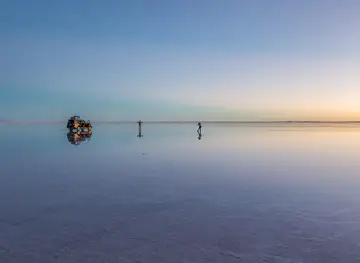
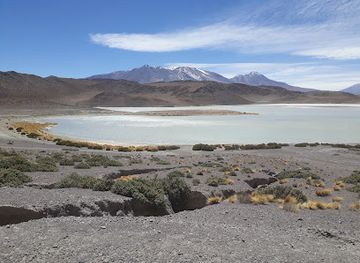
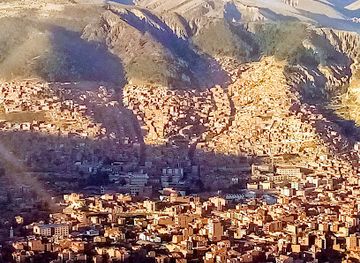
Tiwanaku is the Altiplano’s most important pre-Columbian landmark, with monumental stone architecture that records the power and technical skill of a civilisation centred near Lake Titicaca. The lake itself is a defining geographical landmark, framed by cultivated shores and the distant Cordillera Real. In La Paz, the canyon city and the surrounding high plateau create one of Bolivia’s most recognisable urban landscapes, while El Alto’s expansive grid presents a very different highland cityscape. Potosí’s Cerro Rico dominates the city and symbolises the colonial silver economy, its slopes rising behind a historic centre of churches and civic buildings. The Salar de Uyuni forms a vast white landmark whose appearance changes between dry geometric crusts and seasonal reflective water. In the south-west, volcanic peaks, steaming geothermal fields and intensely coloured lagoons provide a sculptural natural counterpoint. Sajama, Bolivia’s highest mountain, anchors the western highlands and gives its national park a powerful visual focus.
-
Park
Plaza Murillo
Explore Plaza Murillo, La Paz's iconic central square, surrounded by rich history, stunning architecture, and a vibrant local atmosphere.
-
Tourist attraction
El Tatio
Experience the incredible geothermal wonders of El Tatio, an iconic tourist attraction in the Andes of Chile with stunning geysers and breathtaking landscapes.
-
Tourist attraction
The Witches Market
Explore the vibrant Witches Market in La Paz, Bolivia, where tradition meets mysticism with unique handicrafts and cultural experiences.
-
Sculpture
Cristo de la Concordia
Discover the awe-inspiring Cristo de la Concordia in Cochabamba, a towering symbol of faith and stunning views that captivates every traveler.


Explore Altiplano on the map
Plan your trip on one map. See where the top cities, national parks and sights are, and book hotels and experiences in a few clicks.
Best hotels in Altiplano
Best restaurants in Altiplano
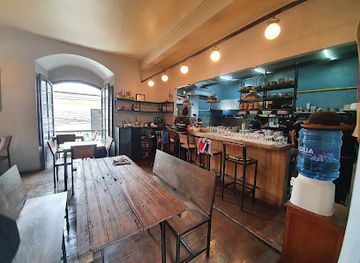
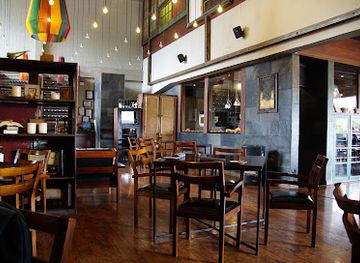
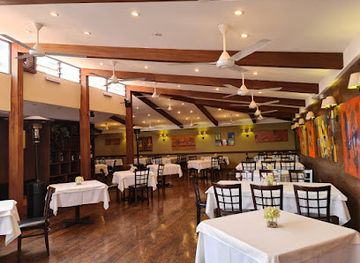
Altiplano cooking is shaped by cold-climate agriculture, camelid herding, preserved foods and ingredients traded across the Andes. In La Paz, El Alto, Oruro, Potosí and Uyuni, visitors find soups and stews suited to highland weather, dishes featuring potatoes and chuño, quinoa preparations, grilled meats and regional variations of llama, as well as salteñas, empanadas and other popular Bolivian snacks. Api, a hot purple or yellow maize drink often served with pastries, is especially associated with highland breakfast and market culture. Restaurants range from market stalls and simple family dining rooms to contemporary Bolivian kitchens, while rural lodges and tour camps generally serve practical set meals. Look for quinoa, Andean potatoes, locally produced cheese and llama dishes, but remember that recipes vary between communities and that many foods described as Altiplano specialities are part of wider Bolivian or Andean traditions.
-
Steak
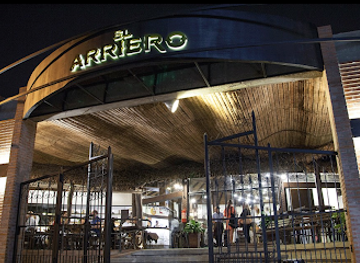
Restaurante El Arriero
Experience authentic Bolivian barbecue at Restaurante El Arriero - where succulent steaks meet vibrant atmosphere in Santa Cruz.
-
Restaurant
Bolivian Popular Food
Discover authentic Bolivian cuisine at Bolivian Popular Food in La Paz – where every bite tells a story of tradition and flavor.
-
South American
Gustu
Experience the essence of South American flavors at Gustu in La Paz, where innovation meets tradition in every exquisite dish.
-
Restaurant
El Vagón del Sur
Discover the rich flavors of Bolivia at El Vagón del Sur in La Paz – where tradition meets modern culinary artistry.
Best bars in Altiplano
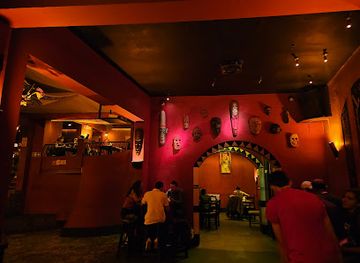
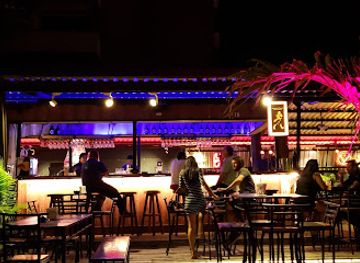
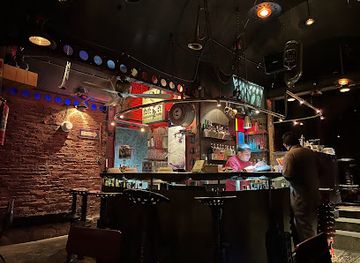
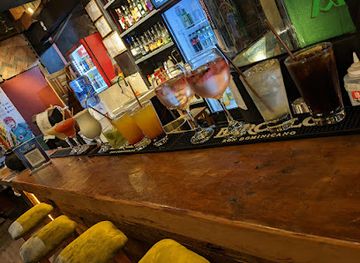
Evening life differs sharply across the Altiplano. La Paz and El Alto have the broadest choice of bars, live-music venues, restaurants and late-night clubs, with nightlife ranging from modern urban venues to places centred on Andean music and dance. Oruro and Potosí offer more localised evenings in pubs, peñas, restaurants and music venues, with activity often increasing around major festivals and public celebrations. In Uyuni, nightlife is modest and largely organised around restaurants, hotel bars and venues serving travellers before or after desert tours. Remote towns and national-park areas usually become quiet early, and many highland visitors prioritise rest because of altitude and early departures. Drink responsibly, take care on poorly lit streets and use trusted transport when returning to accommodation.
-
Bar
Pub & Disco Malegria
Discover the vibrant nightlife at Pub & Disco Malegria, a top destination in La Paz for unforgettable nights filled with music, dance, and fun.
-
Grill
Sir Pieper Resto - Bar
Explore the culinary delights of Sir Pieper Resto - Bar in Santa Cruz, where grill specialties meet vibrant atmosphere for an unforgettable dining experience.
-
Pub
Diesel Nacional
Discover the vibrant culture of La Paz at Diesel Nacional, a unique pub offering local drinks, live music, and a lively atmosphere.
-
Irish pub
The Lucky Llama Irish Bar
Discover The Lucky Llama Irish Bar in La Paz, where Irish charm meets Bolivian flair in an unforgettable dining experience.
Best nightclubs in Altiplano
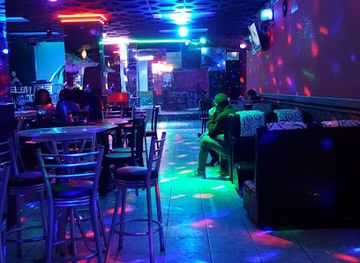
Evening life differs sharply across the Altiplano. La Paz and El Alto have the broadest choice of bars, live-music venues, restaurants and late-night clubs, with nightlife ranging from modern urban venues to places centred on Andean music and dance. Oruro and Potosí offer more localised evenings in pubs, peñas, restaurants and music venues, with activity often increasing around major festivals and public celebrations. In Uyuni, nightlife is modest and largely organised around restaurants, hotel bars and venues serving travellers before or after desert tours. Remote towns and national-park areas usually become quiet early, and many highland visitors prioritise rest because of altitude and early departures. Drink responsibly, take care on poorly lit streets and use trusted transport when returning to accommodation.
-
Bar
Pub & Disco Malegria
Discover the vibrant nightlife of La Paz at Pub & Disco Malegria, where unforgettable memories and fantastic music await.
-
Disco club
Gold Classics
Experience the vibrant nightlife of La Paz at Gold Classics, where classic tunes from the 60s, 70s, and 80s come alive.
-
Disco club
New Pa'Goza
Immerse yourself in the vibrant nightlife of La Paz at New Pa'Goza, where the beats keep you dancing and the atmosphere is electric.
-
Dance club
OPEN MIND CLUB
Discover the heart of La Paz's nightlife at Open Mind Club, where vibrant music meets an unforgettable dance experience.



Best shops in Altiplano
Shopping on the Altiplano is strongest in La Paz, El Alto, Oruro, Potosí, Copacabana and Uyuni, where markets and independent shops sell textiles, woven bags, hats, jewellery, carved objects and practical cold-weather clothing. Quality and provenance vary, so ask about materials and support community cooperatives or established craft organisations where possible. Regional food products include quinoa, Andean potato varieties, dried herbs and sweets, while llama and alpaca goods are widely available but should be checked for fibre content and ethical sourcing. La Paz and El Alto provide the widest range of contemporary design, books, music and household shopping; smaller towns are better for market atmosphere and locally used goods. Near the salt flats, some souvenirs incorporate salt, but visitors should buy responsibly rather than collecting material from the landscape. Bargaining may be appropriate in markets, though fixed prices are more common in formal shops.
-
Shopping mall
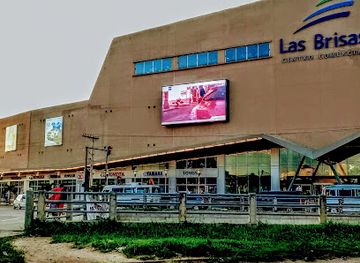
Las Brisas Mall
Experience the vibrant shopping scene at Las Brisas Mall, where local culture meets global brands in the heart of Santa Cruz de la Sierra.
-
Park
Plaza Murillo
Explore the vibrant culture and historical significance of Plaza Murillo, the heart of La Paz, Bolivia, where tradition meets modernity.
-
Gift shop
The Witches Market
Explore the mystical allure of The Witches Market in La Paz: a vibrant hub of handicrafts, traditions, and unique souvenirs.
-
Market
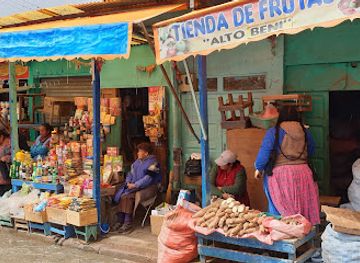
Mercado Rodríguez
Discover the vibrant Mercado Rodríguez in La Paz, where local flavors and rich traditions come together in a colorful marketplace.
Get your free copy of our complete guide to Altiplano, delivered straight to you.
Everything on this page, from attractions and restaurants to essentials and local phrases, in one PDF you can read offline, print or share.
Already have an account? Sign in
Your Altiplano guide is ready.
We'll send it to · Not you? Sign out

Getting your guide ready…
We are putting together a fresh copy of the Altiplano guide. This can take up to a minute.
This can take a few moments. If your browser asks, choose Allow so the download can start. You'll find the guide in your Downloads folder.
Nothing happened? Download it again
Sorry, the guide is taking longer than usual. Please try again in a minute, or get it by email instead.
Altiplano essentials
Currency and Payment
Safety
Emergency Situations
Do's and Don'ts
Local Tips
From Eve
Local phrases worth knowing
You don't need to get them perfect. A few words go a long way, and locals appreciate the effort.
Basics
| English | Local | Say it |
|---|---|---|
| Hello | Kausa | [Kow-sah] |
| Goodbye | Sumaq | [Soo-mahk] |
| Yes | Ari | [Ah-ree] |
| No | Ayi | [Ah-yee] |
| Please/You're welcome | Allichu | [Ah-lee-choo] |
| Thank you | Sukha | [Soo-kah] |
| Excuse me/Sorry | Pachamama | [Pah-chah-mah-mah] |
| How are you? | ¿Imanalla? | [Ee-mah-nah-yah] |
| Fine. And you? | Allin, ¿yki? | [Ahl-een, ee-kee?] |
| Do you speak English? | ¿Inglés hablacha? | [Eeng-les hah-blah-chah?] |
| I don't understand | Niyach'ani | [Knee-yah-chah-nee] |
Eating & Drinking
| English | Local | Say it |
|---|---|---|
| I'd like to see the menu, please | Munaychik menu, allichu | [Moo-nigh-cheek men-oo, ah-lee-choo] |
| I don't eat meat | Niyach'ani ch'arki | [Knee-yah-chah-nee ch'ahr-kee] |
| Cheers! | ¡T'ik'ichis! | [Tee-kee-chees] |
| I would like to pay, please | Munaychik pagar, allichu | [Moo-nigh-cheek pah-gar, ah-lee-choo] |
Emergencies
| English | Local | Say it |
|---|---|---|
| Help! | ¡Yanapachkani! | [Yah-nah-pah-ch-kah-nee!] |
| Go away! | ¡Wañuchkani! | [Wah-nu-ch-kah-nee!] |
| Call the Police! | ¡Iñchik Policía! | [Eeng-cheek Poh-lee-see-ah!] |
| Call a doctor! | ¡Iñchik doctor! | [Eeng-cheek doh-ktohr!] |
| I'm lost | Ñukaka ch'aska | [Nook-ah-kah ch'ah-skah] |
| I'm ill | Ñukaka ch'aki | [Nook-ah-kah ch'ah-kee] |
Shopping
| English | Local | Say it |
|---|---|---|
| I'd like to buy... | Munaychik sayhu, ... | [Moo-nigh-cheek sigh-who, ...] |
| I'm just looking | Ñukaka qochana | [Nook-ah-kah koh-chah-nah] |
| How much is it? | ¿Kawsa kawsayki? | [Kow-sah kow-sigh-kee?] |
| That's too expensive | Ima ch'ari | [Ee-ma ch'ah-ree] |
| Can you lower the price? | ¿Pichayki ch'iri? | [Pee-chah-kee chee-ree?] |
Time & Numbers
| English | Local | Say it |
|---|---|---|
| What time is it? | ¿Imanata k'uchu? | [Ee-mah-nah-tah koo-choo?] |
| It's one o'clock | Sut'ij k'uchu | [Soot-eej koo-choo] |
| Half past (10) | Paq'ari (10) | [Pah-kah-ree (10)] |
| Morning | Ñawpa | [Naw-pah] |
| Afternoon | Pachakuti | [Pah-chah-koo-tee] |
| Evening | K'uska | [Koo-skah] |
| Yesterday | Ñawpa p'unchay | [Naw-pah poon-chai] |
| Today | Kay p'unchay | [Kah-ee poon-chai] |
| Tomorrow | Ñawpa p'unchay | [Naw-pah poon-chai] |
| 1 | Wasi | [Wah-see] |
| 2 | Juk'uy | [Hoo-kwee] |
| 3 | Kimsa | [Keem-sah] |
| 4 | Tawa | [Tah-wah] |
| 5 | Pachak | [Pah-chahk] |
| 6 | Sukta | [Sook-tah] |
| 7 | Siete | [See-eh-teh] |
| 8 | Ocho | [Oh-cho] |
| 9 | Nueve | [Nweh-veh] |
| 10 | Diez | [Dee-ehz] |
Transport & Directions
| English | Local | Say it |
|---|---|---|
| Where's a/the...? | ¿Maypi ...? | [Mye-pee ...?] |
| What's the address? | ¿Imanata dirección? | [Ee-mah-nah-tah dee-rehk-see-ohn?] |
| Can you show me (on the map)? | ¿Wakichikani (mapa)? | [Wah-kee-chee-kah-nee (mah-pah)?] |
| When's the next (bus)? | ¿Imanata bus? | [Ee-mah-nah-tah boos?] |
| A ticket (to ....) | Una tiquet (para ...) | [Oo-nah tee-ket (pah-rah ...)] |
History of Altiplano
Early Highland Communities and Tiwanaku
The Altiplano has supported settled communities for thousands of years through agriculture, herding and trade across the Andes. Tiwanaku, near the southern shore of Lake Titicaca, became the centre of a major civilisation between roughly the first and thirteenth centuries. Its monumental gateways, temples and carefully planned ceremonial spaces demonstrate advanced stonework, agriculture and religious organisation. Tiwanaku’s influence extended widely through the central Andes, and its legacy remains important to Aymara identity and to the archaeological understanding of pre-Inca South America.
Aymara Polities and Inca Expansion
After Tiwanaku’s decline, several Aymara-speaking lordships occupied the Lake Titicaca basin and surrounding plateau. Their communities maintained agricultural and trading networks adapted to frost, drought and high elevation. In the fifteenth century, the expanding Inca state brought much of the Altiplano into its political system, although local authorities and traditions continued to matter. Inca roads, administrative practices and religious influence added another layer to a landscape already shaped by long-established highland societies.
Spanish Conquest and Colonial Reorganisation
Spanish forces and colonial settlers entered the region during the sixteenth century, transforming political authority, landholding and religious life. Catholic institutions were established over earlier sacred landscapes, while Indigenous labour and communities were incorporated into colonial systems. Churches, missions, town plans and surviving artworks in highland settlements reflect this encounter, but they should be understood alongside the continuing presence of Aymara and Quechua traditions rather than as a complete replacement of them.
Silver, Potosí and the Colonial Mining Economy
The discovery of rich silver deposits at Cerro Rico in 1545 turned Potosí into one of the world’s great colonial cities. Silver extracted from the mountain financed the Spanish Empire and entered global trading networks, while Indigenous and African people endured coercive labour and severe hardship in the mines and associated works. The wealth built churches, civic buildings and elaborate religious art, but the human cost was immense. Potosí’s historic fabric and mining landscape remain among the clearest records of colonial extraction in the Andes.
Independence and the Birth of Bolivia
The highlands were central to the long struggles against Spanish rule that culminated in independence in 1825, when the Republic of Bolivia was established. The new country was named after Simón Bolívar, although independence resulted from the efforts of many regional actors and military campaigns. Potosí, Oruro, La Paz and the Lake Titicaca region remained politically and economically important, while the new republic inherited colonial inequalities, contested borders and difficult connections across mountainous terrain.
Mining, Railways and the Modern Plateau
During the nineteenth and twentieth centuries, silver, tin and other minerals shaped the economy and settlement of the Altiplano. Railways and roads linked mining centres such as Oruro and Potosí with ports and export routes, while labour movements and mining communities became influential in national politics. The rise and later decline of tin mining brought periods of prosperity and insecurity. Today, mining remains significant, but tourism, trade, agriculture, camelid herding and urban services have diversified the highland economy.
Indigenous Political and Cultural Renewal
Aymara and Quechua communities have remained central to the Altiplano’s social and cultural life despite centuries of colonial and republican marginalisation. The late twentieth and early twenty-first centuries saw stronger Indigenous political representation, renewed public recognition of Indigenous languages and traditions, and greater visibility for highland cultural practices. Contemporary Bolivia continues to negotiate the relationship between resource extraction, community rights, heritage conservation and tourism, making the Altiplano a living region rather than a purely historical landscape.
Altiplano in Photos
Browse through our photo collection highlighting the charm and character of the destination.
Neighbouring regions of Altiplano
The closest regions to Altiplano, if you have time for more than one.
-

-

-

-

-


Swipe for more regions
Explore more

Explore more of Bolivia
Discover Bolivia: From the peaks of the Andes to the depths of the Amazon, a land of stunning landscapes and rich cultural heritage awaits.
Explore Bolivia