

Free North-East District Travel Guide & Mobile App
Explore North-East District with free travel guides. Discover regional history, expert tips, proposed trips, and audio guides on web or mobile app.


Explore North-East District for Francistown’s gold-mining history, Kalanga heritage, archaeological ruins, dry woodland and cross-border culture.
Read more about North-East District
When is the best time to visit North-East District?
Best: May, August–September · 21–25°C| Month | High (°C) | Rainfall (mm) |
|---|---|---|
| January | 29 | 90 |
| February | 29 | 80 |
| March | 28 | 70 |
| April | 27 | 50 |
| May (best) | 23 | 30 |
| June | 19 | 20 |
| July | 18 | 20 |
| August (best) | 21 | 20 |
| September (best) | 25 | 30 |
| October | 27 | 50 |
| November | 28 | 70 |
| December | 29 | 80 |
Getting to and around North-East District
How to get there
Transportation
Top city travel guides in North-East District
The cities of North-East District, and the easiest places to base yourself.

Swipe for more cities
Best attractions in North-East District
North-East District’s attractions combine urban history, archaeological heritage and accessible bushveld rather than the large concentrations of wildlife associated with Botswana’s northern safari areas. In Francistown, the Supa Ngwao Museum provides an introduction to local history, Kalanga culture, crafts and community life, while the older city centre reflects the settlement’s mining and railway origins. Domboshaba, near Kalakamati, is the district’s most important archaeological visit: its stone walls and elevated setting reveal the scale and organisation of earlier Kalanga-era settlement. West of Francistown, Tachila Nature Reserve offers a nature-focused outing in dry woodland, with wildlife viewing and environmental interpretation subject to current access arrangements. Elsewhere, journeys through villages, cattle country and seasonal river landscapes provide context for the district’s living culture and geography. The best experiences usually require planning, a vehicle or local guidance, and realistic expectations: these are places to explore for their archaeological, historical and regional significance rather than guaranteed big-game sightings.
-
Park
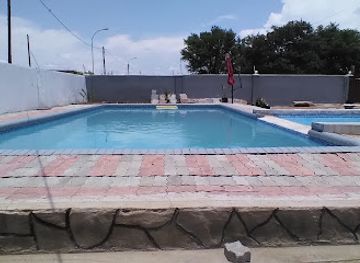
Nkgwana Park
Escape to Nkgwana Park in Francistown: A tranquil oasis with lush greenery, perfect for relaxation and community activities.
-
Garden
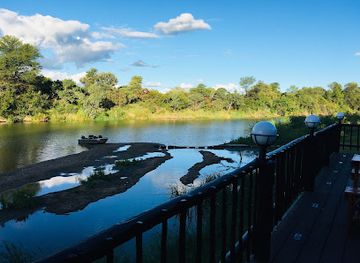
Riverside Deck
Escape to Francistown's Riverside Deck: A serene garden oasis offering tranquility, lush greenery, and picturesque waterfront views for nature lovers.
-
Tourist attraction
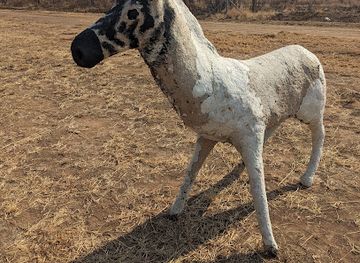
Zebra Statue
Discover the iconic Zebra Statue in Botswana, a vibrant landmark celebrating local artistry, culture, and the beauty of Botswana's wildlife.
-
 Nature preserve
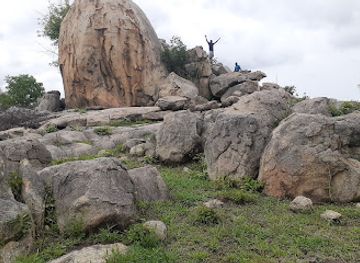
Tachila Nature Reserve
Discover Botswana's wildlife and scenic beauty just a short drive from Francistown at Tachila Nature Reserve.
Best landmarks in North-East District
Francistown’s historic core is the district’s most recognisable urban landmark landscape, shaped by the Tati goldfields, railway development and the city’s role as a commercial centre. Older buildings and the railway corridor evoke the late nineteenth-century transformation that established the settlement, although the city is now a modern regional capital rather than a preserved colonial town. Domboshaba is North-East District’s defining archaeological landmark: its carefully constructed stone enclosures stand on elevated ground amid open woodland and embody the political and architectural traditions of the historic Kalanga world. The Tati River gives Francistown its geographical identity and helps explain the location of early settlement, mining and transport routes, even where the river appears seasonal. Around the city, granite outcrops, dry bushveld and broad roadside vistas provide natural landmarks on journeys towards rural communities and conservation areas. These places are significant less for monumental scale than for the way they connect landscape, archaeology, mineral history and the continuing cultural geography of north-eastern Botswana.
-
Local history museum
Supa Ngwao Museum
Discover the heritage of Francistown and northeastern Botswana at the Supa Ngwao Museum, showcasing local culture and history.
-
Bed & breakfast
Lee Bed & Breakfast
Experience the warmth and hospitality of Lee Bed & Breakfast, your cozy retreat in Francistown, Botswana, offering comfort and local charm for every traveler.
-
Nature preserve
Tachila Nature Reserve
Discover Botswana's natural beauty at Tachila Nature Reserve near Francistown: wildlife, birdwatching, and scenic landscapes await!
Explore North-East District on the map
Plan your trip on one map. See where the top cities, national parks and sights are, and book hotels and experiences in a few clicks.
Best hotels in North-East District
Best restaurants in North-East District
Francistown has the district’s broadest dining choice, ranging from hotel restaurants and cafés to takeaway counters, informal eateries and restaurants serving familiar Botswana and southern African food. Menus commonly feature beef, chicken, grilled meats, stews, rice, pap and seasonal vegetables, reflecting the importance of livestock and regional food habits. Traditional dishes such as seswaa, a slow-cooked shredded meat preparation, may appear alongside international fare, although availability varies by establishment. In smaller settlements, food options are simpler and often concentrated around general dealers, bakeries, roadside vendors or local lunch spots. Visitors should look for fresh produce and cooked food in daytime markets, while supermarkets in Francistown are useful for provisions before rural excursions. The city’s position on historic trade routes has also encouraged a mixed dining culture, with southern African, Indian-influenced and contemporary options. Food hygiene and opening arrangements vary, so established venues are generally the most predictable choice for travellers unfamiliar with the area.
-
Restaurant
Bull & Bush
Discover delightful local cuisine at Bull & Bush in Gaborone - where every meal is a celebration of Botswana's rich flavors.
-
Chicken
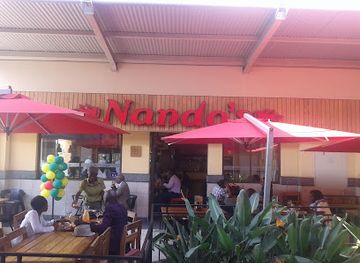
Nando's Francistown Galo
Experience the essence of Portuguese cuisine at Nando's Francistown Galo – where every bite tells a story of flavor.
-
Chicken
Nando's Francistown Marang
Discover the taste of South African cuisine at Nando's Francistown Marang - home of flame-grilled peri-peri chicken and family-friendly dining.
-
Restaurant
Two Six Seven
Experience culinary excellence at Two Six Seven in Gaborone – where local flavors meet international cuisine in a vibrant setting.
Best bars in North-East District
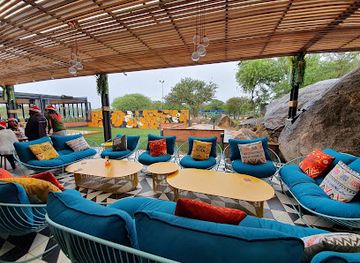
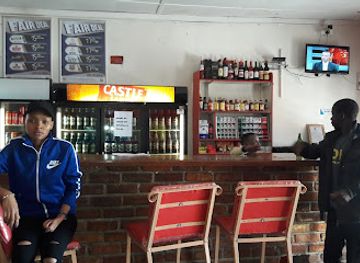
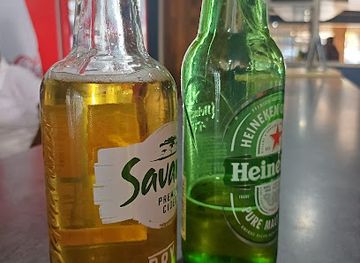
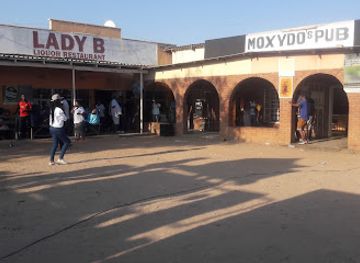
Evening life in North-East District is concentrated in Francistown, where hotel bars, casual pubs, sports bars, restaurants with late service and occasional live-music venues provide the main options. The city has a more developed social scene than the surrounding villages, but it is not a large international clubbing destination and venues, events and opening arrangements can change. Traditional drinking establishments and locally oriented bars tend to be more significant than specialist cocktail culture, while larger hotels offer a quieter setting for visitors. In rural parts of the district, evenings generally centre on family gatherings, local restaurants or community venues rather than formal nightlife. Travellers should use reputable taxis or arranged transport after drinking, avoid walking alone in unfamiliar areas late at night and remember that alcohol is not necessary to engage with the region’s cultural life.
-
Bar
Infinite Alpha Empire
Experience the vibrant nightlife at Infinite Alpha Empire, a premier bar in Tonota offering local flavors, live music, and a welcoming atmosphere.
-
Bar
Welcome Bar
Experience vibrant nightlife and local culture at Welcome Bar in Sebina, the perfect spot for relaxation and socializing.
-
Bar
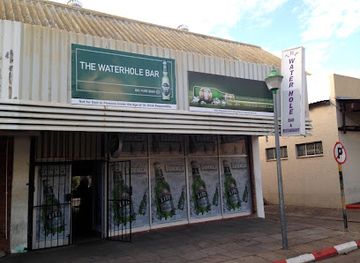
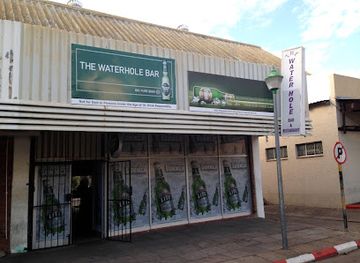
WATERHOLE
Discover the vibrant nightlife at Waterhole Bar in Francistown, where local culture meets friendly social encounters for an unforgettable experience.
-
Bar
Brown's Sports Bar
Discover the lively atmosphere of Brown's Sports Bar in Francistown, where locals and tourists enjoy drinks and big sports events together.
Best nightclubs in North-East District
Evening life in North-East District is concentrated in Francistown, where hotel bars, casual pubs, sports bars, restaurants with late service and occasional live-music venues provide the main options. The city has a more developed social scene than the surrounding villages, but it is not a large international clubbing destination and venues, events and opening arrangements can change. Traditional drinking establishments and locally oriented bars tend to be more significant than specialist cocktail culture, while larger hotels offer a quieter setting for visitors. In rural parts of the district, evenings generally centre on family gatherings, local restaurants or community venues rather than formal nightlife. Travellers should use reputable taxis or arranged transport after drinking, avoid walking alone in unfamiliar areas late at night and remember that alcohol is not necessary to engage with the region’s cultural life.
-
Bar
Infinite Alpha Empire
Discover the vibrant nightlife at Infinite Alpha Empire in Tonota, where great drinks, live music, and an energetic atmosphere await you.
-
Bar
WATERHOLE
Discover the vibrant nightlife at Waterhole, a lively bar in Francistown, offering refreshing drinks and a welcoming atmosphere.
-
Lounge
Absolut Lounge
Discover the vibrant nightlife at Absolut Lounge, Gaborone's lively destination for cocktails, music, and social gatherings.
-
Night club
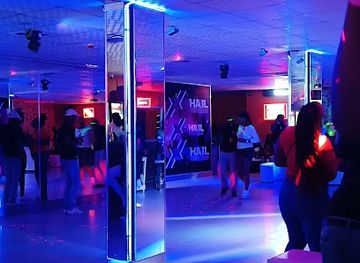
X-Hail
Discover the vibrant nightlife at X-Hail, Francistown's premier nightclub, where local culture and energetic beats come alive.

Best shops in North-East District
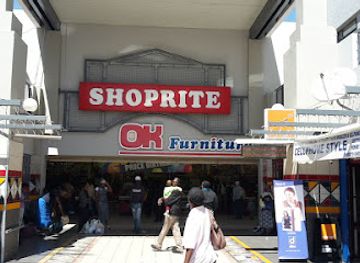
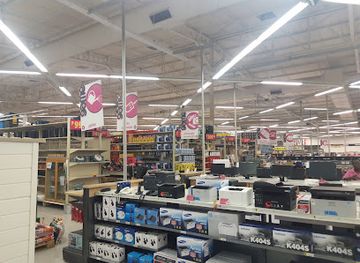
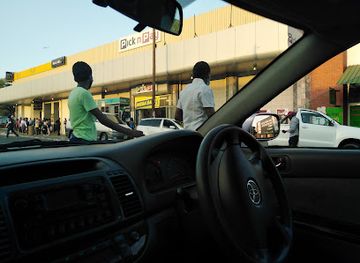
Francistown is the district’s principal shopping centre, with modern retail complexes, supermarkets, independent shops, market stalls and a busy commercial core serving both residents and travellers. It is the most practical place to obtain cash, food, medicines, outdoor supplies and provisions for a rural journey. Informal markets and street traders offer fruit, vegetables, cooked snacks, clothing and household goods, while craft outlets and cultural institutions may carry baskets, textiles, carvings or locally made souvenirs; quality and availability vary, so inspect items carefully and buy respectfully. Smaller settlements provide basic everyday shopping rather than a broad retail experience. Regional food products, including dried or packaged provisions, can be useful gifts, but travellers should consider customs rules when crossing into another country. Francistown’s shopping character is functional and regional, reflecting its role as a transport and service centre rather than a specialist luxury destination.
-
Grocery store
Shoprite Francistown
Experience local culture and flavors at Shoprite Francistown, your ultimate grocery destination in Botswana.
-
Department store
Game Francistown
Explore Game Francistown, your one-stop department store for a wide range of products from electronics to sporting goods, all at fantastic prices.
-
Shopping mall
Nswazi Mall
Discover shopping, dining, and entertainment at Nswazi Mall in Francistown, Botswana's vibrant retail hub.
-
Supermarket
Pick n Pay Family Francistown Two
Shop local and discover the flavors of Francistown at Pick n Pay, where convenience meets variety in the heart of Botswana.

Get your free copy of our complete guide to North-East District, delivered straight to you.
Everything on this page, from attractions and restaurants to essentials and local phrases, in one PDF you can read offline, print or share.
Already have an account? Sign in
Your North-East District guide is ready.
We'll send it to · Not you? Sign out

Getting your guide ready…
We are putting together a fresh copy of the North-East District guide. This can take up to a minute.
This can take a few moments. If your browser asks, choose Allow so the download can start. You'll find the guide in your Downloads folder.
Nothing happened? Download it again
Sorry, the guide is taking longer than usual. Please try again in a minute, or get it by email instead.
North-East District essentials
Currency and Payment
Safety
Emergency Situations
Do's and Don'ts
Local Tips
From Eve
Local phrases worth knowing
You don't need to get them perfect. A few words go a long way, and locals appreciate the effort.
Basics
| English | Local | Say it |
|---|---|---|
| Hello | Hello | [Hello] |
| Goodbye | Goodbye | [Goodbye] |
| Yes | Yes | [Yes] |
| No | No | [No] |
| Please/You're welcome | Please | [Pleez] |
| Thank you | Thank you | [Thank you] |
| Excuse me/Sorry | Excuse me | [Ex-kyoos mee] |
| How are you? | How are you? | [How are you?] |
| Fine. And you? | Fine. And you? | [Fine. And you?] |
| Do you speak English? | Do you speak English? | [Do you speak English?] |
| I don't understand | I don't understand | [I don't understand] |
Eating & Drinking
| English | Local | Say it |
|---|---|---|
| I'd like to see the menu, please | I'd like to see the menu, please | [I'd like to see the menu, please] |
| I don't eat meat | I don't eat meat | [I don't eat meat] |
| Cheers! | Cheers! | [Cheers!] |
| I would like to pay, please | I would like to pay, please | [I would like to pay, please] |
Emergencies
| English | Local | Say it |
|---|---|---|
| Help! | Help! | [Help!] |
| Go away! | Go away! | [Go away!] |
| Call the Police! | Call the Police! | [Call the Police!] |
| Call a doctor! | Call a doctor! | [Call a doctor!] |
| I'm lost | I'm lost | [I'm lost] |
| I'm ill | I'm ill | [I'm ill] |
Shopping
| English | Local | Say it |
|---|---|---|
| I'd like to buy... | I'd like to buy... | [I'd like to buy...] |
| I'm just looking | I'm just looking | [I'm just looking] |
| How much is it? | How much is it? | [How much is it?] |
| That's too expensive | That's too expensive | [That's too expensive] |
| Can you lower the price? | Can you lower the price? | [Can you lower the price?] |
Time & Numbers
| English | Local | Say it |
|---|---|---|
| What time is it? | What time is it? | [What time is it?] |
| It's one o'clock | It's one o'clock | [It's one o'clock] |
| Half past (10) | Half past (10) | [Half past (10)] |
| Morning | Morning | [Morning] |
| Afternoon | Afternoon | [Afternoon] |
| Evening | Evening | [Evening] |
| Yesterday | Yesterday | [Yesterday] |
| Today | Today | [Today] |
| Tomorrow | Tomorrow | [Tomorrow] |
| 1 | 1 | [1] |
| 2 | 2 | [2] |
| 3 | 3 | [3] |
| 4 | 4 | [4] |
| 5 | 5 | [5] |
| 6 | 6 | [6] |
| 7 | 7 | [7] |
| 8 | 8 | [8] |
| 9 | 9 | [9] |
| 10 | 10 | [10] |
Transport & Directions
| English | Local | Say it |
|---|---|---|
| Where's a/the...? | Where's a/the...? | [Where's a/the...?] |
| What's the address? | What's the address? | [What's the address?] |
| Can you show me (on the map)? | Can you show me (on the map)? | [Can you show me (on the map)?] |
| When's the next (bus)? | When's the next (bus)? | [When's the next (bus)?] |
| A ticket (to ....) | A ticket (to ....) | [A ticket (to ....)] |
History of North-East District
Early settlement and San archaeological heritage
People have occupied the north-eastern Botswana landscape for many centuries, adapting to seasonal rivers, rocky outcrops and dry woodland. Archaeological evidence records changing settlement, farming, herding and craft traditions before the formation of modern Botswana. San communities were among the region’s earlier inhabitants, while later Iron Age societies introduced more settled agriculture, livestock keeping and ironworking. Although many traces are subtle in the open landscape, rock shelters, artefacts and ancient settlement remains form an important background to understanding the district beyond its better-known gold-mining history.
Domboshaba and the Kalanga states
Domboshaba, near Kalakamati, preserves the remains of a substantial stone-walled settlement generally associated with the Kalanga cultural world and the states that developed in the region between roughly the fifteenth and seventeenth centuries. Carefully built walls, enclosures and elevated ground indicate complex settlement and political organisation rather than an isolated homestead. The site belongs to a wider historical landscape extending across present-day Botswana and Zimbabwe, demonstrating that contemporary national borders do not define the older cultural geography of the north-east.
The Tati Concession and nineteenth-century politics
During the nineteenth century, the Tati River region became increasingly connected to missionary travel, trade and the politics of southern Africa. The Tati Concession brought European commercial interests into a landscape governed by African polities, with mineral rights and land becoming subjects of intense negotiation. Relations among the Ndebele, the Ngwato and other regional powers shaped the political setting in which mining and settlement expanded. These developments laid the foundations for the later growth of Francistown and tied the district to wider colonial economic networks.
The Tati gold rush and the rise of Francistown
Gold discoveries in the Tati area during the late nineteenth century attracted prospectors, companies, traders and migrant workers. Francistown developed from this mining activity and was named after Daniel Francis, one of the prospectors associated with the Tati region. The goldfields did not produce a lasting equivalent of southern Africa’s largest mining centres, but they established the settlement as a commercial and administrative focus. Older streets, surviving buildings and the district’s urban layout still reflect this formative period.
Railway and colonial-era transport links
The arrival of the railway in the late nineteenth century strengthened Francistown’s role as a transport and trading centre. The line connected the settlement to the wider railway system running through southern Africa, while roads and commercial routes extended towards the interior and the present Zimbabwean border. Rail access reduced the isolation of the Tati region, encouraged the movement of goods and labour, and helped Francistown retain importance even after the early gold boom declined. Transport remains central to the city’s identity.
Independence and regional urban growth
Botswana’s independence in 1966 began a period of rapid national transformation, supported by diamond revenues, public investment and improved infrastructure. Francistown grew as a centre for government, education, commerce and transport in the north-east, serving surrounding villages and cross-border trade. The district’s modern identity combines urban expansion with cattle keeping, farming and long-established Kalanga cultural traditions. Its location near Zimbabwe has also given it a practical regional role in travel, commerce and family connections across the border.
North-East District in Photos
Browse through our photo collection highlighting the charm and character of the destination.
Neighbouring regions of North-East District
The closest regions to North-East District, if you have time for more than one.
-

-

-

-

-


Swipe for more regions
Explore more
Explore more of Botswana
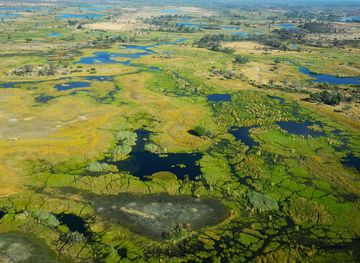
Explore Botswana: A land of stunning contrasts, rich wildlife, and cultural heritage. Discover the Okavango Delta, Kalahari Desert, and immerse in sustainable tourism.
Explore Botswana