

Free Okavango Delta Travel Guide & Mobile App
Explore Okavango Delta with free travel guides. Discover regional history, expert tips, proposed trips, and audio guides on web or mobile app.


Explore Botswana’s Okavango Delta through mokoro journeys, wildlife safaris, seasonal floodplains and remote camps shaped by water and wilderness.
Read more about Okavango Delta
When is the best time to visit Okavango Delta?
Best: May, August–September · 21–25°C| Month | High (°C) | Rainfall (mm) |
|---|---|---|
| January | 30 | 100 |
| February | 31 | 90 |
| March | 30 | 70 |
| April | 27 | 30 |
| May (best) | 22 | 10 |
| June | 19 | 0 |
| July | 18 | 0 |
| August (best) | 21 | 0 |
| September (best) | 25 | 10 |
| October | 29 | 30 |
| November | 31 | 50 |
| December | 30 | 80 |
Getting to and around Okavango Delta
How to get there
Transportation
Top city travel guides in Okavango Delta
The cities of Okavango Delta, and the easiest places to base yourself.

Swipe for more cities
Destinations in Okavango Delta
Resorts, valleys and scenic spots worth a trip of their own.
-

-

-


Swipe for more destinations
Best attractions in Okavango Delta
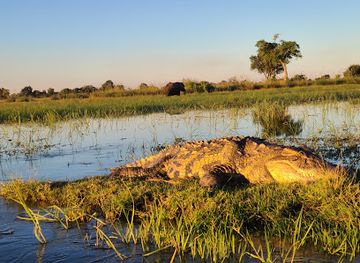
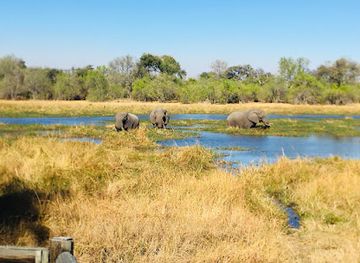
The Okavango Delta’s attractions are inseparable from its changing water system. Guided mokoro journeys move quietly through papyrus and reed-lined channels, while motorboat excursions are most useful in deeper waterways and can reveal hippos, crocodiles and abundant birdlife. On land, four-wheel-drive safaris and walking activities explore islands, floodplains and dry woodland, with opportunities to encounter elephants, buffalo, antelope, lions, leopards and, in some areas, African wild dogs. Moremi Game Reserve provides one of the Delta’s principal protected landscapes, while the Panhandle has a more linear, riverine character around the northern channels. Private concessions and community areas may offer different combinations of walking, boating and vehicle activities. Birdwatching is rewarding across the wetland, particularly where open water, reed beds and woodland meet, and the seasonal flood produces changing scenery rather than a fixed attraction. There are few conventional museums or built entertainment venues within the remote Delta; the region’s defining experiences are guided wildlife observation, water travel, wilderness photography and learning how people and animals use a floodplain that expands and contracts through the year.
-
National park
Moremi Game Reserve
Explore Botswana's premier wildlife reserve, offering diverse ecosystems and unparalleled safari experiences in the heart of the Okavango Delta.
-
Wildlife refuge
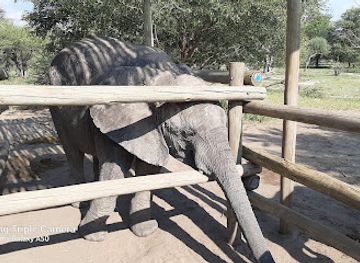
Elephant Havens
Visit Botswana's Elephant Havens: Witness compassionate conservation in action and support the rescue and rehabilitation of orphaned elephants.
-
Wildlife and safari park
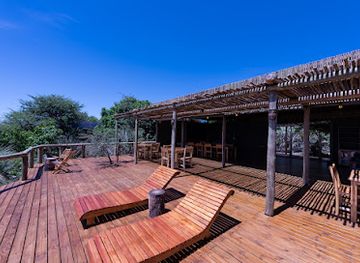
Kadizora Camp
Experience an unforgettable Okavango Delta safari at Kadizora Camp, with diverse wildlife, luxury accommodations & unique activities.
-
Lodge
Semowi Nature Camp
Discover an authentic Botswana safari experience at Semowi Nature Camp, an eco-friendly lodge nestled in the heart of the Okavango Delta.

Best landmarks in Okavango Delta
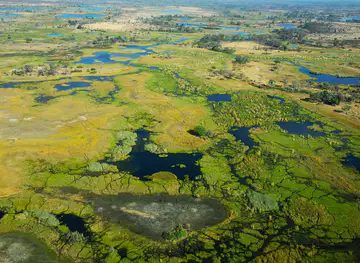
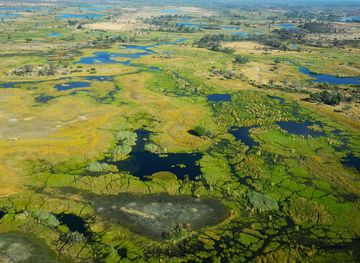
The Okavango Delta’s most recognisable landmarks are natural rather than monumental. Its branching channels, papyrus margins, lagoons and floodplain islands form a vast inland-water landscape that is visually distinct from Botswana’s surrounding dry Kalahari. Chief’s Island, within Moremi Game Reserve, is one of the best-known landforms in the Delta and supports a mixture of woodland, open areas and wildlife habitat surrounded by seasonally flooded terrain. Moremi itself is a major conservation landmark, notable for combining permanent water, seasonal floodplains and drier ecosystems within a protected area. The Panhandle, where the Okavango enters Botswana, creates a narrower river corridor with long stretches of permanent water and communities adapted to river travel. The Delta’s UNESCO World Heritage status gives international recognition to this connected natural system, although the designation covers a living landscape rather than a single monument. Together, the channels, islands and floodplains express the geographical process that defines the region: water arriving from distant highlands and dispersing across Botswana without reaching the sea.
-
Nature preserve
Moremi Game Reserve
Explore Botswana's Moremi Game Reserve: a stunning Okavango Delta sanctuary with diverse wildlife, lush landscapes, and unforgettable safari experiences.
-
 Lodge
LodgeCrocodile Camp Safari & Spa
Experience the best of Botswana's wilderness at Crocodile Camp Safari & Spa, your gateway to the Okavango Delta and unforgettable safari adventures.
-
Indoor lodging
Thamalakane River Lodge
Riverside lodge near Maun, Botswana, offering comfortable chalets, Okavango Delta access, and a peaceful safari gateway experience.
-
Lodge
Camp Xakanaxa
Experience the Okavango Delta's wildlife year-round at Camp Xakanaxa, offering classic tented accommodations and diverse safari activities in Moremi Game Reserve.
Explore Okavango Delta on the map
Plan your trip on one map. See where the top cities, national parks and sights are, and book hotels and experiences in a few clicks.
Best hotels in Okavango Delta
Best restaurants in Okavango Delta
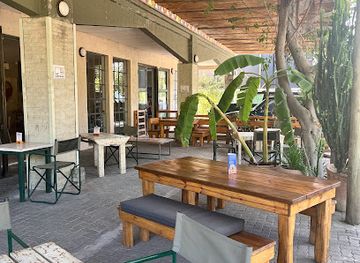
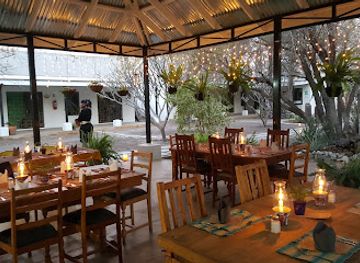
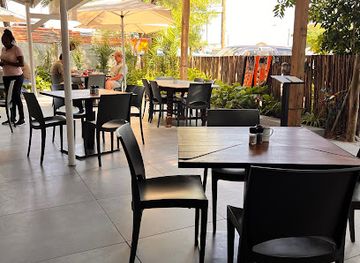
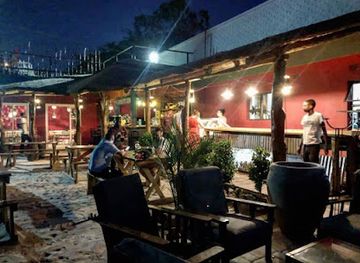
Dining in the Okavango Delta is centred on safari camps and lodges rather than a restaurant district. Meals are usually prepared for guests as part of an accommodation package, with menus drawing on international lodge cooking and familiar southern African ingredients. Breakfasts, packed lunches and outdoor meals may be arranged around daily activities, while fresh salads, vegetables, grilled meats, baked goods and vegetarian options are commonly planned by the camp kitchen. Botswana’s wider food culture includes staples such as sorghum or maize porridge and seswaa, a slow-cooked shredded meat dish, although availability and presentation vary between properties. In a remote wetland, supplies arrive through organised logistics, so menus are less about browsing local eateries than about careful camp catering. Maun, outside the Delta and used by most visitors as the gateway, provides a wider range of casual restaurants, cafés and shops before or after a safari. Inform the operator about dietary requirements well in advance, particularly when flights and resupply opportunities are limited.
-
Cafe
Dusty Donkey Café
Experience local flavors and warm hospitality at Dusty Donkey Café in Maun—a culinary gem for all travelers.
-
Restaurant
Marc's Eatery
Experience the vibrant flavors of Botswana at Marc's Eatery - your go-to spot for delightful breakfasts and freshly baked goods in Maun.
-
Restaurant
The Duck Café
Discover The Duck Café in Maun: A blend of local flavors, artisanal crafts, and breathtaking views perfect for every traveler.
-
Restaurant
Il Pomodoro Maun/ Poms Beer Garden- Pizzeria
Discover authentic Italian flavors at Il Pomodoro Maun, where delicious pizzas meet local charm in Botswana's vibrant dining scene.
Best bars in Okavango Delta
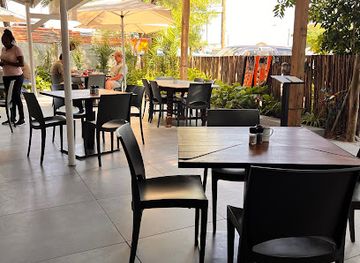
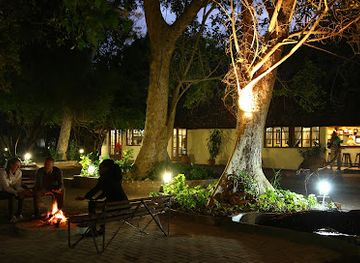
Nightlife in the Okavango Delta is quiet, camp-based and dictated by wildlife activities, darkness and the remoteness of each lodge. Many camps have a bar or lounge where guests can talk with guides, enjoy Botswana beer, wine or soft drinks and watch the light fade over the floodplain. Evenings may include a fireside gathering or a night drive where permitted, but these are organised safari experiences rather than a club scene. There are no continuous entertainment districts or dependable late-night venues across the wetlands, and guests should not walk between buildings without following camp instructions. Maun, outside the Delta, has the region’s broader selection of informal bars, restaurants and occasional live entertainment, although its evening character remains more town-based than metropolitan. The most memorable nocturnal experiences in the Delta generally come from the sounds of frogs, insects and distant animals, experienced safely within the camp’s arrangements.
-
Bar
The Duck Café
Experience the vibrant flavors of Botswana at The Duck Café in Maun, where culinary delights and local crafts come together in a charming setting.
-
Restaurant
Shakawe River Lodge
Discover the beauty of Botswana at Shakawe River Lodge, a perfect blend of relaxation, adventure, and exquisite dining along the Okavango Panhandle.
-
Bar
Island Safari Lodge
Discover the charm of Island Safari Lodge in Maun, where adventure meets comfort amidst the stunning landscapes of Botswana.
-
Self-catering accommodation
Drotsky's Cabins
Discover the serenity and adventure of Drotsky's Cabins, a self-catering retreat nestled in Botswana's breathtaking wilderness.
Best nightclubs in Okavango Delta
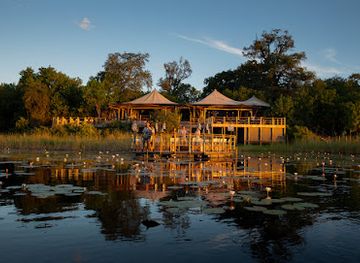
Nightlife in the Okavango Delta is quiet, camp-based and dictated by wildlife activities, darkness and the remoteness of each lodge. Many camps have a bar or lounge where guests can talk with guides, enjoy Botswana beer, wine or soft drinks and watch the light fade over the floodplain. Evenings may include a fireside gathering or a night drive where permitted, but these are organised safari experiences rather than a club scene. There are no continuous entertainment districts or dependable late-night venues across the wetlands, and guests should not walk between buildings without following camp instructions. Maun, outside the Delta, has the region’s broader selection of informal bars, restaurants and occasional live entertainment, although its evening character remains more town-based than metropolitan. The most memorable nocturnal experiences in the Delta generally come from the sounds of frogs, insects and distant animals, experienced safely within the camp’s arrangements.
-
Lodge
Wilderness DumaTau
Explore the wild beauty of Botswana at Wilderness DumaTau Lodge, where luxury meets adventure in the stunning Linyanti region.
-
Night club
Base Lounge Night Club
Discover the energetic nightlife at Base Lounge Night Club in Maun, where music, dance, and local culture come alive.
-
Night club
Disakopaneng tarven
Discover the essence of Botswana's nightlife at Disakopaneng Tarven, a lively night club in Maun offering music, dance, and local culture.
-
Wildlife and safari park
NG/15 (Linyanti Sable Safaris)
Discover the raw and breathtaking wildlife of Botswana at Linyanti Sable Safaris, a premier destination for nature enthusiasts and adventure seekers.


Best shops in Okavango Delta
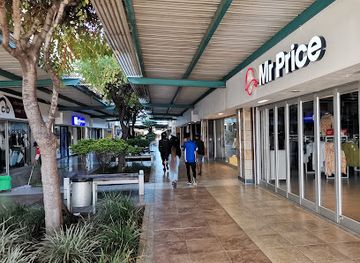
Shopping within the remote Okavango Delta is limited and usually takes place through camp gift shops or small displays of locally made crafts rather than conventional retail streets. Visitors may find woven baskets, carved objects, textiles, jewellery and other craftwork, but selection, provenance and availability vary between camps. Buying directly through reputable community-linked initiatives can help support makers, provided the items are legally sourced and the purchase does not involve protected wildlife products or ancient cultural material. Maun, outside the Delta, is the main place to organise practical supplies and browse a broader selection of Botswana crafts, baskets, fabrics, artworks and safari equipment. Regional souvenirs are best chosen for their craftsmanship and usefulness rather than their association with wildlife; never buy ivory, skins, shells or other restricted natural products. Rural markets and roadside stalls may operate informally, so carry small amounts of pula for modest purchases and keep receipts where appropriate for goods transported beyond Botswana.
-
Shopping mall
Riverwalk Mall
Explore Riverwalk Mall: Gaborone's premier shopping destination with diverse stores, delightful dining, and entertainment for all ages.
-
Grocery store
Choppies Boseja
Discover Choppies Boseja in Maun, Botswana - your go-to grocery store for fresh produce, snacks, and essentials during your travels.
-
Shopping mall
Sefalana Shoppers Boseja
Discover the heart of Maun shopping at Sefalana Shoppers Boseja, where local culture meets modern retail.
-
Shopping mall
Delta Palms Shopping Centre
Explore the Delta Palms Shopping Centre: a vibrant shopping and dining destination in Maun, Botswana, where local culture meets modern retail.
Get your free copy of our complete guide to Okavango Delta, delivered straight to you.
Everything on this page, from attractions and restaurants to essentials and local phrases, in one PDF you can read offline, print or share.
Already have an account? Sign in
Your Okavango Delta guide is ready.
We'll send it to · Not you? Sign out

Getting your guide ready…
We are putting together a fresh copy of the Okavango Delta guide. This can take up to a minute.
This can take a few moments. If your browser asks, choose Allow so the download can start. You'll find the guide in your Downloads folder.
Nothing happened? Download it again
Sorry, the guide is taking longer than usual. Please try again in a minute, or get it by email instead.
Okavango Delta essentials
Currency and Payment
Safety
Emergency Situations
Do's and Don'ts
Local Tips
From Eve
Local phrases worth knowing
You don't need to get them perfect. A few words go a long way, and locals appreciate the effort.
Basics
| English | Local | Say it |
|---|---|---|
| Hello | Dumelang | [Doo-meh-lang] |
| Goodbye | Sala hantle | [Sah-lah hahn-tleh] |
| Yes | Ee | [Eh] |
| No | Nna | [Nnah] |
| Please/You're welcome | Tsamaya sentle | [Tsah-mah-yah sen-tleh] |
| Thank you | Ke a leboga | [Kay ah leh-boh-gah] |
| Excuse me/Sorry | Ntshwarele | [Nts-hwah-reh-leh] |
| How are you? | O kae? | [Oh kah-eh?] |
| Fine. And you? | Ke teng. Wena o kae? | [Kay ten-g. Weh-nah oh kah-eh?] |
| Do you speak English? | A o bua Sekgoa? | [Ah oh bwah Sehk-goh-ah?] |
| I don't understand | Ke sitwa go tlhaloganya | [Kay si-twah go th-lah-loh-gah-nyah] |
Eating & Drinking
| English | Local | Say it |
|---|---|---|
| I'd like to see the menu, please | Ke batla go bona menu, tsweetswee | [Kay bah-tlah go boh-nah men-oo, tswee-tswee] |
| I don't eat meat | Ke sitwa go ja nama | [Kay si-twah go jah nah-mah] |
| Cheers! | Re a leboga! | [Ray ah leh-boh-gah!] |
| I would like to pay, please | Ke batla go lefa, tsweetswee | [Kay bah-tlah go leh-fah, tswee-tswee] |
Emergencies
| English | Local | Say it |
|---|---|---|
| Help! | Thusa! | [Too-sah!] |
| Go away! | Tlhola! | [Tlh-oh-lah!] |
| Call the Police! | Bua borai! | [Boo-ah boh-rah-ee!] |
| Call a doctor! | Bua ngaka! | [Boo-ah ngah-kah!] |
| I'm lost | Ke a latlhegile | [Kay ah la-tlhay-ghee-leh] |
| I'm ill | Ke a bolawa | [Kay ah boh-lah-wah] |
Shopping
| English | Local | Say it |
|---|---|---|
| I'd like to buy... | Ke batla go reka... | [Kay bah-tlah go reh-kah...] |
| I'm just looking | Ke ntse ke lebelela | [Kay n-tseh keh leh-beh-leh-lah] |
| How much is it? | Ke bokae? | [Kay boh-kah-eh?] |
| That's too expensive | Go a feta theko | [Go ah feh-tah teh-koh] |
| Can you lower the price? | A o ka kgona go fokotsa theko? | [Ah oh kah kho-nah go foh-koh-tsah teh-koh?] |
Time & Numbers
| English | Local | Say it |
|---|---|---|
| What time is it? | Nako e kae? | [Nah-koh eh kah-eh?] |
| It's one o'clock | Ke ngwaga e le ngwaga | [Kay ngwah-gah eh leh ngwah-gah] |
| Half past (10) | Ntswe e le borai | [Nts-weh eh leh boh-rah-ee] |
| Morning | Mosong | [Moh-song] |
| Afternoon | Motlhala | [Mote-lah-lah] |
| Evening | Mantsiboya | [Mahn-tsee-boh-yah] |
| Yesterday | Maabane | [Mah-bah-neh] |
| Today | Gompieno | [Gom-pee-eh-no] |
| Tomorrow | Borai | [Boh-rah-ee] |
| 1 | Ngwaga e le | [Nwah-gah eh leh] |
| 2 | Pedi | [Pe-dih] |
| 3 | Tharo | [Thah-roh] |
| 4 | Nne | [Neh] |
| 5 | Bonnye | [Boh-nyay] |
| 6 | Ntsatsi | [Ntsah-tsee] |
| 7 | Ntshebe | [Ntsheh-beh] |
| 8 | Borai | [Boh-rah-ee] |
| 9 | Borai | [Boh-rah-ee] |
| 10 | Borai | [Boh-rah-ee] |
Transport & Directions
| English | Local | Say it |
|---|---|---|
| Where's a/the...? | Kgang go...? | [Kgah-ng go...?] |
| What's the address? | Ke mang adres? | [Kay mahng ah-dres?] |
| Can you show me (on the map)? | O ka ntlhopho (mo mapeng)? | [Oh kah nt-lhoh-poh (moh mah-pehg)?] |
| When's the next (bus)? | Nako ya borai e kae? | [Nah-koh yah boh-rah-ee eh kah-eh?] |
| A ticket (to ....) | Tikit (go ....) | [Tee-kit (go ....)] |
History of Okavango Delta
Early peoples and the wetland environment
The Okavango region has long been used by communities who adapted their lives to shifting channels, seasonal floodplains and the surrounding Kalahari. Basarwa communities retain deep historical and cultural connections with the wider landscape, while archaeological evidence across the region points to long-term human activity rather than an untouched wilderness without people. Fishing, hunting, gathering and later livestock keeping were shaped by water availability, wildlife movements and changing access to islands and floodplain margins. The Delta’s geography therefore influenced both subsistence and settlement patterns well before modern tourism or formal conservation.
Bayei and Hambukushu movement into the Delta
Bayei and Hambukushu communities became particularly important to the cultural history of the Okavango waterways. Historical movements from the north brought knowledge of river travel, fishing, cultivation and wetland adaptation, while dugout canoes and poling techniques became closely associated with travel through the channels. These communities did not experience the Delta in exactly the same way, and local histories are varied, but their presence helped shape the cultural landscape encountered by visitors today. Mokoro excursions are commonly presented as a safari activity, yet they also derive from practical local knowledge of navigating shallow channels and reed-lined waterways.
Batawana influence and Ngamiland
The Batawana, a Tswana-speaking people, established political influence in the wider Ngamiland area during the nineteenth century. Their authority and relationships with neighbouring communities formed part of the regional history that later shaped land use and conservation. Ngamiland was linked to wider trade, migration and political changes in southern Africa, while the Delta remained difficult to access from outside because of its waterways, seasonal flooding and wildlife. The resulting pattern was one of dispersed settlement and mobile livelihoods rather than dense urban development. Modern boundaries and institutions do not erase these older cultural and political relationships.
The Bechuanaland Protectorate and the colonial period
Britain declared the Bechuanaland Protectorate in 1885, bringing the territory that later became Botswana into a colonial administrative framework. The Okavango area was remote from the protectorate’s main centres, and colonial administration remained relatively light compared with more intensively settled parts of southern Africa. Missionary activity, regional trade, veterinary concerns and changing political boundaries nevertheless affected local communities. The difficult terrain and sparse infrastructure helped preserve the Delta’s low-density character, but they also meant that decisions about land, wildlife and authority were increasingly influenced by institutions beyond the wetland itself.
Independence and the growth of conservation
Botswana became independent in 1966, after which the Okavango increasingly entered national and international conservation debates. Moremi Game Reserve had been established in 1963 by local communities and the Batawana, making it an important example of community-led protection preceding independence. Later conservation policy, tourism investment and anti-poaching measures developed a complex network of government, private and community-managed areas. Safari tourism became a major economic activity, bringing employment and infrastructure while also raising continuing questions about access to land, benefit-sharing and the balance between wildlife protection and local livelihoods.
The Okavango Delta as a global natural heritage site
The Okavango Delta was inscribed on the UNESCO World Heritage List in 2014, recognising its exceptional ecological importance as a large inland delta with seasonal flooding, diverse habitats and significant wildlife populations. The designation also reflects the need for long-term stewardship beyond individual camps or reserves. The Delta’s future depends on the health of the wider Okavango basin, including water flows originating outside Botswana, as well as responsible management of tourism, fire, grazing, settlement and wildlife. Its heritage is therefore both local and international, linking community history with a shared environmental responsibility.
Okavango Delta in Photos
Browse through our photo collection highlighting the charm and character of the destination.
Neighbouring regions of Okavango Delta
The closest regions to Okavango Delta, if you have time for more than one.
-
-

-

-

-


Swipe for more regions
Explore more
Explore more of Botswana
Explore Botswana: A land of stunning contrasts, rich wildlife, and cultural heritage. Discover the Okavango Delta, Kalahari Desert, and immerse in sustainable tourism.
Explore Botswana