

Free Central District Travel Guide & Mobile App
Explore Central District with free travel guides. Discover regional history, expert tips, proposed trips, and audio guides on web or mobile app.


Explore Central District, Botswana for Bangwato history, rhino conservation, wildlife-rich pans, open savannah and long-distance road journeys.
Read more about Central District
When is the best time to visit Central District?
Best: April–May, September · 22–26°C| Month | High (°C) | Rainfall (mm) |
|---|---|---|
| January | 31 | 75 |
| February | 30 | 65 |
| March | 29 | 55 |
| April (best) | 26 | 45 |
| May (best) | 22 | 35 |
| June | 18 | 25 |
| July | 18 | 25 |
| August | 20 | 35 |
| September (best) | 25 | 45 |
| October | 28 | 55 |
| November | 30 | 65 |
| December | 30 | 75 |
Getting to and around Central District
How to get there
Transportation
Top city travel guides in Central District
The cities of Central District, and the easiest places to base yourself.
-

-

-

-

-

-


Swipe for more cities
Destinations in Central District
Resorts, valleys and scenic spots worth a trip of their own.
-

-

-

-

-


Swipe for more destinations
Best attractions in Central District
Central District's attractions range from historic Bangwato sites to broad wildlife landscapes. Serowe provides the strongest cultural and historical focus, with the Khama III Memorial Museum and nearby heritage places offering insight into the political history of Botswana. Khama Rhino Sanctuary combines game viewing with community-led conservation and is one of the district's most accessible wildlife experiences. Around Palapye, the ruins of Old Palapye and the Phalatswe church reveal the scale of an earlier settlement. Farther north, Makgadikgadi Pans National Park and Nxai Pan National Park offer seasonal wildlife viewing across grassland, scrub and salt-pan environments, while Nata Bird Sanctuary is particularly important for birds when water conditions are favourable. The Orapa and Letlhakane area adds a very different dimension through diamond-mining history and dry pan scenery. Outdoor experiences are generally centred on guided drives, birdwatching, photography and remote-road travel rather than dense visitor infrastructure, and conditions can change markedly between dry and wet seasons.
-
Animal park
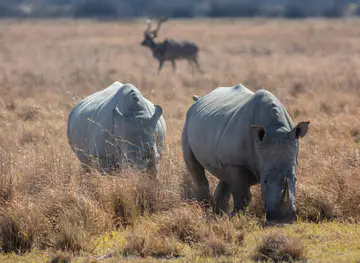
Khama Rhino Sanctuary
Discover Botswana's Khama Rhino Sanctuary: a community-driven haven for black and white rhinos, diverse wildlife, and unforgettable safari experiences.
-
Museum
Khama III Memorial Museum
Explore Botswana's rich history and cultural heritage at the Khama III Memorial Museum in Serowe, a tribute to the Khama dynasty.
-
Tourist attraction
Gupo Spring
Discover the serene beauty of Gupo Spring in Serowe, Botswana, a perfect natural escape for relaxation and rejuvenation.
-
Tourist attraction
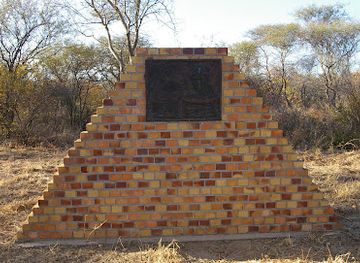
Lipscombe Monument
Discover the historical Lipscombe Monument in Botswana, a tribute to the nation's heritage and stunning natural landscapes.

Best landmarks in Central District
Serowe's most important landmarks are tied to Bangwato history and the political legacy of Khama III. The town's historic churches, memorial institutions and older civic fabric help explain its former role as a royal capital and its continuing national significance. At Old Palapye, the stone remains of the nineteenth-century settlement and the surviving mission church at Phalatswe form one of Central District's clearest historical landscapes, showing how large communities, royal authority and Christian missions once converged. In the northern part of the district, the immense salt-pan horizons of Makgadikgadi and Nxai are natural landmarks rather than constructed monuments; their pale surfaces and seasonal floodwaters express the scale of the ancient lake basin. The organised mining landscapes around Orapa and Letlhakane mark a more recent transformation, while Khama Rhino Sanctuary symbolises Botswana's modern conservation effort. Together these places give the district a visual story that runs from archaeological settlement and royal capitals to minerals, wildlife and changing dryland environments.
-
Non-profit organization
Mokolodi Nature Reserve
Discover Botswana's wildlife and support conservation at Mokolodi Nature Reserve, a short drive from Gaborone.
-
 Indoor lodging
Maun Lodge
Your comfortable starting point for exploring the Okavango Delta and experiencing the best of Maun, Botswana.
-
Art center
Botswana Craft
Discover Botswana's artistic soul at Botswana Craft: Authentic crafts, cultural events, and delicious local cuisine in Gaborone.
-
Water park
Lion Park Resort
Experience thrilling water slides, amusement rides, and majestic lion viewing at Gaborone's premier entertainment destination.
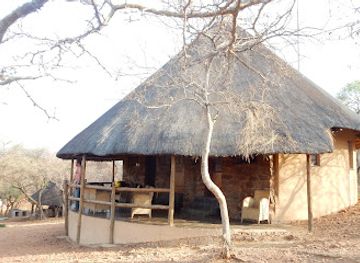

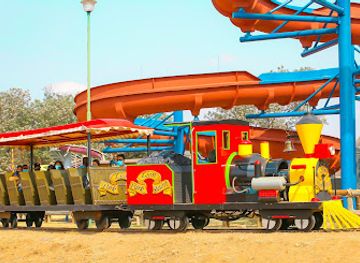
Explore Central District on the map
Plan your trip on one map. See where the top cities, national parks and sights are, and book hotels and experiences in a few clicks.
Best hotels in Central District
Best restaurants in Central District
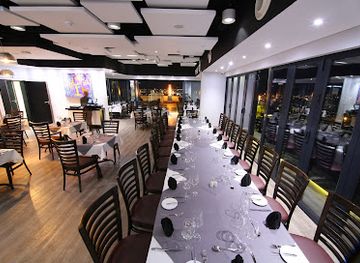
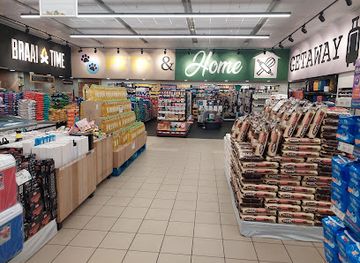
Dining in Central District is centred on town cafés, hotel restaurants, roadside stops, lodges and traditional home-style cooking rather than a concentrated fine-dining scene. Visitors can look for Botswana staples including seswaa, slow-cooked shredded beef or goat, pap, bogobe porridge, grilled meat and seasonal vegetables. Mopane worms, known locally as phane, may appear seasonally, although availability varies. In farming districts, beef and other livestock products are an important part of the food culture, while camps and lodges in the pan country often serve practical meals suited to early departures and remote travel. Serowe, Palapye and Mahalapye offer the widest choice of supermarkets, bakeries and casual eateries. Farmers' produce, dried foods and snacks are useful for self-drive journeys, but visitors should not expect regular shops or restaurants between major settlements. Ask locally about seasonal dishes rather than assuming that every regional speciality is available year-round.
-
Hotel
Avani Gaborone Resort & Casino
Discover luxury accommodations and vibrant entertainment at Avani Gaborone Resort & Casino in Botswana's capital city.
-
Restaurant
Bull & Bush
Discover the flavors of Botswana at Bull & Bush - A vibrant restaurant offering local delights and international favorites in Gaborone.
-
Restaurant
Table50Two
Discover culinary delights at Table50Two in Gaborone – where local flavors meet international cuisine in an inviting atmosphere.
-
Restaurant
Two Six Seven
Discover the unique flavors and vibrant atmosphere of Two Six Seven, Gaborone's premier dining destination for food enthusiasts.
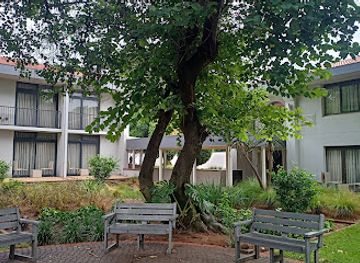
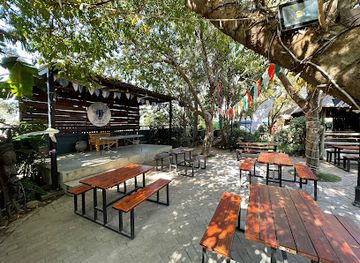

Best bars in Central District
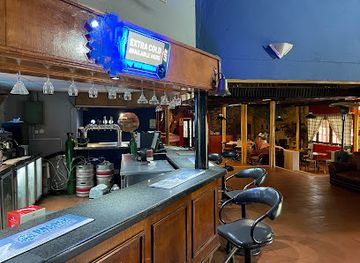
Nightlife in Central District is modest and concentrated in the larger towns, where hotel bars, neighbourhood bars and casual restaurants provide the main evening venues. Palapye, Mahalapye and Serowe have more choice than remote settlements, with occasional live music or televised sport alongside ordinary social drinking. In the northern pan and wildlife areas, evening life generally means lodge dining, conversation around a campfire where permitted, or quiet stargazing rather than clubs. Orapa and Letlhakane have town-based evening venues linked to their mining communities, but opening arrangements and entertainment change over time. Visitors should avoid presenting alcohol as the central route to local culture: museums, community activities, food and early-morning wildlife excursions are often more representative of the region. Arrange transport in advance when staying outside town centres, since rural taxis and late-night services are limited.
-
Restaurant
Bull & Bush
Discover the culinary delights of Gaborone at Bull & Bush, where local flavors meet international cuisine in a vibrant setting.
-
Hotel
Majestic Five Hotel
Discover luxury and comfort at Majestic Five Hotel in Palapye, the perfect retreat for travelers in Botswana.
-
Restaurant
Table50Two
Discover the vibrant culinary scene at Table50Two in Gaborone, where local flavors meet international cuisine in a lively atmosphere.
-
Hotel
room50two
Discover luxury and comfort at room50two, your ideal hotel in Gaborone for relaxation and stunning city views.
Best nightclubs in Central District
Nightlife in Central District is modest and concentrated in the larger towns, where hotel bars, neighbourhood bars and casual restaurants provide the main evening venues. Palapye, Mahalapye and Serowe have more choice than remote settlements, with occasional live music or televised sport alongside ordinary social drinking. In the northern pan and wildlife areas, evening life generally means lodge dining, conversation around a campfire where permitted, or quiet stargazing rather than clubs. Orapa and Letlhakane have town-based evening venues linked to their mining communities, but opening arrangements and entertainment change over time. Visitors should avoid presenting alcohol as the central route to local culture: museums, community activities, food and early-morning wildlife excursions are often more representative of the region. Arrange transport in advance when staying outside town centres, since rural taxis and late-night services are limited.
-
Bar
Cappello Masa
Experience the vibrant nightlife at Cappello Masa, a lively bar in Gaborone, Botswana, perfect for cocktails and social gatherings.
-
Club
dejavu
Dive into Gaborone's nightlife at DejaVu, a lively club offering music, dance, and unforgettable experiences in the heart of the city.
-
Night club
Cigar Lounge
Discover the vibrant nightlife of Gaborone at the Cigar Lounge, a premier nightclub offering exceptional ambiance, music, and a welcoming atmosphere.
-
Lounge
Absolut Lounge
Discover the lively atmosphere of Absolut Lounge in Gaborone, Botswana, where delicious cocktails and local flavors await in a vibrant setting.
Best shops in Central District
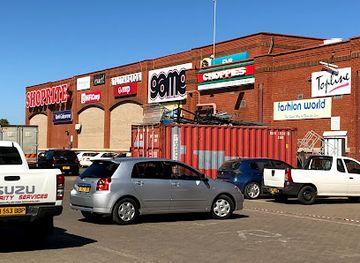
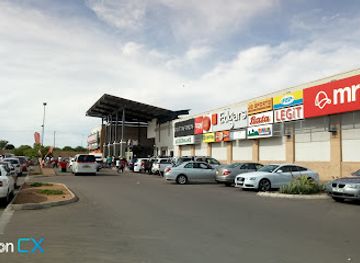
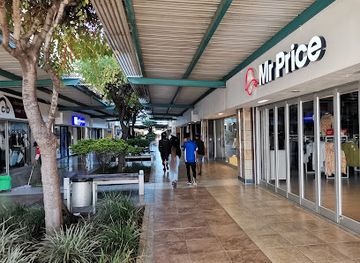
Shopping in Central District is primarily practical and local, with supermarkets, small independent shops, market stalls and service businesses concentrated in Mahalapye, Palapye, Serowe, Letlhakane and Orapa. These towns are the best places to stock up on water, food, fuel-related supplies and road provisions before travelling towards remote parks or pans. Craft stalls and community outlets may offer woven items, beadwork, woodwork and other Botswana-made products, although selection and availability vary. Visitors can also look for locally produced foods, dried goods and traditional fabrics, while supermarkets provide a more predictable choice of packaged regional products. Serowe is the most natural place to combine shopping with historical visits, whereas Palapye functions more as a busy commercial stop on the eastern road corridor. Do not expect a large luxury-retail scene or permanent tourist markets across the district; ask accommodation providers about current craft sellers and buy directly from makers where possible.
-
Shopping mall
Game City Shopping Mall
Experience shopping, dining, and entertainment at Game City Shopping Mall in Gaborone, the ultimate destination for tourists and locals alike.
-
Shopping mall
Airport Junction Shopping Centre
Discover the vibrant shopping experience at Airport Junction Shopping Centre in Gaborone, a blend of local culture, dining, and entertainment.
-
Shopping mall
Riverwalk Mall
Discover Riverwalk Mall in Gaborone: A premier shopping destination with diverse stores, delicious dining, and vibrant entertainment for every tourist.
-
Supermarket
Food Lovers Market
Discover a culinary paradise at Food Lovers Market in Gaborone, where fresh produce and gourmet delights await every food enthusiast.
Get your free copy of our complete guide to Central District, delivered straight to you.
Everything on this page, from attractions and restaurants to essentials and local phrases, in one PDF you can read offline, print or share.
Already have an account? Sign in
Your Central District guide is ready.
We'll send it to · Not you? Sign out

Getting your guide ready…
We are putting together a fresh copy of the Central District guide. This can take up to a minute.
This can take a few moments. If your browser asks, choose Allow so the download can start. You'll find the guide in your Downloads folder.
Nothing happened? Download it again
Sorry, the guide is taking longer than usual. Please try again in a minute, or get it by email instead.
Central District essentials
Currency and Payment
Safety
Emergency Situations
Do's and Don'ts
Local Tips
From Eve
Local phrases worth knowing
You don't need to get them perfect. A few words go a long way, and locals appreciate the effort.
Basics
| English | Local | Say it |
|---|---|---|
| Hello | Howdy | [haʊdi] |
| Goodbye | See you later | [si ju ˈleɪtər] |
| Yes | Yep | [jɛp] |
| No | Nah | [nɑ] |
| Please/You're welcome | No problem | [noʊ ˈprɒbləm] |
| Thank you | Thanks | [θæŋks] |
| Excuse me/Sorry | Pardon me | [ˈpɑrdən mi] |
| How are you? | How's it going? | [haʊz ɪt ˈɡoʊɪŋ] |
| Fine. And you? | Good. And you? | [ɡʊd. ənd ju] |
| Do you speak English? | Do you speak English? | [du ju spiːk ˈɪŋɡlɪʃ] |
| I don't understand | I don't get it | [aɪ doʊnt ɡɛt ɪt] |
Eating & Drinking
| English | Local | Say it |
|---|---|---|
| I'd like to see the menu, please | Can I see the menu? | [kæn aɪ si ðə ˈmɛnju] |
| I don't eat meat | I'm a vegetarian | [aɪm ə ˌvɛdʒəˈtɛriən] |
| Cheers! | Cheers! | [ʧɪrz] |
| I would like to pay, please | Can I get the bill, please? | [kæn aɪ ɡɛt ðə bɪl, pliz] |
Emergencies
| English | Local | Say it |
|---|---|---|
| Help! | Help! | [hɛlp] |
| Go away! | Leave me alone! | [liːv mi əˈloʊn] |
| Call the Police! | Call 911! | [kɔl naɪn wʌn wʌn] |
| Call a doctor! | Get a doctor! | [ɡɛt ə ˈdɑktər] |
| I'm lost | I'm lost | [aɪm lɔst] |
| I'm ill | I'm not feeling well | [aɪm nɑt ˈfiːlɪŋ wɛl] |
Shopping
| English | Local | Say it |
|---|---|---|
| I'd like to buy... | I want to buy... | [aɪ wɑnt tu baɪ] |
| I'm just looking | Just browsing | [dʒʌst ˈbraʊzɪŋ] |
| How much is it? | What’s the price? | [wʌts ðə praɪs] |
| That's too expensive | That's too pricey | [ðæts tu ˈpraɪsi] |
| Can you lower the price? | Can you give me a discount? | [kæn ju ɡɪv mi ə ˈdɪskaʊnt] |
Time & Numbers
| English | Local | Say it |
|---|---|---|
| What time is it? | What’s the time? | [wʌts ðə taɪm] |
| It's one o'clock | It's one o'clock | [ɪts wʌn əˈklɑk] |
| Half past (10) | Half past ten | [hæf pæst tɛn] |
| Morning | Morning | [ˈmɔrnɪŋ] |
| Afternoon | Afternoon | [ˌæftərˈnun] |
| Evening | Evening | [ˈivnɪŋ] |
| Yesterday | Yesterday | [ˈjɛstərdeɪ] |
| Today | Today | [təˈdeɪ] |
| Tomorrow | Tomorrow | [təˈmɔroʊ] |
| 1 | One | [wʌn] |
| 2 | Two | [tu] |
| 3 | Three | [θri] |
| 4 | Four | [fɔr] |
| 5 | Five | [faɪv] |
| 6 | Six | [sɪks] |
| 7 | Seven | [ˈsɛvən] |
| 8 | Eight | [eɪt] |
| 9 | Nine | [naɪn] |
| 10 | Ten | [tɛn] |
Transport & Directions
| English | Local | Say it |
|---|---|---|
| Where's a/the...? | Where is the...? | [wɛr ɪz ðə] |
| What's the address? | What’s the address? | [wʌts ði əˈdrɛs] |
| Can you show me (on the map)? | Can you point it out? | [kæn ju pɔɪnt ɪt aʊt] |
| When's the next (bus)? | When is the next bus? | [wɛn ɪz ðə nɛkst bʌs] |
| A ticket (to ....) | One ticket to... | [wʌn ˈtɪkɪt tu] |
History of Central District
Early Settlement and Iron Age Communities
Central District contains evidence of long human occupation across its savannahs, river corridors and former lake margins. Archaeological work in the wider region records Stone Age activity as well as later Iron Age settlement, when communities combined livestock keeping, farming, craft production and local trade. The remains around Old Palapye and other historic sites illustrate the growth of larger Tswana-speaking polities, while San communities possess much older and continuing cultural connections with the landscape. These histories predate the modern borders and administrative divisions of Botswana, and they help explain why water, grazing and movement have remained fundamental to life in the district.
The Rise of the Bangwato and the Settlement of Serowe
During the nineteenth century, the Bangwato became the dominant political community in much of present-day Central District. Under Kgosi Khama III, the capital developed at Serowe, which became a major centre of authority, Christianity and diplomacy. Khama's leadership combined Tswana political traditions with engagement with missionaries and British imperial officials. Serowe's later importance rests partly on this political legacy: its historic buildings, memorial institutions and continuing role in national public life reflect the formation of a modern Botswana identity before independence.
Phalatswe and Old Palapye
Old Palapye, also known as Phalatswe, was an important nineteenth-century Bangwato settlement before the community moved to Serowe in the late 1880s. The settlement included substantial stone buildings and a mission church, whose surviving ruins demonstrate the scale of the former capital and the influence of Christian missions. Its abandonment was connected to political and practical pressures, including the search for a more suitable capital. Today the site offers a tangible link between the region's royal history, religious change and the movement of whole communities across the interior.
The Bechuanaland Protectorate
From 1885 until Botswana's independence in 1966, the territory was administered by Britain as the Bechuanaland Protectorate. Central District lay within the protectorate's political and economic landscape, although colonial administration was relatively limited compared with settler colonies farther south. Chiefs retained important authority, while roads, railways, missions and trading posts gradually connected the interior to regional markets. The railway corridor through the eastern part of the district strengthened towns such as Mahalapye and Palapye and helped shape the settlement pattern that travellers see today.
Livestock, Railways and Town Development
Cattle keeping has long been central to the region's economy and social life, supported by seasonal grazing and extensive cattle posts. During the twentieth century, railway and road improvements linked Central District more closely with Gaborone, Francistown and neighbouring southern African markets. Mahalapye, Palapye and Serowe expanded as administrative, commercial and service centres, while rural communities continued to depend on livestock, small-scale cultivation and remittances. This combination of urban growth and dispersed rural settlement remains one of the district's defining characteristics.
Independence and the Growth of Diamond Mining
Botswana became independent in 1966, and the decades that followed brought major investment in education, infrastructure and mineral development. Diamond discoveries at Orapa in the late 1960s and at Letlhakane in the following decade transformed the northern part of Central District, creating specialised mining towns and a major source of national revenue. Mining exists alongside older livelihoods rather than replacing them entirely, and its presence has influenced roads, employment, housing and conservation debates across the surrounding pan country.
Conservation and Community Stewardship
Modern Central District is also shaped by a shift towards wildlife conservation and community participation. Khama Rhino Sanctuary was established near Serowe as a community-based project to protect rhinoceroses, while national parks and the Nata Bird Sanctuary conserve portions of the Makgadikgadi ecosystem. These initiatives reflect Botswana's wider effort to link tourism, habitat protection and local economic opportunity. They also underline the need to manage competing demands for grazing, mining, water and wildlife movement in a region where climatic conditions are highly variable.
Central District in Photos
Browse through our photo collection highlighting the charm and character of the destination.
Neighbouring regions of Central District
The closest regions to Central District, if you have time for more than one.
-

-

-

-

-


Swipe for more regions
Explore more
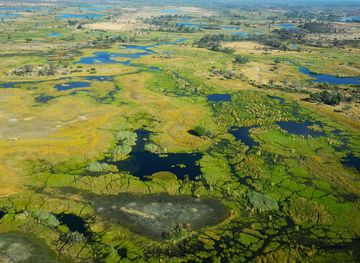
Explore more of Botswana
Explore Botswana: A land of stunning contrasts, rich wildlife, and cultural heritage. Discover the Okavango Delta, Kalahari Desert, and immerse in sustainable tourism.
Explore Botswana