

Tuli Block, Botswana Travel Guide
Discover the untouched wilderness of Tuli Block in Botswana, where dramatic landscapes, rich history, and diverse wildlife create an unforgettable African adventure.
Nestled in the eastern corner of Botswana, the Tuli Block is a hidden gem that offers an unparalleled wilderness experience. This region is a stark contrast to the more popular safari destinations in Africa, providing a more intimate and unspoiled environment. The landscape is characterized by dramatic rock formations, ancient baobab trees, and vast plains teeming with wildlife. Visitors can expect to see elephants, lions, leopards, and a variety of bird species that make Tuli Block a paradise for nature lovers and photographers alike. One of the unique aspects of Tuli Block is its rich history and cultural significance. The area is dotted with ancient ruins and rock paintings that tell the story of the region's early inhabitants. Exploring these historical sites gives visitors a glimpse into the past and adds an extra layer of depth to their journey. Additionally, Tuli Block is home to several private game reserves, each offering exclusive and personalized safari experiences. Whether you're interested in guided walking tours, horseback safaris, or game drives, there is something for every adventurer here. The Tuli Block is also renowned for its breathtaking night skies. Far from the light pollution of major cities, stargazing in this remote area is nothing short of magical. The clear skies offer an unobstructed view of the Milky Way, making it a perfect destination for astronomy enthusiasts. Accommodation in Tuli Block ranges from luxury lodges to rustic campsites, ensuring that every traveler can find a place that suits their preferences. With its stunning landscapes, rich history, and diverse wildlife, Tuli Block is a must-visit destination for those seeking a truly authentic African adventure.

Know before you go
Hi, I'm Eve. Here are a few practical things to know before exploring Tuli Block.
- Bring binoculars for bird watching; Tuli Block is home to over 350 bird species.
- Visit during the dry season (May to October) for the best wildlife viewing opportunities.
- Pack light, breathable clothing for daytime and warmer layers for cooler evenings.
- Consider a guided walking safari for a more intimate and educational experience.
- Don't forget your camera; the landscapes and wildlife offer incredible photo opportunities.
Top City Travel Guides in Tuli Block
The cities of Tuli Block, and the easiest places to base yourself.

Explore Tuli Block: Things to Do, Places to Eat, Hotels & More
Handpicked recommendations for top attractions, local dining, accommodations, and more

Top Attractions & Sightseeing in Tuli Block
Top-rated picks
Best Attractions

Limpopo-Lipadi Wildlife and Wilderness Reserve
Experience Botswana's untamed beauty at Limpopo-Lipadi: a wildlife reserve dedicated to conservation, community, and unforgettable safari adventures.

Mashatu Lodge
Experience a luxurious Botswana safari at Mashatu Lodge: abundant wildlife, family-friendly activities, and a commitment to conservation in the 'Land of Giants'.

Mashatu Game Reserve
Discover Botswana's 'Land of Giants': a diverse wildlife haven with dramatic landscapes, conservation efforts, and thrilling safari adventures.

Anne Adams Park
Discover tranquility in Selebi Phikwe at Anne Adams Park, a perfect blend of nature, recreation, and community spirit.

Best landmarks in Tuli Block
Top-rated picks
Best Landmarks

Khama Rhino Sanctuary
Discover Botswana's Khama Rhino Sanctuary: a community-driven conservation haven protecting endangered rhinos and offering unforgettable wildlife encounters.

Central Kalahari Game Reserve
Explore Botswana's vast Central Kalahari Game Reserve: a remote wilderness offering exceptional wildlife and San culture experiences.

Martin's Drift Border Post
Experience the crossroads of culture at Martin's Drift Border Post, your gateway to exploring Botswana and South Africa. Open daily, 6 AM to 10 PM.

Limpopo-Lipadi Wildlife and Wilderness Reserve
Experience Botswana's untamed beauty at Limpopo-Lipadi: a premier wildlife reserve in the Tuli Block, offering immersive safaris and conservation.

Best restaurants in Tuli Block
Top-rated picks
Best Restaurants

Bull & Bush
Discover the flavors of Botswana at Bull & Bush - where culinary excellence meets vibrant atmosphere in Gaborone.

The Daily Grind Cafe + Kitchen
Discover the flavors of Gaborone at The Daily Grind Cafe + Kitchen, where local ingredients meet international culinary delights.

Nata Lodge
Discover tranquility and adventure at Nata Lodge, your gateway to Botswana's breathtaking landscapes and wildlife experiences.

Table50Two
Discover the rich flavors of Botswana at Table50Two - a top-notch restaurant in Gaborone's vibrant Central Business District.

Best bars in Tuli Block
Top-rated picks
Best Bars
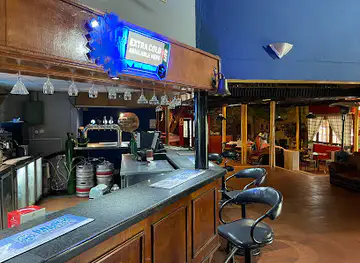
Bull & Bush
Discover the vibrant flavors and warm hospitality at Bull & Bush, a culinary gem in Gaborone, perfect for every dining occasion.

Cresta Bosele
Experience the charm of Selebi Phikwe at Cresta Bosele, a hotel that combines comfort, hospitality, and convenient access to local attractions.

Chobe Game Lodge
Experience unparalleled luxury and breathtaking wildlife at Chobe Game Lodge in Botswana's iconic Chobe National Park.

Kwa Nokeng Lodge
Discover the tranquil beauty of Kwa Nokeng Lodge in Eastern Botswana, where adventure meets relaxation in a stunning natural setting.

Best nightclubs in Tuli Block
Top-rated picks
Best Nightclubs

Kagiso Liquor Resturant
Enjoy local and international drinks at Kagiso Liquor Restaurant, a vibrant bar in Gaborone that brings together culture, music, and great company.

Leobah's Pub & Grill
Discover Gaborone's lively dining and nightlife at Leobah's Pub & Grill, where local flavors meet vibrant entertainment.

Kalahari Flying Club
Experience the vibrant nightlife of Gaborone at Kalahari Flying Club, where karaoke meets local culture in a welcoming bar atmosphere.

Absolut Lounge
Experience the vibrant nightlife and stylish ambiance of Absolut Lounge in Gaborone's Central Business District.

Best shops in Tuli Block
Top-rated picks
Best Shops

Game City Shopping Mall
Discover a vibrant shopping experience at Game City Shopping Mall in Gaborone, featuring diverse retail, dining, and entertainment options.

Airport Junction Shopping Centre
Explore the vibrant Airport Junction Shopping Centre in Gaborone for a unique shopping experience and delightful local dining options.

Riverwalk Mall
Discover Riverwalk Mall in Gaborone: A premier shopping destination with diverse stores, dining, and vibrant local culture.
Chobe Safari Lodge
Discover the beauty of Botswana at Chobe Safari Lodge, where comfort meets the thrill of the African wilderness.

Explore Tuli Block on the Map
A handpicked selection of must-see spots in Tuli Block, mapped for you.
Tuli Block Essentials
-
The Tuli Block is located in the eastern part of Botswana, bordering South Africa and Zimbabwe. The nearest major international airport is O.R. Tambo International Airport in Johannesburg, South Africa. From Johannesburg, you can either rent a car and drive to the Tuli Block, which takes approximately 6-7 hours, or take a connecting flight to Gaborone, Botswana's capital. From Gaborone, you can drive or arrange for a transfer to the Tuli Block, which is about a 5-hour drive.
-
Within the Tuli Block, the most common modes of transportation are 4x4 vehicles due to the rugged terrain. Many lodges and camps offer guided game drives and transfers within the area. For self-drive enthusiasts, renting a 4x4 vehicle is recommended. Keep in mind that fuel stations are sparse, so plan accordingly. Alternatively, some tour operators offer all-inclusive packages that include transportation.
-
The official currency in Botswana is the Botswana Pula (BWP). Credit cards are accepted at most lodges and larger establishments, but it's advisable to carry some cash for smaller transactions and remote areas. ATMs are available in larger towns like Gaborone and Francistown but are scarce in the Tuli Block, so withdraw sufficient cash beforehand.
-
The Tuli Block is generally safe for tourists, but standard precautions should be taken. Avoid walking alone at night and be cautious with your belongings in crowded areas. There are no specific high-crime areas targeting tourists, but always stay vigilant. When driving, be aware of wildlife on the roads, especially at night.
-
In case of an emergency, dial 999 for immediate assistance. The nearest medical facilities are in larger towns such as Gaborone or Francistown. It is highly recommended to have travel insurance that covers medical emergencies and evacuation. Lodges and camps usually have first aid kits and basic medical supplies, and staff are trained to handle minor injuries.
-
Fashion: Do dress in light, breathable clothing and wear neutral colors for game drives. Avoid wearing bright colors that may startle wildlife. Religion: Do respect local customs, although the Tuli Block is not particularly religious, it's always good to be respectful. Public Transport: Public transport is limited; rely on lodge transfers or rental vehicles. Greetings: Do greet people with a friendly 'Dumela' (hello in Setswana). A handshake is common. Eating & Drinking: Do try local dishes offered at lodges. Don't waste food as it is considered disrespectful.
-
To experience the Tuli Block like a local, take part in a guided bush walk to learn about the flora and fauna from an expert. Engage with local guides and ask about the history and culture of the area. Visit the ancient rock art sites and explore the Mashatu Game Reserve for a unique wilderness experience. Don't miss the chance to see the confluence of the Limpopo and Shashe Rivers, a significant geographical landmark.
When is the best time to visit Tuli Block?
Useful Local Phrases for Tuli Block
You don't need to speak the language perfectly. Even learning a few simple words can make conversations warmer—and locals usually appreciate the effort.
— Eve

Here are the phrases I use most often in Tuli Block. Try a few—you'll be surprised how far they go! 😊
❤️
-
- HelloDumelang
[doo-meh-lahng] - GoodbyeTsamaya sentle
[tsah-mah-yah sen-tleh] - YesEe
[ee] - NoAowa
[ah-oh-wah] - Please/You're welcomeTsweetswee
[tswee-tswee] - Thank youKe a leboga
[keh ah leh-boh-gah] - Excuse me/SorryNtshwarele
[nt-shwah-reh-leh] - How are you?O kae?
[oh kah-eh] - Fine. And you?Ke teng, wena o kae?
[keh teng, weh-nah oh kah-eh] - Do you speak English?A o bua Seheberu?
[ah oh bwah seh-heh-beh-roo] - I don't understandKe sitwa go utlwa
[keh see-twah go oot-lwah]
- HelloDumelang
-
- I'd like to see the menu, pleaseKe kopa go bona menu, tsweetswee
[keh koh-pah go boh-nah meh-noo, tswee-tswee] - I don't eat meatKe sitwa go ja nama
[keh see-twah go jah nah-mah] - Cheers!Bokamoso!
[bo-kah-moh-soh] - I would like to pay, pleaseKe kopa go lefa, tsweetswee
[keh koh-pah go leh-fah, tswee-tswee]
- I'd like to see the menu, pleaseKe kopa go bona menu, tsweetswee
-
- Help!Thusa!
[too-sah] - Go away!Tsamaya!
[tsah-mah-yah] - Call the Police!Bua diphiri!
[boo-ah dee-pee-ree] - Call a doctor!Bua ngaka!
[boo-ah ngah-kah] - I'm lostKe tsietsi
[keh tshee-tsee] - I'm illKe a bolelwa
[keh ah boh-leh-lwah]
- Help!Thusa!
-
- I'd like to buy...Ke kopa go reka...
[keh koh-pah go reh-kah] - I'm just lookingKe lebelela fela
[keh leh-beh-leh-lah feh-lah] - How much is it?Ke bokae?
[keh boh-kah-eh] - That's too expensiveGo a borelwa
[goh ah boh-rehl-wah] - Can you lower the price?A o ka fokotsa theko?
[ah oh kah foh-koh-tsah teh-koh]
- I'd like to buy...Ke kopa go reka...
-
- What time is it?Nako e kae?
[nah-koh eh kah-eh] - It's one o'clockKe a borai
[keh ah boh-rah-ee] - Half past (10)Nako ya borai
[nah-koh yah boh-rah-ee] - MorningMosong
[moh-sohng] - AfternoonMoipone
[moh-ee-poh-neh] - EveningMantsibanye
[mahn-tsi-bah-nyay] - YesterdayMaabane
[mah-ah-bah-neh] - TodayKajeno
[kah-heh-noh] - TomorrowKamoso
[kah-moh-soh] - 1Nngwe
[nngweh] - 2Pedi
[peh-dee] - 3Tharo
[thah-roh] - 4Nne
[neh-neh] - 5Tshebe
[tseh-beh] - 6Ntsatsi
[nt-sah-tsi] - 7Nkhwe
[nkhweh] - 8Borai
[boh-rah-ee] - 9Nne
[neh-neh] - 10Lesome
[leh-soh-meh]
- What time is it?Nako e kae?
-
- Where's a/the...?Kgorong e kae?
[khoh-rohng eh kah-eh] - What's the address?Aterese ke efe?
[ah-teh-reh-seh keh eh-feh] - Can you show me (on the map)?A o ka ntlhapisa (ka map)?
[ah oh kah nt-lah-pee-sah] - When's the next (bus)?Ke neng bus e latelang?
[keh nehng boos eh lah-teh-lahng] - A ticket (to ....)Tshelete (go ....)
[tseh-leh-teh (go)]
- Where's a/the...?Kgorong e kae?
History of Tuli Block
-
The Tuli Block area was originally inhabited by various indigenous tribes, including the San people. These early inhabitants were hunter-gatherers who left behind a wealth of rock paintings and archaeological sites that provide valuable insights into their way of life. The San people’s rich cultural heritage and deep knowledge of the land have significantly influenced the region's history.
-
In the late 19th century, the Tuli Block became a focal point for colonial interests. The British South Africa Company, led by Cecil Rhodes, acquired the land as part of their expansive ambitions. The area was divided into large farming estates and hunting grounds, fundamentally altering the landscape and the lives of its indigenous inhabitants.
-
The Tuli Block Agreement, signed in 1895, was a pivotal moment in the region's history. This agreement between the British South Africa Company and the Bechuanaland Protectorate established the Tuli Block as a buffer zone to secure the southern borders of the British territories against potential Boer incursions from the Transvaal Republic. It marked the beginning of a more structured and regulated use of the land.
-
In the mid-20th century, efforts began to transform parts of the Tuli Block into wildlife conservation areas. The establishment of reserves like Mashatu Game Reserve and Northern Tuli Game Reserve in the 1960s and 1970s aimed to protect the region’s diverse flora and fauna. These initiatives have helped to preserve the natural beauty and ecological significance of the Tuli Block, making it a popular destination for wildlife enthusiasts.
-
Today, the Tuli Block is renowned for its unique combination of rich history, cultural heritage, and stunning natural landscapes. It is a sought-after destination for eco-tourism, offering visitors opportunities to explore its vast wilderness, historical sites, and the cultural legacies of its early inhabitants. The region continues to balance conservation efforts with sustainable tourism to ensure its heritage is preserved for future generations.
Neighbouring Regions of Tuli Block
The closest regions to Tuli Block, if you have time for more than one.


Your all‑in‑one travel companion app
Explore expert travel guides, compare and book tours, experiences, hotels, and more—all from the palm of your hand. Download now for seamless trip planning wherever your wanderlust takes you.


Explore More of Botswana
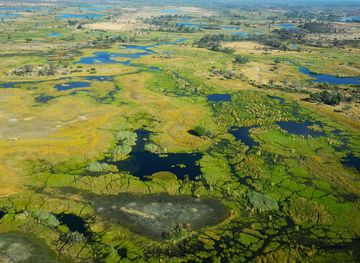
Looking beyond Tuli Block? Discover Botswana for broader travel guides, local hot-spots, and regional highlights.
Explore BotswanaTuli Block in Photos
Browse through our photo collection highlighting the charm and character of the destination.

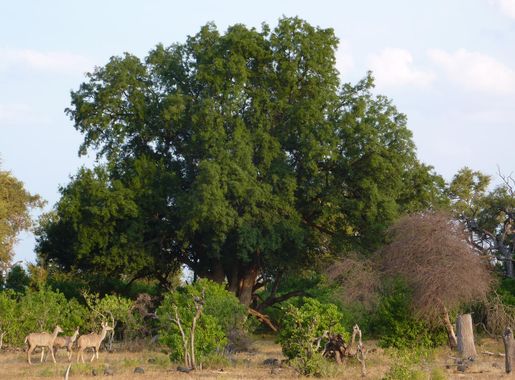




The Untouched Wilderness of Tuli Block
Nestled in the eastern corner of Botswana, the Tuli Block is a hidden gem that offers an unparalleled wilderness experience. This region is a stark contrast to the more popular safari destinations in Africa, providing a more intimate and unspoiled environment. The landscape is characterized by dramatic rock formations, ancient baobab trees, and vast plains teeming with wildlife. Visitors can expect to see elephants, lions, leopards, and a variety of bird species that make Tuli Block a paradise for nature lovers and photographers alike. One of the unique aspects of Tuli Block is its rich history and cultural significance. The area is dotted with ancient ruins and rock paintings that tell the story of the region's early inhabitants. Exploring these historical sites gives visitors a glimpse into the past and adds an extra layer of depth to their journey. Additionally, Tuli Block is home to several private game reserves, each offering exclusive and personalized safari experiences. Whether you're interested in guided walking tours, horseback safaris, or game drives, there is something for every adventurer here. The Tuli Block is also renowned for its breathtaking night skies. Far from the light pollution of major cities, stargazing in this remote area is nothing short of magical. The clear skies offer an unobstructed view of the Milky Way, making it a perfect destination for astronomy enthusiasts. Accommodation in Tuli Block ranges from luxury lodges to rustic campsites, ensuring that every traveler can find a place that suits their preferences. With its stunning landscapes, rich history, and diverse wildlife, Tuli Block is a must-visit destination for those seeking a truly authentic African adventure.