

Free Pampas Travel Guide & Mobile App
Explore Pampas with free travel guides. Discover regional history, expert tips, proposed trips, and audio guides on web or mobile app.


Explore Brazil’s Pampas through open grasslands, cattle country, border towns, rocky hills, wildlife areas and the distinctive food traditions of Rio Grande do Sul.
Read more about Pampas
When is the best time to visit Pampas?
Best: April, September–October · 23–25°C| Month | High (°C) | Rainfall (mm) |
|---|---|---|
| January | 29 | 120 |
| February | 29 | 110 |
| March | 28 | 100 |
| April (best) | 25 | 90 |
| May | 22 | 80 |
| June | 20 | 70 |
| July | 19 | 60 |
| August | 21 | 70 |
| September (best) | 23 | 80 |
| October (best) | 25 | 90 |
| November | 27 | 100 |
| December | 28 | 110 |
Getting to and around Pampas
How to get there
Transportation
Best attractions in Pampas
The Pampas offers a landscape-led style of sightseeing, with open grasslands, livestock country, rocky hills and border settlements providing the main framework. In the Serra do Sudeste, the Guaritas de Caçapava do Sul form a striking field of weathered sandstone and granite outcrops suited to scenic drives, photography and guided walks. The Área de Proteção Ambiental do Ibirapuitã protects extensive native grassland around the Ibirapuitã River, although access and facilities vary across this large protected area. Near Barra do Quaraí, Parque Estadual do Espinilho preserves a rare dry woodland landscape and supports birdwatching. Towns such as Bagé, Alegrete, Uruguaiana and Santana do Livramento add museums, churches, public squares and frontier history, while rural properties introduce visitors to cattle work, horse culture and regional cooking. Outdoor activities are generally small-scale and nature-focused: walking, birdwatching, horseback riding, landscape photography and road journeys through the changing grassland. The region is less about a dense chain of ticketed attractions than about understanding how ecology, ranching and border history coexist across a broad working landscape.
-
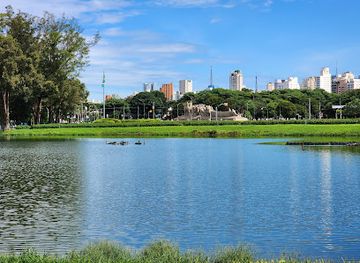
Park
Ibirapuera Park
Escape the city bustle in São Paulo's Ibirapuera Park: a vibrant oasis of culture, recreation, and natural beauty for all ages.
-
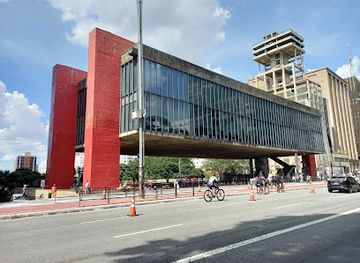
Art museum
Museum of Art of São Paulo Assis Chateaubriand
Explore a world-class art collection in a landmark modernist building on São Paulo's iconic Avenida Paulista. A must-see cultural experience.
-
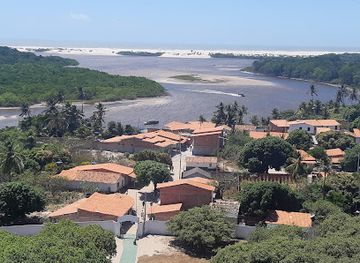
Tourist attraction
Preguiças Lighthouse
Ascend the Preguiças Lighthouse for breathtaking panoramic views of dunes, river, and ocean in Maranhão's stunning Lençóis Maranhenses National Park.
-
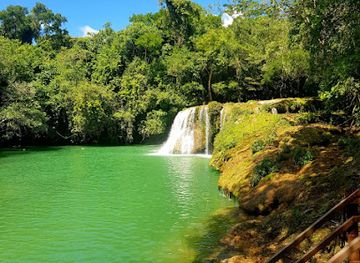
Tourist attraction
Estância Mimosa Ecoturismo - Cachoeiras em Bonito, MS
Discover stunning waterfalls and lush landscapes at Estância Mimosa Ecoturismo in Bonito, MS – a natural paradise for every traveler.
Explore Pampas on the map
Plan your trip on one map. See where the top cities, national parks and sights are, and book hotels and experiences in a few clicks.
Best hotels in Pampas
Best restaurants in Pampas
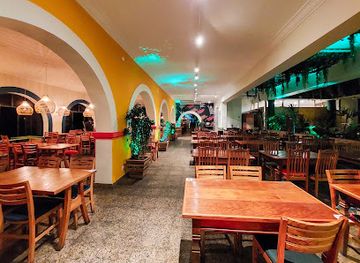
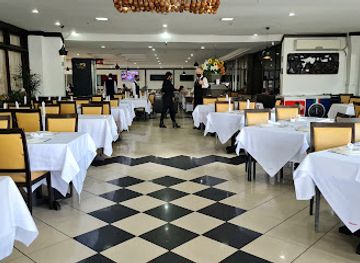
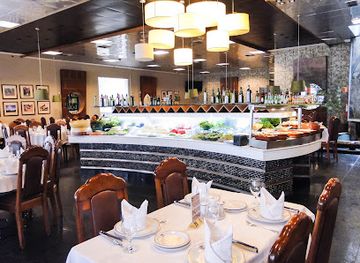
Eating in the Pampas is closely connected with the pastoral economy of Rio Grande do Sul. Beef cooked over wood or charcoal, often served in the tradition of churrasco, is central to many regional menus, while arroz carreteiro reflects the practical cooking of travelling cattle and goods workers. Rural inns, traditional grills, family restaurants and hotel dining rooms commonly serve these foods alongside beans, salads, polenta, bread and seasonal produce. Chimarrão is a cultural drink rather than a restaurant speciality, and visitors may encounter it in homes, rural settings and social gatherings. In the southern state, charque, local cheeses, sweets, preserves and bakery products also form part of the wider food culture, though not every dish is exclusive to the Pampa. Border towns add Uruguayan and Argentine influences, particularly in meat preparation, wine and café habits. Vegetarian choices are increasingly available in larger towns, but smaller rural establishments may offer fewer alternatives, making advance communication useful.
-
Live music bar
Terra Brasilis
Experience authentic Brazilian cuisine paired with vibrant live music at Terra Brasilis in Rio de Janeiro's scenic Urca neighborhood.
-
Barbecue
Pampas Brazilian Steakhouse
Savor the authentic flavors of Brazil with exquisite barbecue and seafood at Pampas Brazilian Steakhouse in Brasília.
-
Barbecue
Churrascaria Coxilha dos Pampas
Experience the ultimate Brazilian barbecue at Churrascaria Coxilha dos Pampas with endless meat options and delightful buffet selections.
-
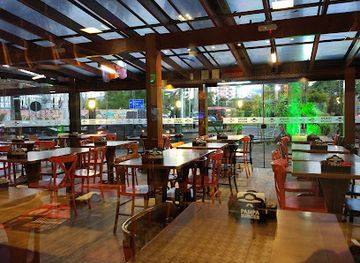
Hamburger
Pampa Burger
Discover Pampa Burger in Porto Alegre - A haven for burger lovers offering mouthwatering gourmet burgers and vibrant atmosphere.
Best bars in Pampas
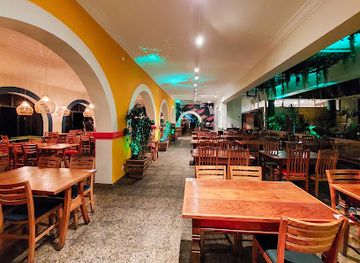
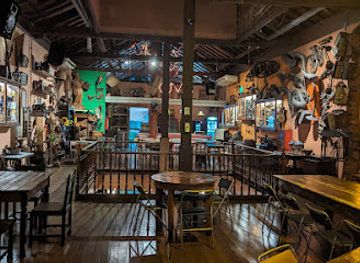
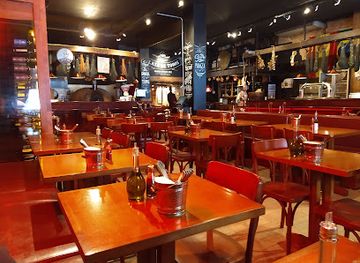
Nightlife in the Pampas is concentrated in the larger towns and is generally more relaxed than club-oriented. Bagé, Uruguaiana, Santana do Livramento and other regional centres have bars, cafés, restaurants and occasional live-music venues where evenings revolve around conversation, regional food and drinks rather than a single nightlife district. Traditional bars may serve beer, cachaça, wine and soft drinks, while chimarrão belongs more to daytime and social settings than to bar culture. Border commerce gives Santana do Livramento and neighbouring Rivera a somewhat more urban evening atmosphere, although the international boundary does not create a separate Brazilian nightlife system. In smaller towns, evenings are often centred on family restaurants, local events, hotel bars or community gatherings. Rural accommodation tends to emphasise open-fire meals and quiet landscapes, so guests should not expect late transport or a large choice of venues outside the main urban centres.
-
Live music bar
Terra Brasilis
Terra Brasilis: A lively Brazilian restaurant in Urca, Rio de Janeiro, where vibrant flavors meet enchanting live music.
-
Bar
Rio Scenarium
Experience the vibrant nightlife of Rio de Janeiro at Rio Scenarium, where live music and rich culture come together in a captivating atmosphere.
-
Restaurant
Dona Jú Cozinha Bar
Experience authentic Brazilian cuisine at Dona Jú Cozinha Bar in Águas Claras, where every meal is a celebration of flavors and hospitality.
-
Bar
Sancho Bar Y Tapas
Experience the vibrant flavors of Spain at Sancho Bar Y Tapas, a culinary delight nestled in the heart of São Paulo.

Best nightclubs in Pampas
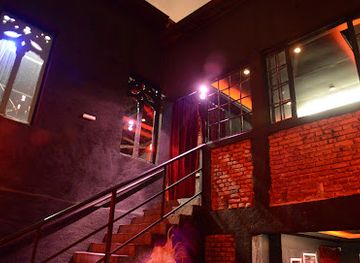
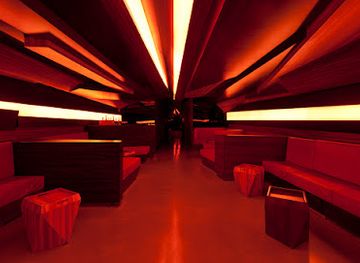
Nightlife in the Pampas is concentrated in the larger towns and is generally more relaxed than club-oriented. Bagé, Uruguaiana, Santana do Livramento and other regional centres have bars, cafés, restaurants and occasional live-music venues where evenings revolve around conversation, regional food and drinks rather than a single nightlife district. Traditional bars may serve beer, cachaça, wine and soft drinks, while chimarrão belongs more to daytime and social settings than to bar culture. Border commerce gives Santana do Livramento and neighbouring Rivera a somewhat more urban evening atmosphere, although the international boundary does not create a separate Brazilian nightlife system. In smaller towns, evenings are often centred on family restaurants, local events, hotel bars or community gatherings. Rural accommodation tends to emphasise open-fire meals and quiet landscapes, so guests should not expect late transport or a large choice of venues outside the main urban centres.
-
Disco club
Santa Club Lagoa Nightclub
Discover the nightlife of Santa Club Lagoa, a premier disco club in Florianópolis, where music, dance, and a vibrant atmosphere await.
-
Night club
Madame Underground Club
Dive into São Paulo's nightlife at Madame Underground Club, where vibrant music and dancing await you in an electrifying atmosphere.
-
Night club
Cabaret Poa
Discover the vibrant nightlife of Porto Alegre at Cabaret Poa, where music, dance, and entertainment come alive in a captivating atmosphere.
-
Night club
D-Edge
Experience the electrifying atmosphere of D-Edge, São Paulo's premier nightclub, where music, art, and nightlife converge.


Best shops in Pampas
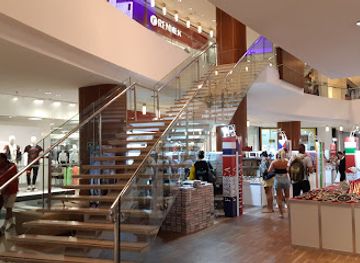
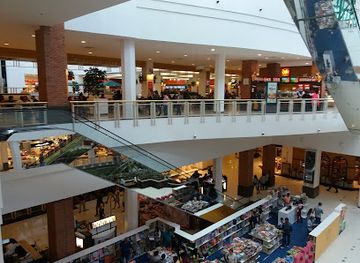
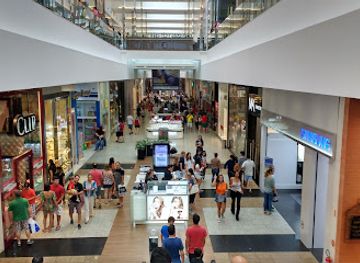
Shopping in the Pampas is centred on market towns, border commerce, regional food and practical goods rather than large-scale luxury retail. Bagé, Uruguaiana, Alegrete and Santana do Livramento provide the broadest selection of supermarkets, department stores, independent shops and cafés, while the Brazilian side of Santana do Livramento is closely linked to the commercial activity of neighbouring Rivera. Rural and town markets may offer cheeses, preserves, sweets, baked goods, leather articles and locally produced foods, although schedules vary and should be checked locally. Leather belts, bags, saddlery-related items and gaucho-inspired clothing reflect the pastoral economy, but quality and origin differ between sellers. Visitors interested in crafts should look for small galleries, artisan shops and cultural centres rather than assuming that every town has a formal craft market. Regional food products travel well when properly packed, while fresh produce, meat and dairy may be subject to Brazilian customs and airline restrictions.
-
Shopping mall
Shopping RioSul
Discover the vibrant shopping scene at Shopping RioSul in Botafogo, Rio de Janeiro - a perfect blend of shopping, dining, and entertainment.
-
Shopping mall
Praia de Belas Shopping
Explore the vibrant shopping scene at Praia de Belas Shopping in Porto Alegre, where fashion, dining, and entertainment come together.
-
Shopping mall
Balneario Shopping Mall
Discover the ultimate shopping experience at Balneário Shopping Mall, where vibrant retail, dining, and entertainment come together in Balneário Camboriú.
-
Shopping mall
Bourbon Shopping Wallig
Explore Bourbon Shopping Wallig in Porto Alegre: A vibrant shopping mall with diverse retail, dining, and entertainment options for every visitor.

Get your free copy of our complete guide to Pampas, delivered straight to you.
Everything on this page, from attractions and restaurants to essentials and local phrases, in one PDF you can read offline, print or share.
Already have an account? Sign in
Your Pampas guide is ready.
We'll send it to · Not you? Sign out

Getting your guide ready…
We are putting together a fresh copy of the Pampas guide. This can take up to a minute.
This can take a few moments. If your browser asks, choose Allow so the download can start. You'll find the guide in your Downloads folder.
Nothing happened? Download it again
Sorry, the guide is taking longer than usual. Please try again in a minute, or get it by email instead.
Pampas essentials
Currency and Payment
Safety
Emergency Situations
Do's and Don'ts
Local Tips
From Eve
Local phrases worth knowing
You don't need to get them perfect. A few words go a long way, and locals appreciate the effort.
Basics
| English | Local | Say it |
|---|---|---|
| Hello | Olá | [oh-LAH] |
| Goodbye | Adeus | [ah-DEH-ooz] |
| Yes | Sim | [seem] |
| No | Não | [now] |
| Please/You're welcome | Por favor/De nada | [poor fah-VOR/deh NAH-dah] |
| Thank you | Obrigado/Obrigada | [oh-bree-GAH-do/oh-bree-GAH-dah] |
| Excuse me/Sorry | Desculpe | [des-KOOL-peh] |
| How are you? | Como você está? | [KOH-moo vo-SEH es-TAH] |
| Fine. And you? | Bem. E você? | [BANG. ee vo-SEH] |
| Do you speak English? | Você fala inglês? | [vo-SEH FAH-lah een-GLEZ] |
| I don't understand | Eu não entendo | [ay-ooh NOW en-TEN-doo] |
Eating & Drinking
| English | Local | Say it |
|---|---|---|
| I'd like to see the menu, please | Eu gostaria de ver o cardápio, por favor | [ay-ooh goh-stah-REE-ah jee VEHR oo kar-DAH-pyo, poor fah-VOR] |
| I don't eat meat | Eu não como carne | [ay-ooh NOW KOH-moo KAR-nee] |
| Cheers! | Saúde! | [sah-OO-dee] |
| I would like to pay, please | Eu gostaria de pagar, por favor | [ay-ooh goh-stah-REE-ah jee pah-GAR, poor fah-VOR] |
Emergencies
| English | Local | Say it |
|---|---|---|
| Help! | Ajuda! | [ah-JOO-dah] |
| Go away! | Vá embora! | [VAH em-BOH-rah] |
| Call the Police! | Chame a polícia! | [SHAH-mee ah poh-LEE-see-ah] |
| Call a doctor! | Chame um médico! | [SHAH-mee oom MEH-dee-co] |
| I'm lost | Estou perdido | [es-TOH per-JEE-doo] |
| I'm ill | Estou doente | [es-TOH do-EHN-chee] |
Shopping
| English | Local | Say it |
|---|---|---|
| I'd like to buy... | Eu gostaria de comprar... | [ay-ooh goh-stah-REE-ah jee kom-PRAR] |
| I'm just looking | Estou apenas olhando | [es-TOH ah-PAY-nahs oh-LYAHN-doo] |
| How much is it? | Quanto custa? | [KWAN-toh KOOS-tah] |
| That's too expensive | Isso é muito caro | [EE-soh eh MOY-toh KAH-roh] |
| Can you lower the price? | Você pode baixar o preço? | [vo-SEH POH-jee bye-SHAR oo PREH-soh] |
Time & Numbers
| English | Local | Say it |
|---|---|---|
| What time is it? | Que horas são? | [kee OR-as sah-o] |
| It's one o'clock | É uma hora | [eh OO-mah OR-ah] |
| Half past (10) | Dez e meia | [dehz ee MAY-ah] |
| Morning | Manhã | [mahn-YAH] |
| Afternoon | Tarde | [TAR-dee] |
| Evening | Noite | [NOY-chee] |
| Yesterday | Ontem | [ON-tem] |
| Today | Hoje | [OH-zhee] |
| Tomorrow | Amanhã | [ah-mahn-YAH] |
| 1 | Um | [oom] |
| 2 | Dois | [doyz] |
| 3 | Três | [trays] |
| 4 | Quatro | [KWAH-tro] |
| 5 | Cinco | [SEEN-koh] |
| 6 | Seis | [says] |
| 7 | Sete | [SEH-chee] |
| 8 | Oito | [OY-toh] |
| 9 | Nove | [NOH-vee] |
| 10 | Dez | [dehz] |
Transport & Directions
| English | Local | Say it |
|---|---|---|
| Where's a/the...? | Onde fica um/a...? | [ON-jee FEE-kah oom/ah] |
| What's the address? | Qual é o endereço? | [kwow eh oo in-deh-REH-soo] |
| Can you show me (on the map)? | Você pode me mostrar (no mapa)? | [vo-SEH POH-jee mee mohs-TRAR (no MAH-pah)] |
| When's the next (bus)? | Quando é o próximo (ônibus)? | [KWAN-doo eh oo PROH-see-mo (OH-nee-boos)] |
| A ticket (to ....) | Um bilhete (para....) | [oom bee-LYEH-chee (PAH-rah)] |
History of Pampas
Indigenous Pampa before colonial expansion
The grasslands of southern Rio Grande do Sul were inhabited and travelled by Indigenous peoples long before Portuguese or Spanish colonisation. Guarani-speaking communities lived in parts of the wider region, while colonial records also refer to Charrua and Minuano groups associated with the southern plains. These societies followed varied combinations of hunting, gathering, fishing, cultivation and seasonal movement. Their presence survives in place names, archaeological evidence and the broader historical understanding that the Pampa was not an empty frontier awaiting settlement.
The Portuguese-Spanish frontier
From the seventeenth and eighteenth centuries, the southern plains became a contested frontier between Portuguese Brazil and Spanish-controlled territories to the west and south. Military settlements, fortified positions and shifting diplomatic boundaries were established along routes linking the Atlantic coast, the Uruguay River and the interior. The Treaty of Madrid in 1750 and later agreements altered territorial claims, while conflict continued to shape settlement. Towns such as Bagé, Alegrete and Santana do Livramento developed within this strategic borderland rather than in isolation from it.
Cattle, estâncias and the formation of gaúcho culture
The spread of cattle ranching transformed the Pampas from the eighteenth century onwards. Large rural properties, commonly called estâncias, relied on extensive grazing and on workers skilled in riding, herding and livestock management. Cattle supplied meat, hides and other products for regional trade, while mobile pastoral work helped form the cultural figure of the gaúcho. Many traditions associated with Rio Grande do Sul, including open-fire cooking, horse culture and chimarrão, were shaped by this economy, although their history crosses modern national and state borders.
The Ragamuffin War, 1835–1845
The Farroupilha Revolution, also known as the Ragamuffin War, began in Rio Grande do Sul in 1835 as a revolt by provincial elites and their allies against the government of the Brazilian Empire. The conflict affected the southern plains through military campaigns, political divisions and the mobilisation of ranching communities. It ended with an agreement in 1845 that restored the province to the Empire while granting concessions to the rebels. Its memory remains prominent in Rio Grande do Sul and is reflected in regional commemorations and historical interpretation.
Border commerce and nineteenth-century consolidation
During the nineteenth century, the Pampas became more firmly integrated into the Brazilian state while retaining close economic links with Uruguay and Argentina. Livestock, hides, wool and agricultural products moved through market towns and border crossings, and local economies were influenced by customs rules, military requirements and regional competition. Santana do Livramento and its neighbouring Uruguayan city, Rivera, illustrate how urban life developed around a national frontier that has long been more porous in commerce and culture than it appears on a map.
Railways, charque and regional markets
Railway construction and the expansion of meat-processing industries connected Rio Grande do Sul’s interior more closely with ports and larger markets in the late nineteenth and early twentieth centuries. Pelotas, outside the core Pampa landscape but historically linked to its livestock economy, became associated with charque, or salted dried beef, while rail connections supported the movement of cattle and agricultural goods across the southern state. These changes reduced the isolation of inland settlements but also made the region more dependent on fluctuating commodity markets.
Modern conservation of the grasslands
During the twentieth and twenty-first centuries, the Pampa was increasingly recognised as a distinct ecological region rather than simply pastoral countryside. Conversion of native grasslands for crops, forestry and other land uses has made conservation a significant contemporary issue. Protected areas such as the Área de Proteção Ambiental do Ibirapuitã and Parque Estadual do Espinilho preserve representative landscapes, while research and sustainable ranching initiatives seek to maintain biodiversity alongside rural livelihoods. The modern Pampas is therefore both a working agricultural region and an important conservation landscape.
Pampas in Photos
Browse through our photo collection highlighting the charm and character of the destination.
Neighbouring regions of Pampas
The closest regions to Pampas, if you have time for more than one.
-

-

-

-

-


Swipe for more regions
Explore more

Explore more of Brazil
Discover Brazil: a land of samba, stunning landscapes, and rich history. From the Amazon to Rio, explore diverse cultures, world-class cuisine, and vibrant festivals.
Explore Brazil