

Free Planalto Atlântico Travel Guide & Mobile App
Explore Planalto Atlântico with free travel guides. Discover regional history, expert tips, proposed trips, and audio guides on web or mobile app.


Explore Brazil’s Planalto Atlântico for Atlantic Forest, mountain towns, historic valleys, São Paulo culture and highland landscapes.
Read more about Planalto Atlântico
When is the best time to visit Planalto Atlântico?
Best: June–August · 24–25°C| Month | High (°C) | Rainfall (mm) |
|---|---|---|
| January | 28 | 150 |
| February | 29 | 140 |
| March | 29 | 130 |
| April | 28 | 110 |
| May | 26 | 100 |
| June (best) | 25 | 90 |
| July (best) | 24 | 80 |
| August (best) | 25 | 90 |
| September | 26 | 100 |
| October | 28 | 120 |
| November | 28 | 130 |
| December | 28 | 140 |
Getting to and around Planalto Atlântico
How to get there
Transportation
Top city travel guides in Planalto Atlântico
The cities of Planalto Atlântico, and the easiest places to base yourself.

Swipe for more cities
Destinations in Planalto Atlântico
Resorts, valleys and scenic spots worth a trip of their own.
-

-

-


Swipe for more destinations
Best attractions in Planalto Atlântico
The Planalto Atlântico’s attractions combine a major metropolis with mountain landscapes, protected forest and historic valley settlements. São Paulo provides museums, galleries, theatres, markets and architectural districts, while the Serra da Cantareira offers forested viewpoints and trails immediately north of the urban area. In the Mantiqueira, Campos do Jordão is a base for highland walks, gardens and scenic drives, with cooler weather and distinct upland vegetation. The Serra do Mar State Park protects extensive Atlantic Forest through several access areas, where guided hikes, waterfalls and ridge scenery are more important than conventional sightseeing. Farther east, the Paraíba Valley brings together former coffee towns, rural estates, churches and small museums, while Cunha is associated with highland scenery, craft pottery and agricultural landscapes. Outdoor activities range from birdwatching and short forest walks to more demanding mountain routes, but access varies considerably and should be checked locally. The region is best understood as a collection of contrasting landscapes rather than a single attraction circuit.
-
National park
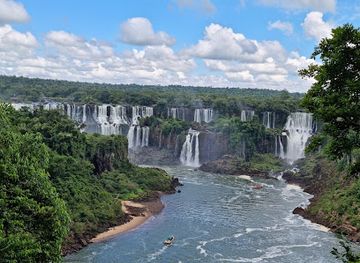
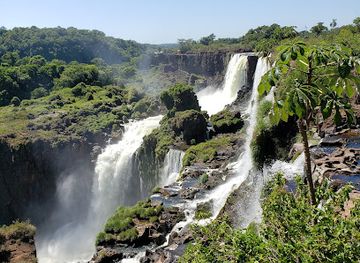
Iguazú National Park
Experience the awe-inspiring power of nature at Iguazú National Park, home to magnificent waterfalls and lush rainforest.
-
Tourist attraction
Escadaria Selarón
Discover Rio's vibrant Escadaria Selarón, a stunning mosaic staircase and a symbol of art, culture, and Brazilian pride.
-
Tourist attraction
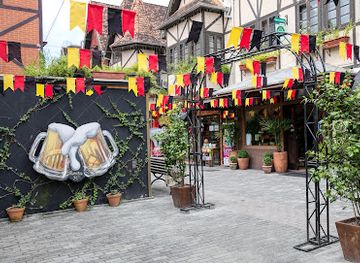
Vila Germânica Park
Experience German traditions in Brazil at Vila Germânica Park, home to Blumenau's vibrant Oktoberfest and year-round cultural events.
-
Art museum
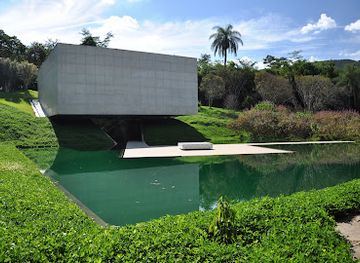
Inhotim Museum
Discover Inhotim: A unique fusion of contemporary art and stunning botanical gardens in the heart of Brazil.
Best landmarks in Planalto Atlântico
The most recognisable landmarks of the Planalto Atlântico are often landscape features as much as buildings. The Serra do Mar forms a dramatic forested escarpment between the plateau and the coast, while the Serra da Mantiqueira defines the skyline around Campos do Jordão and other highland settlements. In the urban north of São Paulo, the Cantareira range is a significant green landmark, demonstrating how Atlantic Forest survives beside a densely built metropolis. Campos do Jordão’s Vila Capivari and surrounding highland architecture express the town’s twentieth-century resort identity, though the mountains remain its principal geographical emblem. In the Paraíba Valley, the historic centres of São Luiz do Paraitinga and Bananal retain churches, civic buildings and residences linked to colonial and coffee-era development. Taubaté’s older urban fabric and cultural institutions reflect the valley’s role as a regional centre. These landmarks should be read together: escarpments, river corridors, historic buildings and urban infrastructure reveal how movement, agriculture, industry and conservation have shaped the plateau.
-
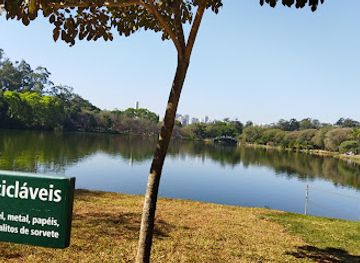
Park
Ibirapuera Park
Discover São Paulo's vibrant urban oasis: Ibirapuera Park, a hub of culture, recreation, and natural beauty for all to enjoy.
-
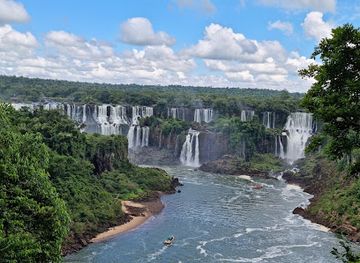
Tourist attraction
Iguazu Falls
Experience the awe-inspiring power and beauty of Iguazu Falls, a natural wonder shared by Argentina and Brazil. Explore hundreds of waterfalls in a lush rainforest.
-
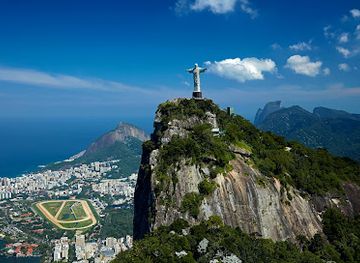
Cultural landmark
Christ the Redeemer
An iconic Art Deco statue in Rio de Janeiro, symbolizing peace and Brazilian culture, offering panoramic views from atop Corcovado Mountain.
-
National park
Iguazú National Park
Experience the majestic Iguazú Falls and immerse yourself in the lush subtropical rainforest of Argentina's premier national park.

Explore Planalto Atlântico on the map
Plan your trip on one map. See where the top cities, national parks and sights are, and book hotels and experiences in a few clicks.
Best hotels in Planalto Atlântico
Best restaurants in Planalto Atlântico
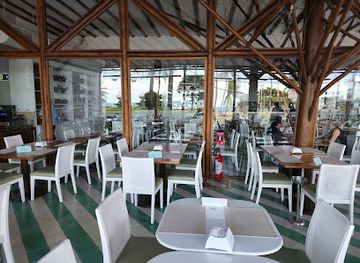
Dining across the Planalto Atlântico moves between São Paulo’s highly international restaurant scene and the produce-led cooking of mountain and valley communities. In the highlands, visitors commonly encounter locally made cheeses, cured products, trout in suitable mountain areas, seasonal vegetables, preserves, breads and coffee from south-eastern growing regions. Campos do Jordão has a broad restaurant choice shaped by its tourist economy and cool climate, including fondue-style menus and European-influenced cooking, although these are modern regional offerings rather than a single traditional cuisine. The Paraíba Valley and rural plateau towns are good places to look for home-style Brazilian meals, farm products, sweets and cachaça. São Paulo’s markets and neighbourhood restaurants provide the widest selection of Brazilian regional foods alongside international cuisines. At farm stays, markets and small producers, opening arrangements may be limited, so advance confirmation is sensible, particularly outside the main towns.
-
Seafood
Restaurante Marius Degustare
Discover exquisite seafood and Brazilian flavors at Restaurante Marius Degustare in Rio de Janeiro's stunning Copacabana.
-
Restaurant
Sallva Bar e Ristorante - Pontão Lago Sul - Brasília DF
Experience exquisite Mediterranean flavors at Sallva Bar e Ristorante in Brasília's scenic Lago Sul with stunning views and exceptional service.
-
Restaurant
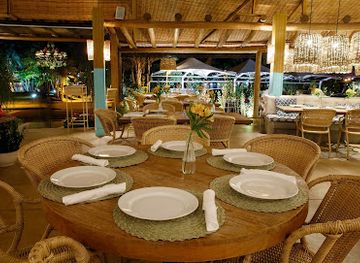
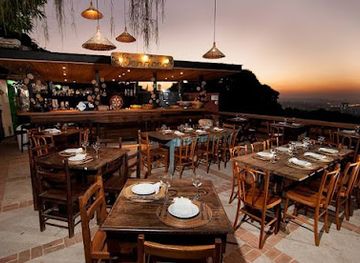
Aprazível
Experience breathtaking views and exquisite Brazilian cuisine at Aprazível in Santa Teresa, Rio de Janeiro - a true culinary gem.
-
Italian
Alloro al Miramar
Discover exquisite Italian cuisine at Alloro al Miramar in Copacabana, where breathtaking ocean views meet culinary excellence.

Best bars in Planalto Atlântico
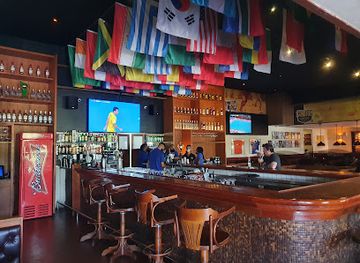
Nightlife varies sharply across the Planalto Atlântico. São Paulo has Brazil’s broadest urban evening offer, with live music, theatres, cocktail bars, neighbourhood botecos, dance venues and late-night restaurants spread across many districts rather than concentrated in one regional centre. In Campos do Jordão, evenings are oriented towards restaurants, wine bars, cafés, hotel lounges and seasonal entertainment, with activity increasing during cooler-weather weekends and holidays. Smaller Mantiqueira and Paraíba Valley towns generally centre their social life on traditional bars, cafés, restaurants and occasional live music rather than large clubs. Historic towns can be quiet after dinner, which suits visitors seeking a slower rural stay. Drink-driving laws are strictly enforced, and visitors travelling between dispersed mountain venues should arrange a reliable taxi, transfer or designated driver rather than assuming that late public transport will be available.
-
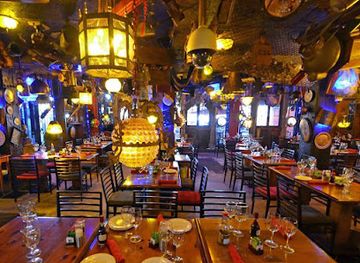
Bar
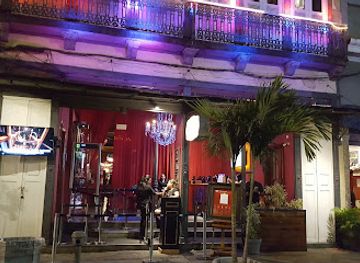
Rio Scenarium
Experience the vibrant nightlife of Rio de Janeiro at Rio Scenarium, a unique bar and live music venue with an eclectic atmosphere.
-
Bar
Bar & Restaurante Pompéu
Experience the vibrant flavors of Brazil at Bar & Restaurante Pompéu, a buffet restaurant and bar in Belo Horizonte's charming Itapoã neighborhood.
-
Bar
Entre Amigos Praia
Experience the vibrant atmosphere and exquisite flavors at Entre Amigos Praia, the must-visit bar and restaurant in Boa Viagem, Recife.
-
Steak
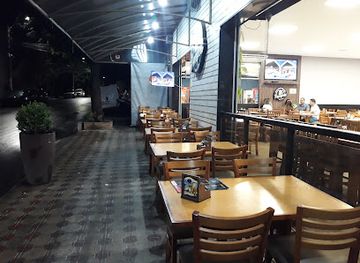
Stadium Steakhouse - Barra
Experience the best of Brazilian barbecue at Stadium Steakhouse - a vibrant steakhouse in Barra da Tijuca, perfect for food lovers and social gatherings.
Best nightclubs in Planalto Atlântico
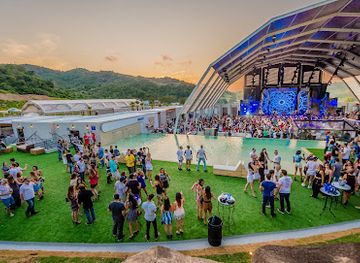
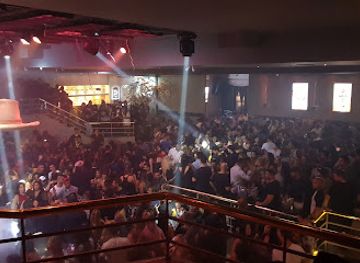
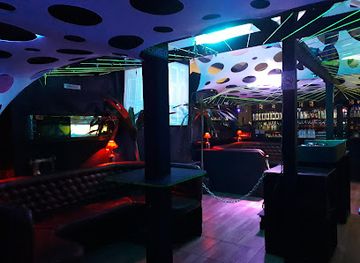
Nightlife varies sharply across the Planalto Atlântico. São Paulo has Brazil’s broadest urban evening offer, with live music, theatres, cocktail bars, neighbourhood botecos, dance venues and late-night restaurants spread across many districts rather than concentrated in one regional centre. In Campos do Jordão, evenings are oriented towards restaurants, wine bars, cafés, hotel lounges and seasonal entertainment, with activity increasing during cooler-weather weekends and holidays. Smaller Mantiqueira and Paraíba Valley towns generally centre their social life on traditional bars, cafés, restaurants and occasional live music rather than large clubs. Historic towns can be quiet after dinner, which suits visitors seeking a slower rural stay. Drink-driving laws are strictly enforced, and visitors travelling between dispersed mountain venues should arrange a reliable taxi, transfer or designated driver rather than assuming that late public transport will be available.
-
Club
Laroc Club
Discover the electrifying nightlife of Laroc Club in Valinhos, where world-class DJs and vibrant atmosphere create unforgettable experiences.
-
Cocktail bar
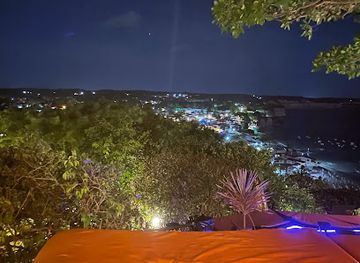
Lookout Sunset Bar
Experience breathtaking sunsets and exquisite cocktails at Lookout Sunset Bar in Praia da Pipa, the perfect destination for relaxation and celebration.
-
Disco club
Vitrinni Lounge Beer
Experience the vibrant nightlife of Rio de Janeiro at Vitrinni Lounge Beer, where exquisite drinks and electrifying music create unforgettable memories.
-
Disco club
Santa Club Lagoa Nightclub
Discover the energetic vibe of Santa Club Lagoa, a premier disco club in Lagoa da Conceição, perfect for unforgettable nights in Florianópolis.
Best shops in Planalto Atlântico
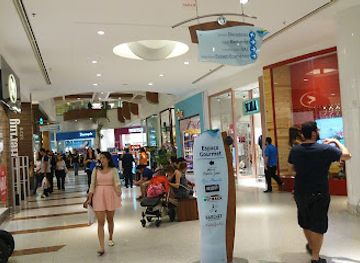
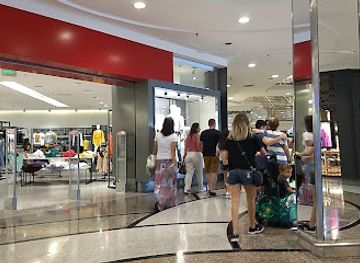
Shopping in the Planalto Atlântico ranges from São Paulo’s extensive retail districts, department stores, design shops, galleries and food markets to the small-scale commerce of mountain and valley towns. São Paulo is the best place for contemporary Brazilian fashion, books, art, specialist foods and crafts, with different neighbourhoods offering distinct retail characters. In Campos do Jordão, visitor-oriented streets carry knitwear, chocolates, gourmet products, souvenirs and locally made decorative goods, while nearby highland areas are associated with farm products such as cheeses, preserves and coffee. Cunha is noted for ceramic workshops and studios, making locally produced pottery a more meaningful purchase than generic souvenirs. Historic towns in the Paraíba Valley have independent shops, bakeries and small markets rather than extensive shopping centres. Farmers’ markets and producer outlets vary by day and season, so ask accommodation providers for current locations and carry suitable payment options when travelling into rural areas.
-
Shopping mall
RioMar Recife
Explore the vibrant RioMar Recife, where shopping, dining, and entertainment come together in an extraordinary experience for every traveler.
-
Shopping mall
BarraShopping
Discover the ultimate shopping experience at BarraShopping, Rio de Janeiro's largest and most vibrant shopping mall, where fashion meets entertainment.
-
Shopping mall
Shopping RioSul
Explore Shopping RioSul: Rio de Janeiro's premier shopping destination featuring fashion, dining, and entertainment in the heart of Botafogo.
-
Shopping mall
ParkShopping
Explore the vibrant atmosphere of ParkShopping, a premier shopping and entertainment destination in Brasília, perfect for all visitors.
Get your free copy of our complete guide to Planalto Atlântico, delivered straight to you.
Everything on this page, from attractions and restaurants to essentials and local phrases, in one PDF you can read offline, print or share.
Already have an account? Sign in
Your Planalto Atlântico guide is ready.
We'll send it to · Not you? Sign out

Getting your guide ready…
We are putting together a fresh copy of the Planalto Atlântico guide. This can take up to a minute.
This can take a few moments. If your browser asks, choose Allow so the download can start. You'll find the guide in your Downloads folder.
Nothing happened? Download it again
Sorry, the guide is taking longer than usual. Please try again in a minute, or get it by email instead.
Planalto Atlântico essentials
Currency and Payment
Safety
Emergency Situations
Do's and Don'ts
Local Tips
From Eve
Local phrases worth knowing
You don't need to get them perfect. A few words go a long way, and locals appreciate the effort.
Basics
| English | Local | Say it |
|---|---|---|
| Hello | Olá | [oh-LAH] |
| Goodbye | Adeus | [ah-DEH-oos] |
| Yes | Sim | [seem] |
| No | Não | [now] |
| Please/You're welcome | Por favor/De nada | [por fah-VOR/deh NAH-dah] |
| Thank you | Obrigado/Obrigada | [oh-bree-GAH-do/oh-bree-GAH-dah] |
| Excuse me/Sorry | Desculpe | [des-KOOL-peh] |
| How are you? | Como você está? | [KOH-moo voh-SEH eh-STAH] |
| Fine. And you? | Bem. E você? | [BENG. eh voh-SEH?] |
| Do you speak English? | Você fala inglês? | [voh-SEH FAH-lah een-GLEZ?] |
| I don't understand | Eu não entendo | [eh-OO now en-TEN-do] |
Eating & Drinking
| English | Local | Say it |
|---|---|---|
| I'd like to see the menu, please | Gostaria de ver o cardápio, por favor | [gos-tah-REE-ah jeh VEHR oo kar-DAH-pee-oh, por fah-VOR] |
| I don't eat meat | Eu não como carne | [eh-OO now KOH-mo KAR-nee] |
| Cheers! | Saúde! | [sah-OO-dee!] |
| I would like to pay, please | Gostaria de pagar, por favor | [gos-tah-REE-ah jeh pah-GAR, por fah-VOR] |
Emergencies
| English | Local | Say it |
|---|---|---|
| Help! | Socorro! | [so-KOHR-oh!] |
| Go away! | Vá embora! | [vah em-BOH-rah!] |
| Call the Police! | Chame a polícia! | [SHAH-mee ah poh-LEE-see-ah!] |
| Call a doctor! | Chame um médico! | [SHAH-mee oom MEH-dee-co!] |
| I'm lost | Estou perdido | [es-TOH per-DEE-do] |
| I'm ill | Estou doente | [es-TOH doh-EN-chee] |
Shopping
| English | Local | Say it |
|---|---|---|
| I'd like to buy... | Gostaria de comprar... | [gos-tah-REE-ah jeh kom-PRAR...] |
| I'm just looking | Estou apenas olhando | [es-TOH ah-PEH-nas oh-LYAHN-do] |
| How much is it? | Quanto custa? | [KWAN-toh KOOS-tah?] |
| That's too expensive | Isso é muito caro | [EE-so eh MOY-toh KAH-ro] |
| Can you lower the price? | Você pode baixar o preço? | [voh-SEH POH-jee bye-SHAR oo PREH-so?] |
Time & Numbers
| English | Local | Say it |
|---|---|---|
| What time is it? | Que horas são? | [kee OR-as sow?] |
| It's one o'clock | É uma hora | [eh OO-mah OR-ah] |
| Half past (10) | Dez e meia | [dez ee MAY-ah] |
| Morning | Manhã | [mahn-YAH] |
| Afternoon | Tarde | [TAR-jee] |
| Evening | Noite | [NOY-chee] |
| Yesterday | Ontem | [ON-tem] |
| Today | Hoje | [OH-zhee] |
| Tomorrow | Amanhã | [ah-mahn-YAH] |
| 1 | Um | [oom] |
| 2 | Dois | [doyz] |
| 3 | Três | [trays] |
| 4 | Quatro | [KWAH-tro] |
| 5 | Cinco | [SEEN-co] |
| 6 | Seis | [says] |
| 7 | Sete | [SEH-chee] |
| 8 | Oito | [OY-toh] |
| 9 | Nove | [NOH-vee] |
| 10 | Dez | [dez] |
Transport & Directions
| English | Local | Say it |
|---|---|---|
| Where's a/the...? | Onde fica um/a...? | [ON-jee FEE-kah oom/ah...?] |
| What's the address? | Qual é o endereço? | [kwow eh oo en-deh-REH-so?] |
| Can you show me (on the map)? | Você pode me mostrar (no mapa)? | [voh-SEH POH-jee mee mohs-TRAR (noh MAH-pah)?] |
| When's the next (bus)? | Quando é o próximo (ônibus)? | [KWAN-do eh oo PROH-see-mo (OH-nee-boos)?] |
| A ticket (to ....) | Um bilhete (para ....) | [oom bee-LYEH-chee (PAH-rah ....)] |
History of Planalto Atlântico
Indigenous Landscapes and Atlantic Forest Routes
Before Portuguese colonisation, the plateau and its escarpments were inhabited and traversed by Indigenous peoples, including Tupi-speaking communities whose routes connected the interior with the coast. Rivers, passes and forest clearings shaped movement through the Serra do Mar and the Paraíba Valley. Colonial settlement later appropriated many of these corridors, but Indigenous knowledge of the terrain remained important to travel, agriculture and exchange. The surviving Atlantic Forest is therefore not an untouched wilderness in a simple sense: it is a living landscape with a long history of human use, displacement and environmental change.
Colonial Expansion and the São Paulo Hinterland
From the sixteenth century, Portuguese settlement expanded inland from the coast and around the São Paulo plateau. Expeditions, farms and religious foundations developed along routes linking the highlands with coastal ports and the interior. The difficult Serra do Mar escarpment made transport laborious, encouraging the growth of settlements on the plateau and in the Paraíba Valley. Colonial churches, town plans and older road corridors remain visible in historic centres such as São Luiz do Paraitinga and in the architecture of several former valley settlements.
Gold Routes, Muleteers and the Paraíba Valley
During the eighteenth century, routes across south-eastern Brazil carried people, animals and goods towards the mining zones of Minas Gerais. Muleteers became central to this inland economy, using mountain passes and valley roads to transport food, tools and other supplies. The Paraíba Valley gained importance as a corridor between São Paulo, Rio de Janeiro and Minas Gerais. Its later towns and rural properties often reflect this period of movement, when geography made the plateau’s passes economically and politically significant.
Coffee Wealth and Nineteenth-Century Railways
Coffee production transformed the Paraíba Valley during the nineteenth century. Large estates accumulated wealth, enslaved labour was exploited on a vast scale, and towns received churches, civic buildings and imposing residences. After the abolition of slavery in 1888 and the exhaustion of some soils, production shifted towards other parts of south-eastern Brazil, leaving many valley properties economically weakened. Railways then altered the region’s connections, carrying agricultural goods and passengers while integrating plateau towns more closely with São Paulo, Rio de Janeiro and port facilities.
Industrialisation and the Growth of São Paulo
From the late nineteenth century onwards, São Paulo expanded from a plateau city into Brazil’s principal industrial and financial centre. Immigration, manufacturing, commerce and railway development accelerated urban growth, while new roads and industrial corridors followed the Paraíba Valley and other accessible parts of the Atlantic Plateau. The expansion brought major social and environmental change, including the replacement of forest and farmland by suburbs, reservoirs and infrastructure. The region’s present contrast between dense metropolis, industrial valley and protected mountain forest is largely a product of this transformation.
Conservation of the Atlantic Forest
Twentieth-century urbanisation, farming, timber extraction and road building placed intense pressure on the Atlantic Forest. Scientific research and conservation movements gradually led to the creation and expansion of protected areas, including the Serra do Mar State Park and reserves in the Cantareira and Mantiqueira ranges. These areas safeguard watersheds, wildlife and forest corridors while also supporting carefully managed recreation. Conservation remains a practical concern: visitors encounter a landscape shaped by both exceptional biodiversity and the demands of nearby cities and rural communities.
Planalto Atlântico in Photos
Browse through our photo collection highlighting the charm and character of the destination.
Neighbouring regions of Planalto Atlântico
The closest regions to Planalto Atlântico, if you have time for more than one.
-

-

-

-

-


Swipe for more regions
Explore more

Explore more of Brazil
Discover Brazil: a land of samba, stunning landscapes, and rich history. From the Amazon to Rio, explore diverse cultures, world-class cuisine, and vibrant festivals.
Explore Brazil