

Serra do Mar, Brazil Travel Guide
Discover Brazil's Serra do Mar: A majestic mountain range offering lush rainforests, cascading waterfalls, and rich cultural experiences along the southeastern coast.
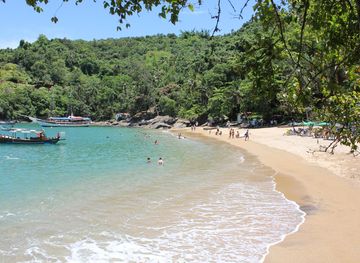
The Serra do Mar is an extensive mountain range that runs parallel to the Atlantic Ocean along Brazil's southeastern coast. This lush, green landscape is a haven for nature lovers and adventure seekers alike. The region is home to dense rainforests, cascading waterfalls, and diverse wildlife, making it a paradise for hiking, birdwatching, and eco-tourism. The Serra do Mar is not just about natural beauty; it is also steeped in history and culture. The area is dotted with charming colonial towns such as Paraty, which offer a glimpse into Brazil's rich past. These towns are often the starting points for treks into the mountains or boat trips to nearby islands. For those who love outdoor activities, the Serra do Mar provides numerous opportunities. You can explore the trails of Serra da Bocaina National Park or take a scenic train ride through the mountains from Curitiba to Morretes. Whether you're looking for a relaxing getaway or an action-packed adventure, Serra do Mar has something to offer for everyone.

Know before you go
Hi, I'm Eve. Here are a few practical things to know before exploring Serra do Mar.
- Wear comfortable hiking shoes as the trails can be steep and uneven.
- Bring insect repellent, especially if you plan to explore the rainforest.
- Visit the colonial towns for a mix of history and local cuisine.
- Consider hiring a local guide for the best wildlife spotting opportunities.
- Check the weather forecast before planning your trip as the region can be prone to heavy rains.
Top City Travel Guides in Serra do Mar
The cities of Serra do Mar, and the easiest places to base yourself.

Explore Serra do Mar: Things to Do, Places to Eat, Hotels & More
Handpicked recommendations for top attractions, local dining, accommodations, and more

Top Attractions & Sightseeing in Serra do Mar
Top-rated picks
Best Attractions

Mirante da Serra do Rio do Rastro
Experience breathtaking panoramic views from one of Brazil's most scenic overlooks, the Mirante da Serra do Rio do Rastro in Santa Catarina.

Whale Square
Discover the iconic Whale Square in Rio das Ostras: a family-friendly coastal destination with a monumental whale sculpture and beautiful beaches.

Best restaurants in Serra do Mar
Top-rated picks
Best Restaurants

Fogo de Chão
Experience authentic Brazilian barbecue at Fogo de Chão – where tradition meets flavor in every bite.

Restaurante Marius Degustare
Experience exquisite seafood and Brazilian cuisine at Restaurante Marius Degustare in Copacabana - a true culinary delight.

Chimarron Churrascaria
Experience authentic Brazilian barbecue at Chimarron Churrascaria in Nova Friburgo – where every meal is a celebration of flavor and tradition.

Aprazível
Discover the flavors of Brazil at Aprazível, where exquisite cuisine meets breathtaking views in Santa Teresa.

Best bars in Serra do Mar
Top-rated picks
Best Bars

Madame Bardot Bar e Restaurante
Experience exquisite dining and vibrant nightlife at Madame Bardot Bar e Restaurante in Búzios, where local flavors meet international cuisine.

Toca do Morcego - Chill Out Bar & Dance Club
Experience the vibrant nightlife of Bahia at Toca do Morcego, where exceptional cocktails and lively music create unforgettable memories.

Tróia Bar Lounge Roof Top
Discover the vibrancy of Cabo Frio's nightlife at Tróia Bar Lounge Roof Top, where stunning views and exquisite cuisine create unforgettable experiences.

The House Of Rock And Roll
Experience the electrifying nightlife of Búzios at The House Of Rock And Roll, where live music and exquisite cocktails create unforgettable memories.

Best nightclubs in Serra do Mar
Top-rated picks
Best Nightclubs

Vitrinni Lounge Beer
Experience the electrifying nightlife at Vitrinni Lounge Beer in Barra da Tijuca, where music, dance, and vibrant energy collide.

D-Edge
Immerse yourself in the electrifying nightlife of São Paulo at D-Edge, the ultimate destination for electronic music lovers.

Le Rêve Club
Discover the electrifying nightlife at Le Rêve Club, one of São Paulo's top nightclubs, featuring world-class DJs and an unforgettable atmosphere.

New Mariuzinn
Explore Rio de Janeiro's vibrant nightlife at New Mariuzinn, a premier night club and cocktail bar in the heart of Copacabana.

Best shops in Serra do Mar
Top-rated picks
Best Shops

Shopping Eldorado
Explore the vibrant Shopping Eldorado in São Paulo, where shopping, dining, and entertainment blend seamlessly for an unforgettable experience.

RioMar Recife
Discover RioMar Recife, the ultimate shopping mall featuring top brands, diverse dining choices, and exciting entertainment in the heart of Brazil's Pernambuco state.

Shopping RioSul
Explore Shopping RioSul, Rio de Janeiro's vibrant shopping mall with a plethora of stores and delightful dining options.

Top Shopping Nova Iguaçu
Discover the ultimate shopping experience at Top Shopping Nova Iguaçu, where fashion meets fun and flavors blend seamlessly.

Explore Serra do Mar on the Map
A handpicked selection of must-see spots in Serra do Mar, mapped for you.
Serra do Mar Essentials
-
Serra do Mar is a vast mountain range in Brazil, stretching from the state of Espírito Santo, through Rio de Janeiro, São Paulo, Paraná, Santa Catarina, to the northern part of Rio Grande do Sul. The nearest major airports are São Paulo-Guarulhos International Airport (GRU) and Rio de Janeiro-Galeão International Airport (GIG). From these cities, you can rent a car or take a bus to various access points of Serra do Mar. Train services are limited, but buses operate frequently, connecting major cities to towns in and around the Serra do Mar region.
-
Within Serra do Mar, transportation options vary depending on your location. In larger towns, taxis and ride-sharing services like Uber are available. For more remote areas, renting a car is advisable. Buses connect towns and villages, but schedules can be irregular, so it's wise to check in advance. For exploring the mountainous regions, consider hiring a local guide who is familiar with the terrain and can provide transportation.
-
The official currency in Brazil is the Brazilian Real (BRL). Credit and debit cards are widely accepted in cities and larger towns. However, in smaller villages and rural areas, cash is often preferred. ATMs are available in most towns, but it's a good idea to carry sufficient cash when venturing into more remote areas. Currency exchange services are available at airports and in major cities.
-
Serra do Mar is generally safe for tourists, but like any travel destination, it's important to stay vigilant. In cities like São Paulo and Rio de Janeiro, avoid high-crime areas such as favelas unless accompanied by a guide. In rural areas, be aware of wildlife and natural hazards. Always keep an eye on your belongings, especially in crowded places. Avoid walking alone at night and be cautious when using ATMs.
-
In case of an emergency, dial 190 for police, 192 for medical emergencies, and 193 for fire services. Major towns in Serra do Mar have medical facilities and pharmacies. It is advisable to have travel insurance that covers medical emergencies. For minor health issues, local pharmacies can provide over-the-counter medications. Always keep emergency contact numbers and your insurance details handy.
-
Fashion: Do dress comfortably and appropriately for hiking and outdoor activities. Avoid wearing flashy jewelry. Religion: Do respect local religious practices and sites. Public Transport: Do give up seats for elderly and pregnant passengers. Don’t eat or drink on public transport. Greetings: Do greet people with a handshake or a friendly nod. Eating & Drinking: Do try local foods and beverages. Don't refuse food offerings, as it may be considered impolite.
-
To experience Serra do Mar like a local, consider engaging in ecotourism activities such as hiking, bird watching, and exploring waterfalls. Visit local markets to purchase fresh produce and artisanal goods. Engage with locals who are often friendly and willing to share insights about the region. Don't miss exploring the Atlantic Forest, a UNESCO World Heritage Site, which offers breathtaking views and diverse wildlife.
When is the best time to visit Serra do Mar?
Useful Local Phrases for Serra do Mar
You don't need to speak the language perfectly. Even learning a few simple words can make conversations warmer—and locals usually appreciate the effort.
— Eve

Here are the phrases I use most often in Serra do Mar. Try a few—you'll be surprised how far they go! 😊
❤️
-
- HelloOlá
[oh-LAH] - GoodbyeAdeus
[ah-DEH-oos] - YesSim
[seem] - NoNão
[now] - Please/You're welcomePor favor
[poor fah-VOR] - Thank youObrigado/Obrigada
[oh-bree-GAH-do/oh-bree-GAH-dah] - Excuse me/SorryDesculpe
[dehs-KOOL-peh] - How are you?Como você está?
[KOH-moh voh-SEH is-TAH] - Fine. And you?Bem. E você?
[BENG. E voh-SEH?] - Do you speak English?Você fala inglês?
[voh-SEH FAH-lah een-GLEZ?] - I don't understandEu não entendo
[eh-ooh NOW en-TEN-doh]
- HelloOlá
-
- I'd like to see the menu, pleaseEu gostaria de ver o cardápio, por favor
[eh-ooh goh-stah-REE-ah jee veh-r oh kar-DAH-pyoo, poor fah-VOR] - I don't eat meatEu não como carne
[eh-ooh NOW KOH-moh KAR-nee] - Cheers!Saúde!
[sah-OO-jee] - I would like to pay, pleaseEu gostaria de pagar, por favor
[eh-ooh goh-stah-REE-ah jee pah-GAR, poor fah-VOR]
- I'd like to see the menu, pleaseEu gostaria de ver o cardápio, por favor
-
- Help!Socorro!
[soh-KOH-roo] - Go away!Vá embora!
[vah em-BOH-rah] - Call the Police!Chame a polícia!
[SHAH-mee ah poh-LEE-syah] - Call a doctor!Chame um médico!
[SHAH-mee oom MEH-dee-ko] - I'm lostEstou perdido
[eh-STOH pair-JEE-doh] - I'm illEstou doente
[eh-STOH do-EHN-chi]
- Help!Socorro!
-
- I'd like to buy...Eu gostaria de comprar...
[eh-ooh goh-stah-REE-ah jee kohm-PRAR...] - I'm just lookingEstou apenas olhando
[eh-STOH ah-PEH-nahz oh-YAN-doh] - How much is it?Quanto custa?
[KWAN-toh KOOS-tah?] - That's too expensiveÉ muito caro
[EH MOY-too KAH-roh] - Can you lower the price?Você pode abaixar o preço?
[voh-SEH POH-jee ah-bah-ISHAR oh PREH-so?]
- I'd like to buy...Eu gostaria de comprar...
-
- What time is it?Que horas são?
[kee OH-ras sah-OO?] - It's one o'clockÉ uma hora
[EH OOH-mah OH-rah] - Half past (10)Dez e meia
[dehz ee MAY-ah] - MorningManhã
[mahn-YAH] - AfternoonTarde
[TAHR-jee] - EveningNoite
[NOY-chee] - YesterdayOntem
[OHN-teng] - TodayHoje
[OH-zhee] - TomorrowAmanhã
[ah-mahn-YAH] - 1Um
[oom] - 2Dois
[doyz] - 3Três
[trays] - 4Quatro
[KWAH-troh] - 5Cinco
[SEEN-koh] - 6Seis
[says] - 7Sete
[SEH-chee] - 8Oito
[OY-toh] - 9Nove
[NOH-vee] - 10Dez
[dehz]
- What time is it?Que horas são?
-
- Where's a/the...?Onde fica um/uma...?
[ON-jee FEE-kah oom OO-mah...?] - What's the address?Qual é o endereço?
[kwah-EE eh oh en-deh-REH-so?] - Can you show me (on the map)?Você pode me mostrar (no mapa)?
[voh-SEH POH-jee meeh mohs-TRAR (noh MAH-pah)?] - When's the next (bus)?Quando é o próximo (ônibus)?
[KWAN-doo eh oh PROH-see-moh (OH-nee-boos)?] - A ticket (to ....)Um bilhete (para ...)
[oom bee-LYEH-chee (PAH-rah ...)]
- Where's a/the...?Onde fica um/uma...?
History of Serra do Mar
-
Long before the arrival of the Portuguese, the Serra do Mar region was home to various indigenous tribes, including the Tupi-Guarani. These native peoples lived in harmony with the dense Atlantic Forest, relying on the rich biodiversity for sustenance and medicine. Their cultural practices, languages, and traditions have left a lasting imprint on the region, which can still be felt today in local customs and names.
-
In the early 16th century, Portuguese explorers arrived on the Brazilian coast and began to navigate the rugged terrain of the Serra do Mar. The mountainous range posed significant challenges but also offered strategic advantages for the colonizers. They established settlements and began the exploitation of natural resources, particularly the dense forests for timber and the fertile land for agriculture.
-
During the 17th and 18th centuries, Serra do Mar became a critical corridor for explorers and settlers heading to the Minas Gerais region in search of gold and precious minerals. The discovery of gold transformed the area into a bustling route, leading to the establishment of several towns and the development of infrastructure, including roads and bridges, many of which still exist today.
-
In the 19th century, the coffee boom dramatically altered the landscape and economy of Serra do Mar. Coffee plantations spread across the region, leading to significant deforestation and the construction of railroads to transport the valuable commodity to ports for export. This period also saw an influx of European immigrants, particularly Italians, who worked on the plantations and contributed to the cultural mosaic of the region.
-
The 20th century brought a growing awareness of the need to preserve Serra do Mar's unique biodiversity and ecosystems. Several national parks and protected areas were established, such as Serra do Mar State Park, to conserve the Atlantic Forest and its myriad species of flora and fauna. These parks now serve as vital refuges for wildlife and as popular destinations for eco-tourism.
-
Today, Serra do Mar is a vibrant blend of historical legacy and modern development. The region's rich cultural heritage is celebrated through festivals, museums, and preserved colonial architecture. Modern infrastructure, including highways and tourist facilities, has made the area more accessible, allowing a new generation of travelers to explore its natural beauty and historical significance.
Neighbouring Regions of Serra do Mar
The closest regions to Serra do Mar, if you have time for more than one.



Your all‑in‑one travel companion app
Explore expert travel guides, compare and book tours, experiences, hotels, and more—all from the palm of your hand. Download now for seamless trip planning wherever your wanderlust takes you.


Explore More of Brazil

Looking beyond Serra do Mar? Discover Brazil for broader travel guides, local hot-spots, and regional highlights.
Explore BrazilSerra do Mar in Photos
Browse through our photo collection highlighting the charm and character of the destination.





Serra do Mar: Brazil's Enchanting Mountain Range
The Serra do Mar is an extensive mountain range that runs parallel to the Atlantic Ocean along Brazil's southeastern coast. This lush, green landscape is a haven for nature lovers and adventure seekers alike. The region is home to dense rainforests, cascading waterfalls, and diverse wildlife, making it a paradise for hiking, birdwatching, and eco-tourism. The Serra do Mar is not just about natural beauty; it is also steeped in history and culture. The area is dotted with charming colonial towns such as Paraty, which offer a glimpse into Brazil's rich past. These towns are often the starting points for treks into the mountains or boat trips to nearby islands. For those who love outdoor activities, the Serra do Mar provides numerous opportunities. You can explore the trails of Serra da Bocaina National Park or take a scenic train ride through the mountains from Curitiba to Morretes. Whether you're looking for a relaxing getaway or an action-packed adventure, Serra do Mar has something to offer for everyone.