

Free Serra Gaúcha Travel Guide & Mobile App
Explore Serra Gaúcha with free travel guides. Discover regional history, expert tips, proposed trips, and audio guides on web or mobile app.


Explore Serra Gaúcha for vineyard valleys, cool mountain towns, Italian-Brazilian cuisine, canyon landscapes and acclaimed wines in southern Brazil.
When is the best time to visit Serra Gaúcha?
Best: April, October–November · 23–25°C| Month | High (°C) | Rainfall (mm) |
|---|---|---|
| January | 28 | 150 |
| February | 28 | 145 |
| March | 26 | 140 |
| April (best) | 24 | 135 |
| May | 20 | 130 |
| June | 17 | 125 |
| July | 17 | 120 |
| August | 19 | 125 |
| September | 21 | 130 |
| October (best) | 23 | 135 |
| November (best) | 25 | 140 |
| December | 27 | 145 |
Getting to and around Serra Gaúcha
How to get there
Transportation
Best attractions in Serra Gaúcha
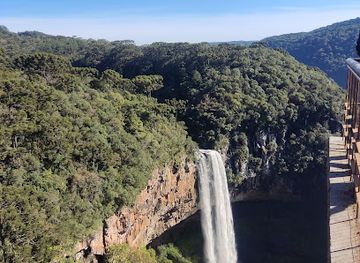
Serra Gaúcha offers a varied attraction landscape rather than one single circuit. Gramado and Canela provide landscaped parks, museums, chocolate producers, family-oriented attractions and access to wooded hills, with Canela's Cascata do Caracol among the area's best-known natural sights. Around Bento Gonçalves, the Vale dos Vinhedos and neighbouring rural routes combine vineyard visits, cellar tastings, heritage buildings and regional restaurants; Garibaldi is particularly associated with sparkling wine. Caxias do Sul adds urban museums, cultural venues and a window onto the region's industrial history, while Nova Petrópolis presents gardens, rural experiences and German-Brazilian heritage. Farther east, Cambará do Sul serves as a base for the dramatic canyons and protected landscapes of the Aparados da Serra area, where viewpoints and trails depend on weather. Across the region, visitors can choose between gentle garden walks, cycling, horseback riding, food-focused excursions and more demanding canyon or forest hikes. The strongest itineraries balance commercial attractions with working vineyards, agricultural communities and the highland scenery between the towns.
-
Tourist attraction
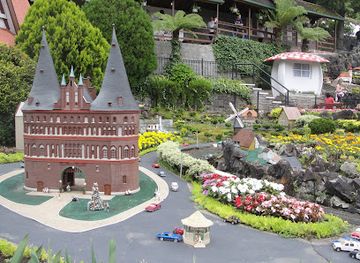
Mini Mundo
Explore a world of famous landmarks in miniature at Gramado's enchanting Mini Mundo, a delightful experience for all ages in a beautifully landscaped park.
-
Tourist attraction
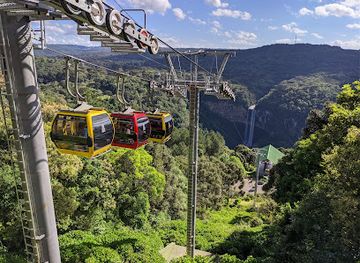
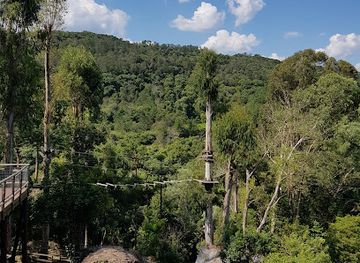
Air cable cars Da Serra Parks
Soar above Canela's breathtaking landscapes on the Air Cable Cars at Da Serra Parks, offering panoramic views and a thrilling ecological adventure.
-
Tourist attraction
Snowland
Experience winter thrills year-round at Snowland, the first indoor snow park in the Americas, located in beautiful Gramado, Brazil.
-
Tourist attraction
Caracol Park
Discover Caracol Park in Canela: Majestic waterfalls, lush forests, and breathtaking views await in Brazil's Serra Gaúcha.
Best landmarks in Serra Gaúcha
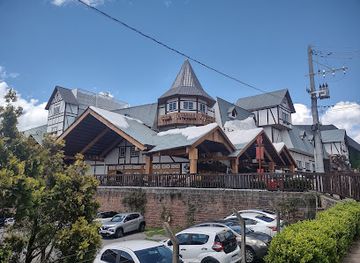
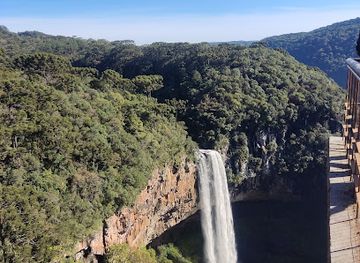
The most recognisable landmarks of Serra Gaúcha express its mixture of cultivated landscape, highland nature and immigrant-era settlement. The Cascata do Caracol near Canela is a major natural landmark, where a tall waterfall drops through forested terrain and has become closely associated with the eastern highlands. In the wine country, the vineyard slopes and stone-built rural structures of the Vale dos Vinhedos form a cultural landscape as significant as any individual building, while the historic wineries and religious architecture around Bento Gonçalves and Garibaldi recall the region's colonisation and agricultural development. Gramado's central streets are marked by carefully maintained timber, stone and Alpine-influenced façades that represent the town's twentieth-century tourism reinvention. Caxias do Sul's Monumento Nacional ao Imigrante gives public form to the importance of immigration in the region's civic identity. East of the resort towns, the deep canyons of the Aparados da Serra near Cambará do Sul provide Serra Gaúcha's most dramatic geographical landmarks, with broad plateau edges giving way to steep basalt escarpments and distant valleys.
-
Theme park
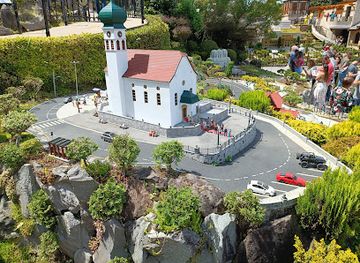
Mini Mundo
Discover a world of miniatures at Mini Mundo in Gramado, Brazil – a charming park featuring detailed replicas of famous landmarks and lively scenes.
-
State park
Caracol Park
Discover Caracol Park in Canela: Home to the stunning Caracol Falls, offering breathtaking views and natural beauty in the Serra Gaúcha.
-
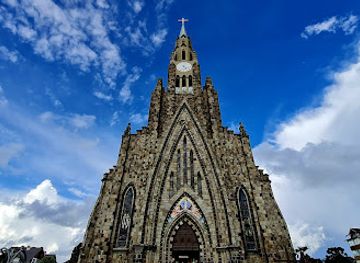
Historical landmark
Canela - Serra Gaucha / RS
Discover Canela, a charming Serra Gaúcha town with stunning landscapes, rich history, and delightful ecotourism and cultural experiences.
-
Amusement park
Alpen Park
Experience thrilling rides and breathtaking views at Alpen Park, Canela's premier amusement park in Brazil's stunning Serra Gaúcha.
Explore Serra Gaúcha on the map
Plan your trip on one map. See where the top cities, national parks and sights are, and book hotels and experiences in a few clicks.
Best hotels in Serra Gaúcha
Best restaurants in Serra Gaúcha
Dining in Serra Gaúcha reflects both the region's immigrant history and Rio Grande do Sul's broader food culture. In the highland towns, menus commonly feature Italian-influenced pasta, polenta, breads, soups, cheeses and cured meats, while churrasco and other southern Brazilian traditions provide an important counterpoint. Gramado and Canela have the widest range of restaurants, cafés, chocolate shops and polished dining rooms, whereas the wine country is known for rural restaurants and estate-based meals paired with local bottles. Bento Gonçalves and the Vale dos Vinhedos are natural places to explore wines, grape products and contemporary interpretations of colonial cooking; Garibaldi has a strong sparkling-wine identity. Mountain produce, trout, mushrooms, orchard fruit and artisanal dairy products appear seasonally, and cafés often reflect the area's German and Italian influences. Prices and formality vary widely, from family-run cantinas and buffet restaurants to ambitious modern kitchens, so a car-free tasting plan should be arranged carefully.
-
Barbecue
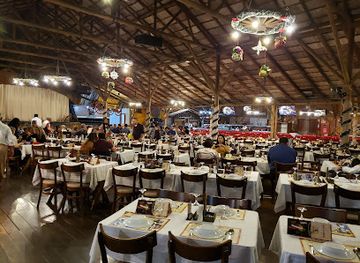
Churrascaria Garfo e Bombacha - Noite Gaúcha
Experience authentic Brazilian barbecue at Churrascaria Garfo e Bombacha in Rio Grande do Sul - where tradition meets flavor!
-
Brazilian
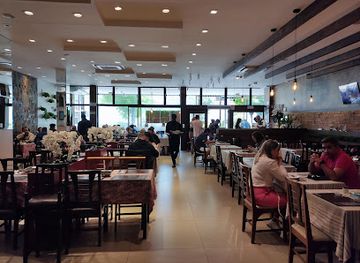
Restaurante Pouso Novo
Experience authentic Brazilian cuisine at Restaurante Pouso Novo - where local flavors meet exceptional sushi in Gramado.
-
Barbecue
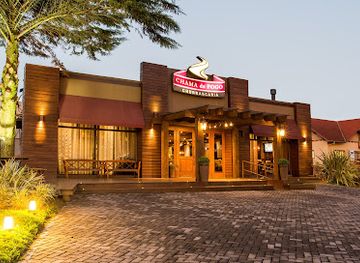
Churrascaria Chama de Fogo Gramado
Experience authentic Brazilian barbecue at Churrascaria Chama de Fogo in Gramado - where flavor meets tradition in every bite.
-
Fondue
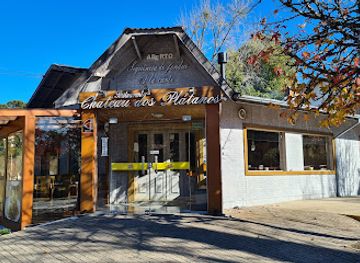
Chateau dos Plátanos
Experience the best fondue dining at Chateau dos Plátanos in Gramado - where tradition meets taste amidst stunning landscapes.
Best bars in Serra Gaúcha
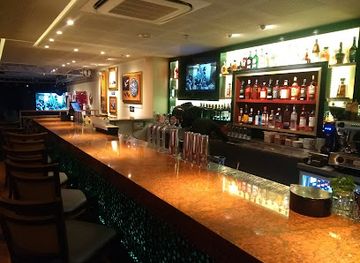
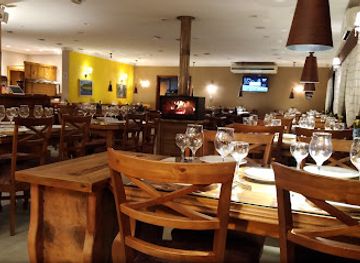
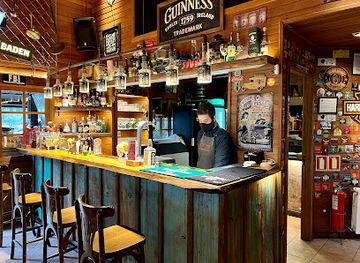
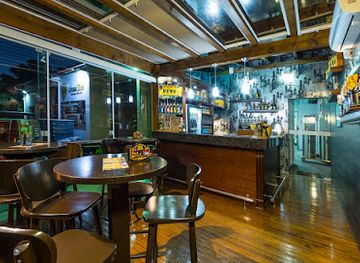
Nightlife in Serra Gaúcha is concentrated in Gramado, Canela, Bento Gonçalves and Caxias do Sul rather than spread evenly across the countryside. Gramado and Canela offer wine bars, cocktail-focused venues, hotel lounges, dessert cafés and restaurants that remain active into the evening, with a more seasonal and visitor-oriented atmosphere during winter and major holiday periods. Bento Gonçalves and Garibaldi provide opportunities for relaxed tastings, brewery visits and evening meals, while Caxias do Sul has the broadest urban choice, including bars, live music and entertainment venues. In rural wine areas, evenings generally centre on an inn, cellar, restaurant or planned tasting rather than spontaneous bar-hopping. Nightclubs exist in the larger towns, but the region is better suited to food, wine, conversation and occasional live music than to a continuous club scene. Check transport in advance after tastings, as rural properties can be far from accommodation and app-based coverage may be less dependable outside town centres.
-
Restaurant
Hard Rock Cafe
Discover the rock 'n' roll spirit at Hard Rock Cafe Gramado, where delicious American cuisine meets iconic music memorabilia.
-
Restaurant
Boteco do Gnomo Restobar
Experience the best of Brazilian cuisine and live music at Boteco do Gnomo Restobar in Gramado, where flavor meets fun.
-
Restaurant
Toro Gramado
Discover the vibrant culinary scene at Toro Gramado, where mouthwatering meats meet craft cocktails and live music in a lively atmosphere.
-
Brewery
Gram Bier
Discover the art of craft brewing and gourmet dining at Gram Bier, a top brewery and gastropub in Gramado, Brazil.
Best nightclubs in Serra Gaúcha
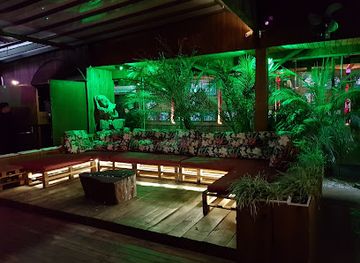
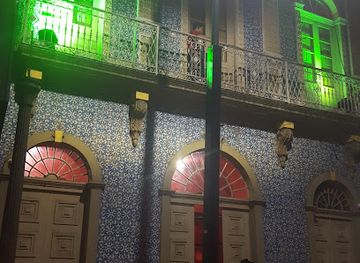
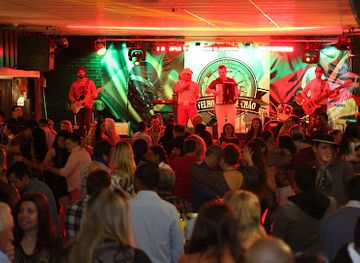
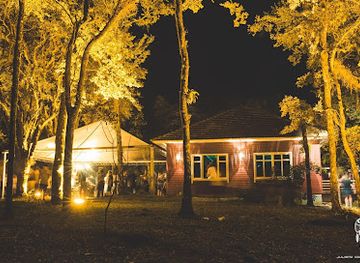
Nightlife in Serra Gaúcha is concentrated in Gramado, Canela, Bento Gonçalves and Caxias do Sul rather than spread evenly across the countryside. Gramado and Canela offer wine bars, cocktail-focused venues, hotel lounges, dessert cafés and restaurants that remain active into the evening, with a more seasonal and visitor-oriented atmosphere during winter and major holiday periods. Bento Gonçalves and Garibaldi provide opportunities for relaxed tastings, brewery visits and evening meals, while Caxias do Sul has the broadest urban choice, including bars, live music and entertainment venues. In rural wine areas, evenings generally centre on an inn, cellar, restaurant or planned tasting rather than spontaneous bar-hopping. Nightclubs exist in the larger towns, but the region is better suited to food, wine, conversation and occasional live music than to a continuous club scene. Check transport in advance after tastings, as rural properties can be far from accommodation and app-based coverage may be less dependable outside town centres.
-
Night club
Estação Bangalô
Discover the ultimate nightlife experience at Estação Bangalô, where music, dancing, and vibrant energy meet in the heart of Bento Gonçalves.
-
Night club
Cabaret Poa
Discover the lively nightlife at Cabaret Poa in Porto Alegre, where vibrant performances and an electric atmosphere await every visitor.
-
Disco club
Old Ground Of Fire
Discover the electric atmosphere of Old Ground Of Fire, a premier disco club in Caxias do Sul, perfect for dancing and enjoying vibrant nightlife.
-
Disco club
Cultive
Experience the vibrant nightlife of Garibaldi at Cultive, a premier disco club offering electrifying music and a lively atmosphere.
Best shops in Serra Gaúcha
Shopping in Serra Gaúcha is closely tied to food, wine and the region's carefully developed visitor culture. Gramado and Canela have concentrated central streets filled with chocolate makers, souvenir shops, clothing, homewares, crafts and regional food products, alongside galleries and independent boutiques. Visitors will find a particularly broad selection of chocolate and wine-related gifts, although quality and style vary between producers. Bento Gonçalves, Garibaldi and the surrounding wine routes offer bottles, sparkling wine, grape products, cheeses, cured meats and cellar-made goods, often purchased directly from producers. Caxias do Sul provides the most extensive conventional retail choice, including shopping centres, high-street stores and larger markets, while Nova Petrópolis is associated with craft traditions, knitwear, gardens and German-Brazilian cultural products. Rural roadside stalls and small farm shops can be rewarding for seasonal produce, but opening arrangements may be informal. Pack fragile bottles securely and check customs and airline rules before carrying wine internationally.
-
Store
Le Jardin Lavanda Park
Discover tranquility at Le Jardin Lavanda Park, a stunning lavender garden in Gramado offering delightful bistro dining and rejuvenating spa experiences.
-
Hypermarket
Nacional
Explore the flavors of Brazil and everyday essentials at Nacional, the vibrant hypermarket in the heart of Gramado.
-
Warehouse club
Casa do Colono | Produtos Regionais de Gramado
Explore the rich flavors of Gramado at Casa do Colono, a vibrant marketplace offering artisanal cakes, fresh produce, and unique handicrafts.
-
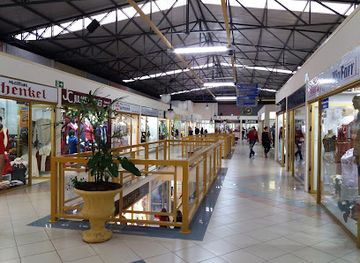
Shopping mall
Centro De Compras Farroupilha
Discover fashion and local flair at Centro De Compras Farroupilha, the ultimate shopping destination in Farroupilha, Brazil.
Get your free copy of our complete guide to Serra Gaúcha, delivered straight to you.
Everything on this page, from attractions and restaurants to essentials and local phrases, in one PDF you can read offline, print or share.
Already have an account? Sign in
Your Serra Gaúcha guide is ready.
We'll send it to · Not you? Sign out

Getting your guide ready…
We are putting together a fresh copy of the Serra Gaúcha guide. This can take up to a minute.
This can take a few moments. If your browser asks, choose Allow so the download can start. You'll find the guide in your Downloads folder.
Nothing happened? Download it again
Sorry, the guide is taking longer than usual. Please try again in a minute, or get it by email instead.
Serra Gaúcha essentials
Currency and Payment
Safety
Emergency Situations
Do's and Don'ts
Local Tips
From Eve
Local phrases worth knowing
You don't need to get them perfect. A few words go a long way, and locals appreciate the effort.
Basics
| English | Local | Say it |
|---|---|---|
| Hello | Olá | [oh-lah] |
| Goodbye | Tchau | [chow] |
| Yes | Sim | [seem] |
| No | Não | [now] |
| Please/You're welcome | Por favor/De nada | [por fah-vor/jeh nah-dah] |
| Thank you | Obrigado/Obrigada | [oh-bree-gah-do/oh-bree-gah-dah] |
| Excuse me/Sorry | Desculpe | [deh-skool-peh] |
| How are you? | Como você está? | [koh-moh voh-seh es-tah] |
| Fine. And you? | Bem. E você? | [bame. ee voh-seh] |
| Do you speak English? | Você fala inglês? | [voh-seh fah-lah een-glehz] |
| I don't understand | Eu não entendo | [ay-ooh now en-ten-doh] |
Eating & Drinking
| English | Local | Say it |
|---|---|---|
| I'd like to see the menu, please | Eu gostaria de ver o cardápio, por favor | [ay-ooh gohs-tah-ree-ah jeh vehr o kar-dah-pyoo, por fah-vor] |
| I don't eat meat | Eu não como carne | [ay-ooh now koh-moh kar-nee] |
| Cheers! | Saúde! | [sah-oo-deh] |
| I would like to pay, please | Eu gostaria de pagar, por favor | [ay-ooh gohs-tah-ree-ah jeh pah-gar, por fah-vor] |
Emergencies
| English | Local | Say it |
|---|---|---|
| Help! | Ajuda! | [ah-zhoo-dah] |
| Go away! | Vá embora! | [vah em-boh-rah] |
| Call the Police! | Chame a polícia! | [sha-mee ah poh-lee-siah] |
| Call a doctor! | Chame um médico! | [sha-mee oong meh-jee-koh] |
| I'm lost | Estou perdido | [es-toh pehr-jee-doo] |
| I'm ill | Estou doente | [es-toh doh-ehn-chee] |
Shopping
| English | Local | Say it |
|---|---|---|
| I'd like to buy... | Eu gostaria de comprar... | [ay-ooh gohs-tah-ree-ah jeh kom-prahr] |
| I'm just looking | Estou apenas olhando | [es-toh ah-peh-nahs oh-lyahn-do] |
| How much is it? | Quanto custa? | [kwan-toh koos-tah] |
| That's too expensive | Isso é muito caro | [ee-soh eh mwee-toh kah-roh] |
| Can you lower the price? | Você pode baixar o preço? | [voh-seh poh-jee bye-shar o pray-soh] |
Time & Numbers
| English | Local | Say it |
|---|---|---|
| What time is it? | Que horas são? | [kee oh-rahz sah-ooh] |
| It's one o'clock | É uma hora | [eh oo-mah oh-rah] |
| Half past (10) | Dez e meia | [dehz ee meh-yah] |
| Morning | Manhã | [mahn-yah] |
| Afternoon | Tarde | [tahr-jee] |
| Evening | Noite | [noy-chee] |
| Yesterday | Ontem | [on-tem] |
| Today | Hoje | [oh-zhee] |
| Tomorrow | Amanhã | [ah-mahn-yah] |
| 1 | Um | [oom] |
| 2 | Dois | [doyz] |
| 3 | Três | [trehz] |
| 4 | Quatro | [kwah-troh] |
| 5 | Cinco | [seen-koh] |
| 6 | Seis | [sayz] |
| 7 | Sete | [seh-chee] |
| 8 | Oito | [oy-toh] |
| 9 | Nove | [noh-vee] |
| 10 | Dez | [dehz] |
Transport & Directions
| English | Local | Say it |
|---|---|---|
| Where's a/the...? | Onde fica um/a...? | [on-jee fee-kah oong/ah] |
| What's the address? | Qual é o endereço? | [kwal eh o en-deh-reh-soh] |
| Can you show me (on the map)? | Você pode me mostrar (no mapa)? | [voh-seh poh-jee mee mos-trar (no mah-pah)] |
| When's the next (bus)? | Quando é o próximo (ônibus)? | [kwan-do eh o proh-see-mo (oh-nee-boos)] |
| A ticket (to ....) | Um bilhete (para....) | [oom bee-lyeh-chee (pah-rah)] |
History of Serra Gaúcha
Indigenous Landscapes Before European Colonisation
The highlands of Rio Grande do Sul were inhabited and travelled by Indigenous peoples long before European settlement. Kaingang communities in particular maintained longstanding connections with the plateau, forests and river valleys, while Guarani peoples also shaped the wider southern Brazilian cultural landscape. Araucaria forests, grasslands and waterways provided food, materials and routes of movement. Much later tourism often presented the Serra through immigrant heritage, but that story is only one layer of its past; Indigenous presence and the consequences of land occupation remain essential to understanding the region.
Tropeiros and the Southern Frontier
From the eighteenth and nineteenth centuries, cattle-driving routes linked the southern highlands with the wider frontier economy of Brazil. Tropeiros moved livestock, goods and information across the plateau, helping connect inland settlements and trading centres. The region's geography made passes and river crossings strategically important, while the broader history of Rio Grande do Sul was marked by disputes over territory and political authority. These routes preceded the later tourism roads and agricultural colonies, and they help explain why the Serra was never an isolated mountain world.
Immigrant Colonies in the Nineteenth Century
From the 1820s, the Brazilian Empire encouraged European immigration and agricultural colonisation in Rio Grande do Sul. German-speaking settlers established communities in parts of the northeastern highlands, while large numbers of Italians arrived from the 1870s onwards and founded colonies in the Serra, including areas around Caxias do Sul, Bento Gonçalves and Garibaldi. Families cleared difficult terrain, cultivated small holdings and built religious and community institutions. Their languages, building traditions and farming practices remain visible, although they developed within a wider Brazilian society rather than existing as isolated European enclaves.
Wine, Agriculture and the Italian-Brazilian Economy
Grapevines accompanied Italian immigration, but commercial wine production expanded through the late nineteenth and twentieth centuries as growers organised cooperatives, improved cellars and connected the Serra to national markets. Caxias do Sul became an important industrial and commercial centre, while Bento Gonçalves, Garibaldi and neighbouring municipalities developed a strong wine identity. Small-scale agriculture also supported dairies, orchards, maize cultivation, cured meats and regional food production. The modern wine route rests on this long agricultural history rather than on tourism alone.
Industrialisation and Urban Growth in Caxias do Sul
During the twentieth century, Caxias do Sul grew from an immigrant agricultural colony into one of southern Brazil's major industrial centres. Metalworking, machinery, furniture, transport equipment and other manufacturing sectors expanded, drawing workers and investment from across the region. This industrial transformation gave Serra Gaúcha a more complex economy than its pastoral and wine imagery suggests. It also produced the urban infrastructure, trade networks and cultural institutions that support the surrounding tourism destinations today.
Tourism, Hospitality and the Reinvention of Gramado
Gramado and Canela developed from small highland settlements into nationally prominent tourism centres during the twentieth century. Cooler weather, wooded scenery and railway-era access helped attract visitors from Rio Grande do Sul and beyond. Hotels, restaurants, gardens, festivals and carefully maintained architecture gradually shaped the resort-town identity associated with the area. The result is a distinctive form of Brazilian domestic tourism: European references are prominent in the visual language, but the hospitality economy, celebrations and visitor culture are firmly rooted in contemporary Brazil.
Wine Recognition and Landscape-Based Tourism
In recent decades, Serra Gaúcha has broadened from a traditional agricultural and leisure destination into a major wine, food and nature region. Producers have invested in sparkling wine, quality-focused vineyards, tasting rooms and wine tourism, while the Vale dos Vinhedos became particularly prominent for estate visits and rural hospitality. At the same time, the canyon country around Cambará do Sul and the natural parks near the eastern escarpment gained wider recognition. Tourism now links gastronomy, heritage and landscapes, although rural production remains fundamental to the region's identity.
Serra Gaúcha in Photos
Browse through our photo collection highlighting the charm and character of the destination.
Neighbouring regions of Serra Gaúcha
The closest regions to Serra Gaúcha, if you have time for more than one.
-

-

-

-

-


Swipe for more regions
Explore more

Explore more of Brazil
Discover Brazil: a land of samba, stunning landscapes, and rich history. From the Amazon to Rio, explore diverse cultures, world-class cuisine, and vibrant festivals.
Explore Brazil