

Free Planalto Meridional Travel Guide & Mobile App
Explore Planalto Meridional with free travel guides. Discover regional history, expert tips, proposed trips, and audio guides on web or mobile app.


Discover the wonders of Planalto Meridional: Brazil's hidden gem with stunning landscapes, rich biodiversity, and a vibrant culture waiting to be explored.
Read more about Planalto Meridional
When is the best time to visit Planalto Meridional?
Best: April, September–October · 23–26°C| Month | High (°C) | Rainfall (mm) |
|---|---|---|
| January | 28 | 150 |
| February | 29 | 140 |
| March | 27 | 130 |
| April (best) | 25 | 120 |
| May | 21 | 110 |
| June | 19 | 100 |
| July | 18 | 90 |
| August | 20 | 100 |
| September (best) | 23 | 110 |
| October (best) | 26 | 120 |
| November | 27 | 130 |
| December | 28 | 140 |
Getting to and around Planalto Meridional
How to get there
Transportation
Top city travel guides in Planalto Meridional
The cities of Planalto Meridional, and the easiest places to base yourself.
-
 São Paulo
Discover São Paulo, Brazil’s largest city, where cultural diversity, culinary delights, and vibrant neighborhoods create an unforgettable urban experience.
São Paulo
Discover São Paulo, Brazil’s largest city, where cultural diversity, culinary delights, and vibrant neighborhoods create an unforgettable urban experience.
-
 Florianópolis
Discover Florianópolis: Brazil's enchanting island paradise with pristine beaches, rich culture, and vibrant nightlife.
Florianópolis
Discover Florianópolis: Brazil's enchanting island paradise with pristine beaches, rich culture, and vibrant nightlife.
-
 Foz do Iguaçu
Discover Foz do Iguaçu, where the power of nature meets cultural richness. Home to the magnificent Iguaçu Falls and vibrant biodiversity, it's a must-visit destination.
Foz do Iguaçu
Discover Foz do Iguaçu, where the power of nature meets cultural richness. Home to the magnificent Iguaçu Falls and vibrant biodiversity, it's a must-visit destination.
Swipe for more cities
Destinations in Planalto Meridional
Resorts, valleys and scenic spots worth a trip of their own.
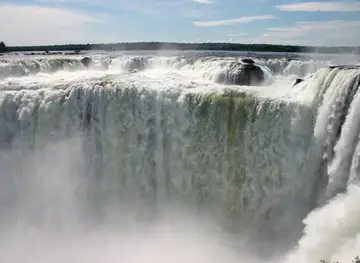
Swipe for more destinations
Best attractions in Planalto Meridional
Planalto Meridional, a hidden gem in the heart of Brazil, offers a captivating blend of natural beauty and rich history that will enchant any traveler. From the breathtaking vistas of the Aparados da Serra National Park, where dramatic cliffs and cascading waterfalls create a stunning backdrop for hiking and photography, to the intriguing historical paths of the Estrada Real, once a vital route for gold transport, the region brims with stories of the past. Visitors can explore charming colonial towns like São João del Rei and Tiradentes, where cobblestone streets and baroque churches transport you back in time, or delve into the vibrant culture of Curitiba, known for its innovative urban planning and lush botanical gardens. For those seeking adventure, the region's extensive cave systems, such as the impressive Gruta de Maquiné, and the adrenaline-filled rafting opportunities in the turbulent waters of the Iguaçu River promise unforgettable experiences. Food enthusiasts will relish the chance to savor local culinary delights, from savory pão de queijo to exquisite wines from the nearby vineyards of Rio Grande do Sul. Whether you're a history buff, nature lover, or thrill-seeker, Planalto Meridional promises a journey filled with discoveries and delights.
-
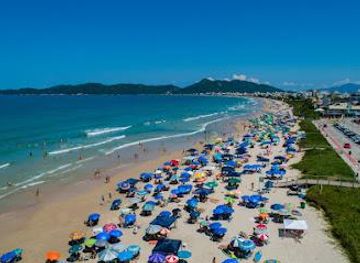
Public beach
Guarda do Embaú Beach
Discover Guarda do Embaú: Where world-class surf meets pristine beaches and lush rainforest in Brazil's stunning Santa Catarina.
-
Tourist attraction
Praia do Mariscal
Discover Praia do Mariscal in Bombinhas: crystal-clear waters, golden sands, and a paradise for surfing and nature lovers!
-
Tourist attraction
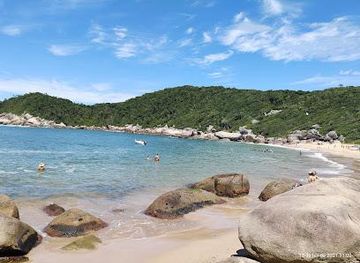
Tainha Beach
Discover Praia da Tainha in Bombinhas: a secluded beach with crystal-clear waters, stunning scenery, and a tranquil escape from the everyday.
-
Scenic spot
Eco 360º
Discover breathtaking 360º views, nature trails, and thrilling adventures at Eco 360º in Bombinhas, Santa Catarina.


Best landmarks in Planalto Meridional
Planalto Meridional in Brazil, a treasure trove for history buffs and nature enthusiasts alike, offers a mesmerizing journey through its stunning landscapes and rich cultural heritage. Explore the majestic Aparados da Serra National Park, home to the awe-inspiring Itaimbezinho Canyon with its sheer cliffs and cascading waterfalls. Wander through the charming colonial towns like Gramado and Canela, where European architecture and vibrant festivals bring a slice of Europe to South America. Delve into the region's indigenous history at the archaeological site of São Miguel das Missões, a UNESCO World Heritage site showcasing the remnants of 17th-century Jesuit missions. Hike through the verdant Serra Geral mountain range, where breathtaking vistas and diverse wildlife await at every turn. Whether you're captivated by the geological wonders or the historical richness, Planalto Meridional promises an unforgettable adventure.
-
Tourist attraction
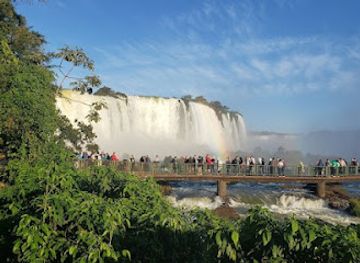
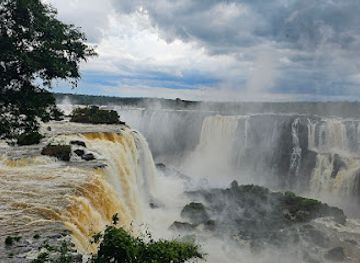
Iguazu Falls
Experience the awe-inspiring power and beauty of Iguazu Falls, a natural wonder spanning Argentina and Brazil. Explore diverse trails and breathtaking views.
-
Cultural landmark
Christ the Redeemer
Visit Christ the Redeemer: Rio's iconic landmark, offering breathtaking views and a symbol of peace. A must-see wonder of the world!
-
National park
Iguazú National Park
Experience the breathtaking beauty of Iguazú National Park, home to stunning waterfalls and rich biodiversity in the heart of Argentina.
-
Tourist attraction
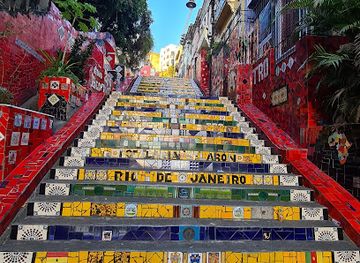
Escadaria Selarón
Discover Rio's iconic Escadaria Selarón: a vibrant mosaic staircase connecting cultures and celebrating the artistic spirit of Brazil.

Explore Planalto Meridional on the map
Plan your trip on one map. See where the top cities, national parks and sights are, and book hotels and experiences in a few clicks.
Best hotels in Planalto Meridional
Best restaurants in Planalto Meridional
Planalto Meridional offers a diverse and vibrant dining scene that reflects the region's rich cultural tapestry and bountiful natural resources. Visitors can indulge in traditional Brazilian churrasco, savoring succulent cuts of meat grilled to perfection, or explore the unique flavors of the local cuisine, which often features ingredients like pine nuts from the Araucária trees and locally sourced freshwater fish. Numerous charming eateries serve hearty dishes inspired by the area's Italian and German heritage, such as pasta, polenta, and sausages, often paired with fine wines from the nearby vineyards. Street food enthusiasts will delight in the bustling markets where they can sample pastel de feira, coxinha, and other Brazilian snacks, all while absorbing the lively atmosphere. Whether dining in sophisticated restaurants with panoramic views of the surrounding landscapes or enjoying a casual meal in a rustic setting, Planalto Meridional promises a gastronomic adventure that captivates the senses and celebrates its diverse culinary heritage.
-
Barbecue
Fogo de Chão
Savor authentic Brazilian barbecue at Fogo de Chão in Botafogo – where every meal is a celebration of flavor.
-
Seafood
Restaurante Marius Degustare
Experience exquisite seafood and Brazilian cuisine at Restaurante Marius Degustare in Copacabana with stunning ocean views.
-
Bar
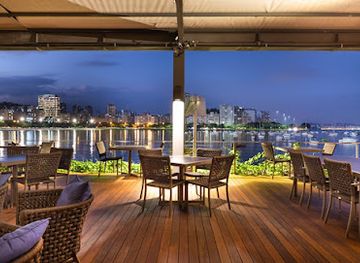
Bar e Restaurante Urca
Discover authentic Brazilian flavors and breathtaking views at Bar e Restaurante Urca in Rio de Janeiro's picturesque Urca neighborhood.
-
Restaurant
Sallva Bar e Ristorante - Pontão Lago Sul - Brasília DF
Experience the finest Mediterranean cuisine at Sallva Bar e Ristorante in Brasília's scenic Lago Sul.
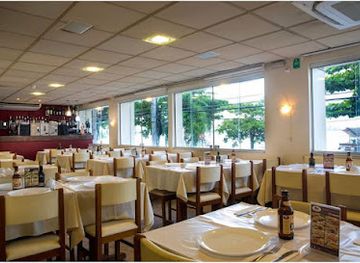

Best bars in Planalto Meridional
Planalto Meridional's nightlife is a vibrant tapestry of culture and excitement, offering visitors an unforgettable experience. As the sun sets, the region's charming towns and cities come alive with an array of lively bars, chic nightclubs, and traditional samba houses. Enjoy a night of dancing to pulsating beats in modern clubs, where local DJs spin a mix of electronic music and Brazilian rhythms. For a more laid-back experience, sip on caipirinhas in cozy bars that exude rustic charm and often feature live music performances ranging from Bossa Nova to regional folk songs. Don't miss the street parties and cultural events that frequently take place, showcasing the spirited and hospitable nature of the locals. Whether you're looking to dance the night away or simply soak in the vibrant atmosphere, Planalto Meridional's nightlife scene promises an exhilarating adventure for every kind of traveler.
-
Beer hall
GALPÃO 17 DF
Experience the vibrant culinary scene at GALPÃO 17 DF, a must-visit beer hall in Brasília, showcasing local flavors and a lively atmosphere.
-
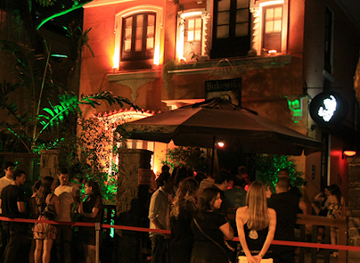
Night club
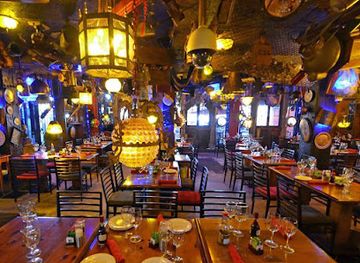
Rio Scenarium
Experience the vibrant nightlife of Rio de Janeiro at Rio Scenarium, a stunning venue for live music and delicious Brazilian cuisine.
-
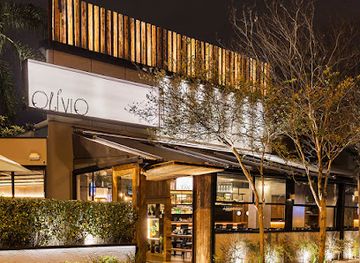
Bar
Olívio Bar & Gastronomy
Experience the vibrant culinary scene of São Paulo at Olívio Bar & Gastronomy, where exquisite dishes meet a lively atmosphere in Vila Madalena.
-
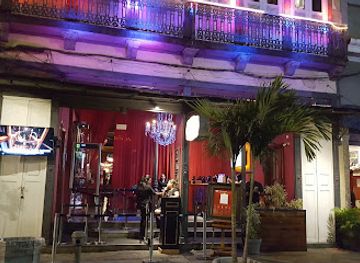
Bar
Bar Bukowski
Experience the vibrant nightlife of Rio de Janeiro at Bar Bukowski, where rock music meets disco in a lively atmosphere.

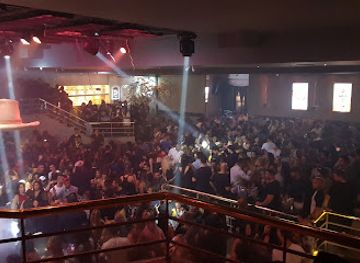
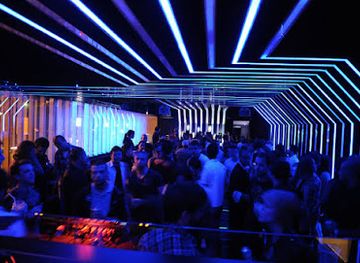
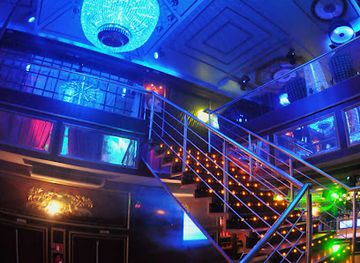
Best nightclubs in Planalto Meridional
Planalto Meridional's nightlife is a vibrant tapestry of culture and excitement, offering visitors an unforgettable experience. As the sun sets, the region's charming towns and cities come alive with an array of lively bars, chic nightclubs, and traditional samba houses. Enjoy a night of dancing to pulsating beats in modern clubs, where local DJs spin a mix of electronic music and Brazilian rhythms. For a more laid-back experience, sip on caipirinhas in cozy bars that exude rustic charm and often feature live music performances ranging from Bossa Nova to regional folk songs. Don't miss the street parties and cultural events that frequently take place, showcasing the spirited and hospitable nature of the locals. Whether you're looking to dance the night away or simply soak in the vibrant atmosphere, Planalto Meridional's nightlife scene promises an exhilarating adventure for every kind of traveler.
-
Disco club
Vitrinni Lounge Beer
Experience the vibrant nightlife of Rio de Janeiro at Vitrinni Lounge Beer - a premier disco club in Barra da Tijuca.
-
Disco club
Santa Club Lagoa Nightclub
Unleash your party spirit at Santa Club Lagoa, a vibrant disco club and bar in Florianópolis, where music and dance create unforgettable nights.
-
Night club
D-Edge
Experience the electrifying nightlife at D-Edge, São Paulo's premier nightclub, featuring world-class DJs and stunning visuals.
-
Night club
Le Rêve Club
Experience the vibrant nightlife of São Paulo at Le Rêve Club, where electrifying music and a lively atmosphere come together.

Best shops in Planalto Meridional
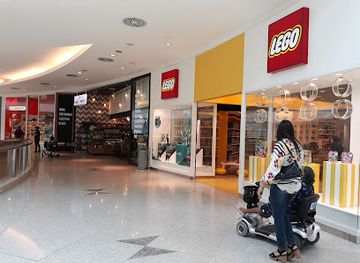
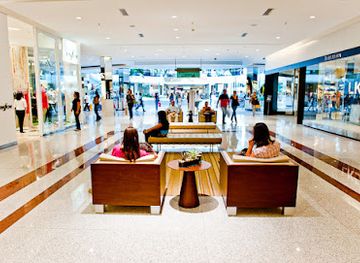
The shopping scene in Planalto Meridional is a vibrant blend of traditional and contemporary experiences, where visitors can explore bustling local markets teeming with handmade crafts, regional delicacies, and unique souvenirs that capture the essence of Brazilian culture. Nestled within its charming towns and cities are chic boutiques offering the latest in fashion, artisanal jewelry, and home decor, alongside modern shopping malls that boast international brands and entertainment options. This dynamic region invites tourists to wander through lively streets filled with colorful storefronts, savor the aroma of freshly brewed Brazilian coffee, and discover hidden gems in quaint antique shops, ensuring a delightful and immersive shopping adventure.
-
Shopping mall
RioMar Recife
Explore RioMar Recife: A vibrant shopping mall offering diverse retail, dining, and entertainment experiences in the heart of Brazil's beautiful Pernambuco state.
-
Shopping mall
BarraShopping
Discover BarraShopping, Rio's premier shopping mall offering an extensive selection of stores, restaurants, and entertainment options for an unforgettable experience.
-
Shopping mall
Shopping RioSul
Discover Shopping RioSul: A dynamic shopping mall in Botafogo with diverse shops, delicious dining, and endless entertainment for tourists.
-
Shopping mall
ParkShopping
Discover the ultimate shopping destination in Brasília at ParkShopping, featuring top brands, delicious dining, and family-friendly entertainment options.


Get your free copy of our complete guide to Planalto Meridional, delivered straight to you.
Everything on this page, from attractions and restaurants to essentials and local phrases, in one PDF you can read offline, print or share.
Already have an account? Sign in
Your Planalto Meridional guide is ready.
We'll send it to · Not you? Sign out

Getting your guide ready…
We are putting together a fresh copy of the Planalto Meridional guide. This can take up to a minute.
This can take a few moments. If your browser asks, choose Allow so the download can start. You'll find the guide in your Downloads folder.
Nothing happened? Download it again
Sorry, the guide is taking longer than usual. Please try again in a minute, or get it by email instead.
Planalto Meridional essentials
Currency and Payment
Safety
Emergency Situations
Do's and Don'ts
Local Tips
From Eve
Local phrases worth knowing
You don't need to get them perfect. A few words go a long way, and locals appreciate the effort.
Basics
| English | Local | Say it |
|---|---|---|
| Hello | Olá | [oh-LAH] |
| Goodbye | Adeus | [ah-DEH-oos] |
| Yes | Sim | [seem] |
| No | Não | [now] |
| Please/You're welcome | Por favor/De nada | [por fah-VOR/deh NAH-dah] |
| Thank you | Obrigado/Obrigada | [oh-bree-GAH-do/oh-bree-GAH-dah] |
| Excuse me/Sorry | Desculpe | [des-KOOL-peh] |
| How are you? | Como você está? | [KOH-moo voh-SEH eh-STAH] |
| Fine. And you? | Bem. E você? | [BENG. ee voh-SEH] |
| Do you speak English? | Você fala inglês? | [voh-SEH FAH-lah een-GLEHZ] |
| I don't understand | Eu não entendo | [eh-oo now en-TEN-doo] |
Eating & Drinking
| English | Local | Say it |
|---|---|---|
| I'd like to see the menu, please | Gostaria de ver o menu, por favor | [goh-stah-REE-ah jeh vehr oo meh-NOO, por fah-VOR] |
| I don't eat meat | Eu não como carne | [eh-oo now KOH-moo KAR-nee] |
| Cheers! | Saúde! | [sah-OO-dee] |
| I would like to pay, please | Eu gostaria de pagar, por favor | [eh-oo goh-stah-REE-ah jeh pah-GAR, por fah-VOR] |
Emergencies
| English | Local | Say it |
|---|---|---|
| Help! | Socorro! | [soh-KOH-roh] |
| Go away! | Vá embora! | [vah em-BOH-rah] |
| Call the Police! | Chame a polícia! | [SHAH-mee ah poh-LEE-syah] |
| Call a doctor! | Chame um médico! | [SHAH-mee oom MEH-jee-koh] |
| I'm lost | Estou perdido | [eh-STOH pehr-DEE-doo] |
| I'm ill | Estou doente | [eh-STOH doh-EN-chee] |
Shopping
| English | Local | Say it |
|---|---|---|
| I'd like to buy... | Gostaria de comprar... | [goh-stah-REE-ah jeh kohm-PRAHR] |
| I'm just looking | Estou apenas olhando | [eh-STOH ah-PEH-nahs oh-LYAHN-doo] |
| How much is it? | Quanto custa? | [KWAN-toh KOOS-tah] |
| That's too expensive | Isso é muito caro | [EE-soh eh MOY-toh KAH-roh] |
| Can you lower the price? | Você pode baixar o preço? | [voh-SEH POH-jee bye-SHAHR oo PREH-soh] |
Time & Numbers
| English | Local | Say it |
|---|---|---|
| What time is it? | Que horas são? | [kee OH-ras sah-OO] |
| It's one o'clock | É uma hora | [eh oo-mah OH-rah] |
| Half past (10) | Dez e meia | [dehz ee MAY-ah] |
| Morning | Manhã | [mahn-YAH] |
| Afternoon | Tarde | [TAR-jee] |
| Evening | Noite | [NOY-chee] |
| Yesterday | Ontem | [ON-tem] |
| Today | Hoje | [OH-zhee] |
| Tomorrow | Amanhã | [ah-mahn-YAH] |
| 1 | Um | [oom] |
| 2 | Dois | [doh-ees] |
| 3 | Três | [trays] |
| 4 | Quatro | [KWAH-troh] |
| 5 | Cinco | [SEEN-koh] |
| 6 | Seis | [says] |
| 7 | Sete | [SEH-chee] |
| 8 | Oito | [OY-toh] |
| 9 | Nove | [NOH-vee] |
| 10 | Dez | [dehz] |
Transport & Directions
| English | Local | Say it |
|---|---|---|
| Where's a/the...? | Onde fica um/um(a)...? | [ON-jee FEE-kah oom/oom(ah)...] |
| What's the address? | Qual é o endereço? | [kwow eh oo en-deh-REH-soh] |
| Can you show me (on the map)? | Você pode me mostrar (no mapa)? | [voh-SEH POH-jee mee mohs-TRAR (noh MAH-pah)?] |
| When's the next (bus)? | Quando é o próximo (ônibus)? | [KWAN-doo eh oo PROH-see-moh (OH-nee-boos)?] |
| A ticket (to ....) | Um bilhete (para ...) | [oom bee-LYEH-chee (PAH-rah ...)] |
History of Planalto Meridional
Formation and Geological Significance
The Planalto Meridional, or Southern Plateau, is a significant geological formation in Brazil. It stretches across the southern states of Paraná, Santa Catarina, and Rio Grande do Sul. This plateau was formed during the Mesozoic Era, around 180 million years ago, as a result of volcanic activities. The extensive basaltic lava flows created the Paraná Basin, which is one of the largest volcanic provinces in the world. The geological richness of the region contributes to its unique landscapes and fertile soils.
Indigenous Tribes and Early Inhabitants
Before European colonization, the Planalto Meridional was inhabited by various indigenous tribes, including the Guarani, Kaingang, and Xokleng peoples. These tribes thrived in the region, utilizing its resources for agriculture, hunting, and gathering. The Guarani, in particular, are known for their sophisticated agricultural practices and deep spiritual connection to the land. Their rich cultural heritage is still evident in the region today through archaeological sites and preserved traditions.
European Colonization and Settlement
In the 16th century, Portuguese explorers began to venture into the Planalto Meridional. The region's fertile land and favorable climate attracted European settlers, primarily from Portugal, Italy, Germany, and Poland. These immigrants established agricultural colonies, cultivating crops such as wheat, grapes, and tobacco. The European influence is still visible in the region's architecture, cuisine, and cultural festivals.
Economic Development and Coffee Boom
The late 19th and early 20th centuries saw significant economic development in the Planalto Meridional, driven by the coffee boom. Coffee plantations flourished in the region, particularly in Paraná, contributing to Brazil's rise as a global coffee exporter. The construction of railways facilitated the transport of coffee and other agricultural products, further boosting the local economy. This period of prosperity led to urbanization and the growth of cities such as Curitiba and Porto Alegre.
Modernization and Industrial Growth
In the mid-20th century, the Planalto Meridional underwent significant modernization and industrialization. The establishment of industries in sectors like automotive, textiles, and food processing transformed the region's economic landscape. Cities like Joinville and Blumenau became industrial hubs, attracting a workforce from across Brazil. The region's infrastructure improved with the development of highways, airports, and ports, facilitating trade and tourism.
Cultural Festivals and Traditions
The Planalto Meridional is renowned for its vibrant cultural festivals and traditions, many of which reflect its diverse heritage. Oktoberfest in Blumenau is one of the largest German festivals outside of Germany, celebrating the region's German ancestry with beer, traditional dances, and music. The Festa da Uva in Caxias do Sul, honoring Italian heritage, showcases the region's wine production and Italian cuisine. These festivals attract visitors from around the world, offering a glimpse into the region's rich cultural tapestry.
Natural Attractions and Ecotourism
The Planalto Meridional boasts numerous natural attractions, making it a popular destination for ecotourism. The Iguaçu Falls, located on the border of Paraná and Argentina, is one of the most spectacular waterfalls in the world. The Aparados da Serra National Park, with its dramatic canyons and diverse wildlife, offers opportunities for hiking, birdwatching, and camping. The region's natural beauty and biodiversity make it a paradise for nature enthusiasts and adventure seekers.
Planalto Meridional in Photos
Browse through our photo collection highlighting the charm and character of the destination.
Neighbouring regions of Planalto Meridional
The closest regions to Planalto Meridional, if you have time for more than one.
-
 South Region
Discover the South Region of Brazil: A captivating destination that offers Iguazu Falls, stunning beaches, rich cultural heritage, and picturesque vineyards.
South Region
Discover the South Region of Brazil: A captivating destination that offers Iguazu Falls, stunning beaches, rich cultural heritage, and picturesque vineyards.
-
 Serra Gaúcha
Discover the enchanting mix of European charm and Brazilian culture in Serra Gaúcha, a picturesque mountain region known for its vineyards, festivals, and natural beauty.
Serra Gaúcha
Discover the enchanting mix of European charm and Brazilian culture in Serra Gaúcha, a picturesque mountain region known for its vineyards, festivals, and natural beauty.
-
 Pampas
Discover the serene grasslands of the Brazilian Pampas, where nature, wildlife, and gaucho culture come together to offer an unforgettable experience.
Pampas
Discover the serene grasslands of the Brazilian Pampas, where nature, wildlife, and gaucho culture come together to offer an unforgettable experience.
-
 Serra do Mar
Discover Brazil's Serra do Mar: A majestic mountain range offering lush rainforests, cascading waterfalls, and rich cultural experiences along the southeastern coast.
Serra do Mar
Discover Brazil's Serra do Mar: A majestic mountain range offering lush rainforests, cascading waterfalls, and rich cultural experiences along the southeastern coast.
-
 Planalto Atlântico
Discover Planalto Atlântico: Brazil's serene highland retreat with stunning natural landscapes, rich biodiversity, and a vibrant cultural heritage.
Planalto Atlântico
Discover Planalto Atlântico: Brazil's serene highland retreat with stunning natural landscapes, rich biodiversity, and a vibrant cultural heritage.
Swipe for more regions

