

Free Recôncavo Travel Guide & Mobile App
Explore Recôncavo with free travel guides. Discover regional history, expert tips, proposed trips, and audio guides on web or mobile app.


Explore Brazil's Recôncavo for colonial river towns, Afro-Brazilian heritage, Bahian cuisine, tobacco history and waterways near Salvador.
Read more about Recôncavo
When is the best time to visit Recôncavo?
Best: July–September · 26–27°C| Month | High (°C) | Rainfall (mm) |
|---|---|---|
| January | 29 | 100 |
| February | 29 | 90 |
| March | 29 | 110 |
| April | 28 | 120 |
| May | 28 | 130 |
| June | 27 | 110 |
| July (best) | 26 | 100 |
| August (best) | 26 | 90 |
| September (best) | 27 | 100 |
| October | 28 | 110 |
| November | 28 | 120 |
| December | 29 | 130 |
Getting to and around Recôncavo
How to get there
Transportation
Top city travel guides in Recôncavo
The cities of Recôncavo, and the easiest places to base yourself.

Swipe for more cities
Best attractions in Recôncavo
The Recôncavo's attractions are rooted in living historic towns, waterways and cultural traditions rather than in a single resort or theme park. Cachoeira offers churches, convents, museums and streets of nineteenth-century houses, while São Félix across the Paraguaçu provides a complementary perspective on river commerce and tobacco processing. The river itself is central to the experience, whether viewed from the old urban waterfronts or encountered through a locally arranged boat trip. Santo Amaro adds historic religious buildings, markets and a strong connection with music and popular festivals. Maragogipe combines estuarine scenery, fishing culture and a distinctive carnival tradition, while São Francisco do Conde reflects the region's plantation, maritime and industrial history. Visitors interested in Afro-Brazilian culture can learn about samba de roda, religious traditions and community celebrations through respectful, locally informed encounters. Rural roads reveal sugar-country landscapes, small farms and waterways, although access and services can be limited. Museums and heritage buildings may have variable opening arrangements, so checking locally is sensible. The region rewards thematic itineraries focused on history, food, music, architecture or the bay rather than a checklist of isolated sights.
-
Tourist attraction
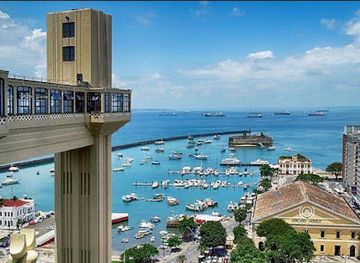
Elevador Lacerda
Ascend to breathtaking views and connect with Salvador's history on the iconic Elevador Lacerda, linking the upper and lower cities since 1873.
-
Art museum
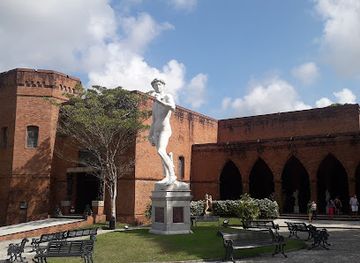
Instituto Ricardo Brennand
Discover European art and armory in a stunning castle setting at Recife's Instituto Ricardo Brennand, a cultural gem in Brazil.
-
Tourist attraction
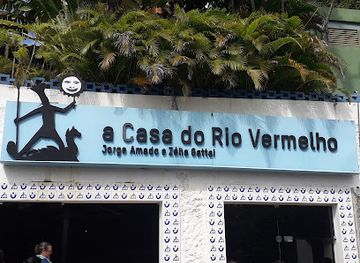
a Casa do Rio Vermelho
Explore the lives and legacy of Jorge Amado and Zélia Gattai at their former home, now a vibrant cultural center in Salvador's Rio Vermelho.
-
Plaza
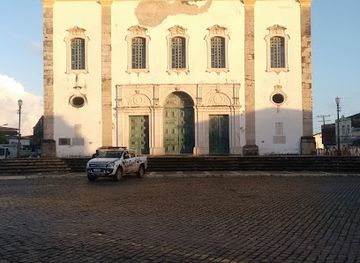
Praça da Purificação
Experience the vibrant heart of Santo Amaro at Praça da Purificação, a historic plaza filled with culture, architecture, and local life.
Best landmarks in Recôncavo
The paired historic centres of Cachoeira and São Félix, facing one another across the Paraguaçu River, are the Recôncavo's defining urban landmark landscape. Cachoeira's Church and Convent of Nossa Senhora do Carmo, the Church of Nossa Senhora da Ajuda and the former Casa de Câmara e Cadeia express the town's colonial and imperial-era importance, while São Félix is marked by its riverside setting, historic churches and industrial heritage. The Paraguaçu itself is a geographical landmark, shaping trade, settlement and the visual identity of both towns. In Santo Amaro, churches and historic streets reflect the wealth and social structures of the former sugar zone, while São Francisco do Conde's bay-facing position recalls its plantation and maritime past. Maragogipe's waterfront and estuarine surroundings show a different relationship with tidal waters and fishing. These places should be read as inhabited landscapes: their significance lies not only in façades but also in religious practice, festivals, markets, river transport and memories of the communities that maintain them.
-
Tourist attraction
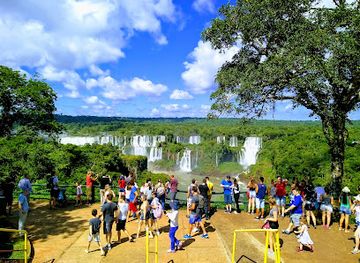
Iguazu Falls
Experience the awe-inspiring power of nature at Iguazu Falls, a South American jewel shared by Argentina and Brazil. A UNESCO World Heritage site.
-
Cultural landmark
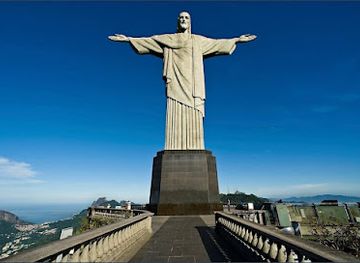
Christ the Redeemer
An iconic symbol of peace and Brazilian culture, offering breathtaking panoramic views of Rio de Janeiro from atop Corcovado Mountain.
-
Hiking area
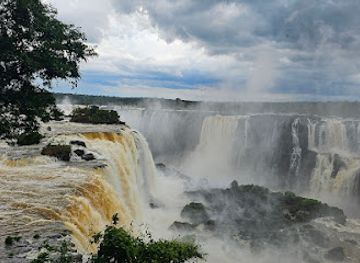
Iguazú National Park
Experience the awe-inspiring power of nature at Iguazú National Park, home to the majestic Iguazú Falls and a vibrant subtropical rainforest.
-
Tourist attraction
Museu Náutico da Bahia - Farol da Barra
Explore Brazil's maritime history at the Museu Náutico da Bahia, housed in a historic lighthouse with stunning ocean views.

Explore Recôncavo on the map
Plan your trip on one map. See where the top cities, national parks and sights are, and book hotels and experiences in a few clicks.
Best hotels in Recôncavo
Best restaurants in Recôncavo
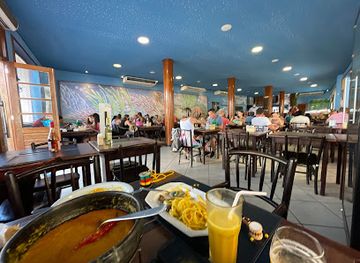
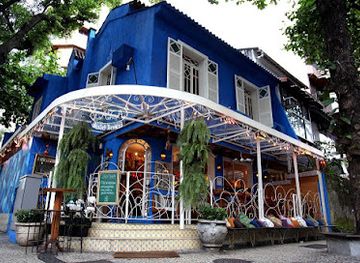
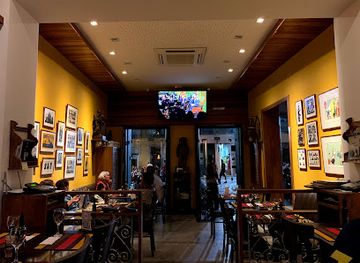
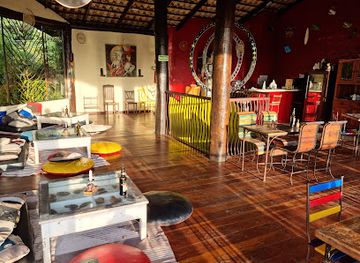
Recôncavo dining belongs to the broader Bahian culinary world while retaining strong links with its own fishing, agricultural and market communities. Dendê oil, coconut, cassava, maize, beans and fresh or dried seafood appear in dishes such as moqueca, ensopados, acarajé and abará, with recipes and seasoning varying from one household or town to another. In Cachoeira, São Félix, Santo Amaro and Maragogipe, look for small restaurants, market counters, bakeries and family-run kitchens rather than expecting a large formal dining scene. Rice, beans, grilled meats and everyday Brazilian plates provide reliable alternatives to seafood. Regional sweets, coconut-based preparations and corn dishes are especially associated with festive periods and local celebrations. Markets are useful for fruit, spices and snacks, while rural areas may have limited evening service. Ask whether a dish is prepared to order and confirm payment methods before sitting down. Food connected with Afro-Brazilian religious traditions should be understood in its cultural context, not reduced to a tourist novelty.
-
Traditional restaurant
Odoyá
Experience the essence of Bahian cuisine at Odoyá, where fresh seafood meets vibrant culture in Salvador's historic Pelourinho district.
-
Bistro
Zazá Bistrô Tropical
Discover Zazá Bistrô Tropical: A Fusion Bistro Experience in Ipanema Offering Fresh Flavors and Vibrant Atmosphere.
-
Restaurant
Cuco Bistrô
Experience Salvador's vibrant culinary scene at Cuco Bistrô with exquisite seafood dishes, refreshing cocktails, and captivating live music.
-
Restaurant
Santo Cerrado Risoteria e Café
Experience authentic Brazilian cuisine at Santo Cerrado Risoteria e Café, renowned for its delightful risottos and welcoming atmosphere.
Best bars in Recôncavo
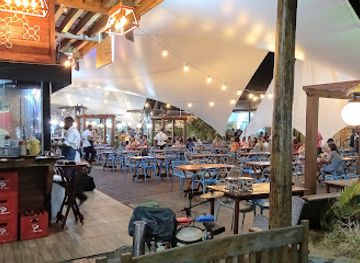
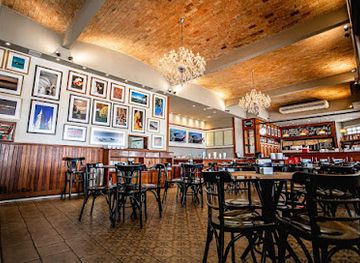
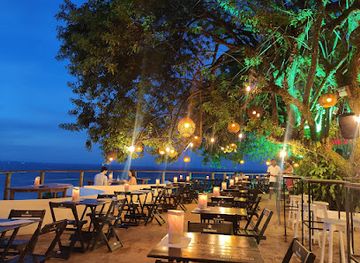
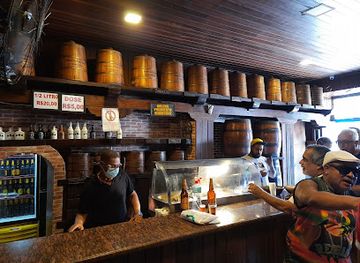
Evening life in the Recôncavo is generally social and local rather than dominated by large nightclubs. In Cachoeira and São Félix, small bars, casual restaurants and riverside establishments provide places to meet over beer, cachaça, soft drinks and food, with busier atmospheres during festivals and cultural events. Santo Amaro has a broader local evening scene, including bars, music and celebrations linked to its strong traditions of popular culture. Maragogipe's nightlife can become especially animated around carnival, while smaller towns usually quieten early outside event periods. Live samba de roda, regional music and community festivities offer a more representative night-time experience than a conventional club circuit, but schedules are seasonal and should be confirmed locally. Visitors should avoid assuming that religious or cultural gatherings are entertainment venues, and should respect photography and participation rules. For a wider choice of late-night venues, Salvador, outside the Recôncavo, is the region's principal nearby urban option.
-
Food court
Red River Fish Market
Experience the vibrant flavors of Salvador at Red River Fish Market, a top food court with fresh seafood and lively bars.
-
Buffet
Bar Vesúvio
Experience the rich flavors of Brazil at Bar Vesúvio, a renowned buffet and bar in the heart of Ilhéus, Bahia.
-
Restaurant
Toca do Morcego - Chill Out Bar & Dance Club
Discover the vibrant nightlife and relaxing atmosphere at Toca do Morcego, Gamboa's premier chill out bar and dance club in Bahia.
-
Cocktail bar
O cravinho
Experience the vibrant atmosphere and exquisite cocktails at O Cravinho, a top cocktail bar in Salvador's historic Pelourinho district.
Best nightclubs in Recôncavo
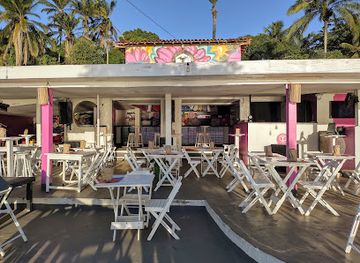
Evening life in the Recôncavo is generally social and local rather than dominated by large nightclubs. In Cachoeira and São Félix, small bars, casual restaurants and riverside establishments provide places to meet over beer, cachaça, soft drinks and food, with busier atmospheres during festivals and cultural events. Santo Amaro has a broader local evening scene, including bars, music and celebrations linked to its strong traditions of popular culture. Maragogipe's nightlife can become especially animated around carnival, while smaller towns usually quieten early outside event periods. Live samba de roda, regional music and community festivities offer a more representative night-time experience than a conventional club circuit, but schedules are seasonal and should be confirmed locally. Visitors should avoid assuming that religious or cultural gatherings are entertainment venues, and should respect photography and participation rules. For a wider choice of late-night venues, Salvador, outside the Recôncavo, is the region's principal nearby urban option.
-
Restaurant
Toca do Morcego - Chill Out Bar & Dance Club
Experience the vibrant nightlife of Bahia at Toca do Morcego, the ultimate chill out bar and dance club in Gamboa.
-
Disco club
Vitrinni Lounge Beer
Experience the vibrant nightlife of Rio de Janeiro at Vitrinni Lounge Beer, a premier disco club with lively music and exquisite drinks.
-
Disco club
Santa Club Lagoa Nightclub
Discover the electrifying nightlife at Santa Club Lagoa, a premier disco club in the heart of Florianópolis, perfect for dancing and socializing.
-
Disco club
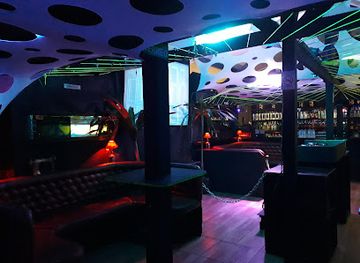
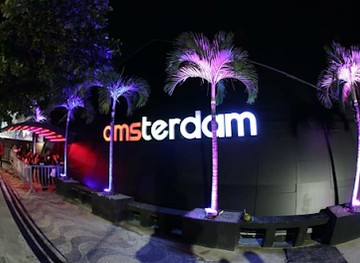
Amsterdam Pop Club
Discover the vibrant nightlife and energetic atmosphere of Amsterdam Pop Club, a must-visit disco in Salvador's Rio Vermelho neighborhood.

Best shops in Recôncavo
Shopping in the Recôncavo is centred on traditional high streets, municipal markets, small food shops and independent stalls rather than large retail complexes. Cachoeira and São Félix are good places to browse regional crafts, religious imagery, handmade objects, textiles, artwork and books connected with local history, although stock and opening arrangements vary. Markets in Santo Amaro, Maragogipe and other towns offer fruit, cassava products, spices, sweets, prepared foods and household goods used by residents rather than items made solely for visitors. Look for locally produced farinha, pepper sauces, coconut sweets, cachaça and other shelf-stable foods, checking packaging and transport rules before taking them abroad. Art associated with samba, Afro-Brazilian culture and the region's historic river towns can be meaningful purchases when sold with the maker's consent and fair attribution. Bargaining is not appropriate everywhere, so ask politely whether a price is negotiable. Salvador, outside the Recôncavo, provides the nearest broader choice of modern retail and specialist shopping.
-
Shopping mall
Salvador Shopping
Explore Salvador Shopping, the ultimate shopping destination in Bahia, featuring a mix of local and international brands, dining, and entertainment.
-
Shopping mall
Shopping Bela Vista
Discover the vibrant Shopping Bela Vista in Salvador, a top destination for shopping, dining, and entertainment, perfect for tourists exploring Bahia.
-
Tourist attraction
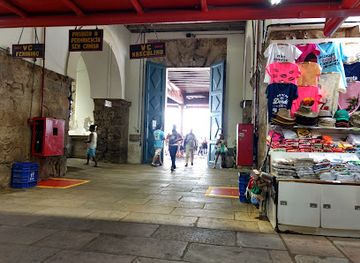
Mercado Modelo
Explore Mercado Modelo, Salvador's vibrant market for handicrafts, local cuisine, and a taste of Bahian culture.
-
Shopping mall
Shopping Center Lapa
Discover the vibrant Shopping Center Lapa in Salvador, a premier shopping mall with diverse stores, delicious dining, and lively entertainment options.

Get your free copy of our complete guide to Recôncavo, delivered straight to you.
Everything on this page, from attractions and restaurants to essentials and local phrases, in one PDF you can read offline, print or share.
Already have an account? Sign in
Your Recôncavo guide is ready.
We'll send it to · Not you? Sign out

Getting your guide ready…
We are putting together a fresh copy of the Recôncavo guide. This can take up to a minute.
This can take a few moments. If your browser asks, choose Allow so the download can start. You'll find the guide in your Downloads folder.
Nothing happened? Download it again
Sorry, the guide is taking longer than usual. Please try again in a minute, or get it by email instead.
Recôncavo essentials
Currency and Payment
Safety
Emergency Situations
Do's and Don'ts
Local Tips
From Eve
Local phrases worth knowing
You don't need to get them perfect. A few words go a long way, and locals appreciate the effort.
Basics
| English | Local | Say it |
|---|---|---|
| Hello | Oi | [oy] |
| Goodbye | Tchau | [chow] |
| Yes | Sim | [seen] |
| No | Não | [nown] |
| Please/You're welcome | Por favor/De nada | [poor fah-vor/deh nah-dah] |
| Thank you | Obrigado/Obrigada | [oh-bree-gah-do/oh-bree-gah-dah] |
| Excuse me/Sorry | Desculpe | [des-kool-peh] |
| How are you? | Como você está? | [koh-moh voh-seh es-tah] |
| Fine. And you? | Bem. E você? | [beng. ee voh-seh] |
| Do you speak English? | Você fala inglês? | [voh-seh fah-lah een-glez] |
| I don't understand | Eu não entendo | [eh-oow nown en-ten-doo] |
Eating & Drinking
| English | Local | Say it |
|---|---|---|
| I'd like to see the menu, please | Eu gostaria de ver o cardápio, por favor | [eh-oow gos-tah-ree-ah jeh vehr oo kar-dah-pee-oh, poor fah-vor] |
| I don't eat meat | Eu não como carne | [eh-oow nown koh-moo kar-nee] |
| Cheers! | Saúde! | [sah-oo-dee] |
| I would like to pay, please | Eu gostaria de pagar, por favor | [eh-oow gos-tah-ree-ah jeh pah-gar, poor fah-vor] |
Emergencies
| English | Local | Say it |
|---|---|---|
| Help! | Socorro! | [soh-koh-roh] |
| Go away! | Vá embora! | [vah em-boh-rah] |
| Call the Police! | Chame a polícia! | [sha-mee ah poh-lee-see-ah] |
| Call a doctor! | Chame um médico! | [sha-mee oom meh-jee-koh] |
| I'm lost | Estou perdido | [es-toh pehr-jee-doo] |
| I'm ill | Estou doente | [es-toh do-ehn-chee] |
Shopping
| English | Local | Say it |
|---|---|---|
| I'd like to buy... | Eu gostaria de comprar... | [eh-oow gos-tah-ree-ah jeh kom-prahr] |
| I'm just looking | Estou apenas olhando | [es-toh ah-peh-nas oh-lhan-do] |
| How much is it? | Quanto custa? | [kwahn-toh koos-tah] |
| That's too expensive | Isso é muito caro | [ee-soh eh mooy-toh kah-roh] |
| Can you lower the price? | Você pode baixar o preço? | [voh-seh poh-jee bah-ee-shar oo preh-soo] |
Time & Numbers
| English | Local | Say it |
|---|---|---|
| What time is it? | Que horas são? | [kee oh-ras sow] |
| It's one o'clock | É uma hora | [eh oo-mah oh-rah] |
| Half past (10) | Dez e meia | [dehz ee may-ah] |
| Morning | Manhã | [mahn-yah] |
| Afternoon | Tarde | [tahr-jee] |
| Evening | Noite | [noy-chee] |
| Yesterday | Ontem | [on-tay] |
| Today | Hoje | [oh-zhee] |
| Tomorrow | Amanhã | [ah-mahn-yah] |
| 1 | Um | [oom] |
| 2 | Dois | [doyz] |
| 3 | Três | [trehz] |
| 4 | Quatro | [kwah-troo] |
| 5 | Cinco | [seen-koo] |
| 6 | Seis | [sehz] |
| 7 | Sete | [seh-chee] |
| 8 | Oito | [oy-toh] |
| 9 | Nove | [noh-vee] |
| 10 | Dez | [dehz] |
Transport & Directions
| English | Local | Say it |
|---|---|---|
| Where's a/the...? | Onde está um/a...? | [on-jeh es-tah oom/ah] |
| What's the address? | Qual é o endereço? | [kwahl eh oo in-deh-reh-soo] |
| Can you show me (on the map)? | Você pode me mostrar (no mapa)? | [voh-seh poh-jee mee mohs-trar (noh mah-pah)] |
| When's the next (bus)? | Quando é o próximo (ônibus)? | [kwahn-doo eh oo proh-seem-oh (oh-nee-boos)] |
| A ticket (to ....) | Um bilhete (para ...) | [oom bee-lyeh-chee (pah-rah)] |
History of Recôncavo
Indigenous Landscapes and Early Colonial Contact
Before Portuguese colonisation, the lands around the Baía de Todos-os-Santos, the Paraguaçu and the Jaguaripe were inhabited and used by Indigenous peoples with detailed knowledge of the waterways, forests and cultivated landscapes. Portuguese settlement from the sixteenth century introduced new patterns of landholding, Catholic institutions and Atlantic commerce. Colonial expansion displaced Indigenous communities and established a plantation economy dependent on enslaved African labour. The region's later cultural forms cannot be separated from this unequal process of colonisation, resistance and forced migration.
Sugar Plantations and the Colonial Economy
From the colonial period onwards, the Recôncavo became one of Bahia's principal sugar-producing areas. Mills and plantations were established around the bay and along navigable rivers, linking agricultural estates with port settlements and Salvador. Sugar shaped the region's land ownership, architecture and social hierarchy, while enslaved Africans and their descendants supplied the labour that sustained the economy. Churches, chapels, manor houses and trading towns grew within this system. Although sugar production later declined in importance, its geographic and social imprint remains visible across the region.
Cachoeira, São Félix and Bahia's Independence
The towns of Cachoeira and São Félix became important centres in the struggle against Portuguese rule in Bahia in 1822 and 1823. Cachoeira was a significant base for the movement that challenged Portuguese authority, and the surrounding Recôncavo supplied people, resources and strategic river access. Bahia's independence was achieved after military campaigning culminating in the expulsion of Portuguese forces from Salvador on 2 July 1823. The date remains central to Bahian historical memory, and the Recôncavo's role is commemorated through civic ceremonies and local traditions.
Tobacco, Trade and Inland Connections
During the nineteenth and early twentieth centuries, tobacco became especially important in parts of the Recôncavo, complementing sugar and linking rural producers with warehouses, river transport and commercial towns. São Félix developed a notable tobacco-processing tradition, while Cachoeira served as a regional centre of trade and administration. Roads and railways later altered the balance between river transport and overland movement, but the economic landscape remained tied to agriculture and the bay. Tobacco's legacy survives in industrial buildings, local memory and the identity of communities that worked in cultivation and processing.
African Diaspora, Religion and Cultural Continuity
The Recôncavo is one of Brazil's major centres of Afro-Brazilian cultural expression. Enslaved Africans from different regions of West and Central Africa and their descendants maintained, adapted and transformed religious, musical, culinary and social practices under oppressive conditions. Candomblé houses, Catholic brotherhoods, samba de roda, festivals and forms of communal celebration developed within this broader history. Samba de roda of the Recôncavo is recognised by UNESCO as intangible cultural heritage. These traditions are living practices, not merely performances for visitors, and should be approached with respect for their religious and community contexts.
Industrial Change and Modern Regional Life
The twentieth century brought changes in agriculture, manufacturing, transport and patterns of migration. Sugar estates lost some of their former dominance, while petroleum-related activity and petrochemical industry developed in parts of the wider bay region, particularly around São Francisco do Conde and neighbouring municipalities. Modern roads improved connections with Salvador, yet many historic towns retained modest infrastructure and strong local identities. Today the Recôncavo combines agriculture, fishing, commerce, industry, cultural production and heritage tourism, with communities continuing to debate how economic development can coexist with historic landscapes and environmental protection.
Recôncavo in Photos
Browse through our photo collection highlighting the charm and character of the destination.
Neighbouring regions of Recôncavo
The closest regions to Recôncavo, if you have time for more than one.
-

-

-

-

-


Swipe for more regions
Explore more

Explore more of Brazil
Discover Brazil: a land of samba, stunning landscapes, and rich history. From the Amazon to Rio, explore diverse cultures, world-class cuisine, and vibrant festivals.
Explore Brazil