

Free Chapada Diamantina Travel Guide & Mobile App
Explore Chapada Diamantina with free travel guides. Discover regional history, expert tips, proposed trips, and audio guides on web or mobile app.


Explore Chapada Diamantina in Bahia for waterfalls, cave adventures, historic mining towns and rewarding treks through Brazil's highlands.
Read more about Chapada Diamantina
When is the best time to visit Chapada Diamantina?
Best: June, August–September · 24–25°C| Month | High (°C) | Rainfall (mm) |
|---|---|---|
| January | 28 | 103 |
| February | 28 | 95 |
| March | 28 | 98 |
| April | 27 | 82 |
| May | 25 | 68 |
| June (best) | 24 | 57 |
| July | 24 | 55 |
| August (best) | 24 | 52 |
| September (best) | 25 | 55 |
| October | 27 | 66 |
| November | 28 | 78 |
| December | 28 | 92 |
Getting to and around Chapada Diamantina
How to get there
Transportation
Destinations in Chapada Diamantina
Resorts, valleys and scenic spots worth a trip of their own.

Swipe for more destinations
Best attractions in Chapada Diamantina
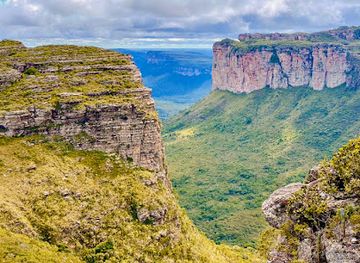
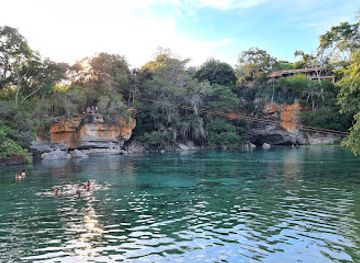
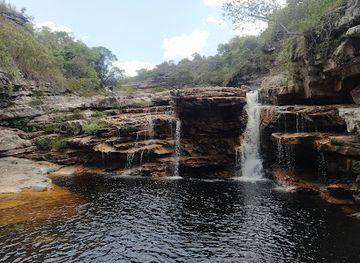
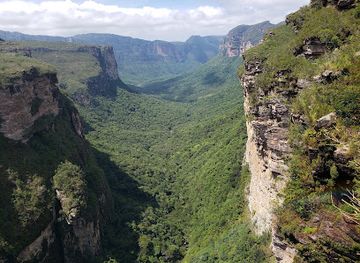
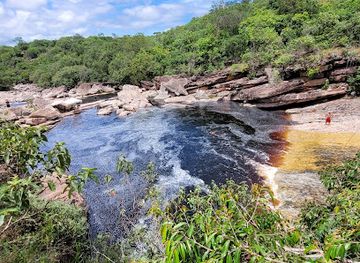
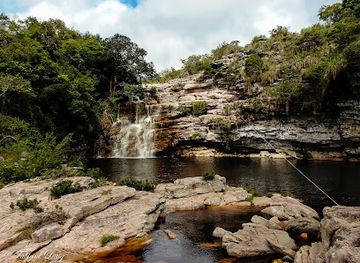
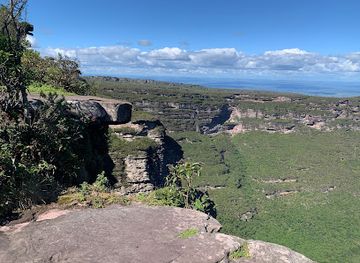
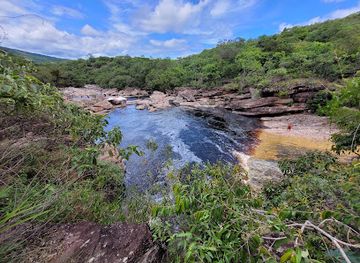
Chapada Diamantina's attractions are built around walking, water and geology rather than a concentration of formal museums or theme parks. In and around Chapada Diamantina National Park, trails lead to the Cachoeira da Fumaça, the pools of Ribeirão do Meio, the Serrano area and viewpoints above valleys cut into the plateau. The multi-day Vale do Pati trek offers a more remote experience, with overnight stays in local homes and long crossings between mountain passes. Near Lençóis, Morro do Pai Inácio is a readily recognisable viewpoint, while Vale do Capão provides access to routes through highland vegetation and waterfalls. The wider region adds underground landscapes: Iraquara is known for caves including Lapa Doce and Pratinha, and the clear pools of Poço Azul near Nova Redenção and Poço Encantado near Itaetê are popular guided excursions. Historic towns broaden the experience, with Lençóis, Mucugê, Andaraí and Igatu offering architecture, mining history and local cultural life. Outdoor options include canyoning, cave visits, swimming where permitted, birdwatching and mountain walking, but conditions and access can vary with rainfall.
-
Tourist attraction
Morro do Pai Inácio
Experience breathtaking panoramic views from the iconic Morro do Pai Inácio in Chapada Diamantina National Park, a natural wonder steeped in local legend.
-
Tourist attraction
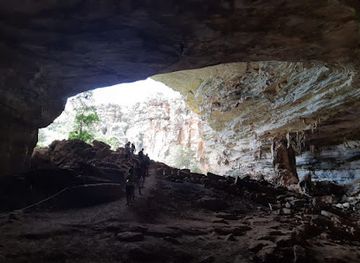
Lapa Doce Cave
Discover the breathtaking beauty of Lapa Doce Cave in Chapada Diamantina, Brazil, with its stunning rock formations and rich geological history.
-
Tourist attraction
Pratinha
Discover Pratinha in Bahia: Swim in turquoise waters, explore stunning caves, and embrace the natural beauty of Brazil's Chapada Diamantina.
-
Tourist attraction
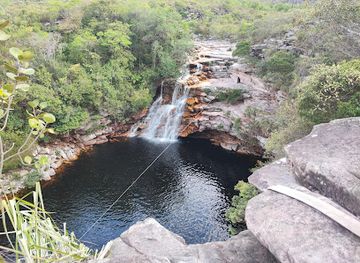
Poço do Diabo
Discover the enchanting Poço do Diabo, a stunning waterfall and natural park in Lençóis, Bahia, perfect for nature lovers and adventure seekers.

Best landmarks in Chapada Diamantina
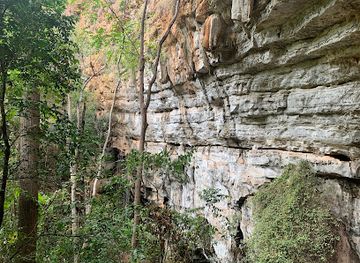
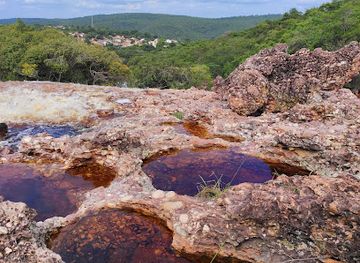
Morro do Pai Inácio is one of Chapada Diamantina's defining natural landmarks: its flat-topped sandstone summit rises above the surrounding plateau and offers broad views across ridges and valleys. Nearby Morro do Camelo forms another distinctive silhouette, while the cliffs and tablelands around the national park express the geological character that gives the region its name. In Lençóis, the historic centre's colourful nineteenth-century houses, churches and stone-paved streets reflect the prosperity generated by diamond trading. Mucugê's cemetery, built against the mountain landscape, is an unusual and visually striking monument to the town's mining history. Igatu is marked by abandoned stone houses, walls and paths associated with the former garimpo settlement, giving the village a strong architectural connection to its past. The Vale do Pati is itself a landmark landscape, combining dramatic escarpments with a long-established network of paths and isolated homes. The clear limestone pools of Poço Azul and Poço Encantado are geological landmarks as well as visitor sites, their appearance shaped by underground water and shafts of natural light.
-
Park
Chapada Diamantina National Park
Explore Brazil's hidden gem: Chapada Diamantina National Park, a land of stunning landscapes, rich history, and unforgettable adventures.
-
Tourist attraction
Ribeirão do Meio
Experience the thrill of nature's water slide at Ribeirão do Meio in Chapada Diamantina, Bahia. A perfect blend of adventure and relaxation!
-
Tourist attraction
Poço do Diabo
Explore the breathtaking beauty of Poço do Diabo, a stunning waterfall and natural swimming pool in Lençóis, Bahia, perfect for adventure seekers and nature lovers.
-
Tourist attraction
Cachoeira da Fumaça
Discover the breathtaking Cachoeira da Fumaça in Bahia's Chapada Diamantina: Hike to panoramic views of Brazil's majestic 'Smoke Falls'.
Explore Chapada Diamantina on the map
Plan your trip on one map. See where the top cities, national parks and sights are, and book hotels and experiences in a few clicks.
Best hotels in Chapada Diamantina
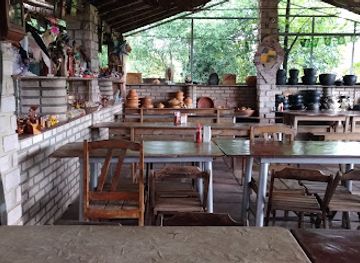
Best restaurants in Chapada Diamantina
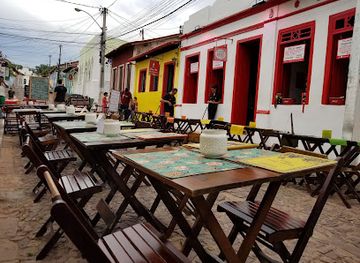
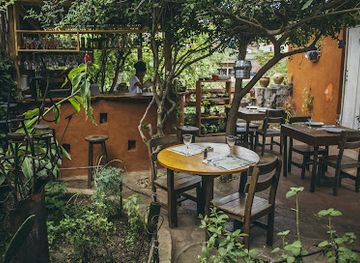
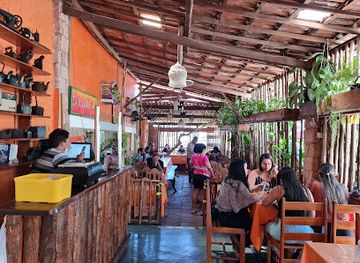
Dining in Chapada Diamantina combines Bahian seasoning with the food traditions of Brazil's interior. Rural kitchens and regional restaurants commonly use beans, rice, manioc, dried meat, fresh vegetables and locally available fruit, while godó de banana, a savoury dish associated with the Chapada, is one of the region's best-known specialities. Menus may also include carne-seca, stews, omelettes, broths and baked goods suited to trekkers and farming communities. Lençóis has the broadest selection of restaurants, cafés and places serving both Bahian food and contemporary Brazilian cooking, while Mucugê, Andaraí and Vale do Capão offer smaller dining scenes with strong links to local produce and vegetarian cooking. Coffee from upland farms and cachaça from Bahia can appear alongside fruit juices and regional sweets. In villages and remote valleys, meals may be set by the rhythm of family kitchens rather than fixed urban schedules, so advance arrangements are sensible for rural lodgings and multi-day treks.
-
Restaurant
Beco da Bateia
Experience authentic Bahian cuisine and innovative cocktails at Beco da Bateia in Mucugê – where every bite tells a story.
-
Restaurant
Lampião Cozinha Nordestina
Discover the rich flavors of Northeastern Brazil at Lampião Cozinha Nordestina in Lençóis - where tradition meets taste.
-
Restaurant
Restaurante Cozinha Aberta
Savor authentic Bahian cuisine at Restaurante Cozinha Aberta in Lençóis, where fresh ingredients meet vibrant flavors in a welcoming atmosphere.
-
Buffet
Restaurante O Bode
Discover authentic Brazilian cuisine at Restaurante O Bode in Lençóis – where every meal is a celebration of flavor.
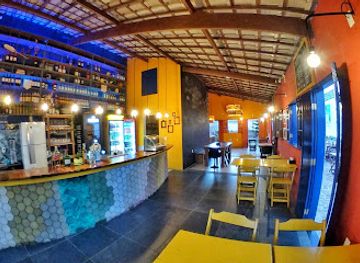
Best bars in Chapada Diamantina
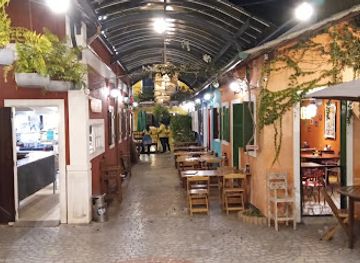
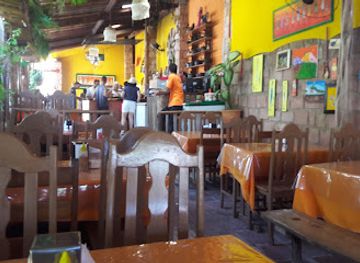
Nightlife in Chapada Diamantina is generally low-key and concentrated in the larger visitor bases. Lençóis has the region's most varied evening scene, with restaurants, informal bars, live music and places to meet after a day on the trails, although it is not a major clubbing destination. Vale do Capão offers a more alternative atmosphere, with small venues, cafés, occasional music and social spaces linked to its trekking and retreat community. Mucugê and Andaraí favour quiet squares, restaurants and traditional bars, while evenings in remote villages and the Vale do Pati may consist of a home-cooked meal and conversation rather than organised entertainment. Local cachaça, Bahian drinks and Brazilian beer are available, but visitors do not need to drink to participate in regional evening life. Opening arrangements and performances can change seasonally, so ask locally rather than relying on old listings.
-
Park
Chapada Diamantina National Park
Explore the stunning natural beauty and rich biodiversity of Chapada Diamantina National Park in Brazil's Bahia state, a paradise for adventurers and nature lovers alike.
-
Tourist attraction
Poço do Diabo
Experience the breathtaking beauty of Poço do Diabo, a stunning natural gem in Lençóis, Bahia, where waterfalls cascade into serene pools amidst lush greenery.
-
Restaurant
Beco da Bateia
Experience the vibrant flavors of Bahia at Beco da Bateia, a delightful restaurant and cocktail bar in Mucugê offering local cuisine and signature drinks.
-
 Hotel
HotelHotel Canto das Águas
Discover the charm of Lençóis from the comfort of Hotel Canto das Águas, your perfect retreat near Chapada Diamantina National Park.
Best nightclubs in Chapada Diamantina
Nightlife in Chapada Diamantina is generally low-key and concentrated in the larger visitor bases. Lençóis has the region's most varied evening scene, with restaurants, informal bars, live music and places to meet after a day on the trails, although it is not a major clubbing destination. Vale do Capão offers a more alternative atmosphere, with small venues, cafés, occasional music and social spaces linked to its trekking and retreat community. Mucugê and Andaraí favour quiet squares, restaurants and traditional bars, while evenings in remote villages and the Vale do Pati may consist of a home-cooked meal and conversation rather than organised entertainment. Local cachaça, Bahian drinks and Brazilian beer are available, but visitors do not need to drink to participate in regional evening life. Opening arrangements and performances can change seasonally, so ask locally rather than relying on old listings.
-
Tourist attraction
Chapada Diamantina National Park
Explore the stunning natural beauty and rich cultural heritage of Chapada Diamantina National Park in Bahia, Brazil.
-
Tourist attraction
Lapa Doce Cave
Experience the breathtaking beauty of Lapa Doce Cave, a stunning natural wonder in Bahia, Brazil, showcasing incredible geological formations and rich biodiversity.
-
Tourist attraction
Poço do Diabo
Discover the enchanting beauty of Poço do Diabo, a stunning waterfall and park in Lençóis, Bahia, perfect for nature lovers and adventure seekers.
-
Tourist attraction
Poço Encantado
Explore the stunning natural beauty of Poço Encantado in Bahia, a magical oasis with crystal-clear waters and lush landscapes.

Best shops in Chapada Diamantina
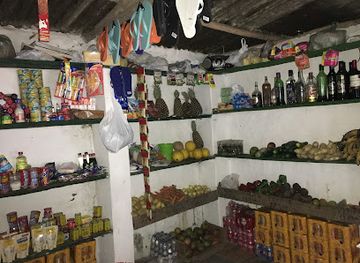
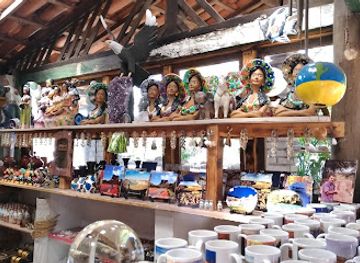
Shopping in Chapada Diamantina is centred on practical local commerce, regional food and small-scale craft rather than large malls or designer retail. Lençóis has the broadest choice of shops, galleries and stalls, with handmade jewellery, textiles, artwork, polished stones, locally produced foods and trekking supplies available in and around its historic streets. Mucugê, Andaraí and Vale do Capão have smaller collections of independent shops and craft outlets, often reflecting local artists, rural production and alternative design. Coffee, cachaça, sweets, preserves and dried produce make useful food souvenirs, although visitors should check packaging and transport rules before carrying agricultural products internationally. Markets and small grocery shops are valuable for assembling provisions before a long walk, particularly when heading towards remote valleys. Avoid buying archaeological objects, unverified minerals or items claimed to come from protected areas, as conservation and heritage rules matter in a region shaped by both mining history and protected landscapes.
-
Park
Chapada Diamantina National Park
Experience the breathtaking landscapes and vibrant ecosystems of Chapada Diamantina National Park, a natural paradise in Bahia, Brazil.
-
Tourist attraction
Ribeirão do Meio
Explore Ribeirão do Meio, a stunning park in Palmeiras, Bahia, filled with lush landscapes, tranquil waters, and abundant wildlife perfect for nature lovers.
-
Tourist attraction
Poço do Diabo
Explore the breathtaking beauty of Poço do Diabo, a stunning natural park in Lençóis, Bahia, perfect for adventure seekers and nature lovers alike.
-
Tourist attraction
Piscinas Naturais do Serrano
Experience the breathtaking natural pools of Piscinas Naturais do Serrano, a serene escape in Lençóis, Bahia, perfect for relaxation and adventure.
Get your free copy of our complete guide to Chapada Diamantina, delivered straight to you.
Everything on this page, from attractions and restaurants to essentials and local phrases, in one PDF you can read offline, print or share.
Already have an account? Sign in
Your Chapada Diamantina guide is ready.
We'll send it to · Not you? Sign out

Getting your guide ready…
We are putting together a fresh copy of the Chapada Diamantina guide. This can take up to a minute.
This can take a few moments. If your browser asks, choose Allow so the download can start. You'll find the guide in your Downloads folder.
Nothing happened? Download it again
Sorry, the guide is taking longer than usual. Please try again in a minute, or get it by email instead.
Chapada Diamantina essentials
Currency and Payment
Safety
Emergency Situations
Do's and Don'ts
Local Tips
From Eve
Local phrases worth knowing
You don't need to get them perfect. A few words go a long way, and locals appreciate the effort.
Basics
| English | Local | Say it |
|---|---|---|
| Hello | Oi | [oy] |
| Goodbye | Tchau | [chau] |
| Yes | Sim | [sing] |
| No | Não | [nãw] |
| Please/You're welcome | Por favor | [por fah-vor] |
| Thank you | Obrigado | [oh-bree-gah-doo] |
| Excuse me/Sorry | Desculpe | [des-kool-peh] |
| How are you? | Como você está? | [koh-moo voh-seh es-tah] |
| Fine. And you? | Bem. E você? | [bang. ee voh-seh] |
| Do you speak English? | Você fala inglês? | [voh-seh fah-lah een-glez] |
| I don't understand | Eu não entendo | [ay-ooh nãw en-ten-doo] |
Eating & Drinking
| English | Local | Say it |
|---|---|---|
| I'd like to see the menu, please | Gostaria de ver o menu, por favor | [goh-stah-ree-ah jee vehr oo meh-noo, por fah-vor] |
| I don't eat meat | Eu não como carne | [ay-ooh nãw koh-moo kar-nee] |
| Cheers! | Saúde! | [sah-oo-dee] |
| I would like to pay, please | Eu gostaria de pagar, por favor | [ay-ooh goh-stah-ree-ah jee pah-gar, por fah-vor] |
Emergencies
| English | Local | Say it |
|---|---|---|
| Help! | Socorro! | [soh-kohr-roh] |
| Go away! | Vá embora! | [vah em-boh-rah] |
| Call the Police! | Chame a polícia! | [sha-mee ah poh-lee-siah] |
| Call a doctor! | Chame um médico! | [sha-mee oong meh-jee-koh] |
| I'm lost | Estou perdido | [es-toh pehr-jee-doo] |
| I'm ill | Estou doente | [es-toh do-ayn-chee] |
Shopping
| English | Local | Say it |
|---|---|---|
| I'd like to buy... | Eu gostaria de comprar... | [ay-ooh goh-stah-ree-ah jee kohm-prahr] |
| I'm just looking | Estou apenas olhando | [es-toh ah-peh-nas oh-yahn-doo] |
| How much is it? | Quanto custa? | [kwan-toh koos-tah] |
| That's too expensive | Isso é muito caro | [ee-soh eh mwee-toh kah-roh] |
| Can you lower the price? | Você pode baixar o preço? | [voh-seh poh-jee bye-shar oo preh-so] |
Time & Numbers
| English | Local | Say it |
|---|---|---|
| What time is it? | Que horas são? | [kee or-as sow] |
| It's one o'clock | É uma hora | [eh oo-mah or-ah] |
| Half past (10) | Dez e meia | [dez ee meh-yah] |
| Morning | Manhã | [man-yah] |
| Afternoon | Tarde | [tar-jee] |
| Evening | Noite | [noy-chee] |
| Yesterday | Ontem | [on-teng] |
| Today | Hoje | [oh-zhee] |
| Tomorrow | Amanhã | [ah-mah-nyah] |
| 1 | Um | [oom] |
| 2 | Dois | [doyz] |
| 3 | Três | [trehz] |
| 4 | Quatro | [kwah-troh] |
| 5 | Cinco | [sing-koh] |
| 6 | Seis | [says] |
| 7 | Sete | [seh-chee] |
| 8 | Oito | [oy-toh] |
| 9 | Nove | [noh-vee] |
| 10 | Dez | [dez] |
Transport & Directions
| English | Local | Say it |
|---|---|---|
| Where's a/the...? | Onde fica um/a...? | [on-jee fee-kah oong/a] |
| What's the address? | Qual é o endereço? | [kwah-oo eh oo en-deh-reh-so] |
| Can you show me (on the map)? | Você pode me mostrar (no mapa)? | [voh-seh poh-jee meh mohs-trar (noh mah-pah)] |
| When's the next (bus)? | Quando é o próximo (ônibus)? | [kwan-doo eh oo proh-see-mo (oh-nee-boos)] |
| A ticket (to ....) | Um bilhete (para....) | [oom bee-lyeh-chee (pah-rah)] |
History of Chapada Diamantina
Indigenous Landscapes Before Colonial Settlement
Long before the diamond era, the Chapada Diamantina was inhabited and used by Indigenous peoples whose presence is recorded through archaeological evidence, including rock art and traces of occupation in the wider highlands of Bahia. Rivers, caves and passes created routes through an otherwise rugged landscape, while the caatinga and gallery forests supplied food and materials. Much of this early history is interpreted through archaeology rather than written records, and Indigenous heritage remains an important part of understanding the region beyond the later colonial towns and mining narratives.
Colonial Expansion and Cattle Routes
From the colonial period onwards, Portuguese expansion into the interior of Bahia brought ranching, agricultural settlement and new routes linking the sertão with established towns. The Chapada's valleys and river corridors became part of a wider economy based on cattle, small-scale farming and the movement of goods. Settlement was uneven because the terrain was difficult to cross, but these early routes helped establish the communities that later grew rapidly when mineral wealth attracted prospectors and traders.
The Diamond Rush of the Nineteenth Century
Diamonds were discovered in the Chapada Diamantina during the nineteenth century, prompting a major influx of prospectors, merchants and labourers. Lençóis, Mucugê, Andaraí and other settlements expanded as mining camps and trading centres, and wealth from the garimpo funded churches, commercial buildings and elaborate houses. Mining was labour-intensive and often precarious, with workers searching riverbeds and gravel deposits by hand. The period connected the interior of Bahia to national and international markets while leaving a complex social legacy of inequality, migration and environmental alteration.
Garimpo Towns and Regional Commerce
As diamond extraction developed, settlements acquired distinct urban identities. Lençóis became the best-known commercial centre, Mucugê grew around mining and agriculture, and Igatu developed as a stone-built garimpeiro community linked to Andaraí. Roads, trading networks and occasional periods of prosperity shaped the region's architecture and social life. When easily accessible diamond deposits declined, many communities experienced economic contraction, and the survival of their historic buildings became closely tied to later heritage protection and tourism.
Diamond Decline and Agricultural Change
The weakening of the traditional diamond economy during the twentieth century encouraged residents to diversify into agriculture, livestock and other forms of mineral extraction. Commercial cultivation, including coffee in suitable upland areas, became important in parts of the wider Chapada, although farming remained shaped by irregular rainfall and difficult transport. The shifting economy also contributed to population movement and periods of decline in former mining settlements. This transition helps explain why the region contains both carefully preserved historic centres and smaller communities with a more rural character.
The Creation of Chapada Diamantina National Park
Chapada Diamantina National Park was created in 1985 to protect a large area of highland scenery, rivers, forests, waterfalls and distinctive rock formations. Its establishment marked a major change in the region's public identity: landscapes once associated mainly with mining became recognised for ecological and recreational value. Conservation has not removed all pressures, and the park coexists with private land, local communities and tourism businesses. Visitors encounter this history in the contrast between protected trails, former mining routes and settlements whose economies now depend heavily on sustainable travel.
Tourism, Conservation and the Contemporary Chapada
Since the late twentieth century, trekking, caving, nature travel and heritage tourism have become central to the regional economy. Lençóis developed into the principal gateway, while towns and villages across the wider Chapada established accommodation, guiding and food services suited to different styles of travel. Vale do Capão became associated with alternative tourism and ecological living, while the Vale do Pati gained international recognition as a multi-day trekking landscape. Contemporary Chapada Diamantina therefore combines mining legacies, rural livelihoods, protected environments and a growing visitor economy.
Chapada Diamantina in Photos
Browse through our photo collection highlighting the charm and character of the destination.
Neighbouring regions of Chapada Diamantina
The closest regions to Chapada Diamantina, if you have time for more than one.
-

-

-

-

-


Swipe for more regions
Explore more

Explore more of Brazil
Discover Brazil: a land of samba, stunning landscapes, and rich history. From the Amazon to Rio, explore diverse cultures, world-class cuisine, and vibrant festivals.
Explore Brazil