

Agreste, Brazil Travel Guide
Discover the hidden charms of Agreste, Brazil - a region rich in culture, stunning landscapes, and authentic local experiences away from the usual tourist trails.
Agreste is a mesmerizing region in Brazil known for its unique blend of landscapes, culture, and history. Nestled between the coastal zone and the sertão, Agreste offers visitors a diverse experience that is often overlooked by the typical tourist trails. Exploring Agreste means discovering a world where lush green hills meet dry, rugged terrains. This contrast creates stunning natural vistas that are perfect for hiking and photography. The region is also dotted with small, charming towns where you can immerse yourself in local traditions and taste authentic Brazilian cuisine. Agreste’s cultural richness is evident in its festivals, crafts, and folklore. The locals are warm and welcoming, always eager to share their stories and customs. Whether you are wandering through bustling markets or enjoying a quiet afternoon in a countryside village, Agreste promises an unforgettable experience that captures the true essence of Brazil.

Know before you go
Hi, I'm Eve. Here are a few practical things to know before exploring Agreste.
- Visit during festival seasons like São João in June to experience the vibrant local culture.
- Carry a good pair of hiking boots to explore the rugged terrains and scenic trails.
- Try local dishes such as tapioca, macaxeira, and carne-de-sol for an authentic taste of Agreste.
- Learn a few basic Portuguese phrases; it goes a long way in connecting with the locals.
Top City Travel Guides in Agreste
The cities of Agreste, and the easiest places to base yourself.

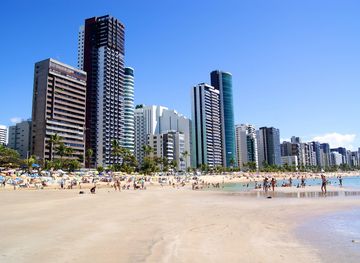


Destinations in Agreste
Resorts, valleys and scenic spots worth a trip of their own.




Explore Agreste: Things to Do, Places to Eat, Hotels & More
Handpicked recommendations for top attractions, local dining, accommodations, and more

Top Attractions & Sightseeing in Agreste
Top-rated picks
Best Attractions

Porto de Galinhas
Discover Porto de Galinhas: where natural pools meet vibrant marine life on Brazil's stunning Pernambuco coastline. A must-see beach paradise!

Muro Alto Beach
Discover Muro Alto Beach: A serene escape with calm waters, natural pools, and stunning beauty near Porto de Galinhas, Pernambuco.

Calhetas Beach
Discover Calhetas Beach: Pernambuco's heart-shaped paradise offering warm waters, thrilling activities, and historical charm.

Forte Orange - Fortaleza de Santa Cruz de Itamaracá
Explore a 17th-century Dutch fort on a beautiful island, offering history, culture, and stunning coastal views in Pernambuco, Brazil.

Best landmarks in Agreste
Top-rated picks
Best Landmarks

Ibirapuera Park
Escape the concrete jungle in São Paulo's Ibirapuera Park: a vibrant hub of culture, recreation, and natural beauty for all ages.

Iguazu Falls
Experience the awe-inspiring power and beauty of Iguazu Falls, a natural wonder on the Argentina-Brazil border. Explore diverse trails and thrilling adventures.

Christ the Redeemer
Visit Christ the Redeemer, Rio's iconic landmark: breathtaking views, rich history, and a symbol of peace atop Corcovado Mountain.

Iguazú National Park
Experience the awe-inspiring Iguazú Falls, a UNESCO World Heritage site, with over 270 waterfalls surrounded by lush subtropical rainforest in Argentina.

Best restaurants in Agreste
Top-rated picks
Best Restaurants

Churrascaria Palace
Savor the authentic flavors of Brazil at Churrascaria Palace in Copacabana – where every meal is a celebration!

Aprazível
Experience the essence of Brazilian cuisine at Aprazível in Santa Teresa, where stunning views meet delicious flavors.
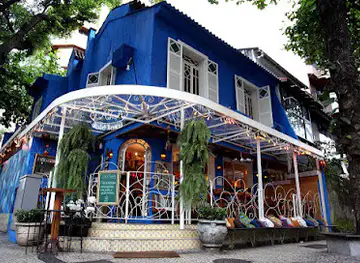
Zazá Bistrô Tropical
Experience the vibrant flavors of Brazil at Zazá Bistrô Tropical - where exquisite cuisine meets tropical charm in Ipanema.

Tragga Vogue Square
Experience authentic Argentinian barbecue at Tragga Vogue Square in Rio de Janeiro - where every bite tells a story.

Best bars in Agreste
Top-rated picks
Best Bars

Bar Madeira De Lei
Discover the lively spirit of Arcoverde at Bar Madeira De Lei, where local drinks and vibrant atmosphere create unforgettable memories.

Polo Central Bar Music
Discover the vibrant nightlife and local flavors at Polo Central Bar Music in Arcoverde, Pernambuco, where great music meets delicious cuisine.

Bar do Bugar
Discover the vibrant spirit of Arcoverde at Bar do Bugar, where every drink tells a story and every night is an adventure.

Bar Brogodó
Discover the vibrant atmosphere of Bar Brogodó, a must-visit bar in Arcoverde, offering refreshing drinks and a taste of local culture.

Best nightclubs in Agreste
Top-rated picks
Best Nightclubs

Santa Club Lagoa Nightclub
Unleash your spirit at Santa Club Lagoa, a vibrant disco club in Lagoa da Conceição, where unforgettable nightlife and stunning views meet.

Madame Underground Club
Discover the heartbeat of São Paulo's nightlife at Madame Underground Club, where vibrant music and unforgettable experiences await.

Le Rêve Club
Dive into São Paulo's vibrant nightlife at Le Rêve Club, where unforgettable nights of dancing and fun await.

Club A
Discover the vibrant nightlife of São Paulo at Club A, a premier night club in Indianópolis, offering electrifying music and an unforgettable atmosphere.

Best shops in Agreste
Top-rated picks
Best Shops

Americanas
Discover an extensive selection of products at Americanas, the premier department store in Arcoverde, Pernambuco, where variety meets convenience.

Magazine Luiza
Discover the best of Brazilian shopping at Magazine Luiza, Pesqueira's premier department store with a wide array of products and a welcoming atmosphere.

Americanas Express
Explore Americanas Express in Pesqueira for a diverse selection of products, from electronics to fashion, all under one roof.

Cacau Show - Chocolates
Explore the delightful world of artisanal chocolates, candies, and more at Cacau Show in Arcoverde, a paradise for sweet lovers.

Explore Agreste on the Map
A handpicked selection of must-see spots in Agreste, mapped for you.
Agreste Essentials
-
Agreste is a region in the northeastern part of Brazil, primarily within the states of Pernambuco, Paraíba, Alagoas, and Rio Grande do Norte. The main gateway to the region is Recife, the capital of Pernambuco, which has an international airport (Recife/Guararapes–Gilberto Freyre International Airport). From Recife, you can take buses, rent a car, or hire a taxi to reach various towns and cities within Agreste. Bus services are frequent and connect major cities like Caruaru, Garanhuns, and Campina Grande. The journey by road can take anywhere from 2 to 5 hours, depending on your destination within Agreste.
-
Transportation within Agreste is varied. Buses are the most common and economical means of travel between towns. Municipal buses and minibuses (vans) operate within cities and are an affordable way to get around. Taxis and ride-sharing services like Uber are available in larger towns. Renting a car provides more flexibility and is recommended for exploring rural areas and smaller towns. Keep in mind that road conditions can vary, and driving at night is not advisable due to limited street lighting.
-
The official currency in Brazil is the Brazilian Real (BRL). Credit and debit cards are widely accepted in hotels, restaurants, and larger shops in major towns. However, it is advisable to carry cash when visiting smaller establishments or rural areas where card facilities might not be available. ATMs are readily available in larger cities, but it’s a good idea to withdraw sufficient cash before heading to remote areas.
-
Agreste is generally safe for tourists, but it is important to exercise standard precautions. Avoid displaying valuables openly and be cautious in crowded areas. While most parts of Agreste are safe, some urban areas in larger cities like Caruaru and Campina Grande have higher crime rates. Avoid walking alone at night and stick to well-lit and populated areas. It's advisable to consult local guidance or your accommodation for up-to-date safety information.
-
In case of emergency, dial 190 for police, 192 for medical emergencies, and 193 for fire services. Major towns have hospitals and clinics, but services in rural areas may be limited. It’s recommended to have travel insurance that covers medical emergencies. Pharmacies are available in most towns for over-the-counter medications. Keep a list of emergency contacts and the address of your accommodation handy.
-
Fashion: Do dress modestly, especially in rural areas and religious sites. Avoid overly revealing clothing. Religion: Do respect local religious customs and practices. Be mindful when visiting churches and other religious sites. Public Transport: Do be courteous and offer your seat to elderly passengers. Don't eat or drink on public transport. Greetings: Do greet people with a handshake. A friendly 'bom dia' (good morning) or 'boa tarde' (good afternoon) is appreciated. Eating & Drinking: Do try local dishes and accept food offerings graciously. Don’t refuse hospitality, as it can be considered impolite.
-
To experience Agreste like a local, visit local markets where you can buy fresh produce, handicrafts, and regional specialties. Engage with locals, who are often friendly and willing to share insights about their culture and history. Don’t miss traditional festivals like São João in Caruaru and Campina Grande, which offer a deep dive into local traditions, music, and dance. Enjoy regional cuisine such as 'carne de sol', 'macaxeira', and 'baião de dois'.
When is the best time to visit Agreste?
Useful Local Phrases for Agreste
You don't need to speak the language perfectly. Even learning a few simple words can make conversations warmer—and locals usually appreciate the effort.
— Eve

Here are the phrases I use most often in Agreste. Try a few—you'll be surprised how far they go! 😊
❤️
-
- HelloOi
[oy] - GoodbyeTchau
[chow] - YesSim
[seem] - NoNão
[now] - Please/You're welcomePor favor / De nada
[por fah-vor / jee nah-da] - Thank youObrigado/Obrigada
[oh-bree-gah-do/oh-bree-gah-dah] - Excuse me/SorryDesculpe
[deh-skool-peh] - How are you?Como você está?
[koh-moh voh-seh es-tah] - Fine. And you?Estou bem. E você?
[es-toh behm. ee voh-seh] - Do you speak English?Você fala inglês?
[voh-seh fah-lah een-glez] - I don't understandEu não entendo
[eh-oo now en-ten-do]
- HelloOi
-
- I'd like to see the menu, pleaseEu gostaria de ver o cardápio, por favor
[eh-oo goh-stah-ree-ah jee vehr oo kar-dah-peo, por fah-vor] - I don't eat meatEu não como carne
[eh-oo now koh-moh kar-nee] - Cheers!Saúde!
[sah-oo-jee] - I would like to pay, pleaseEu gostaria de pagar, por favor
[eh-oo goh-stah-ree-ah jee pah-gar, por fah-vor]
- I'd like to see the menu, pleaseEu gostaria de ver o cardápio, por favor
-
- Help!Ajuda!
[ah-zhoo-dah] - Go away!Vá embora!
[vah em-bor-ah] - Call the Police!Chame a polícia!
[sha-mee ah poh-lee-see-ah] - Call a doctor!Chame um médico!
[sha-mee oom meh-jee-koh] - I'm lostEstou perdido
[es-toh pehr-jee-do] - I'm illEstou doente
[es-toh doh-en-chee]
- Help!Ajuda!
-
- I'd like to buy...Eu gostaria de comprar...
[eh-oo goh-stah-ree-ah jee kom-prar] - I'm just lookingEstou apenas olhando
[es-toh ah-peh-nas oh-yahn-do] - How much is it?Quanto custa?
[kwahn-toh koos-tah] - That's too expensiveIsso é muito caro
[ee-soh eh mooe-toh kah-roh] - Can you lower the price?Você pode abaixar o preço?
[voh-seh poh-jee ah-bah-ee-shar oo preh-soh]
- I'd like to buy...Eu gostaria de comprar...
-
- What time is it?Que horas são?
[kee oh-rahs sah-o] - It's one o'clockÉ uma hora
[eh oo-mah oh-rah] - Half past (10)Dez e meia
[deh-iz ee may-ah] - MorningManhã
[mahn-yah] - AfternoonTarde
[tahr-jee] - EveningNoite
[noy-chee] - YesterdayOntem
[on-tem] - TodayHoje
[oh-zhee] - TomorrowAmanhã
[ah-mahn-yah] - 1Um
[oom] - 2Dois
[doyz] - 3Três
[trez] - 4Quatro
[kwah-tro] - 5Cinco
[seen-koh] - 6Seis
[says] - 7Sete
[seh-chee] - 8Oito
[oy-toh] - 9Nove
[noh-vee] - 10Dez
[dehz]
- What time is it?Que horas são?
-
- Where's a/the...?Onde fica o/a...?
[on-jee fee-kah oo/a] - What's the address?Qual é o endereço?
[kwahl eh oo en-deh-reh-so] - Can you show me (on the map)?Você pode me mostrar (no mapa)?
[voh-seh poh-jee mee mos-trar (no mah-pah)] - When's the next (bus)?Quando é o próximo (ônibus)?
[kwahn-do eh oo proh-see-mo (oh-nee-boos)] - A ticket (to ....)Um bilhete (para....)
[oom bee-lyeh-chee (pah-rah)]
- Where's a/the...?Onde fica o/a...?
History of Agreste
-
Before the arrival of the Portuguese, the Agreste region was inhabited by various indigenous groups, including the Tupi and Tapuia tribes. These groups lived off the land, practicing agriculture, hunting, and fishing. They had their own rich cultures, languages, and traditions that profoundly influenced the region's identity.
-
The Portuguese began to explore and colonize the Agreste region in the 16th century. They introduced cattle ranching, which became a significant economic activity. The region's semi-arid climate was suitable for the extensive grazing of livestock, and many large cattle ranches were established, laying the foundation for the rural economy that still exists today.
-
During the colonial period, the Agreste region became a refuge for runaway slaves who established Quilombos—autonomous communities of escaped slaves. These communities, such as the famous Quilombo dos Palmares, resisted Portuguese rule and preserved African traditions, contributing to the cultural mosaic of the region.
-
In the late 19th and early 20th centuries, the Agreste region witnessed the rise of the Cangaço, a social banditry movement. Groups of outlaws, known as cangaceiros, roamed the countryside challenging the established social order. The most famous of these outlaws was Virgulino Ferreira da Silva, also known as Lampião. The stories of the cangaceiros have become legendary and are a significant part of the cultural heritage of the Agreste.
-
The 20th century saw significant agricultural development in the Agreste region. The introduction of modern farming techniques and irrigation transformed the landscape, making it possible to cultivate a wider variety of crops. This agricultural boom has made the Agreste an important agricultural hub in Brazil, known for its production of fruits, vegetables, and dairy products.
-
The Agreste region is renowned for its vibrant cultural festivals that celebrate its rich history and diverse heritage. One of the most famous is the São João Festival, a traditional June festival that features bonfires, folk dances, and regional music like forró. These festivals are a testament to the region's deep-rooted cultural traditions and community spirit.
-
The Agreste region is also famous for its handicrafts and skilled artisans. Towns like Caruaru are known for their bustling markets where you can find a variety of handmade goods, from pottery and textiles to leatherwork and wood carvings. These crafts are not only a source of income for many families but also a way to preserve and share the region's cultural heritage.
Neighbouring Regions of Agreste
The closest regions to Agreste, if you have time for more than one.


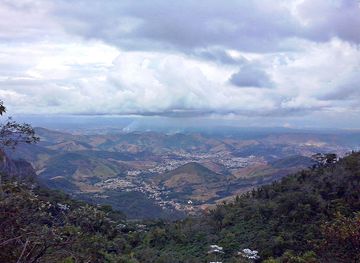

Your all‑in‑one travel companion app
Explore expert travel guides, compare and book tours, experiences, hotels, and more—all from the palm of your hand. Download now for seamless trip planning wherever your wanderlust takes you.


Explore More of Brazil

Looking beyond Agreste? Discover Brazil for broader travel guides, local hot-spots, and regional highlights.
Explore BrazilAgreste in Photos
Browse through our photo collection highlighting the charm and character of the destination.


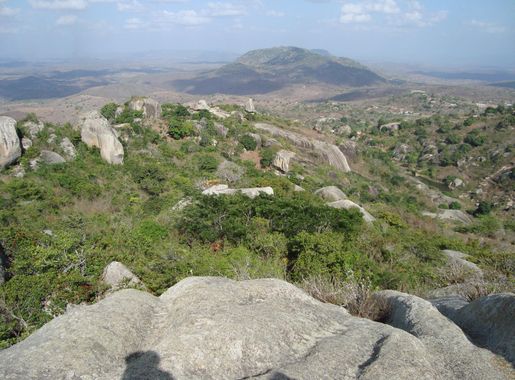


The Hidden Charms of Agreste
Agreste is a mesmerizing region in Brazil known for its unique blend of landscapes, culture, and history. Nestled between the coastal zone and the sertão, Agreste offers visitors a diverse experience that is often overlooked by the typical tourist trails. Exploring Agreste means discovering a world where lush green hills meet dry, rugged terrains. This contrast creates stunning natural vistas that are perfect for hiking and photography. The region is also dotted with small, charming towns where you can immerse yourself in local traditions and taste authentic Brazilian cuisine. Agreste’s cultural richness is evident in its festivals, crafts, and folklore. The locals are warm and welcoming, always eager to share their stories and customs. Whether you are wandering through bustling markets or enjoying a quiet afternoon in a countryside village, Agreste promises an unforgettable experience that captures the true essence of Brazil.