

Northeast Region, Brazil Travel Guide
Discover the vibrant culture, stunning beaches, and diverse landscapes of Northeast Brazil, a tropical paradise that promises unforgettable experiences for every traveler.
Northeast Brazil is a captivating region known for its vibrant culture, stunning beaches, and rich history. This tropical paradise is where you can immerse yourself in the rhythmic beats of forró music, savor the flavors of traditional Brazilian cuisine, and explore landscapes that range from lush rainforests to arid deserts. The region boasts some of the most breathtaking beaches in the world. Cities like Salvador, Recife, and Fortaleza offer miles of golden sands and crystal-clear waters, perfect for swimming, surfing, and sunbathing. Don't miss out on Praia do Futuro in Fortaleza or Porto de Galinhas near Recife, both famous for their natural beauty and vibrant beach culture. Cultural enthusiasts will find plenty to admire in the colonial architecture and historical sites scattered throughout the region. Salvador, the capital of Bahia, is renowned for its Afro-Brazilian heritage, with colorful streets, lively festivals, and the intoxicating rhythm of samba. The historic center of Olinda, a UNESCO World Heritage site, is another must-visit, with its charming cobblestone streets and beautifully preserved buildings. Nature lovers will be thrilled with the diverse ecosystems found in the Northeast. The Lençóis Maranhenses National Park, with its vast sand dunes and seasonal lagoons, offers a surreal landscape perfect for exploration. The Chapada Diamantina National Park provides thrilling hiking trails, waterfalls, and caves for those seeking adventure. Whether you're looking to relax on pristine beaches, delve into rich cultural experiences, or embark on exciting outdoor adventures, Northeast Brazil offers something for every type of traveler. This region's blend of natural beauty, cultural richness, and warm hospitality makes it an unforgettable destination.

Know before you go
Hi, I'm Eve. Here are a few practical things to know before exploring Northeast Region.
- Visit between September and March for the best weather and to enjoy local festivals.
- Try acarajé, a traditional street food in Salvador, for an authentic taste of Afro-Brazilian cuisine.
- Bring comfortable shoes for exploring historical cities like Olinda and Salvador, as many streets are cobblestone.
- Learn a few basic Portuguese phrases to enhance your interactions with locals.
- Consider hiring a local guide for exploring national parks to ensure safety and gain deeper insights.
Top City Travel Guides in Northeast Region
The cities of Northeast Region, and the easiest places to base yourself.

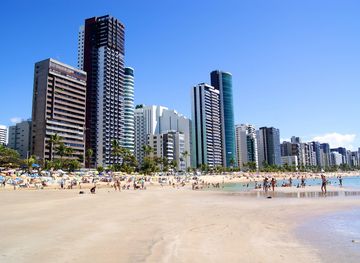


Destinations in Northeast Region
Resorts, valleys and scenic spots worth a trip of their own.


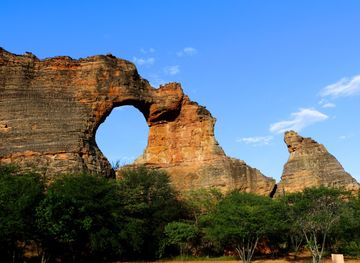

Explore Northeast Region: Things to Do, Places to Eat, Hotels & More
Handpicked recommendations for top attractions, local dining, accommodations, and more

Top Attractions & Sightseeing in Northeast Region
Top-rated picks
Best Attractions
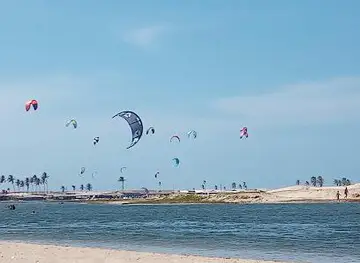
Lagoa do Cauípe Cumbuco
Discover Lagoa do Cauípe: Cumbuco's serene oasis offering kitesurfing, natural beauty, and tranquil relaxation in a stunning Brazilian setting.

Potycabana Park
Escape to Teresina's vibrant Potycabana Park: recreation, culture, and natural beauty along the Poti River.

Cumbuco Acqua Beach
Dive into fun at Cumbuco Acqua Beach! Experience thrilling slides, relaxing pools, and a family-friendly atmosphere on Ceará's stunning coast.

Parque Nacional Serra das Confusões
Discover the untamed beauty of Serra das Confusões National Park, a sprawling caatinga sanctuary in Piauí, Brazil, with dramatic landscapes and rich biodiversity.

Best landmarks in Northeast Region
Top-rated picks
Best Landmarks

Christ the Redeemer
An iconic symbol of Rio de Janeiro and Brazil, offering stunning panoramic views from atop Corcovado Mountain within Tijuca National Park.

Museu Náutico da Bahia - Farol da Barra
Explore Brazil's maritime history at Museu Náutico da Bahia, housed in the iconic Farol da Barra, offering stunning views and captivating exhibits.

Elevador Lacerda
Experience Salvador from Above: Ride the iconic Elevador Lacerda for breathtaking views and a seamless connection between the upper and lower cities.

Mercado Modelo
Discover Bahian culture at Mercado Modelo: handicrafts, souvenirs, cuisine, and history in a vibrant, neoclassical setting.

Best restaurants in Northeast Region
Top-rated picks
Best Restaurants

Terra Brasilis
Discover authentic Brazilian flavors at Terra Brasilis - where great food meets live music in Urca, Rio de Janeiro.

Salinas do Maragogi All Inclusive Resort
Discover tropical bliss at Salinas do Maragogi All Inclusive Resort – where luxury meets nature on Brazil's stunning coast.

Buraco Azul Caiçara
Experience authentic Brazilian cuisine at Buraco Azul Caiçara while enjoying stunning views in Cruz, Ceará.

Tábua de Carne - João Pessoa
Experience authentic Brazilian barbecue at Tábua de Carne - João Pessoa, where traditional flavors meet a lively dining atmosphere.

Best bars in Northeast Region
Top-rated picks
Best Bars

Crocobeach
Experience the vibrant atmosphere of Crocobeach in Fortaleza, where fun meets relaxation along the stunning Praia Do Futuro.

Restaurante Bodega do Sertão | Self Service | Regional Nordestino | Jatiúca
Experience the vibrant tastes of Northeastern Brazil at Restaurante Bodega do Sertão, a buffet showcasing authentic regional dishes.

Salinas do Maragogi All Inclusive Resort
Discover the ultimate beachfront escape at Salinas do Maragogi All Inclusive Resort, where luxury meets nature for an unforgettable holiday experience.

Barcaxeira
Discover the vibrant flavors of Brazil at Barcaxeira in Porto de Galinhas, a top-rated seafood restaurant perfect for food enthusiasts.

Best nightclubs in Northeast Region
Top-rated picks
Best Nightclubs

Crocobeach
Experience the essence of beach life at Crocobeach in Fortaleza, where delicious food meets vibrant entertainment by the shore.

Lookout Sunset Bar
Discover the beauty of Praia da Pipa at Lookout Sunset Bar, where exquisite cocktails meet breathtaking sunset views.

Le Rêve Club
Experience the vibrant nightlife of São Paulo at Le Rêve Club, where music, dancing, and socializing come together in an unforgettable atmosphere.

New Mariuzinn
Discover the vibrant nightlife of Rio de Janeiro at New Mariuzinn, where exquisite cocktails and pulsating music create an unforgettable experience in Copacabana.

Best shops in Northeast Region
Top-rated picks
Best Shops

RioMar Recife
Discover the vibrant shopping and dining experience at RioMar Recife, where modern elegance meets Brazilian culture in a premier shopping destination.

Museu Náutico da Bahia - Farol da Barra
Explore Brazil's rich maritime history at Museu Náutico da Bahia, a scenic museum located by the historic Farol da Barra in Salvador.

Shopping RioSul
Discover a vibrant shopping experience at Shopping RioSul in Botafogo, Rio de Janeiro, featuring top brands, diverse dining, and family-friendly entertainment.

Shopping Conjunto Nacional
Discover a vibrant shopping experience at Shopping Conjunto Nacional in Brasília, featuring diverse retail and dining options for every taste.

Explore Northeast Region on the Map
A handpicked selection of must-see spots in Northeast Region, mapped for you.
Northeast Region Essentials
-
The Northeast Region of Brazil is accessible through several major airports, including Pinto Martins – Fortaleza International Airport (FOR) in Ceará, Recife/Guararapes–Gilberto Freyre International Airport (REC) in Pernambuco, and Salvador-Deputado Luís Eduardo Magalhães International Airport (SSA) in Bahia. These airports offer both domestic and international flights. From these hubs, you can take connecting flights, buses, or rental cars to explore other parts of the region. Long-distance buses are also a popular and cost-effective way to travel to the Northeast from other parts of Brazil.
-
Within the Northeast Region, transportation options include buses, taxis, ride-sharing services like Uber, and rental cars. Public buses are widely used and are an economical way to get around cities and between towns. For more flexibility, renting a car is advisable, especially if you plan to explore rural areas and beaches. In cities, taxis and ride-sharing services are readily available and relatively affordable. Cycling is also becoming popular in some cities, with dedicated bike lanes and bike rental services.
-
The official currency in Brazil is the Brazilian Real (BRL). Credit and debit cards are widely accepted in hotels, restaurants, and larger stores. However, it's advisable to carry some cash for smaller establishments, markets, and rural areas where card payments may not be accepted. ATMs are available in cities and towns, but it's wise to withdraw sufficient cash before heading to remote areas. Currency exchange services are available at airports and in major cities.
-
While the Northeast Region is generally a safe destination, it is important to remain vigilant. Areas with higher crime rates, particularly targeting tourists, include some neighborhoods in major cities like Salvador, Recife, and Fortaleza. Avoid walking alone at night, especially in less populated or poorly lit areas. Keep valuables secure and be cautious of pickpockets in crowded places. Always use reputable transportation services and avoid displaying expensive items in public.
-
In case of emergency, dial 190 for police assistance or 192 for medical emergencies. Major cities have hospitals and clinics with emergency services. It is highly recommended to have travel insurance that covers medical emergencies, including evacuation if necessary. Pharmacies are widely available for minor health issues. For consular assistance, contact your country's embassy or consulate in Brazil.
-
Fashion: Do wear light, breathable clothing suitable for the hot climate. Don't wear overly revealing clothing in conservative areas or religious sites. Religion: Do respect local customs, especially in religious sites. Always dress modestly and be respectful during religious ceremonies. Public Transport: Do be courteous and offer your seat to elderly passengers. Don’t eat or drink on public buses. Greetings: Do greet people with a handshake or a kiss on the cheek, depending on the situation. Eating & Drinking: Do try local dishes and accept food graciously. Don’t refuse an offer to share a meal, as it is considered impolite.
-
To experience the Northeast Region like a local, visit local markets and fairs where you can find fresh produce, handicrafts, and traditional foods. Engage with locals, who are often friendly and eager to share their culture. Don't miss trying regional dishes such as acarajé in Bahia, tapioca in Pernambuco, and carne de sol in Ceará. Attend local festivals and events to immerse yourself in the vibrant culture. If you love music, explore the local Forró and Axé music scenes, which are integral parts of the region's cultural identity.
When is the best time to visit Northeast Region?
Useful Local Phrases for Northeast Region
You don't need to speak the language perfectly. Even learning a few simple words can make conversations warmer—and locals usually appreciate the effort.
— Eve

Here are the phrases I use most often in Northeast Region. Try a few—you'll be surprised how far they go! 😊
❤️
-
- HelloOlá
[o-lá] - GoodbyeAdeus
[a-deus] - YesSim
[sim] - NoNão
[nãu] - Please/You're welcomePor favor
[por fa-vor] - Thank youObrigado/Obrigada
[o-bri-ga-do/a] - Excuse me/SorryDesculpe
[des-kul-pe] - How are you?Como você está?
[ko-mo vo-cê es-tá] - Fine. And you?Bem. E você?
[beng. e vo-cê] - Do you speak English?Você fala inglês?
[vo-cê fa-la in-glês] - I don't understandEu não entendo
[eu nãu en-ten-do]
- HelloOlá
-
- I'd like to see the menu, pleaseEu gostaria de ver o cardápio, por favor
[eu gos-ta-ri-a de ver o kar-dá-pio, por fa-vor] - I don't eat meatEu não como carne
[eu nãu ko-mo kar-ne] - Cheers!Saúde!
[sa-u-de] - I would like to pay, pleaseEu gostaria de pagar, por favor
[eu gos-ta-ri-a de pa-gar, por fa-vor]
- I'd like to see the menu, pleaseEu gostaria de ver o cardápio, por favor
-
- Help!Socorro!
[so-corro] - Go away!Vá embora!
[vá em-bo-ra] - Call the Police!Chame a polícia!
[sha-me a po-li-cia] - Call a doctor!Chame um médico!
[sha-me um mé-di-co] - I'm lostEstou perdido
[es-tou per-di-do] - I'm illEstou doente
[es-tou do-en-te]
- Help!Socorro!
-
- I'd like to buy...Eu gostaria de comprar...
[eu gos-ta-ri-a de kom-prar...] - I'm just lookingEstou apenas olhando
[es-tou a-pe-nas o-lhan-do] - How much is it?Quanto custa?
[kwan-to kus-ta] - That's too expensiveIsso é muito caro
[is-so é mu-i-to ka-ro] - Can you lower the price?Você pode abaixar o preço?
[vo-cê po-de a-ba-i-xar o pre-so]
- I'd like to buy...Eu gostaria de comprar...
-
- What time is it?Que horas são?
[ke o-ras sãu] - It's one o'clockÉ uma hora
[é u-ma o-ra] - Half past (10)Dez e meia
[dez e mei-a] - MorningManhã
[man-hã] - AfternoonTarde
[tar-de] - EveningNoite
[noi-te] - YesterdayOntem
[on-tem] - TodayHoje
[o-je] - TomorrowAmanhã
[a-ma-nhã] - 1Um
[um] - 2Dois
[do-is] - 3Três
[três] - 4Quatro
[qua-tro] - 5Cinco
[sin-co] - 6Seis
[seis] - 7Sete
[se-te] - 8Oito
[oi-to] - 9Nove
[no-ve] - 10Dez
[dez]
- What time is it?Que horas são?
-
- Where's a/the...?Onde fica um/a...?
[on-de fi-ka um/a...] - What's the address?Qual é o endereço?
[kwal é o en-de-re-ço] - Can you show me (on the map)?Você pode me mostrar (no mapa)?
[vo-cê po-de me mos-trar (no ma-pa)] - When's the next (bus)?Quando é o próximo (ônibus)?
[quan-do é o pró-xi-mo (ô-ni-bus)] - A ticket (to ....)Um bilhete (para ....)
[um bi-lhe-te (pa-ra ....)]
- Where's a/the...?Onde fica um/a...?
History of Northeast Region
-
Long before the arrival of European settlers, the Northeast Region of Brazil was home to various indigenous tribes such as the Tupi, Potiguara, and Tabajara. These groups thrived for centuries, developing rich cultures and complex social structures. They lived in harmony with the land, utilizing its resources for agriculture, fishing, and hunting.
-
In the early 16th century, Portuguese explorers arrived and began colonizing the Northeast Region. The establishment of sugarcane plantations became the economic backbone of the area, particularly in states like Pernambuco and Bahia. The region's port cities, such as Recife and Salvador, flourished as key trading hubs. This period also saw the importation of African slaves, whose labor was crucial for the sugar industry and who significantly influenced the region's culture and demographics.
-
In the 17th century, the Dutch West India Company invaded and occupied parts of the Northeast Region, including Recife, which they renamed Mauritsstad. Under the leadership of John Maurice, Prince of Nassau-Siegen, the Dutch brought advancements in urban planning and infrastructure. However, their rule was short-lived, ending in 1654 after a series of battles with Portuguese forces.
-
The Quilombo of Palmares was a significant maroon community of escaped African slaves in the state of Alagoas. Established in the early 17th century, Palmares became a symbol of resistance against colonial oppression. Led by figures like Zumbi dos Palmares, the community thrived for nearly a century before being destroyed by Portuguese forces in 1694.
-
The Northeast Region played a crucial role in Brazil's fight for independence from Portugal, which was declared in 1822. The region saw numerous uprisings, such as the Pernambuco Revolution of 1817, which aimed to establish a republic independent of Portuguese rule. These movements were instrumental in shaping the national identity and fostering a spirit of resistance.
-
From the late 19th to early 20th century, the Northeast Region was plagued by the cangaço, a form of social banditry. Groups of armed outlaws, known as cangaceiros, roamed the rural areas, robbing from the wealthy and sometimes aiding the poor. The most famous cangaceiro was Lampião, who became a folk hero despite his violent methods. The cangaço era highlighted the social and economic inequalities in the region.
-
The Northeast Region is the birthplace of forró, a genre of music and dance that originated in the rural areas of the region. Forró has deep roots in the cultural fabric of the Northeast, often associated with the festas juninas (June Festivals) that celebrate rural life with music, dance, and traditional foods. The accordion, zabumba, and triangle are the primary instruments used in forró music.
-
In contemporary times, the Northeast Region has seen significant economic development, particularly in tourism. Coastal cities like Fortaleza, Natal, and Maceió have become popular destinations for their pristine beaches and vibrant culture. Efforts to preserve the region's rich history and cultural heritage have also been instrumental in attracting visitors from around the world.
Neighbouring Regions of Northeast Region
The closest regions to Northeast Region, if you have time for more than one.
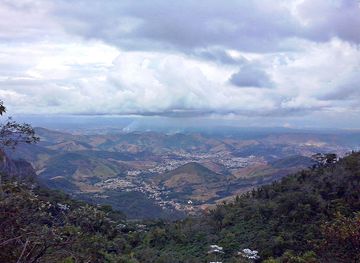


Your all‑in‑one travel companion app
Explore expert travel guides, compare and book tours, experiences, hotels, and more—all from the palm of your hand. Download now for seamless trip planning wherever your wanderlust takes you.


Explore More of Brazil

Looking beyond Northeast Region? Discover Brazil for broader travel guides, local hot-spots, and regional highlights.
Explore BrazilNortheast Region in Photos
Browse through our photo collection highlighting the charm and character of the destination.


Northeast Brazil: A Tropical Paradise of Culture and Adventure
Northeast Brazil is a captivating region known for its vibrant culture, stunning beaches, and rich history. This tropical paradise is where you can immerse yourself in the rhythmic beats of forró music, savor the flavors of traditional Brazilian cuisine, and explore landscapes that range from lush rainforests to arid deserts. The region boasts some of the most breathtaking beaches in the world. Cities like Salvador, Recife, and Fortaleza offer miles of golden sands and crystal-clear waters, perfect for swimming, surfing, and sunbathing. Don't miss out on Praia do Futuro in Fortaleza or Porto de Galinhas near Recife, both famous for their natural beauty and vibrant beach culture. Cultural enthusiasts will find plenty to admire in the colonial architecture and historical sites scattered throughout the region. Salvador, the capital of Bahia, is renowned for its Afro-Brazilian heritage, with colorful streets, lively festivals, and the intoxicating rhythm of samba. The historic center of Olinda, a UNESCO World Heritage site, is another must-visit, with its charming cobblestone streets and beautifully preserved buildings. Nature lovers will be thrilled with the diverse ecosystems found in the Northeast. The Lençóis Maranhenses National Park, with its vast sand dunes and seasonal lagoons, offers a surreal landscape perfect for exploration. The Chapada Diamantina National Park provides thrilling hiking trails, waterfalls, and caves for those seeking adventure. Whether you're looking to relax on pristine beaches, delve into rich cultural experiences, or embark on exciting outdoor adventures, Northeast Brazil offers something for every type of traveler. This region's blend of natural beauty, cultural richness, and warm hospitality makes it an unforgettable destination.