

Free Caatinga Travel Guide & Mobile App
Explore Caatinga with free travel guides. Discover regional history, expert tips, proposed trips, and audio guides on web or mobile app.


Explore Brazil’s Caatinga through prehistoric rock art, dry forests, river towns, sertão culture and dramatic semi-arid landscapes.
Read more about Caatinga
When is the best time to visit Caatinga?
Best: June–August · 30°C| Month | High (°C) | Rainfall (mm) |
|---|---|---|
| January | 31 | 75 |
| February | 32 | 75 |
| March | 32 | 75 |
| April | 32 | 75 |
| May | 31 | 75 |
| June (best) | 30 | 75 |
| July (best) | 30 | 75 |
| August (best) | 30 | 75 |
| September | 31 | 75 |
| October | 32 | 75 |
| November | 32 | 75 |
| December | 31 | 75 |
Getting to and around Caatinga
How to get there
Transportation
Top city travel guides in Caatinga
The cities of Caatinga, and the easiest places to base yourself.
-

-

-


Swipe for more cities
Destinations in Caatinga
Resorts, valleys and scenic spots worth a trip of their own.
-

-

-

-

-

-


Swipe for more destinations
Best attractions in Caatinga
The Caatinga’s attractions range from archaeological landscapes to river towns and dry-forest wilderness. In Piauí, Serra da Capivara National Park is known for its rock shelters, prehistoric paintings, cliffs and carefully established trails, while nearby Serra das Confusões offers a more rugged setting of canyons and plateaux. Pernambuco’s Vale do Catimbau National Park combines sandstone pillars, narrow valleys, viewpoints and archaeological remains. In Bahia, the Raso da Catarina protects remote semi-arid scenery and important wildlife habitat, while the São Francisco valley provides river excursions, agricultural landscapes and cultural experiences around Petrolina and Juazeiro. Other areas offer hiking among granite outcrops, seasonal waterfalls, cactus-rich scrub and viewpoints over broad sertão plains. Attractions are often separated by long distances, and the quality of a visit depends heavily on local guides, road conditions and seasonal access. The region is best understood as a collection of distinct destinations rather than one compact touring circuit.
-
Tourist attraction
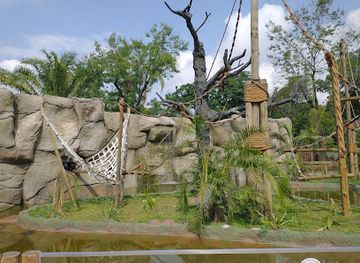
BioPark of Rio
Discover a new concept of a zoo in Rio de Janeiro, focused on animal welfare, conservation, and education in a historic setting.
-
Tourist attraction
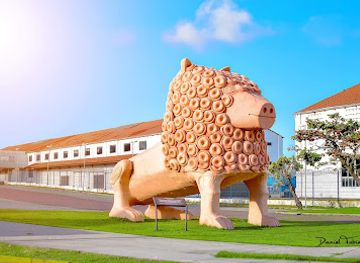
Centro Cultural Cais do Sertão
Explore the vibrant culture and traditions of Northeastern Brazil at this interactive museum in Recife Antigo.
-
Tourist attraction
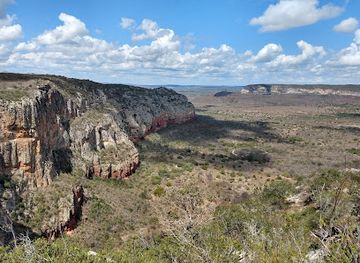
National Park Catimbau
Explore Brazil's ancient past and stunning landscapes in Catimbau National Park, a haven of biodiversity and prehistoric rock art.
-
Tourist attraction
Lajedo de Pai Mateus
Explore Lajedo de Pai Mateus, a surreal landscape of giant boulders in Brazil's Sertão, where nature's artistry meets ancient history and local legends.

Best landmarks in Caatinga
-
Historical landmark
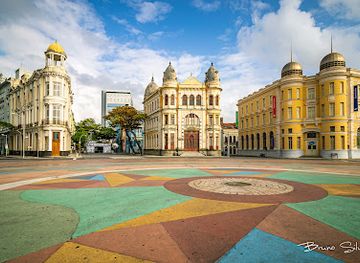
Marco Zero Square
Discover Recife's origins at Marco Zero Square, a vibrant hub of history, culture, and stunning waterfront views.
-
Tourist attraction
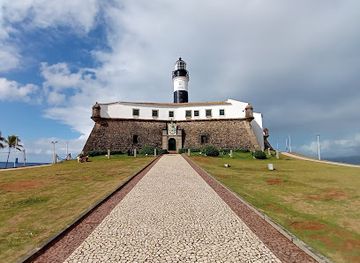
Museu Náutico da Bahia - Farol da Barra
Discover Brazil's maritime heritage at the Museu Náutico da Bahia, housed in the iconic Farol da Barra, offering history and stunning coastal views.
-
Market
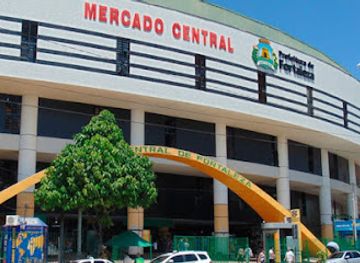
Mercado Central de Fortaleza
Discover a vibrant marketplace in Fortaleza with handicrafts, souvenirs, and local flavors at Mercado Central de Fortaleza.
-
Tourist attraction
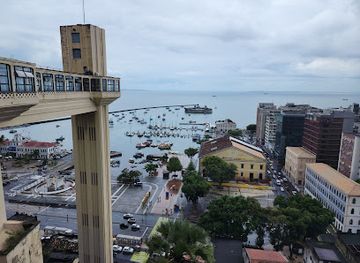
Elevador Lacerda
Ascend to breathtaking views of Salvador! Experience a ride on one of the world's first urban elevators, connecting history and culture in 30 seconds.
Explore Caatinga on the map
Plan your trip on one map. See where the top cities, national parks and sights are, and book hotels and experiences in a few clicks.
Best hotels in Caatinga
Best restaurants in Caatinga
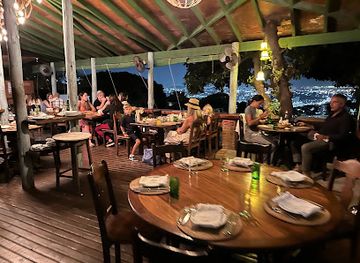
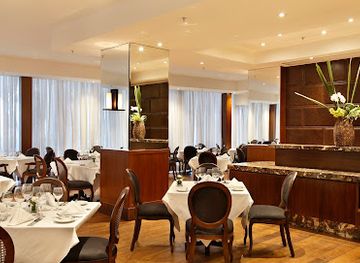
Caatinga cooking is based on ingredients that travel well, withstand a dry climate or reflect regional farming and river life. Manioc appears as flour, dough and accompaniments, while beans, maize, rice, sun-dried beef, goat and locally made cheeses are common in home-style restaurants and sertão eateries. Umbu, a tart native fruit, is used in juices, preserves and sweets, and licuri palm provides an important traditional ingredient in parts of Bahia and neighbouring states. Along the São Francisco, fish and fruit from irrigated agriculture add a different note to the food culture, with Petrolina and Juazeiro offering more varied restaurant scenes than small rural settlements. Look for regional stews, grilled goat, tapioca preparations, cuscuz and seasonal fruit drinks, while noting that recipes and names vary between states. Markets, bakeries, roadside restaurants and family-run establishments often provide a more representative taste of the interior than formal dining alone.
-
Seafood
Restaurante Marius Degustare
Experience exquisite seafood and Brazilian flavors with breathtaking views at Restaurante Marius Degustare in Copacabana.
-
Steak
Churrascaria Palace
Experience the best of Brazilian barbecue at Churrascaria Palace—where exquisite flavors meet vibrant culture in Copacabana.
-
Restaurant
Aprazível
Experience the flavors of Brazil at Aprazível - where breathtaking views meet authentic culinary artistry in Santa Teresa.
-
Italian
Alloro al Miramar
Experience authentic Italian cuisine with stunning ocean views at Alloro al Miramar in Copacabana.

Best bars in Caatinga
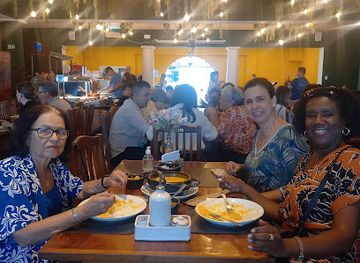
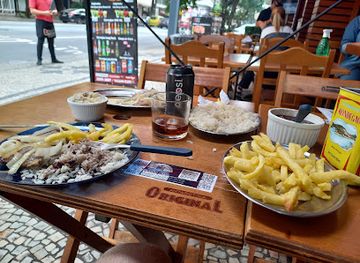
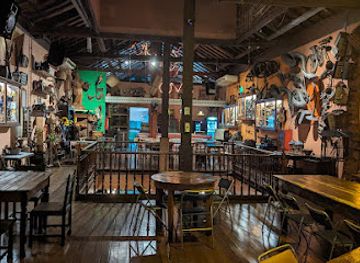
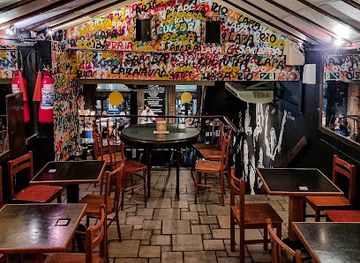
Evening life in the Caatinga is generally centred on town squares, family restaurants, traditional bars, music venues and religious or community events rather than a continuous nightclub circuit. Petrolina, Juazeiro, Juazeiro do Norte and other larger regional towns have the broadest choice of bars, live music, contemporary restaurants and late-night venues. In smaller sertão towns, evenings are quieter, with conversation, football, regional music and gatherings around central streets or plazas. Local drinks may include chilled fruit juices, cachaça and beer, while wine production around the São Francisco valley has created a distinct agricultural and tourism setting in parts of the region. Visitors should not assume that remote parks or rural villages have evening services, and should arrange transport back to their accommodation rather than relying on late public transport.
-
Bar
Bar e Restaurante Urca
Discover the flavors of Brazil at Bar e Restaurante Urca, where stunning views meet delectable cuisine in the heart of Rio de Janeiro.
-
Bar
Pavão Azul Bar
Experience the vibrant nightlife and delicious cuisine at Pavão Azul Bar in Copacabana, Rio de Janeiro. A must-visit for every traveler!
-
Bar
Rio Scenarium
Experience the vibrant nightlife of Rio de Janeiro at Rio Scenarium, a unique bar with live music, delicious buffet, and eclectic decor.
-
Cocktail bar
Bar Carioca da Gema
Discover the heart of Rio de Janeiro's nightlife at Bar Carioca da Gema, where cocktails and live samba music create an unforgettable experience.
Best nightclubs in Caatinga
Evening life in the Caatinga is generally centred on town squares, family restaurants, traditional bars, music venues and religious or community events rather than a continuous nightclub circuit. Petrolina, Juazeiro, Juazeiro do Norte and other larger regional towns have the broadest choice of bars, live music, contemporary restaurants and late-night venues. In smaller sertão towns, evenings are quieter, with conversation, football, regional music and gatherings around central streets or plazas. Local drinks may include chilled fruit juices, cachaça and beer, while wine production around the São Francisco valley has created a distinct agricultural and tourism setting in parts of the region. Visitors should not assume that remote parks or rural villages have evening services, and should arrange transport back to their accommodation rather than relying on late public transport.
-
Disco club
Vitrinni Lounge Beer
Experience the vibrant nightlife at Vitrinni Lounge Beer in Barra da Tijuca, Rio de Janeiro, where music and style collide for an unforgettable night.
-
Disco club
Santa Club Lagoa Nightclub
Discover the electrifying nightlife at Santa Club Lagoa, a premier disco club in Florianópolis, blending music, dance, and vibrant atmosphere.
-
Night club
Le Rêve Club
Discover the vibrant nightlife of São Paulo at Le Rêve Club, where music, dance, and friendships come alive until dawn.
-
Night club
New Mariuzinn
Discover the heart of Rio's nightlife at New Mariuzinn, a dynamic night club and cocktail bar in Copacabana, where every night is a celebration.




Best shops in Caatinga
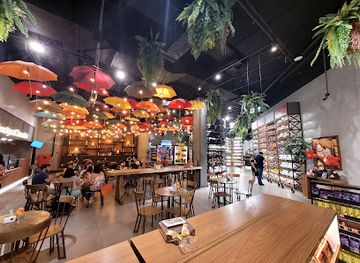
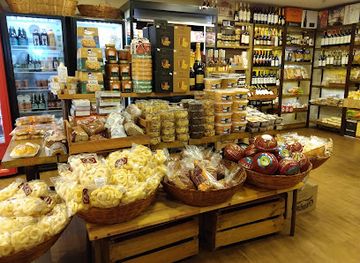
Shopping in the Caatinga is concentrated in market towns, central streets and regional commercial hubs rather than large-scale retail districts. Petrolina, Juazeiro, Juazeiro do Norte and other sizeable towns offer supermarkets, clothing shops, craft stalls and food markets, while smaller settlements are useful for everyday produce and locally made goods. Look for manioc flour, sweets and preserves made with umbu or other native fruits, regional cheeses, dried produce and cachaça where legally sold and appropriately packaged for travel. Craft traditions vary, but leatherwork, woven items, embroidery, ceramics, woodwork and objects made from locally available fibres may appear in markets and cultural centres. Visitors should buy archaeological material only through legitimate, documented channels and should never purchase fossils, rock-art fragments, artefacts or protected plants. Markets are also places to observe the seasonal economy, with the range of fruit, livestock products and household goods changing across the dry and rainy periods.
-
Shopping mall
RioMar Recife
Experience the best of shopping, dining, and entertainment at RioMar Recife, a premier destination in the heart of Pernambuco.
-
Shopping mall
BarraShopping
Discover BarraShopping, Rio de Janeiro's top shopping destination, featuring hundreds of stores, diverse dining, and entertainment options for all ages.
-
Shopping mall
Shopping RioSul
Explore Shopping RioSul: A vibrant shopping mall in Botafogo, offering diverse stores, dining options, and cultural experiences in Rio de Janeiro.
-
Market
Mercado Central de Fortaleza
Discover the rich culture, vibrant handicrafts, and delicious cuisine at Mercado Central de Fortaleza, a bustling market in Brazil's Ceará region.

Get your free copy of our complete guide to Caatinga, delivered straight to you.
Everything on this page, from attractions and restaurants to essentials and local phrases, in one PDF you can read offline, print or share.
Already have an account? Sign in
Your Caatinga guide is ready.
We'll send it to · Not you? Sign out

Getting your guide ready…
We are putting together a fresh copy of the Caatinga guide. This can take up to a minute.
This can take a few moments. If your browser asks, choose Allow so the download can start. You'll find the guide in your Downloads folder.
Nothing happened? Download it again
Sorry, the guide is taking longer than usual. Please try again in a minute, or get it by email instead.
Caatinga essentials
Currency and Payment
Safety
Emergency Situations
Do's and Don'ts
Local Tips
From Eve
Local phrases worth knowing
You don't need to get them perfect. A few words go a long way, and locals appreciate the effort.
Basics
| English | Local | Say it |
|---|---|---|
| Hello | Oi | [oy] |
| Goodbye | Tchau | [chow] |
| Yes | Sim | [seem] |
| No | Não | [now] |
| Please/You're welcome | Por favor | [por fah-vor] |
| Thank you | Obrigado | [oh-bree-gah-doo] |
| Excuse me/Sorry | Desculpe | [des-kool-pee] |
| How are you? | Como você está? | [koh-moo voh-seh es-tah] |
| Fine. And you? | Bem. E você? | [beng. ee voh-seh] |
| Do you speak English? | Você fala inglês? | [voh-seh fah-lah een-gles] |
| I don't understand | Eu não entendo | [eh-ooh now en-ten-doo] |
Eating & Drinking
| English | Local | Say it |
|---|---|---|
| I'd like to see the menu, please | Eu gostaria de ver o cardápio, por favor | [eh-ooh go-stah-ree-ah jeh vehr oo kar-dah-pee-oh, por fah-vor] |
| I don't eat meat | Eu não como carne | [eh-ooh now koh-moo kar-nee] |
| Cheers! | Saúde! | [sah-oo-jee] |
| I would like to pay, please | Eu gostaria de pagar, por favor | [eh-ooh go-stah-ree-ah jeh pah-gar, por fah-vor] |
Emergencies
| English | Local | Say it |
|---|---|---|
| Help! | Ajuda! | [ah-zhoo-dah] |
| Go away! | Vá embora! | [vah em-boh-rah] |
| Call the Police! | Chame a polícia! | [shah-mee ah poh-lee-see-ah] |
| Call a doctor! | Chame um médico! | [shah-mee oom meh-jee-koh] |
| I'm lost | Estou perdido | [es-toh pehr-jee-doo] |
| I'm ill | Estou doente | [es-toh do-ehn-chee] |
Shopping
| English | Local | Say it |
|---|---|---|
| I'd like to buy... | Eu gostaria de comprar... | [eh-ooh go-stah-ree-ah jeh kom-prahr] |
| I'm just looking | Estou apenas olhando | [es-toh ah-peh-nas oh-lyan-doo] |
| How much is it? | Quanto custa? | [kwahn-toh koos-tah] |
| That's too expensive | Isso é muito caro | [ee-soo eh moo-ee-toh kah-roo] |
| Can you lower the price? | Você pode baixar o preço? | [voh-seh poh-jee bye-shar oo preh-soo] |
Time & Numbers
| English | Local | Say it |
|---|---|---|
| What time is it? | Que horas são? | [kee oh-ras sow] |
| It's one o'clock | É uma hora | [eh oo-mah oh-rah] |
| Half past (10) | Dez e meia | [dez ee may-ah] |
| Morning | Manhã | [man-yah] |
| Afternoon | Tarde | [tar-jee] |
| Evening | Noite | [noy-chee] |
| Yesterday | Ontem | [on-teng] |
| Today | Hoje | [oh-jee] |
| Tomorrow | Amanhã | [ah-mah-nyah] |
| 1 | Um | [oom] |
| 2 | Dois | [doyz] |
| 3 | Três | [trays] |
| 4 | Quatro | [kwah-tro] |
| 5 | Cinco | [seen-koh] |
| 6 | Seis | [says] |
| 7 | Sete | [seh-chee] |
| 8 | Oito | [oy-toh] |
| 9 | Nove | [noh-vee] |
| 10 | Dez | [dez] |
Transport & Directions
| English | Local | Say it |
|---|---|---|
| Where's a/the...? | Onde fica um/a...? | [on-jee fee-kah oom/ah] |
| What's the address? | Qual é o endereço? | [kwahl eh oo en-deh-reh-soo] |
| Can you show me (on the map)? | Você pode me mostrar (no mapa)? | [voh-seh poh-jee mee mos-trar (no mah-pah)] |
| When's the next (bus)? | Quando é o próximo (ônibus)? | [kwan-doo eh oo proh-see-mo (oh-nee-boos)] |
| A ticket (to ....) | Um bilhete (para....) | [oom bee-lyeh-chee (pah-rah)] |
History of Caatinga
Ancient Peoples and Rock-Art Traditions
The Caatinga has been occupied by human communities for many thousands of years. The Serra da Capivara region in Piauí contains extensive rock shelters, paintings and engravings that record hunting, ritual and everyday activity over long periods. The exact chronology of the earliest occupation claims remains debated, but the archaeological record clearly demonstrates deep and varied human presence in the semi-arid interior. The concentration of sites, together with the surrounding landscape, has made Serra da Capivara one of Brazil’s most important areas for studying the country’s early inhabitants.
Indigenous Territories and Colonial Expansion
Before and during Portuguese colonisation, the interior was home to many Indigenous peoples, including communities belonging to different language and cultural groups. From the seventeenth century, cattle ranching expanded away from the coast along river valleys and interior routes, supplying colonial settlements with animals, leather and food. This process brought violence, displacement and resistance, while also creating the dispersed farms, chapels, market settlements and cattle paths associated with the sertão. Later regional identities developed from the interaction of Indigenous, African and European peoples rather than from a single colonial tradition.
Drought, Cattle and the Sertão Economy
Irregular rainfall has always shaped settlement and economic life in the Caatinga. Droughts could destroy crops, weaken herds and prompt migration towards coastal cities or river corridors, while better seasons encouraged temporary prosperity. Cattle, goats, manioc, beans, maize and small-scale trade formed the basis of many rural livelihoods, supplemented in places by cotton, carnauba and other regional products. Government responses increasingly focused on reservoirs, wells, roads and drought-relief institutions, but access to land, water and political influence remained uneven.
The Great Drought of 1877–1879
The drought of 1877–1879 was among the most devastating environmental and humanitarian crises in Brazil’s imperial history. It affected large areas of the Northeast, producing mass displacement, hunger, epidemic disease and severe livestock losses. Its consequences were felt in both interior settlements and coastal cities receiving migrants. The event shaped later public debates about drought policy, relief and regional inequality, while its memory remains embedded in literature, family histories and the physical landscape of reservoirs and migration routes.
Canudos and the War of 1896–1897
Canudos, in the interior of Bahia, became the centre of a millenarian community led by Antônio Conselheiro in the 1890s. The settlement attracted thousands of poor sertanejos and was viewed with increasing suspicion by regional landowners and the Republican government. After several failed expeditions, federal forces destroyed the community in the Canudos War of 1896–1897. The conflict became a defining episode in Brazilian history, especially through Euclides da Cunha’s book Os Sertões, which examined the environmental, social and political forces of the sertão.
Cangaço and Regional Popular Culture
Cangaço, the phenomenon of armed bands moving through the sertão, developed during the late nineteenth and early twentieth centuries amid social conflict, weak state presence and local power struggles. Figures such as Virgulino Ferreira da Silva, known as Lampião, became part of a complex body of folklore that combines fear, violence, resistance and romanticised imagery. Museums, memorials, music and clothing traditions in several Caatinga states continue to interpret this history. It should be understood within the realities of rural inequality and coercion, rather than as simple outlaw legend.
Conservation and Contemporary Caatinga Identity
During the twentieth and twenty-first centuries, the Caatinga came to be recognised as a biologically distinctive Brazilian biome rather than merely a degraded dry zone. National parks and other protected areas now preserve archaeological sites, endemic wildlife, dry forests and geological formations, although habitat loss, overgrazing and water pressure remain serious concerns. Research, sustainable harvesting, family agriculture and community-based tourism increasingly influence regional development. Contemporary Caatinga identity therefore combines sertanejo cultural traditions with growing scientific and environmental recognition.
Caatinga in Photos
Browse through our photo collection highlighting the charm and character of the destination.
Neighbouring regions of Caatinga
The closest regions to Caatinga, if you have time for more than one.
-

-

-

-

-


Swipe for more regions
Explore more

Explore more of Brazil
Discover Brazil: a land of samba, stunning landscapes, and rich history. From the Amazon to Rio, explore diverse cultures, world-class cuisine, and vibrant festivals.
Explore Brazil