Basílica do Senhor do Bonfim, Salvador Travel Guide
Discover the spiritual heart of Bahia at the Basílica do Senhor do Bonfim, a symbol of faith, tradition, and cultural syncretism in Salvador.
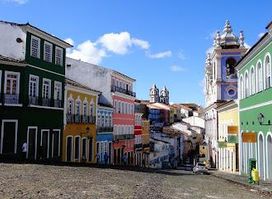
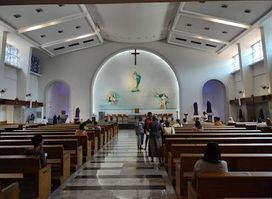
The Basílica do Senhor do Bonfim, an 18th-century church in Salvador, is a significant religious and cultural landmark. Known for its neoclassical architecture, Rococo facade, and the colorful ribbons tied to its gates, the basilica is a symbol of Bahian faith and syncretism.
A brief summary to Basílica do Senhor do Bonfim
- Largo do Bonfim, s/n, Salvador, Bonfim, State of Bahia, 40415-475, BR
- Click to display
- Click to display

Know before you go
Hi, I'm Eve. Here are a few practical things to know before exploring Basílica do Senhor do Bonfim.
- Visit early in the morning to avoid crowds and fully appreciate the tranquility of the church.
- Bring a ribbon to tie on the gates, symbolizing your wishes and prayers.
- Explore the surrounding Largo do Bonfim for local crafts and Bahian street food.
- Be prepared for persistent sellers offering ribbons and asking for donations.
Do you manage this location?
Take control to get all the benefits, like improved information, better appearance, and stronger visibility across AI-powered discovery. Learn more about listing your business on Evendo
Activate your presenceOther nearby places you may find interesting
The closest places of the same kind, if this one is not quite what you had in mind.
Explore Basílica do Senhor do Bonfim on the Map
A handpicked selection of must-see spots near Basílica do Senhor do Bonfim, mapped for you.
Unlock the Best of Basílica do Senhor do Bonfim
Buy tickets
-
No tickets available
Book tours with entry


Getting There
-
Public Transport
From Salvador's city center (e.g., Pelourinho), take a local bus towards Bonfim. Many buses serve this route, with fares around R$5.20. Check for buses indicating 'Bonfim' or 'Largo do Bonfim' as their destination. The journey can take approximately 30-45 minutes depending on traffic.
-
Taxi/Ride-sharing
Taxis and ride-sharing services like Uber or 99 are readily available in Salvador. A taxi ride from the city center to the Basílica do Senhor do Bonfim typically costs between R$30-R$50, depending on traffic conditions. Ensure the driver knows the destination as 'Largo do Bonfim'.
-
Walking
If you are already in the Bonfim area, the Basílica do Senhor do Bonfim is within a short walking distance. Follow street signs to Largo do Bonfim, where the church is located. The walk is pleasant and allows you to enjoy the local architecture and atmosphere.
-
Driving
If driving, follow the BR-101 highway towards Salvador and then signs for 'Bonfim' and 'Largo do Bonfim'. Parking is available near the basilica, but be prepared for potential fees. Parking availability can be limited, especially during peak hours and festivals.
Discover more about Basílica do Senhor do Bonfim
More to explore near Basílica do Senhor do Bonfim













Your all‑in‑one travel companion app
Explore expert travel guides, compare and book tours, experiences, hotels, and more—all from the palm of your hand. Download now for seamless trip planning wherever your wanderlust takes you.


Explore More of Salvador
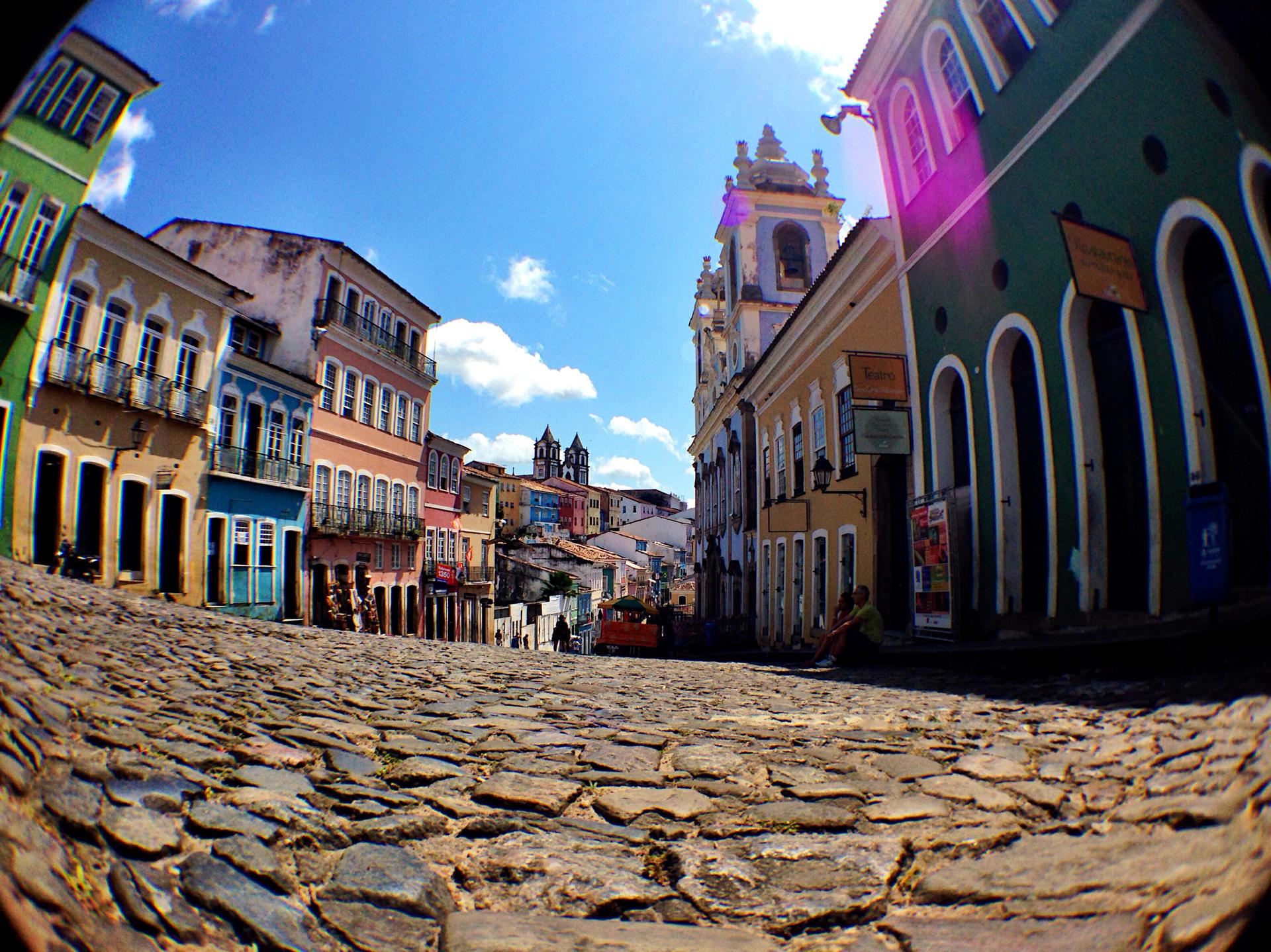
Looking beyond Basílica do Senhor do Bonfim? Discover Salvador for broader travel guides, local hot-spots, and regional highlights.
Explore Salvador