

Free Serra do Espinhaço Travel Guide & Mobile App
Explore Serra do Espinhaço with free travel guides. Discover regional history, expert tips, proposed trips, and audio guides on web or mobile app.


Explore Brazil’s Serra do Espinhaço for quartzite mountains, waterfalls, colonial towns, rare plants and long-distance adventures across Minas Gerais and Bahia.
Read more about Serra do Espinhaço
When is the best time to visit Serra do Espinhaço?
Best: May, August–September · 22–25°C| Month | High (°C) | Rainfall (mm) |
|---|---|---|
| January | 27 | 150 |
| February | 27 | 140 |
| March | 27 | 130 |
| April | 26 | 100 |
| May (best) | 24 | 70 |
| June | 21 | 50 |
| July | 20 | 40 |
| August (best) | 22 | 50 |
| September (best) | 25 | 70 |
| October | 26 | 100 |
| November | 27 | 130 |
| December | 27 | 150 |
Getting to and around Serra do Espinhaço
How to get there
Transportation
Destinations in Serra do Espinhaço
Resorts, valleys and scenic spots worth a trip of their own.

Swipe for more destinations
Best attractions in Serra do Espinhaço
The Serra do Espinhaço offers a varied collection of protected landscapes, historic towns and outdoor experiences rather than one concentrated attraction zone. Serra do Cipó National Park is known for quartzite ridges, waterfalls, rivers, caves and campos rupestres, with access points around the Serra do Cipó area. Around Diamantina, Biribiri State Park combines waterfalls, rocky valleys and the remains of a historic textile settlement, while Rio Preto State Park protects highland streams, rock formations and trails near São Gonçalo do Rio Preto. Sempre-Vivas National Park preserves extensive upland vegetation and important headwaters, although access is more specialised and should be arranged locally. In Bahia, Chapada Diamantina National Park forms the northern part of the broader mountain landscape, with plateaux, canyons, caves and long-distance walking routes around several gateway towns. Historic centres such as Diamantina and Serro add churches, museums, markets and colonial streets to the natural itinerary. Activities range from short waterfall walks and birdwatching to multi-day treks, but distances, river conditions and park rules differ widely, so a regional plan is more practical than an improvised traverse.
-
National park
Parque Nacional da Serra do Cipó
Discover the breathtaking waterfalls, diverse flora, and rugged landscapes of Serra do Cipó National Park in Minas Gerais, Brazil.
-
State park
State Park of Serra do Cabral
Explore Brazil's Serra do Cabral State Park: Hike scenic trails, discover diverse wildlife, and witness ancient cave paintings in a natural paradise.
-
Mountain peak
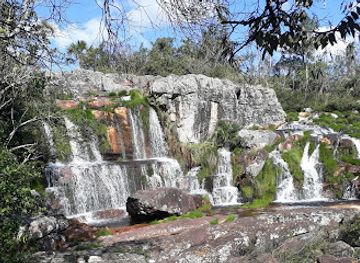
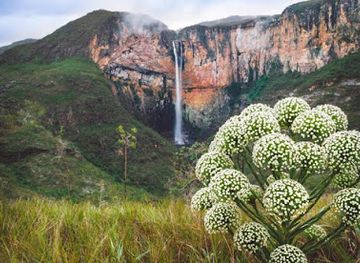
Espinhaço Mountains
Explore Brazil's Espinhaço Mountains: Hike scenic trails, discover unique biodiversity, and immerse yourself in rich history and culture.

Best landmarks in Serra do Espinhaço
The Serra do Espinhaço’s most significant landmarks range from colonial mining towns to highland formations shaped by ancient geology. Diamantina’s historic centre is the region’s defining architectural landmark, with steep streets, churches, civic buildings and houses associated with the diamond economy; its cultural importance is recognised through its UNESCO World Heritage status. The former mining town of Biribiri, within Biribiri State Park, preserves a distinctive industrial and residential ensemble beside streams and rocky hills. In the southern section, the dramatic quartzite ridges and waterfalls of Serra do Cipó form a natural landmark system rather than a single monument, with the Serra do Cipó National Park protecting some of its best-known landscapes. The elevated escarpments around Sempre-Vivas National Park and the valleys near Rio Preto are important as headwater and plant-rich mountain environments. Farther north, the tablelands, canyons and isolated rock formations of Chapada Diamantina express the range’s changing geology and create its most recognisable Bahian panoramas. Historic Serro adds churches, traditional urban fabric and a strong connection with the interior’s agricultural and mining past.
-
Mountain peak
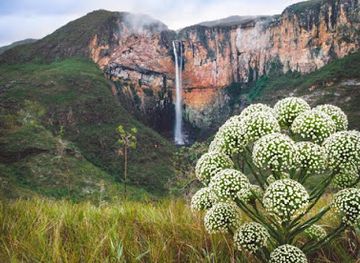
Espinhaço Mountains
Discover Brazil's best kept secret: The Espinhaço Mountains, a haven of biodiversity, history, and breathtaking landscapes.
-
Travel agency
Itacaré Paradise
Discover Itacaré, Brazil: Where lush rainforests meet stunning beaches, offering surf, eco-adventures, and vibrant Bahian culture.
Explore Serra do Espinhaço on the map
Plan your trip on one map. See where the top cities, national parks and sights are, and book hotels and experiences in a few clicks.
Best hotels in Serra do Espinhaço
Best restaurants in Serra do Espinhaço
Food across the Serra do Espinhaço reflects the wider culinary identity of Brazil’s interior while taking on local variations in mountain towns and rural communities. In Minas Gerais, visitors commonly encounter beans, rice, corn, cassava, leafy greens, pork, chicken, fresh and matured cheeses, breads and preserved sweets, often served in homes, simple restaurants, cafés and rural inns. The cheese traditions associated with Minas Gerais are especially relevant around historic and agricultural communities in the southern and central range, while fruit preserves and cakes are common purchases in market towns. Around Diamantina and other heritage centres, traditional cooking sits alongside cafés and contemporary restaurants aimed at visitors. In the Bahian section, menus may use more pronounced spices, dendê oil and regional produce, reflecting the state’s broader culinary culture. Farmers’ markets and small food shops are useful for fruit, cheese, biscuits and picnic supplies, but the range of provisions can be limited near remote trailheads. Ask whether a dish is prepared to order and allow extra time in rural establishments, where meals are often part of the day’s slower rhythm.
-
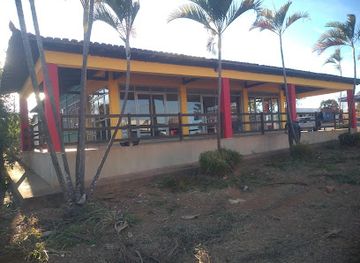
Restaurant
Restaurante Brasil caminhoneiro
Discover authentic Brazilian flavors at Restaurante Brasil Caminhoneiro in Minas Gerais - a culinary experience not to be missed!
Best bars in Serra do Espinhaço
Evening life in the Serra do Espinhaço is generally modest and concentrated in historic towns, park gateways and larger settlements rather than organised around a major club scene. Diamantina has the most recognisable urban evening culture within the Minas Gerais section, with traditional bars, cafés, restaurants, live music and student activity around its historic centre, while Ouro Preto, outside the central mountain itinerary but near the southern end of the range, offers a larger university-oriented nightlife scene. In Serra do Cipó and smaller mountain communities, evenings usually centre on pousada restaurants, informal bars, local music and conversation after a day outdoors. Chapada Diamantina towns provide a wider selection of restaurants, bars and occasional live performances, though the atmosphere varies by gateway and season. Craft beer and regional drinks may appear on modern menus, but visitors should not expect late-night transport or reliable opening arrangements in remote areas. Plan the return journey before drinking and respect the quieter character of villages and rural accommodation.
-
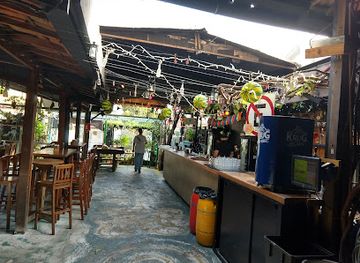
Live music bar
Jângal
Experience the vibrant nightlife of Belo Horizonte at Jângal, a premier live music bar offering great food, drinks, and unforgettable entertainment.
-
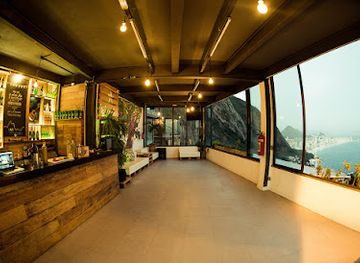
Bar
Bar da Laje
Experience breathtaking views and vibrant culture at Bar da Laje, a must-visit bar in the heart of Vidigal, Rio de Janeiro.
-
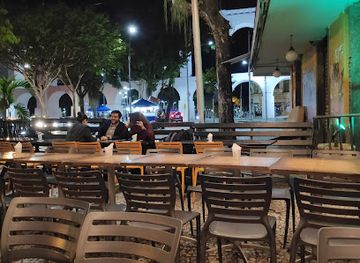
Bar
Leviano Bar
Discover the vibrant nightlife at Leviano Bar in Lapa, where great cocktails and live music create an unforgettable experience in Rio de Janeiro.
-
Bar
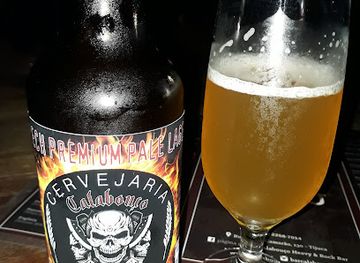
Calabouço Rock Bar
Discover Rio's vibrant nightlife at Calabouço Rock Bar, where live music and a lively atmosphere come together for an unforgettable experience.
Best nightclubs in Serra do Espinhaço
Evening life in the Serra do Espinhaço is generally modest and concentrated in historic towns, park gateways and larger settlements rather than organised around a major club scene. Diamantina has the most recognisable urban evening culture within the Minas Gerais section, with traditional bars, cafés, restaurants, live music and student activity around its historic centre, while Ouro Preto, outside the central mountain itinerary but near the southern end of the range, offers a larger university-oriented nightlife scene. In Serra do Cipó and smaller mountain communities, evenings usually centre on pousada restaurants, informal bars, local music and conversation after a day outdoors. Chapada Diamantina towns provide a wider selection of restaurants, bars and occasional live performances, though the atmosphere varies by gateway and season. Craft beer and regional drinks may appear on modern menus, but visitors should not expect late-night transport or reliable opening arrangements in remote areas. Plan the return journey before drinking and respect the quieter character of villages and rural accommodation.
-
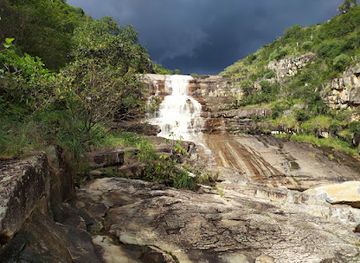
Mountain peak
Espinhaço Mountains
Explore the breathtaking Espinhaço Mountains, a natural wonder in Minas Gerais filled with stunning landscapes and diverse wildlife.
Best shops in Serra do Espinhaço
Shopping in the Serra do Espinhaço is centred on historic high streets, municipal markets, roadside producers, craft workshops and small independent shops rather than large retail districts. Diamantina offers the broadest choice of regional food, handicrafts, books, jewellery and locally made goods, while Serro and other Minas Gerais towns are useful for cheeses, sweets, biscuits and preserves associated with the surrounding countryside. In Serra do Cipó, visitors commonly find practical outdoor supplies, small craft pieces and food products aimed at walkers, though selection varies by village. Chapada Diamantina gateways provide handicrafts, artwork, minerals-inspired designs and regional foods, but any purchase of stones or fossils should be checked carefully to avoid supporting illegal extraction. Look for woven goods, ceramics, leatherwork, woodwork and locally produced food where provenance is clear. Markets are also useful for picnic ingredients and seasonal fruit, but trading days and stock vary, so do not build an itinerary around a market without confirming locally. Avoid buying archaeological objects, wild-collected plants or unverified gemstones.
-
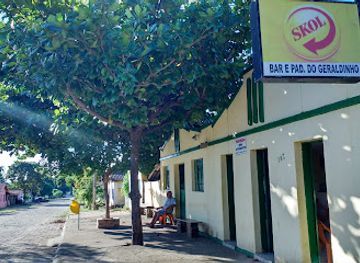
Bakery
Bar do Geraldinho
Discover the flavors of Minas Gerais at Bar do Geraldinho, where freshly baked goods and local drinks await in a charming atmosphere.
-
Corporate gift supplier
Boutique Biju Store
Explore the Boutique Biju Store in Diamantina for unique gifts and custom t-shirts that capture the spirit of Minas Gerais.
-
Gift shop
O Boticário
Explore O Boticário in Bocaiúva: a premier gift shop for exquisite cosmetics, perfumes, and beauty essentials that capture Brazilian charm.
-
Store
Comercial Diamantina
Explore Comercial Diamantina in Olhos d'Água for an authentic shopping experience filled with local treasures and cultural charm.


Get your free copy of our complete guide to Serra do Espinhaço, delivered straight to you.
Everything on this page, from attractions and restaurants to essentials and local phrases, in one PDF you can read offline, print or share.
Already have an account? Sign in
Your Serra do Espinhaço guide is ready.
We'll send it to · Not you? Sign out

Getting your guide ready…
We are putting together a fresh copy of the Serra do Espinhaço guide. This can take up to a minute.
This can take a few moments. If your browser asks, choose Allow so the download can start. You'll find the guide in your Downloads folder.
Nothing happened? Download it again
Sorry, the guide is taking longer than usual. Please try again in a minute, or get it by email instead.
Serra do Espinhaço essentials
Currency and Payment
Safety
Emergency Situations
Do's and Don'ts
Local Tips
From Eve
Local phrases worth knowing
You don't need to get them perfect. A few words go a long way, and locals appreciate the effort.
Basics
| English | Local | Say it |
|---|---|---|
| Hello | Oi | [oy] |
| Goodbye | Tchau | [chow] |
| Yes | Sim | [sim] |
| No | Não | [nãu] |
| Please/You're welcome | Por favor/De nada | [por fah-vor/de nah-da] |
| Thank you | Obrigado | [oh-bree-gah-do] |
| Excuse me/Sorry | Desculpe | [des-kool-peh] |
| How are you? | Como você está? | [koh-moo voh-seh eh-stah] |
| Fine. And you? | Bem. E você? | [beng. ee voh-seh] |
| Do you speak English? | Você fala inglês? | [voh-seh fah-lah een-glez] |
| I don't understand | Eu não entendo | [eh-oo nãu en-ten-do] |
Eating & Drinking
| English | Local | Say it |
|---|---|---|
| I'd like to see the menu, please | Eu gostaria de ver o cardápio, por favor | [eh-oo goh-stah-ree-ah jeh veh-o kar-dah-pyo, por fah-vor] |
| I don't eat meat | Eu não como carne | [eh-oo nãu koh-moo kah-nee] |
| Cheers! | Saúde! | [sah-oo-deh] |
| I would like to pay, please | Eu gostaria de pagar, por favor | [eh-oo goh-stah-ree-ah jeh pah-gar, por fah-vor] |
Emergencies
| English | Local | Say it |
|---|---|---|
| Help! | Ajuda! | [ah-zhoo-dah] |
| Go away! | Vá embora! | [vah em-boh-rah] |
| Call the Police! | Chame a polícia! | [sha-meh ah poh-lee-syah] |
| Call a doctor! | Chame um médico! | [sha-meh oom meh-jee-koh] |
| I'm lost | Estou perdido | [es-toh per-jee-do] |
| I'm ill | Estou doente | [es-toh doh-en-che] |
Shopping
| English | Local | Say it |
|---|---|---|
| I'd like to buy... | Eu gostaria de comprar... | [eh-oo goh-stah-ree-ah jeh kom-prahr] |
| I'm just looking | Estou apenas olhando | [es-toh ah-peh-nas oh-lyan-do] |
| How much is it? | Quanto custa? | [kwan-toh koos-tah] |
| That's too expensive | Isso é muito caro | [ee-so eh mwee-toh kah-roh] |
| Can you lower the price? | Você pode baixar o preço? | [voh-seh poh-jee bah-ee-shar o preh-so] |
Time & Numbers
| English | Local | Say it |
|---|---|---|
| What time is it? | Que horas são? | [kee oh-ras sah-o] |
| It's one o'clock | É uma hora | [eh oo-mah oh-rah] |
| Half past (10) | Dez e meia | [dehz ee meh-yah] |
| Morning | Manhã | [mahn-yah] |
| Afternoon | Tarde | [tahr-jee] |
| Evening | Noite | [noy-chee] |
| Yesterday | Ontem | [on-tem] |
| Today | Hoje | [oh-zhee] |
| Tomorrow | Amanhã | [ah-mahn-yah] |
| 1 | Um | [oom] |
| 2 | Dois | [doyz] |
| 3 | Três | [trehz] |
| 4 | Quatro | [kwah-tro] |
| 5 | Cinco | [seen-koh] |
| 6 | Seis | [sayz] |
| 7 | Sete | [seh-chee] |
| 8 | Oito | [oy-toh] |
| 9 | Nove | [noh-vee] |
| 10 | Dez | [dehz] |
Transport & Directions
| English | Local | Say it |
|---|---|---|
| Where's a/the...? | Onde fica um/a...? | [on-jee fee-kah oom/ah] |
| What's the address? | Qual é o endereço? | [kwal eh oo en-deh-reh-soo] |
| Can you show me (on the map)? | Você pode me mostrar (no mapa)? | [voh-seh poh-jee mee mohs-trahr (no mah-pah)] |
| When's the next (bus)? | Quando é o próximo (ônibus)? | [kwan-do eh oo proh-see-moo (oh-nee-boos)] |
| A ticket (to ....) | Uma passagem (para ...) | [oo-mah pah-sah-gem (pah-rah ...)] |
History of Serra do Espinhaço
Indigenous occupation and archaeological landscapes
The highlands of the Serra do Espinhaço were occupied and travelled by Indigenous peoples long before Portuguese colonisation. Rock shelters, stone tools and other archaeological evidence show that the mountains were places of movement, subsistence and cultural activity rather than an untouched wilderness. In several areas, caves and shelters preserve traces of ancient occupation, although access and interpretation vary between sites. The survival of Indigenous communities and traditions has also been affected by colonisation, mining and later land-use changes. Contemporary visitors should understand archaeological locations as protected cultural heritage and should never remove artefacts or mark rock surfaces.
Portuguese expansion and the gold cycle
During the late seventeenth and eighteenth centuries, Portuguese expeditions and colonial settlers moved through the interior of Minas Gerais in search of precious metals. Gold discoveries in the southern Espinhaço and adjacent areas encouraged the growth of settlements, churches, roads and administrative centres, including Ouro Preto and nearby historic towns. Mining wealth financed elaborate religious architecture and connected the mountain region to the Atlantic colonial economy. It also relied heavily on enslaved African labour and brought violence, land dispossession and severe pressure on rivers and forests. The surviving urban fabric is therefore both an architectural legacy and a reminder of colonial inequality.
Diamonds and the rise of Diamantina
Diamonds were discovered in the Serra do Espinhaço around the Diamantina area in the early eighteenth century, creating one of colonial Brazil’s most important mining districts. The Portuguese Crown attempted to control production through taxation and regulations, while miners, merchants and enslaved workers shaped the settlements and routes across the uplands. Diamantina developed as a regional centre of trade, administration and religious life, and its steep streets and eighteenth- and nineteenth-century buildings reflect this history. Diamond working continued in changing forms after independence, leaving altered riverbeds, excavations and a complex social legacy that remains part of local memory.
Nineteenth-century science and natural history
The Serra do Espinhaço attracted naturalists during the nineteenth century because of its unusual geology, high-altitude vegetation and concentration of plant species. Expeditions and botanical collections helped establish the scientific significance of the campos rupestres, while mineral surveys continued the region’s economic importance. The work of visiting and Brazilian researchers contributed to wider knowledge of Brazil’s interior, although much early collecting took place within colonial and imperial structures that gave limited recognition to local knowledge. Today, the range is internationally valued for plant diversity and endemism, and its scientific history supports conservation as well as tourism.
Mining, agriculture and changing mountain economies
After the major colonial gold and diamond booms, communities across the range combined smaller-scale mining with cattle raising, subsistence farming, trade and craft production. Roads and later motor transport altered the relationship between highland villages and larger cities, while iron ore extraction became increasingly important in parts of southern Minas Gerais. These activities created employment and infrastructure but also affected watersheds, vegetation and traditional land use. The economic history of the Serra do Espinhaço is consequently not a simple transition from mining to tourism: contemporary livelihoods still include agriculture, extractive work, services and guiding alongside conservation-related activities.
Protected areas and conservation
The ecological importance of the range led to the creation of national and state protected areas, including Serra do Cipó National Park, Sempre-Vivas National Park, Rio Preto State Park, Biribiri State Park and, farther north, Chapada Diamantina National Park. Protection has helped safeguard headwaters, rocky ecosystems, forests and rare plants, but it has not removed pressures from mining, fire, unplanned development, invasive species and climate variability. Conservation also involves local residents, traditional users, researchers and tourism businesses. Visitors encounter this continuing history through trail rules, restricted areas and the growing emphasis on low-impact access.
Serra do Espinhaço in Photos
Browse through our photo collection highlighting the charm and character of the destination.
Neighbouring regions of Serra do Espinhaço
The closest regions to Serra do Espinhaço, if you have time for more than one.
-

-

-

-

-


Swipe for more regions
Explore more

Explore more of Brazil
Discover Brazil: a land of samba, stunning landscapes, and rich history. From the Amazon to Rio, explore diverse cultures, world-class cuisine, and vibrant festivals.
Explore Brazil